What makes this exercise particularly effective?
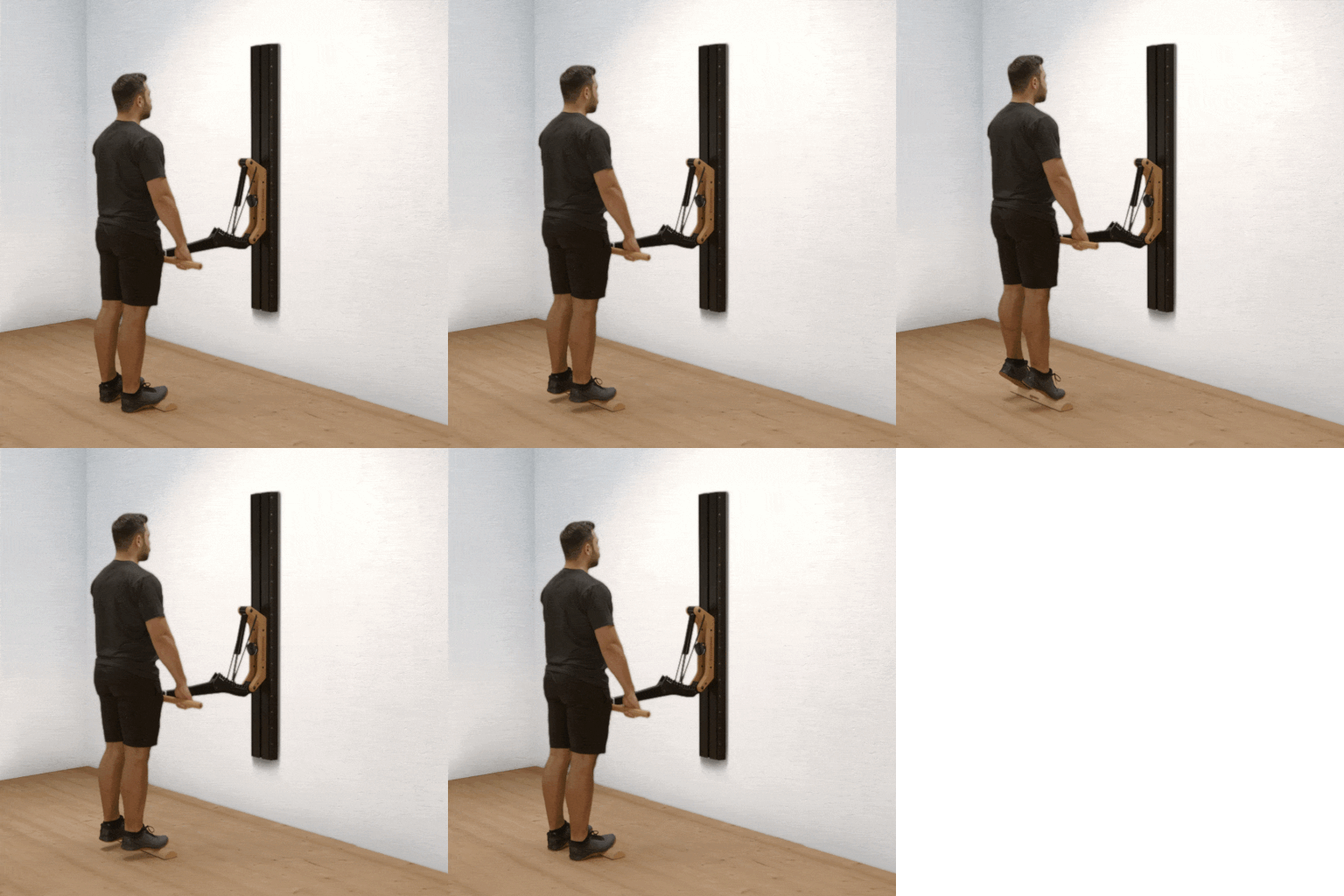
In this variation, the focus is strongly placed on the eccentric phase – that is, the phase in which you lower the heel in a controlled manner. Studies show that eccentric training is especially effective to strengthen muscles and tendons and prevent injuries.
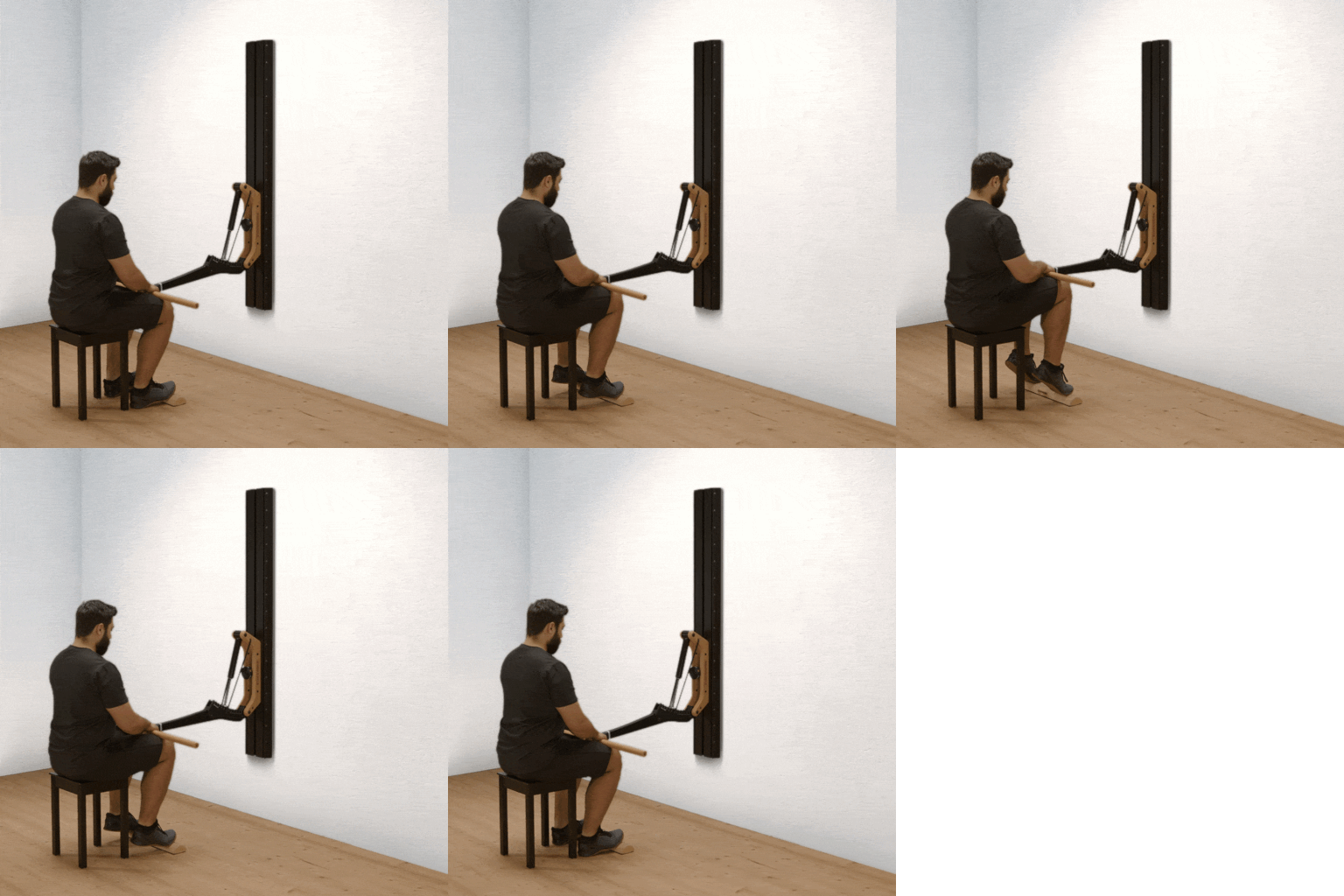
Since you are training standing up, both calf muscles (Gastrocnemius and Soleus) are under tension – the Gastrocnemius is particularly active because it is most demanded when the knees are extended. A recent comparison suggests that standing variations are more effective than seated ones for hypertrophy in the gastrocnemius.
The eccentric emphasis lengthens the muscle and tendon fibers in the stretched position, which can contribute to improving flexibility, tendon elasticity, and reducing overloading problems (e.g. Achilles tendon).
What effect does the exercise achieve?
Increase in calf muscle strength & muscle building: Due to the high load during the lowering phase (eccentric), the muscle fibers are more intensely engaged than with many standard exercises. This leads to efficient growth when you work cleanly, slowly, and with full control.
Improved tendon and joint health: Especially the Achilles tendon benefits from eccentric training – it becomes more resilient and resistant to recurring injuries and strains.
More balance & proprioception: Standing calf raises require a good sense of balance and stabilization of bodyposture, as you stand upright and every step must remain stable. The interaction of the calves, foot, and ankle joints is trained.
Joint-friendly training: By lowering the weight in a controlled manner along the eccentric phase and not “dropping it”, you minimize stress on the knees, ankles, and Achilles tendon.
Everyday life & sports performance: Strong calves are important for movements such as walking, jumping, sprinting, climbing stairs, etc. A well-functioning calf increases efficiency when rolling the foot and supports rebound in movement chains.
How does this exercise fit into the Big 5 concept?
The Big 5 include the fundamental exercises: squat, deadlift, bench press, pull-up or lat pulldown, and shoulder press. Even though this exercise is not part of the classic Big 5, it can complement them very well.
Supporting the lower body chain: In squats and deadlifts, calves are engaged to ensure stability, especially in foot positioning and rolling over the forefoot.
Avoidance of plateaus & imbalances: Many training plans neglect the calves, and focusing on both phases of the movement – especially the eccentric – can fill a big gap.
Supplementary exercise: As an additional exercise to the Big 5, eccentric calf raises strengthen your ability to generate pressure on the ground, which helps in activities such as sprinting, jumping, and athletic training.
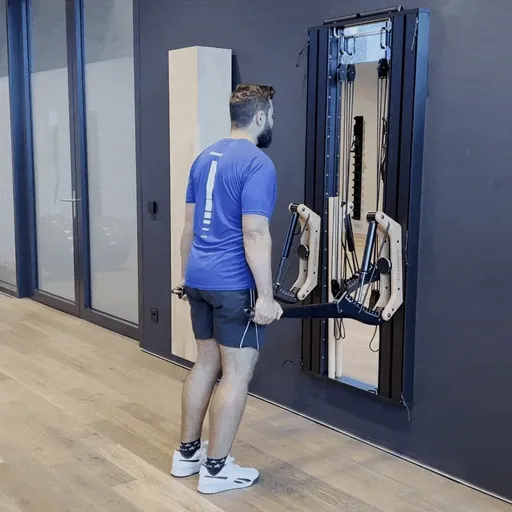
:format(webp))
)
)
)
)
)
:format(webp) "EISENHORN S Black Edition")
 "EISENHORN S Black Edition")