What makes this exercise particularly effective?
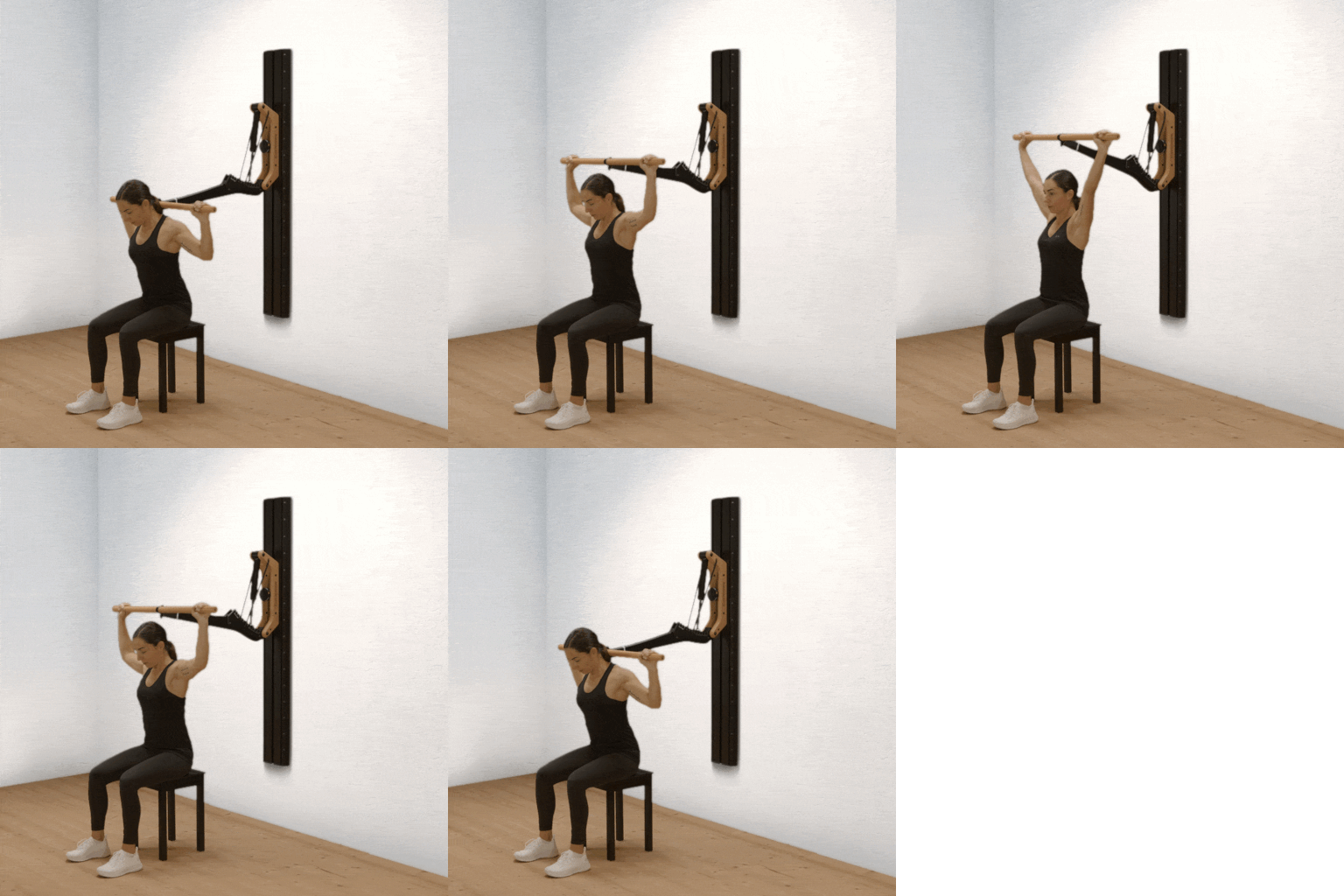
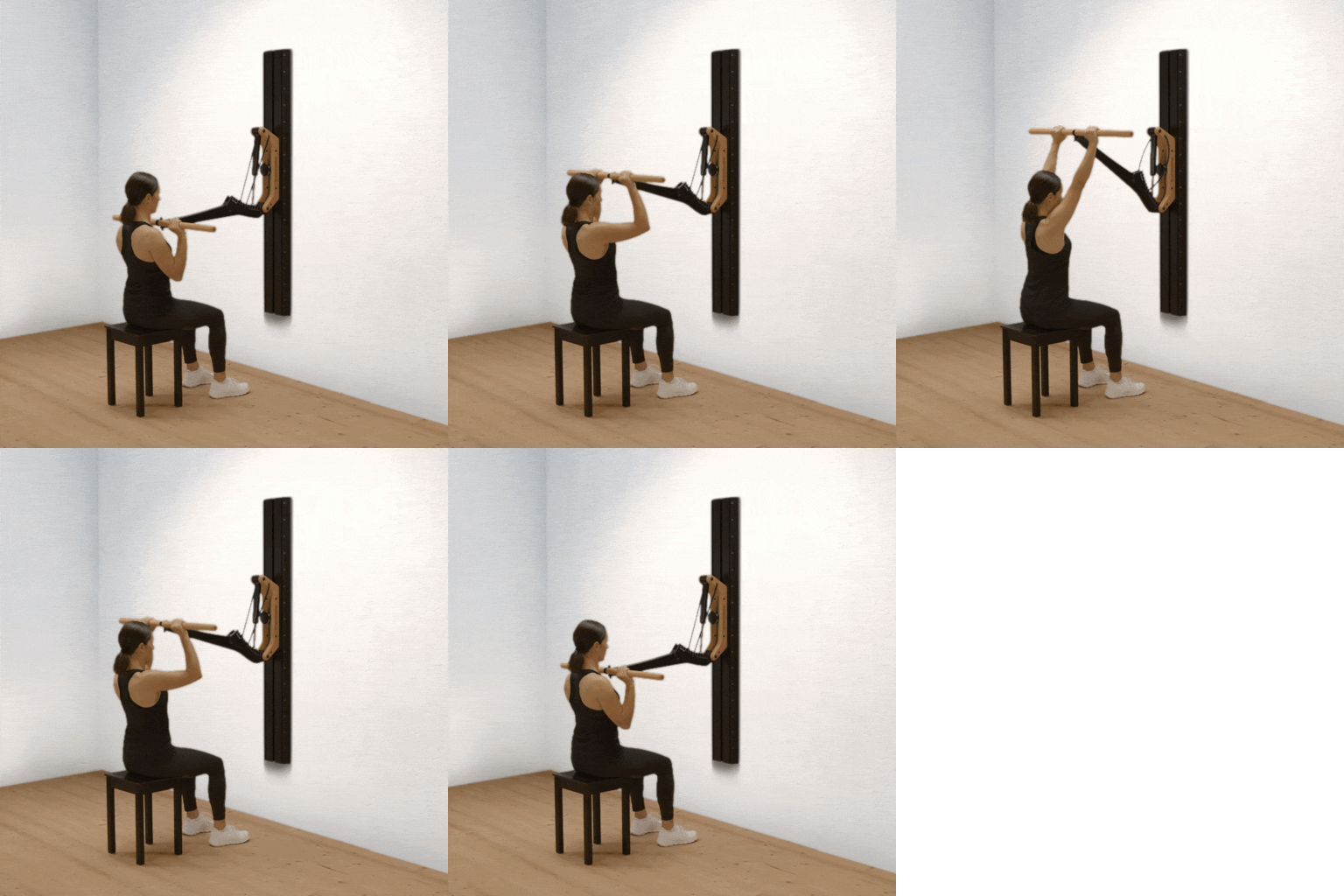
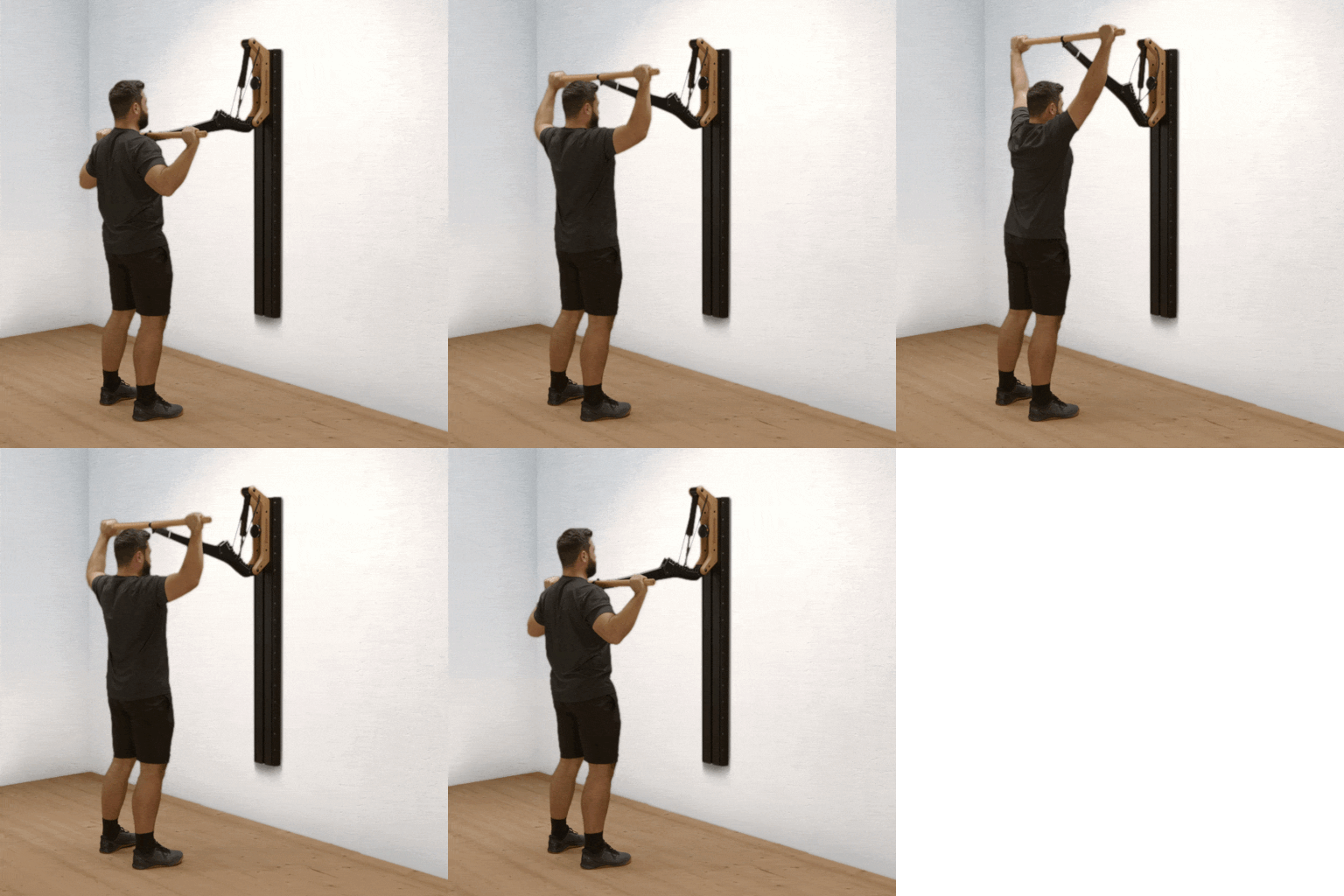
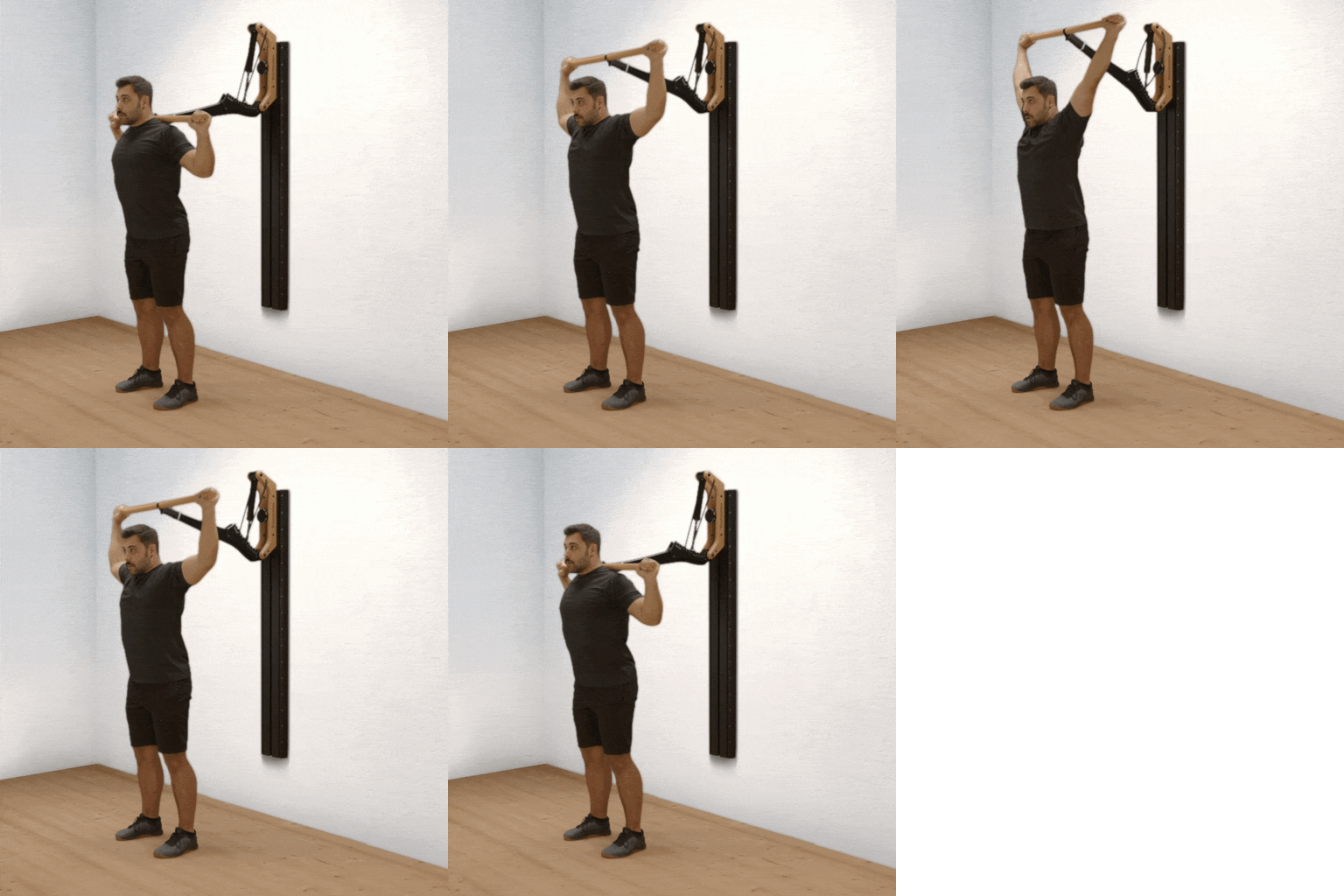
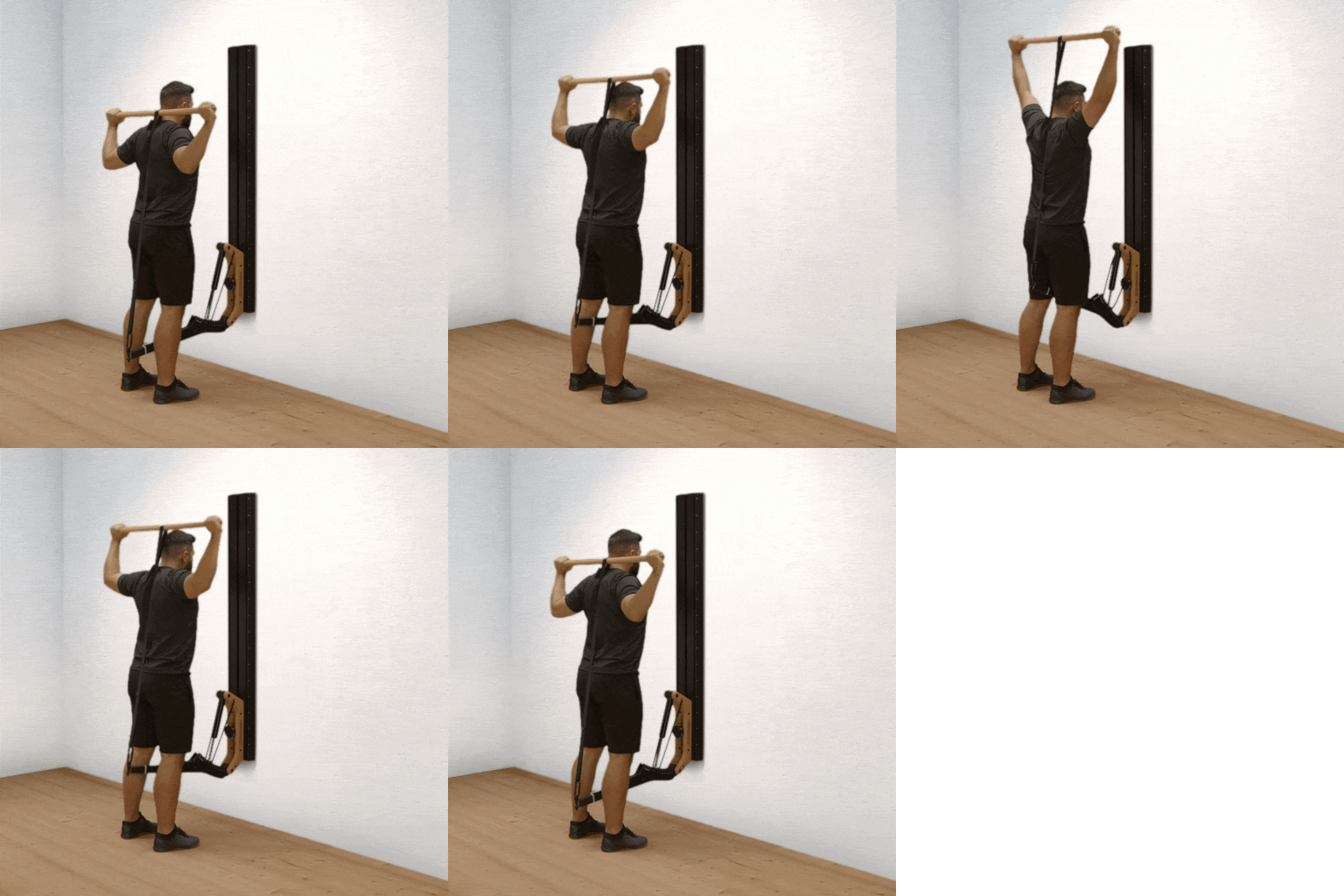
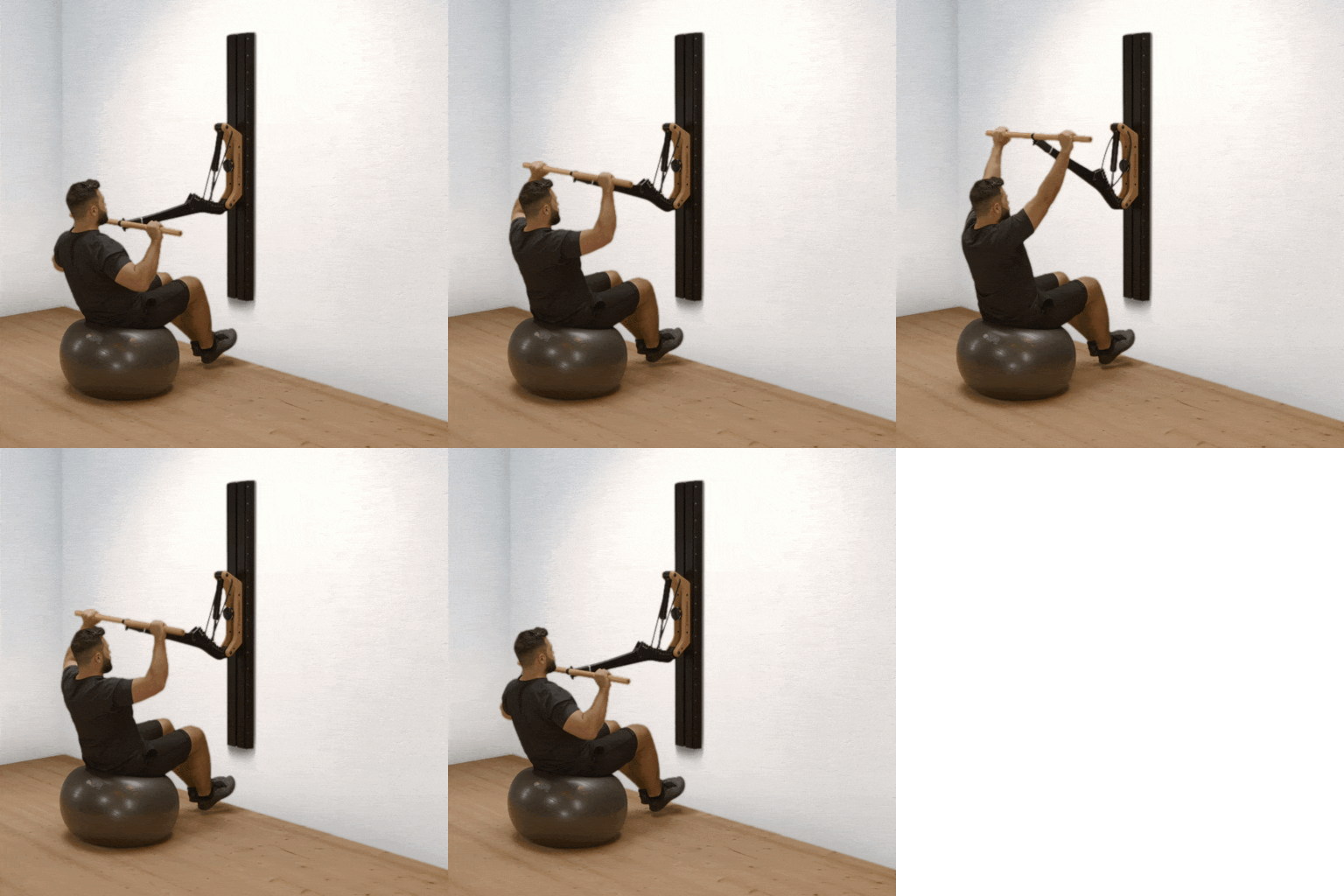
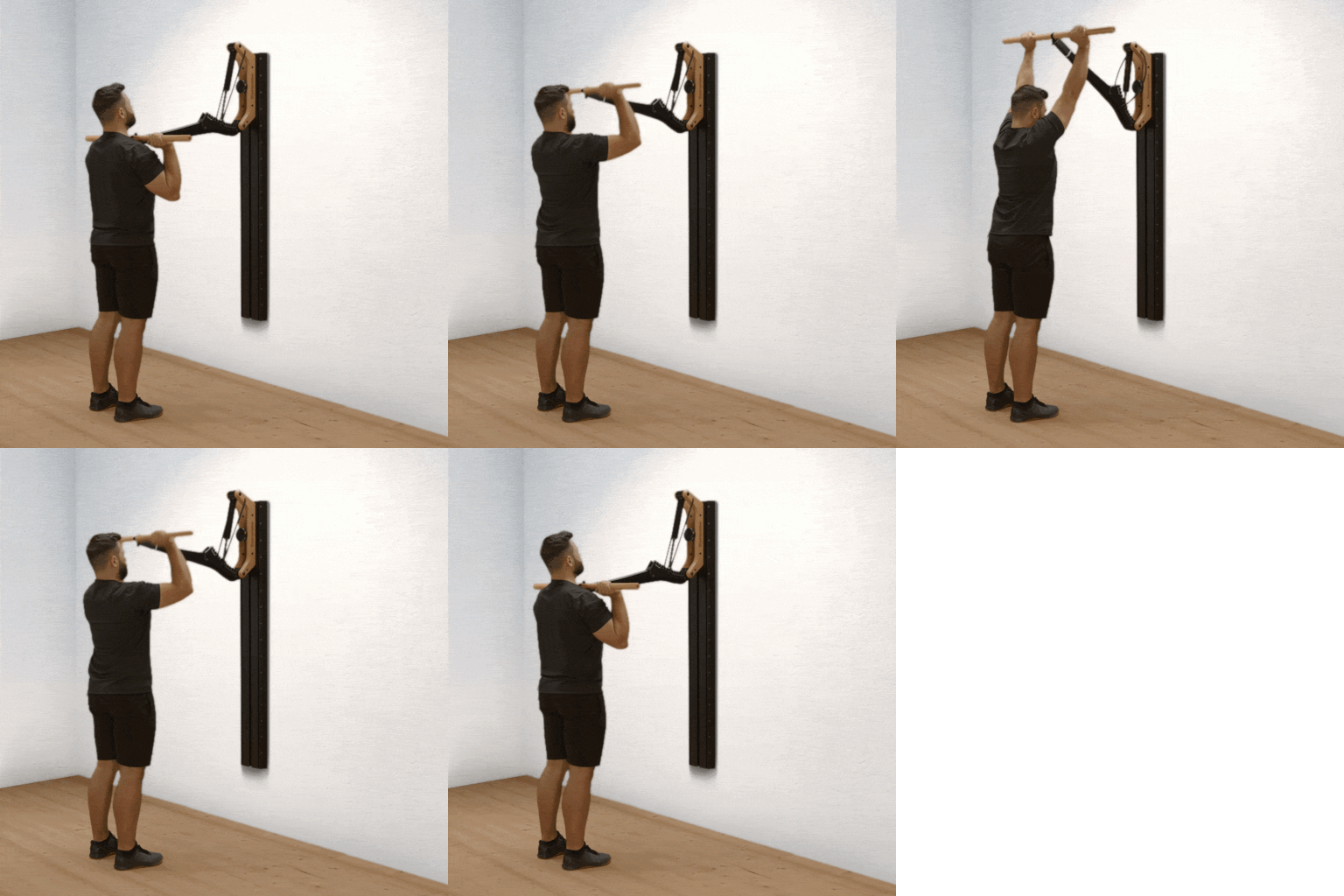
The seated shoulder press places strong emphasis on the shoulder muscles, as the upper body is fully supported. The back cannot compensate, and the legs cannot be used for assistance — this forces the shoulders (especially the anterior and lateral deltoid muscles) as well as the triceps to carry the full load cleanly. This variation reduces the involvement of the hips and legs, making the technique and muscular work more precise. Studies show that this execution is ideal when prioritizing quality over quantity.
What effect does the exercise achieve?
Strong shoulder development: The anterior and lateral deltoid muscles are heavily engaged, supported by the triceps and upper back muscles.
Improved stability and control: Thanks to the support of a backrest or fixed torso position, the core remains stable and unwanted movements are minimized, which promotes proper technique and joint protection.
Reduced strain on the lower back and hips: Because the legs and hips are not required for stabilization, the risk of lower-back overload decreases — important for those with back issues or when the goal is to focus on shoulder development.
Enhanced shoulder mobility and flexibility: Regular overhead work in a safe and stable posture can help maintain or improve mobility in the shoulder joints and the upper thoracic spine.
How does this exercise fit into the Big 5 concept?
The Big 5 include the fundamental exercises: squat, deadlift, bench press, pull-up or lat pulldown, and shoulder press. Even though the seated shoulder press is not considered one of the classic Big 5 exercises, it can be an excellent variation:
Strengthens overhead pressing ability — useful for standing shoulder presses, bench presses, push-ups, and similar movements.
Supports muscular balance by emphasizing the anterior and lateral deltoids — important antagonists to back and pulling movements.
Improves upper-body stability, which enhances core strength and posture and positively influences performance in other basic exercises.
:format(webp))
)
)
)
)
)
:format(webp) "EISENHORN S Black Edition")
 "EISENHORN S Black Edition")