What makes this exercise particularly effective?
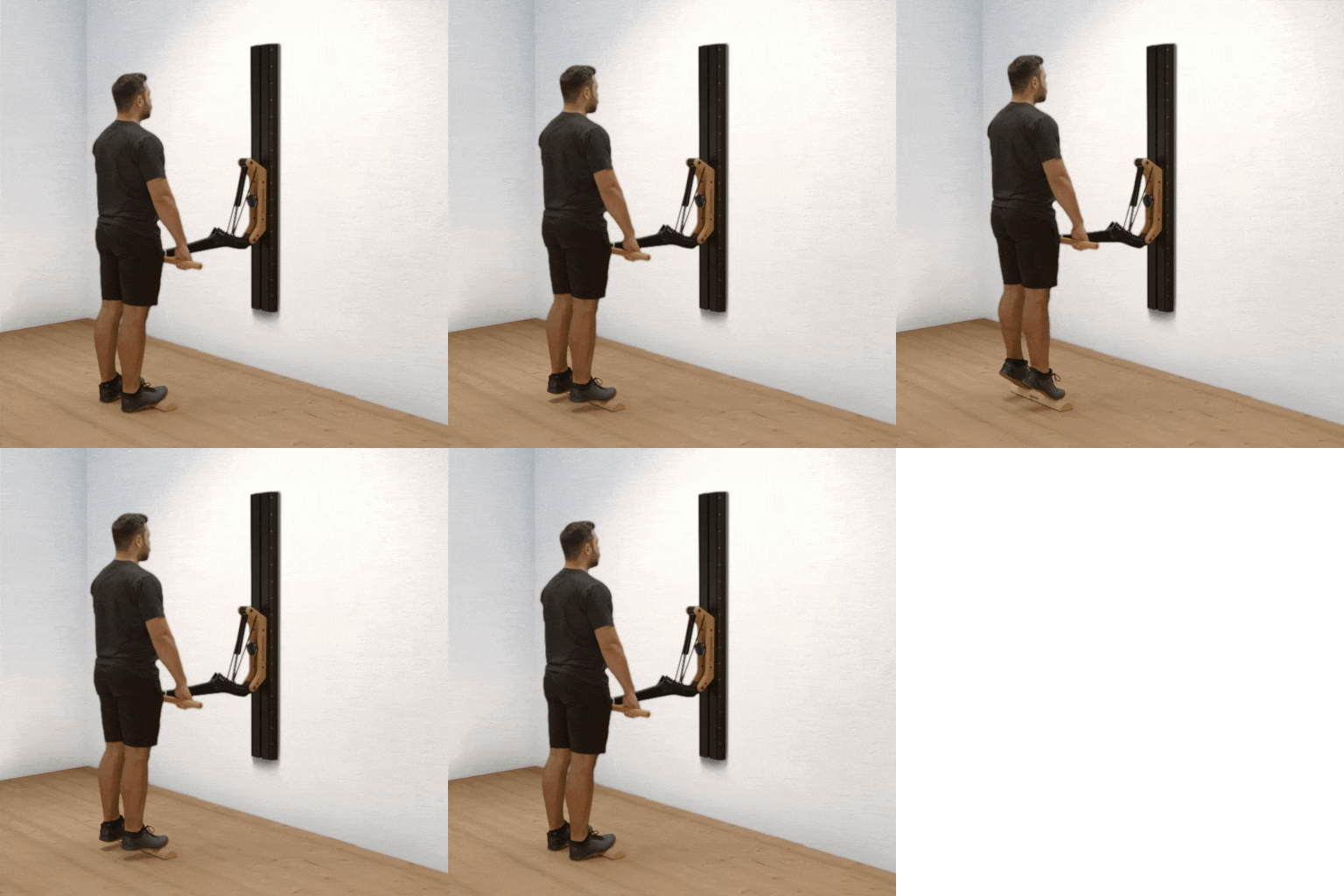
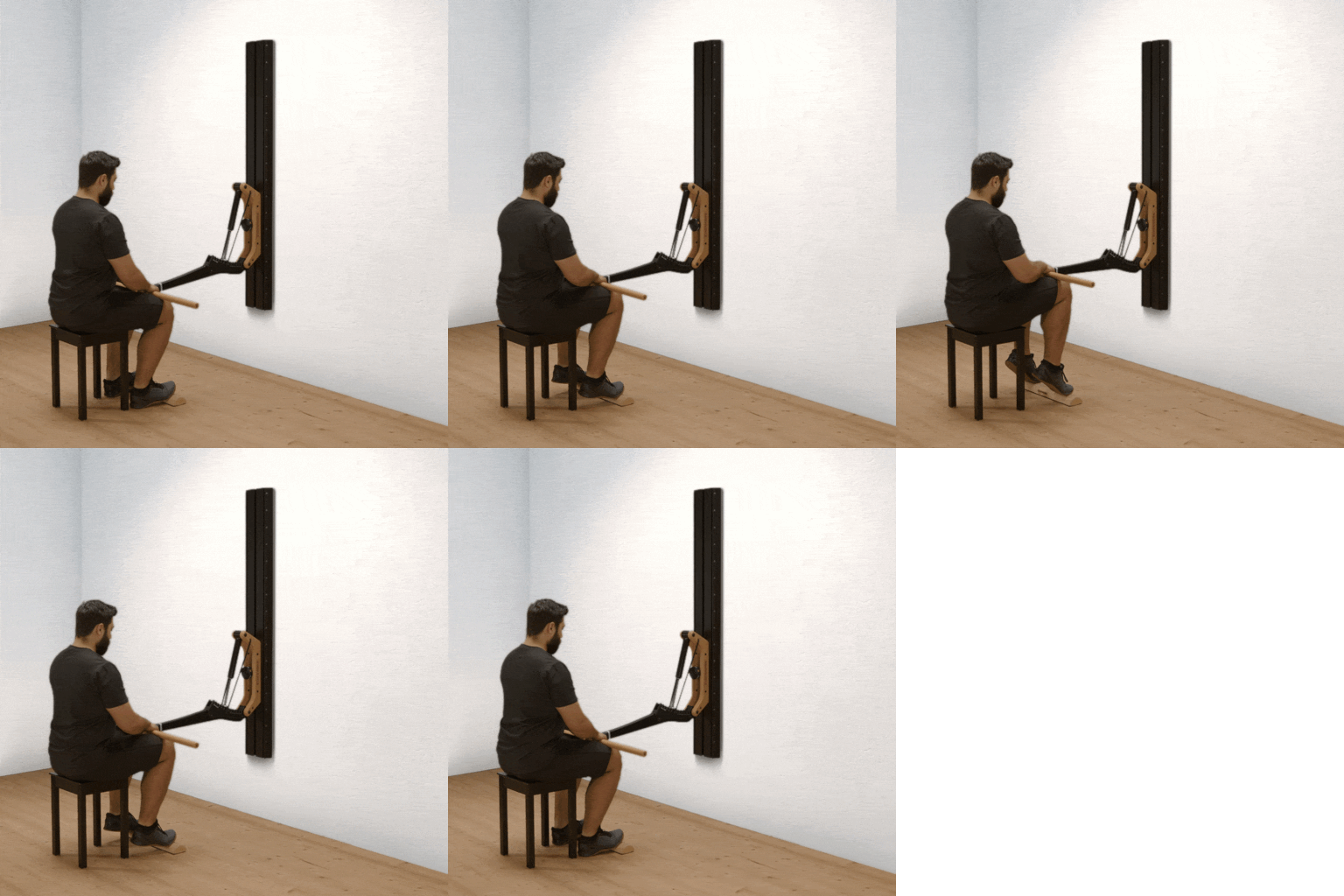
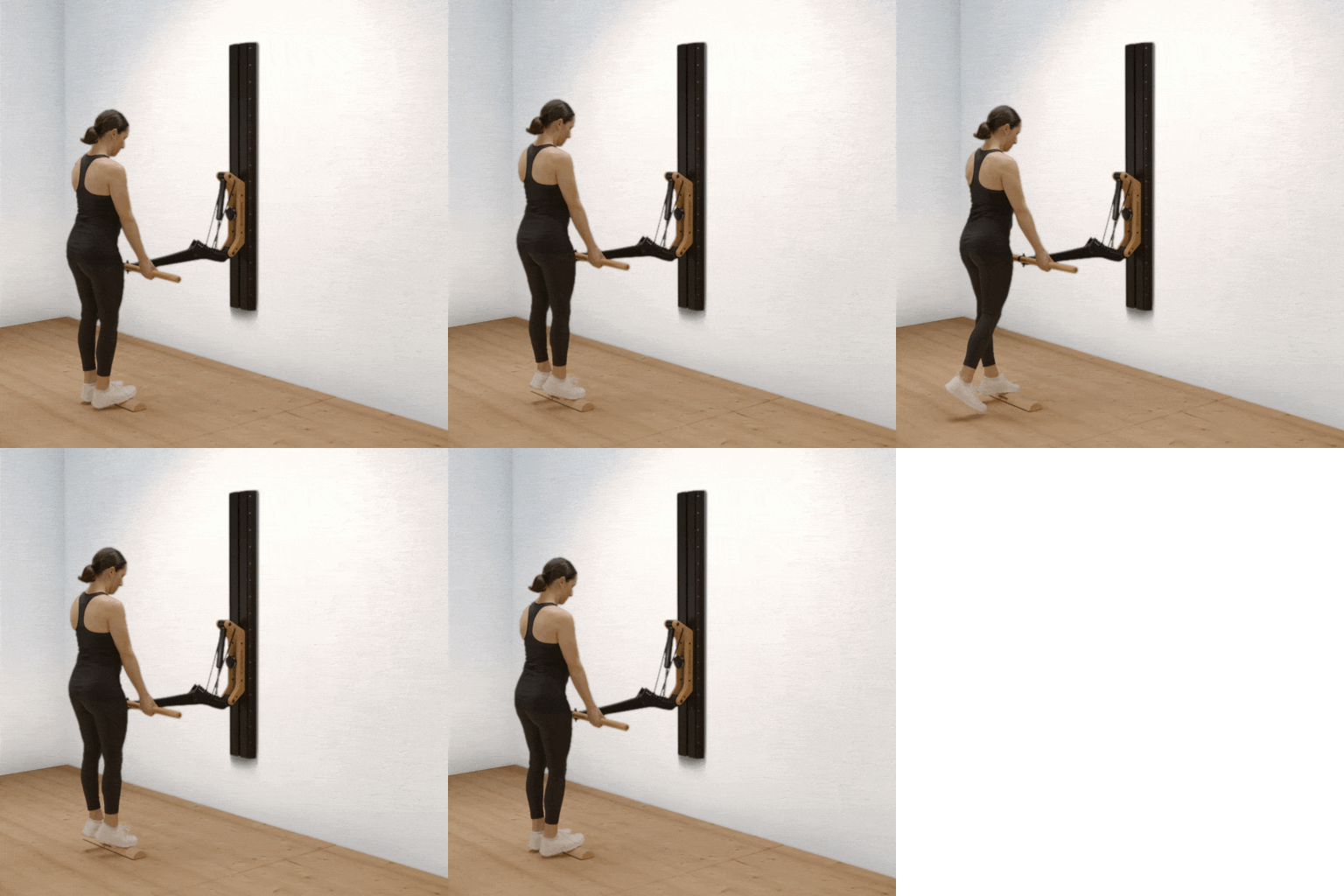
Calf raises with a handle on the horn combine the classical technique of standing calf raises with a stable grip on the horn ends of the EISENHORN DS and, if desired, additional resistance. Already in the starting position, you can feel tension on the handles. The back remains straight at all times, and by pushing up onto the balls of your feet, the calf muscles are isolated and activated to the maximum. Perform the movement cleanly and without momentum to ensure the target muscles are engaged as effectively as possible.
What effect does the exercise achieve?
Targeted strengthening of the calves: The gastrocnemius and soleus muscles are directly engaged.
Strengthening of stabilizing muscles: Gripping the horn handles also engages the forearm muscles and improves grip strength.
Core stability & posture: Maintaining an upright torso and tension in the core ensures that the movement remains focused on the calves.
Extended range of motion: Using small elevations under your toes allows for a more intense stretch of the calf muscles.
Gentle on the joints: Perform the movement in a slow, controlled manner, avoiding rounding the back, which makes this exercise relatively safe for the lower back and joints.
How does this exercise fit into the Big 5 concept?
The Big 5 include the fundamental exercises: squat, deadlift, bench press, pull-up or lat pulldown, and shoulder press. Even though calf raises with a handle on the horn are not part of the classical Big 5, they can be a valuable addition:
Balanced leg development: Big 5 exercises such as squats and deadlifts mainly target the thighs and glutes. Calf raises ensure complete lower-leg muscle activation.
Foot and ankle stability: Strong calves support movements such as running, jumping, and lifting, enhancing overall stability.
Transfer to sports and daily life: The ability to push off powerfully with the toes is important in many functional movements, such as climbing stairs or performing explosive actions.
Improved overall performance: Well-developed calves improve stability and efficiency in other Big 5 exercises, as they are part of the leg’s kinetic chain.
:format(webp))
)
)
)
)
)
:format(webp) "EISENHORN S Black Edition")
 "EISENHORN S Black Edition")