...

Rudder pull sideways standing

The lateral rowing motion specifically activates the latissimus dorsi and biceps. It is efficient, joint-friendly, and perfect for maintaining a stable posture.

Loading video...

Preparation

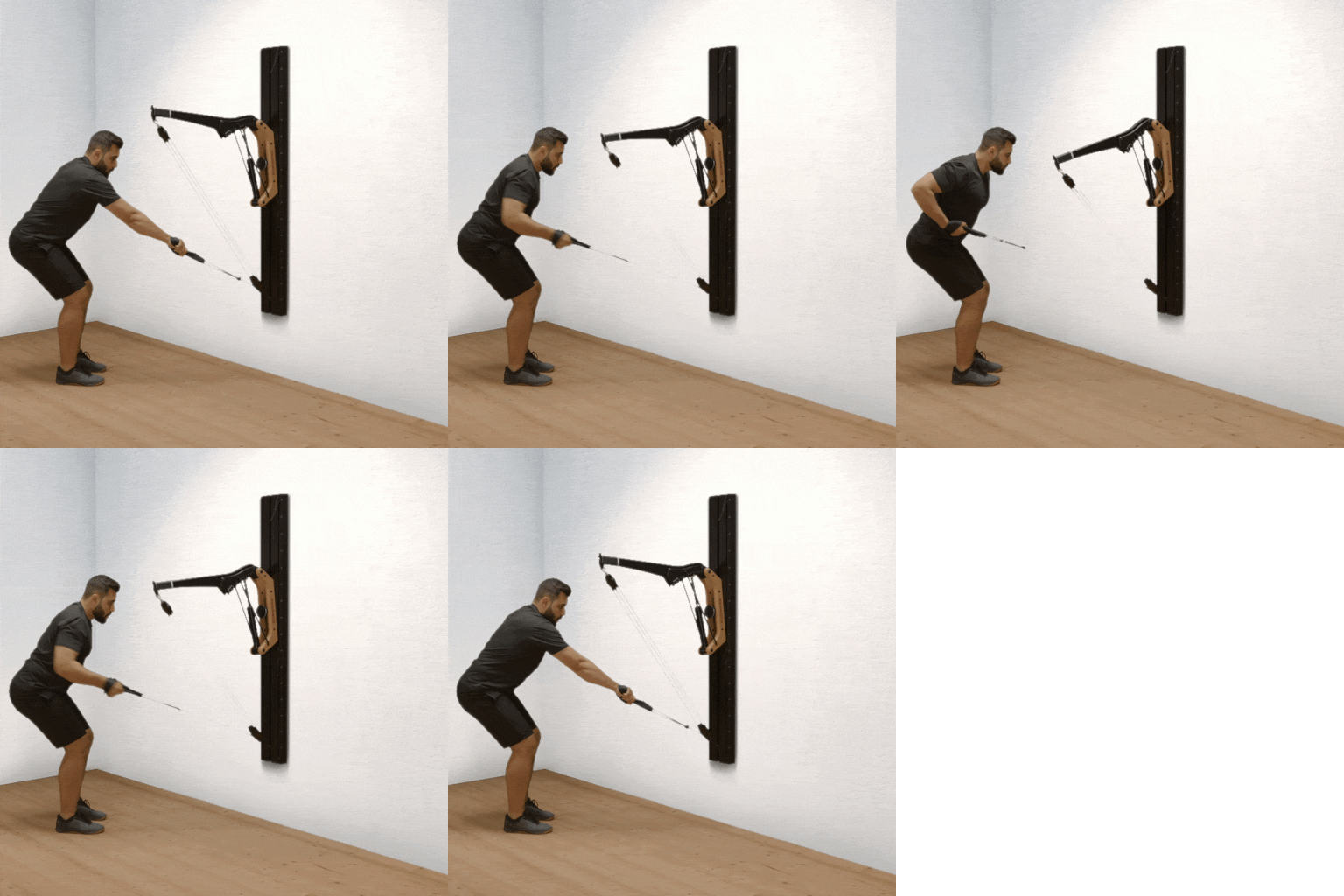
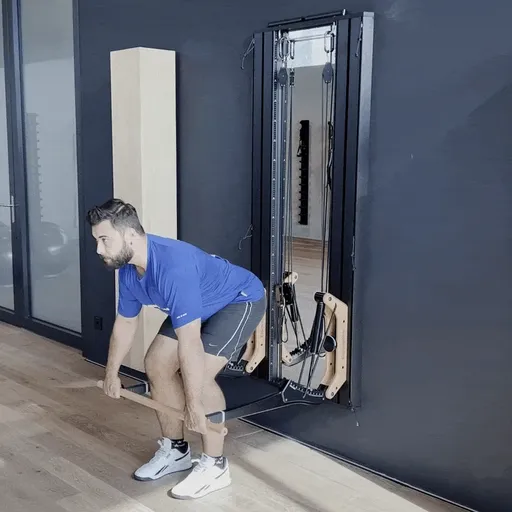
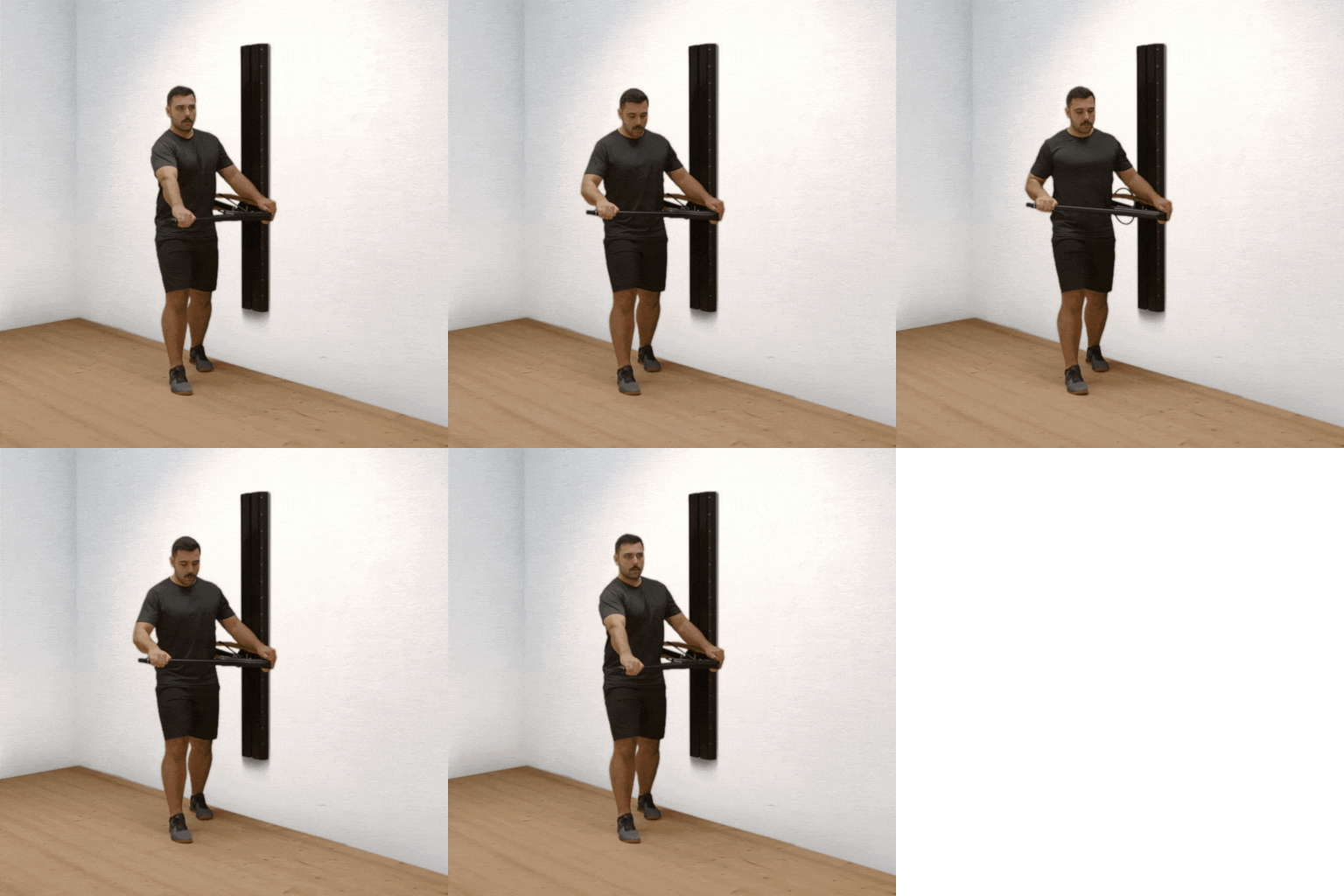
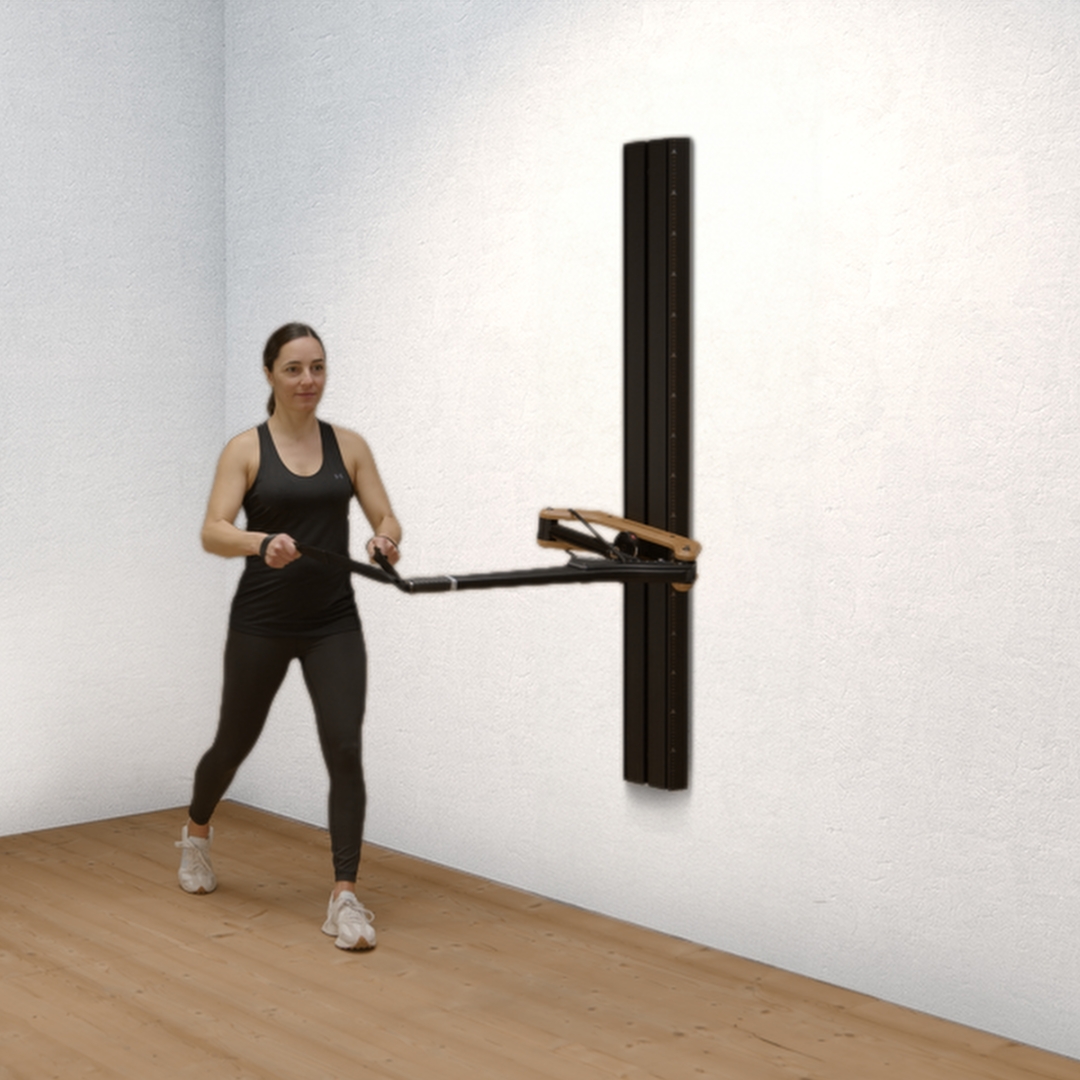
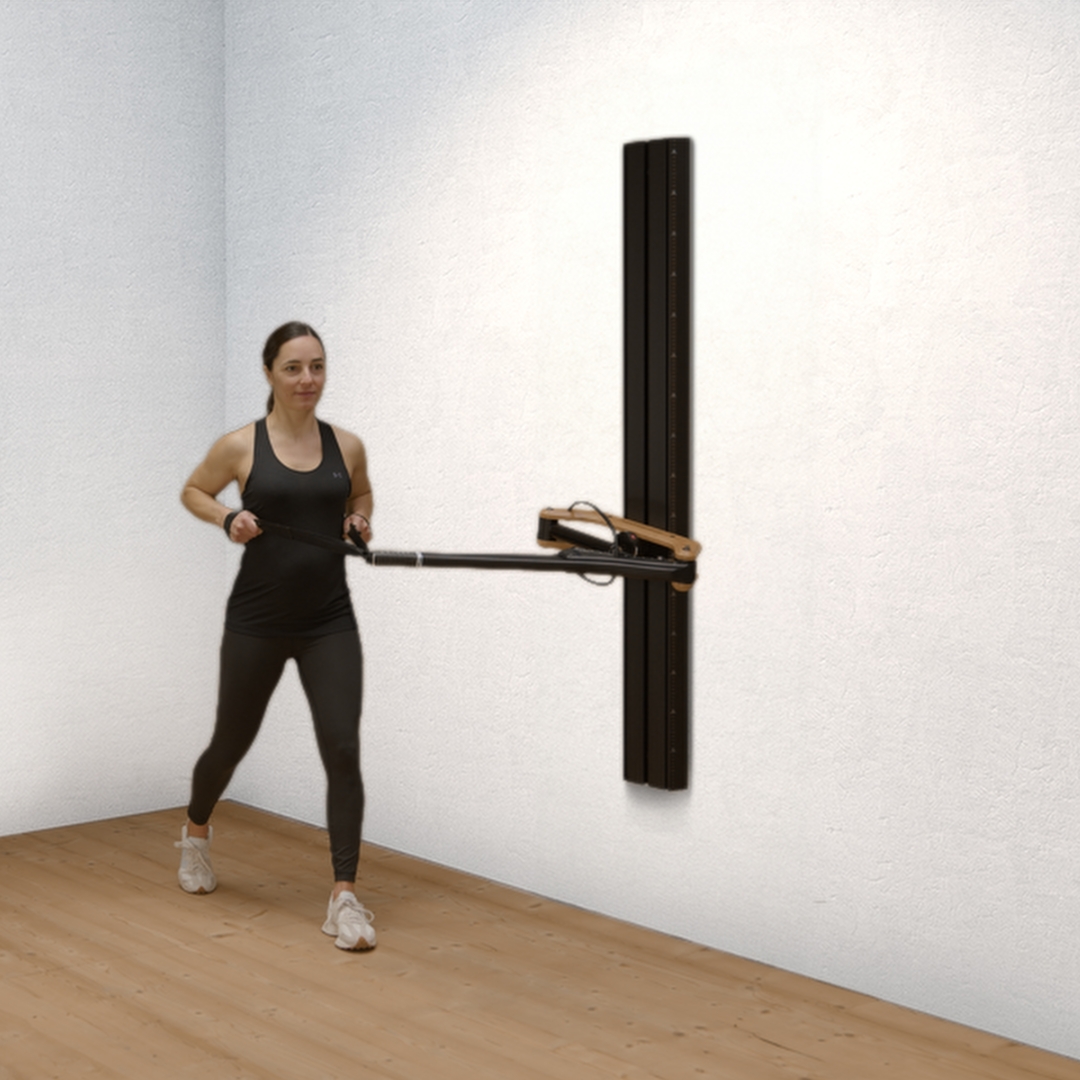
Place your sled at waist height with a slight almost horizontal incline. Then, thread one end of your handle strap through the horn loop and grab both handle strap loops with a firm grip. The handle strap should now be securely attached to the horn and you are ready to go.

Starting Position

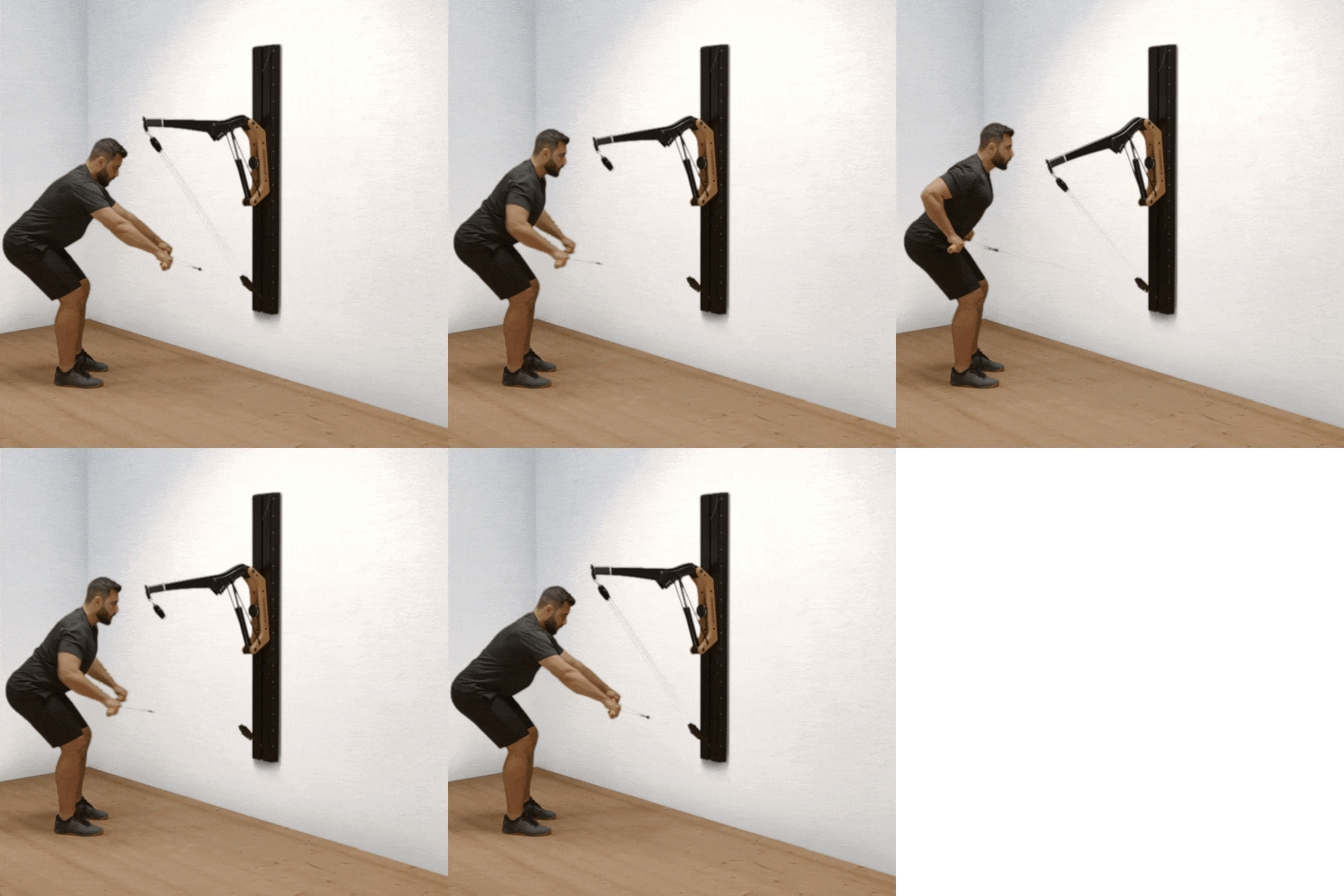
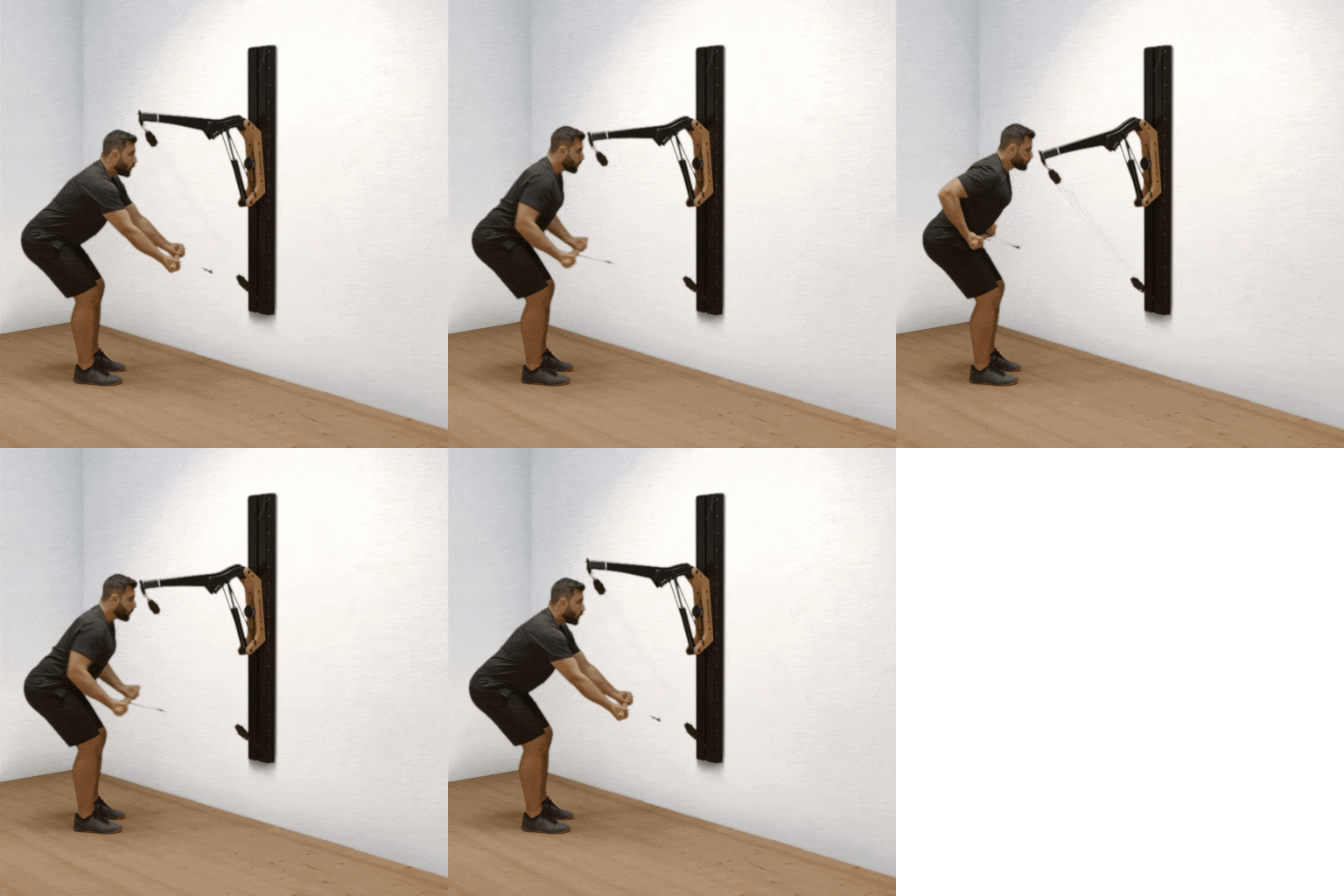
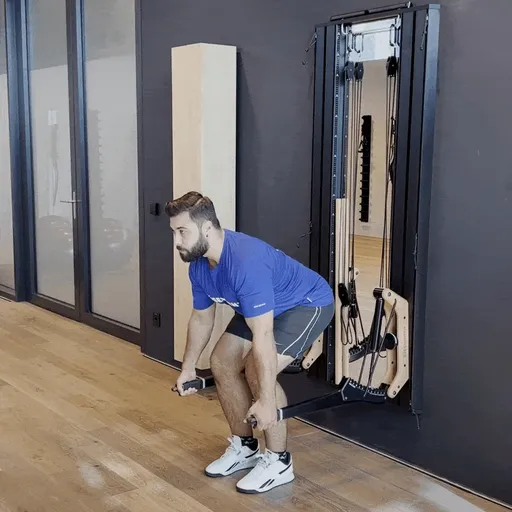
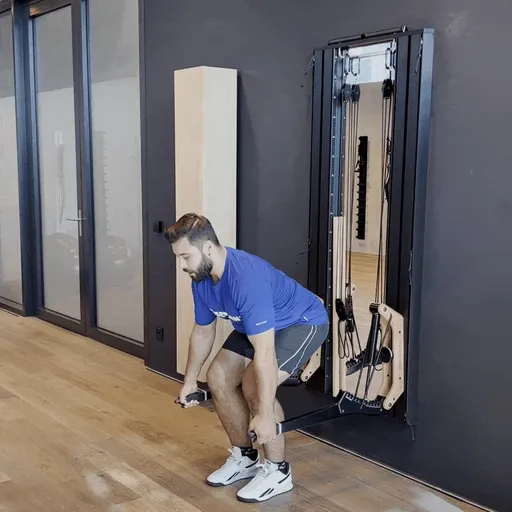
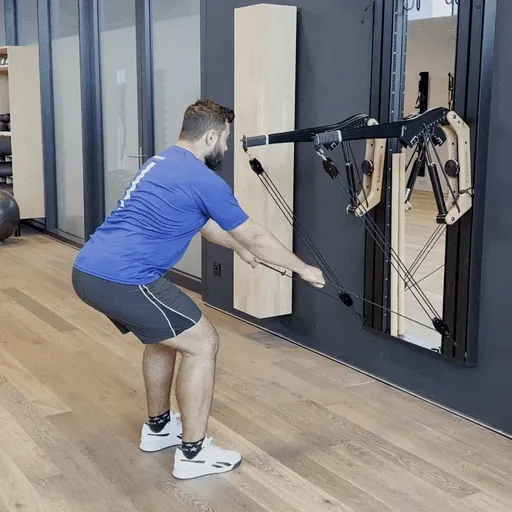
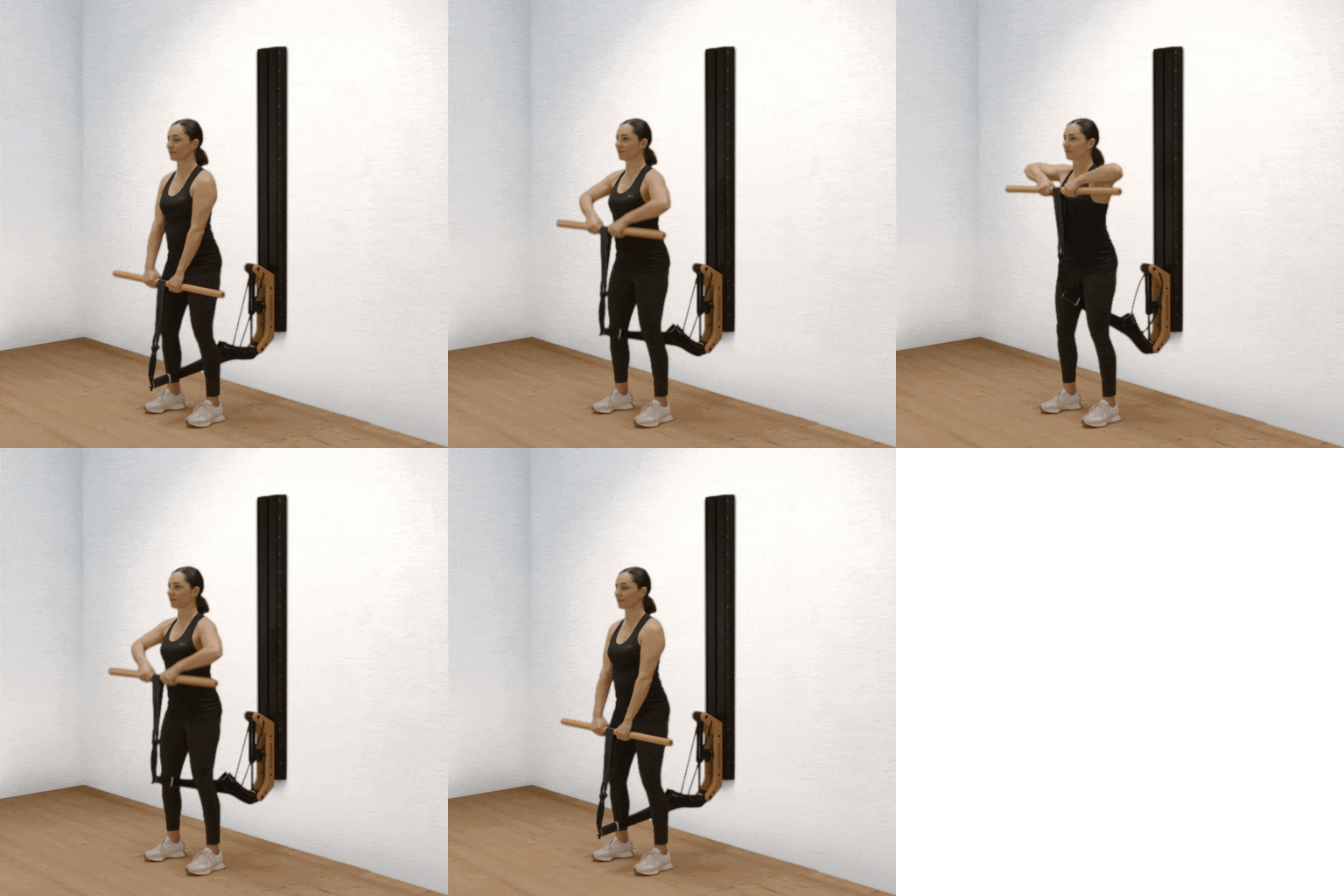
Position yourself sideways to your power station at the beginning of the exercise in a stable stance. Keep your upper body upright and engage your core so that your body remains stable and controlled. Your arms are fully extended in the starting position, with the shoulder blades placed back and down.

Execution

Pull your elbows slowly and close to your body towards the back, while keeping your hands parallel to your ribs. Make sure to consciously pull your shoulder blades back and initiate the movement without momentum from the back muscles.

Muscles Used

Back
Biceps

Tip

Keep your back straight throughout the entire movement and focus on pulling from your back, not from your arms.

Please note

When the sled is set horizontally, make sure to observe the maximum force level limit of your piston as indicated in the user manual. Otherwise, damages to your EISENHORN power station may occur due to the forces acting on it.

What makes this exercise particularly effective?

The lateral standing row is an effective exercise that primarily targets the upper back, shoulders, and biceps. Performing the movement laterally engages the muscles from a different angle, contributing to balanced back development.

What effect does the exercise achieve?

  • Targeted back muscles: The exercise strongly activates the upper back muscles, especially the trapezius and rhomboids.

  • Shoulder stability: The movement enhances shoulder stability.

  • Biceps activation: The biceps are actively engaged, particularly during the pulling phase.

  • Improvement of posture: Strengthening the back muscles has a positive effect on overall body posture.

How does this exercise fit into the Big 5 concept?

The Big 5 include the fundamental exercises: squat, deadlift, bench press, pull-up or lat pulldown, and shoulder press. The lateral standing row complements this concept by targeting the back muscles, especially the upper back, shoulders, and biceps. It supports balanced upper-body development and enhances overall stability.