What makes this exercise particularly effective?
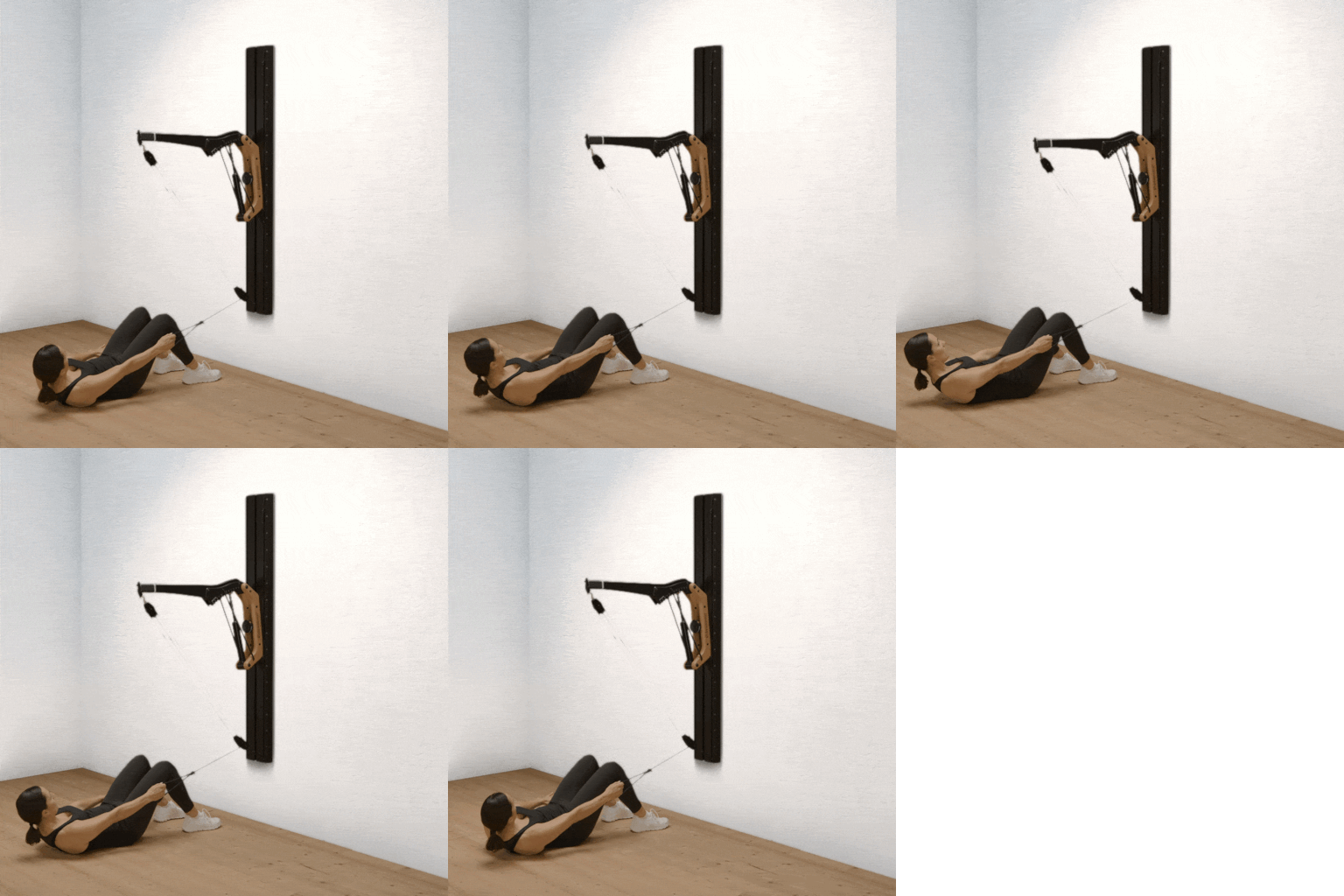
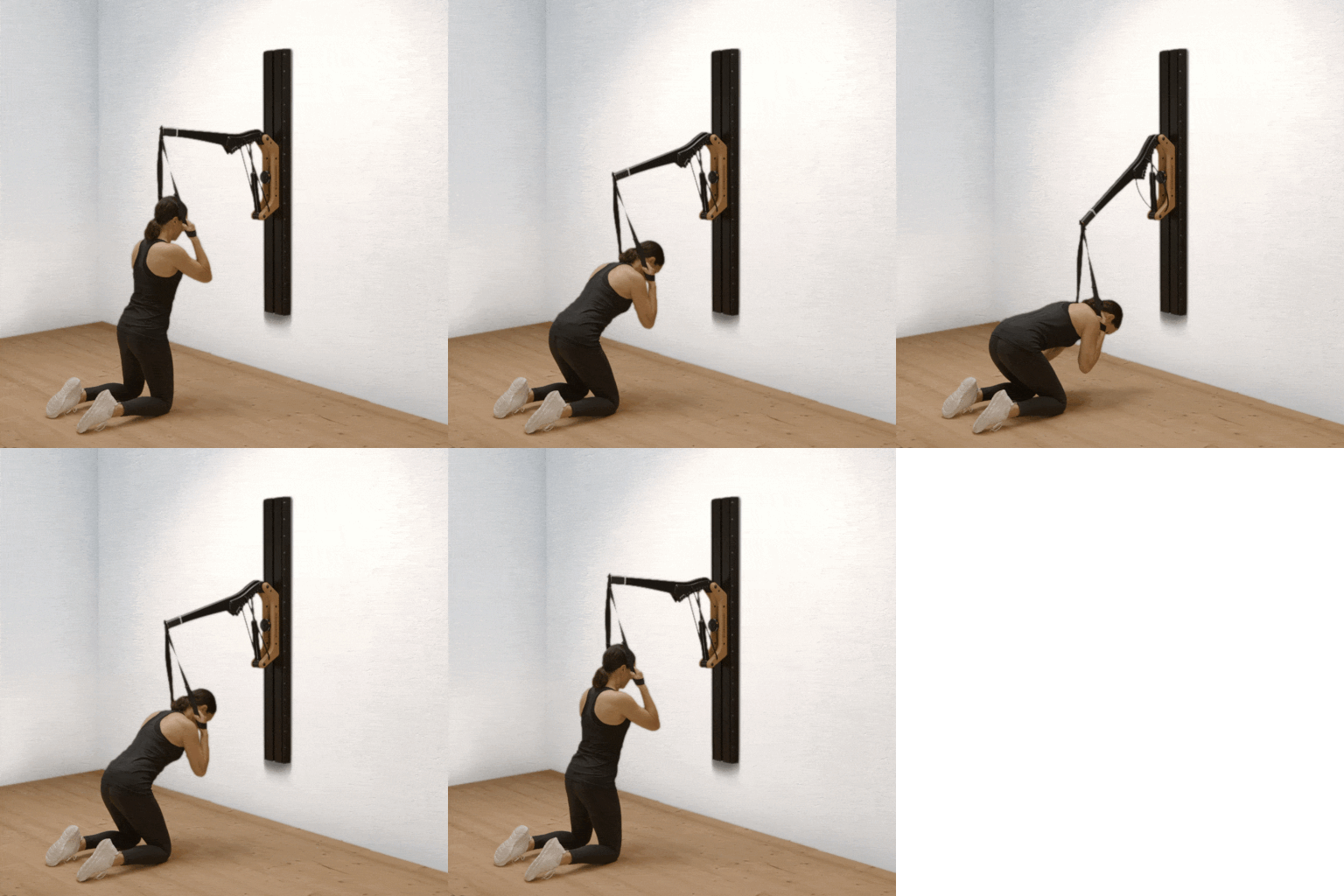
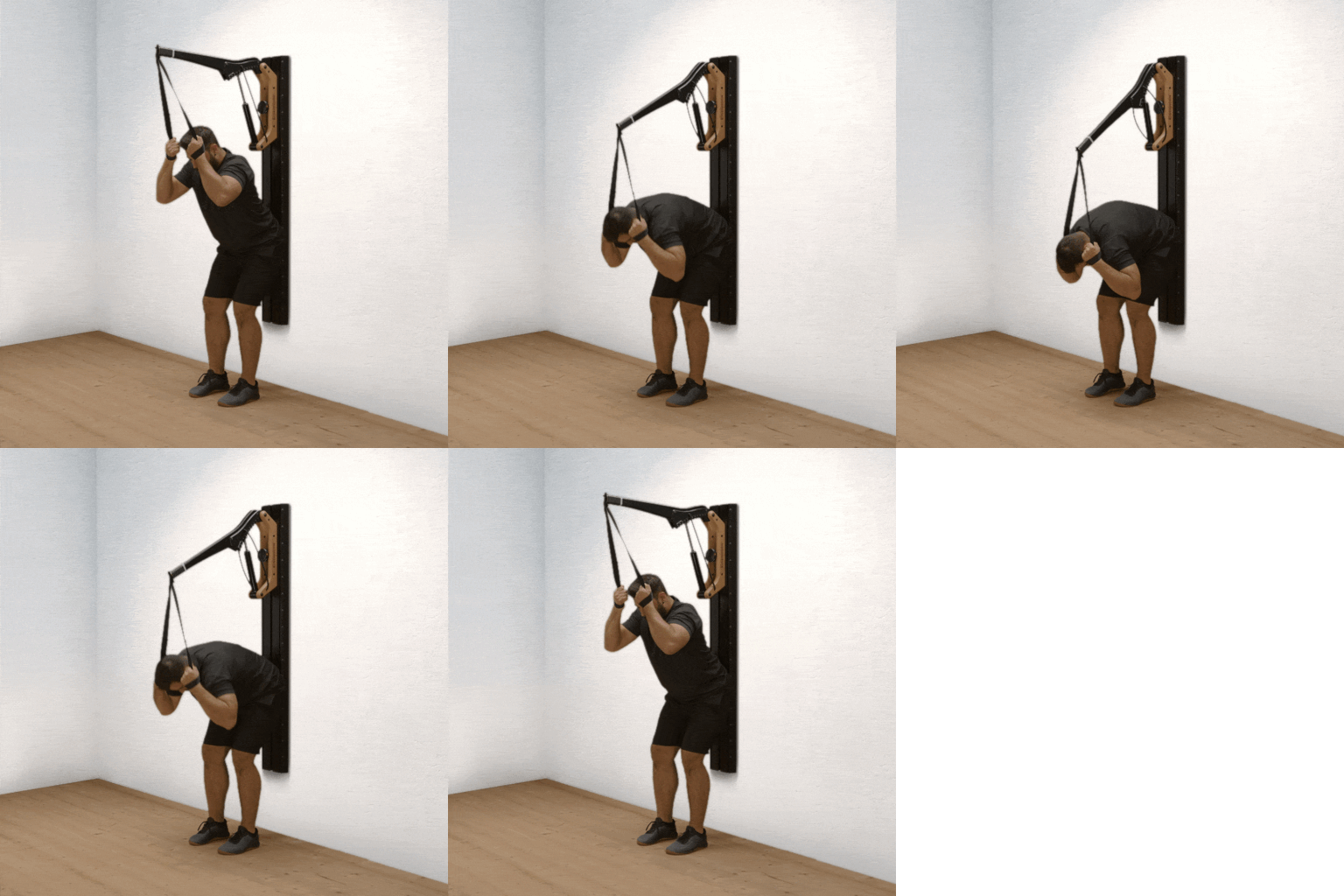
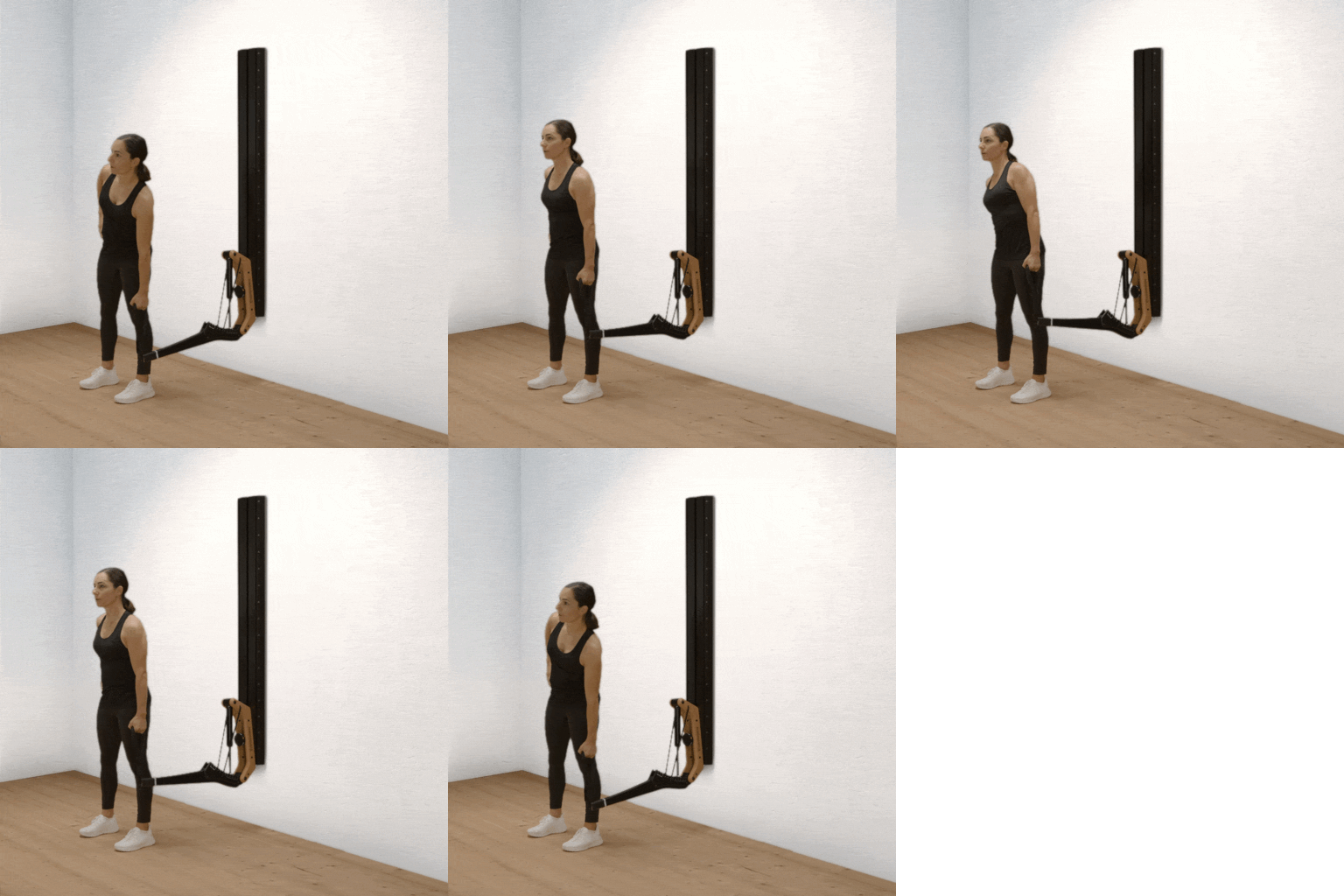
The crossover crunch on the cable pulley combines the classic crunch movement with rotation and constant resistance via the cable machine on the EISENHORN S multi-gym. The rotating component not only activates the rectus abdominis muscles, but also the oblique muscles in particular. The cable pulley ensures even tension throughout the entire movement, as well as greater control and stability in the core. This exercise is therefore ideal if you want to improve your core stability, posture and functional mobility in addition to strength.
What effect does the exercise have?
Strengthening of the rectus abdominis and oblique muscles: The rotation involved in the crunch places greater strain on the oblique muscles, resulting in more harmonious core muscle development.
Improved core stability and posture: The resistance provided by the cable pull forces you to keep your core stable, so that your back muscles, hips and shoulders work together in a coordinated manner.
Improved mobility and spinal health: The slight twist component helps to move and mobilise the spine to a certain extent, which is helpful for relieving tension and preventing back problems.
Controlled movement & safety: Unlike free twist crunches, the cable pull reduces the risk of jerky movements or overstretching – particularly suitable for beginners or exercisers with limited mobility.
Variation & progression: You can increase the intensity of the exercise by using a heavier weight, slowing down the pace or increasing the rotation, for example.
How does this exercise fit into the Big 5 concept?
The Big 5 comprises the basic exercises squats, deadlifts, bench presses, pull-ups or lat pulldowns and shoulder presses.
Although the crossover crunch on the cable pulley is not part of the classic Big 5, it can offer important additional benefits:
Crossover crunches support stability and rotational control, which are required in almost all multi-joint basic exercises – e.g. deadlifts or squats, when the torso has to work against lateral deviations.
A strong core helps to transfer power effectively and reduce the risk of injury, as the core often serves as the connection between the upper and lower body in the Big 5.
This exercise offers variety and a different training stimulus. This allows you to reduce training plateaus and work specifically on your core muscles.
:format(webp))
)
)
)
)
)
:format(webp) "EISENHORN S Black Edition")
 "EISENHORN S Black Edition")