What makes this exercise particularly effective?
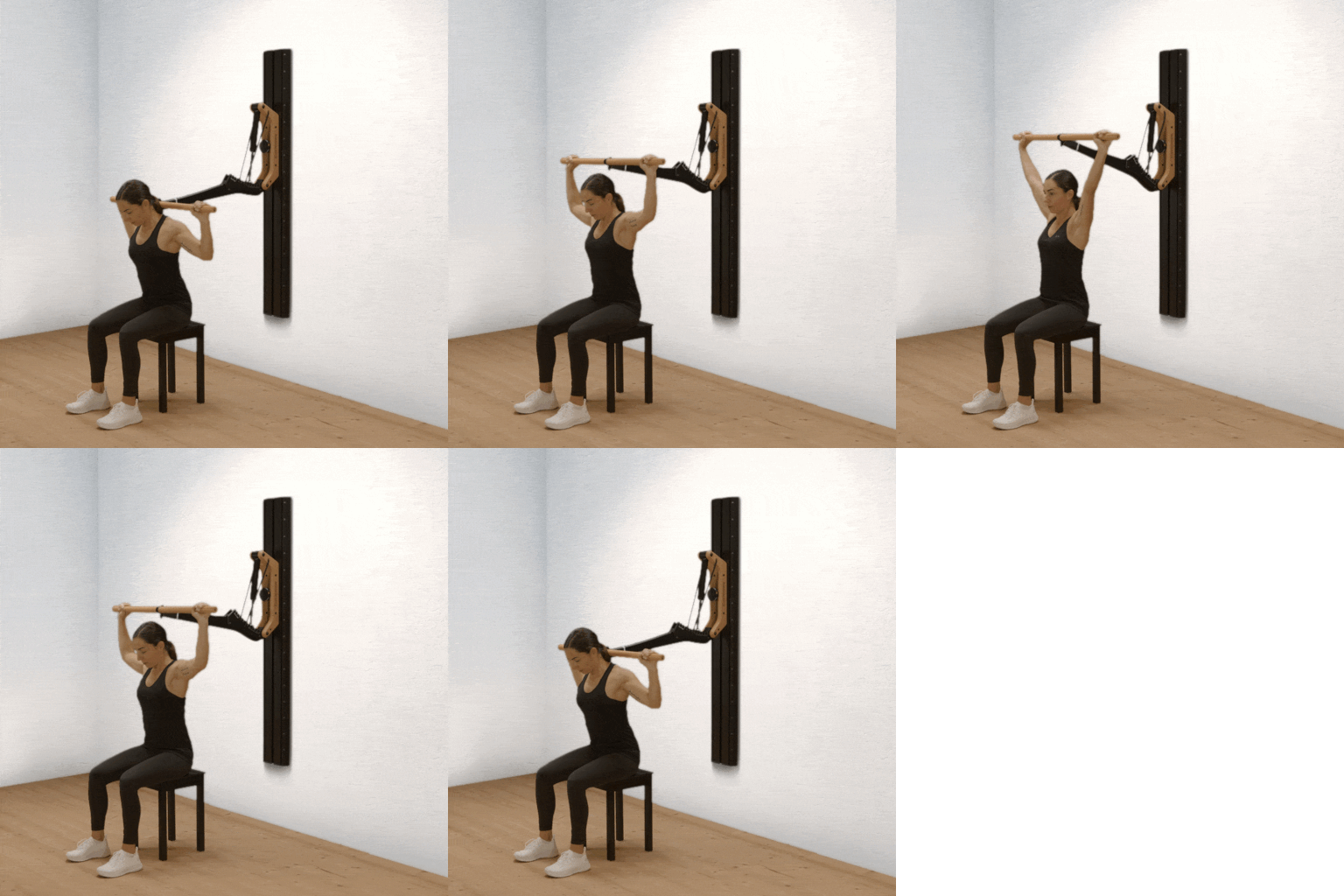
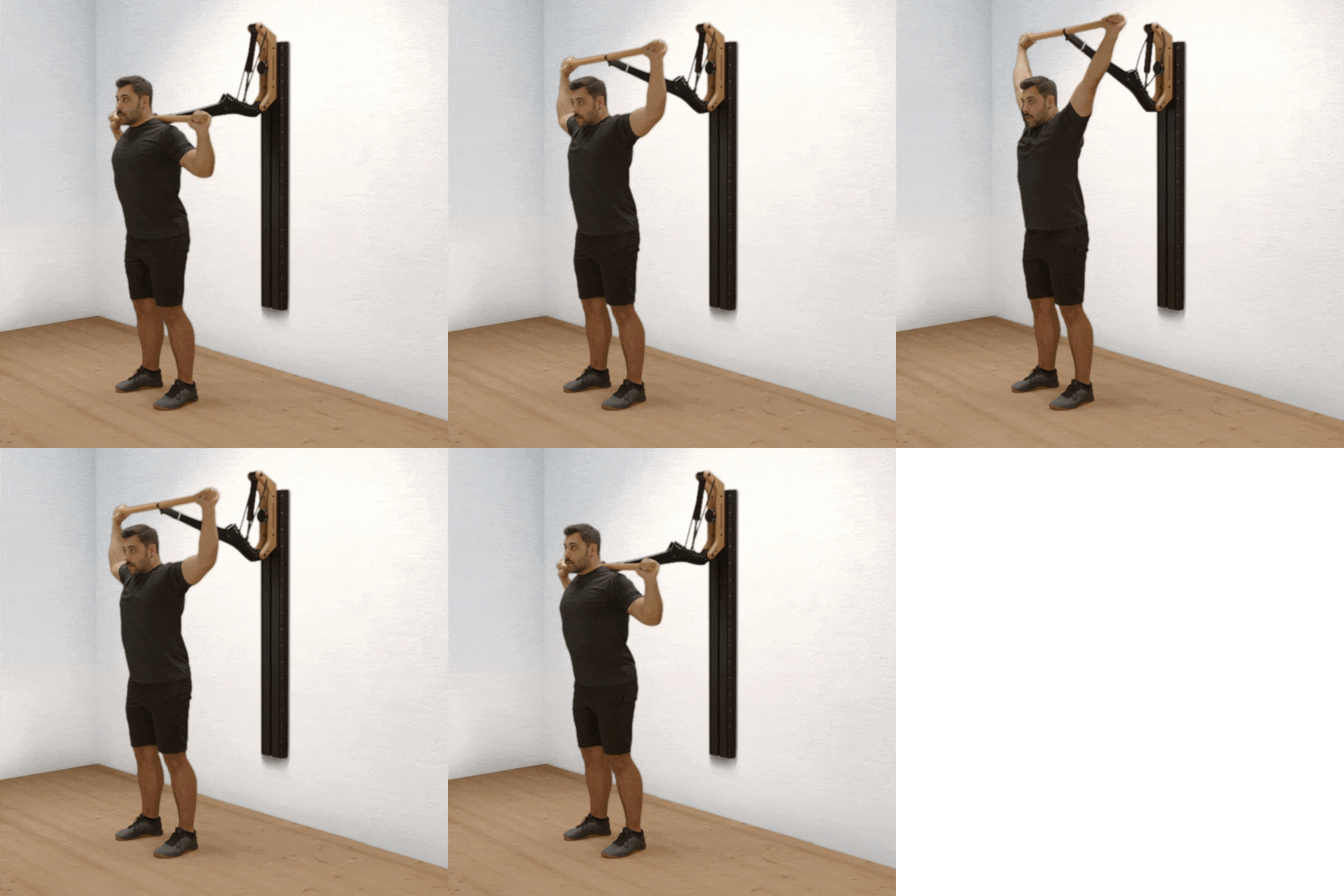
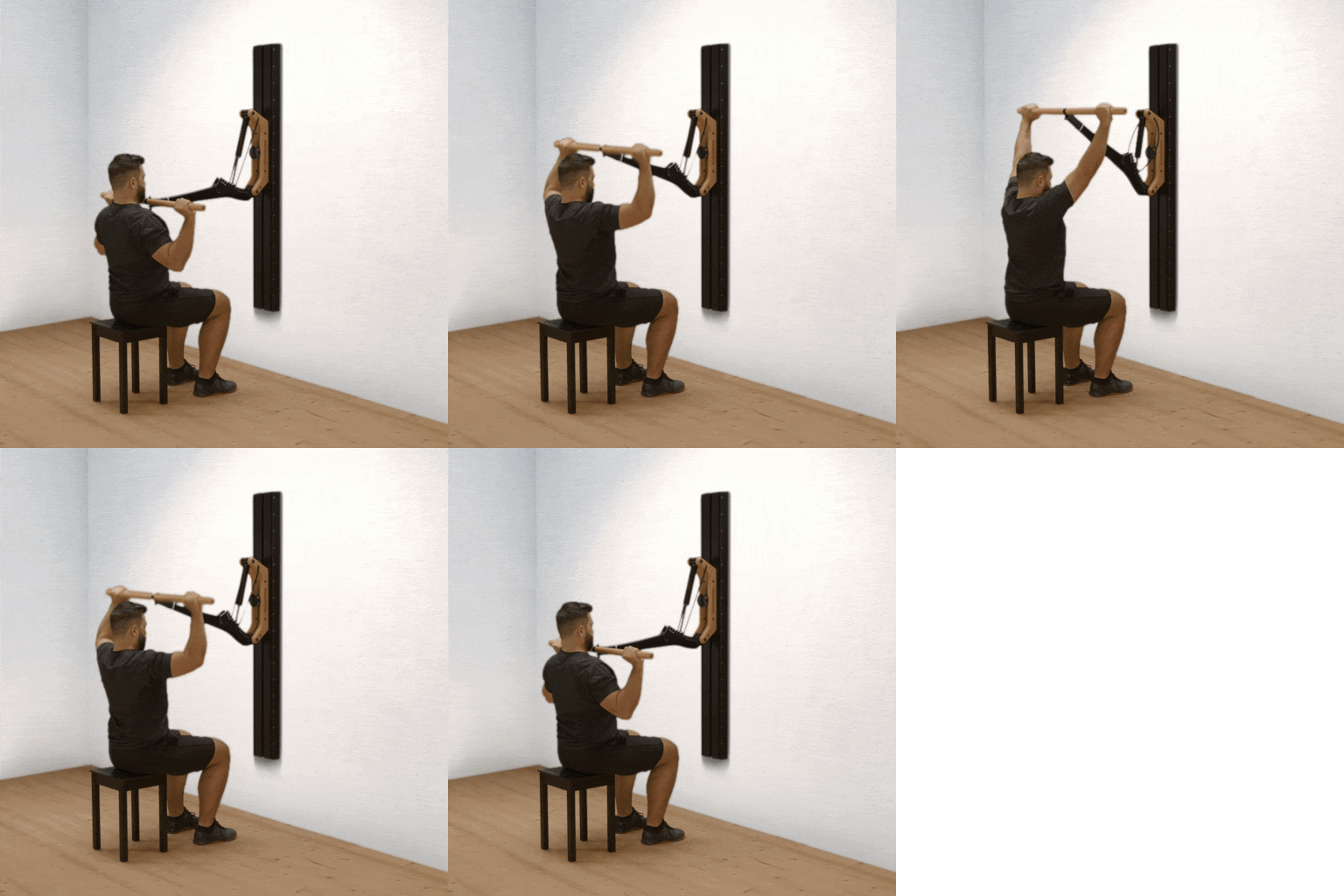
By sitting on a gym ball (or an unstable surface) with your feet raised, your balance is significantly challenged. You need strength not only in the shoulders but also in the core and abdominal muscles to keep the position stable.
Raising your feet removes support from the ground, forcing your body to rely more on its own tension — this increases body control and reduces the risk of using excessive momentum. Additionally, the core muscles (abdominals, lower back) and the hip muscles are more heavily engaged in the unstable starting position to prevent sagging or tipping.
What effect does the exercise achieve?
Targeted shoulder muscles: especially the deltoid (anterior and middle parts) as well as the assisting triceps are strongly activated.
Improved core stability and balance: with the feet off the ground, the core must maintain constant tension to hold a stable posture.
Enhanced motor control: this exercise trains not only strength but also fine motor coordination — how effectively smaller muscle groups are used to keep the movement precise.
Joint protection & posture: since the position must be stable and controlled, the likelihood of overload from evasive movements or uncontrolled joint angles is reduced.
How does this exercise fit into the Big 5 concept?
The Big 5 include the fundamental exercises: squat, deadlift, bench press, pull-up or lat pulldown, and shoulder press. Even though the seated shoulder press with raised feet is not part of the classic Big 5, it can be a meaningful addition to this training concept:
Strengthens the shoulder pressing movement: it targets the exact motion used in overhead presses.
Improves core stability and balance: this helps safely manage heavier weights during standing Big 5 exercises (e.g., shoulder press, deadlift).
Advanced training benefit: as a supplementary exercise, it particularly develops core control, balance, and stability, even when the basic exercises are already well trained.
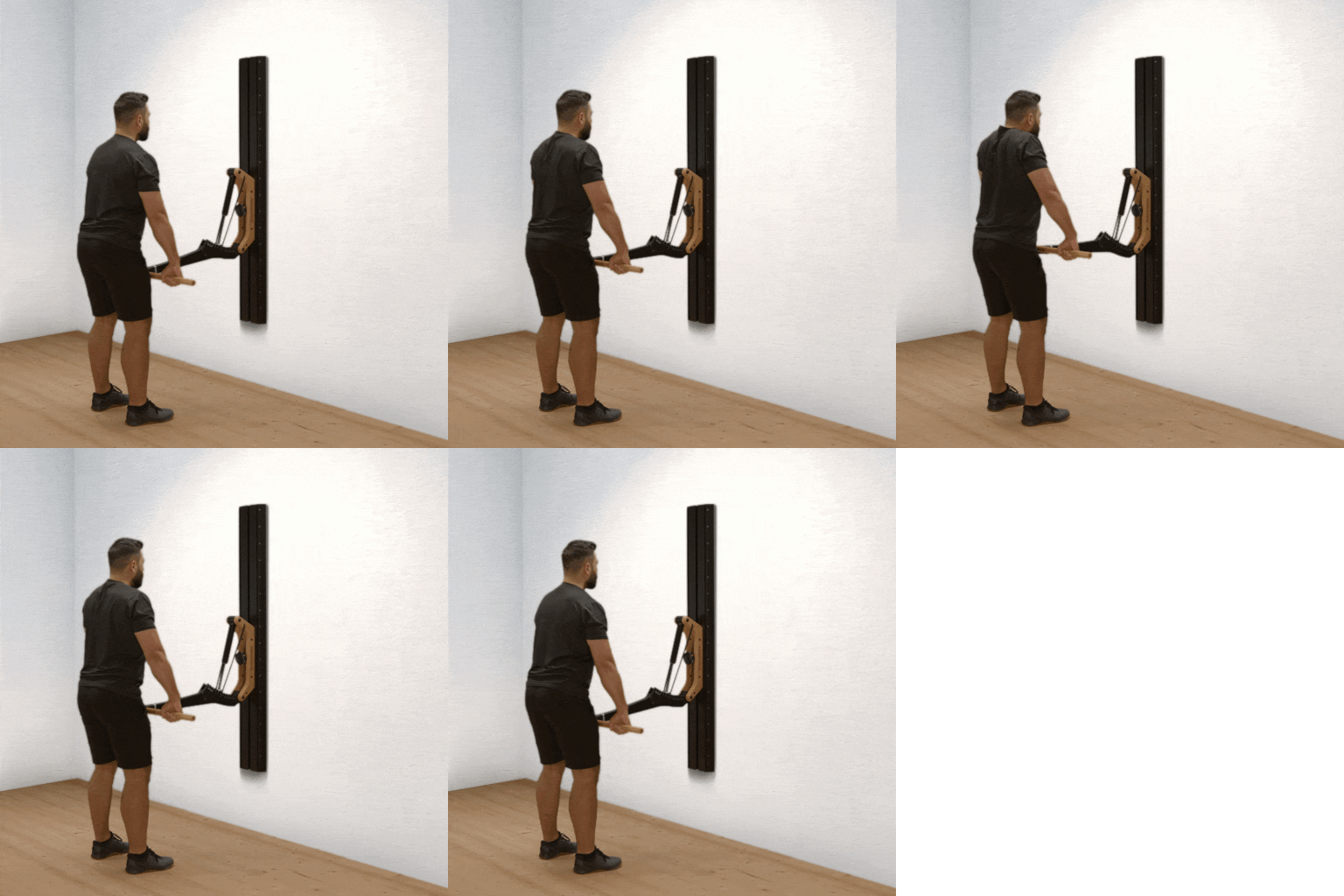
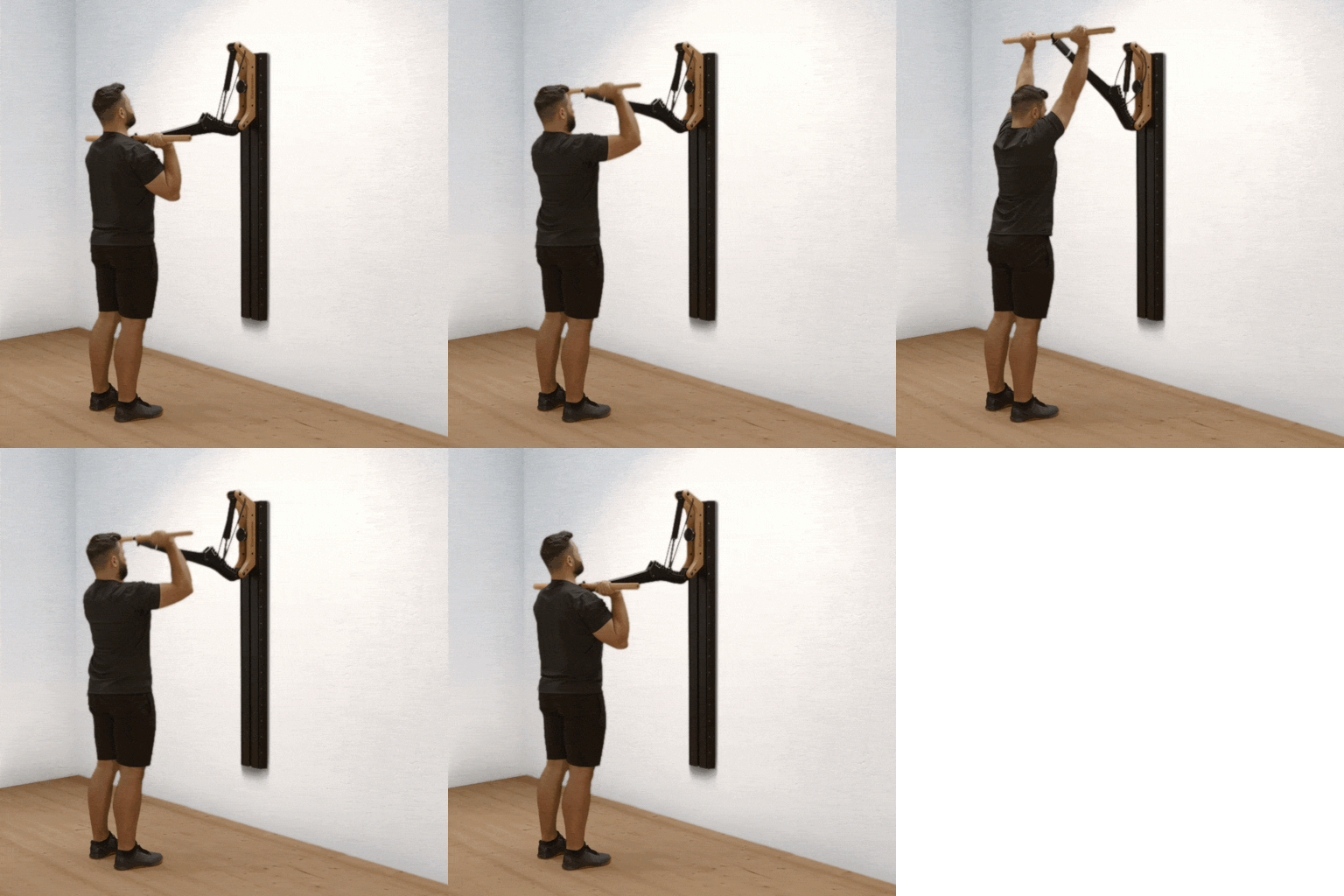
:format(webp))
)
)
)
)
)
:format(webp) "EISENHORN S Black Edition")
 "EISENHORN S Black Edition")