What makes this exercise particularly effective?
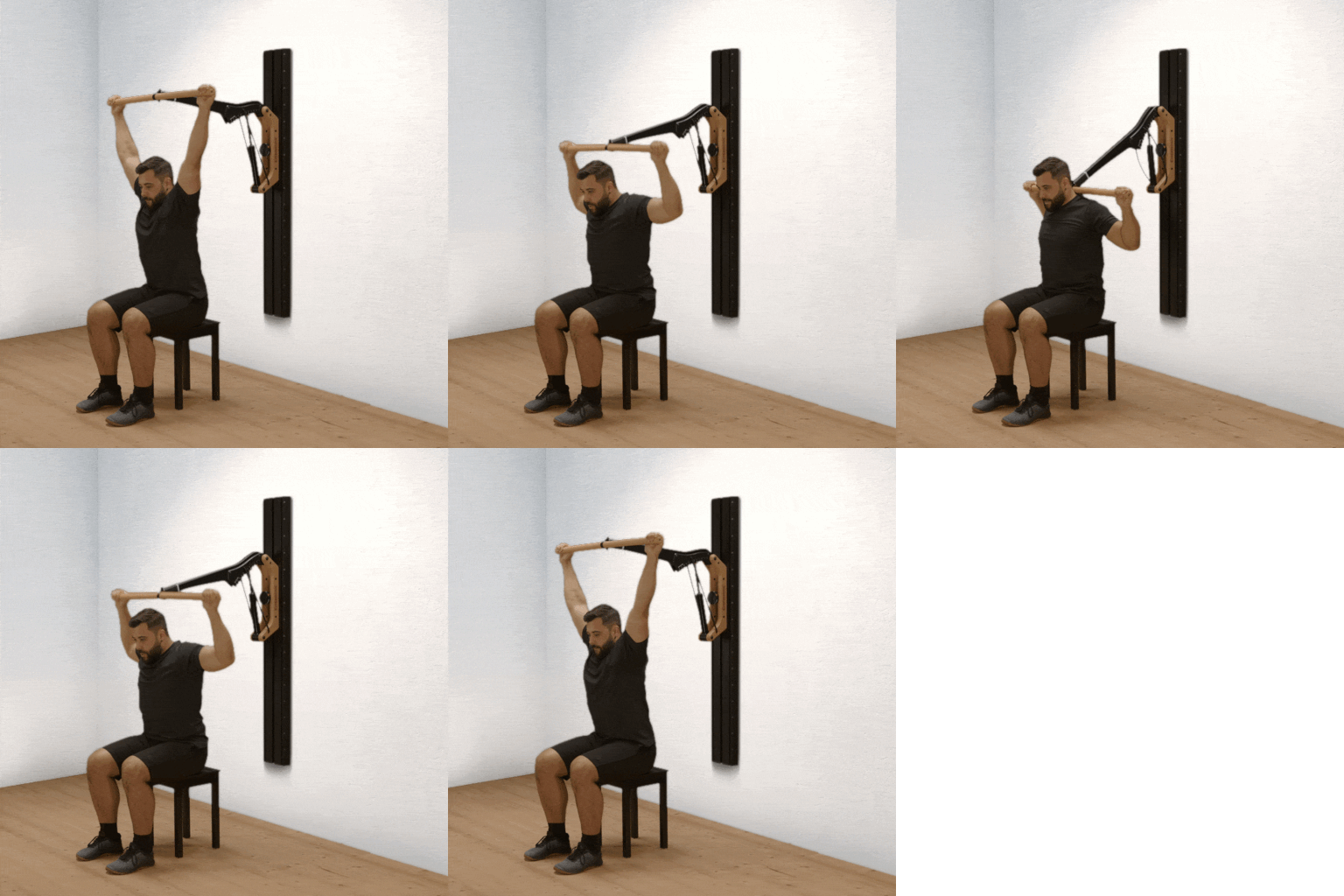
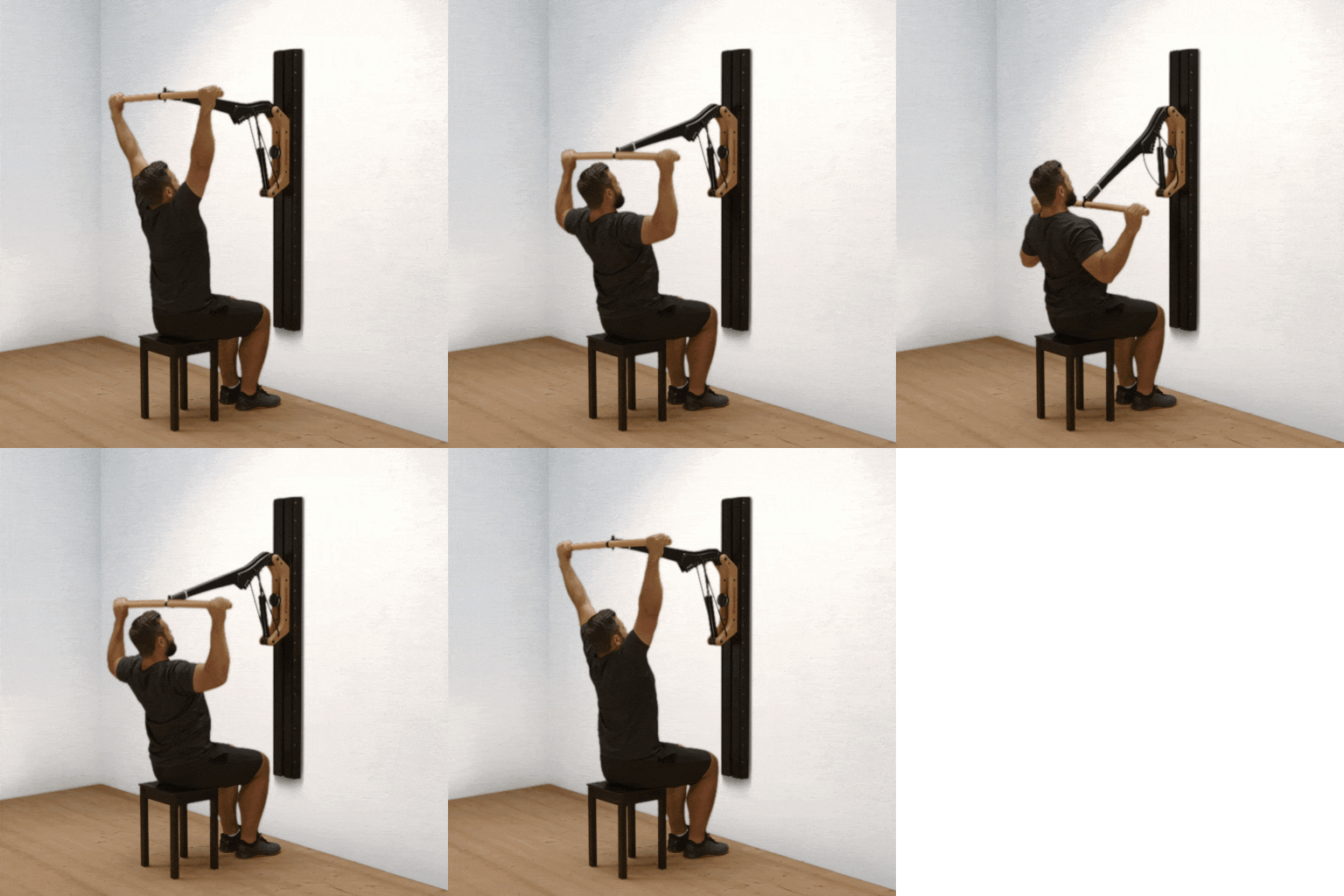
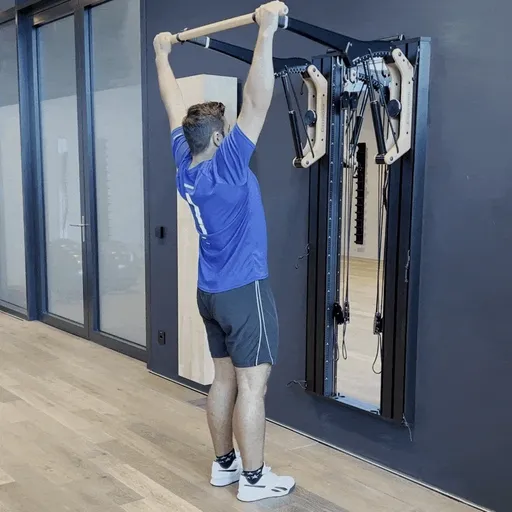
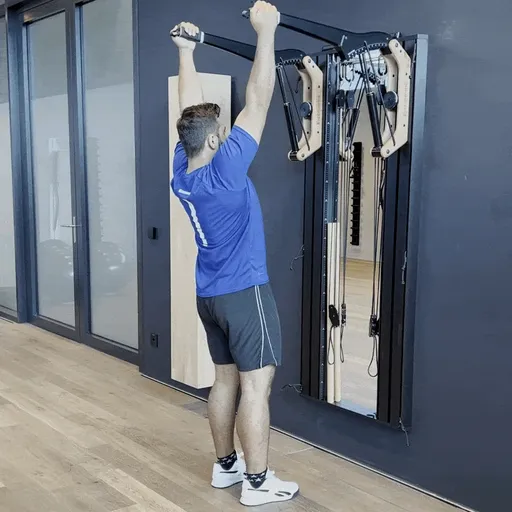
The one-arm lat pulldown on the cable machine is a unilateral exercise, meaning each side works independently. This helps reveal strength and muscle imbalances and allows you to specifically correct differences between the left and right sides of the body.
Because a cable pulley is used, resistance remains constant throughout the entire range of motion — from the fully extended to the fully contracted position. This ensures intensive engagement of the latissimus dorsi (broad back muscle).
Additionally, core and shoulder stability are required: as one arm pulls, the rest of the body must remain stable to avoid compensatory movements. The core must actively engage to keep the hips and back aligned.
What effect does the exercise achieve?
Targeted back activation:
Primarily the latissimus dorsi, but also supporting muscles such as the lower trapezius, rhomboids, and rear shoulder region are strongly activated.Improved symmetry and balance:
If one side is weaker or less active, the unilateral variation helps identify and address these deficits through targeted training.More control & higher movement quality:
Since each repetition is performed individually and without support from the other side, the quality of muscle activation increases.Joint-friendly & versatile:
This variation is generally easier on the joints compared to some other pulling exercises, as you can adjust the pulling angle and work more comfortably if needed.
How does this exercise fit into the Big 5 concept?
The Big 5 include the fundamental exercises: squat, deadlift, bench press, pull-up or lat pulldown, and shoulder press. The one-arm lat pulldown on the cable machine is not a classical component of the Big 5, but it can complement the Big 5 training concept in a very valuable way:
It supports pulling movements such as pull-ups and deadlifts by providing additional stimuli for the back, shoulders, and grip strength.
As a supplementary accessory exercise, it strengthens and refines the back and core stability — both of which help you train harder, stronger, and more technically clean in the basic exercises.
By adding variation (unilateral work, different angles), your training stays diverse — preventing training plateaus and supporting long-term progress.
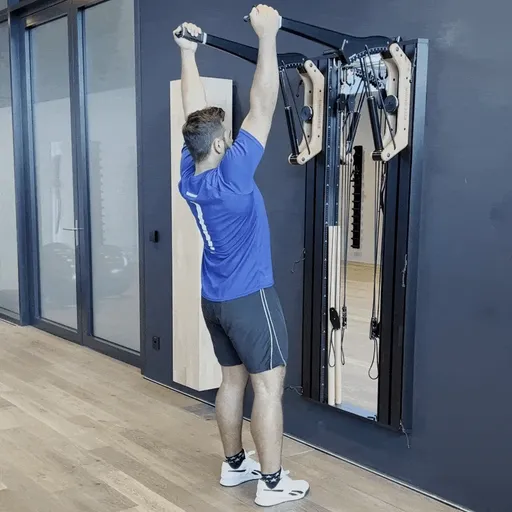
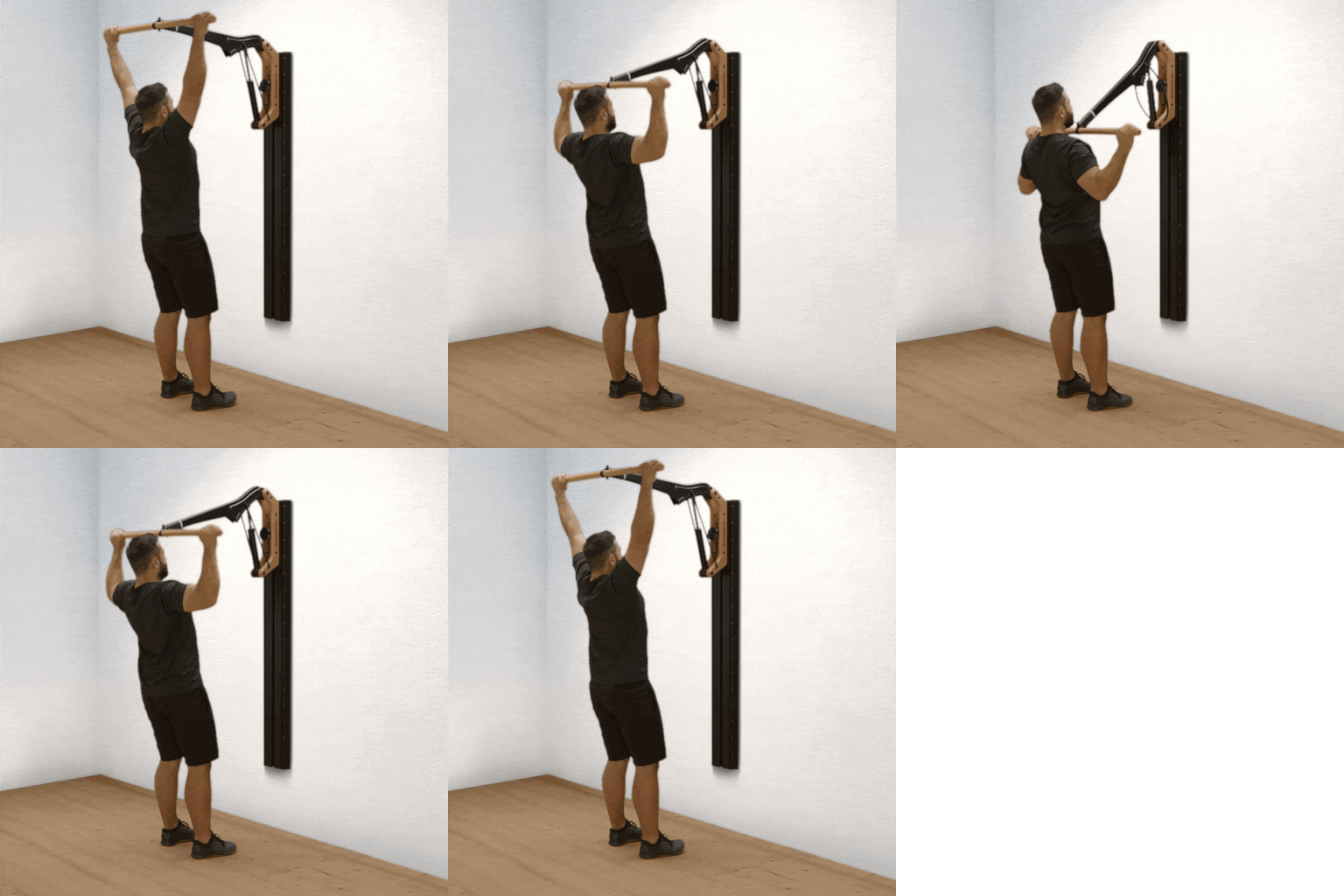
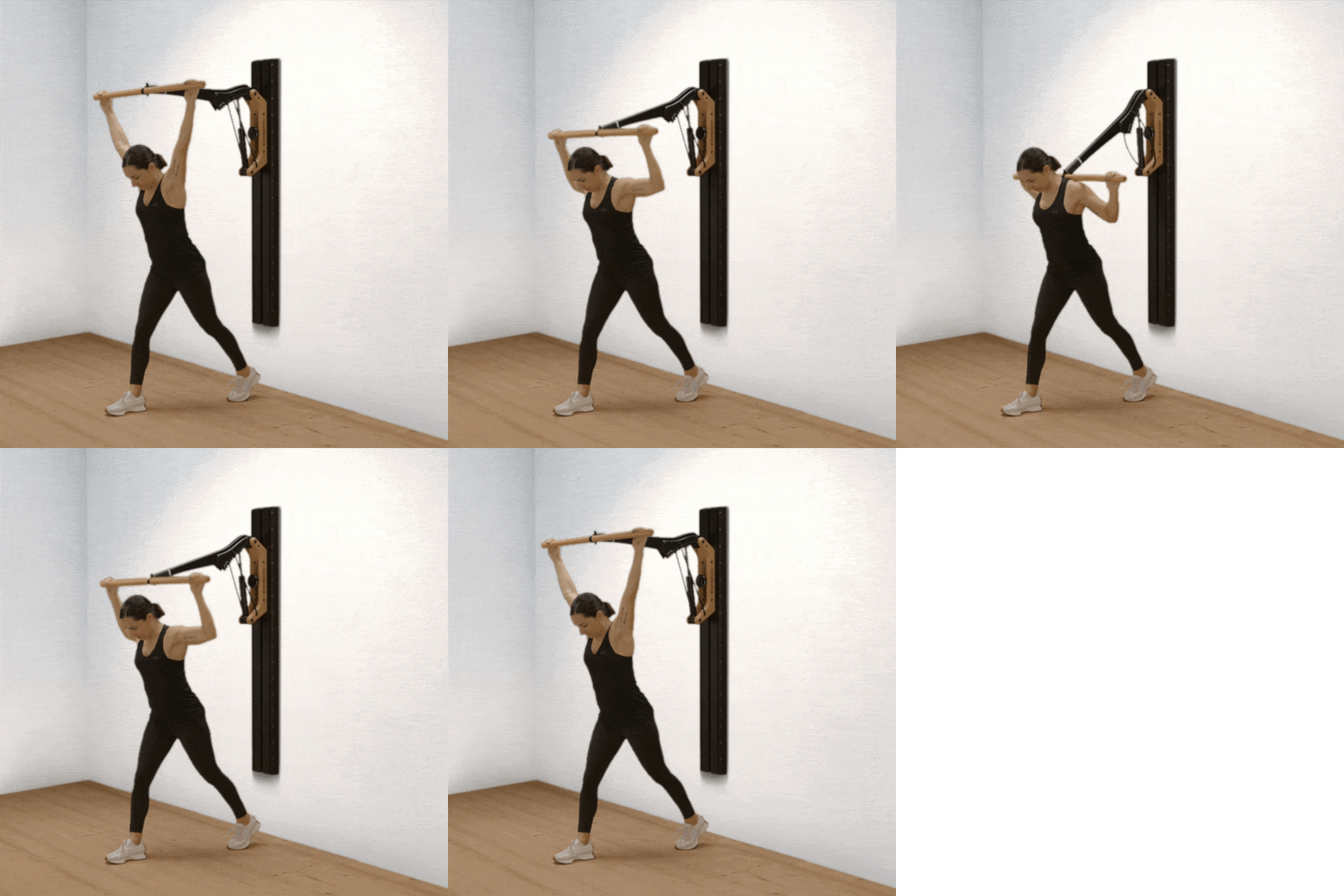
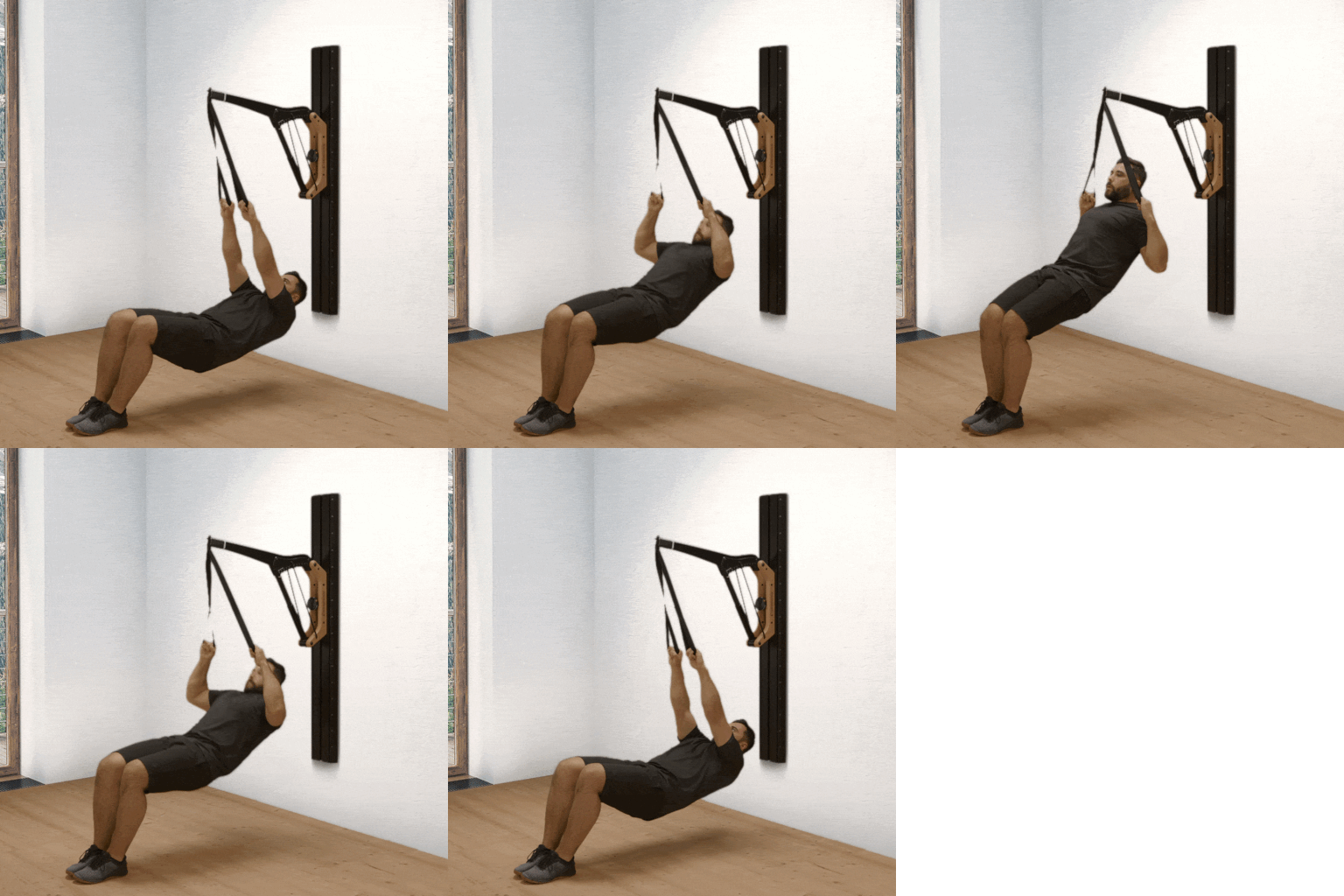
:format(webp))
)
)
)
)
)
:format(webp) "EISENHORN S Black Edition")
 "EISENHORN S Black Edition")