What makes this exercise particularly effective?
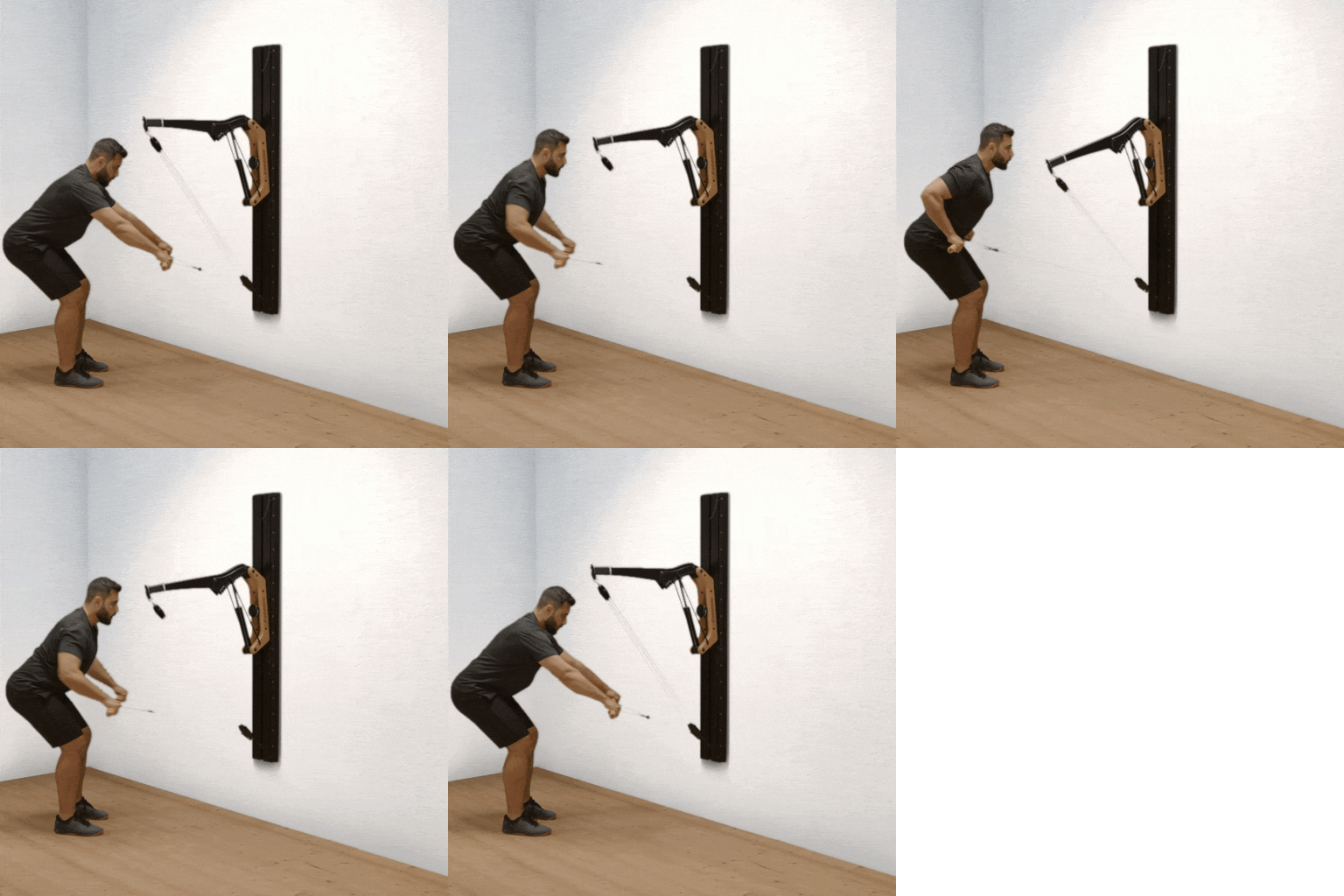
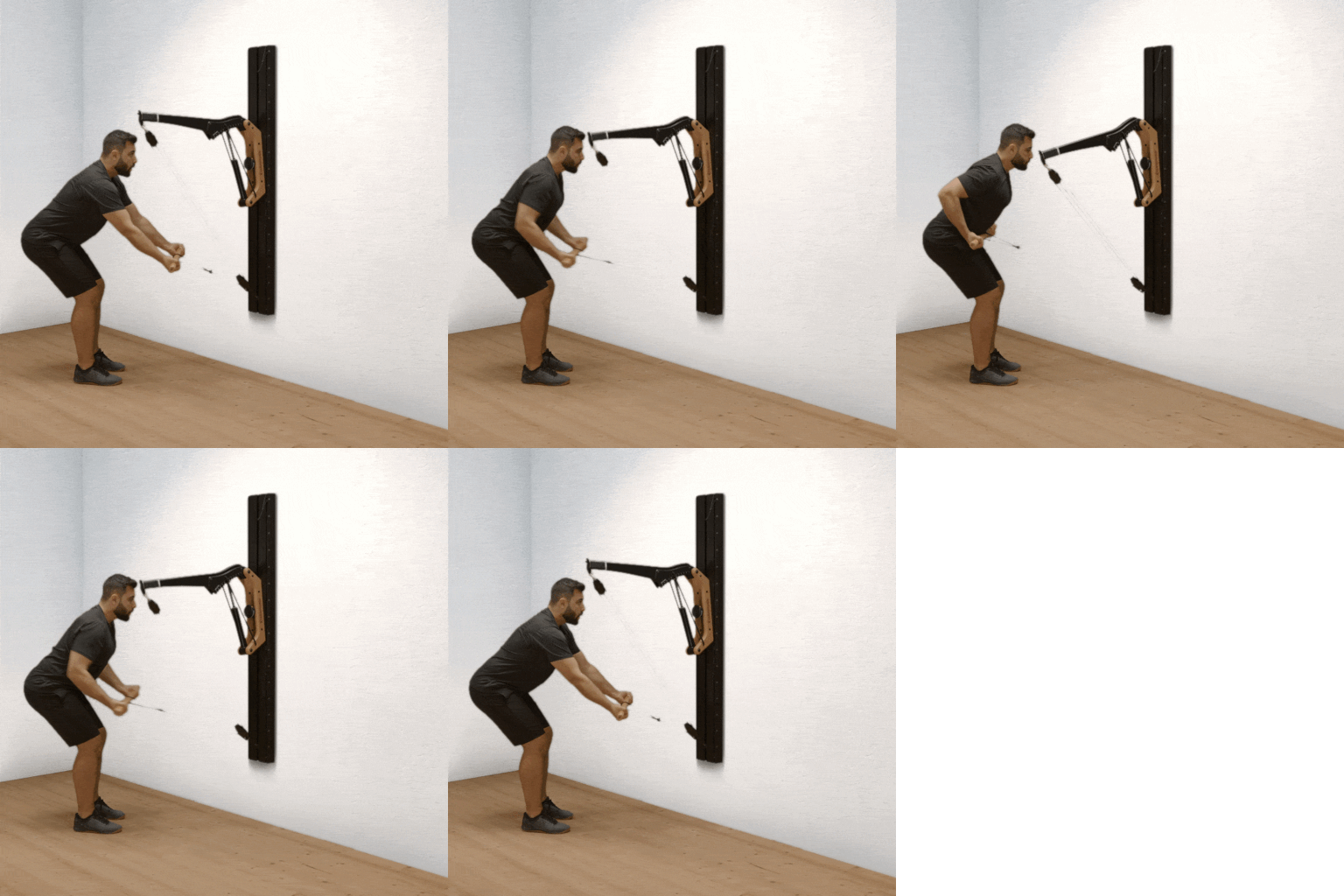
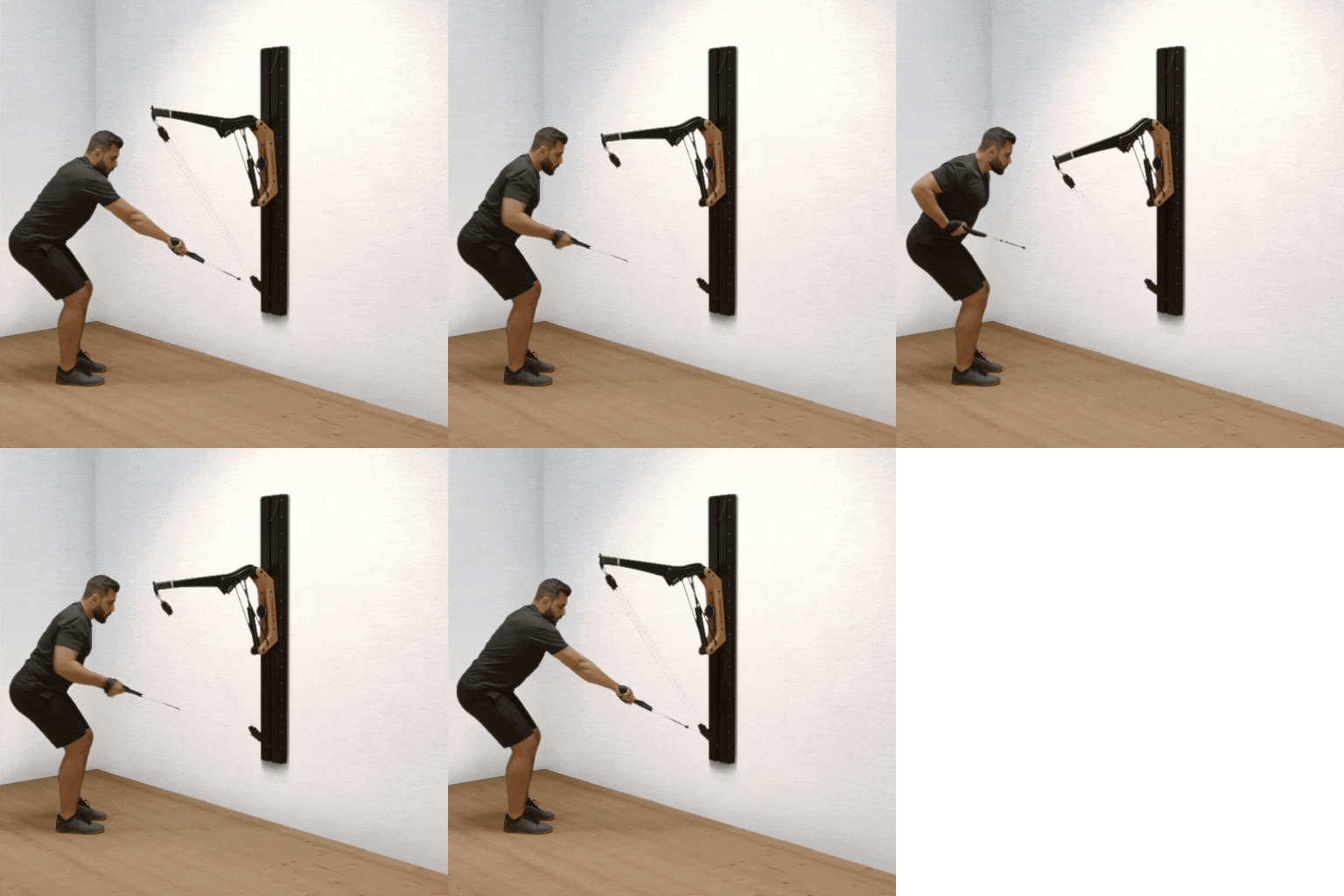
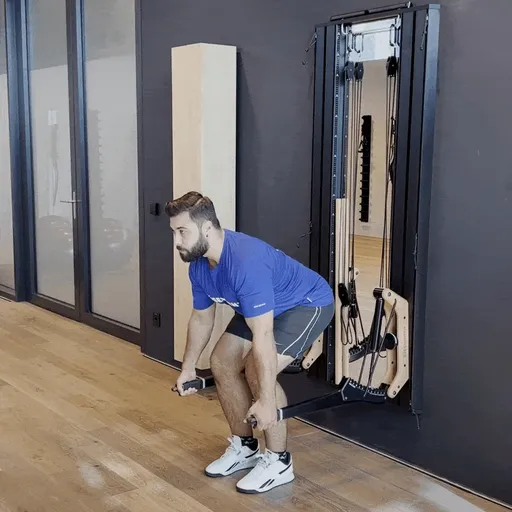
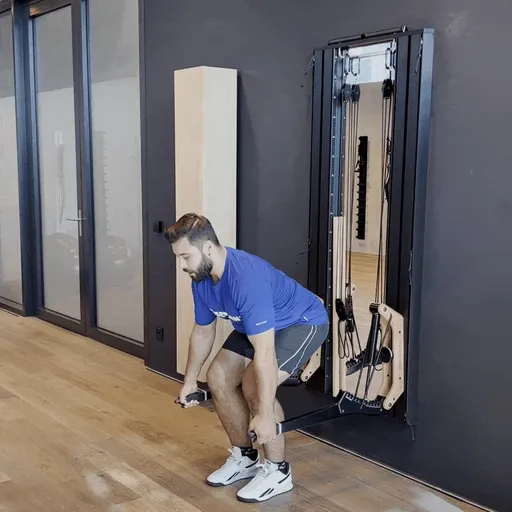
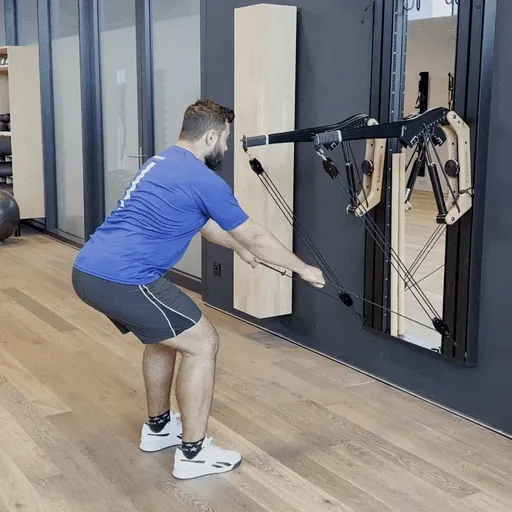
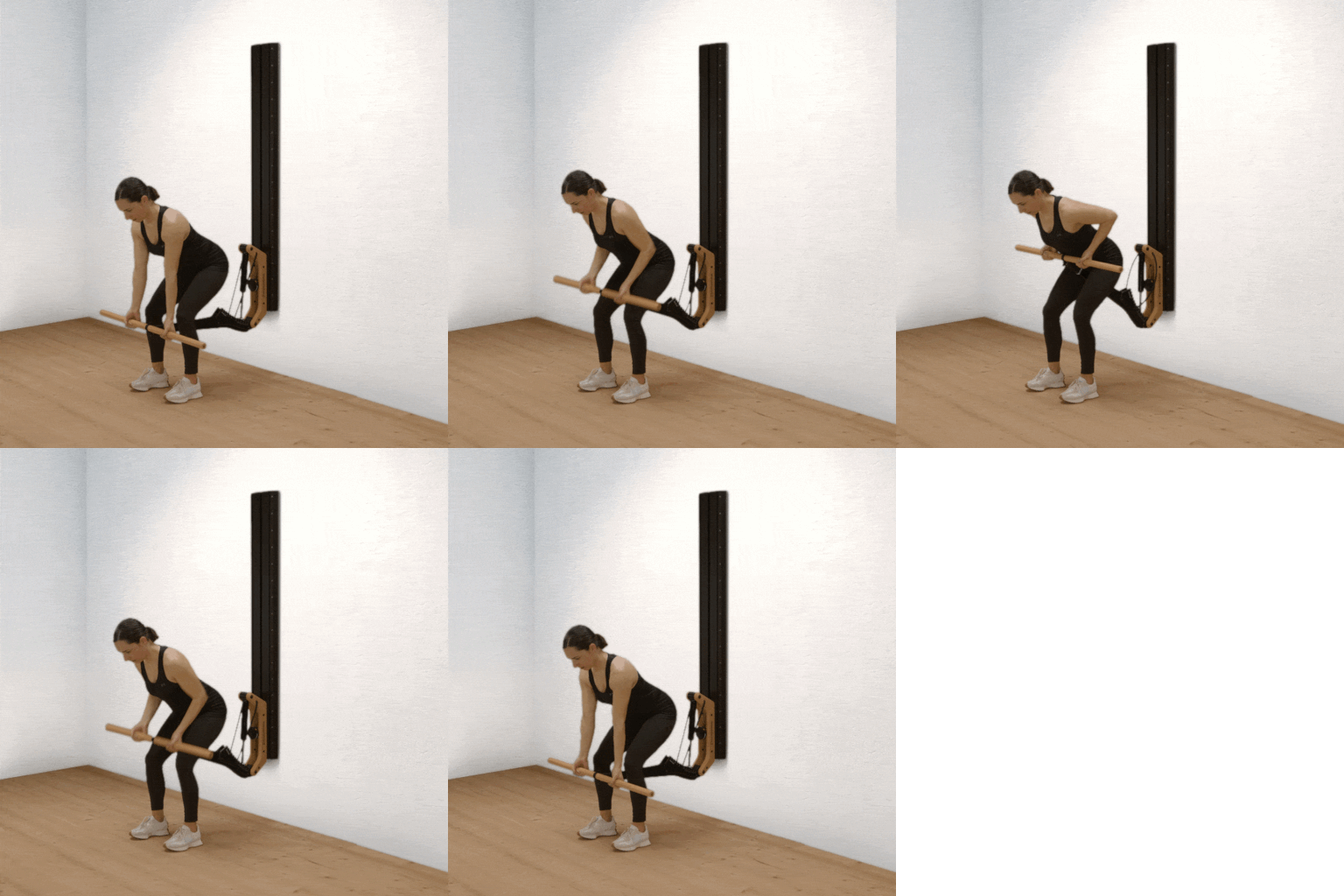
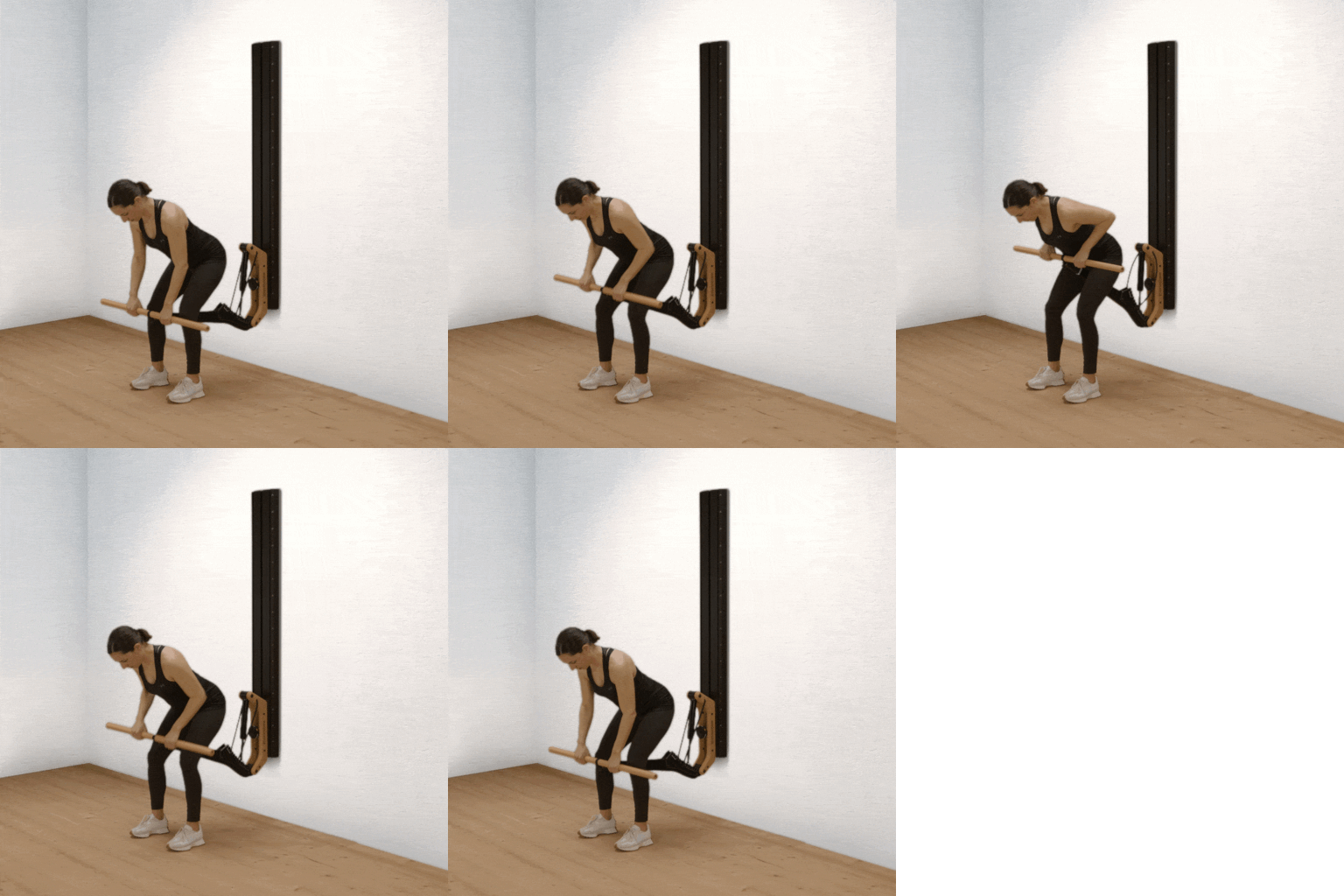
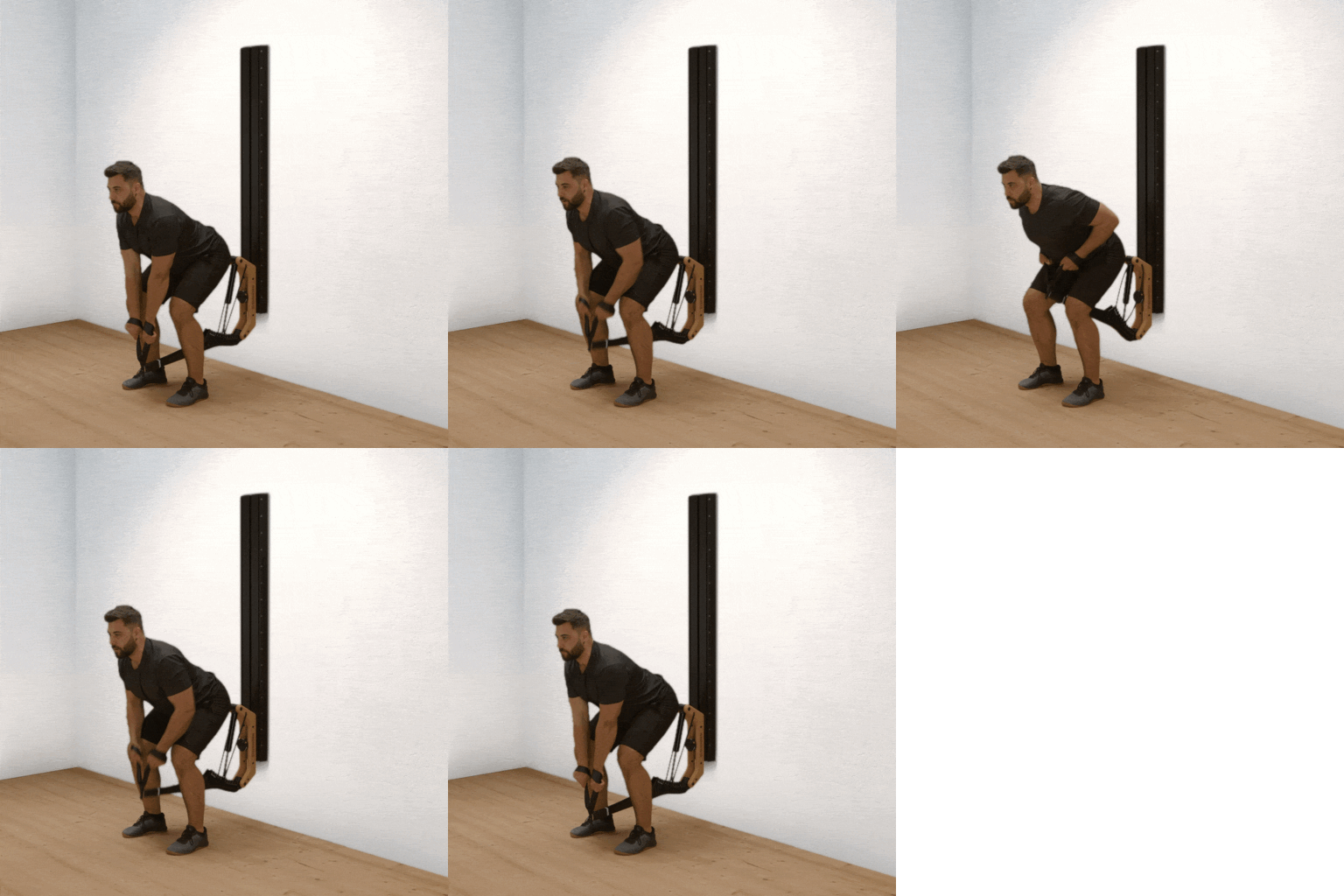
The bent-over row with barbell is one of the most effective pulling exercises for the upper body. On the EISENHORN DS, the pulling movement primarily engages the latissimus dorsi intensively, while the rhomboids, trapezius, and rear shoulder muscles also work hard. At the same time, the bent position requires active stabilization from the core and lower back muscles.
This combination of targeted muscle building and functional stability makes the bent-over row a particularly effective exercise for strength, posture, and overall body balance.
What effect does the exercise achieve?
Comprehensive back strengthening: The latissimus, rhomboids, and trapezius muscles are specifically trained, complemented by the posterior shoulder and arm muscles.
Spinal stability: The back extensor muscles maintain the bent position and actively strengthen core stability.
Core activation: Abdominal and core muscles stabilize body posture and protect the spine during the pulling movement.
Functional Training: This movement can be directly applied to everyday life and sports where loads are pulled or held close to the body.
Counterbalance to pressing exercises: Rowing prevents muscular imbalances by evenly developing the back of the upper body.
How does this exercise fit into the Big 5 concept?
The Big 5 include the fundamental exercises: squat, deadlift, bench press, pull-up or lat pulldown, and shoulder press. The bent-over row with barbell is not a classical part of the Big 5, but the exercise can meaningfully complement the Big 5 training concept:
Balance between pushing and pulling movements: While the bench press and shoulder press strengthen the front side, rowing provides the necessary balance for the back muscles.
Support for pull-ups: The pulling force developed trains the muscles that are also crucial for vertical pulling movements (pull-ups).
Improved posture: The exercise stabilizes the shoulder girdle and prevents muscular imbalances caused by one-sided strain.
Functional addition: Rowing expands the Big 5 concept with a central pulling movement — essential for holistic strength training.
:format(webp))
)
)
)
)
)
:format(webp) "EISENHORN S Black Edition")
 "EISENHORN S Black Edition")