What makes this exercise particularly effective?
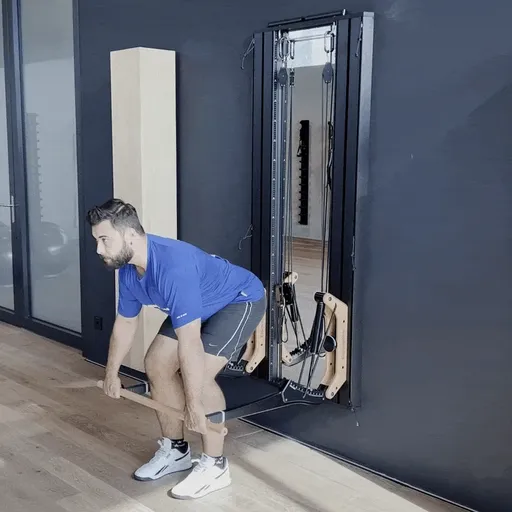
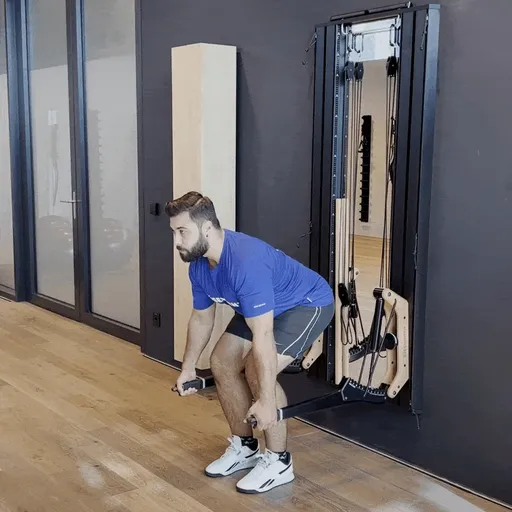
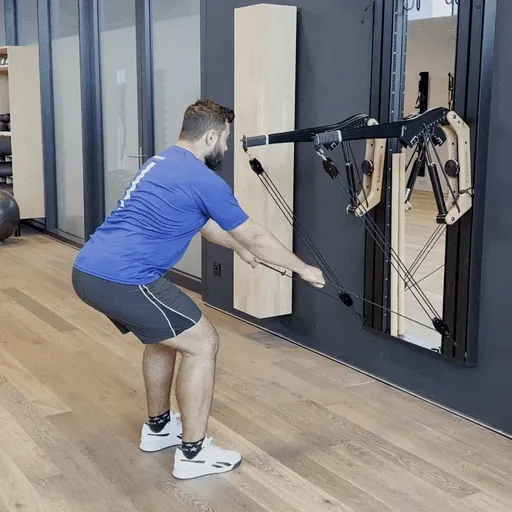
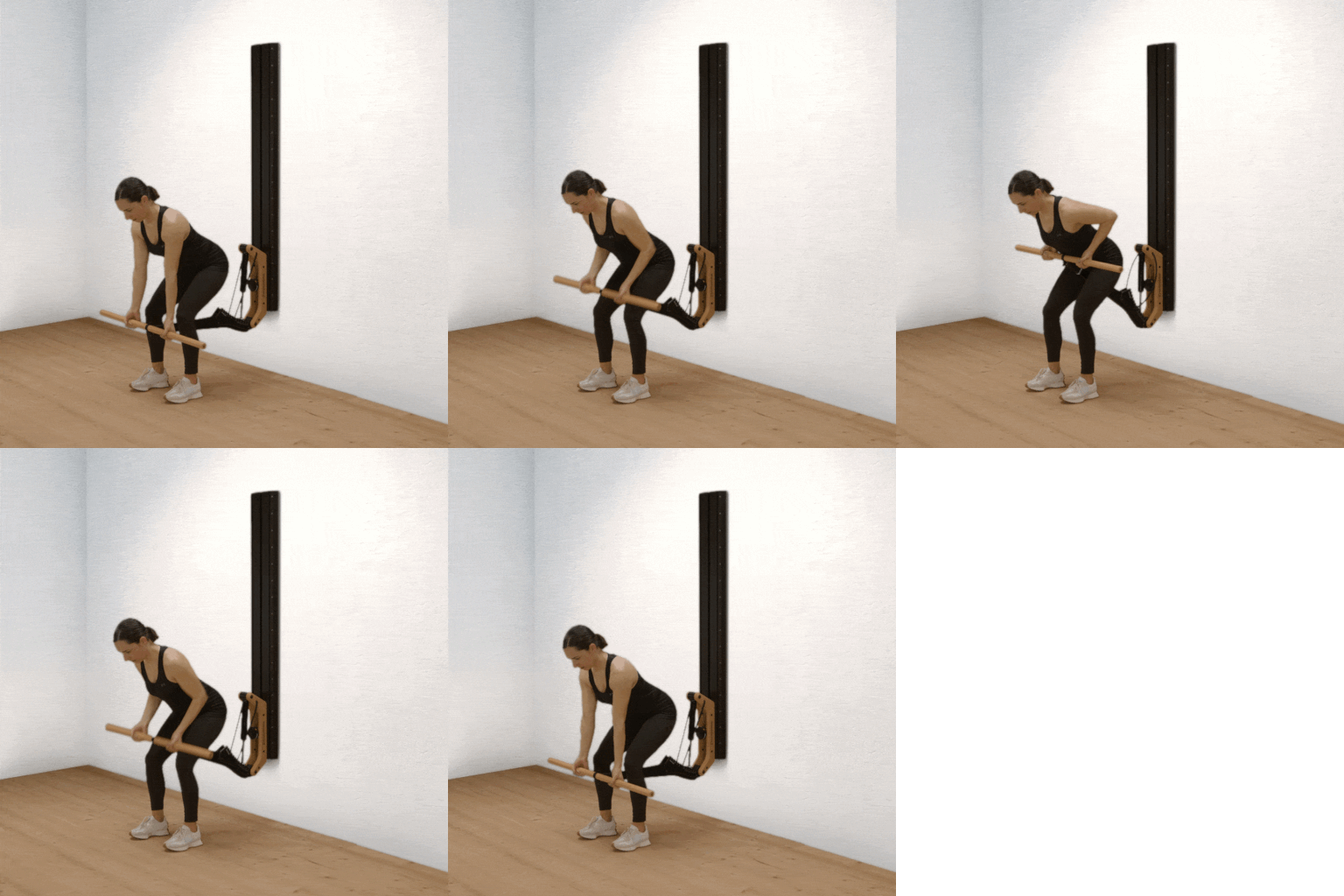
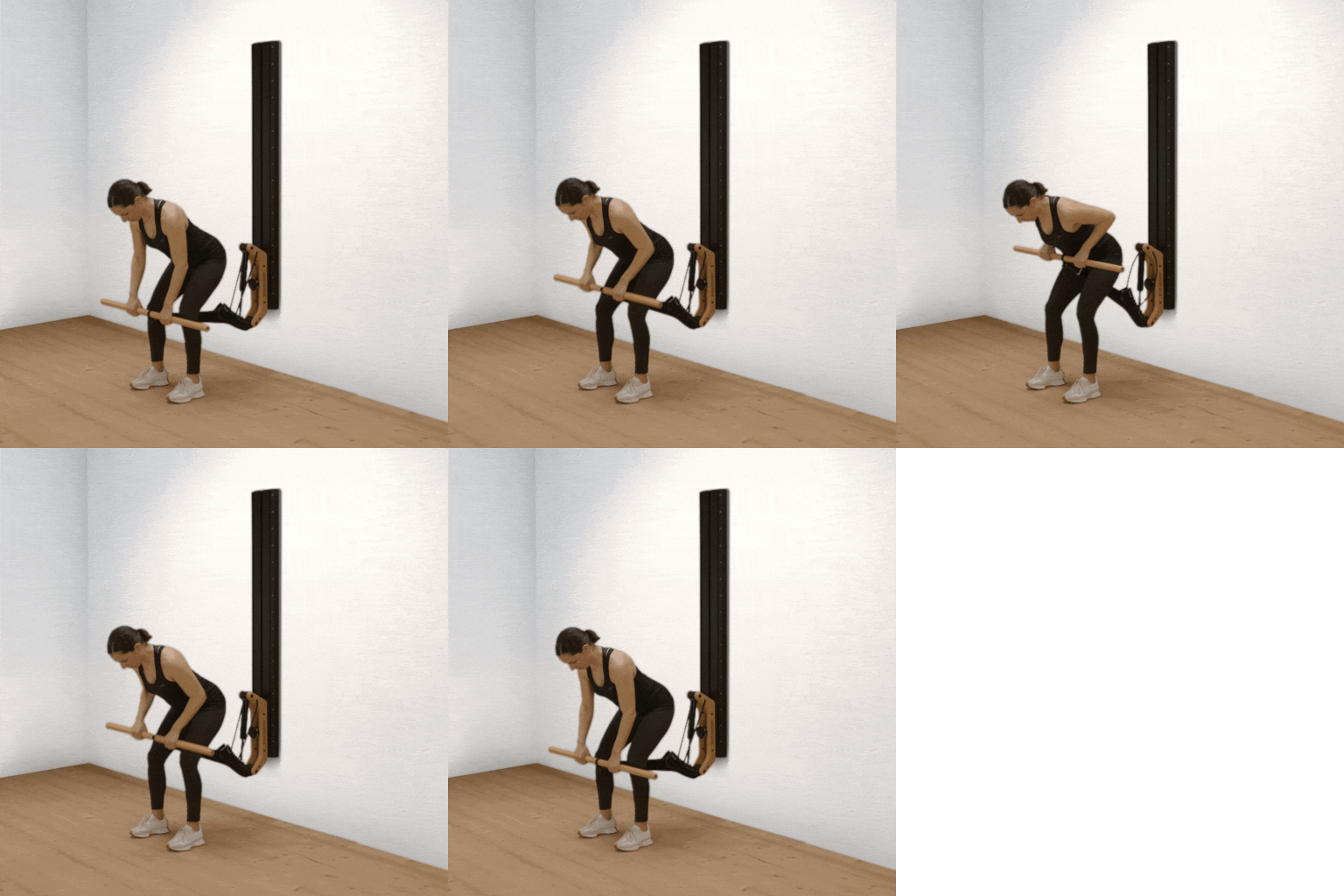
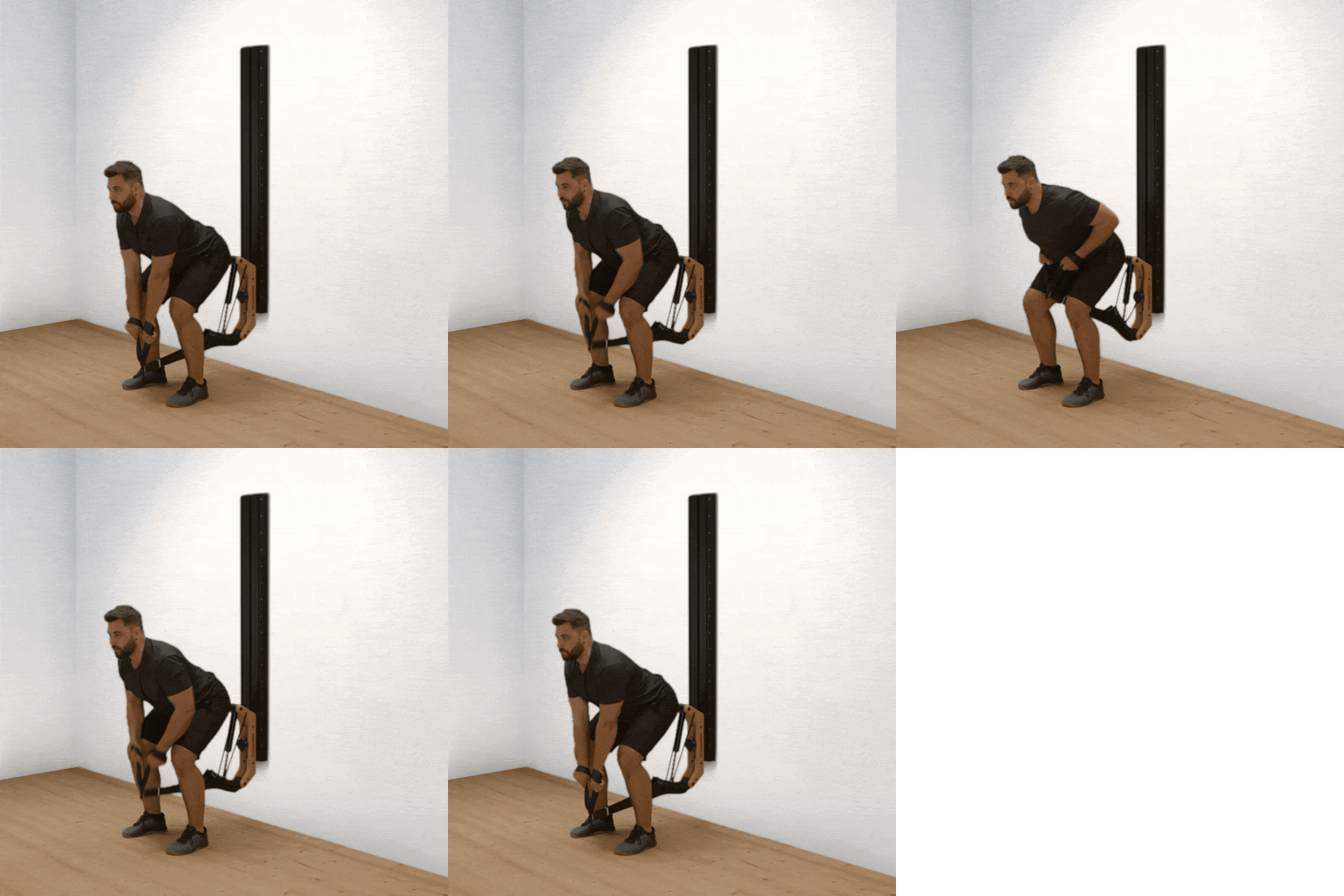
Bent-over rows with alternating horn grip combine the power of classic rowing with controlled guidance and a specific grip on the handle. The alternating pulling movement on the EISENHORN DS primarily targets the latissimus dorsi, as well as the rhomboids, middle trapezius, and rear deltoids. The upper-body posture also engages the trunk and leg muscles for stabilization — especially the back extensors and core, which must constantly work against leverage forces. The guidance on the horn ensures a smooth pulling path and allows full focus on the pulling force and muscle contraction.
What effect does the exercise achieve?
Targeted back training: The latissimus dorsi, supported by the rhomboids, trapezius, and rear deltoids, is activated intensively.
Grip and forearm strengthening: The horn grip engages the forearm muscles and improves grip strength.
Trunk and spinal stability: The trunk continuously works against rotation and compensatory movements, challenging the back extensors and core.
Improved pulling strength: The exercise provides an excellent foundation for other pulling movements, such as pull-ups or standard bent-over rows.
Technique and muscle balance: Controlled guidance allows for clean, uniform movement execution, improving load application and helping to correct muscular imbalances.
How does this exercise fit into the Big 5 concept?
The Big 5 include the fundamental exercises: squat, deadlift, bench press, pull-up or lat pulldown, and shoulder press. Even though bent-over rows with alternating grip on the handlebars are not part of the classic Big 5, they represent a meaningful addition:
Complements pulling movements: Bent-over rows with horn grip strengthen the muscle groups central to pulling exercises (e.g., pull-ups), which is particularly relevant for balanced upper-body development.
Balance between push and pull: Many Big 5 exercises emphasize pushing (e.g., bench press, shoulder press). Rowing provides the antagonist for the back and pulling muscles.
Stability training: This exercise requires high control and stability, skills that are also essential for squats, deadlifts, and other basic exercises.
Functional balance: In a holistic training approach, bent-over rows on the horn fill a functional gap and contribute to a symmetrical, high-performance musculature.
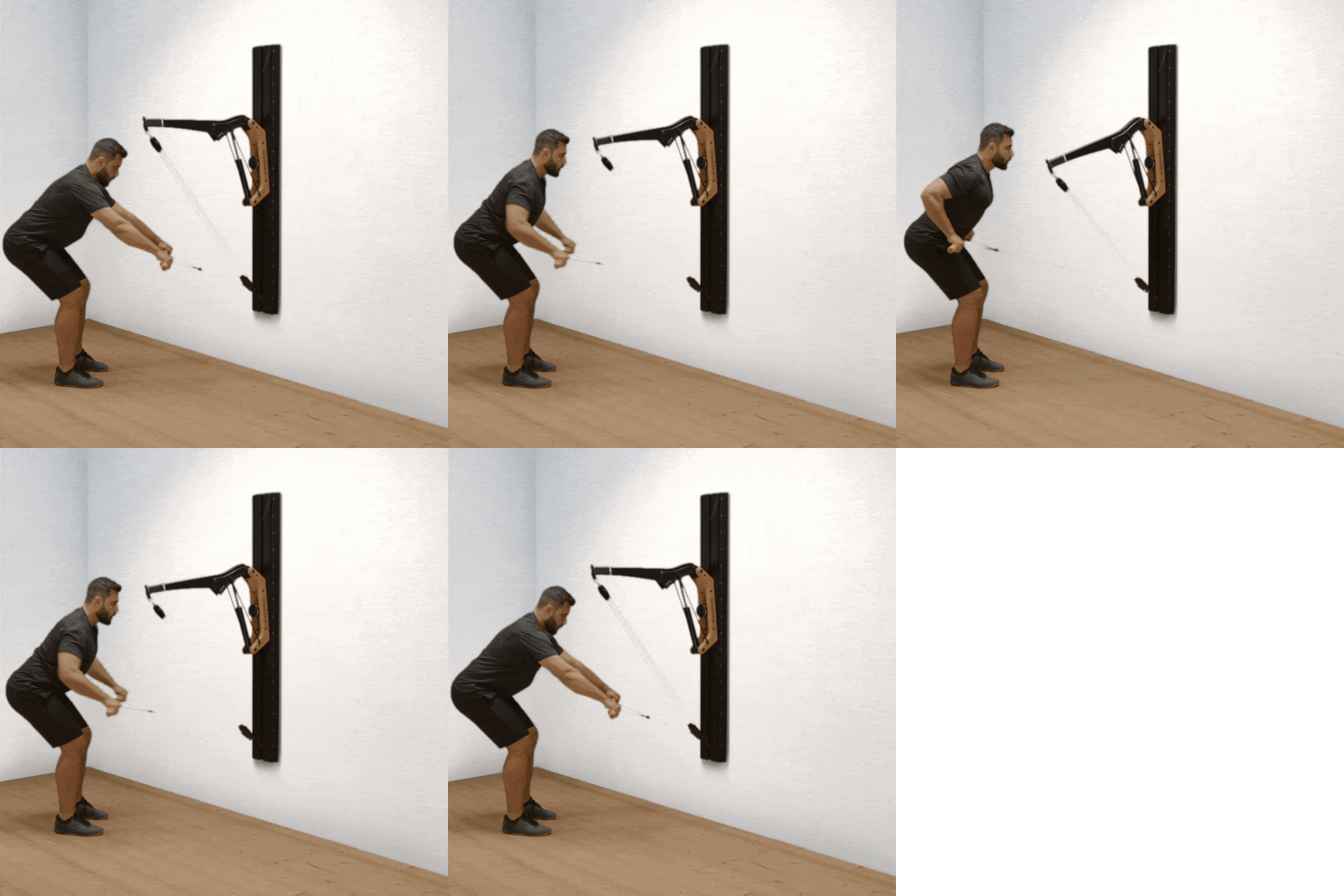
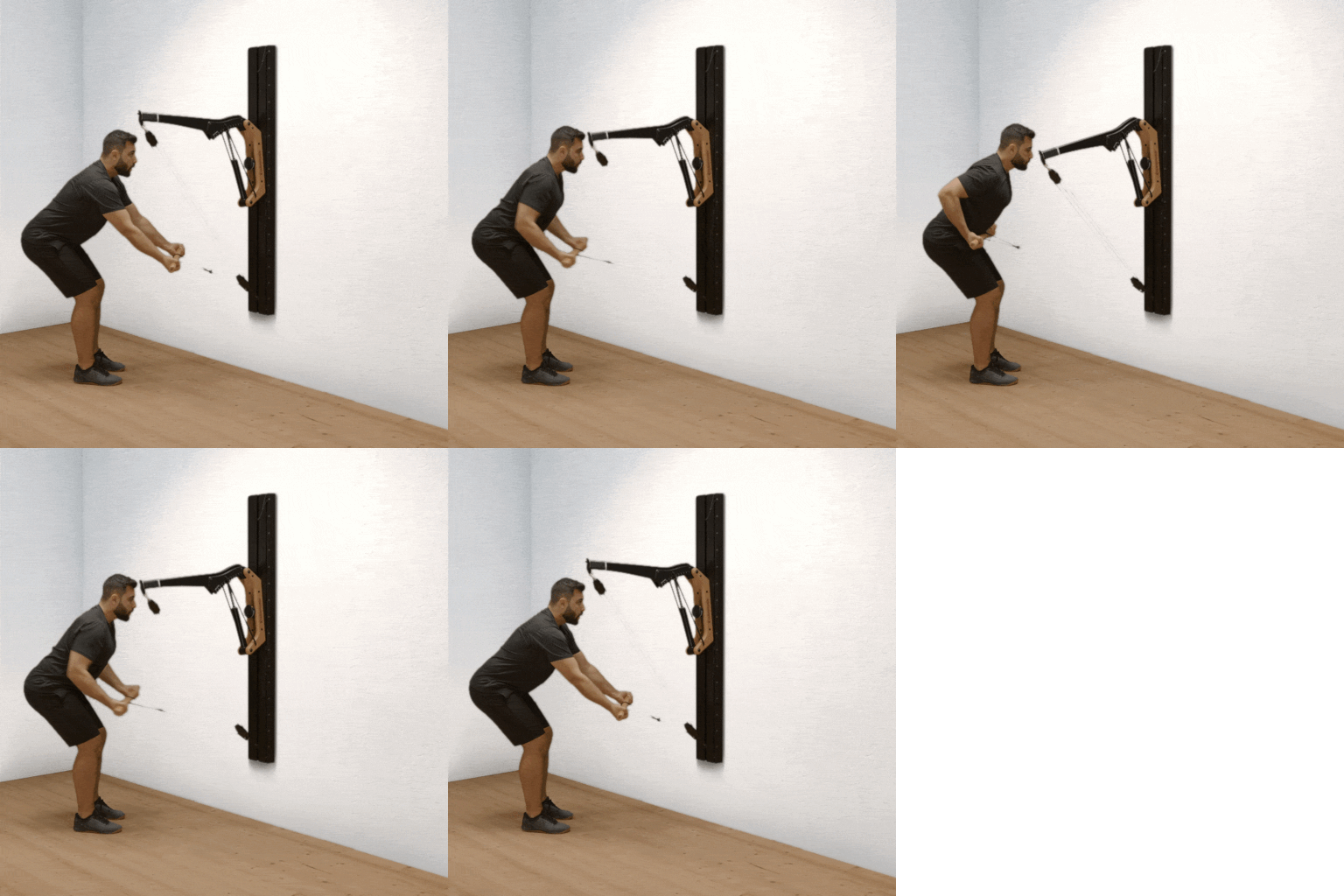
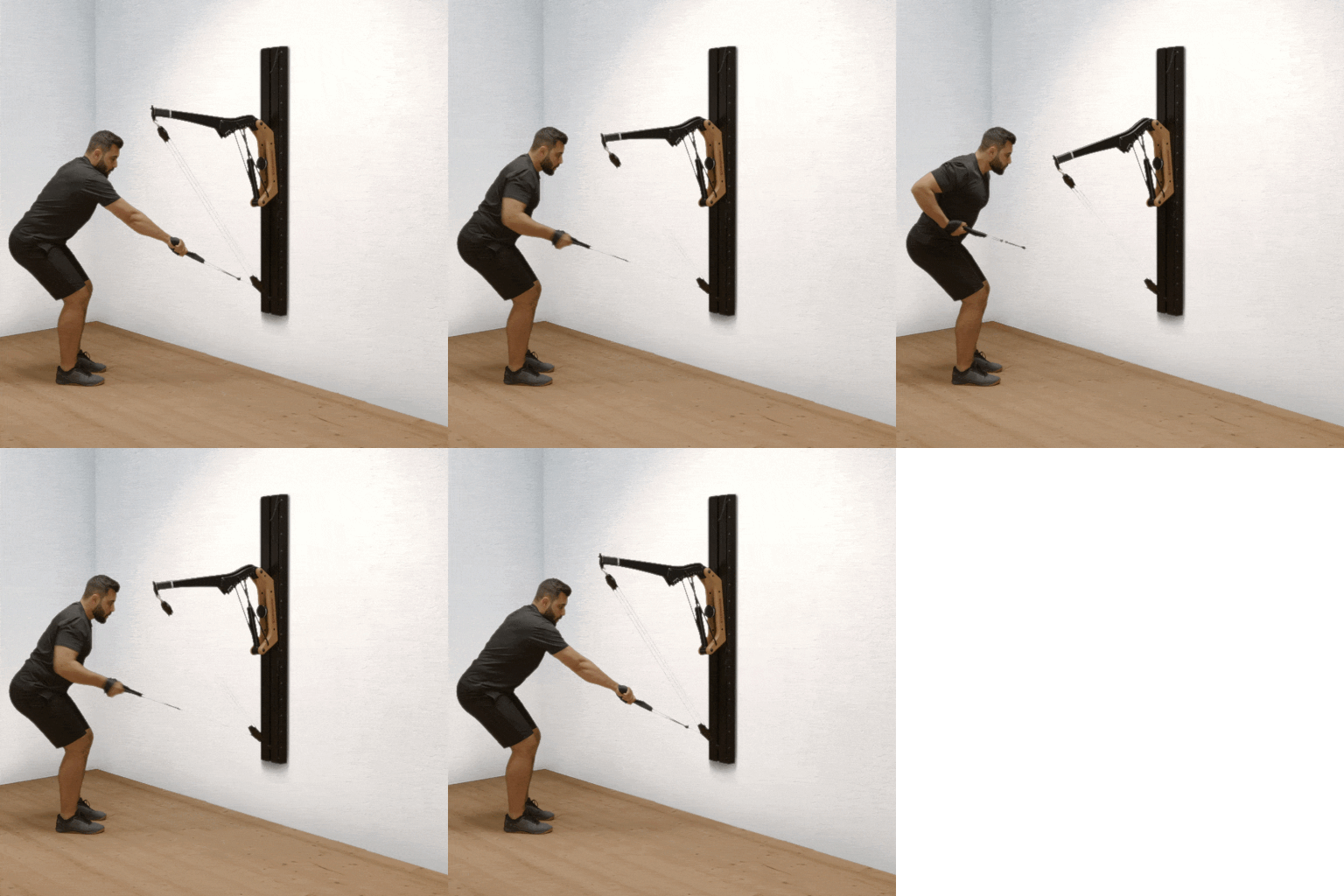
:format(webp))
)
)
)
)
)
:format(webp) "EISENHORN S Black Edition")
 "EISENHORN S Black Edition")