What makes this exercise particularly effective?
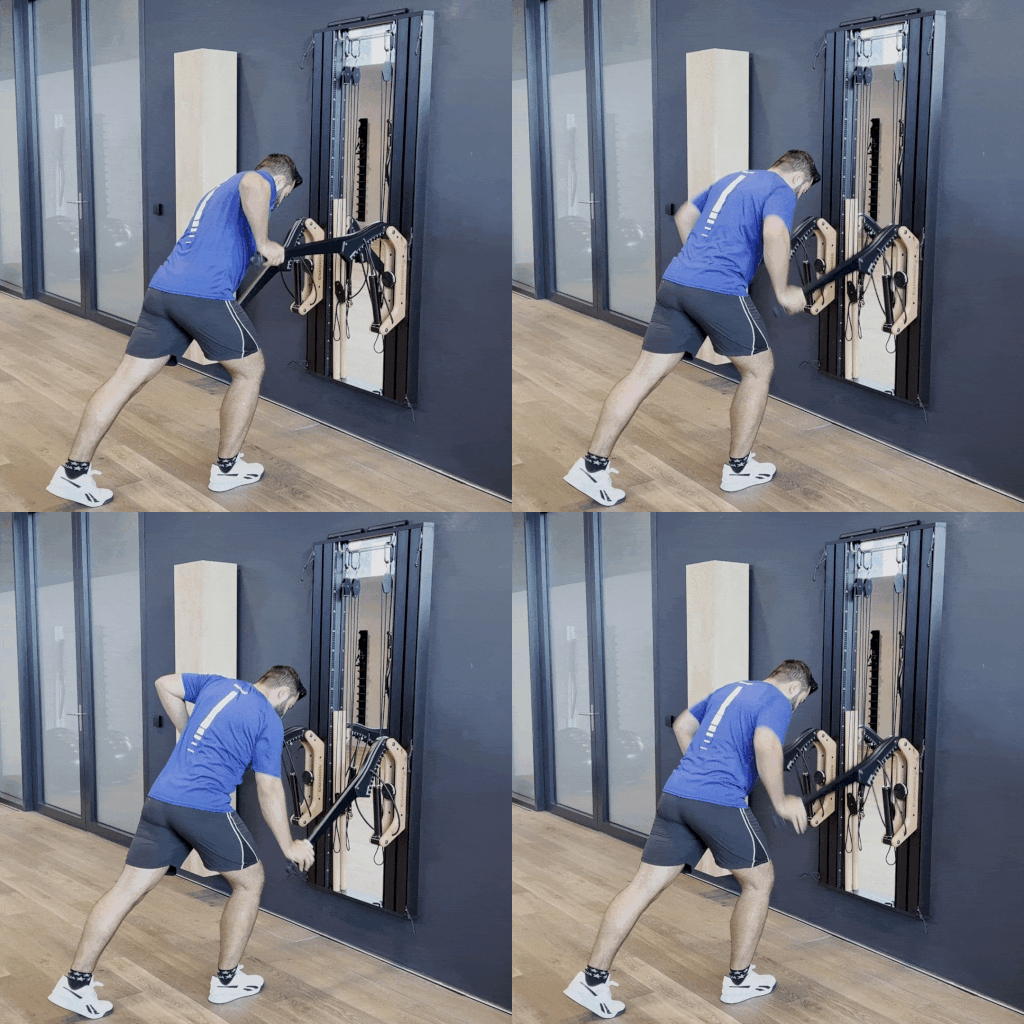
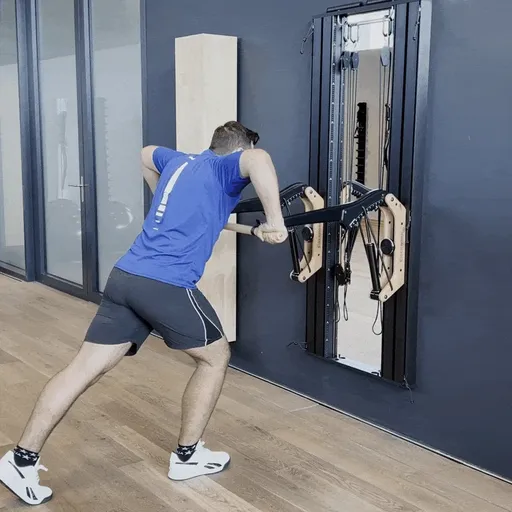
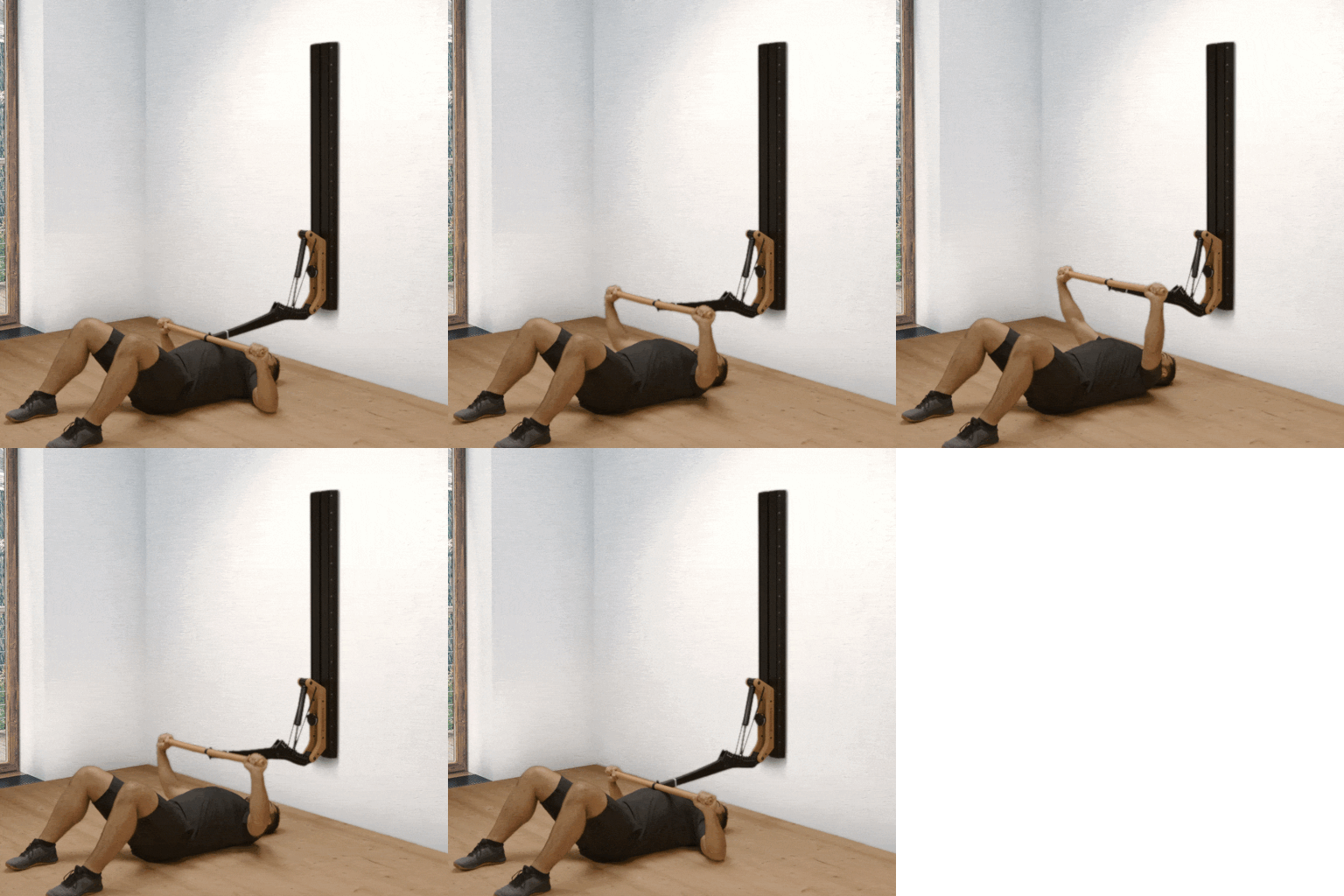
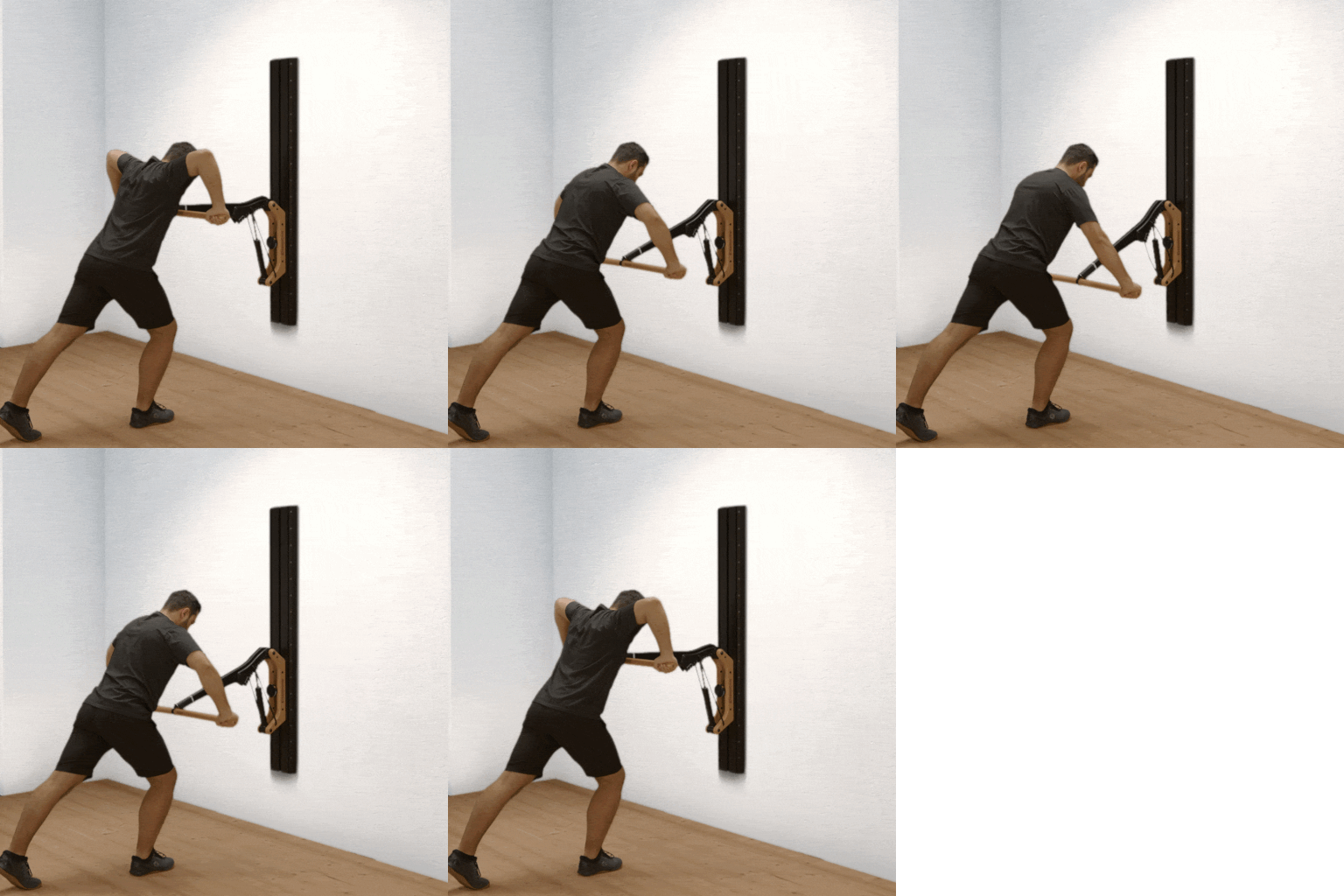
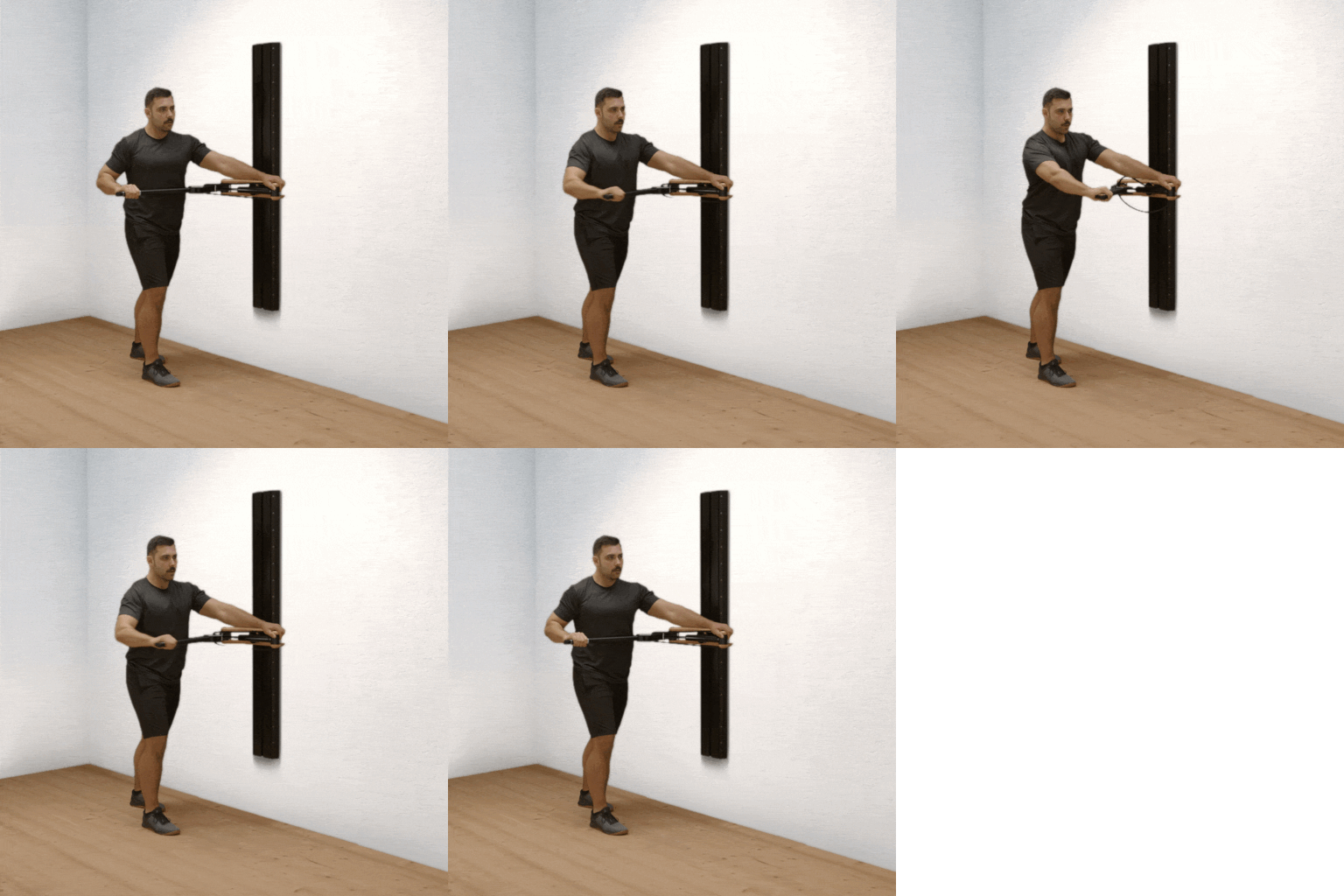
Flying with cable from below (often called Low Cable Flys or Cable Fly from bottom to top) places special emphasis on the lower fibers of the chest muscle, as the pulling angle is upward from below. The movement on the EISENHORN DS follows a controlled, slightly circular path without momentum, which keeps the chest muscles under constant tension. The arms remain almost straight (with a slight bend at the elbows) to effectively target and isolate the muscles. This variation allows for clean chest activation even with moderate load and offers a strong addition to classic pressing and fly movements.
What effect does the exercise achieve?
Targeted angle stimulus for lower chest fibers: Since the tension comes from below, the lower portions of the pectoralis major are used more intensively.
Supporting muscles & shoulder control: The arcing movement requires stable shoulder alignment and strong rotator cuff activation to keep the joint controlled.
Constant tension & muscle activation: The cable guidance prevents the weight from resting between reps, ensuring a consistently high training stimulus.
Muscle harmony & balance: This variation complements horizontal and incline pressing movements and supports a more balanced chest development.
Variability in training: By adjusting grip position, pulling angle (slightly upward or straight ahead), and tempo, different areas of the chest can be emphasized.
How does this exercise fit into the Big 5 concept?
The Big 5 include the fundamental exercises: squat, deadlift, bench press, pull-up or lat pulldown, and shoulder press. Even though Flying with cable from below is not part of the classical Big 5, it can be a meaningful addition:
Additional chest isolation: While bench pressing builds overall mass, this exercise allows for specific targeting of individual muscle fibers and improved isolated definition.
Optimization of the bench-press chain: Training specific angles of the chest (e.g., lower fibers) improves balance and depth in pressing strength.
Injury prevention & stability: The controlled, slow pulling motion improves shoulder stability and can help prevent imbalances.
Varied stimulus: This variation introduces new movement directions into training, helping to overcome plateaus and provide additional muscle stimuli.
:format(webp))
)
)
)
)
)
:format(webp) "EISENHORN S Black Edition")
 "EISENHORN S Black Edition")