What makes this exercise particularly effective?
The walking lunge with a resistance band combines the single-leg strength requirement with additional instability and tension created by the band. This combination increases neuromuscular demand: besides the quadriceps and glutes, balance, hip stability, and core tension are particularly required. The forward stepping creates dynamic load changes that train strength, coordination, and mobility simultaneously.
What effect does the exercise achieve?
Strong leg muscles: Especially the quadriceps, glutes, and hamstrings are trained through the full range of motion.
Improvement of balance & coordination: The single-leg loading during the forward step challenges balance and proprioceptive control.
Core stability & posture: The resistance band requires active core tension to maintain a stable upper-body position.
Functional mobility: Dynamic hip opening and stretching of the muscles in the back of the leg improve mobility and running mechanics.
Everyday life & sports transfer: Increases performance in running, jumping, and directional changes — ideal for athletes and everyday functional movements.
How does this exercise fit into the Big 5 concept?
The Big 5 include the fundamental exercises: squat, deadlift, bench press, pull-up or lat pulldown, and shoulder press. Even though the exercise “walking lunges with resistance band” is not part of the classic Big 5, this variation can be a useful addition:
Unilateral strength & balance: This exercise helps correct leg and hip imbalances that may go unnoticed during bilateral training (e.g., squats).
Transfer to movement functions: The exercise promotes functional strength and stability, which can be transferred directly to squat or jump performance.
Ideal as a supplementary exercise: It complements the Big 5 by strengthening mobility, stability, and coordinative abilities — important factors for long-term performance improvement.
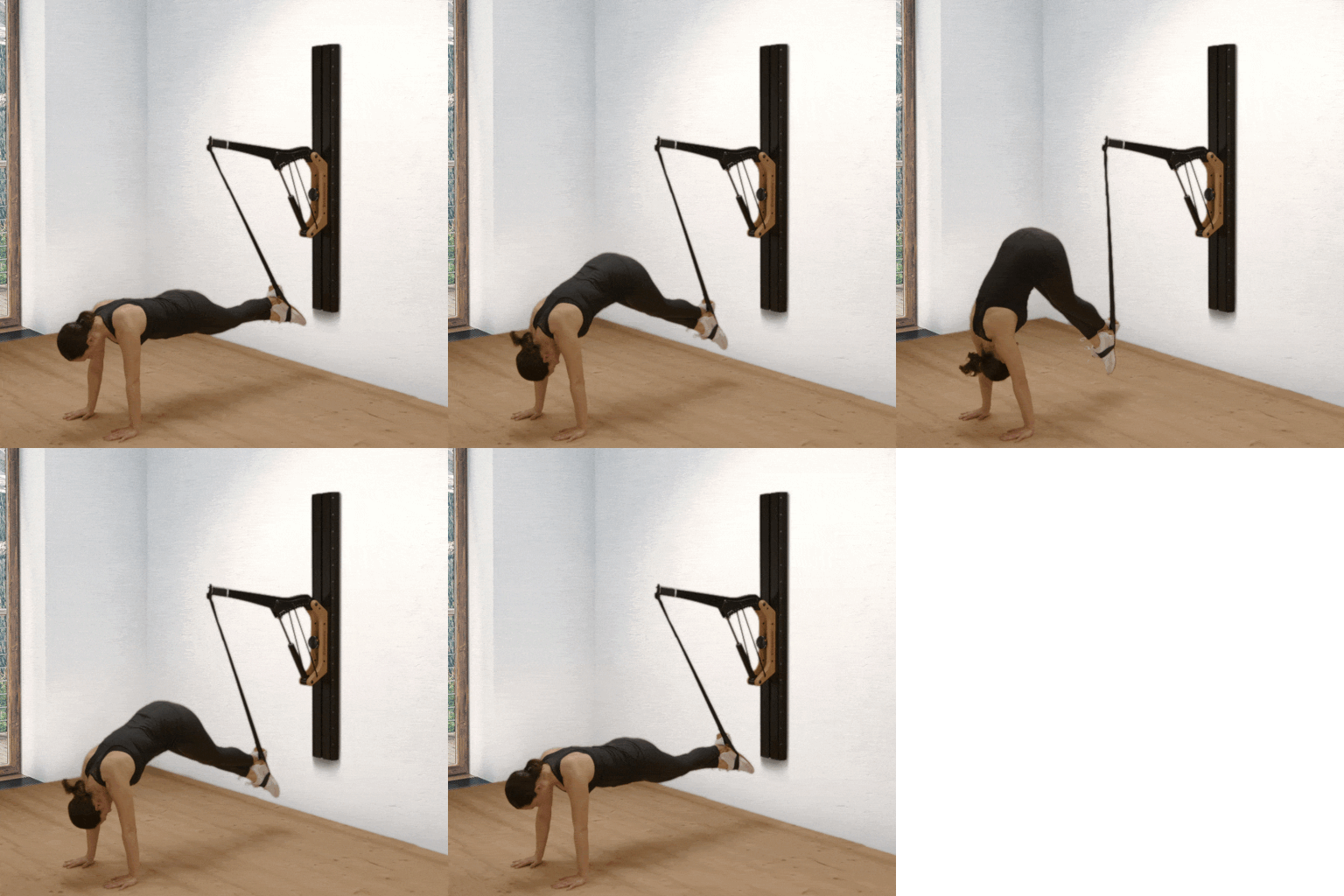
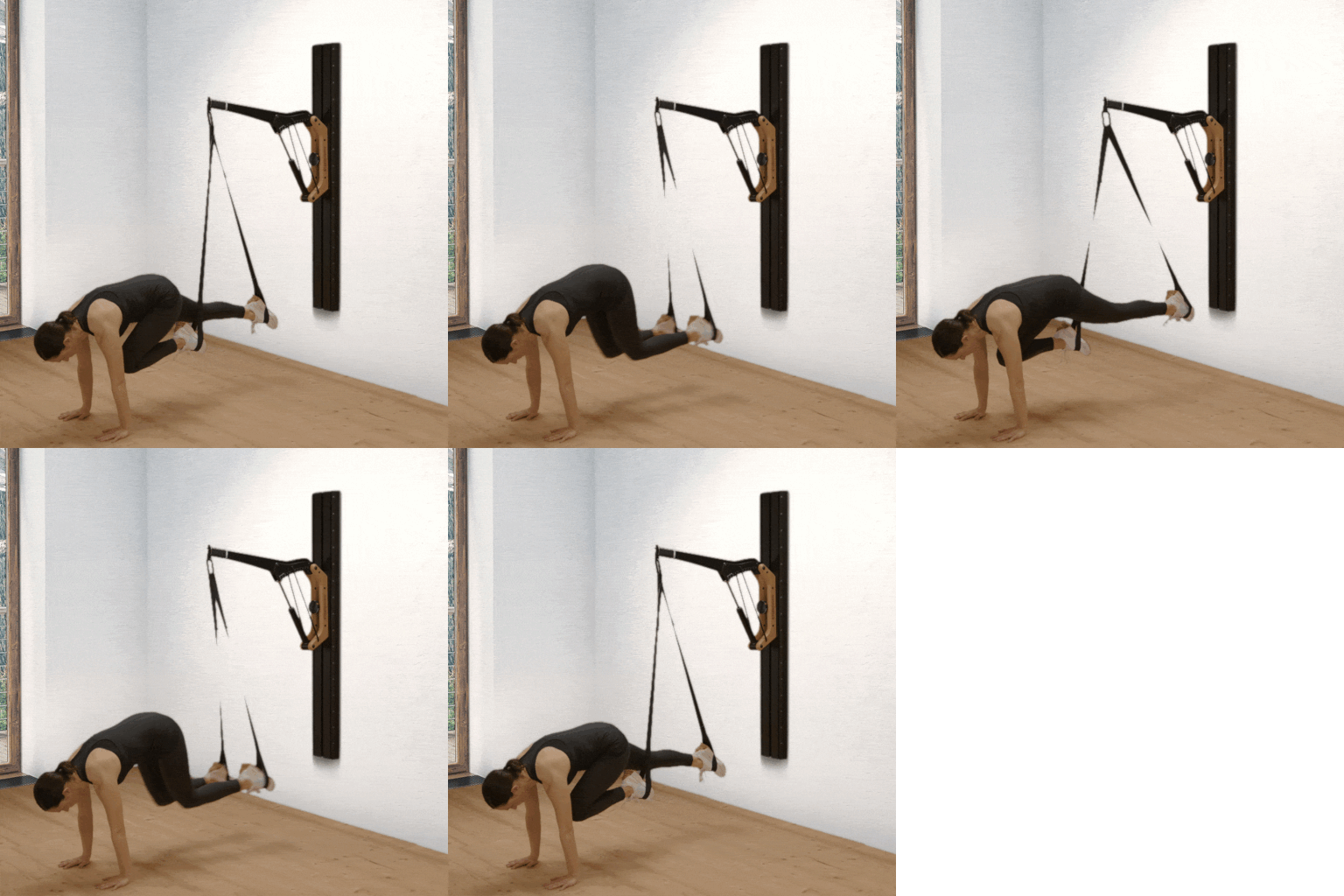
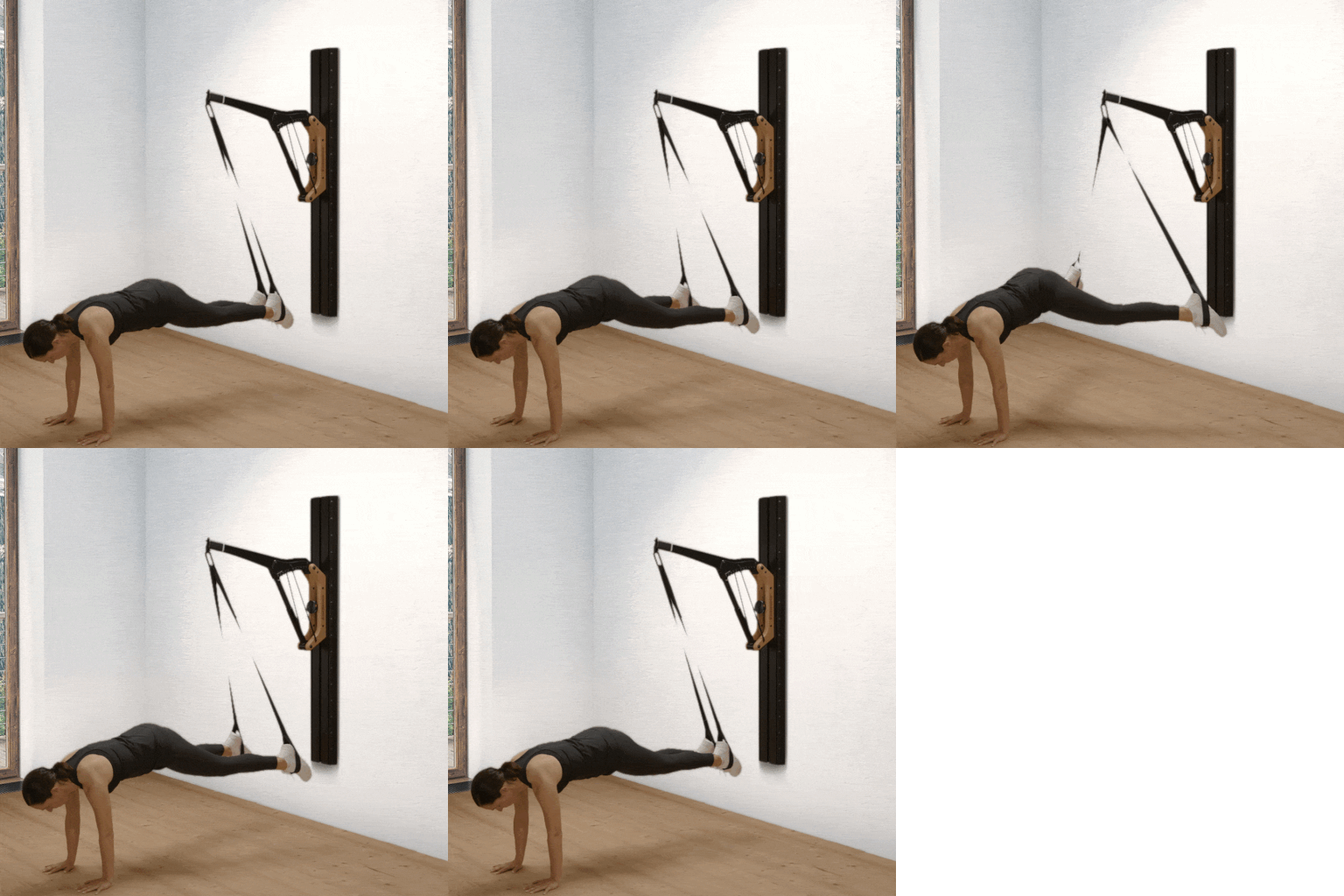
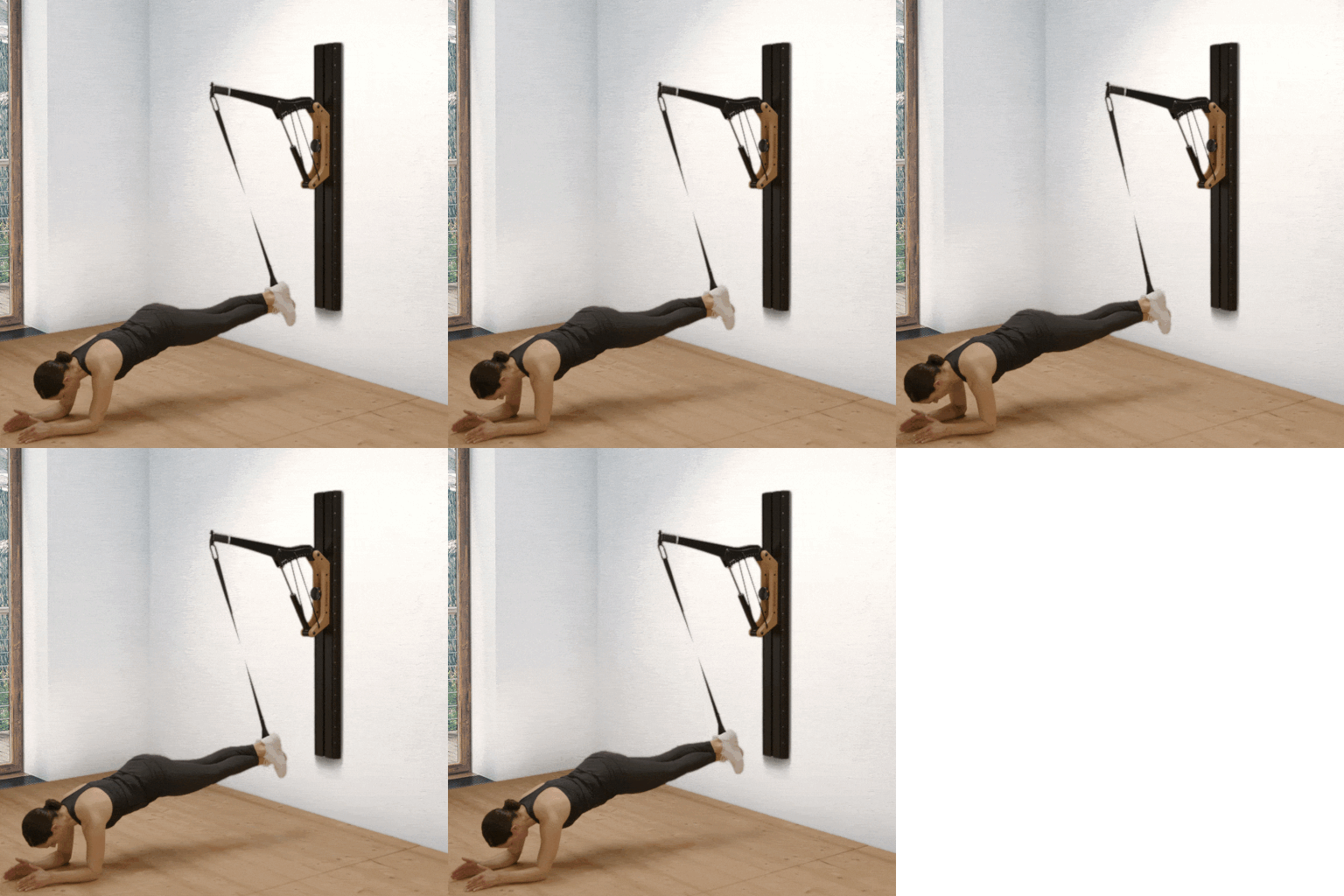
:format(webp))
)
)
)
)
)
:format(webp) "EISENHORN S Black Edition")
 "EISENHORN S Black Edition")