
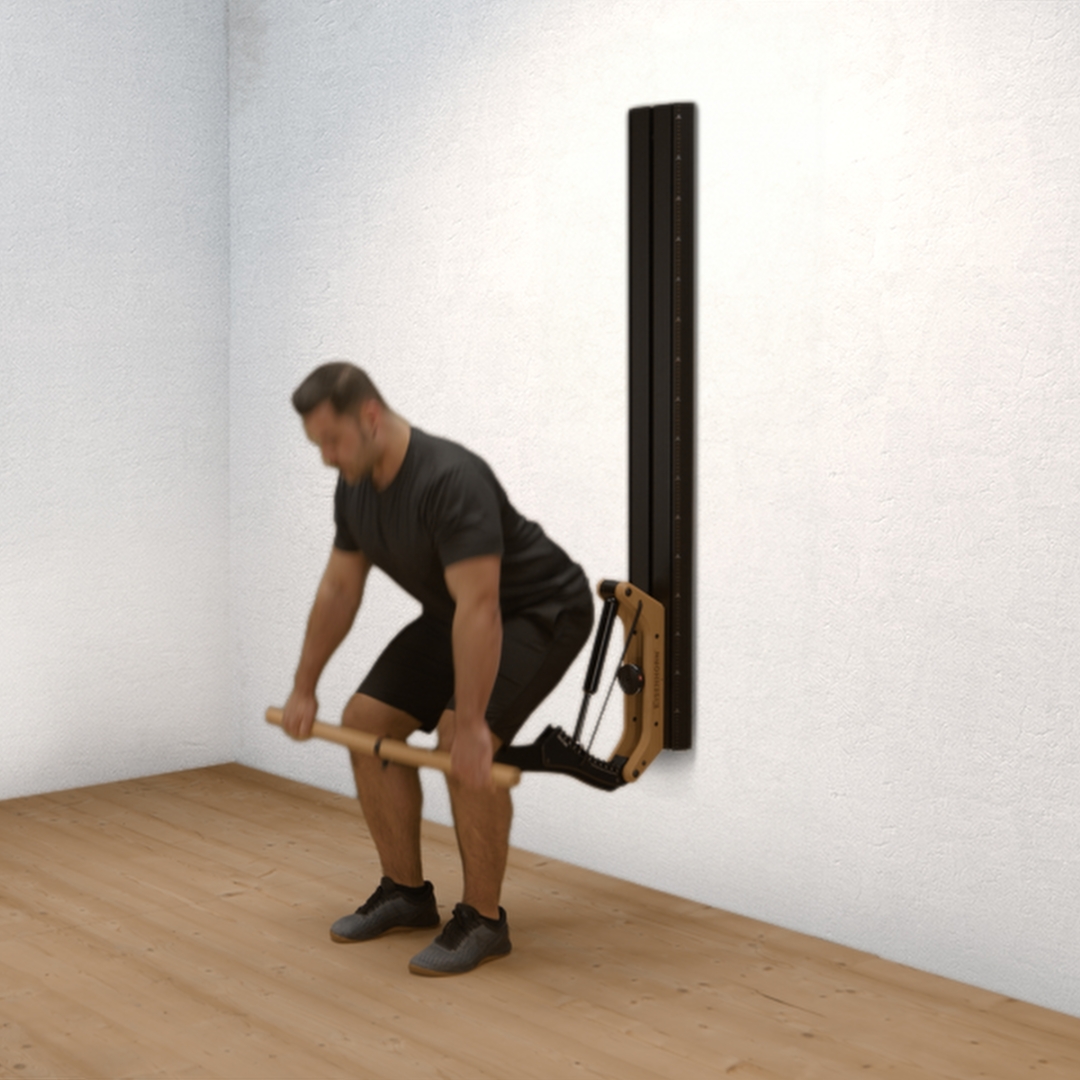
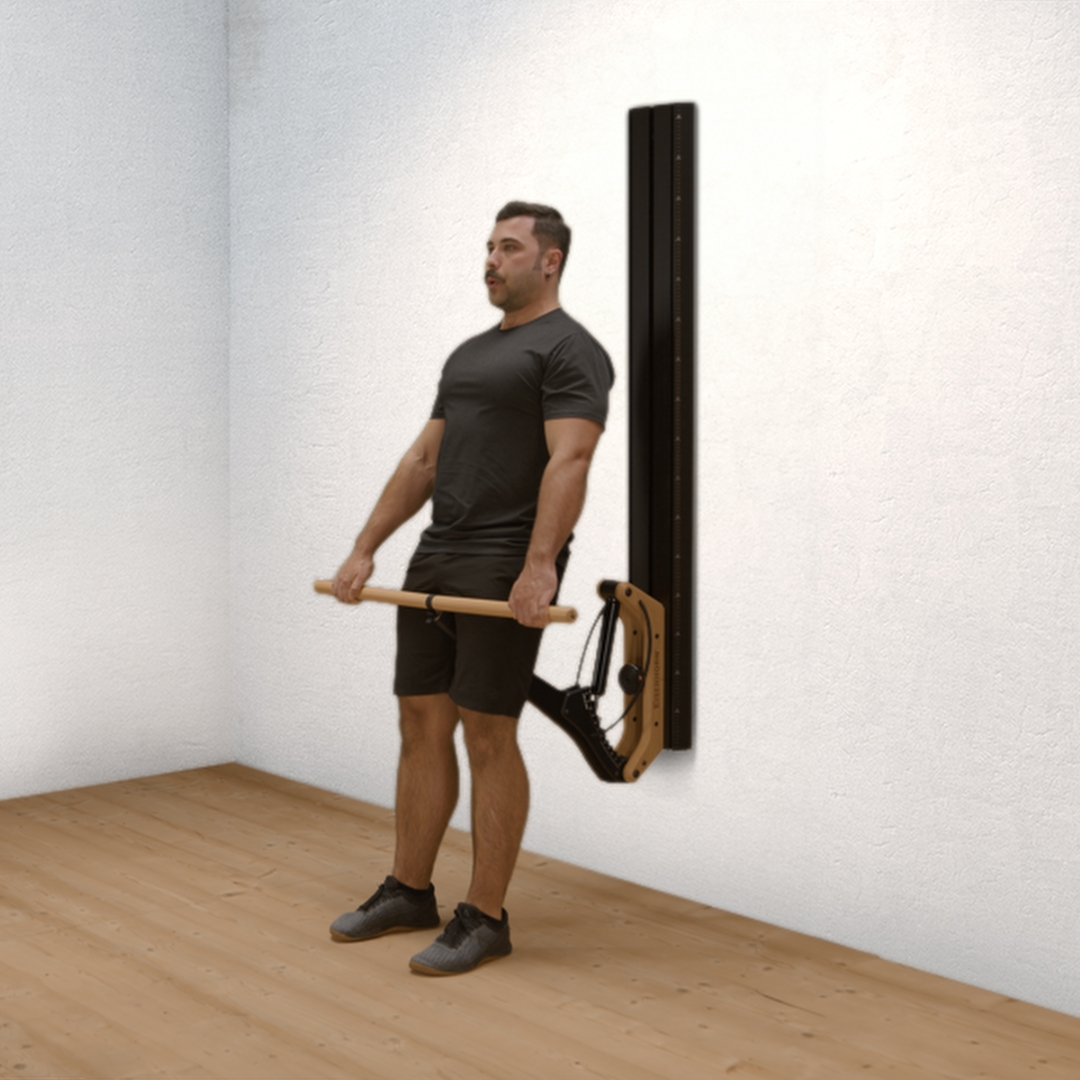
What makes this exercise particularly effective?
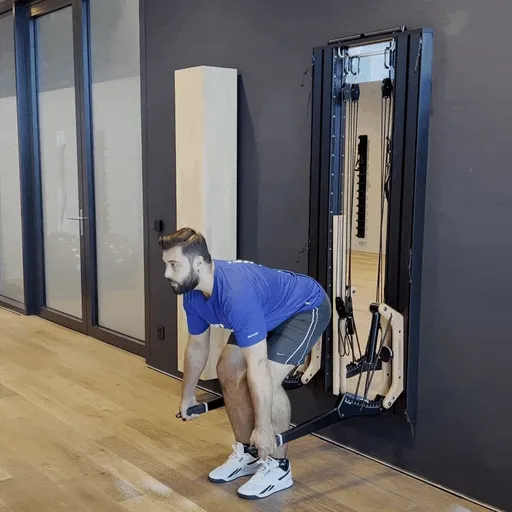
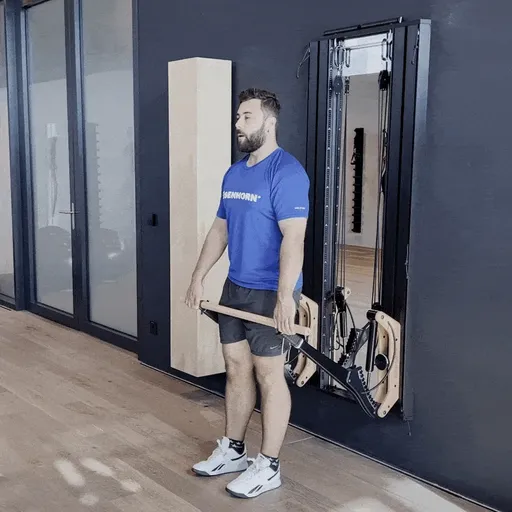
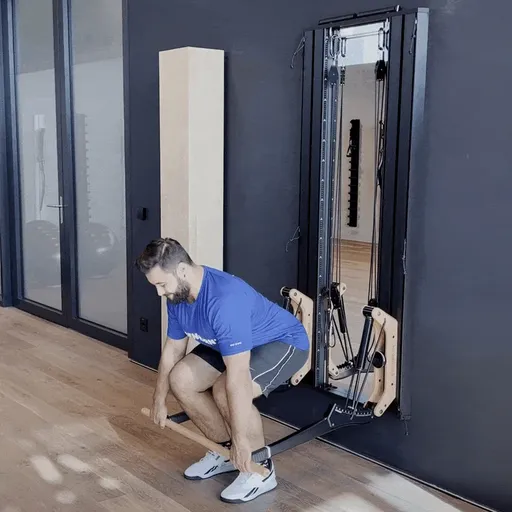
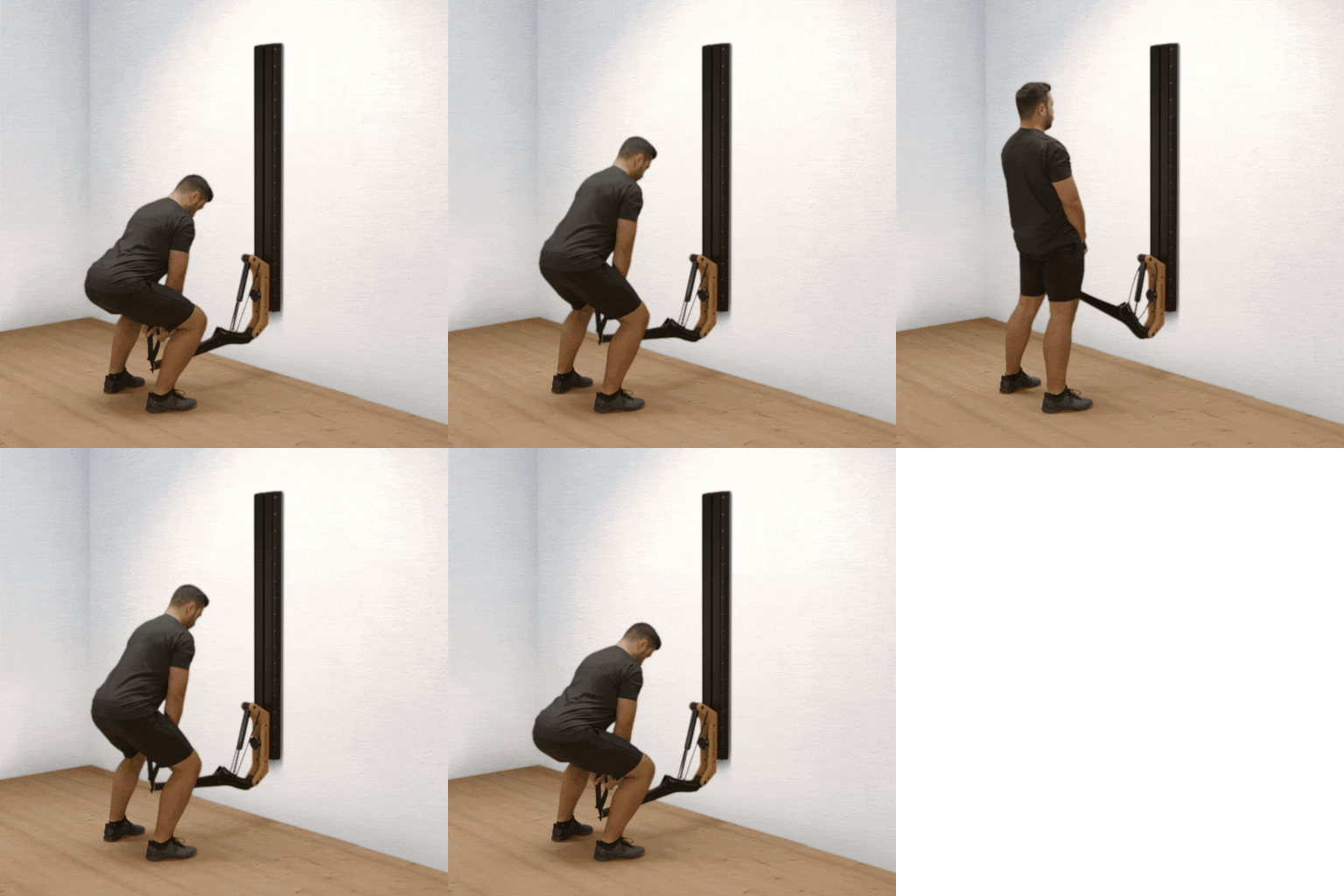
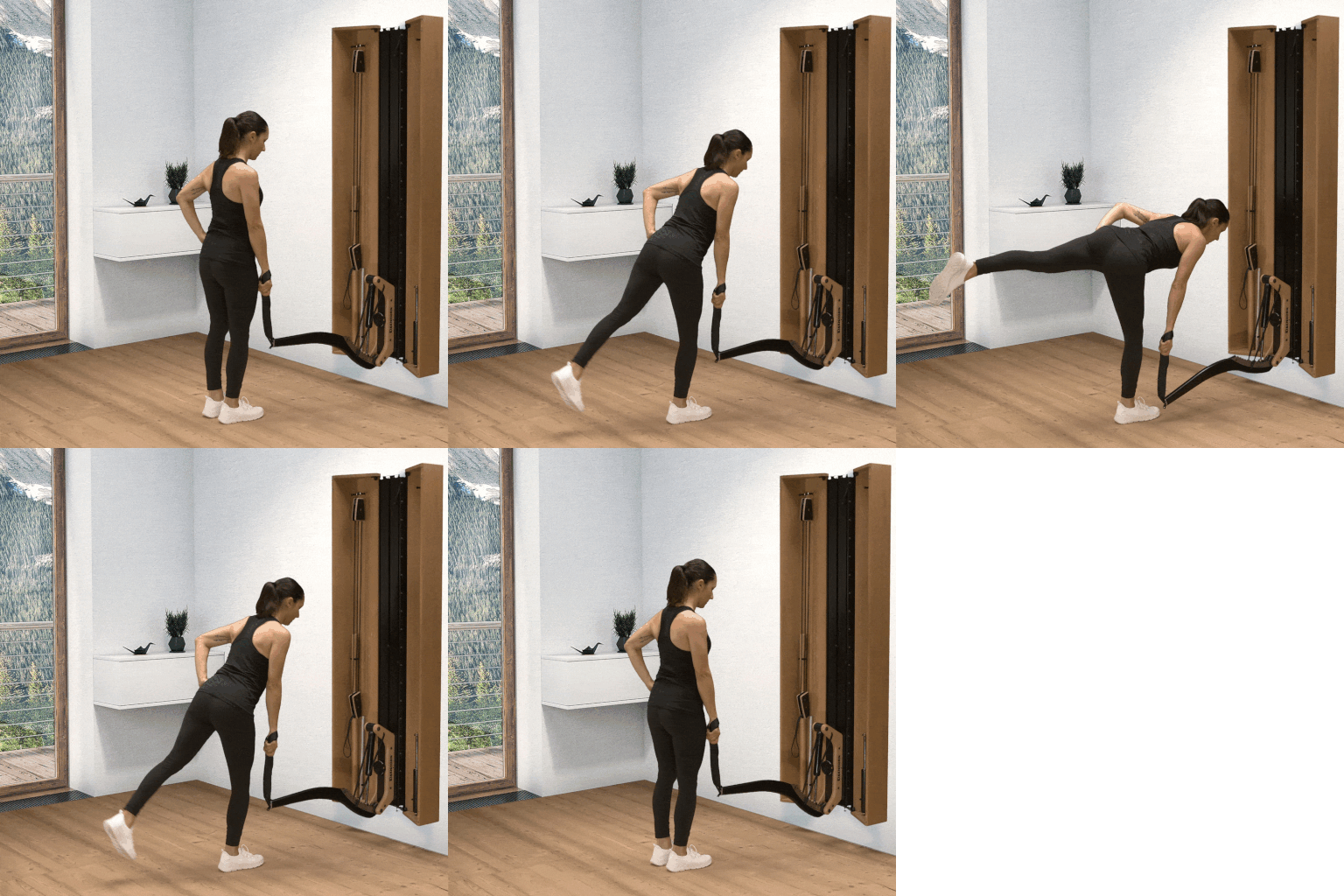
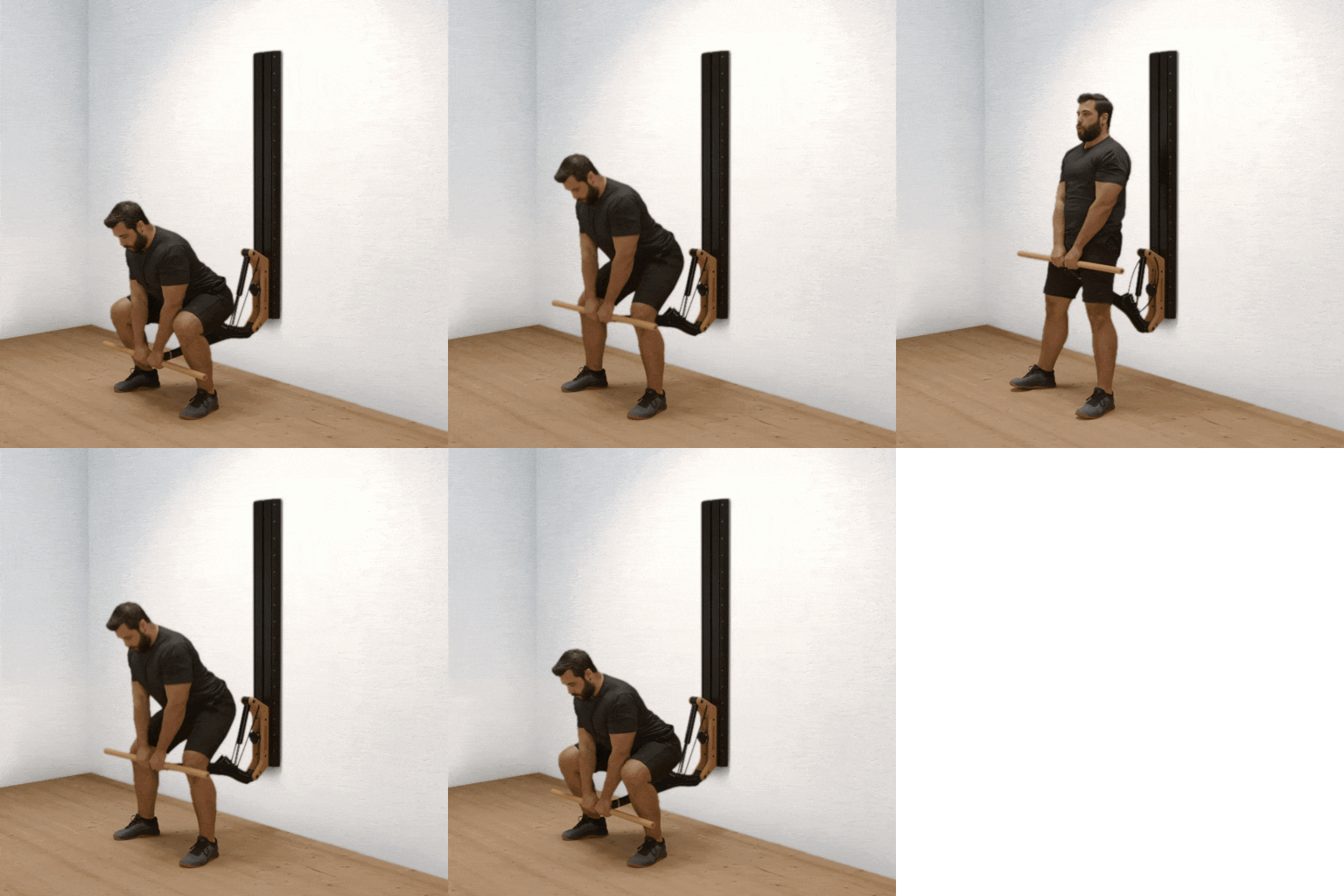
The deadlift is an absolute cornerstone of strength training — a functional, full-body exercise that engages almost the entire musculature. Coordinated movement of the hips, core, and grip bar primarily activates the posterior chain, consisting of the glutes, leg muscles, and back muscles, making the exercise highly effective.
What effect does the exercise achieve?
Maximum activation of the hip extensors: Especially the gluteal muscles and the posterior thigh muscles are trained extremely effectively — more than in many other exercises.
Improved posture and reduced back pain: By strengthening the back extensors and maintaining proper technique, deadlifting can help alleviate or even prevent back discomfort.
Enhanced jumping and sprint performance: The explosive hip and leg extension transfers directly to athletic movements such as jumping and sprinting.
Strengthening of bone structure: Due to the high overall load — particularly on the hips, spine, and legs — deadlifts help maintain and increase bone density.
Core activation and stability: The abdominal, back, and lateral muscles work isometriclly to keep the upper body stable throughout the lift.
How does this exercise fit into the Big 5 concept?
The Big 5 include the fundamental exercises: squat, deadlift, bench press, pull-up or lat pulldown, and shoulder press.
The deadlift is one of the most essential exercises within the Big 5 concept. Its role:
Full-body development: Deadlifts build strength, stability, and coordination across the entire body — making them a core movement for functional strength.
Transferability to everyday life: The hip-hinge pattern and upright extension mirror many daily movements, which improves your functional performance.
Efficient load progression: Because so many large muscle groups are engaged, weight can be increased progressively and effectively — ideal for long-term strength development.
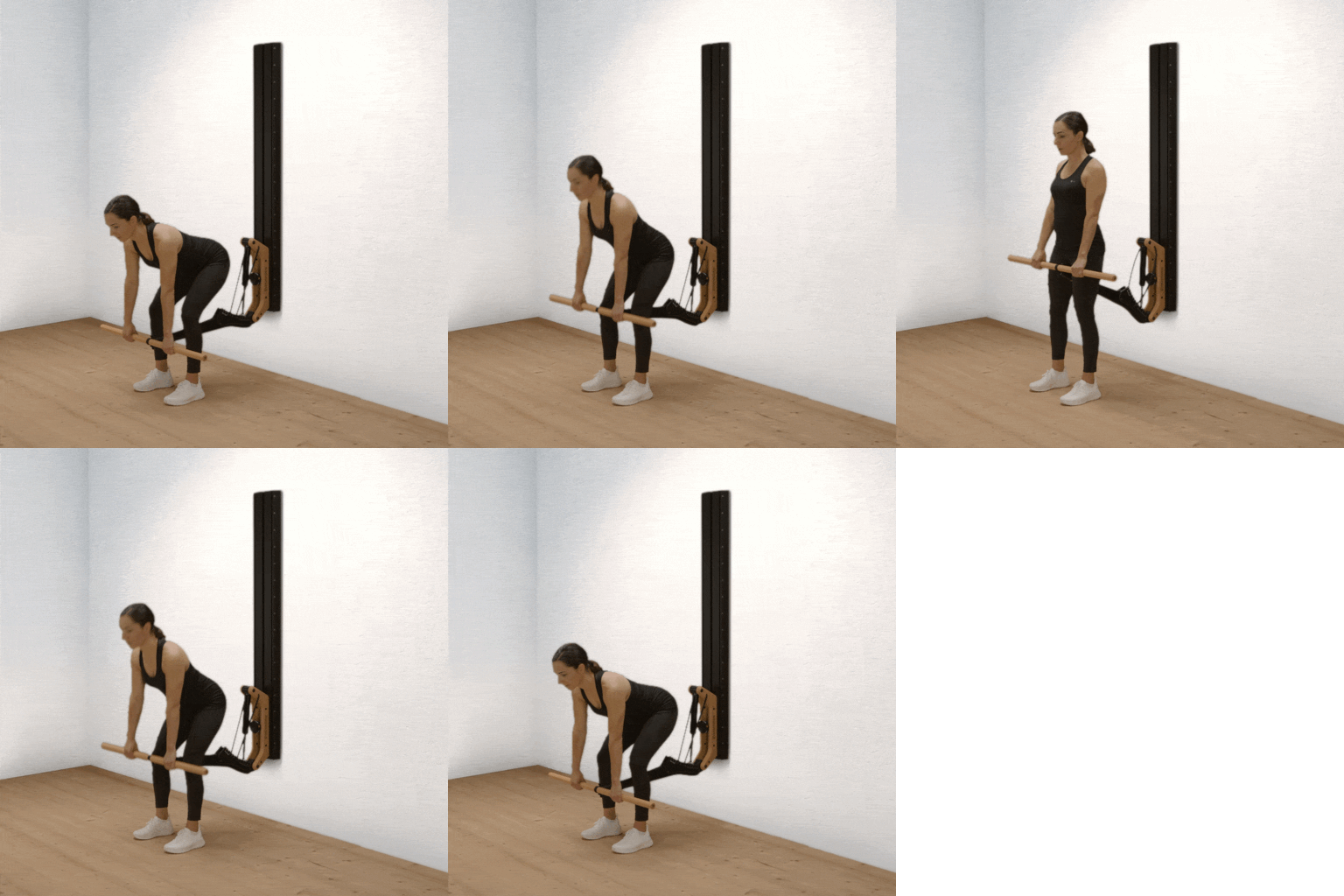
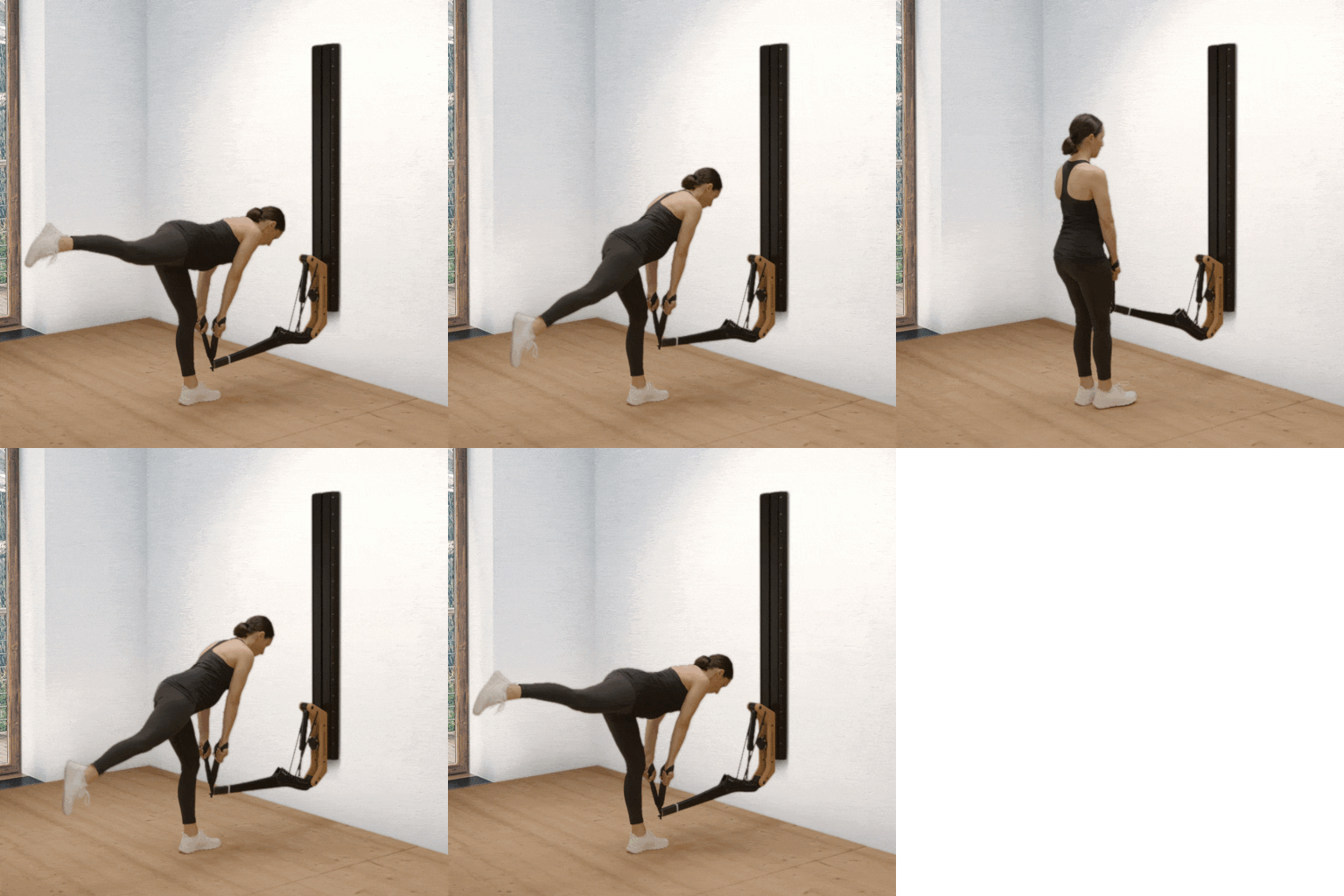
:format(webp))
)
)
)
)
:format(webp) "EISENHORN S Black Edition")
 "EISENHORN S Black Edition")