What makes this exercise particularly effective?
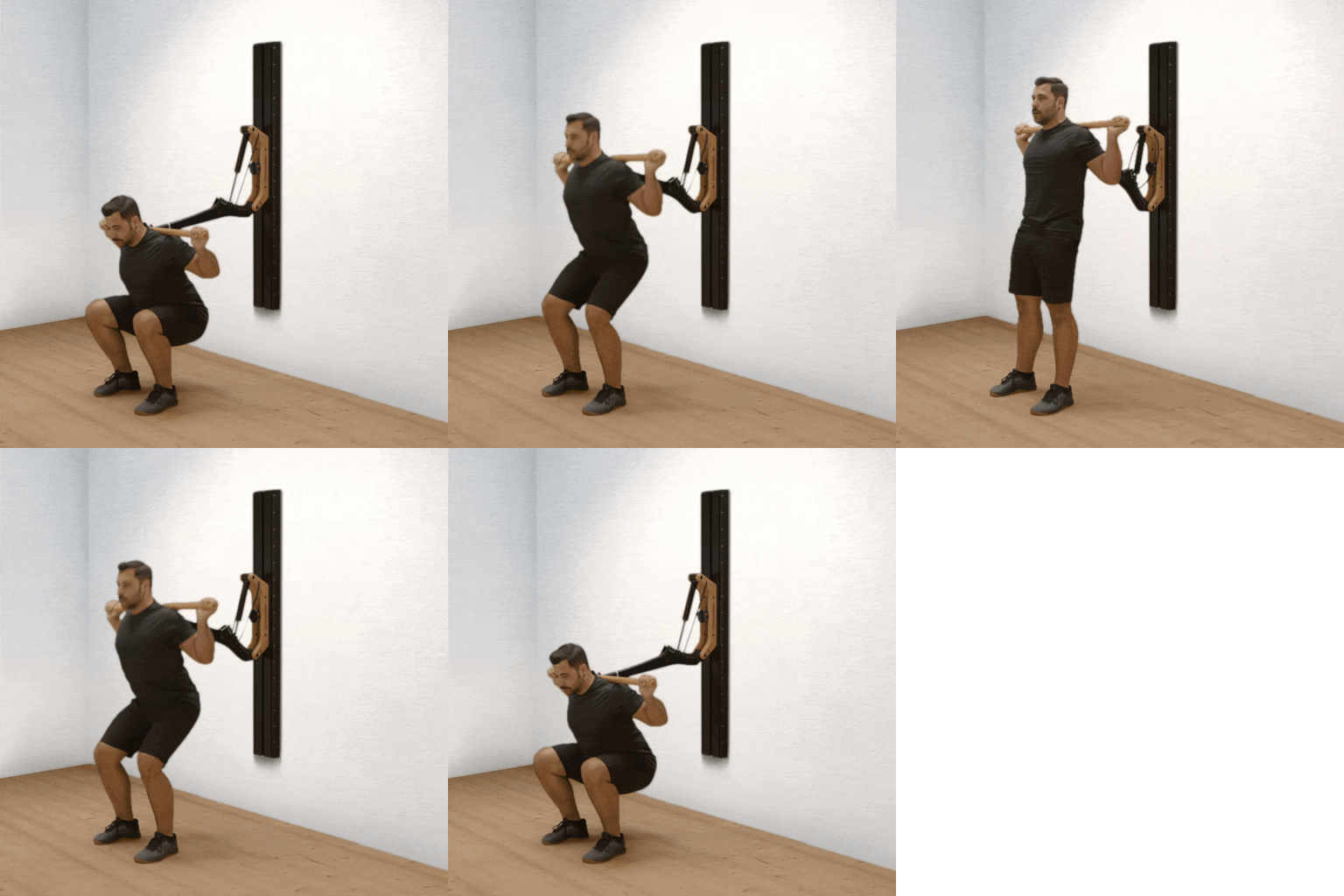
Squats are among the most fundamental and effective strength exercises. They activate a large muscle mass—from the quadriceps and glutes to the hamstrings, core, and calves. In addition, the movement trains strong functional patterns through the hip and knee joints, targeting many stabilizing and supporting muscles. The coordination demand is high, as proper execution requires conscious control throughout the entire body chain—from the feet through the knees to the spine.
Unlike isolated exercises, the squat on your EISENHORN DS promotes not only muscle building but also joint and connective tissue stability—provided it is performed with proper technique.
What effect does the exercise achieve?
Comprehensive leg muscle development: Quadriceps, hamstrings, glutes, calves, and shins work together efficiently.
Core and back stability: The spine is supported and stabilized by the back and abdominal muscles, protecting it from potential stress forces.
Improved flexibility and mobility: Joints such as the hips, knees, and ankles are moved and mobilized through controlled bending and extension.
Increase in functional strength: Well-developed leg and core strength directly benefits everyday life and sports activities, such as lifting, carrying, and jumping.
Full-body integration: In addition to the primary muscle groups, numerous secondary stabilizers are activated—such as the core, ankles, and smaller hip stabilizers.
How does this exercise fit into the Big 5 concept?
The Big 5 include the fundamental exercises: squat, deadlift, bench press, pull-up or lat pulldown, and shoulder press. Squats are a classic Big 5 exercise and are essential in systematic strength training:
Key pillar of lower body training: Squats train the legs holistically and lay the foundation for overall physical fitness and performance.
Synergy with other Big 5 exercises: A strong leg and core structure enhances stability and power transfer, supporting exercises like deadlifts.
Functional relevance: Squats simulate everyday postures and movement patterns (e.g., sitting down, standing up), making them ideal for improving physical functionality in daily life.
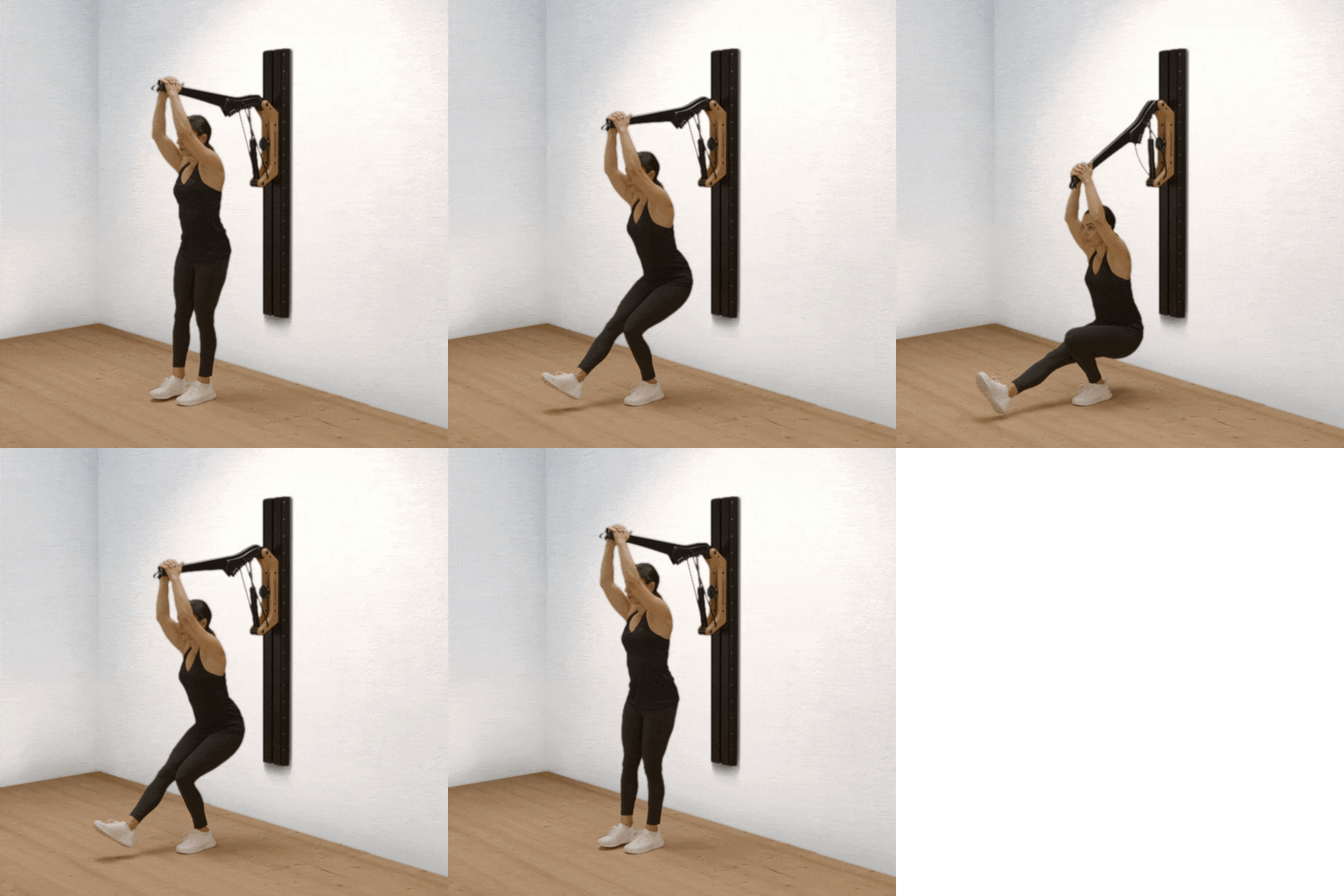
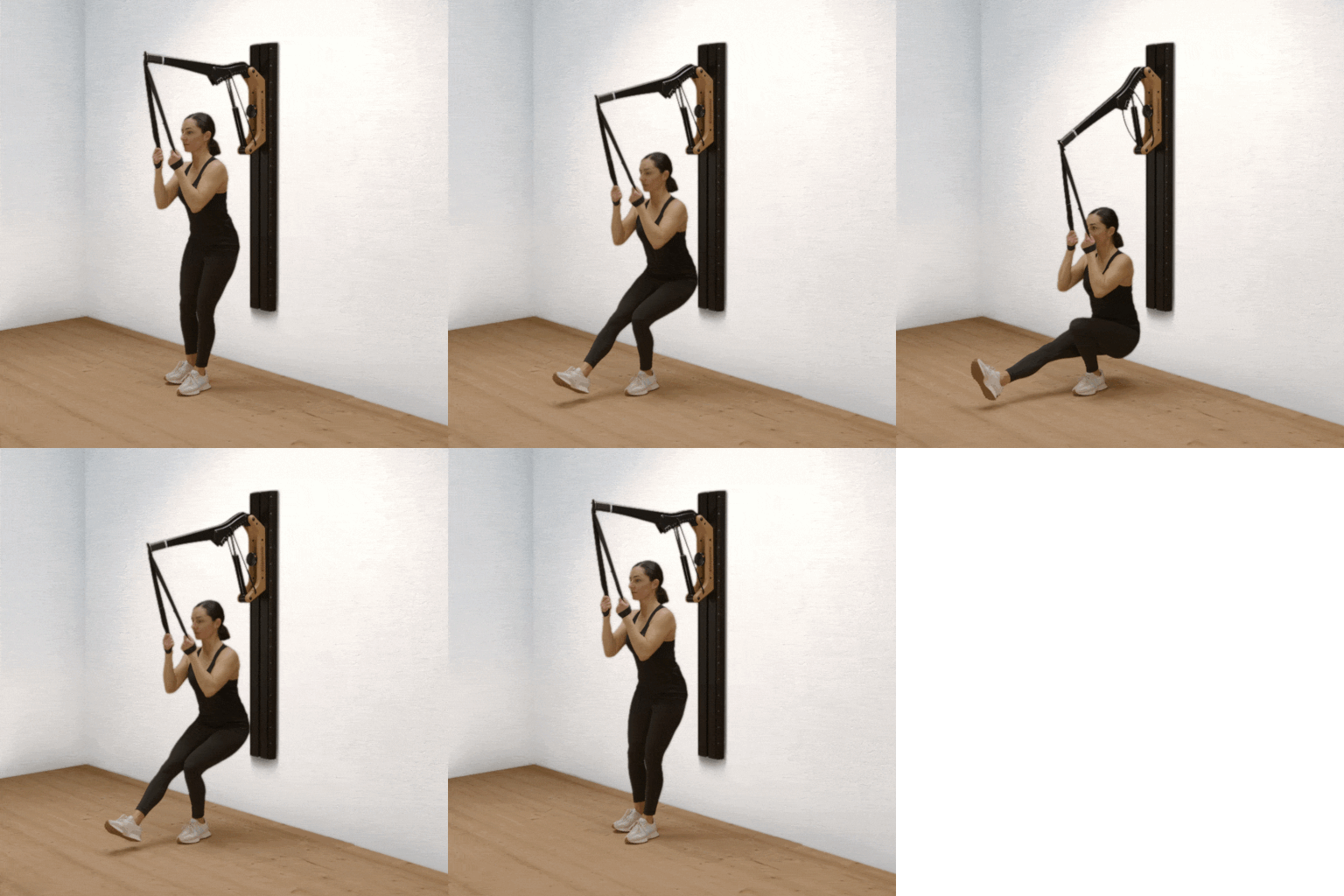
Possibility for progression: Variations such as front squat, goblet squats, or one-legged squat allow for differentiated training across all performance levels.
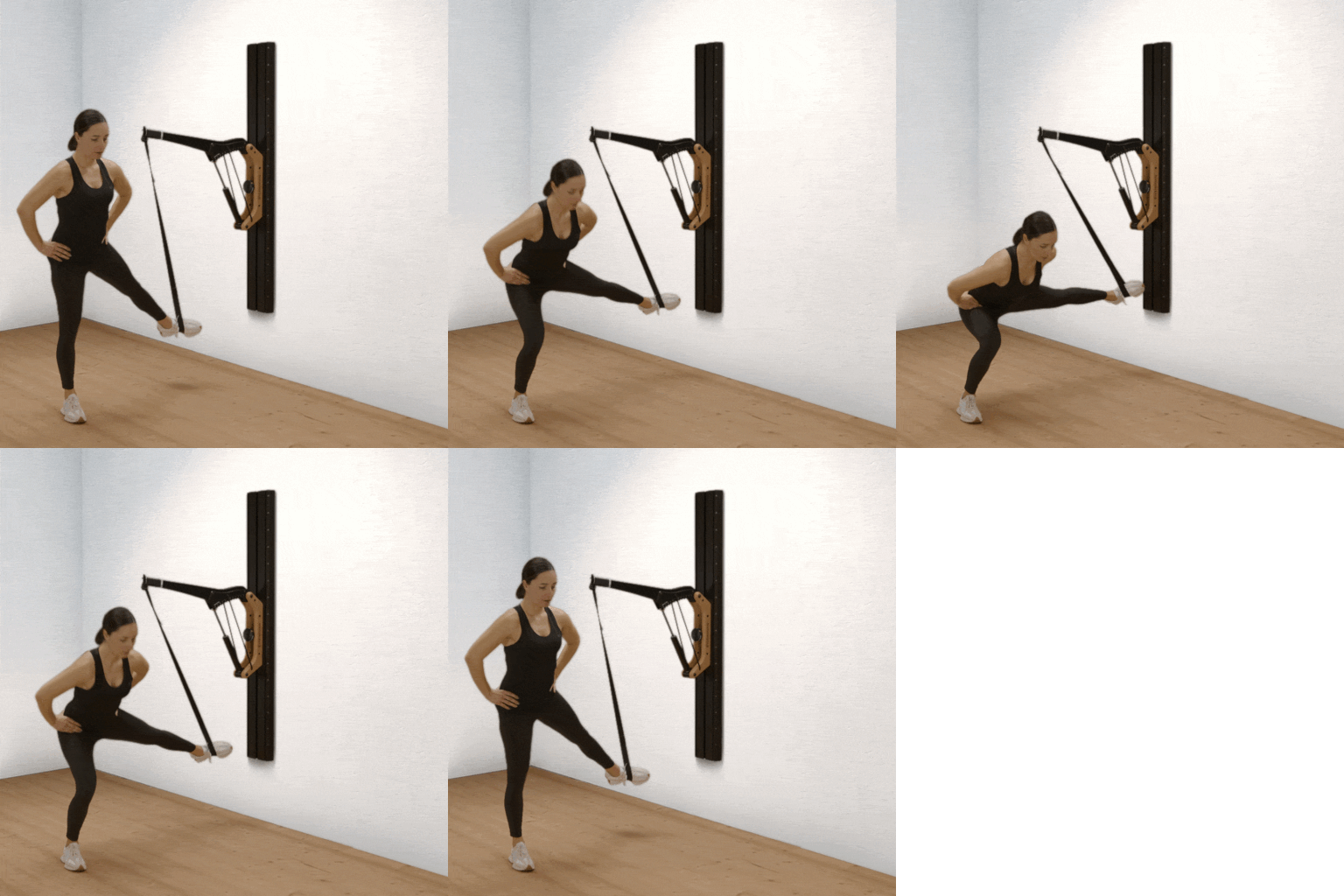
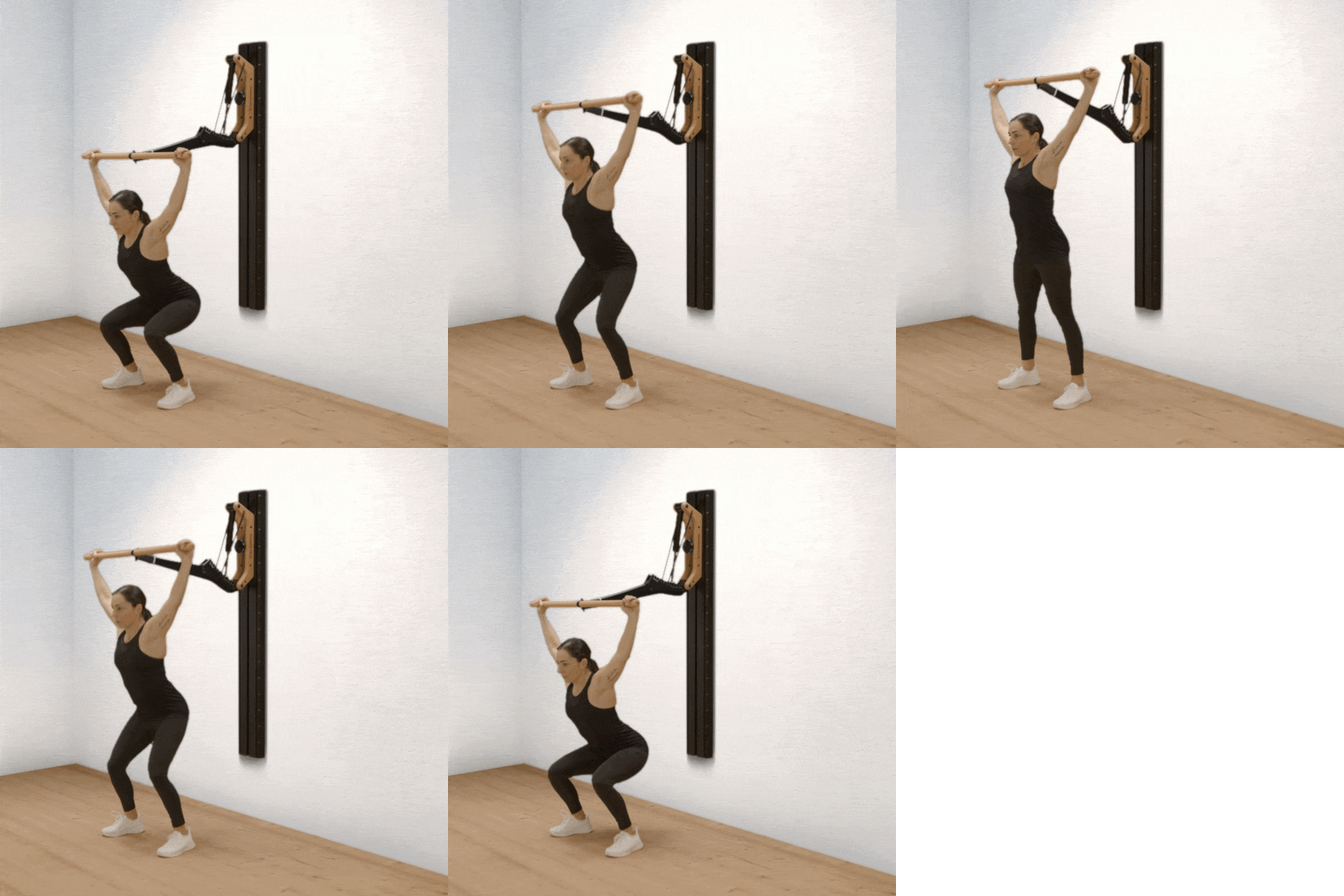
:format(webp))
)
)
)
)
)
:format(webp) "EISENHORN S Black Edition")
 "EISENHORN S Black Edition")