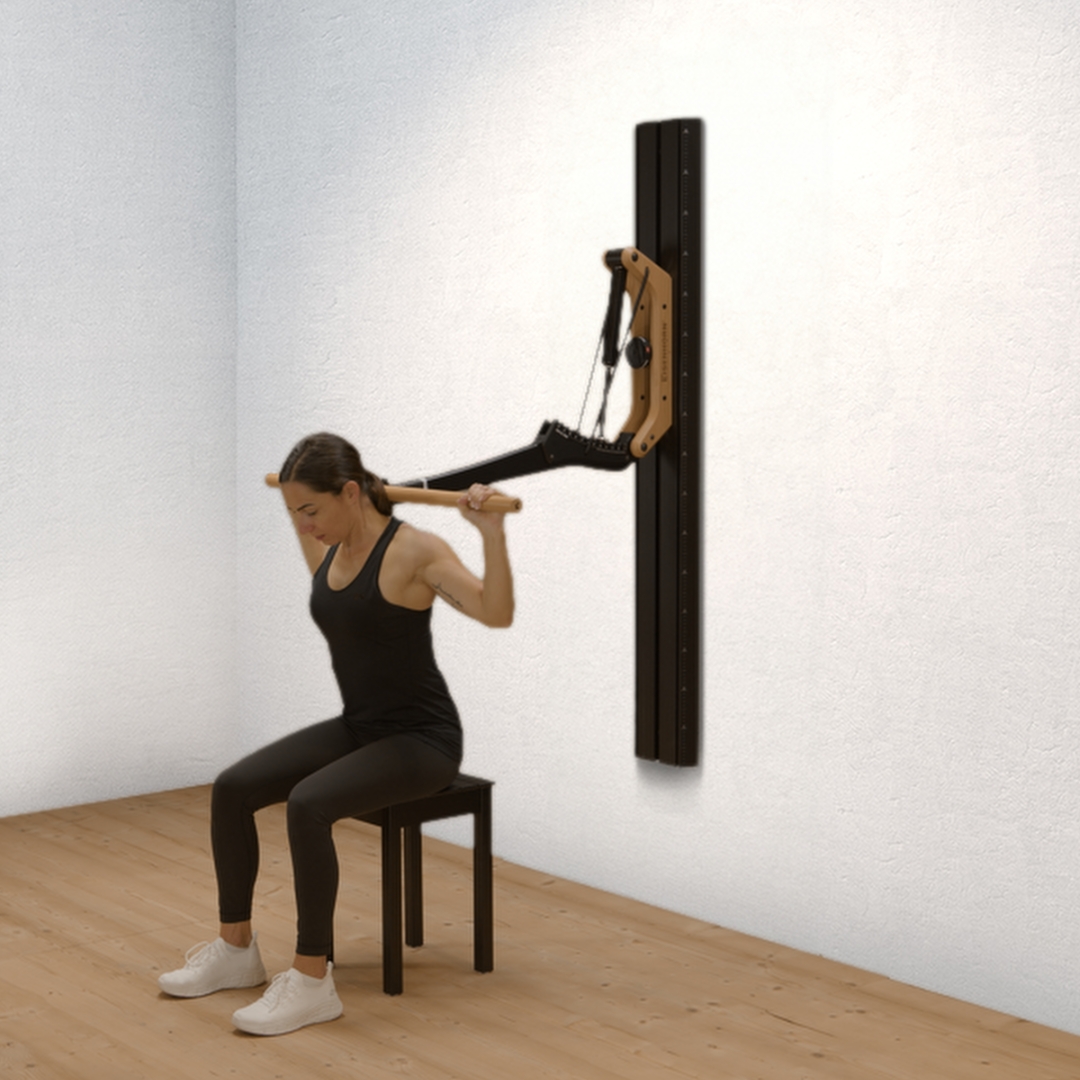
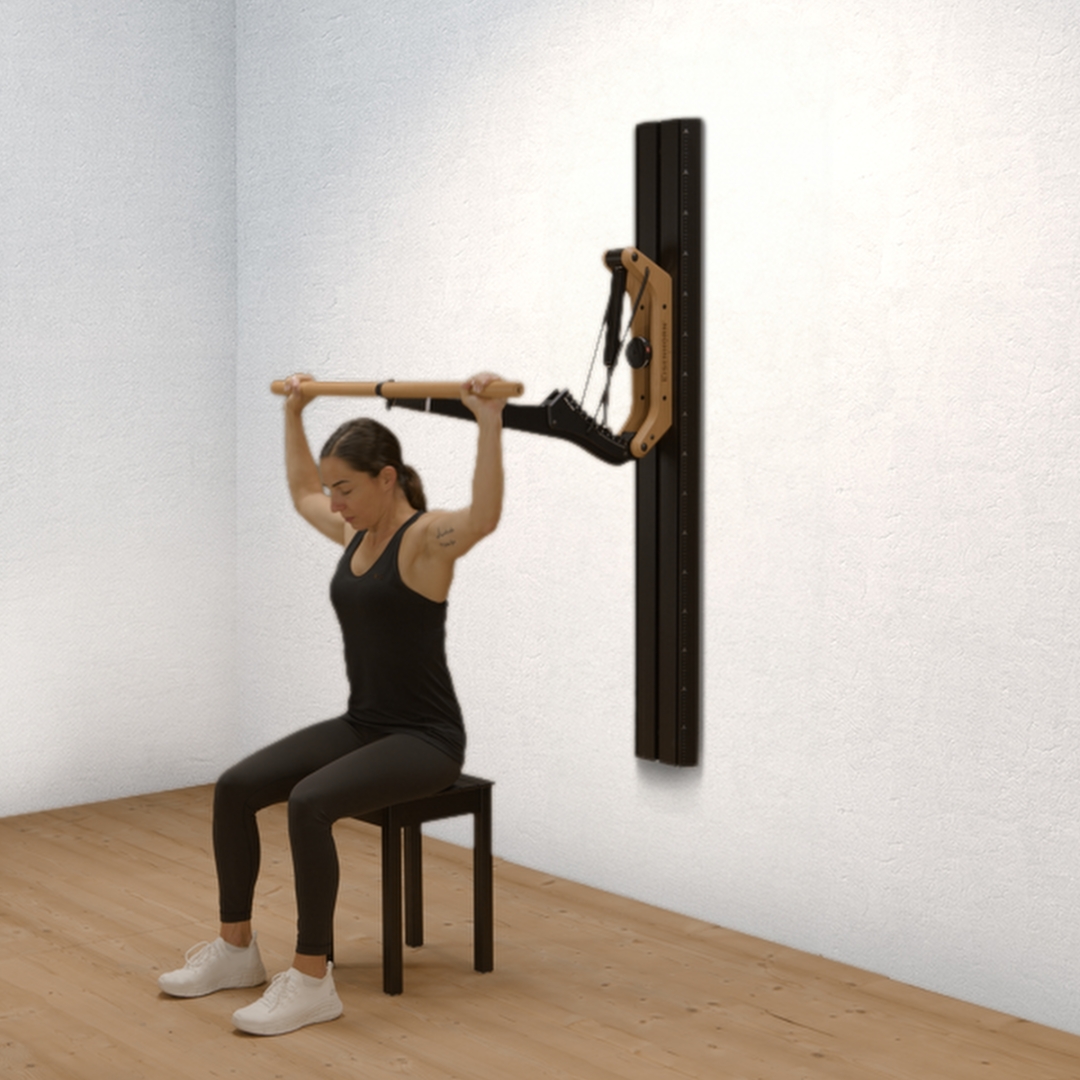
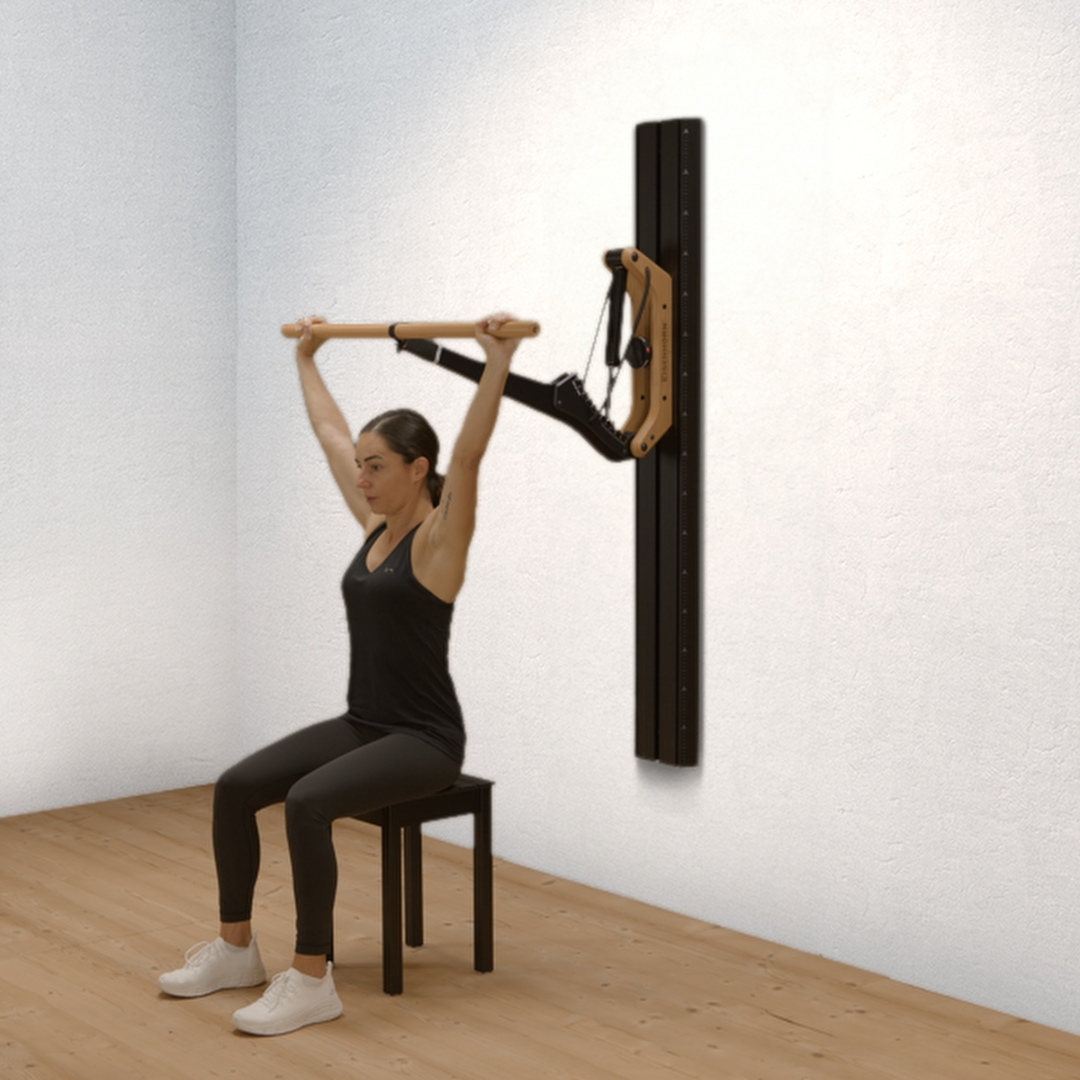
What makes this exercise particularly effective?
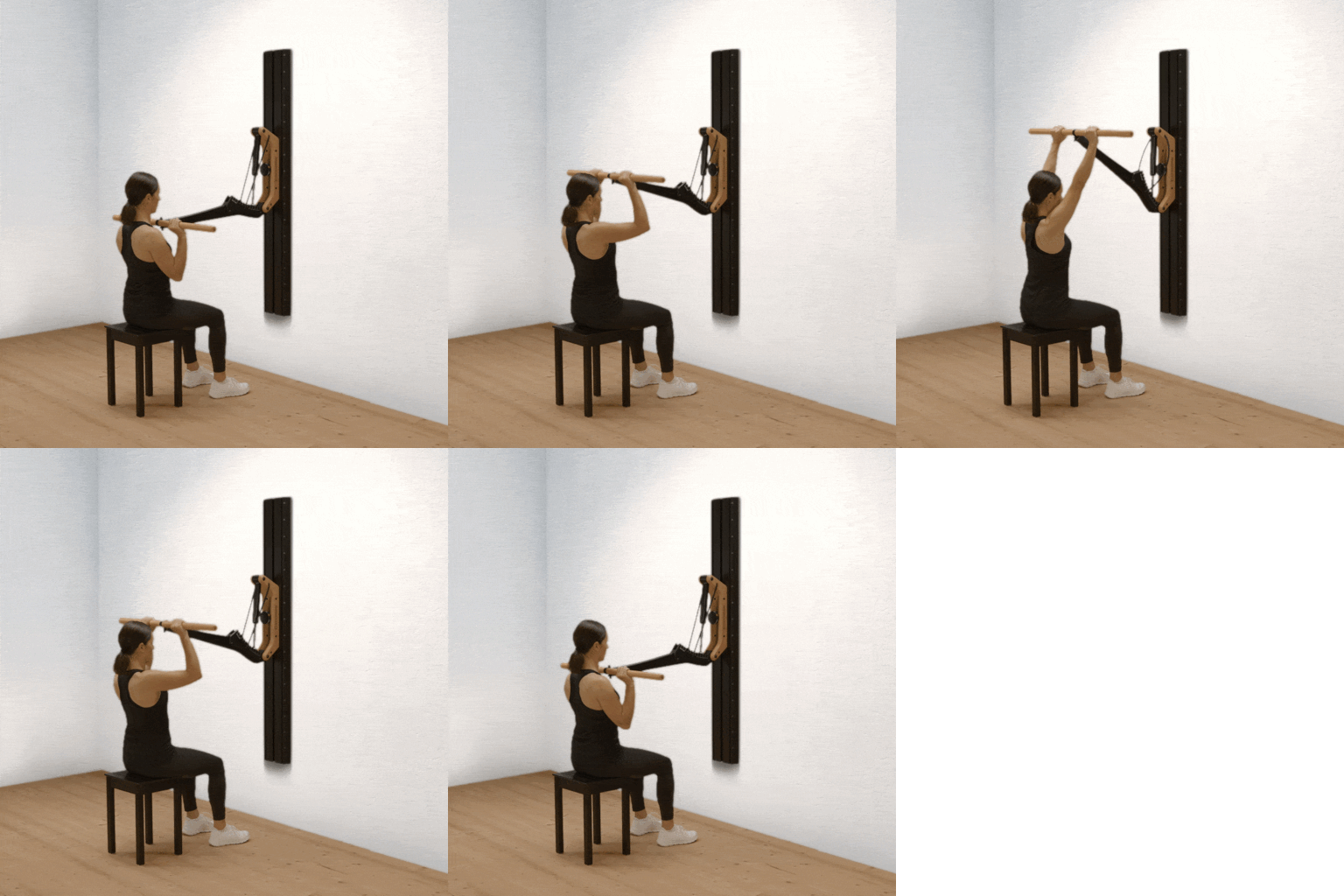
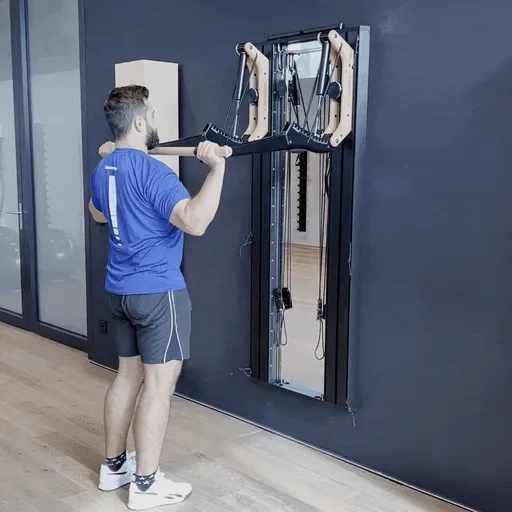
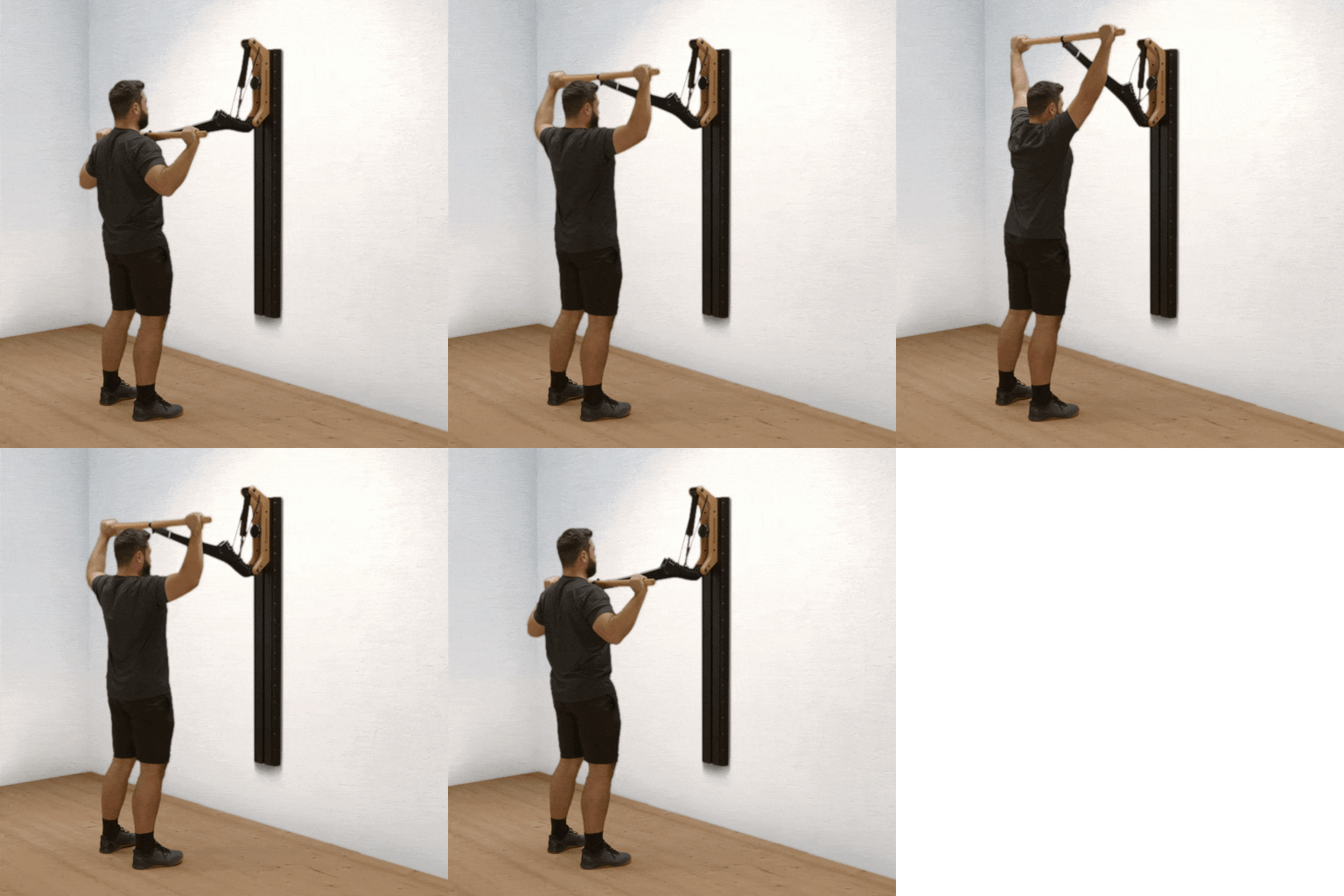
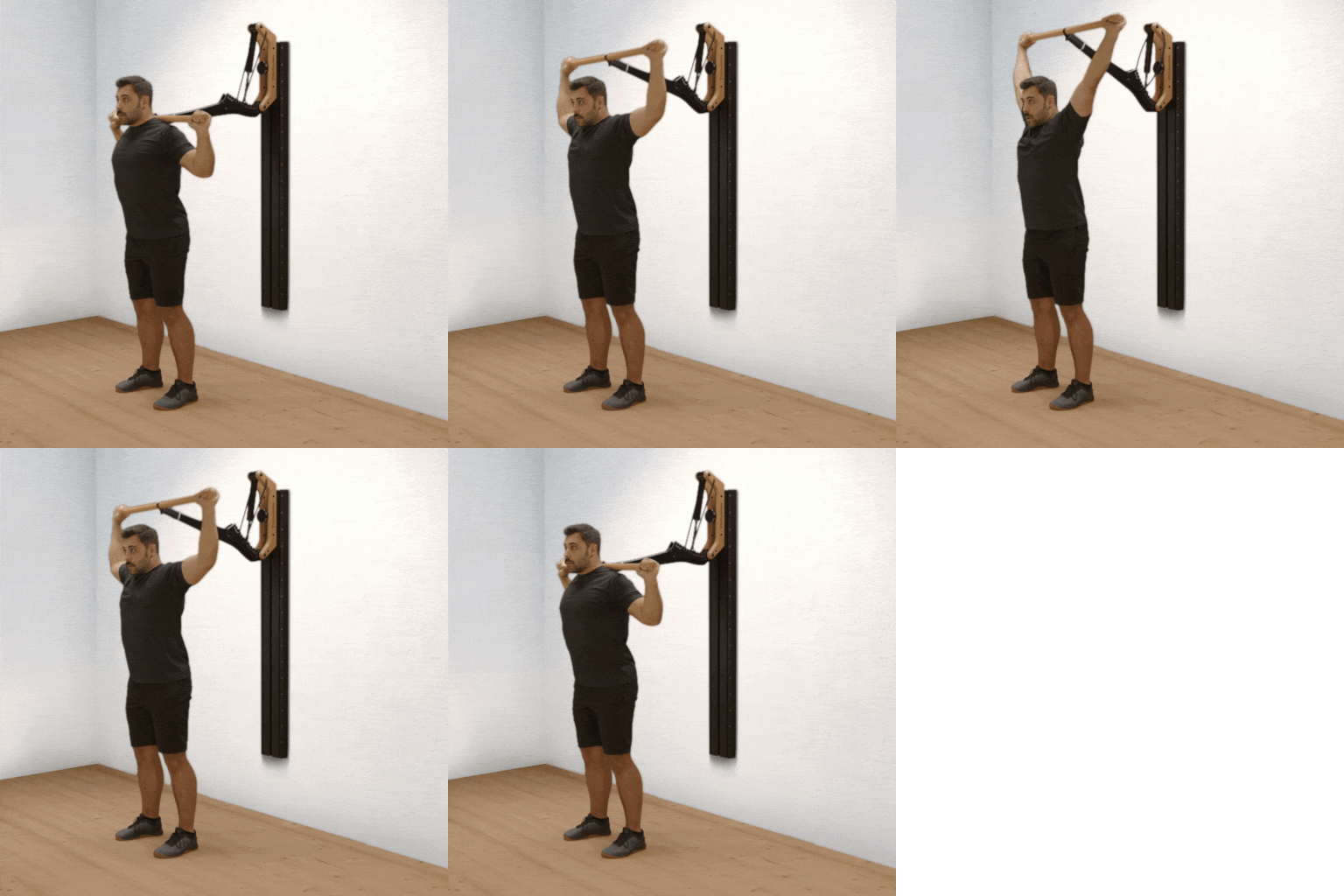
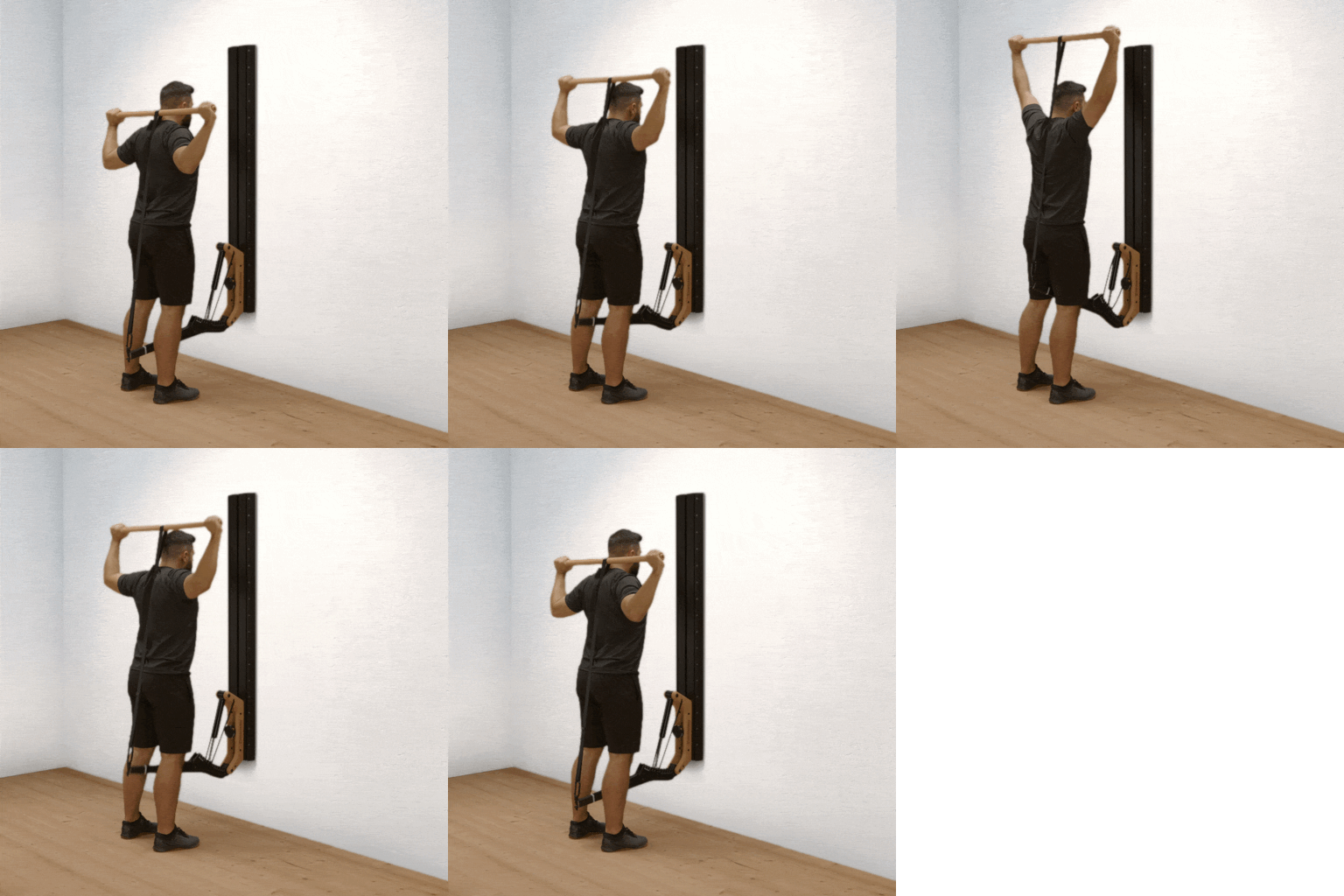
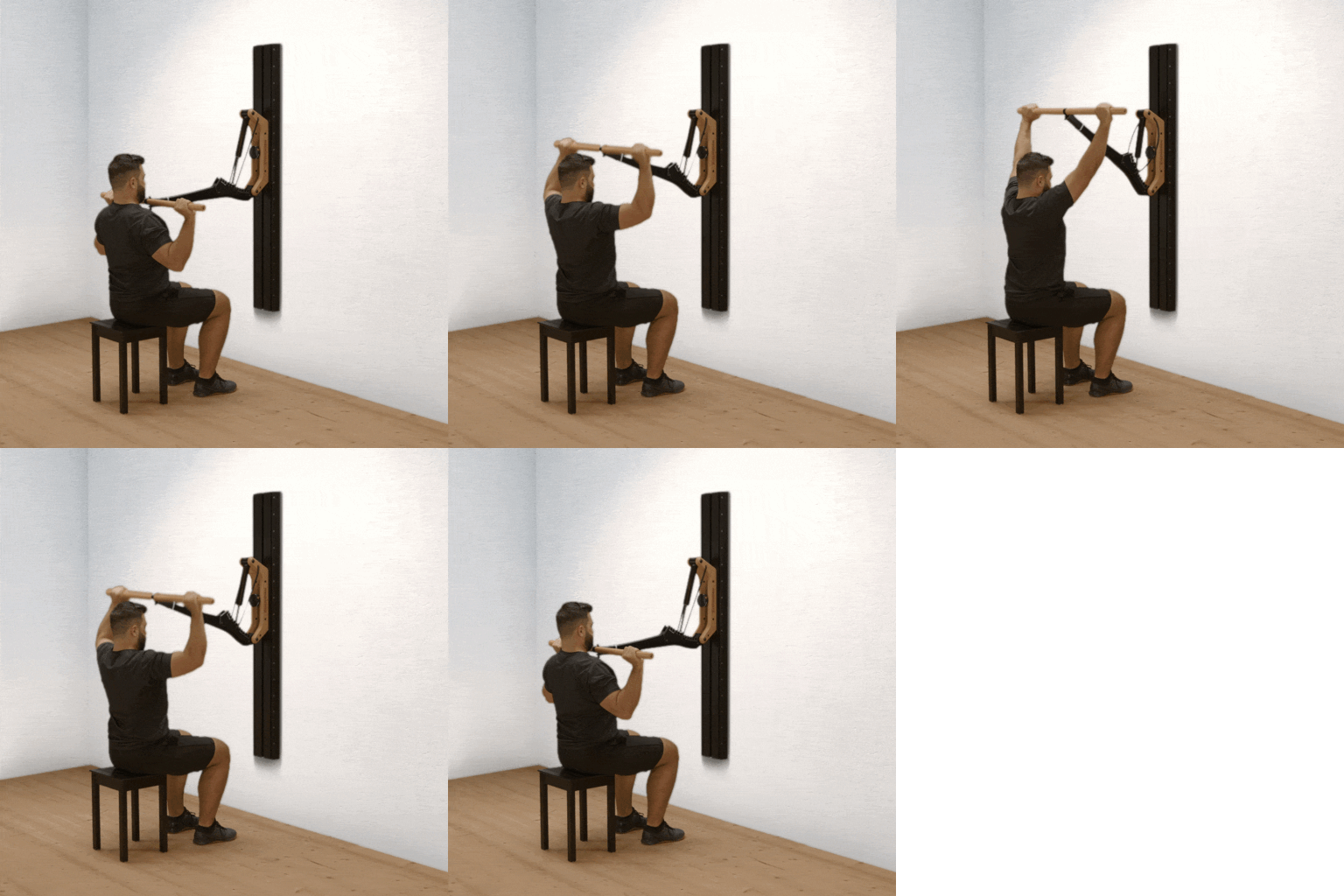
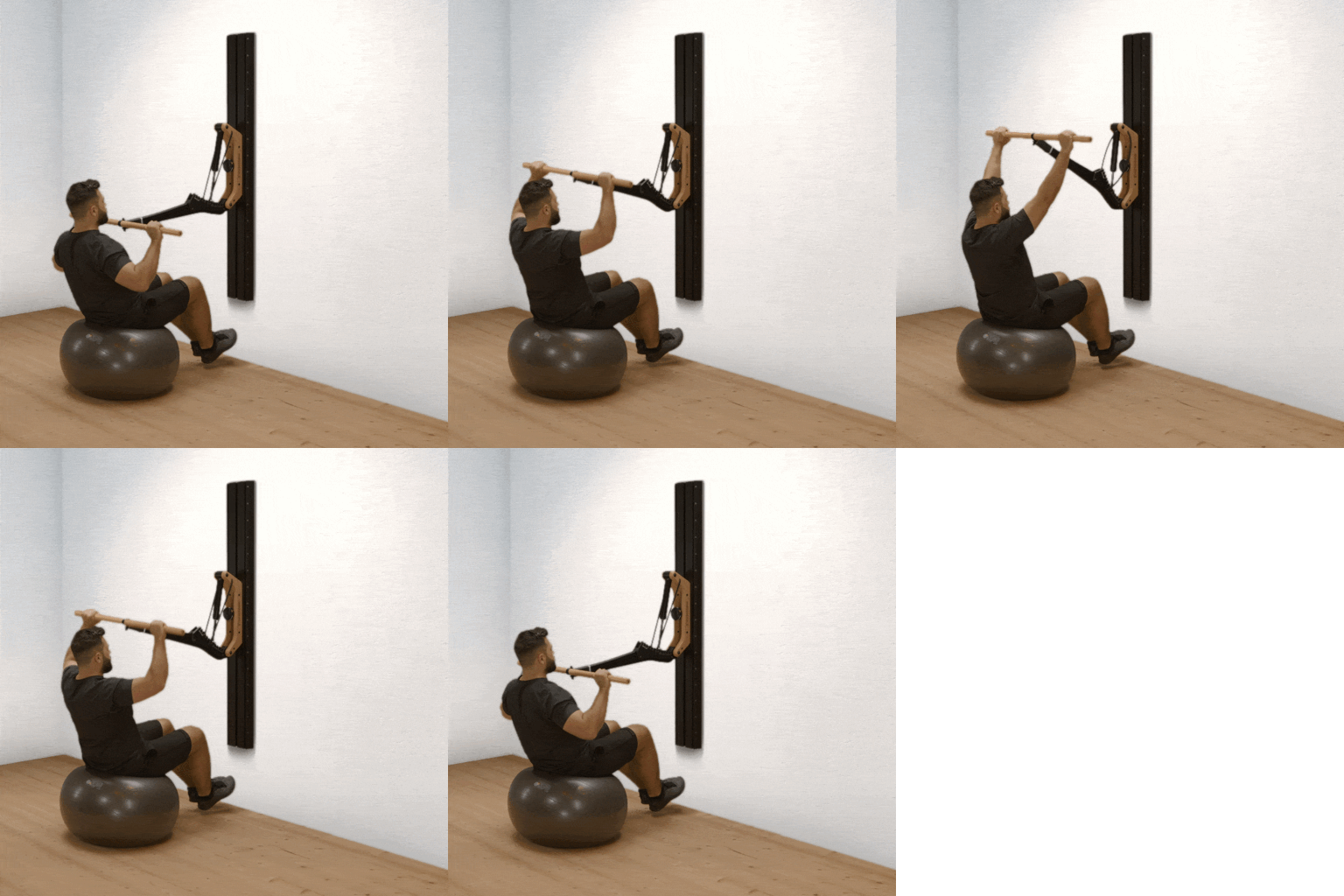
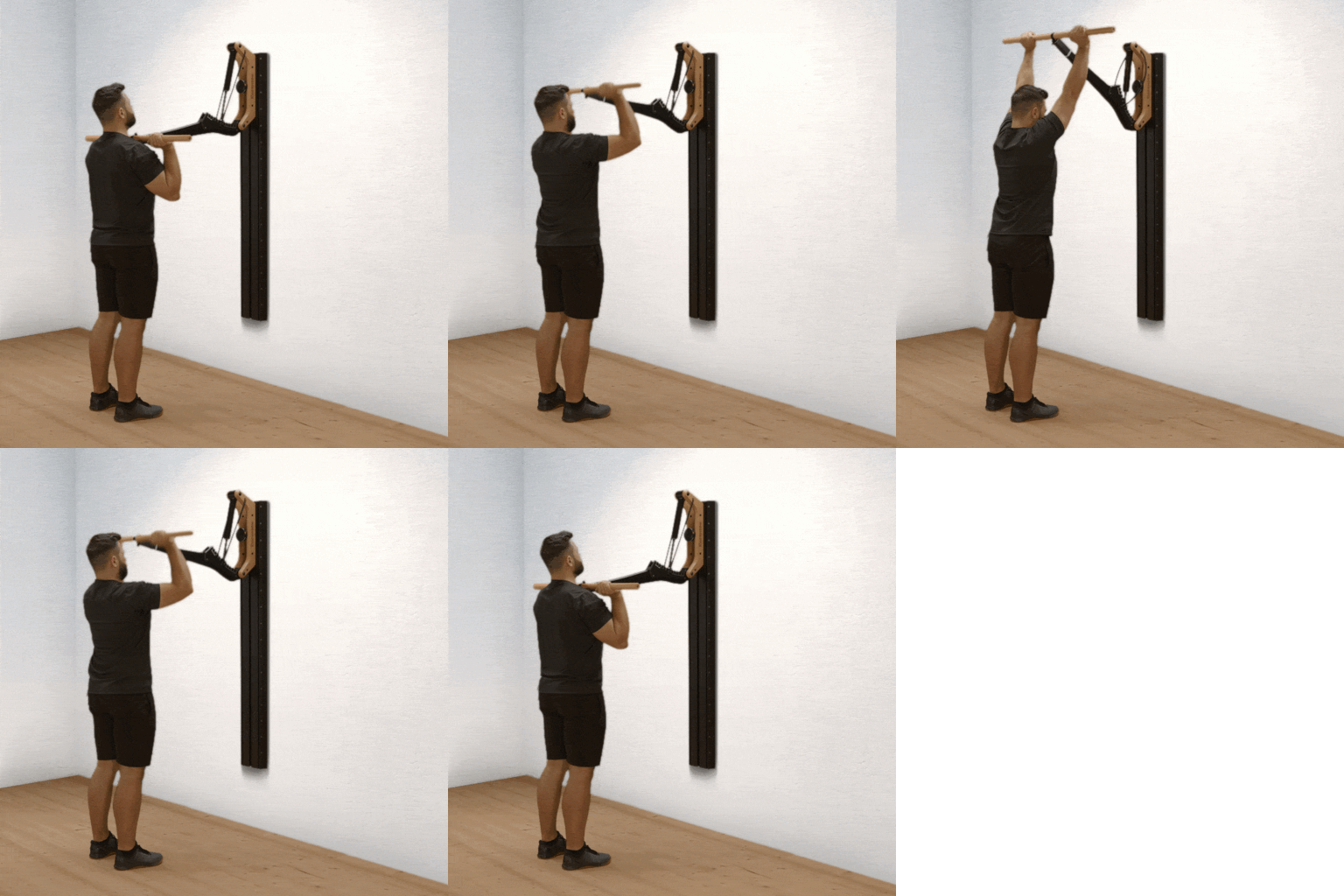
The behind-the-neck press (also known as "Behind-the-Neck Press") places greater emphasis on the rear and upper parts of the shoulder. Performing the press behind the head increases the range of motion and activates muscle fibers that are less engaged in traditional front shoulder presses. This exercise also requires good shoulder mobility, rotator cuff stability, and consciously controlled execution to protect the joints.
What effect does the exercise achieve?
Stronger activation of the rear shoulder muscles (posterior deltoid): Lowering the weight behind the head intensively engages the rear deltoids compared to pressing in front of the head.
Increased involvement of the scapula and trapezius muscles: Additional stabilizing muscles of the upper back and neck are recruited to guide and control the movement correctly.
Greater stretch in the shoulder and upper chest area: The rear range of motion leads to a stronger stretch when lowering the bar behind the head, which can improve mobility if technique and flexibility are sufficient.
Potential strain on joints and rotator cuff: This variation is anatomically more demanding. Insufficient shoulder mobility or poor technique can overload the shoulder joint, particularly the tendons and joint capsules.
How does this exercise fit into the Big 5 concept?
The Big 5 include the fundamental exercises: squat, deadlift, bench press, pull-up or lat pulldown, and shoulder press. Although the behind-the-neck press is not considered a classic Big 5 exercise, it can be a valuable addition for targeted shoulder training:
Balance between front and rear shoulders: Many pressing exercises (e.g., bench press, front shoulder press) primarily target the anterior deltoids. The rear-focused variation helps establish muscular balance and prevent imbalances.
Advanced variation: For trainees with sufficient shoulder mobility, good technique, and a solid training foundation, this variation provides new stimuli and can be alternated with front or lateral presses.
:format(webp))
)
)
)
)
)
:format(webp) "EISENHORN S Black Edition")
 "EISENHORN S Black Edition")