What makes this exercise particularly effective?
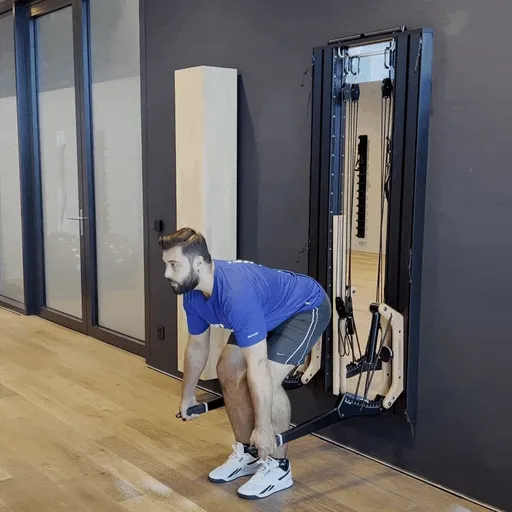
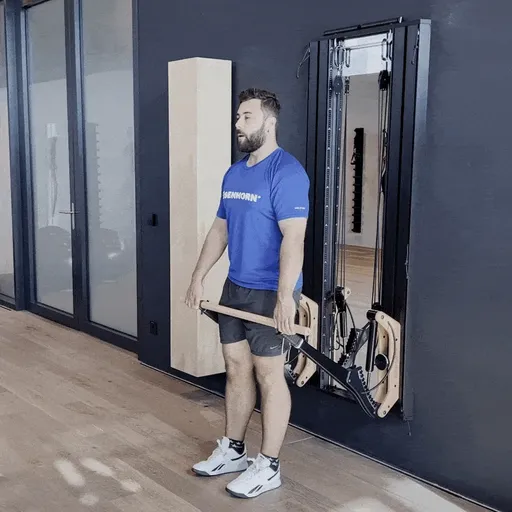
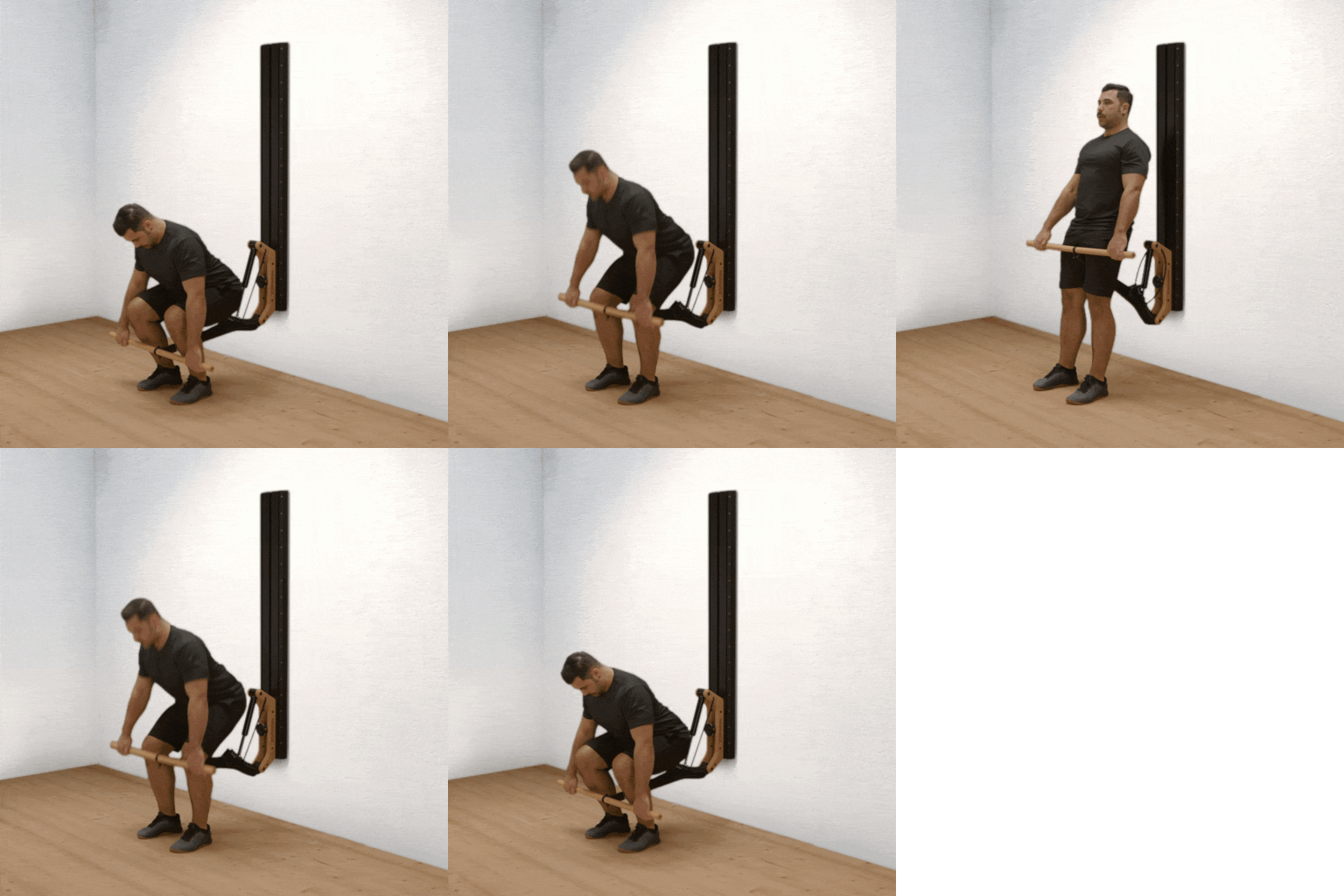
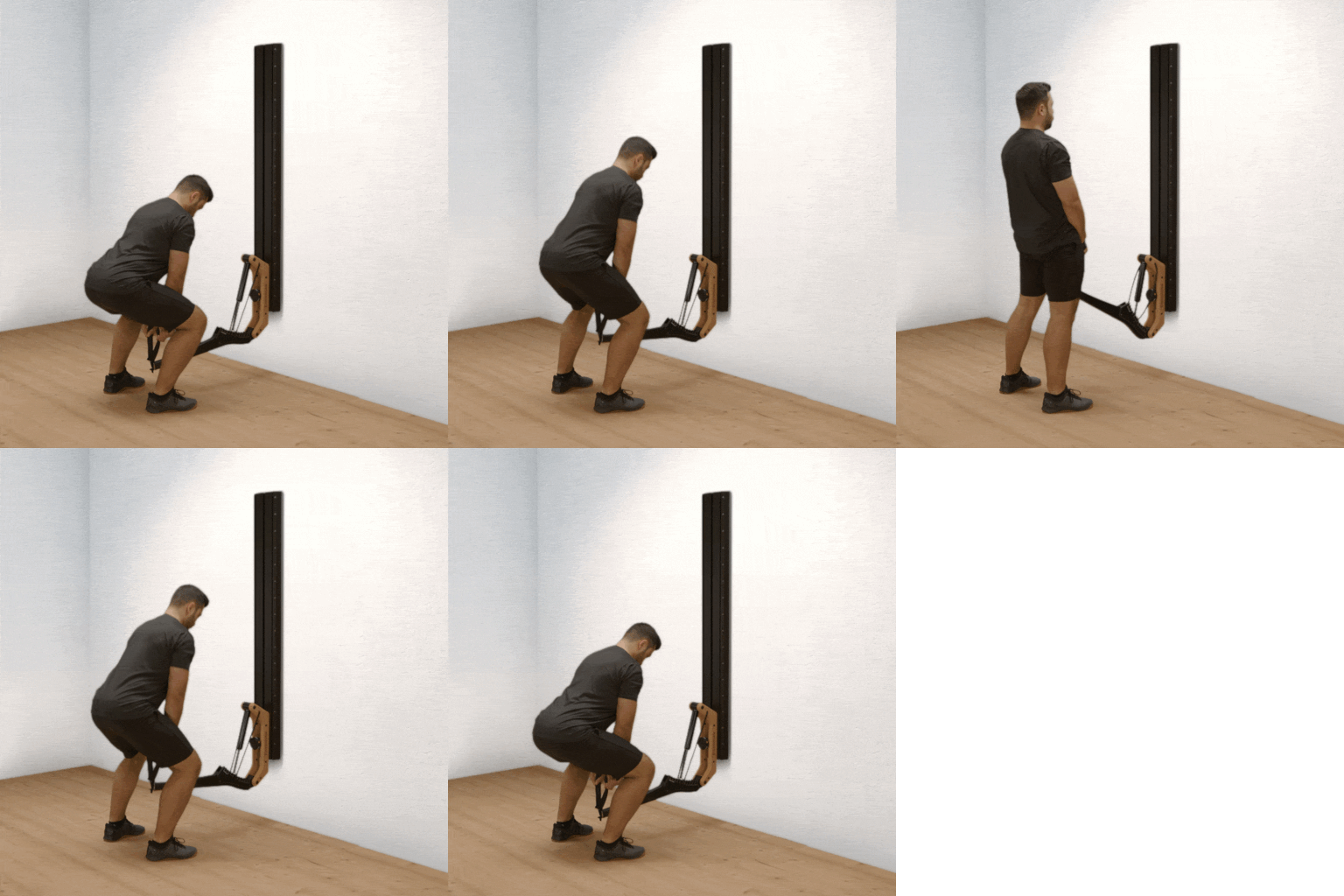
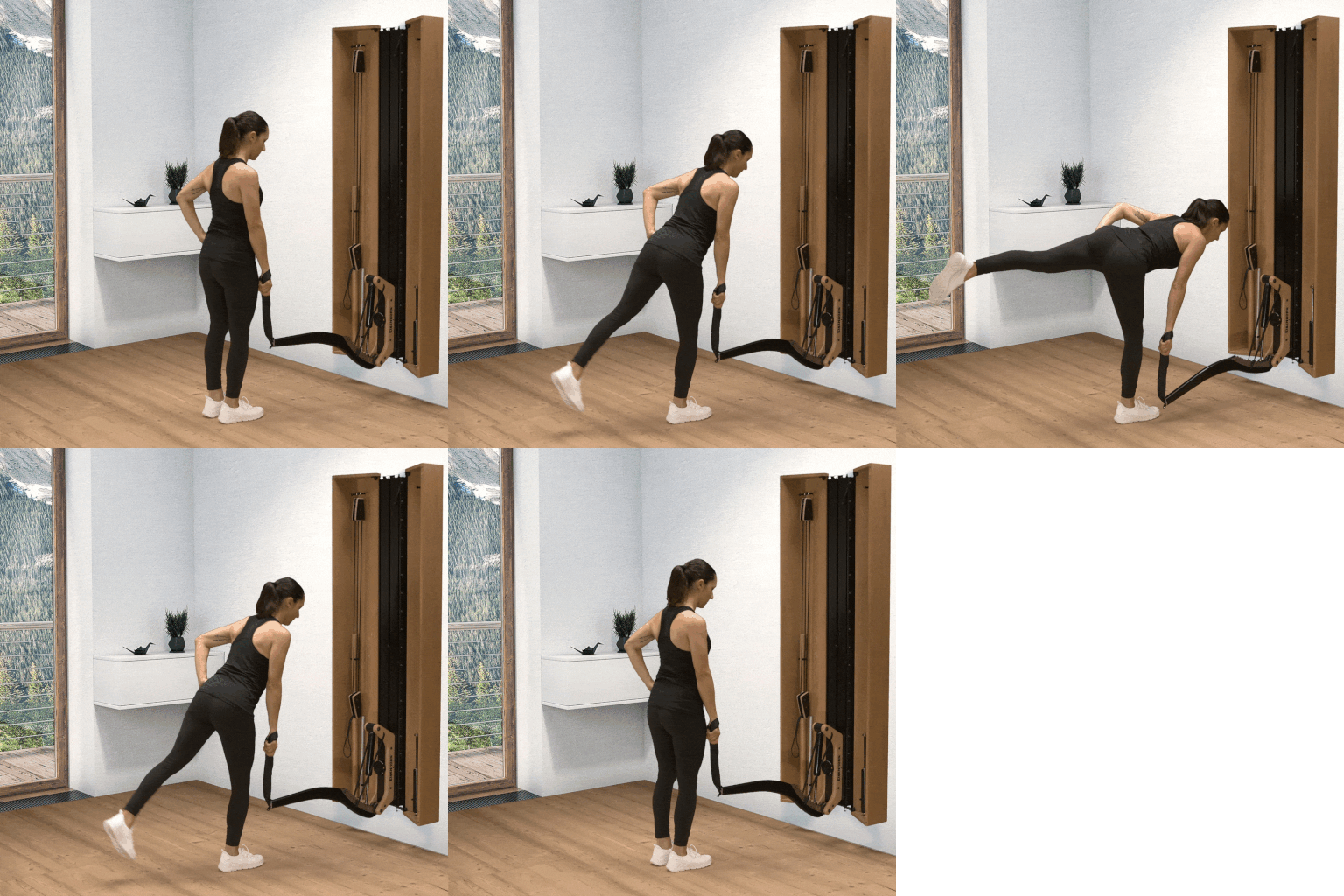
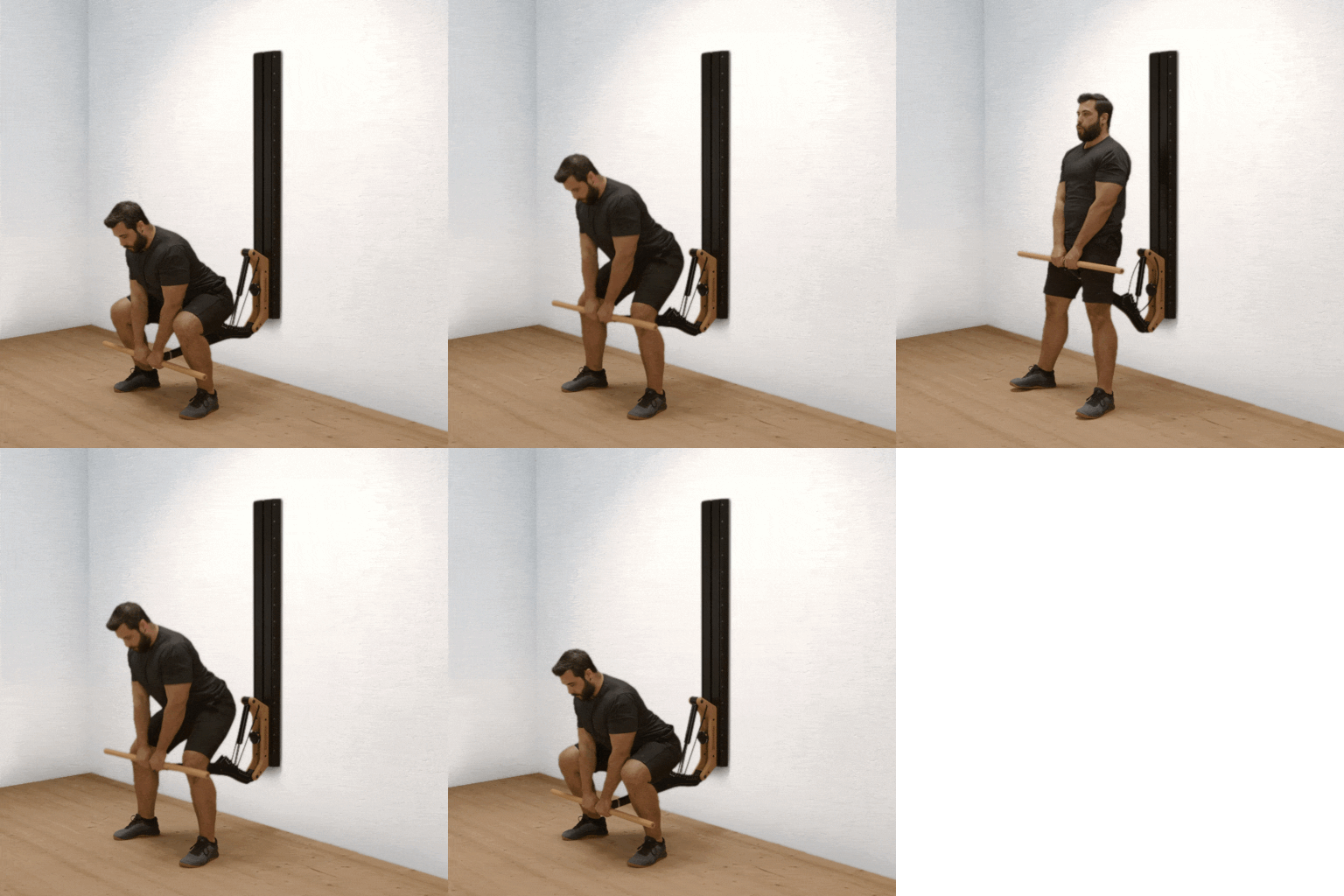
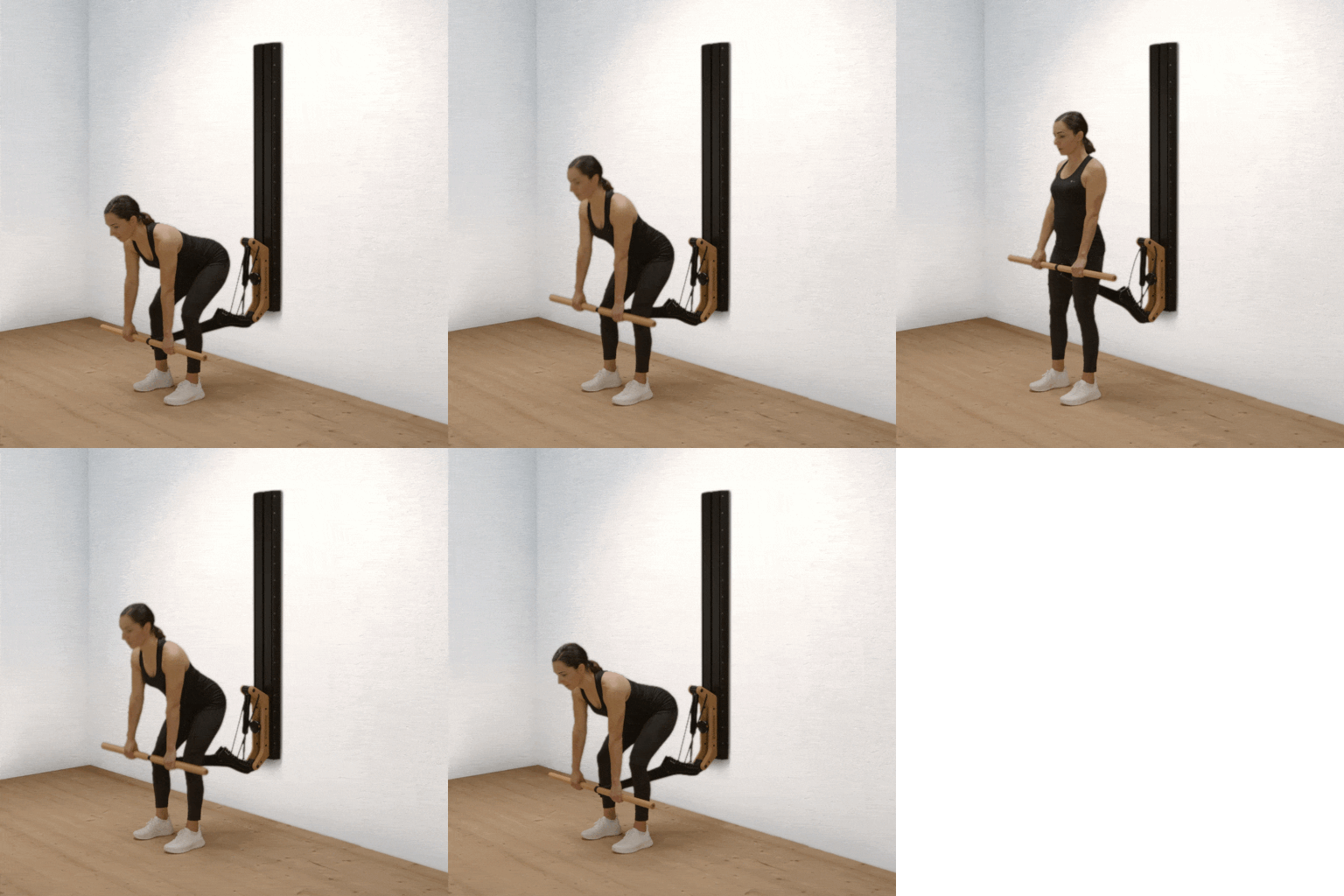
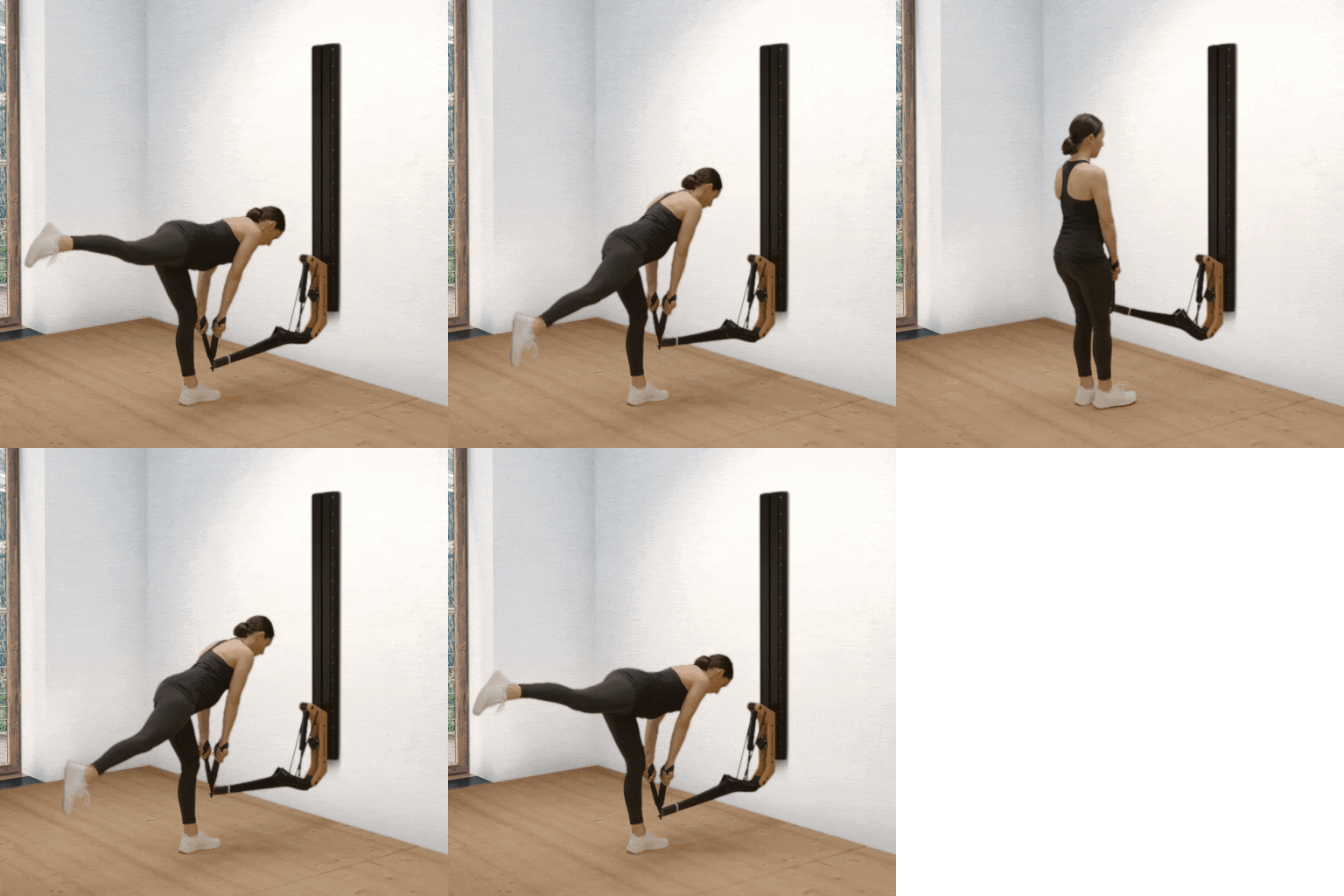
The deadlift on your EISENHORN DS is one of the fundamental pillars of strength training because it simulates a functional lifting movement that we often need in daily life (e.g., picking something up from the floor). As a multi-joint exercise, it simultaneously activates multiple muscles: legs, glutes, back, and core, integrating large muscle chains. The deadlift is particularly effective because it allows heavy loads to be lifted without placing the weight overhead or on unstable joints. This provides a strong stimulus for the so-called “posterior chain” (back extensors, glutes, hamstrings) while engaging the core and challenging grip strength at the same time.
What effect does the exercise achieve?
Full-body strength & muscle growth: Large muscle groups—back, leg, glutes, core, and forearms—are engaged, providing high potential for strength and hypertrophy.
Strengthening the posterior chain: Particularly effective for the back extensors, glutes, and hamstrings—muscles often underdeveloped in many training programs.
Core and trunk stability: Abdominal, lumbar, and deep core muscles are heavily activated to protect the spine during the lift.
Improvement of grip strength: Lifting with the hands also trains forearms and enhances grip strength.
Bone density & bone health: Weight-bearing stress stimulates structural adaptations in bones, helping prevent age-related bone mass loss.
Functional relevance & practicality: The movement mirrors real-life tasks, such as lifting heavy objects, improving overall physical performance and functional strength.
How does this exercise fit into the Big 5 concept?
The Big 5 include the fundamental exercises: squat, deadlift, bench press, pull-up or lat pulldown, and shoulder press. The deadlift is a central component of the classical Big 5 and is therefore essential in systematic strength training:
Fundamental pulling movement: While squats and shoulder presses cover pushing movements, the deadlift provides the primary pulling movement for the lower body and back.
Synergy with other exercises: Strength and stability developed through deadlifts directly improve the execution of squats, bench press, and other compound movements.
Versatile progression: Many variations are possible (e.g., conventional deadlift, sumo deadlift, romanian deadlift), allowing adaptation for all performance levels.
Holistic strength foundation: By engaging multiple muscle groups and stabilization chains, the deadlift creates a solid foundation for all other Big 5 exercises and closes functional gaps in training.
:format(webp))
)
)
)
)
)
:format(webp) "EISENHORN S Black Edition")
 "EISENHORN S Black Edition")