What makes this exercise particularly effective?
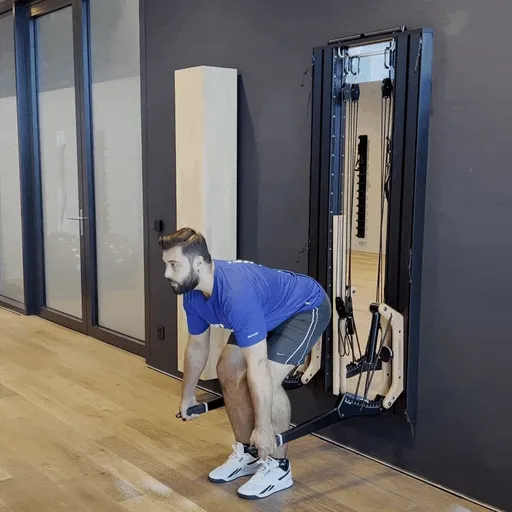
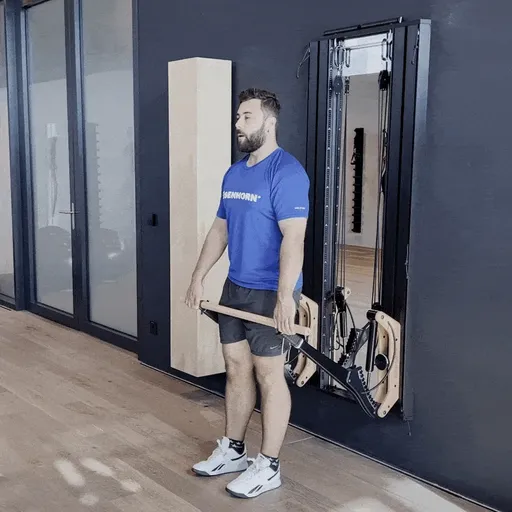
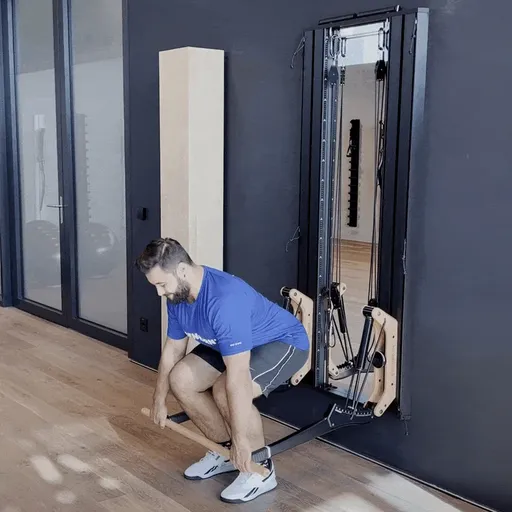
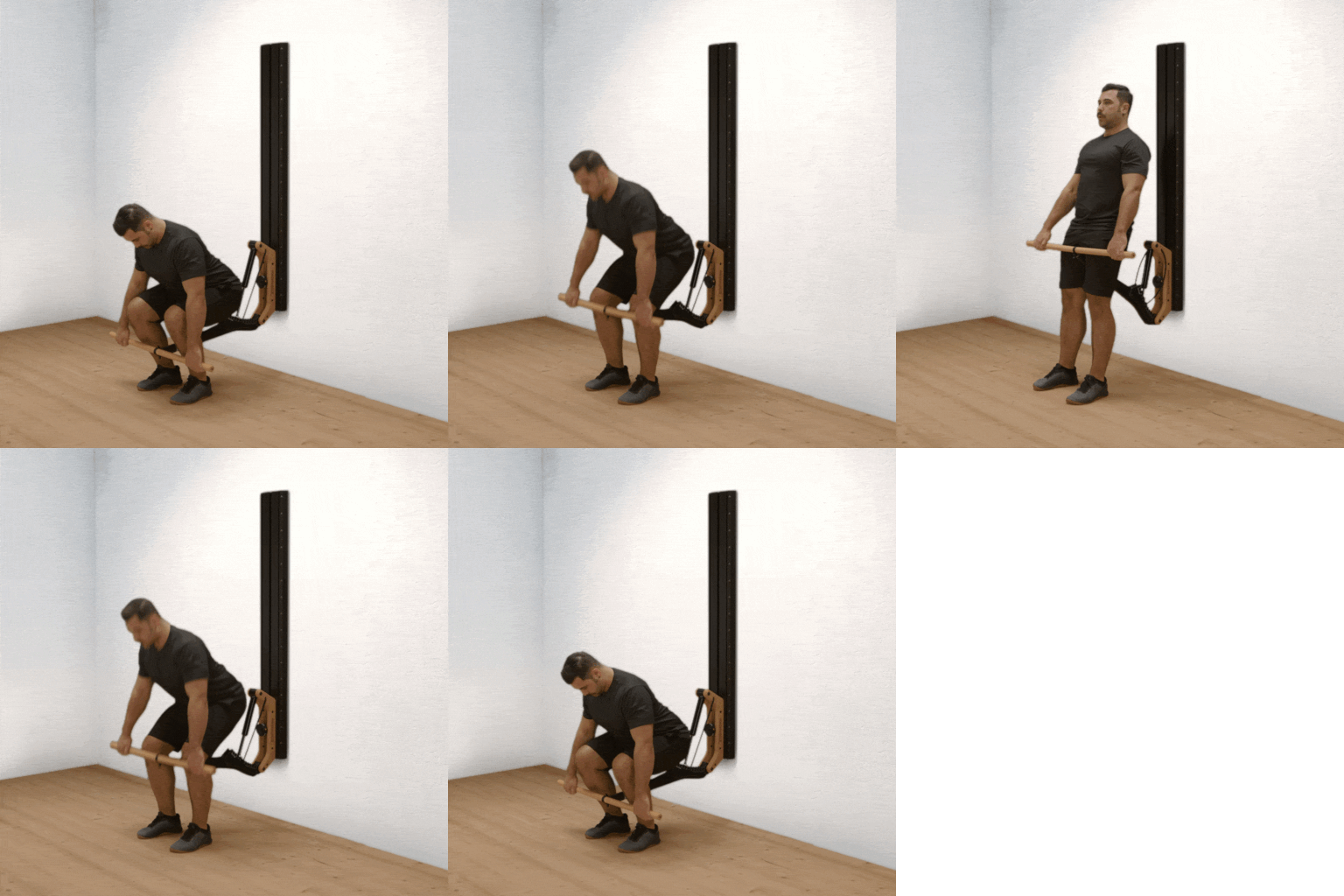
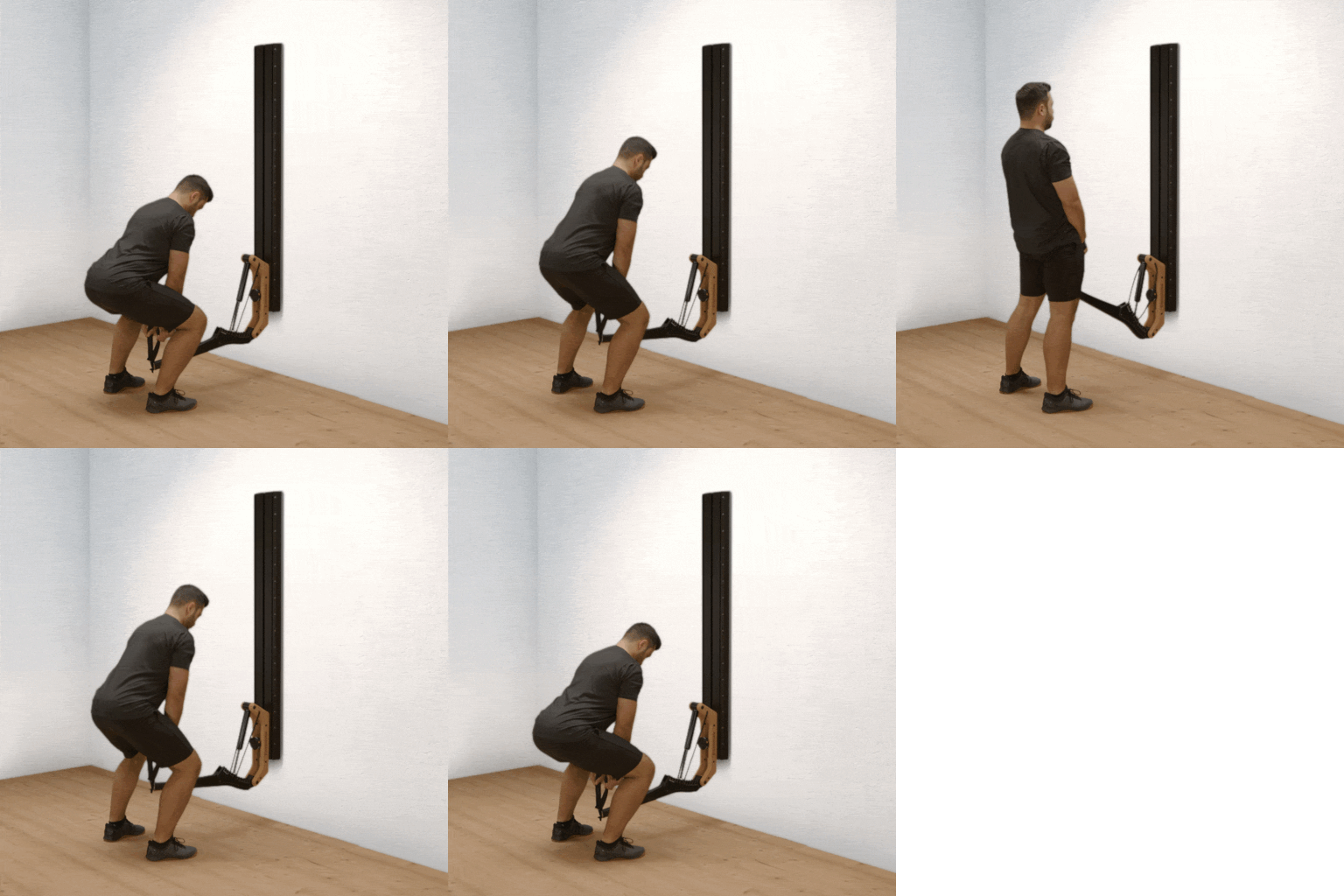
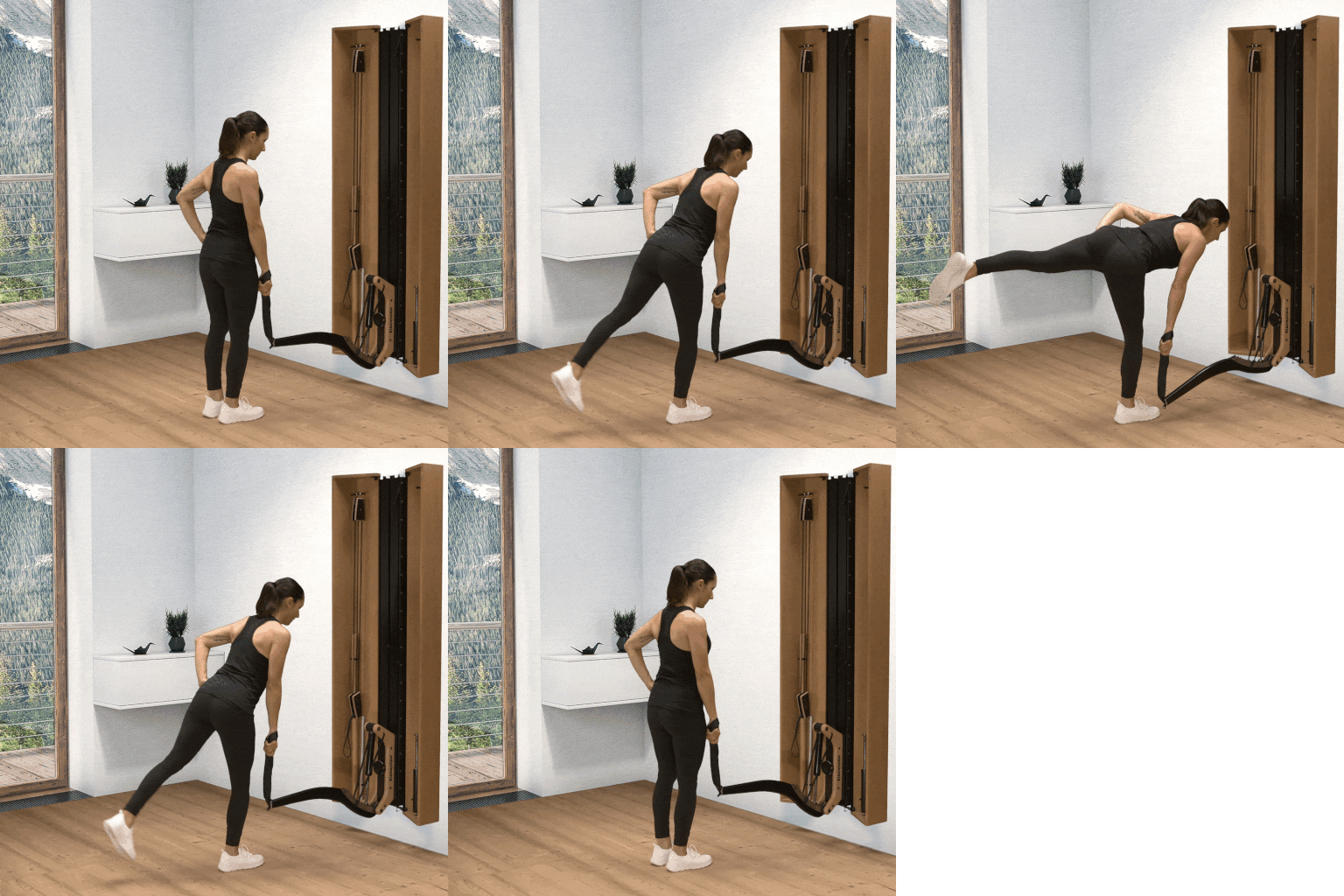
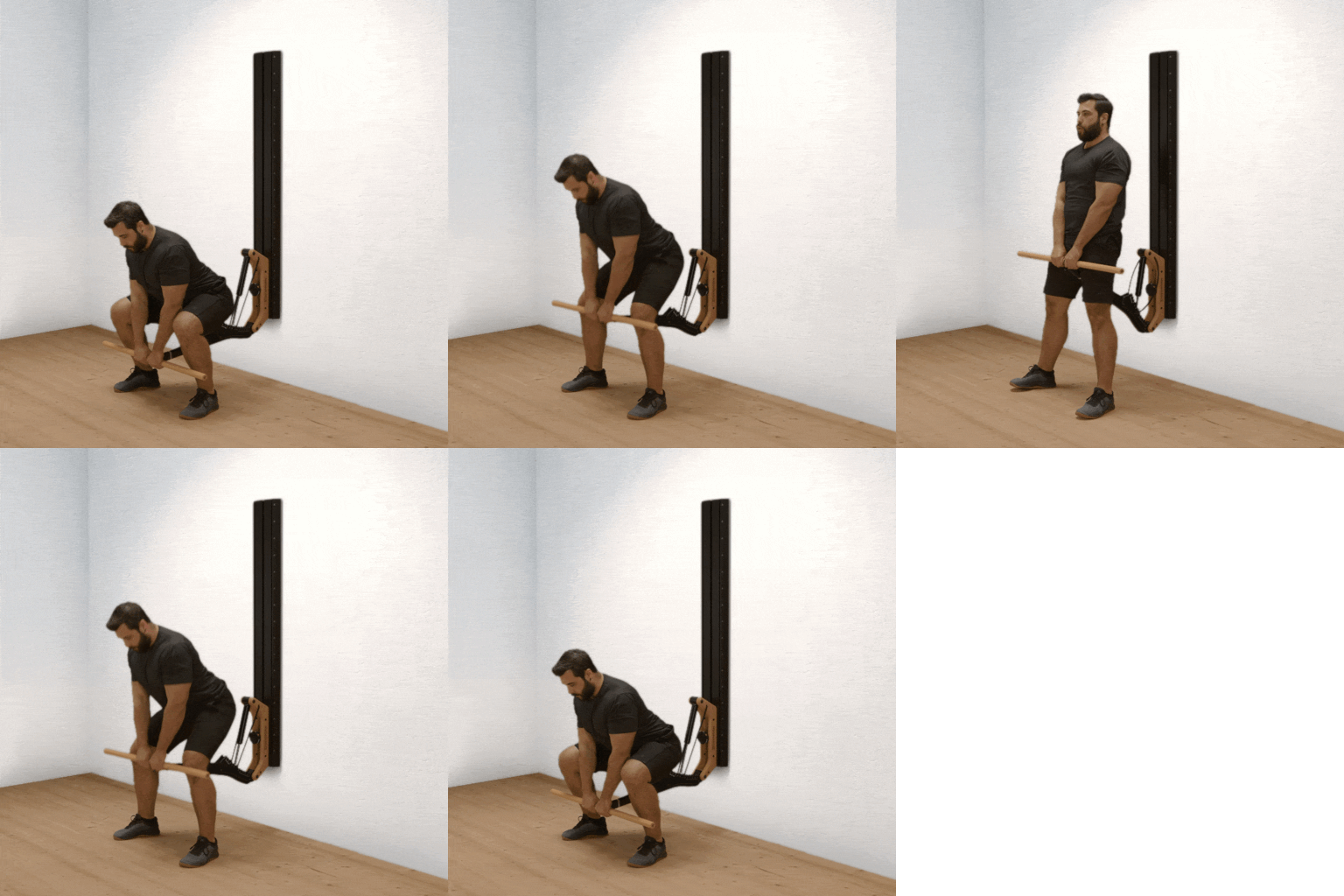
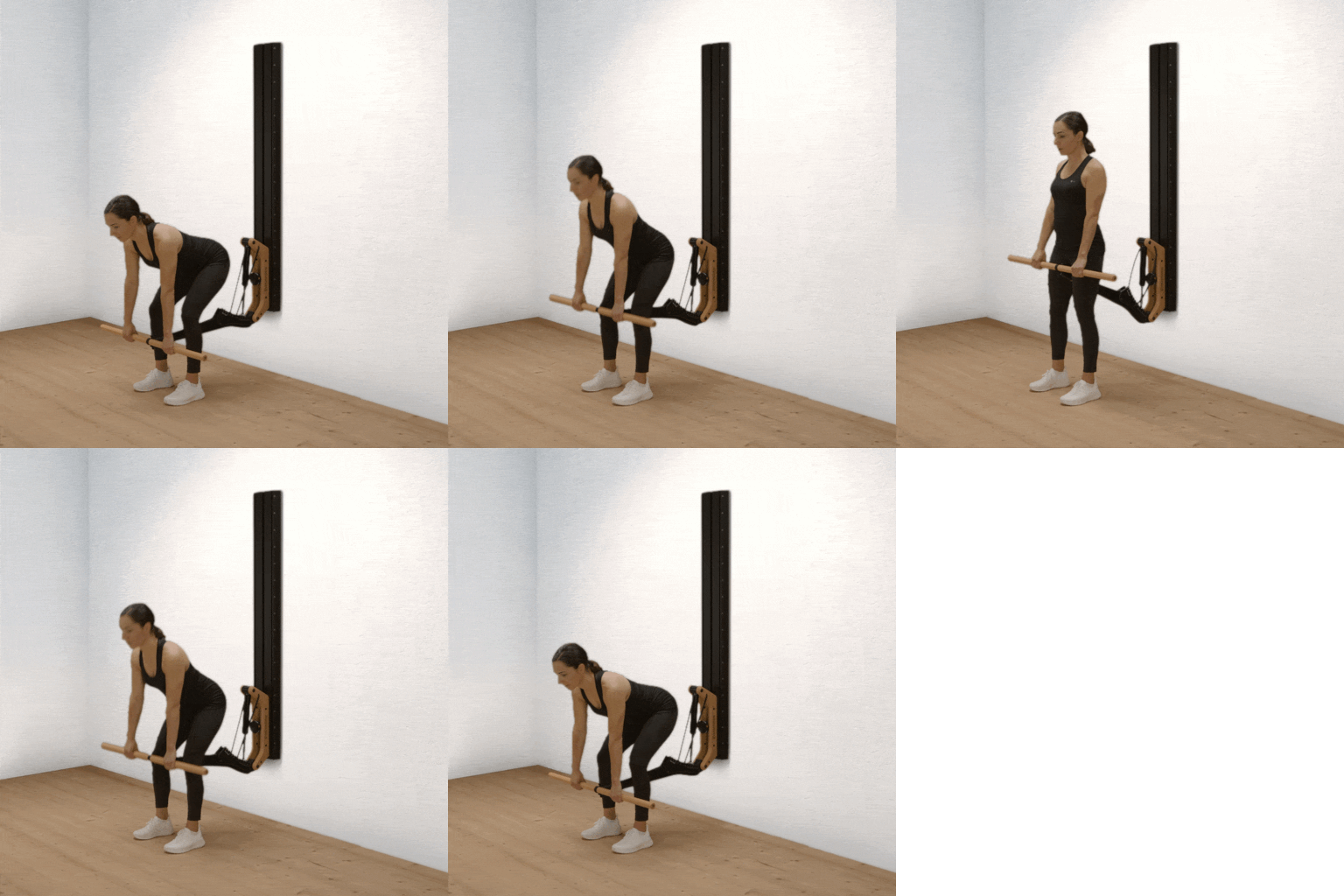
The single-leg deadlift combines strength, stability, and coordination. Since you are standing on one leg, your balance is strongly challenged. This not only requires strong muscles but also good neuromuscular control. At the same time, the muscles of the back of the thigh (hamstrings), the glutes, the back extensors, and the core are engaged intensively to keep the upper body stable while lifting the leg behind you as a counterbalance.
What effect does the exercise achieve?
Strengthening the posterior chain: the hamstrings, glutes, and quadriceps take on a large part of the work during hip flexion and extension.
Better balance & stability: as only one leg is loaded, small stabilizing muscles (foot, knee, hip) as well as the core have to work hard to maintain stability.
Correction of imbalances: differences in strength between both legs become visible and can be specifically addressed.
Improved mobility & hip function: the hip hinge (forward and backward movement through the hip) is trained, which enhances both strength and mobility — especially in situations that challenge the hamstrings in everyday life.
Low joint stress & functionally relevant: compared to heavy two-legged deadlifts, this single-leg movement often places less strain on the joints. Additionally, it transfers well to movements in everyday life, sports, and functional fitness.
How does this exercise fit into the Big 5 concept?
The Big 5 include the fundamental exercises: squat, deadlift, bench press, pull-up or lat pulldown, and shoulder press. Even though single-leg deadlifts are not part of the classic Big 5, this exercise can be a meaningful addition if desired:
It enhances deadlift performance by promoting stabilizing muscles and hip function.
It helps reduce compensation by the stronger side or the core/back during bilateral exercises.
It is an excellent support exercise — especially in training concepts like MIKE5, where, alongside the Big 5, you develop targeted stability, coordination, and unilateral strength.
:format(webp))
)
)
)
)
)
:format(webp) "EISENHORN S Black Edition")
 "EISENHORN S Black Edition")