What makes this exercise particularly effective?
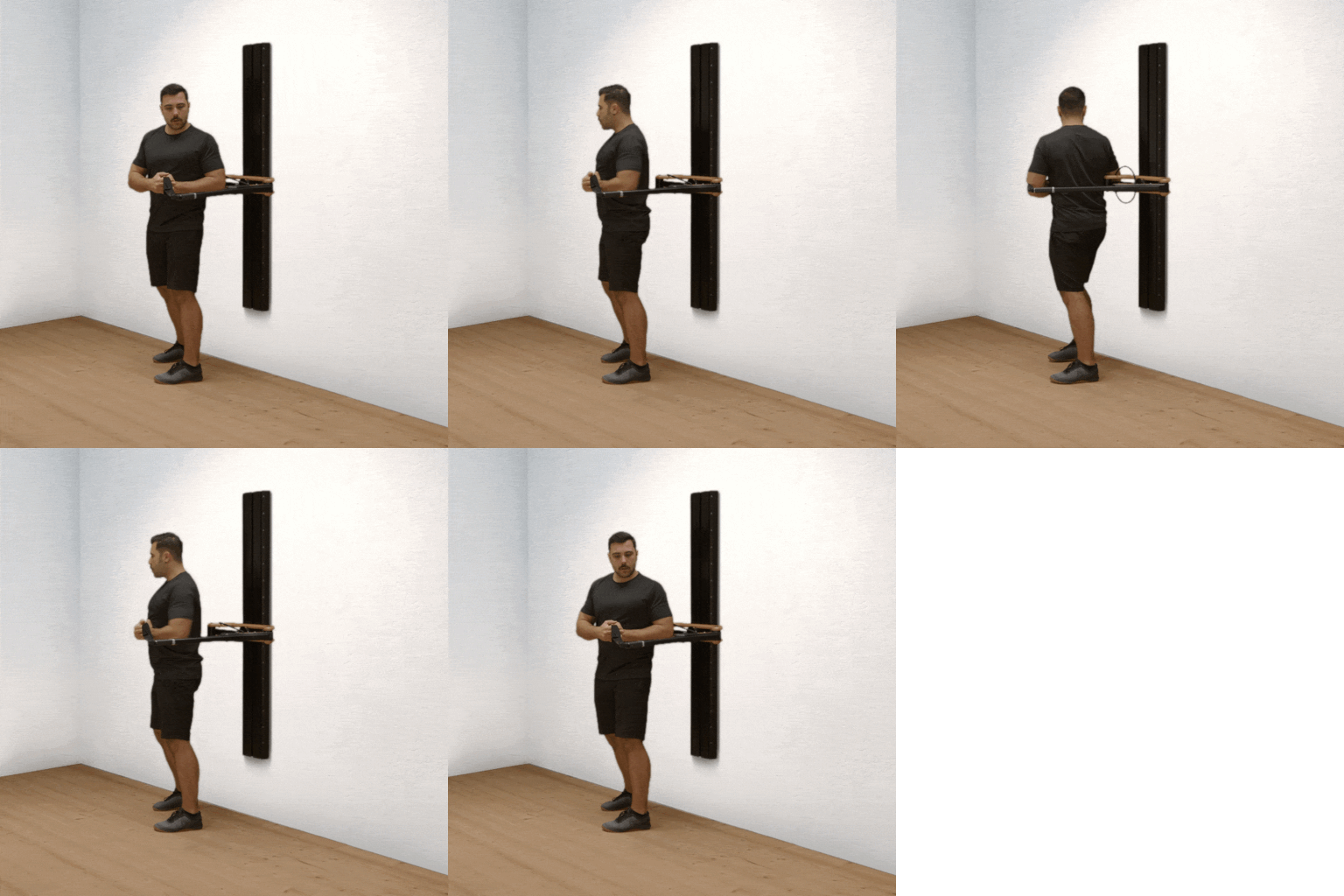
Side bends (also known as lateral bends) are a targeted exercise to strengthen the lateral abdominal muscles, especially the external oblique muscle (musculus obliquus externus abdominis). By bending the upper body to the side, this muscle is intensively engaged, contributing to improved core stability and control. The exercise can be performed with different weight intensities to vary the training stimulus.
What effect does the exercise achieve?
Strengthening the oblique abdominal muscles: The primary target muscles are the lateral abdominal muscles, which are responsible for the lateral flexion of the spine.
Improving core stability: A strong core supports posture and can help prevent back pain.
Improving flexibility: Regular training can increase spinal flexibility and improve mobility in everyday life.
Assistance with other exercises: Strong lateral core muscles can positively influence performance in other exercises such as deadlifts or squats.
How does this exercise fit into the Big 5 concept?
The Big 5 include the fundamental exercises: squat, deadlift, bench press, pull-up or lat pulldown, and shoulder press. Although lateral trunk bending is not considered a classic Big 5 exercise, it is an effective way to strengthen the oblique muscles. If you include complementary exercises alongside the Big 5, this exercise can enrich your training concept:
Balancing muscle imbalances: The Big 5 exercises often train the front and back core muscles. Side bends help to achieve balanced development of the entire core musculature.
Improving stability: Strong lateral core muscles contribute to the overall stability of the body and can enhance performance in various Big 5 exercises.
Injury prevention: By strengthening the lateral trunk muscles, the spine and internal organs are better protected, which can help reduce the risk of injuries.
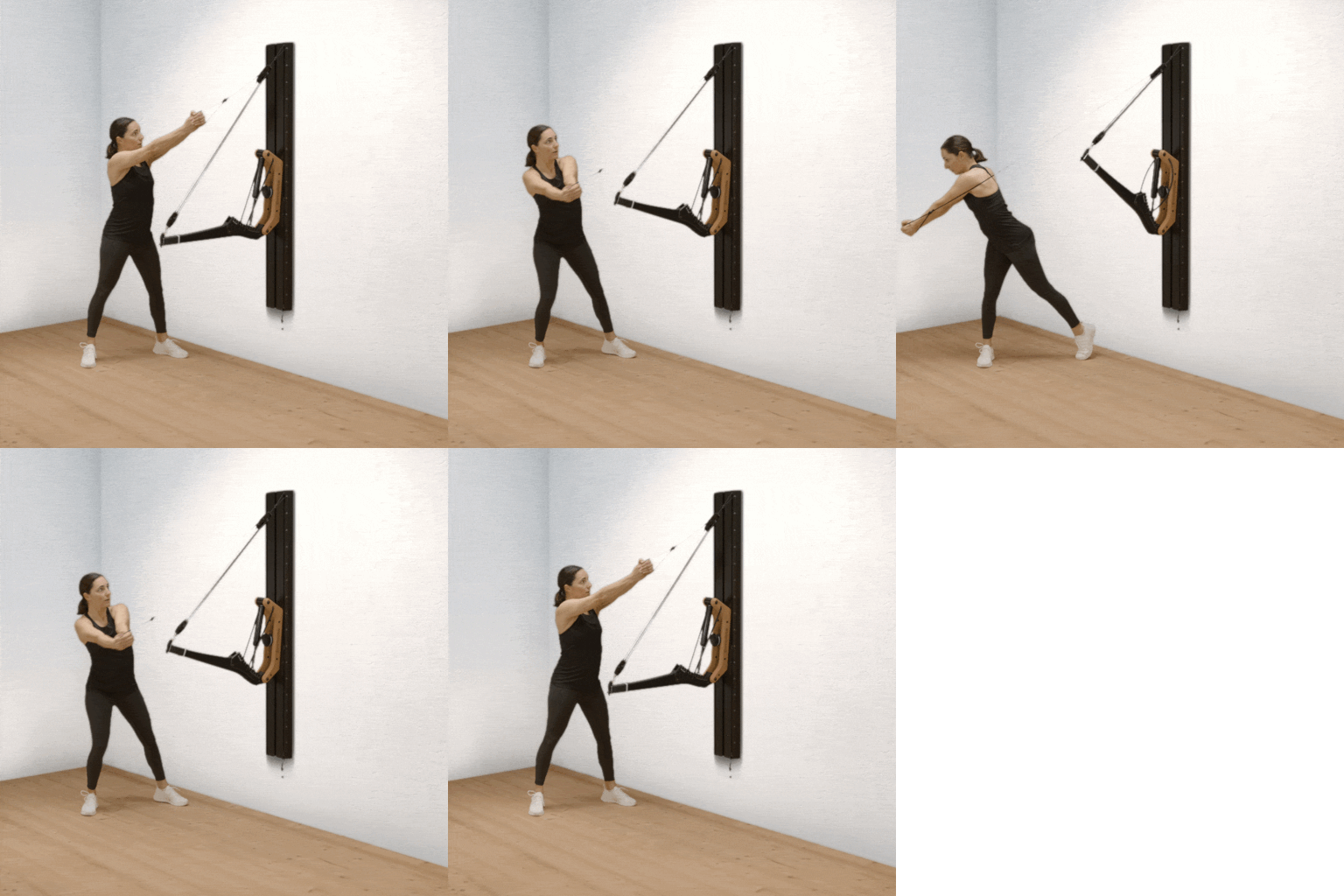
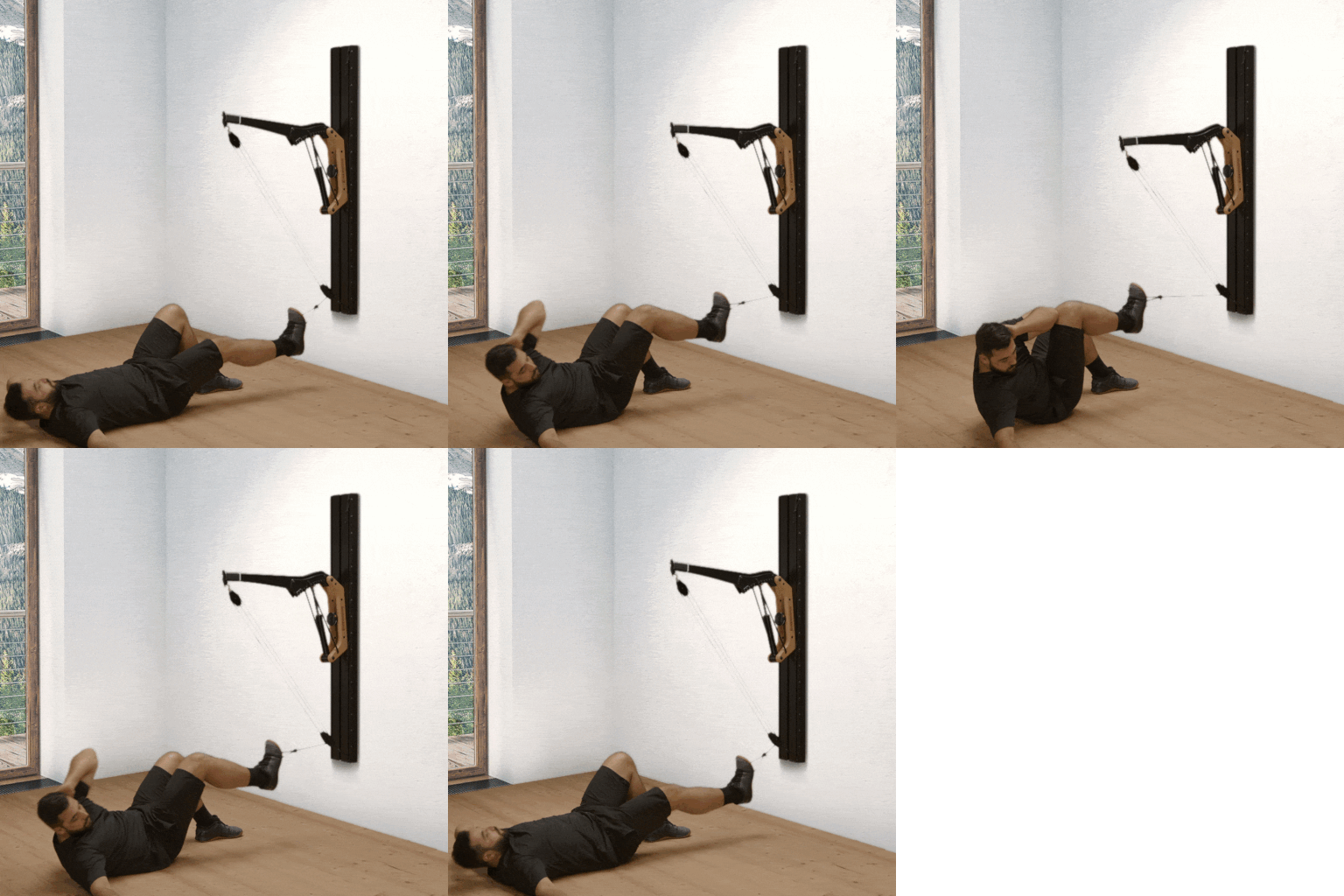
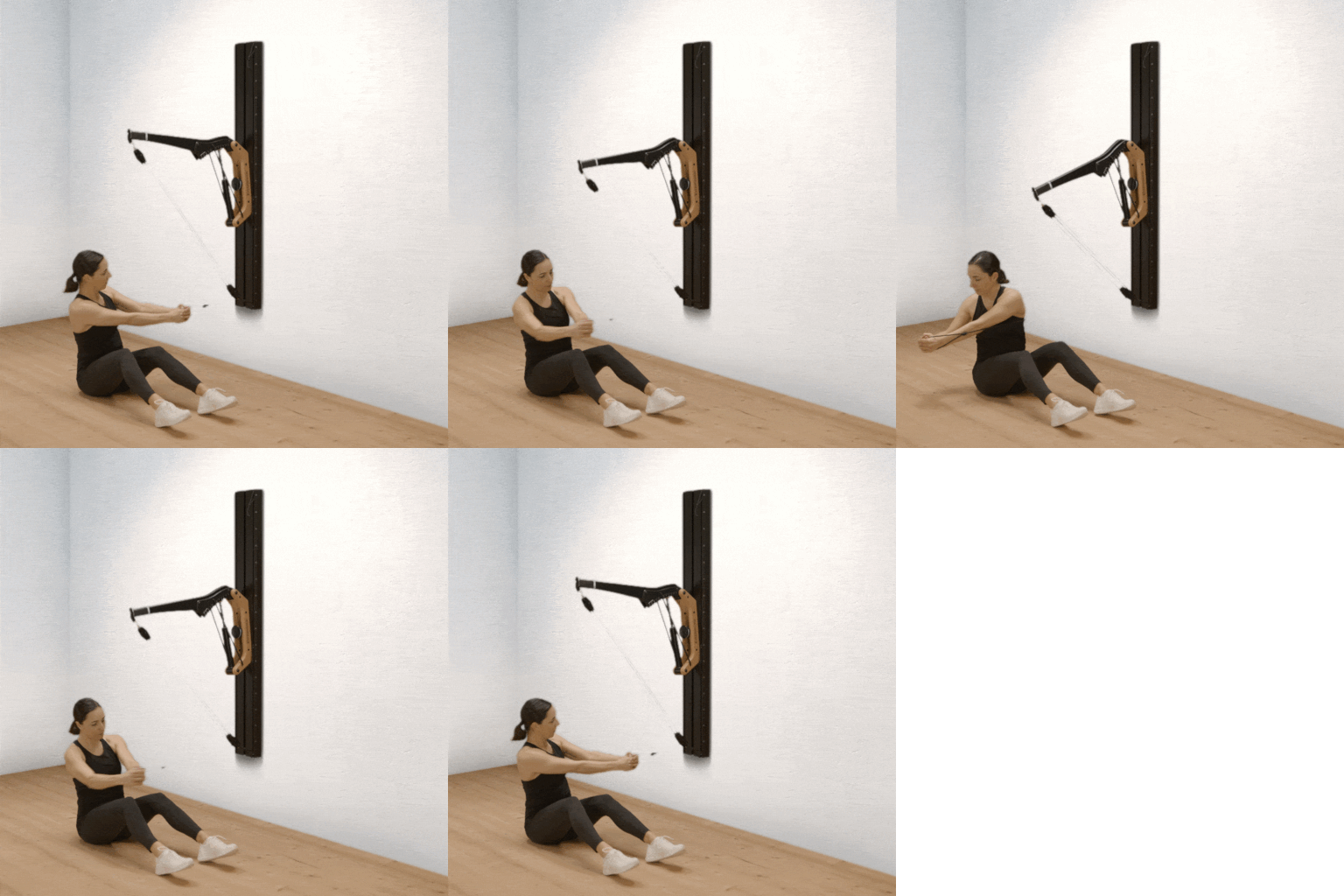
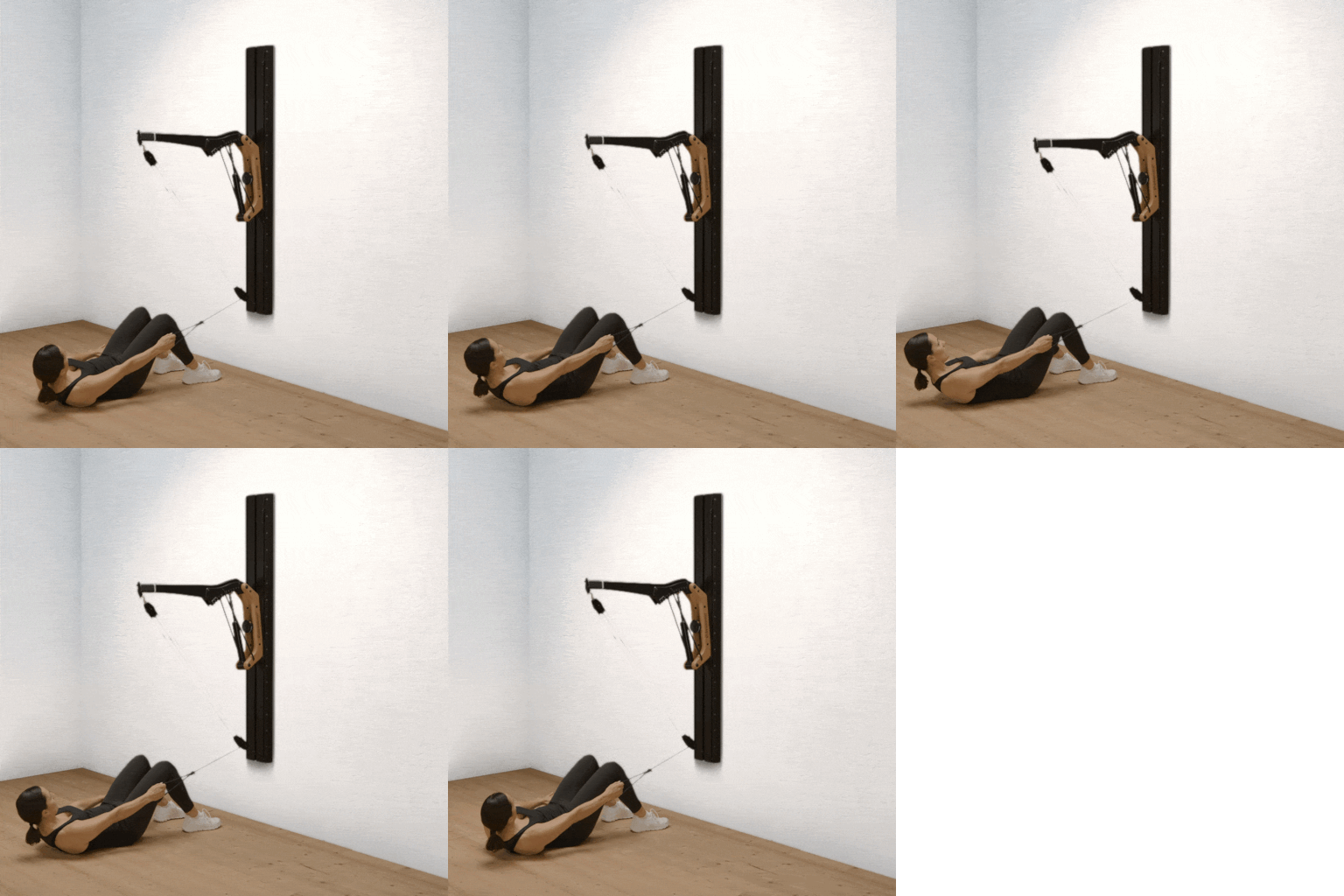
:format(webp))
)
)
)
)
)
:format(webp) "EISENHORN S Black Edition")
 "EISENHORN S Black Edition")