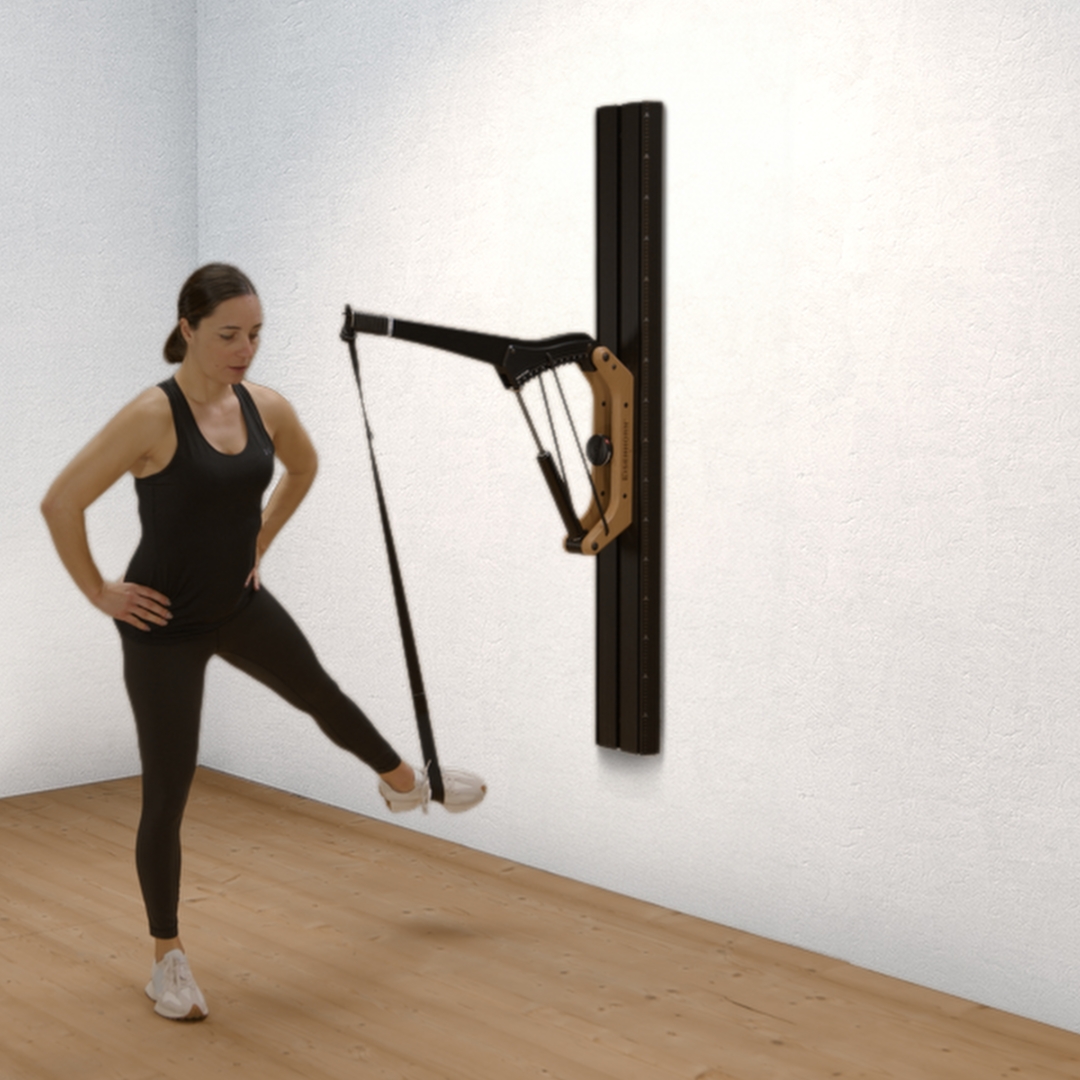
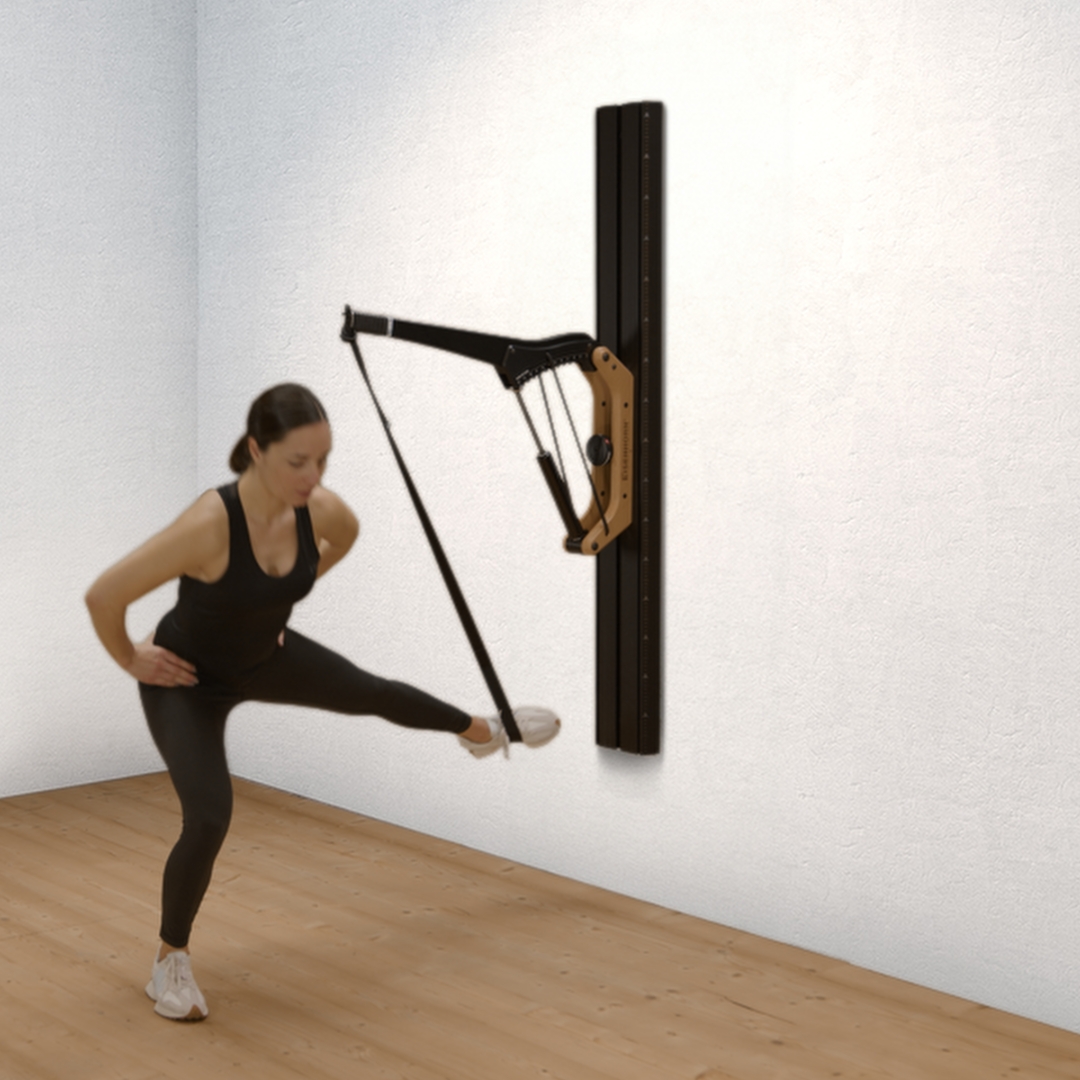
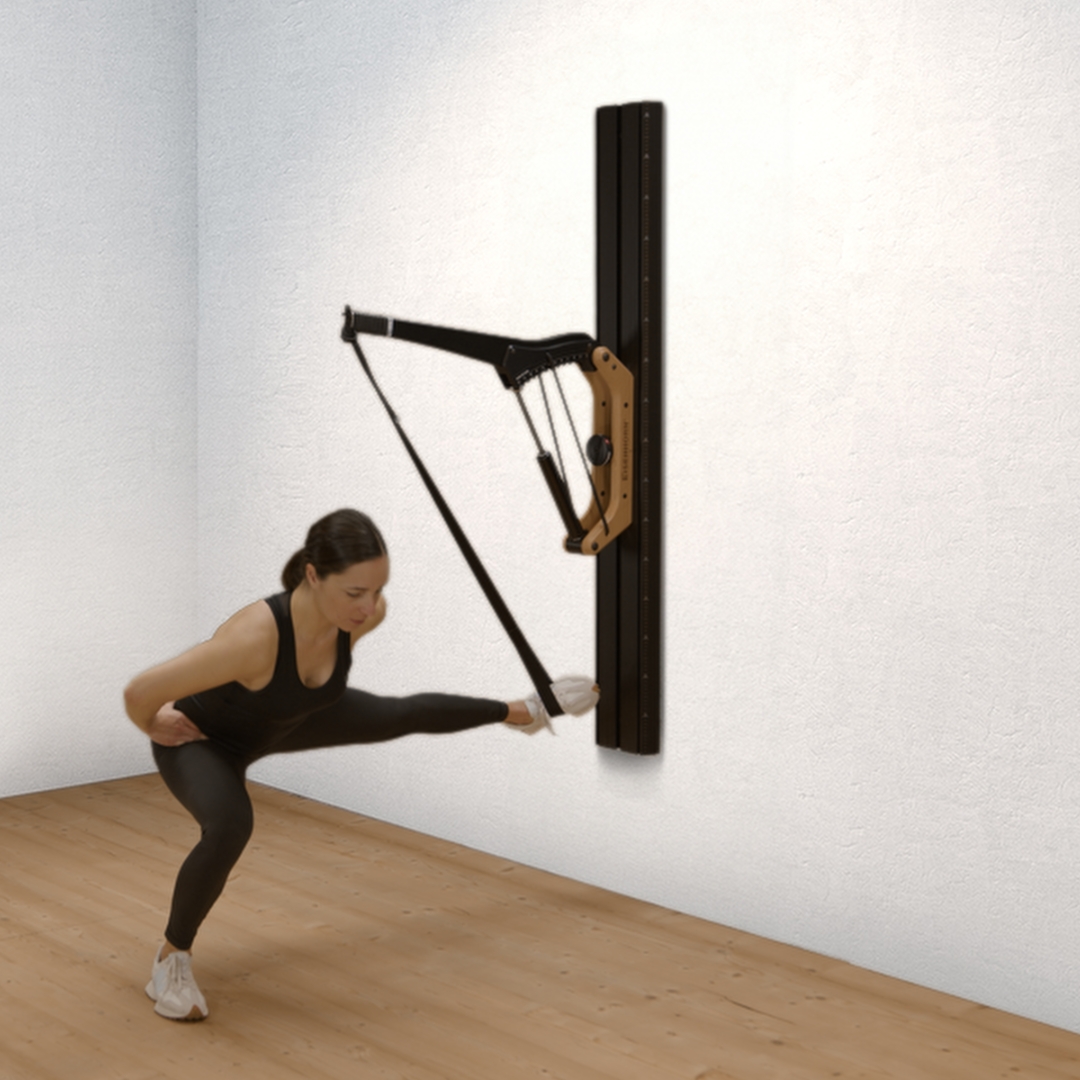
What makes this exercise particularly effective?
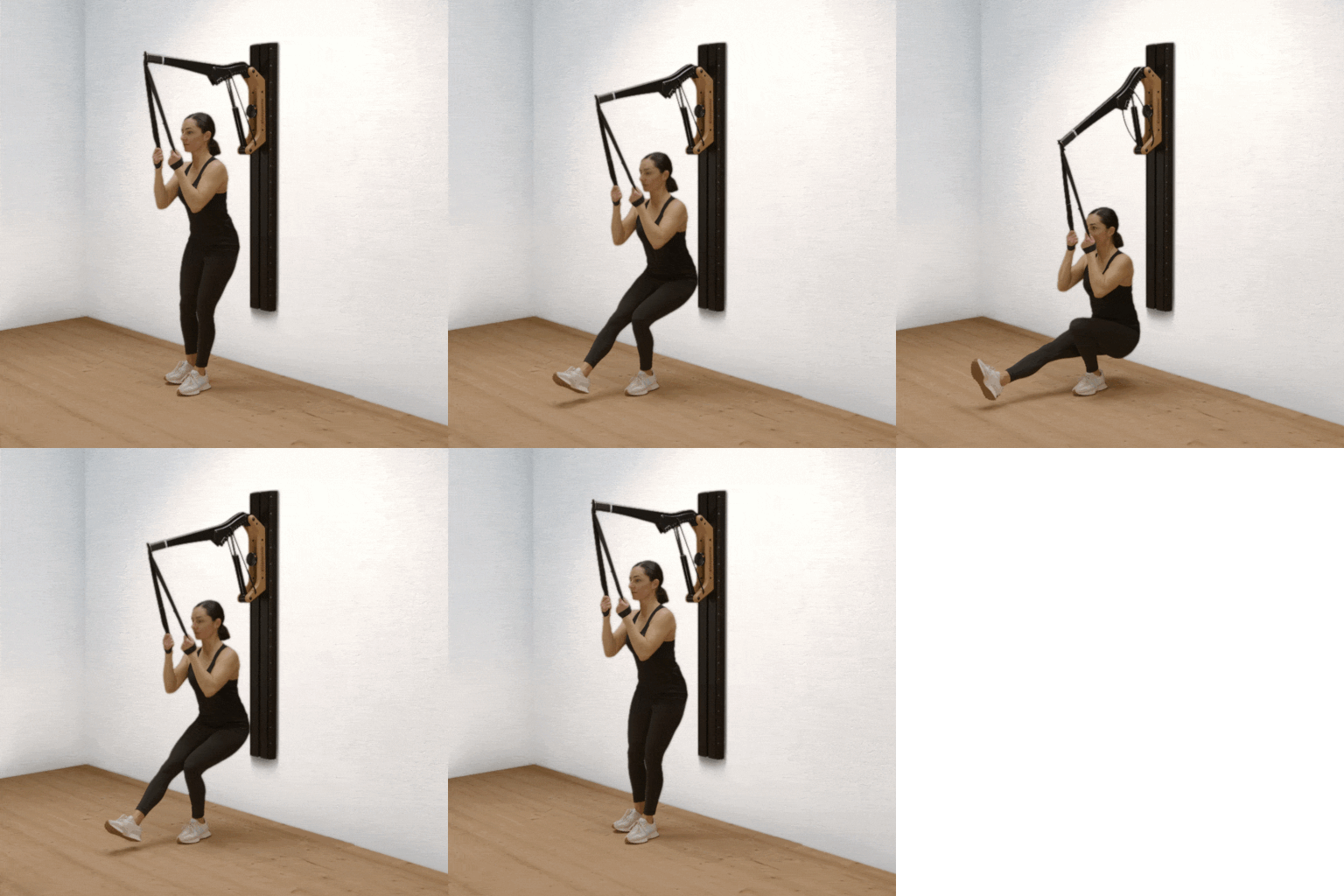
The one-legged lateral squat (also known as the "Side Pistol Squat" or "Lateral Single-Leg Squat") is a challenging variation of the single-leg squat. In this exercise, you move laterally (sideways) rather than just forward, creating a strong stabilizing demand in the hip, knee, and ankle. The simultaneous challenge to balance, coordination, and core stability makes this exercise particularly effective.
What effect does the exercise achieve?
Strengthening of the lateral leg and gluteal muscles: The gluteal muscles, quadriceps, abductors, and adductors are specifically activated, contributing to lateral stability.
Improved balance and mobility: The unilateral load challenges the stabilizers in the hip and knee, enhances flexibility, and promotes functional movement patterns.
Optimized balance and body control: The wide stance forces the core to engage actively and maintain control, benefiting both sports and everyday movements.
Correction of muscular imbalances: By training unilaterally, dominant sides are relieved while weaker sides are equally stimulated—ideal for improving balance and overall performance.
How does this exercise fit into the Big 5 concept?
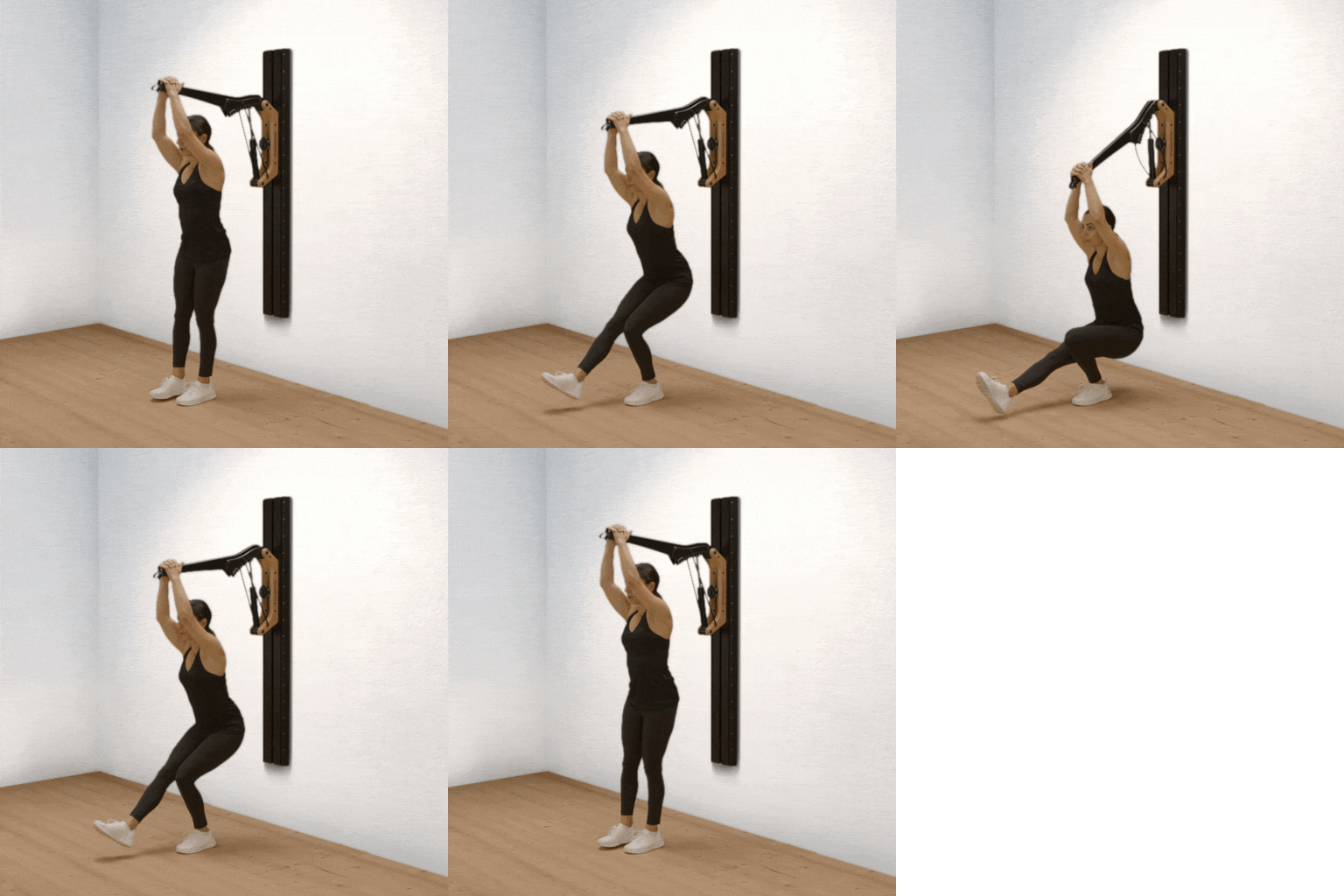
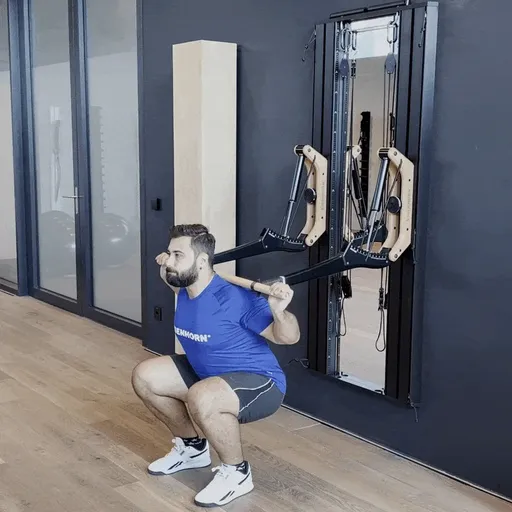
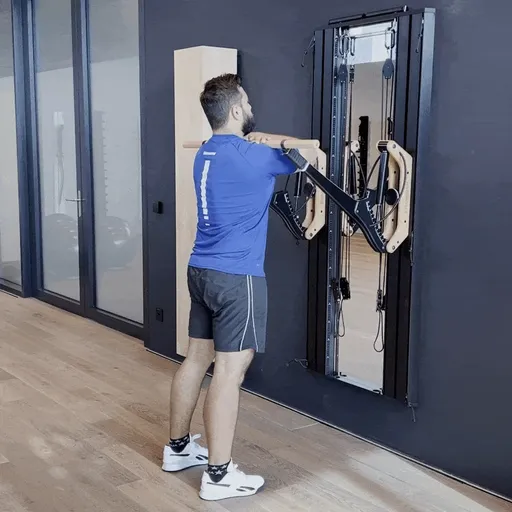
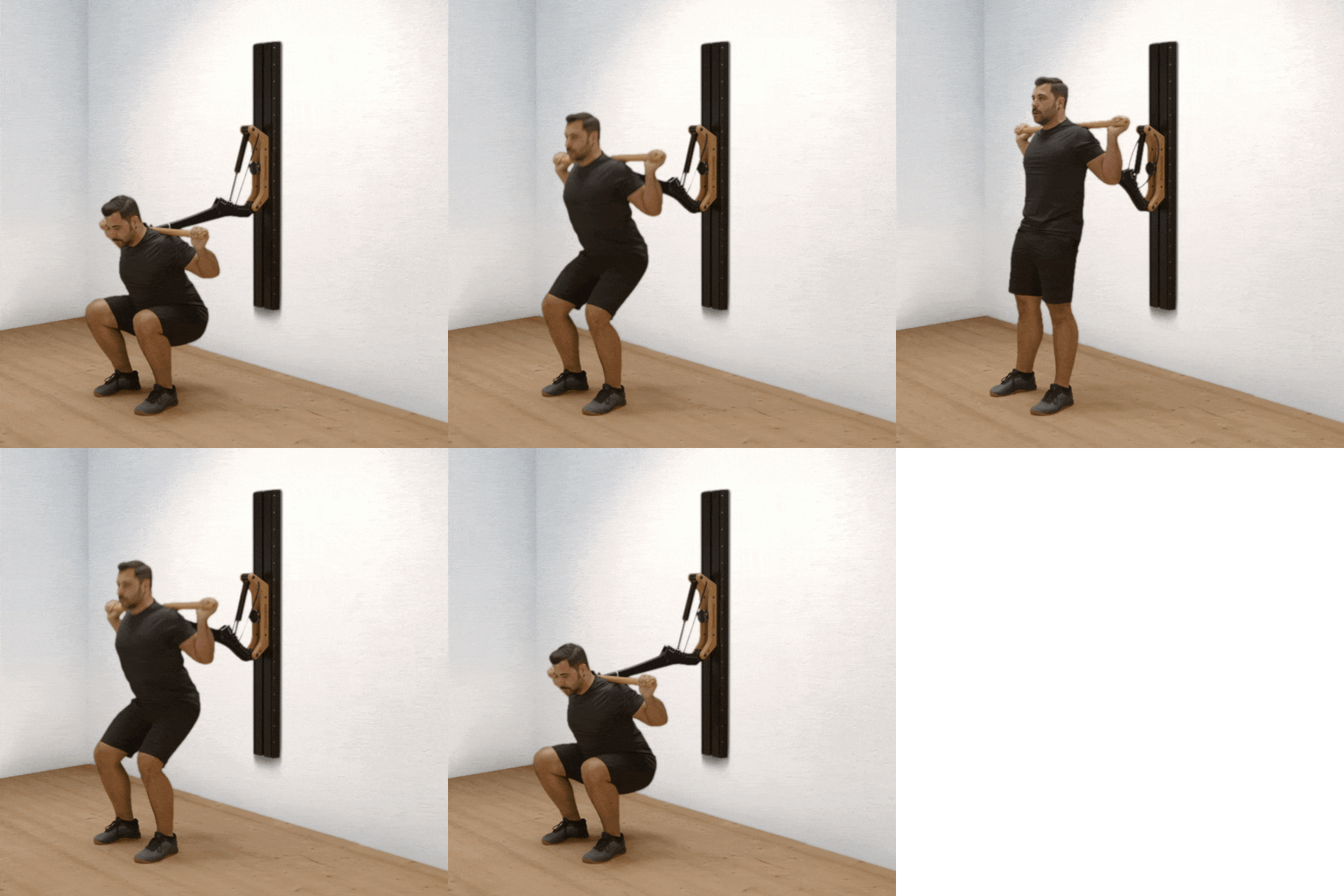
The Big 5 include the fundamental exercises: squat, deadlift, bench press, pull-up or lat pulldown, and shoulder press. The one-legged lateral squat is an effective variation of the classic squat:
Fine-tuning of the lower body: Classic Big 5 exercises are perfectly complemented by single-leg side lunges, especially for lateral stability, core control, and unilateral strength.
Holistic movement quality: The exercise improves functional mobility and is relevant for natural movements such as lateral steps, rotations, and lateral hip work—both in training and everyday life.
Transfer to complex basic movements: A balanced, strong lower body is the foundation for correct execution of complex exercises such as squats and other Big 5 movements.
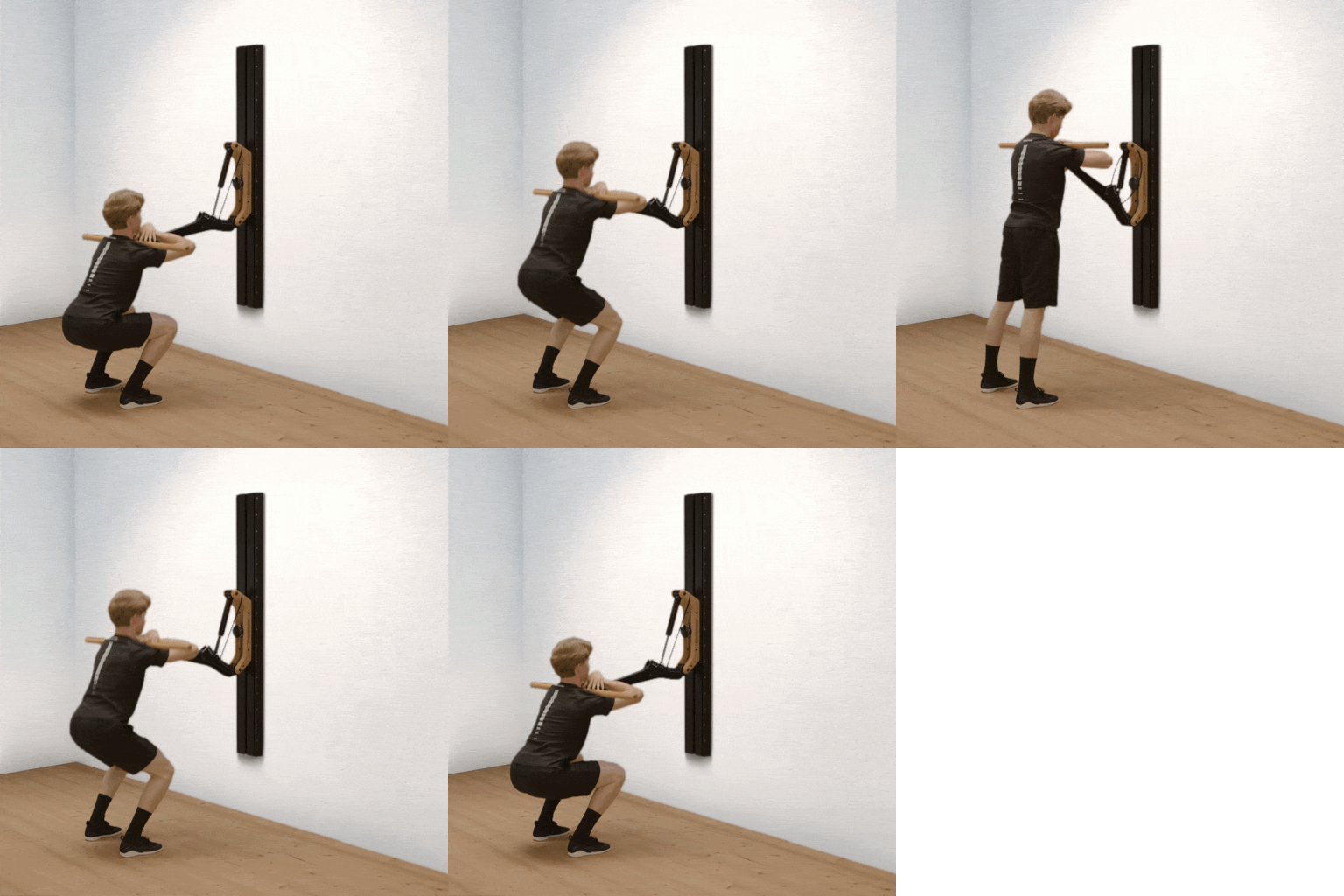
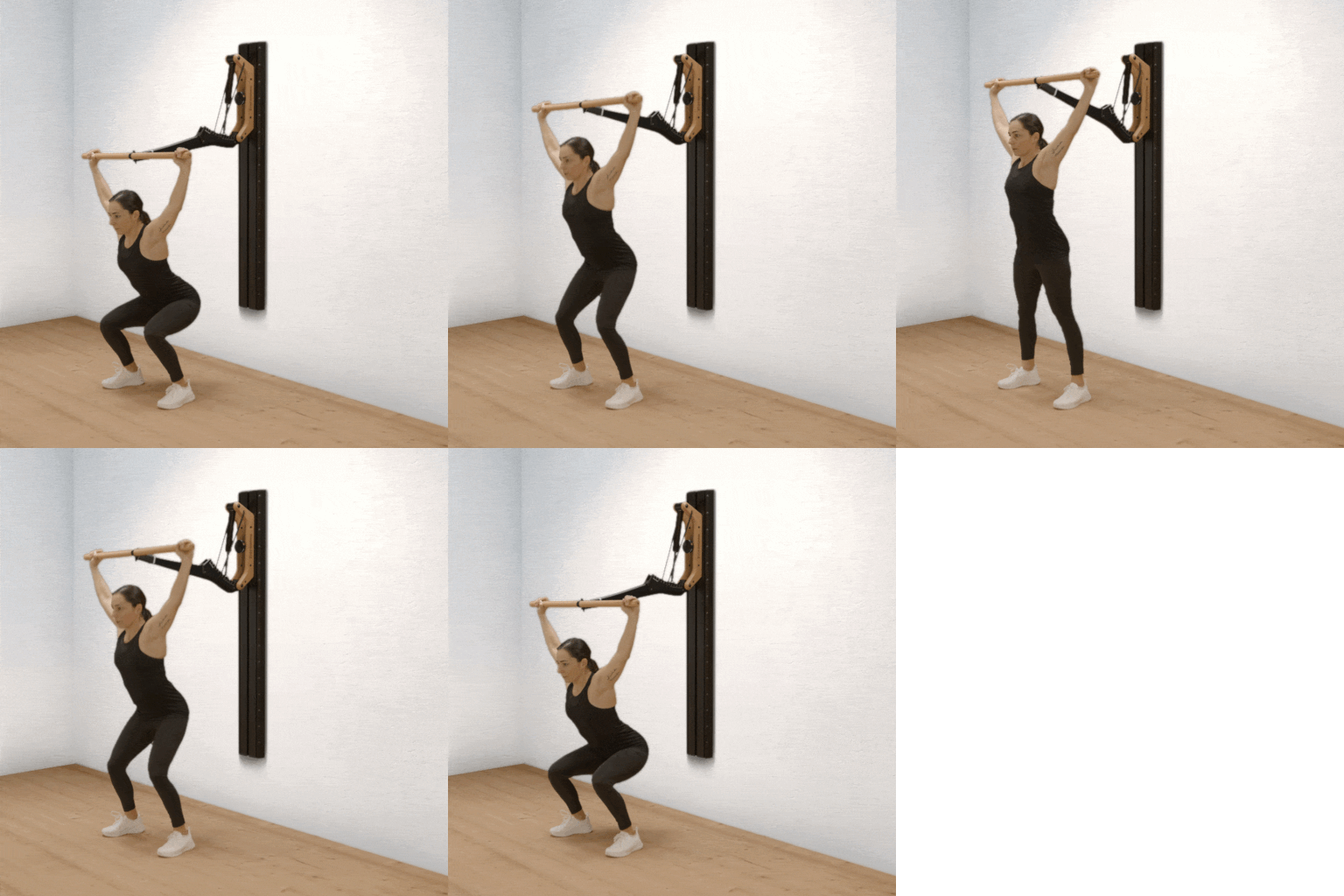
:format(webp))
)
)
)
)
)
:format(webp) "EISENHORN S Black Edition")
 "EISENHORN S Black Edition")