What makes this exercise particularly effective?
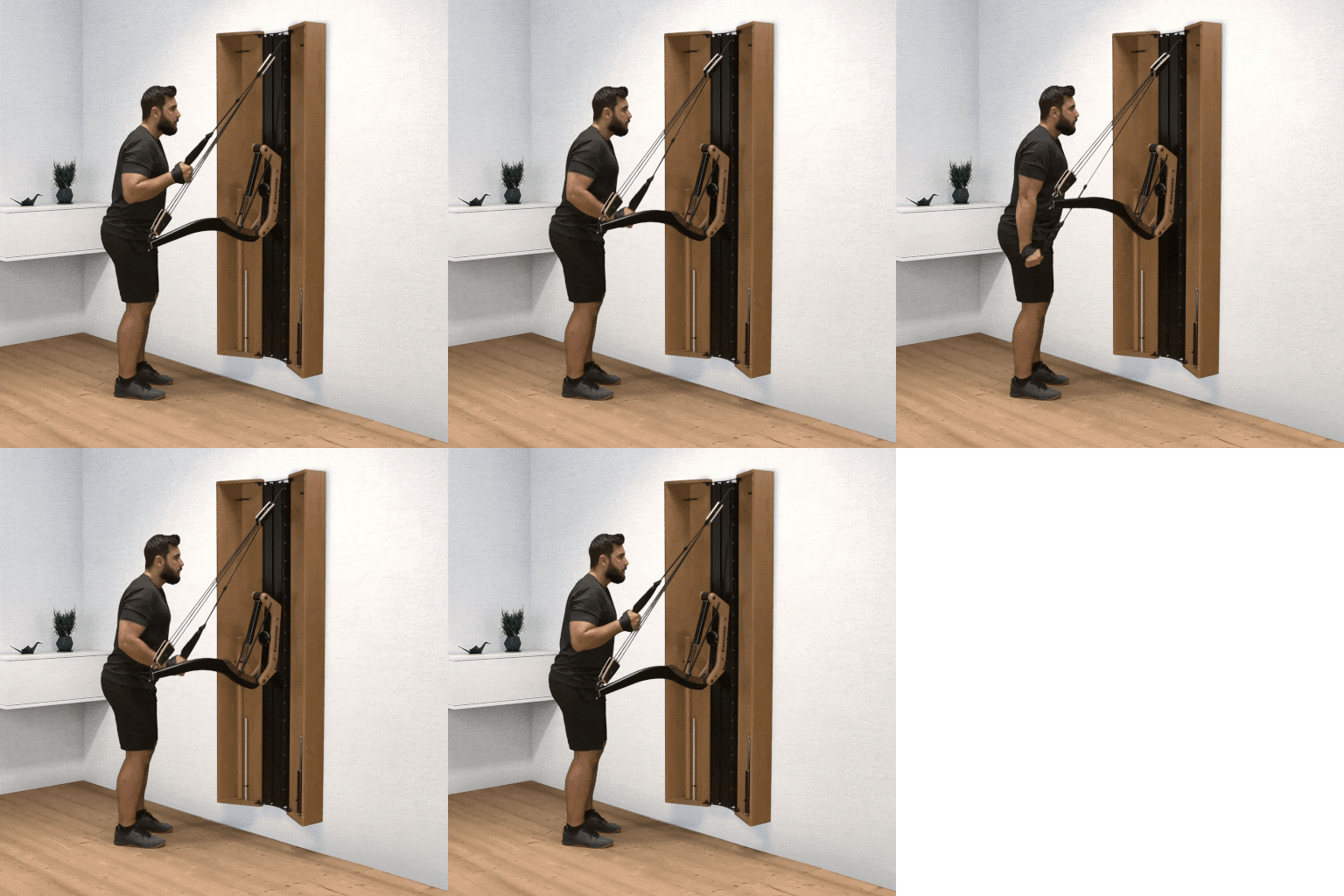
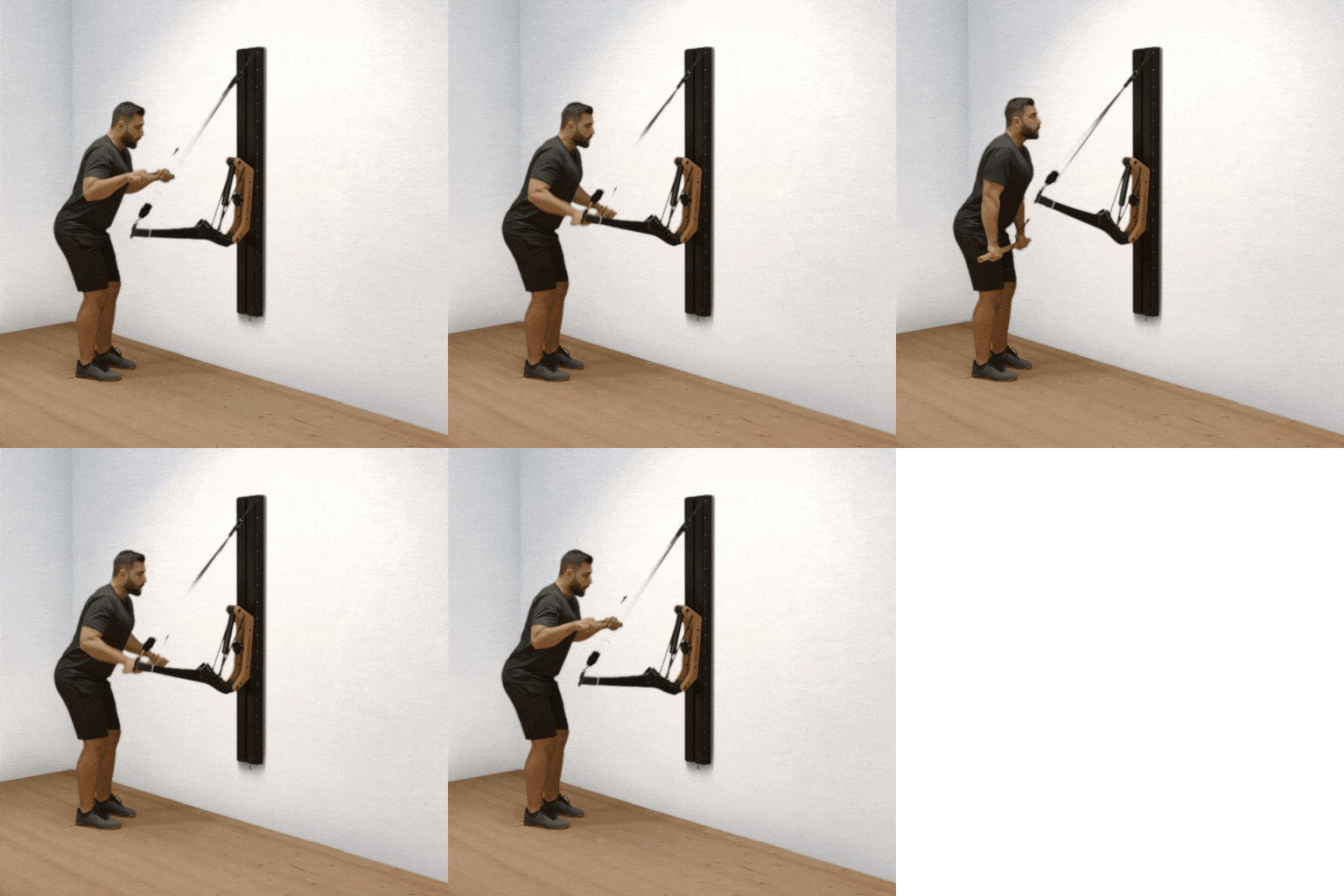
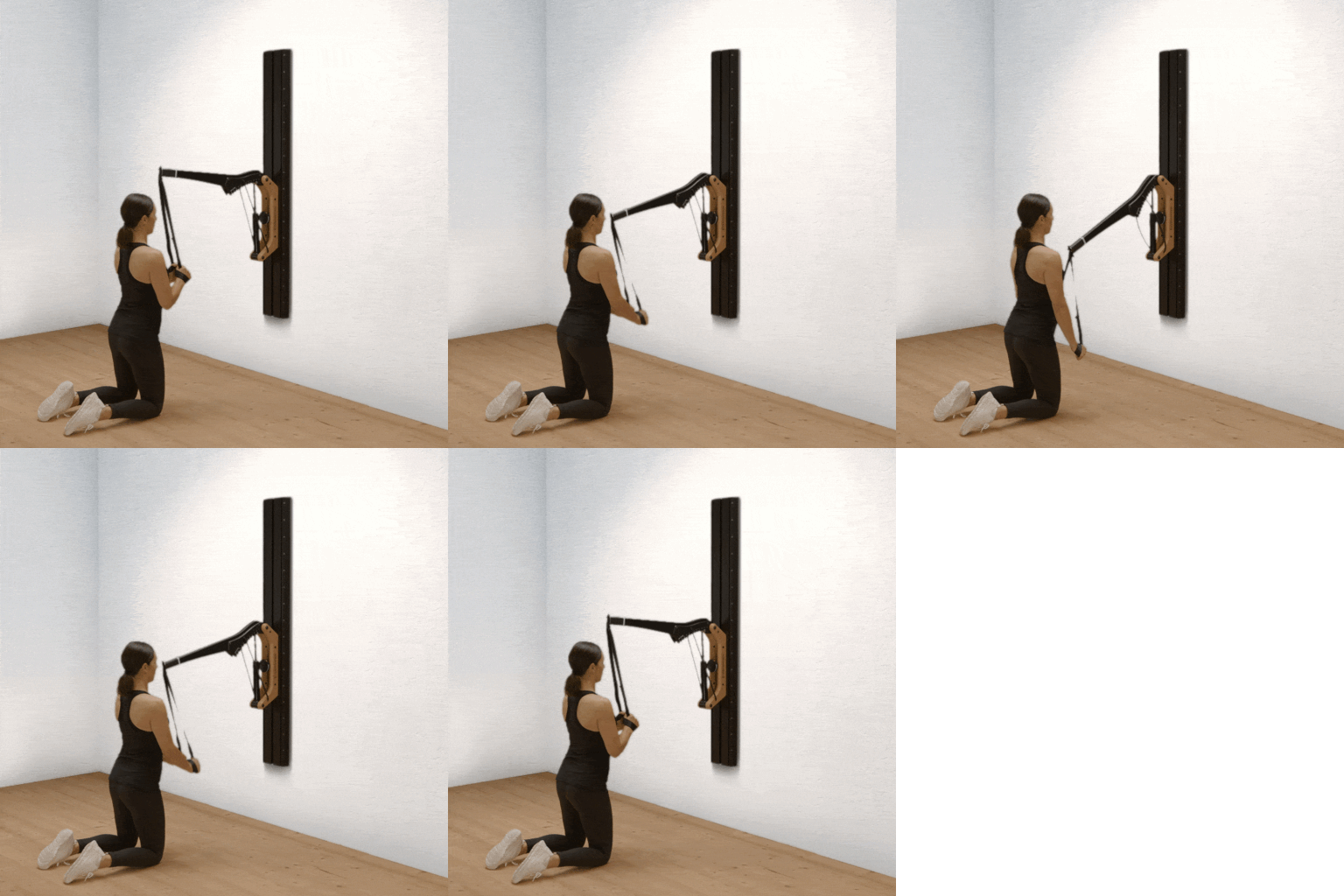
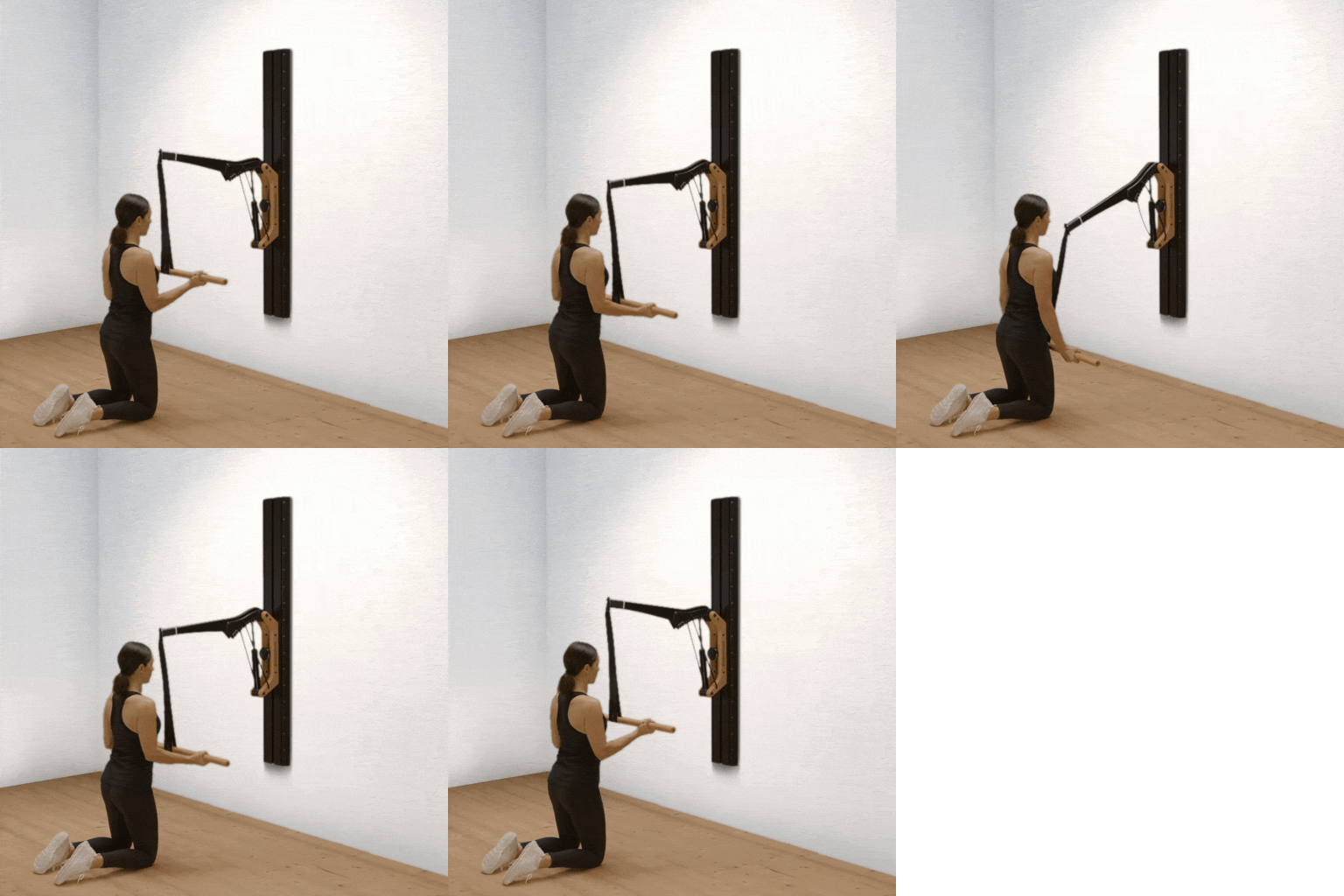
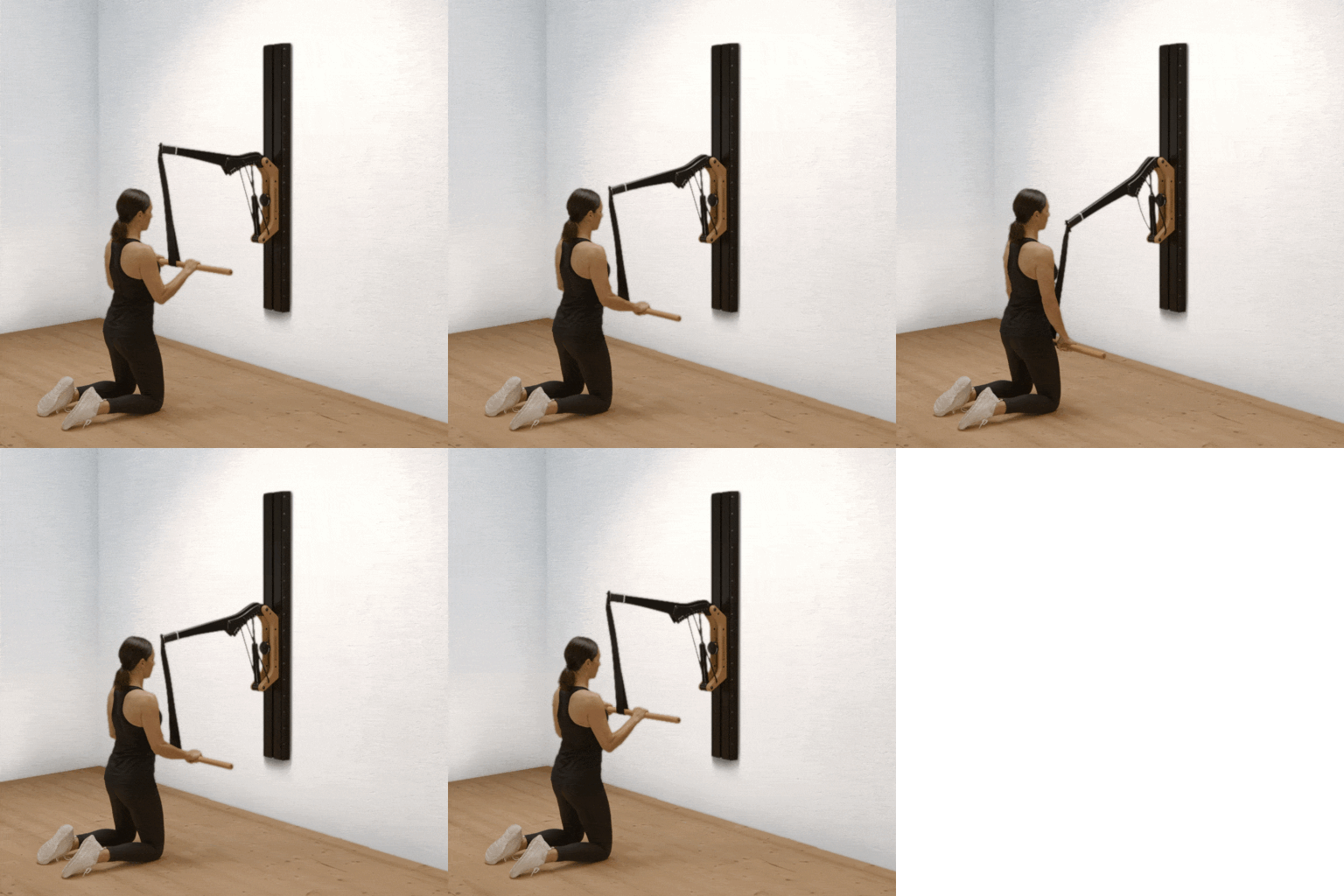
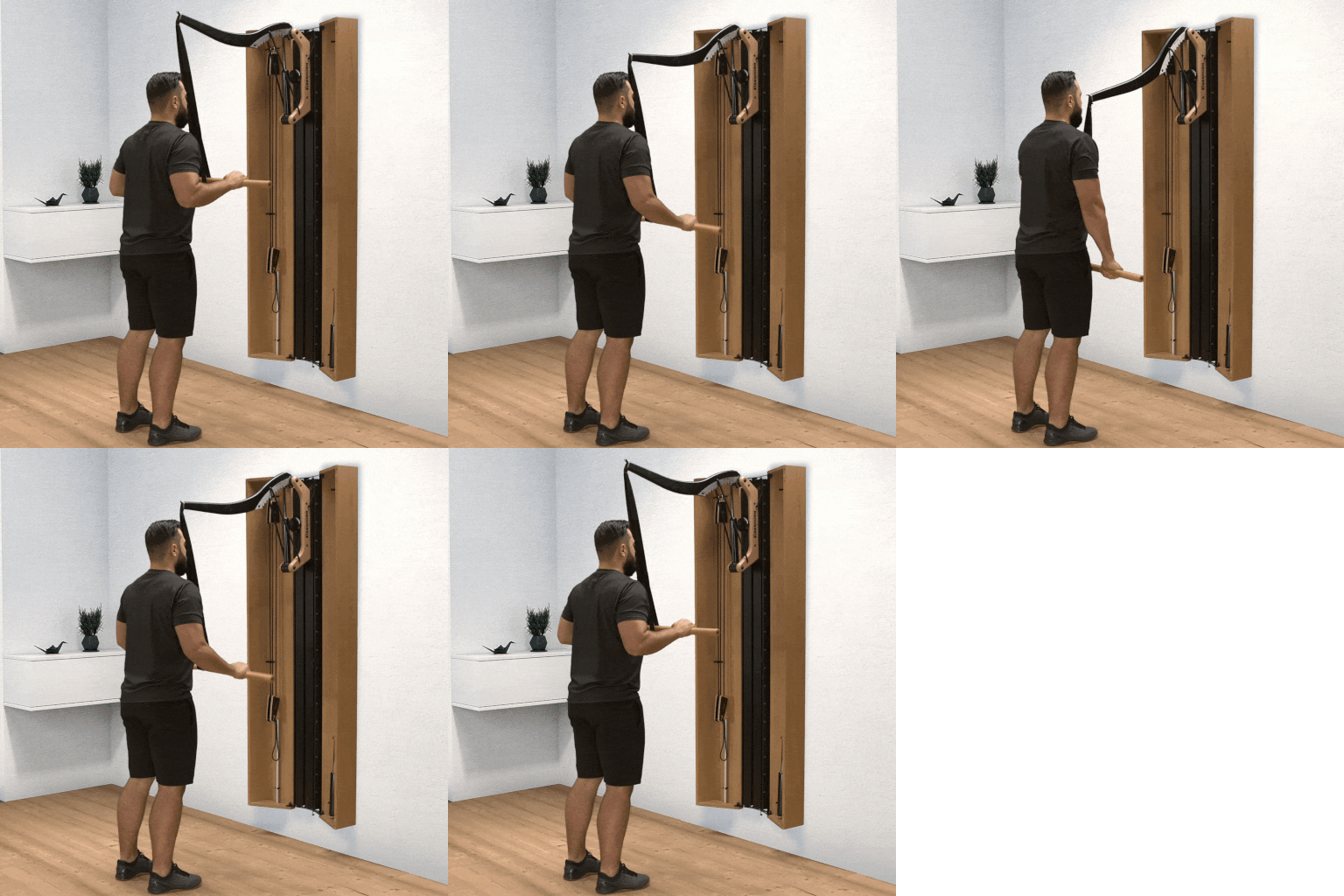
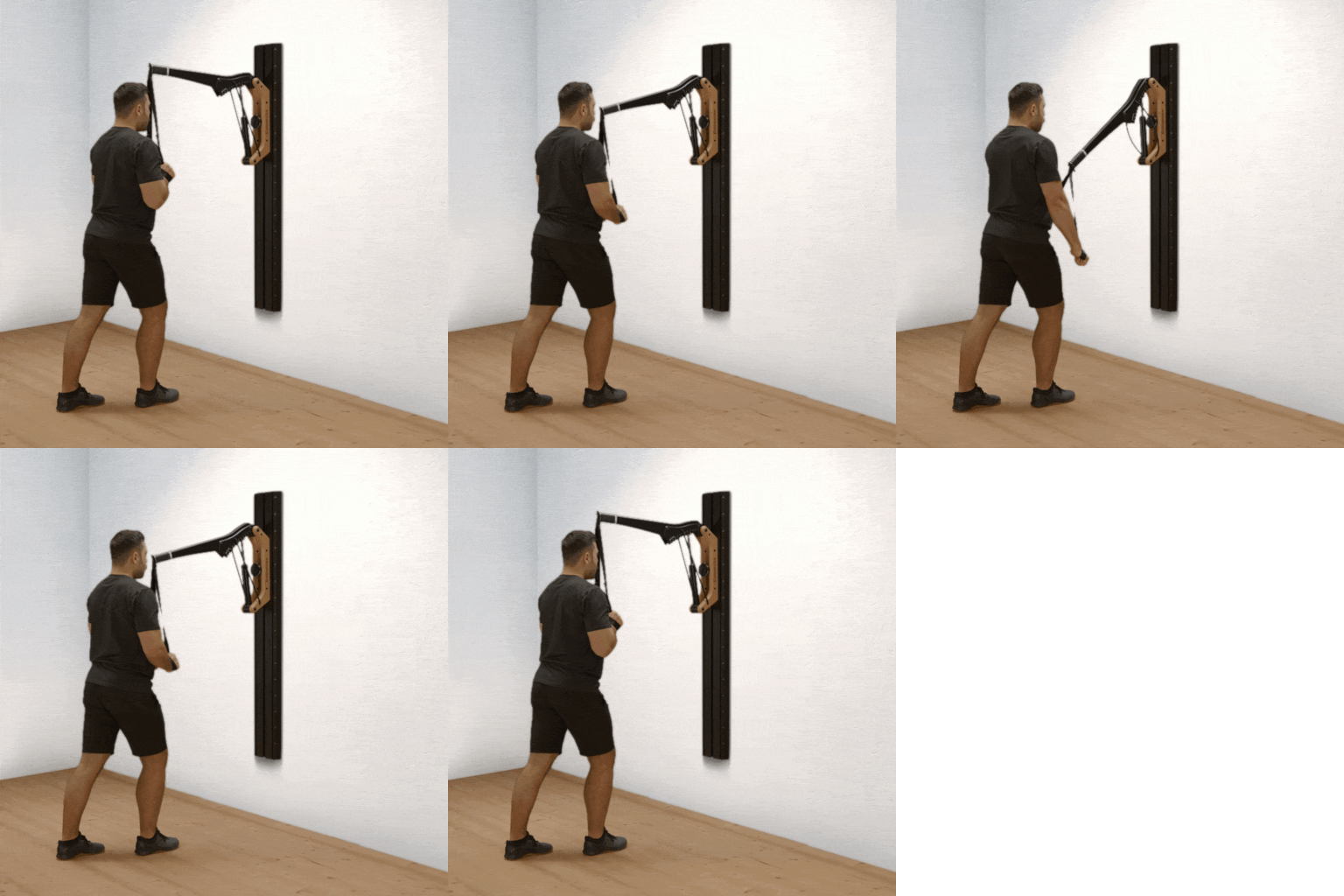
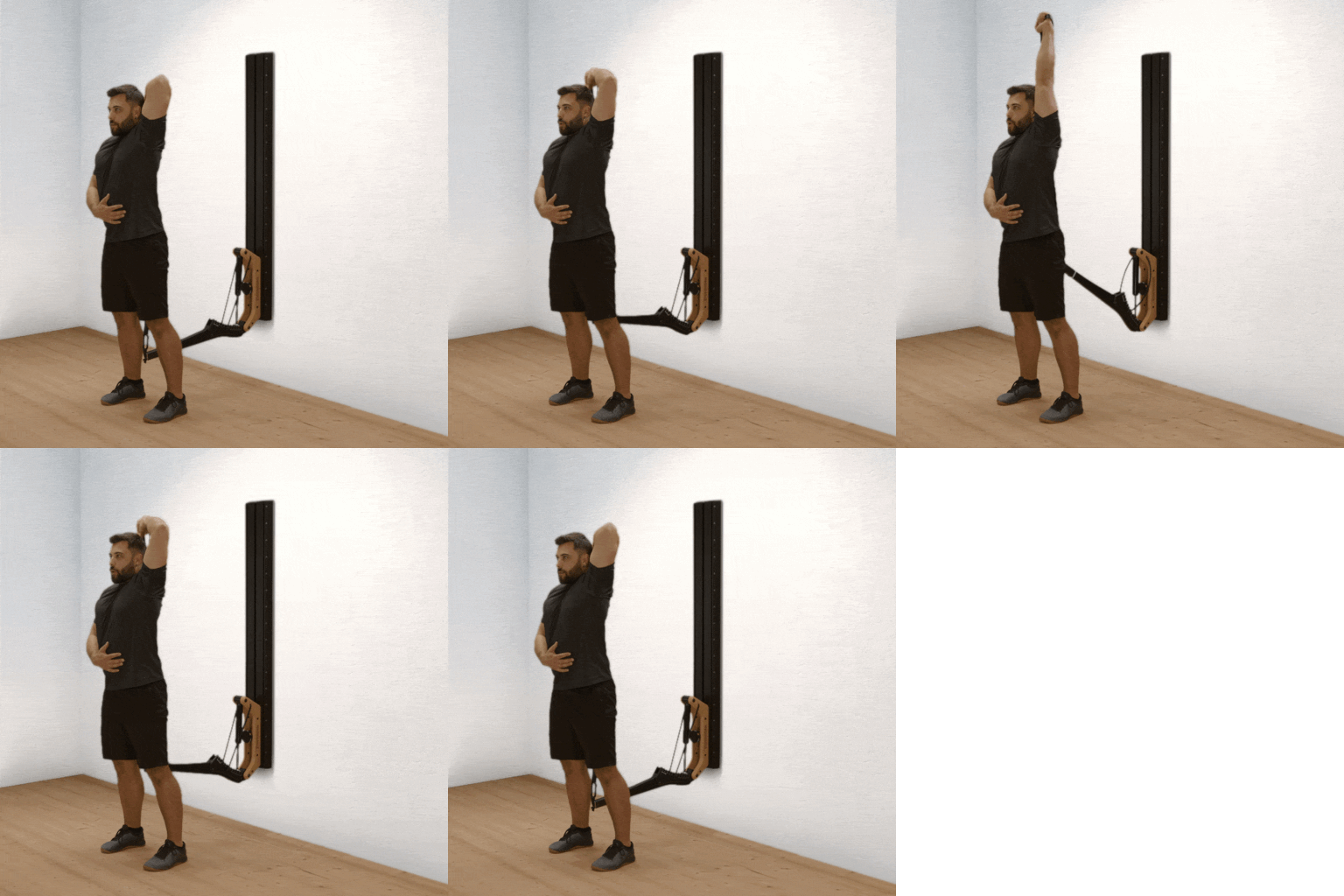
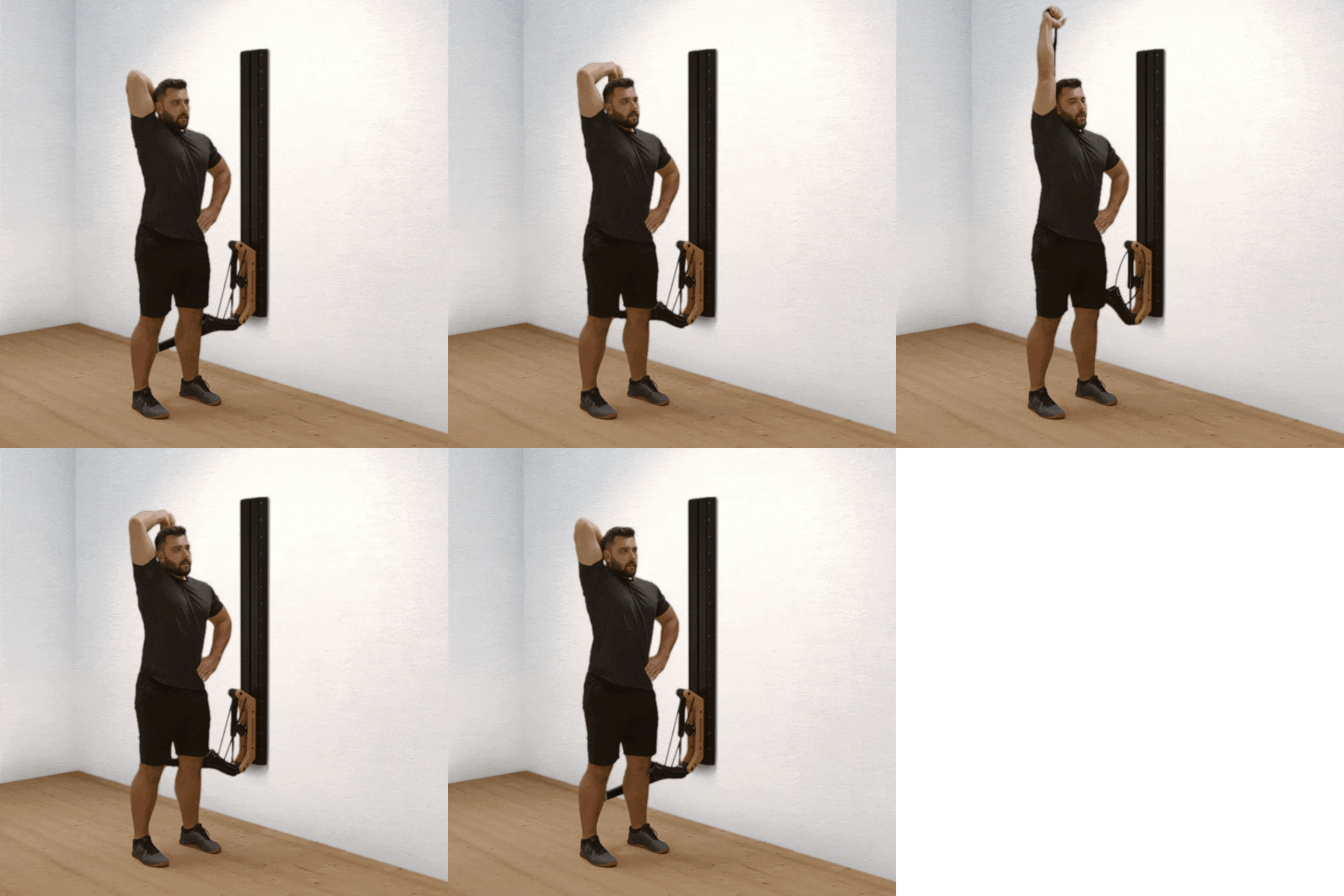
The underhand grip (palms facing upwards) changes the angle of the elbow and shoulder joints, particularly affecting the medial head of the triceps. Studies show that a supinated grip better activates the medial portion of the triceps.
The handlebar provides a stable connection, allowing precise control of the movement without relying on momentum or compensatory movements from the torso or hips.
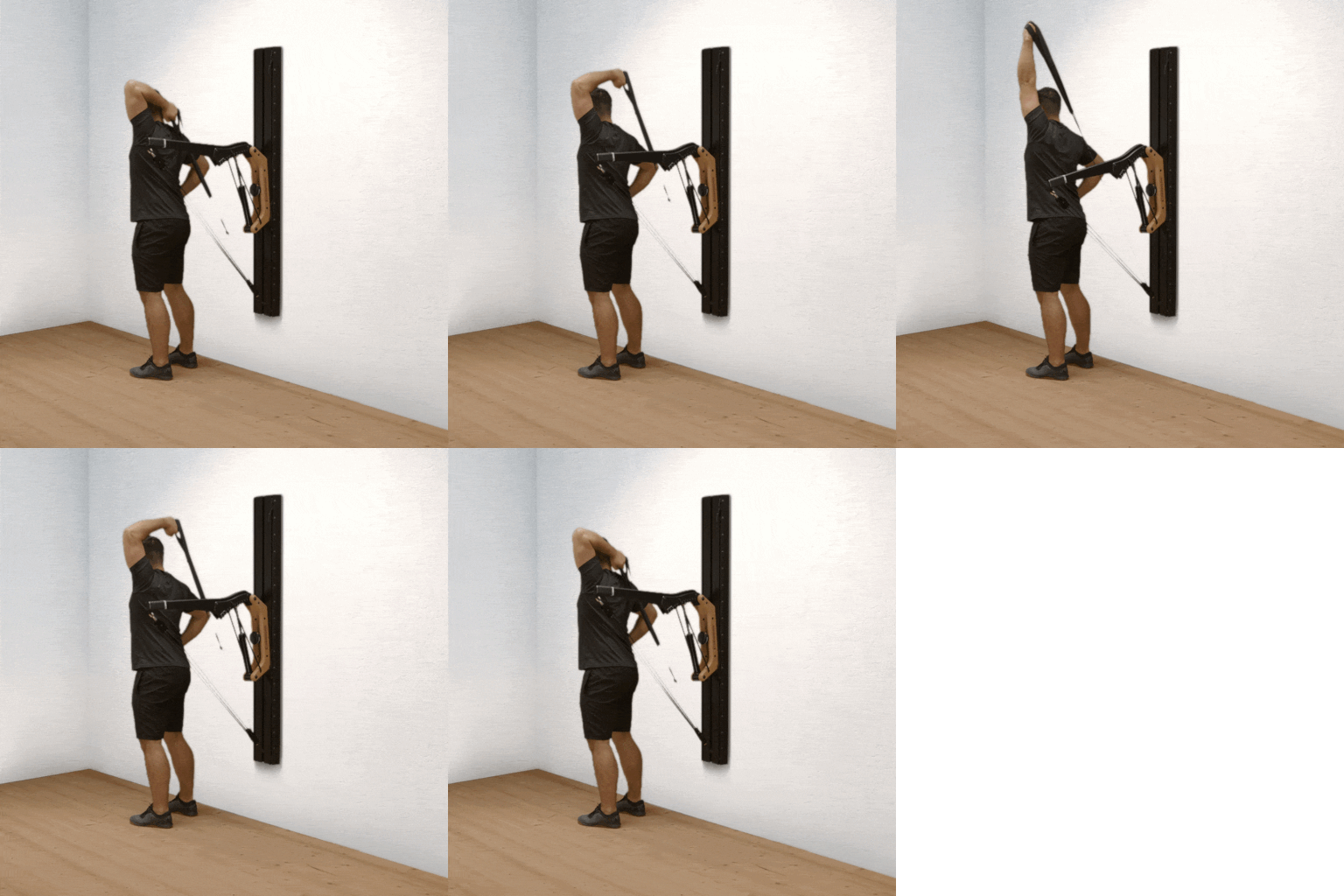
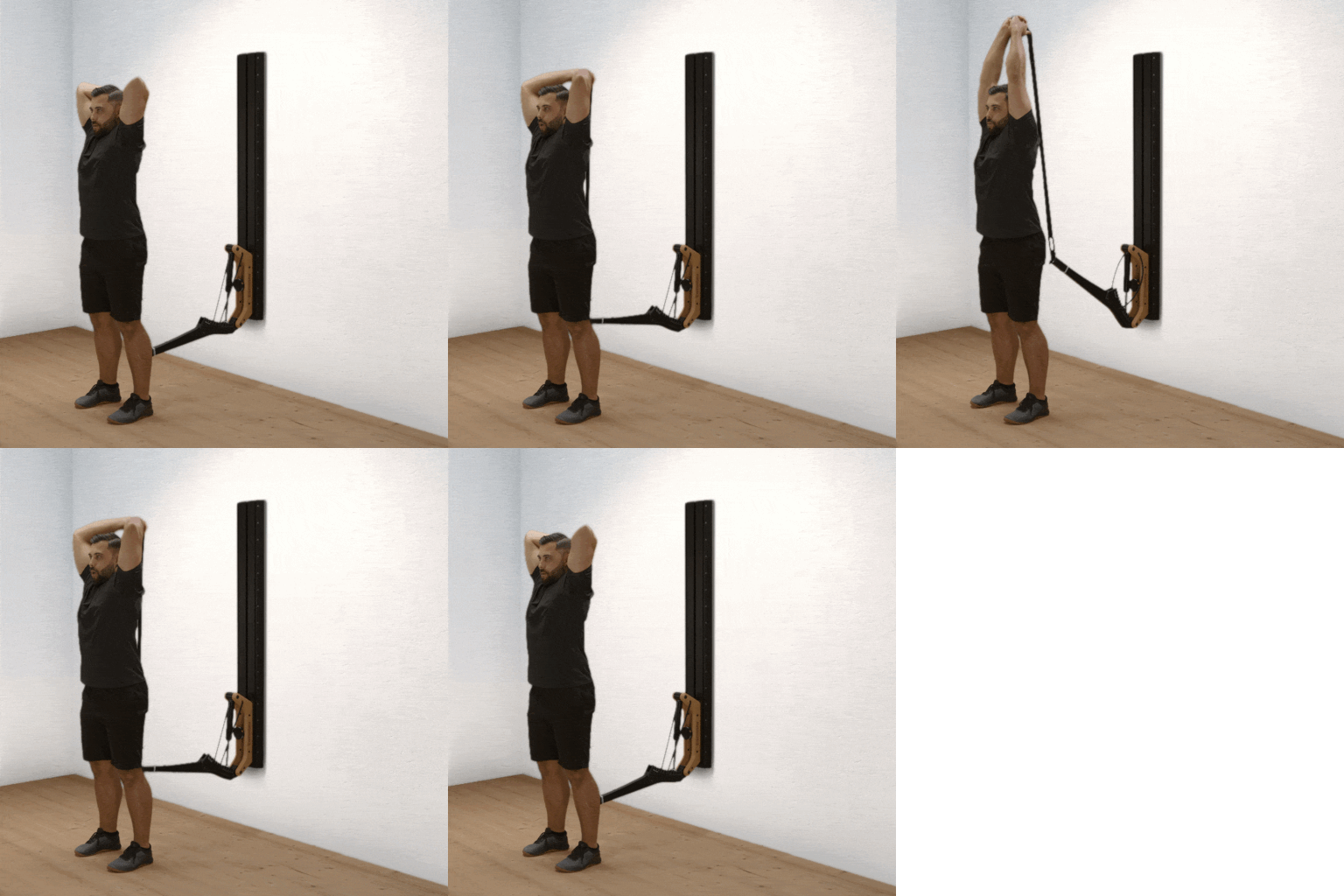
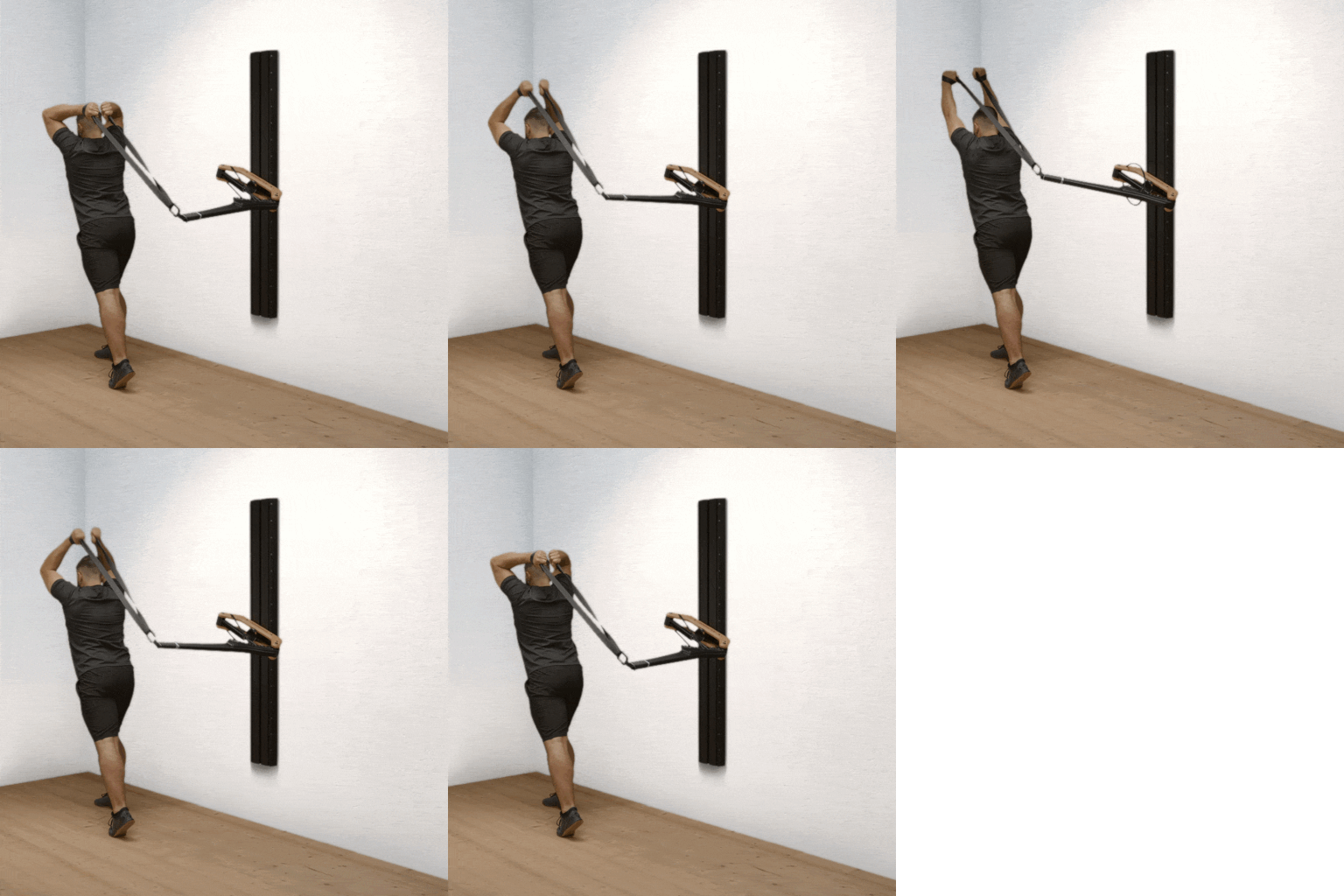
This triceps exercise provides constant stimulation throughout the entire range of motion – from the start of the flexion to the extension, with the muscle stimulation being particularly noticeable in the middle and lower areas.
What effect does the exercise achieve?
Targeted muscle building: All three heads of the triceps (long, lateral, and medial) are engaged, with the medial head receiving more emphasis than in many standard pressing variations.
Improved grip and wrist position: The underhand grip can be more comfortable for some athletes, providing a more natural wrist position, especially for those who have difficulty with an overhand grip.
Better control and body posture: Keeping the upper arms close to the body requires trunk stabilization. This enhances execution quality and reduces the risk of injury.
Compensation of imbalances: If one arm or side is weaker (e.g., less developed medial head), this variation helps balance strength differences.
How does this exercise fit into the Big 5 concept?
The Big 5 include the fundamental exercises: squat, deadlift, bench press, pull-up or lat pulldown, and shoulder press. Although the underhand grip triceps exercise is not part of the classic Big 5, it provides a valuable addition:
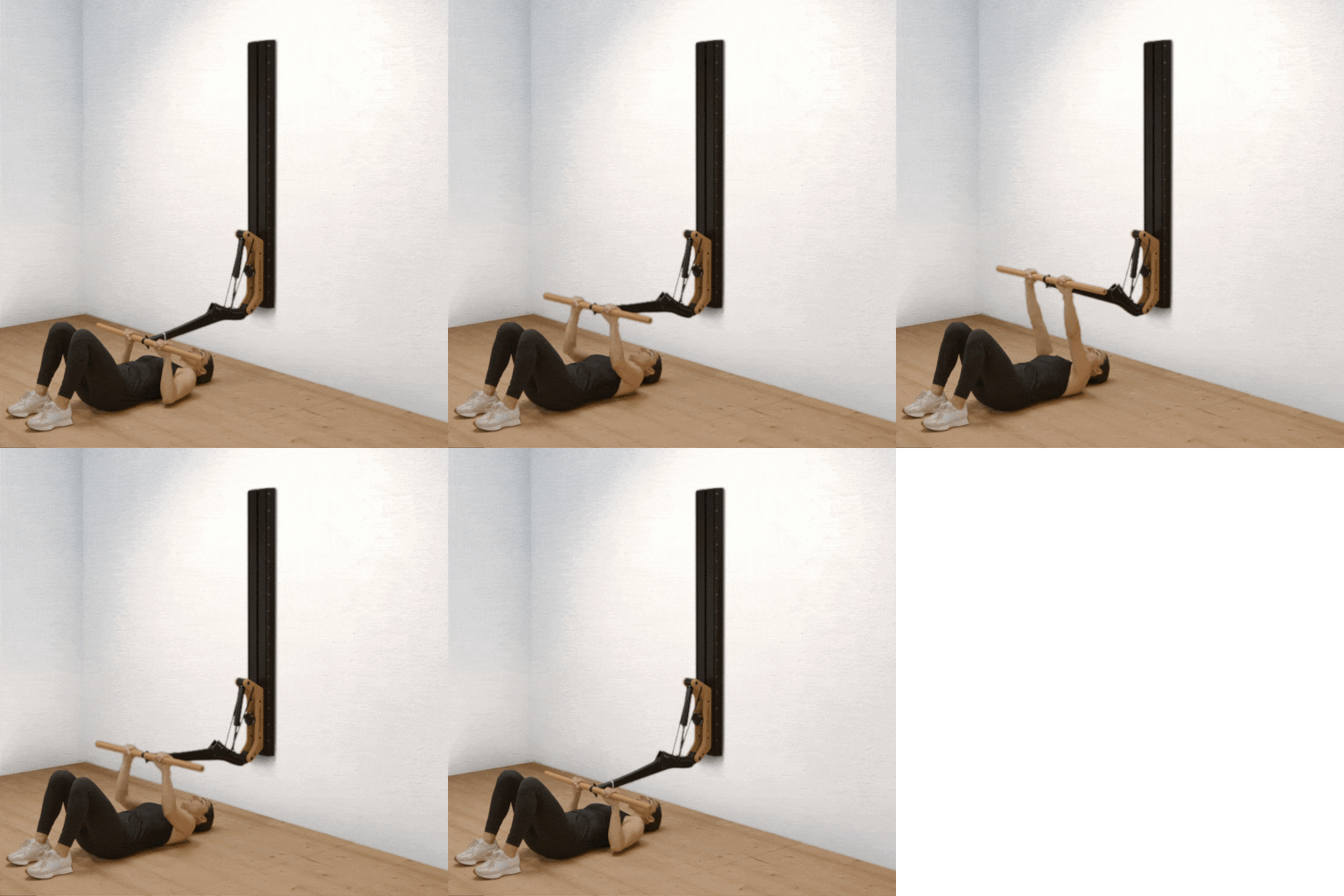
It supports pressing movements such as bench press and shoulder press by improving the lockout phase, which is primarily powered by the triceps.
Strong triceps contribute to more stable elbows and enhanced overall performance in the Big 5 exercises.
The underhand grip variation introduces a new challenge and can help overcome plateaus, making it an excellent addition to periodized training plans.
:format(webp))
)
)
)
)
)
:format(webp) "EISENHORN S Black Edition")
 "EISENHORN S Black Edition")