What makes this exercise particularly effective?
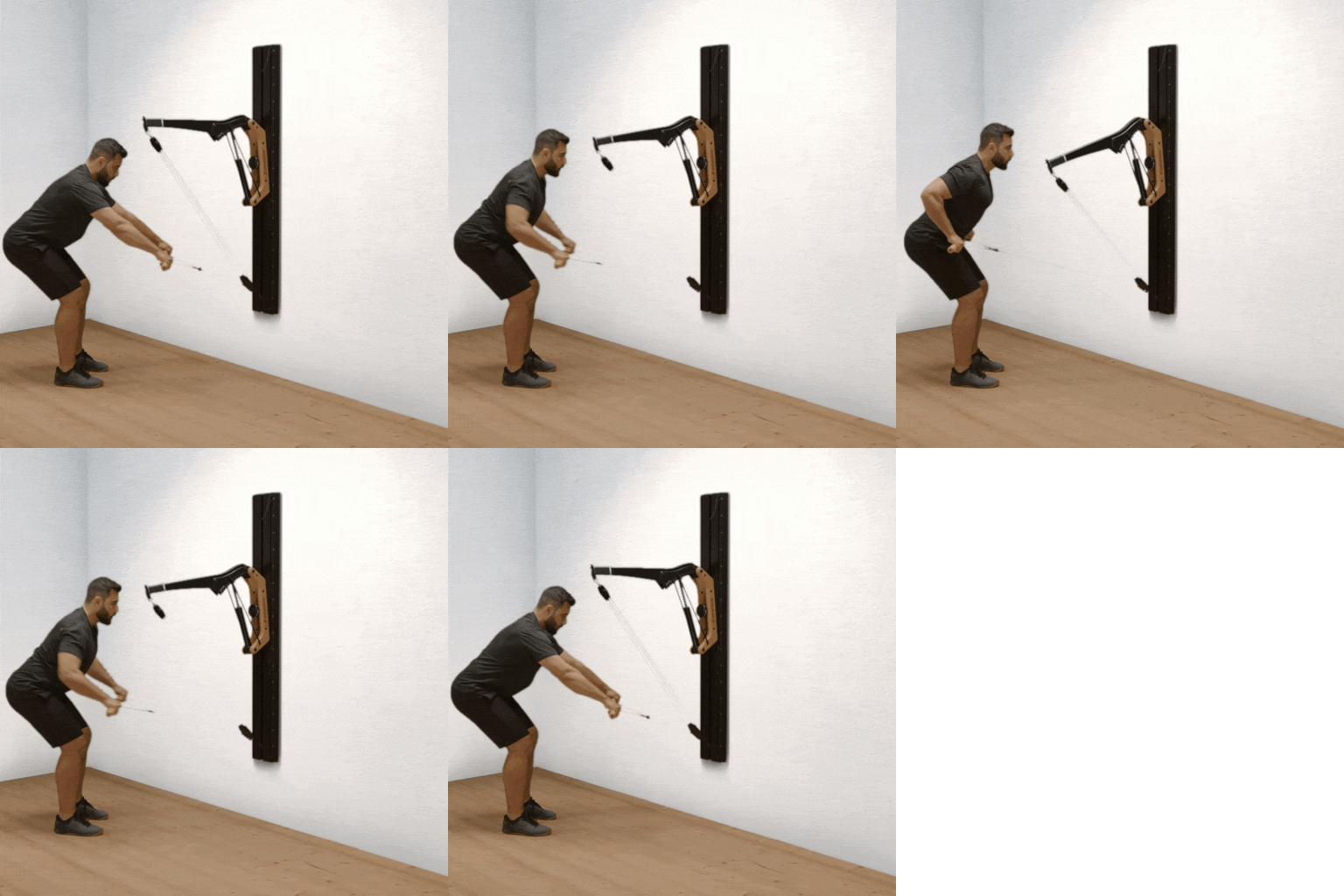
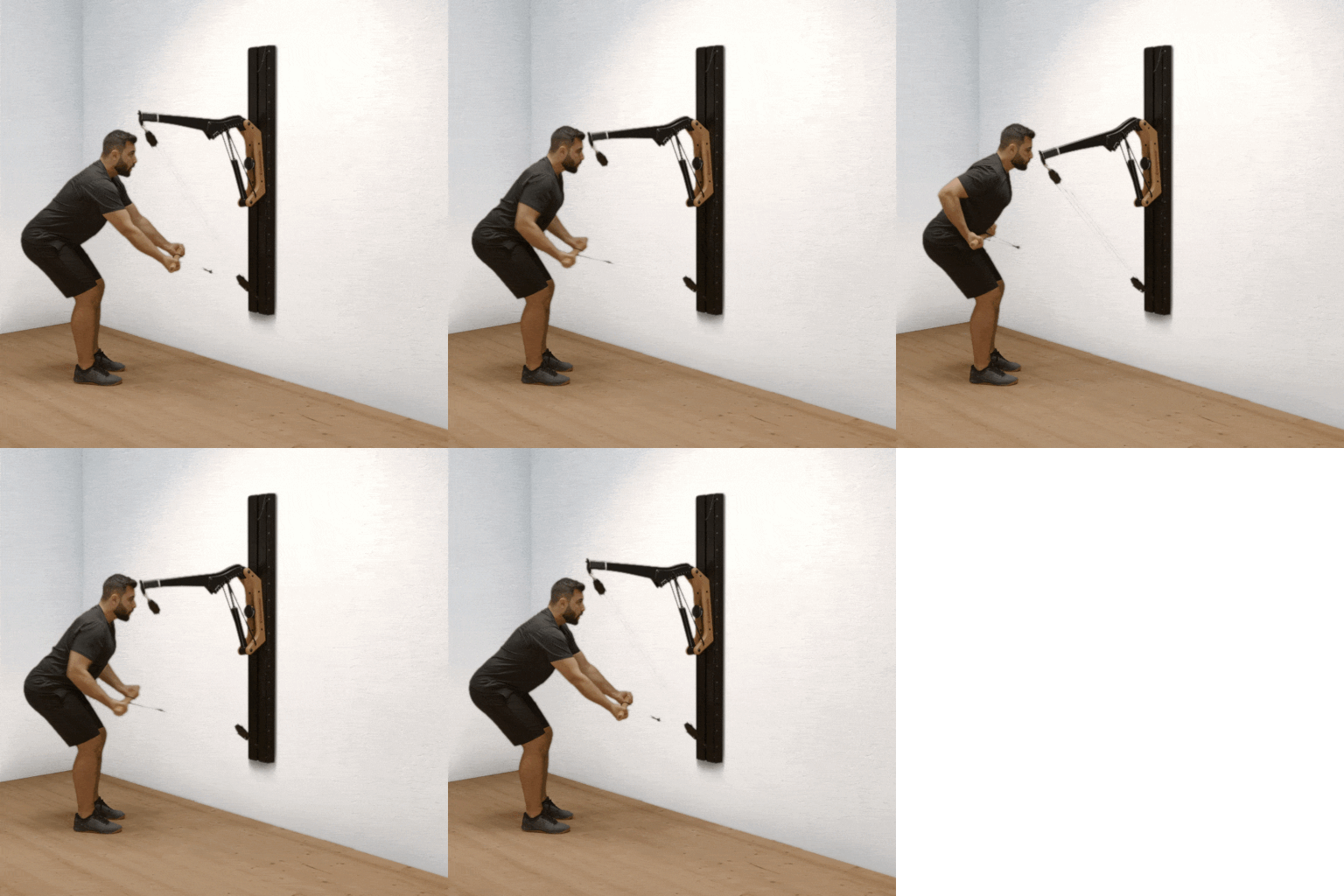
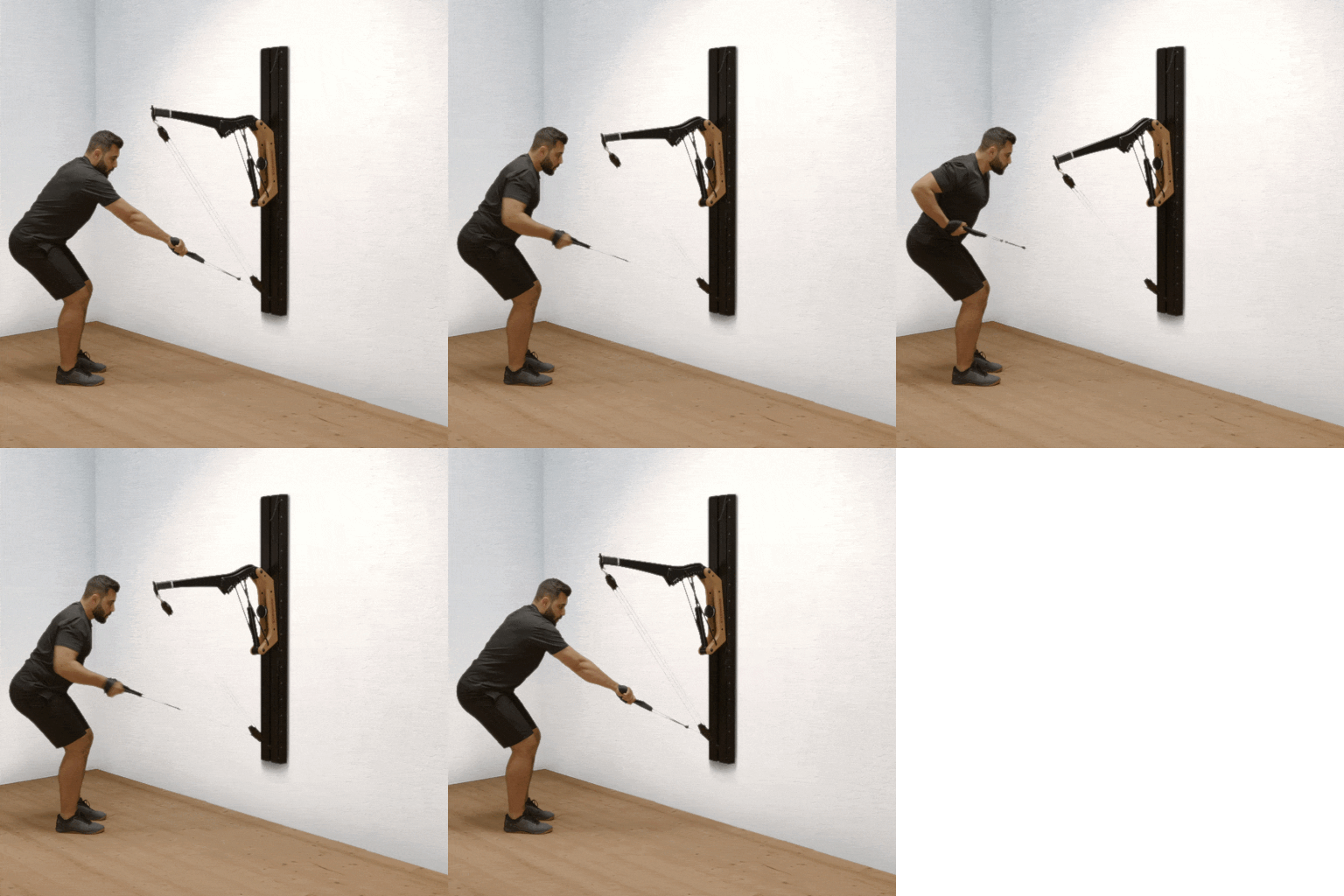
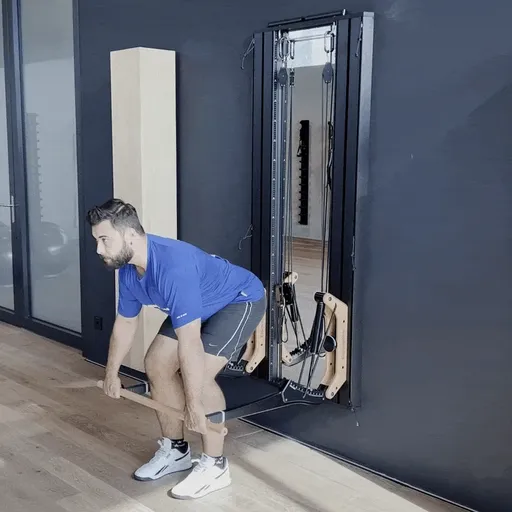
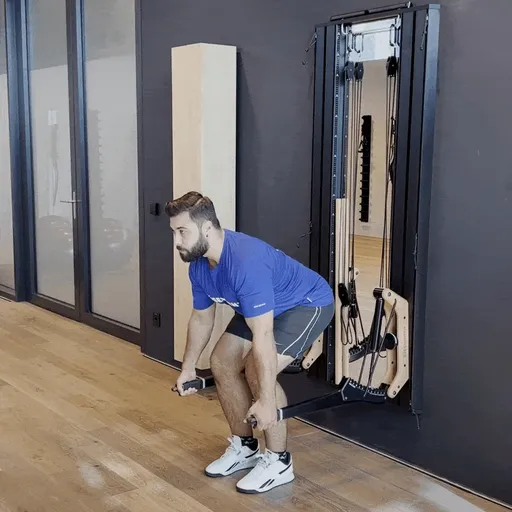
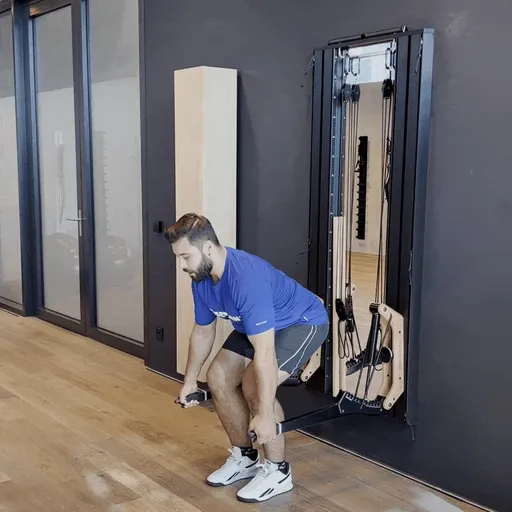
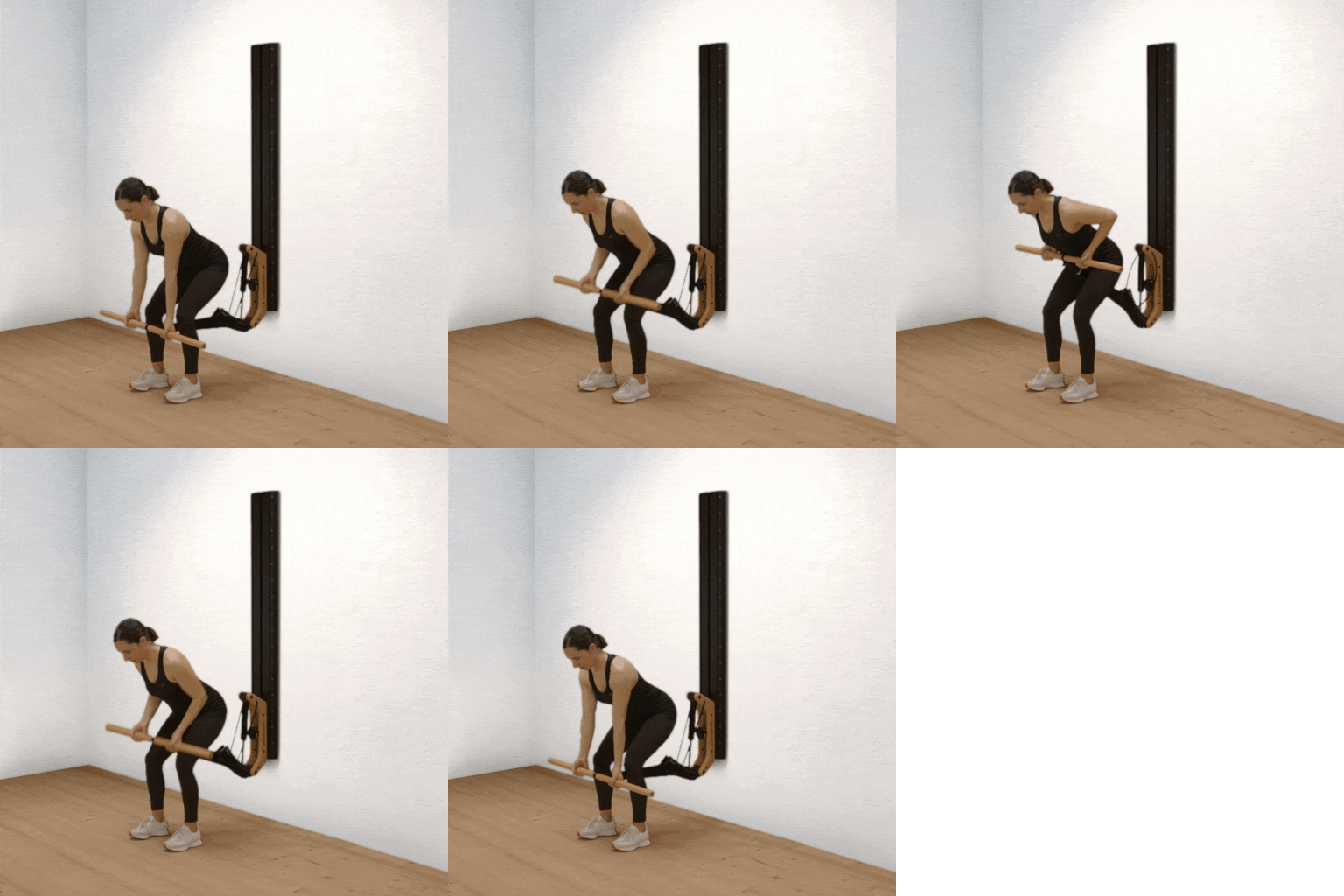
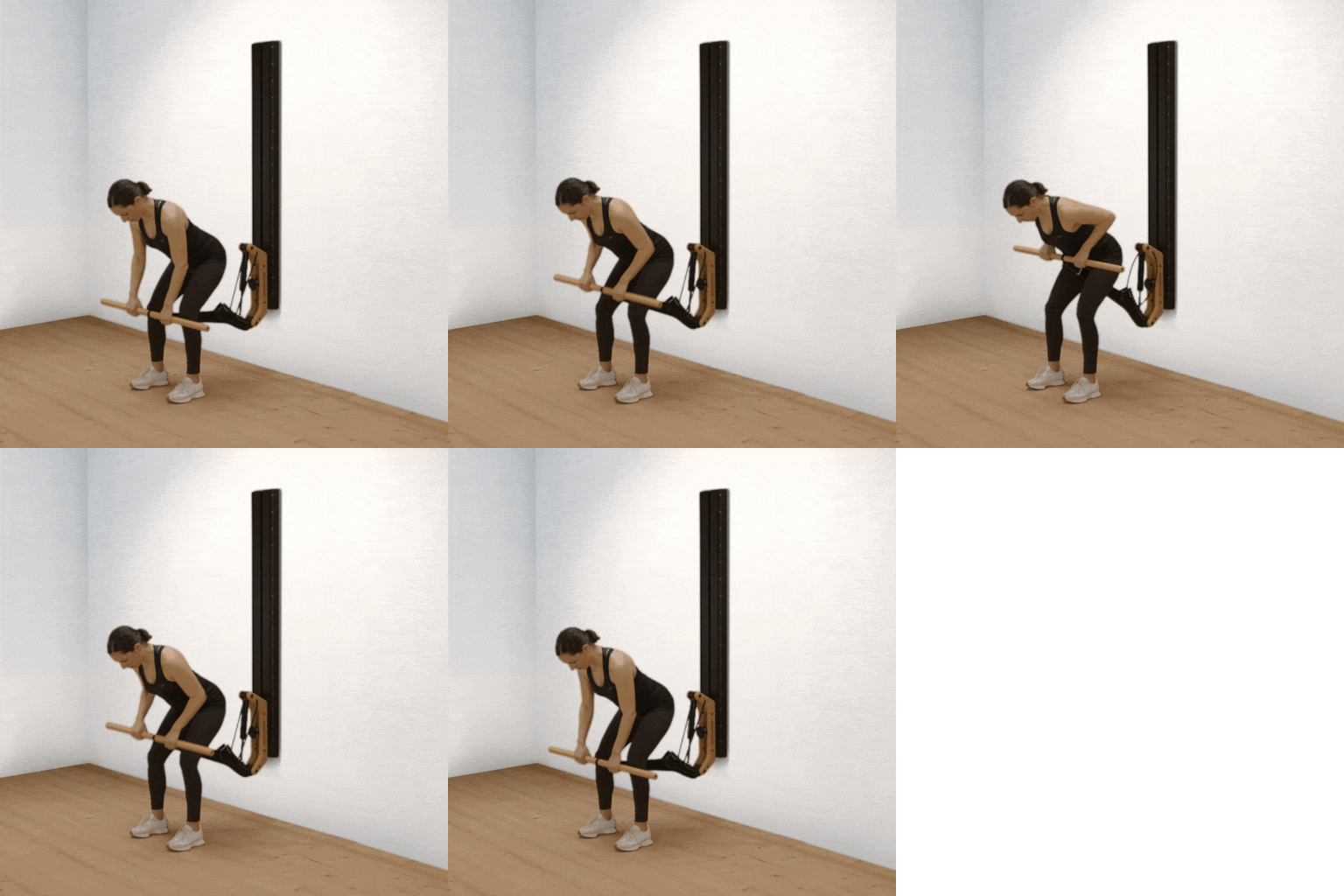
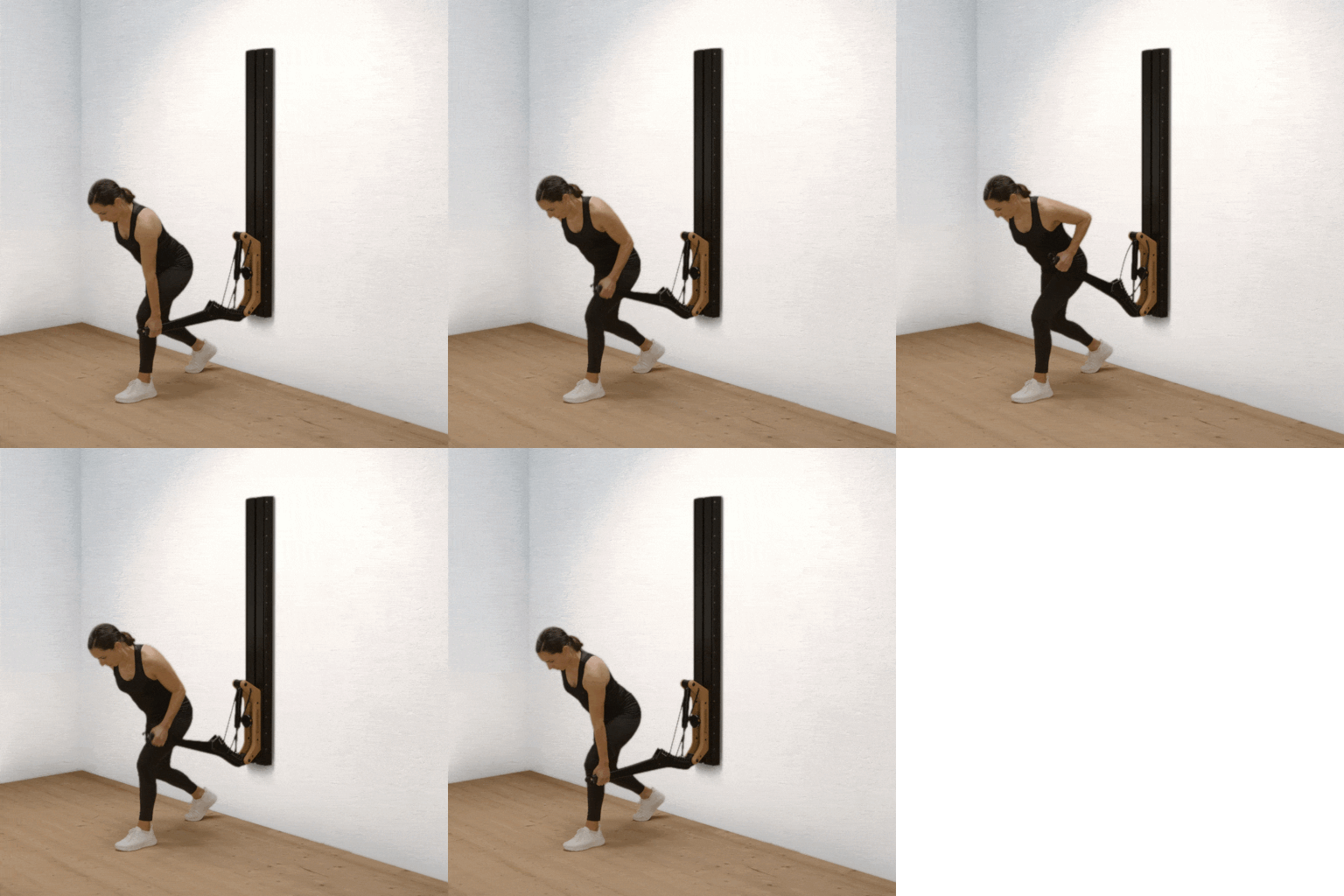
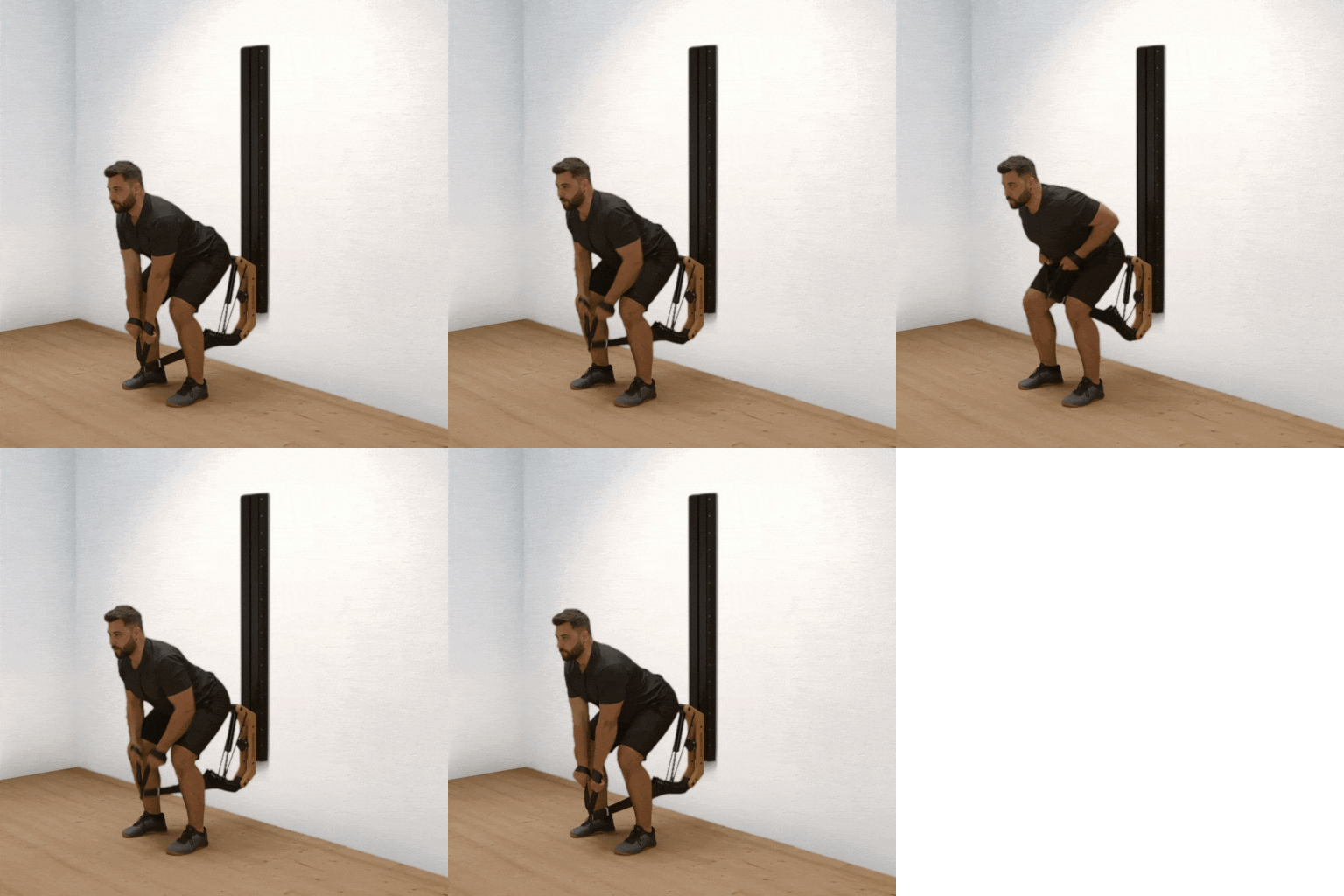
The Bent-over alternating rows with cable pulley on the EISENHORN DS are performed alternately with each hand, creating an asymmetrical load that particularly challenges the core and stabilizing muscles. At the same time, the cable ensures constant tension throughout the entire range of motion, without any dead spots. The upper body remains slightly inclined forward, activating the target muscles—especially the latissimus dorsi, rhomboids, and middle trapezius—allowing them to work in isolation while the opposite side actively stabilizes.
What effect does the exercise achieve?
Targeted back muscles: The latissimus dorsi, complemented by the rhomboids and middle trapezius, are intensively activated during each pulling movement.
Trunk and core stability: The alternating execution forces the trunk to maintain even tension and prevents evasive movements.
Muscle balance & asymmetry control: Differences between the right and left side become clear and can be better balanced.
Constant tension & technique: The cable ensures continuous resistance, minimizing momentum and allowing for clean execution.
Improving pulling strength: This exercise is an excellent complement to free-rowing or pull-up variations, strengthening both grip and overall body control.
How does this exercise fit into the Big 5 concept?
The Big 5 include the fundamental exercises: squat, deadlift, bench press, pull-up or lat pulldown, and shoulder press. Even though the Bent-over alternating row with cable pulley is not part of the classical Big 5, it can be a meaningful addition:
Supports pulling movements: It complements exercises such as pull-ups and rowing movements, strengthening overall pulling power.
Counterpart to pressing exercises: While many Big 5 exercises focus on pushing movements, this rowing variation provides targeted development of the back muscles, which is important for muscular balance.
Promotes stability: The demands on the trunk help develop stability and control, which are also important for performing the basic exercises safely.
Versatile variation: In training plans, this exercise can be used as a targeted stimulus between the Big 5, for example, to further strengthen the back muscles.
:format(webp))
)
)
)
)
)
:format(webp) "EISENHORN S Black Edition")
 "EISENHORN S Black Edition")