What makes this exercise particularly effective?
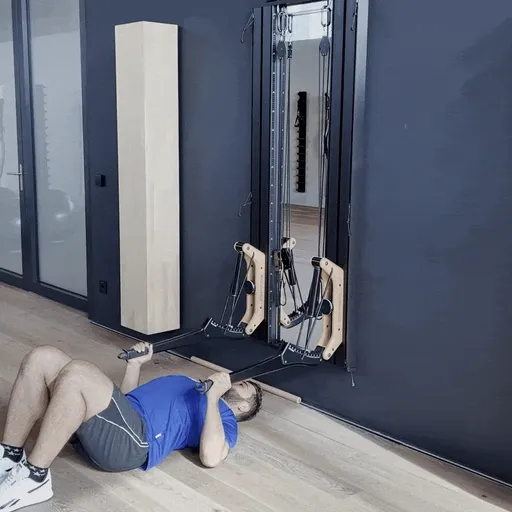
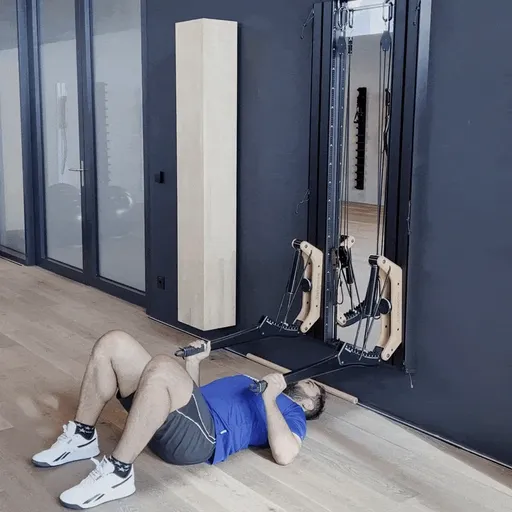
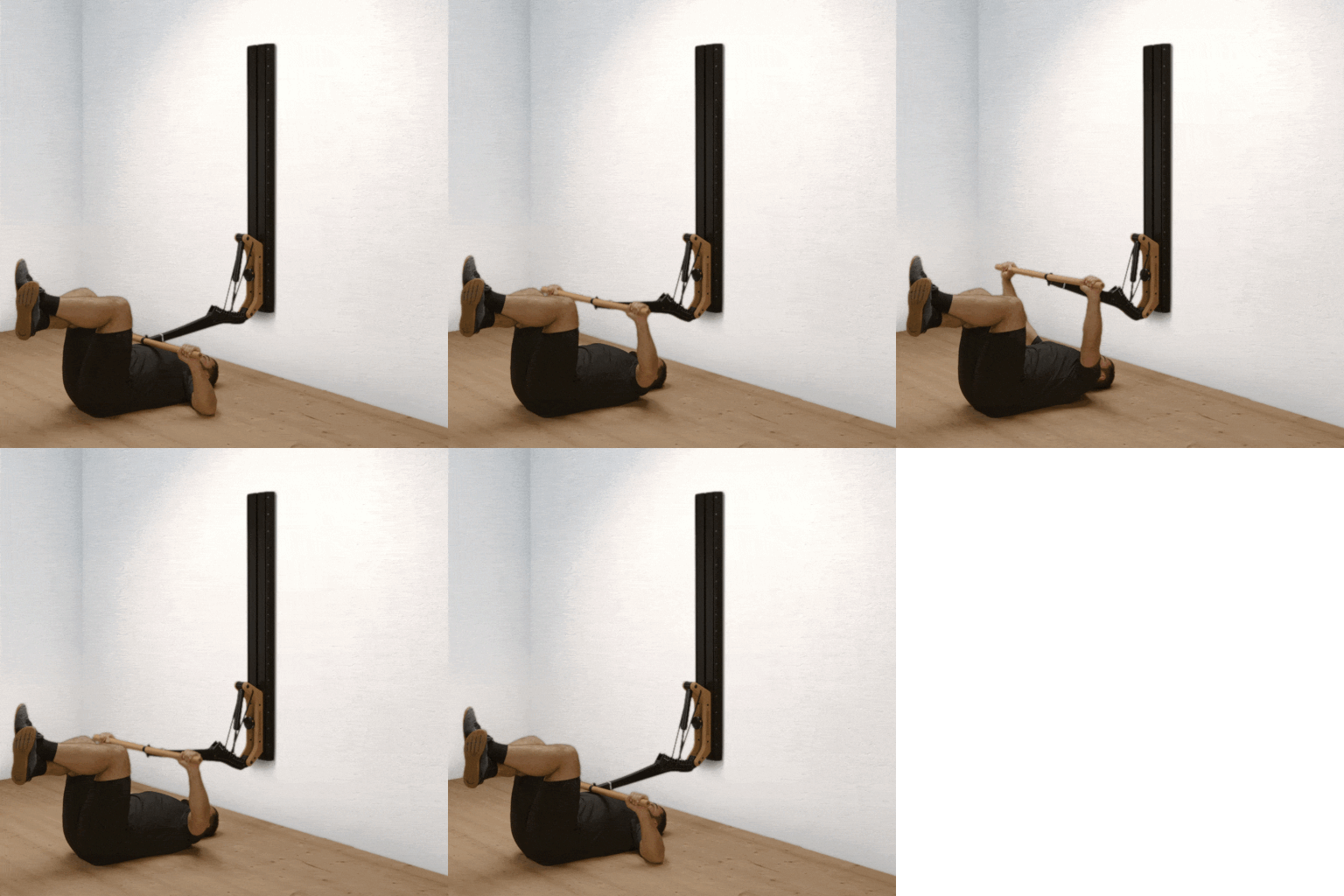
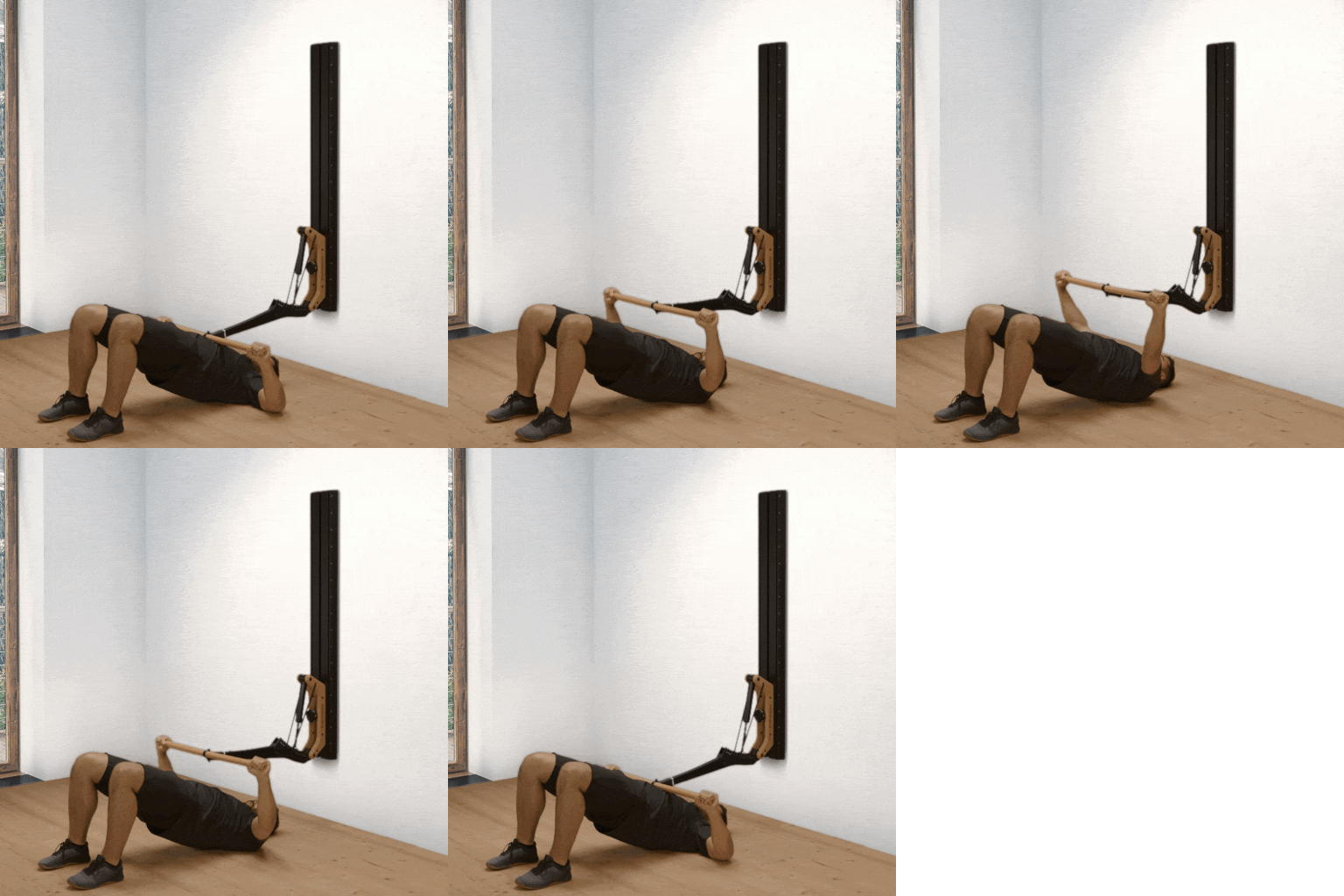
The bench press with a barbell is one of the fundamental pressing exercises for the upper body. Lying on a stable surface allows the chest muscles, shoulders, and arms to work together powerfully. The fixed, linear movement path of the bar on the EISENHORN DS enables clean and consistent force transmission without lateral deviation.
Different grip widths allow for variation in training stimulus: a wider grip targets the chest more strongly, while a narrower grip increases the intensity on the triceps. By stabilizing the shoulders, trunk, and legs, an integrated strength chain is created, enabling maximum performance.
What effect does the exercise achieve?
Targeted chest strengthening:
The pectoralis major bears the main load, supported by the anterior deltoid and the triceps.Arm and shoulder muscles:
The triceps and front shoulder muscles are actively involved, especially in the final phase of the push.Core and body tension:
A stable core and a braced upper body ensure a secure pressing path and protect the spine.Variable stimulus through grip width:
Different grip widths allow for a targeted shift of focus between chest and triceps.Strength increase & progression:
As a fundamental strength exercise, it offers a high stimulus potential and can be progressively developed through increases in load, volume, or grip variations.
How does this exercise fit into the Big 5 concept?
The Big 5 include the fundamental exercises: squat, deadlift, bench press, pull-up or lat pulldown, and shoulder press. The bench press with a barbell is a central component of the classical Big 5.
Core exercise for pressing strength:
The bench press trains the anterior chain of the body and complements shoulder presses and dips optimally.Synergy with other Big 5 exercises:
The strength developed in the bench press transfers to other pressing movements and stabilizes the chest–shoulder chain during more complex exercises.Balance between pushing and pulling:
In combination with pulling exercises such as rowing, pull-ups, or chin-ups, a balanced muscular development is achieved.Scalability & variants:
Many variations (close grip, incline bench press, partial reps) allow for adaptation to your performance level and training goals.
:format(webp))
)
)
)
)
)
:format(webp) "EISENHORN S Black Edition")
 "EISENHORN S Black Edition")