What makes this exercise particularly effective?
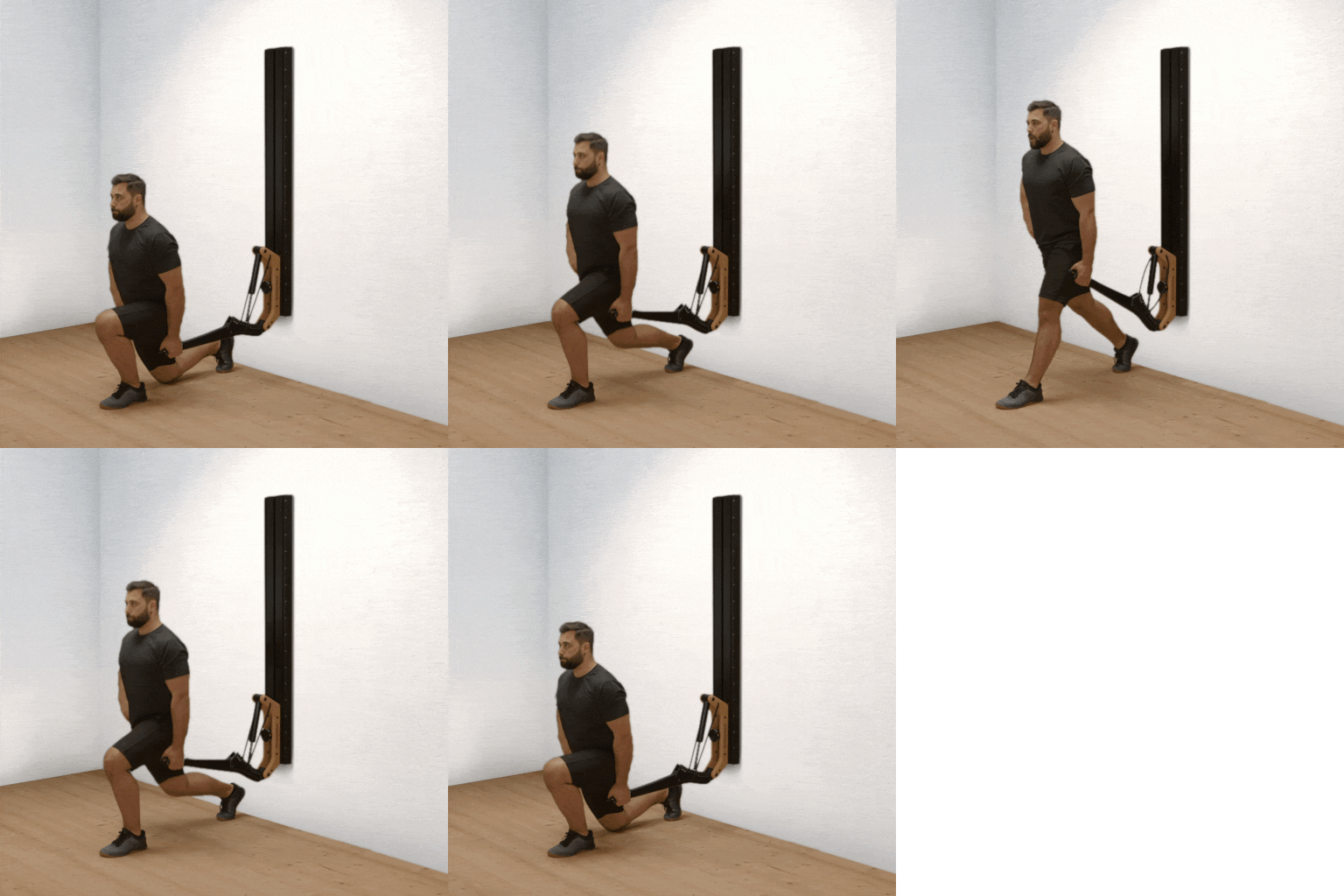
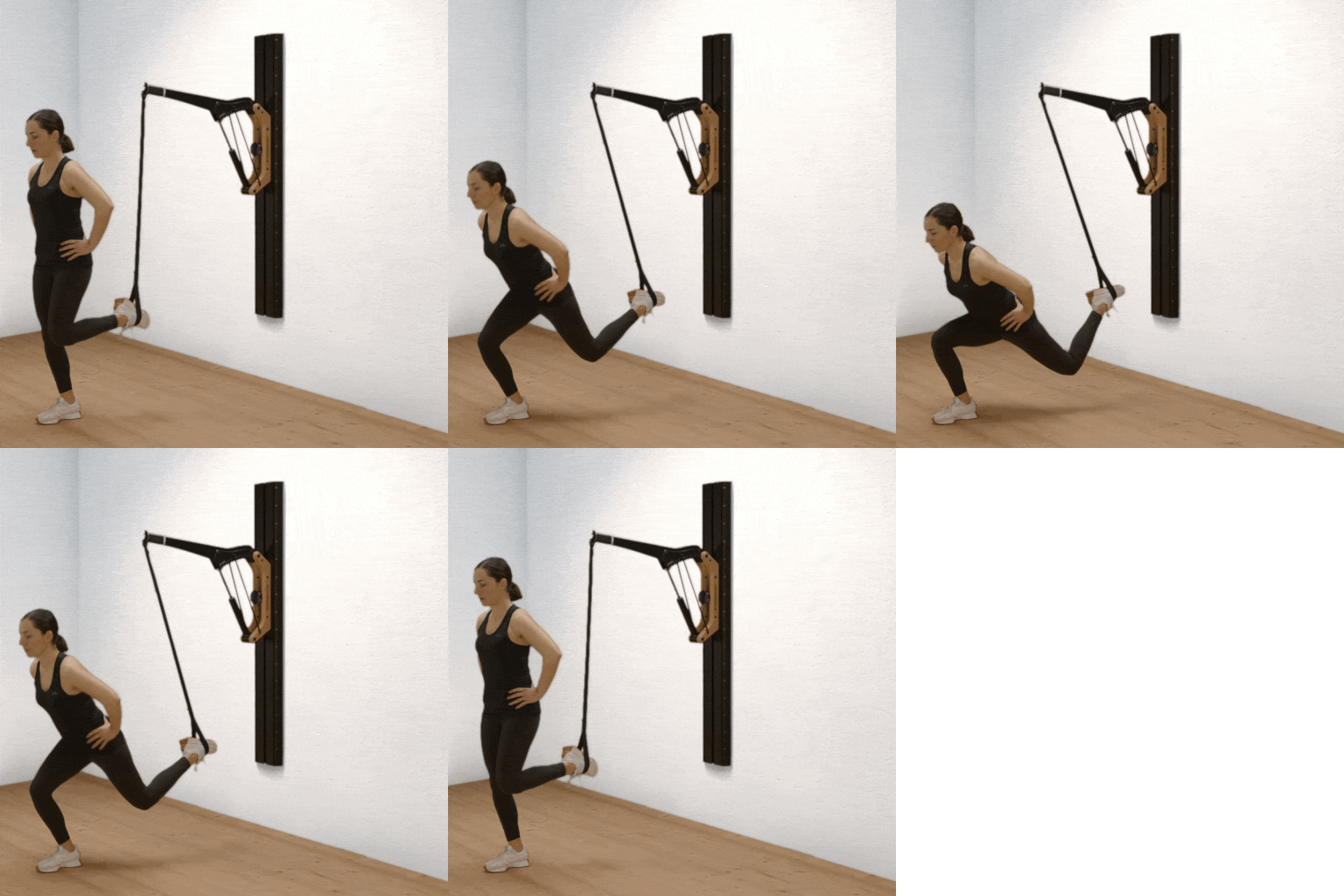
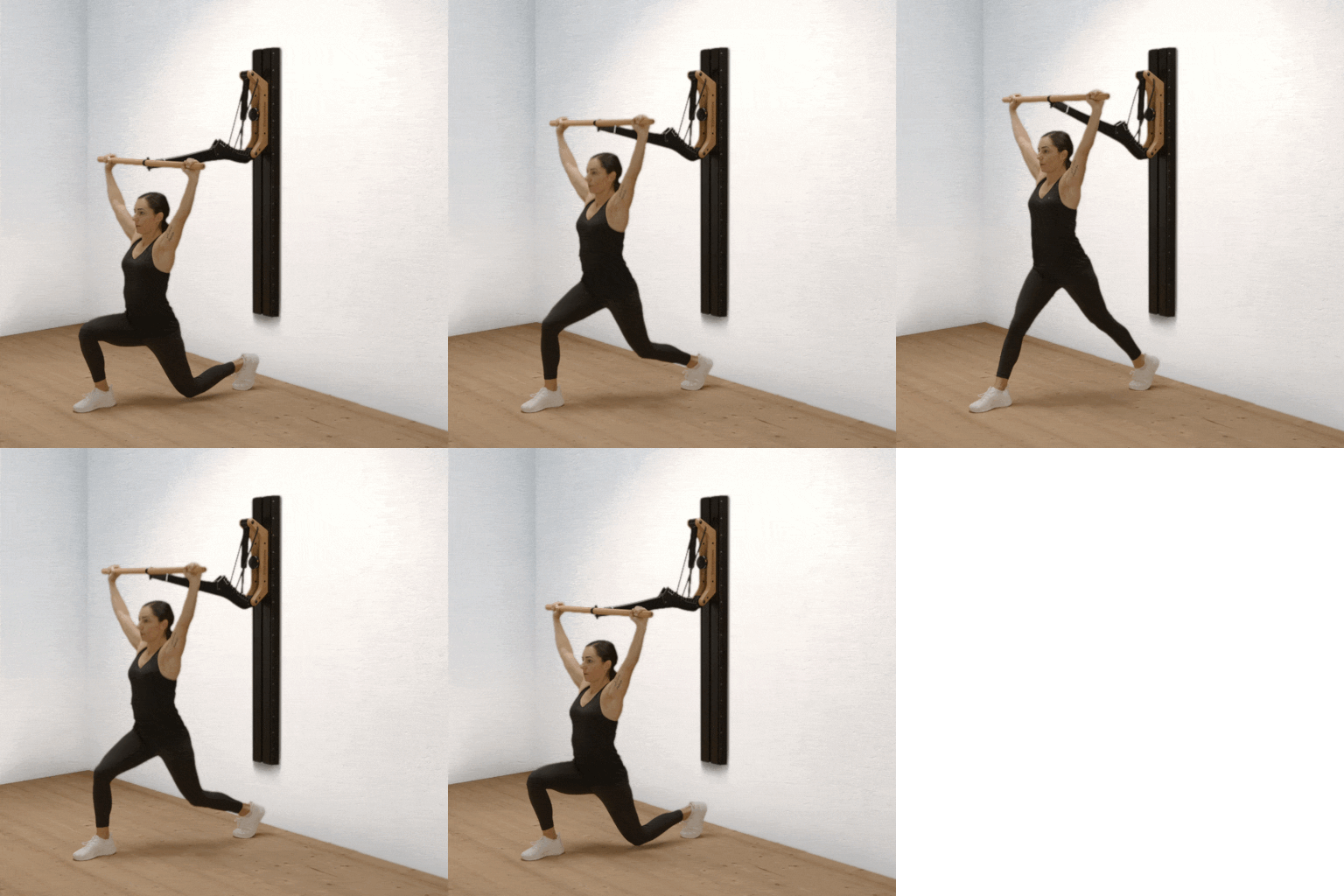
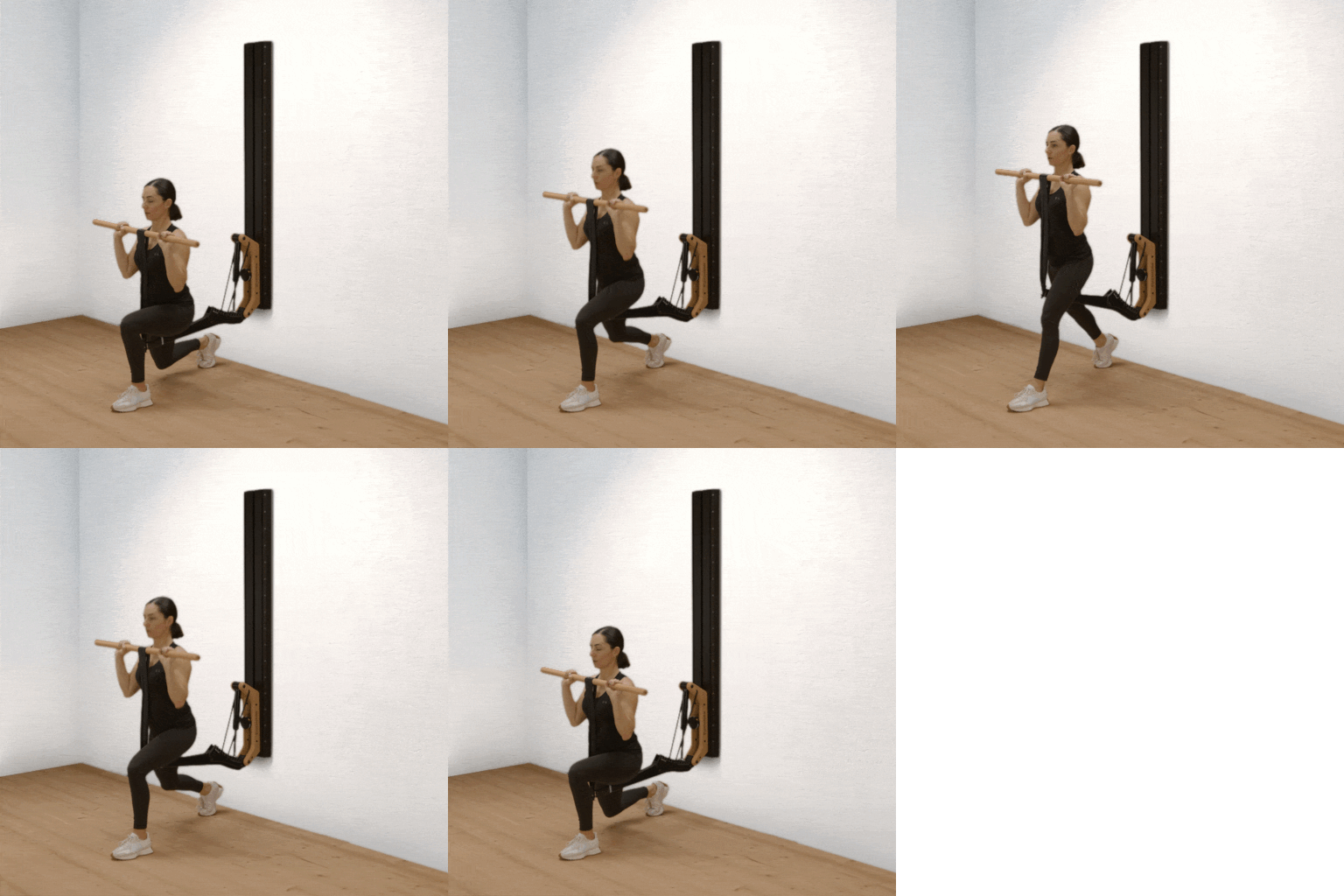
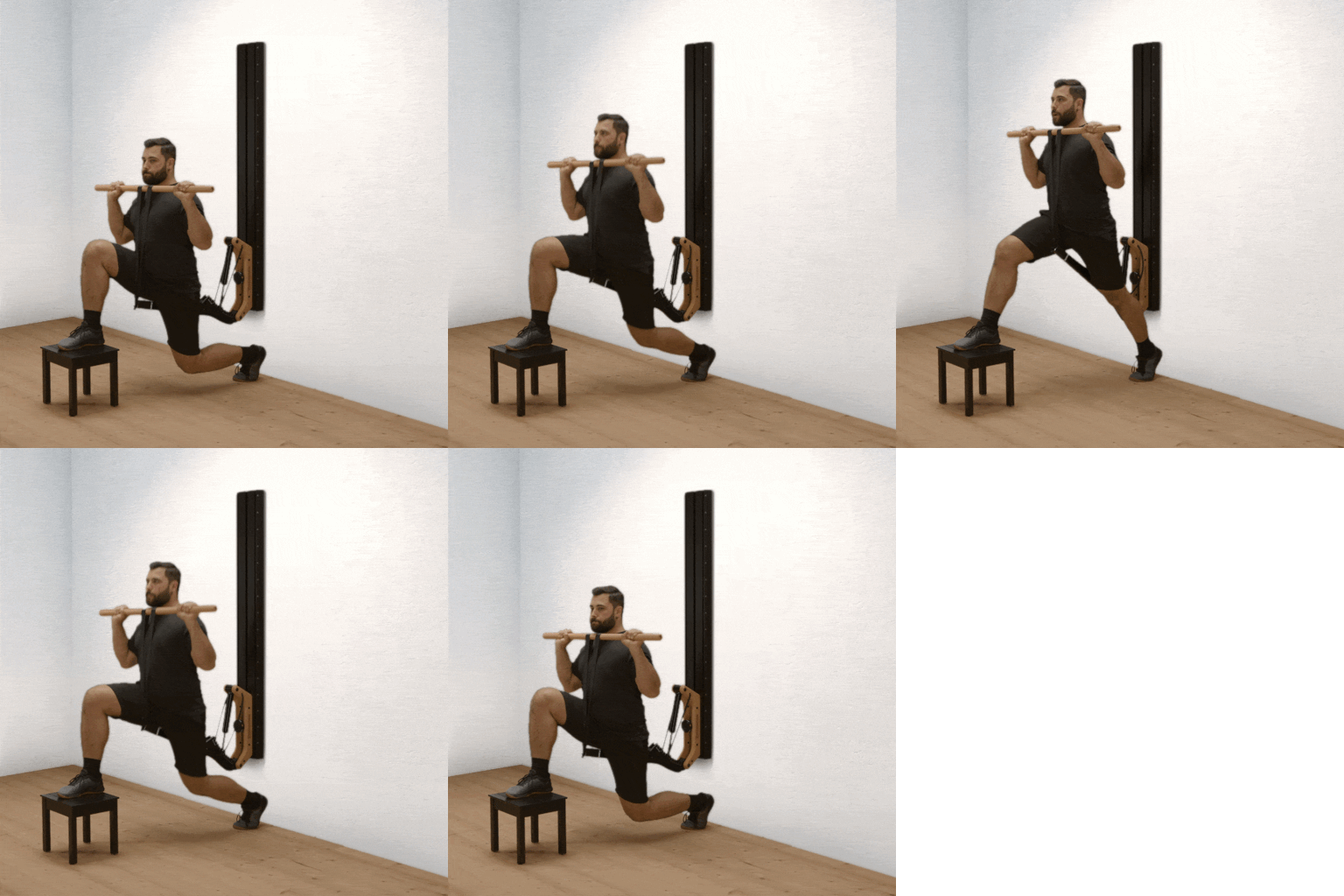
The variation of lunges with a handlebar provides additional stability and load on the upper body. While the front leg performs most of the work (quadriceps and gluteal muscles), holding the handlebar increases core tension, keeps the upper body upright, and stabilizes the shoulders. This ensures that not only the legs but also the core and posture are actively engaged. The movement is unilateral (one leg at a time), promoting balance, coordination, and helping to identify and correct muscular imbalances between both sides.
What effect does the exercise achieve?
Targeted leg and glute strengthening: The quadriceps and gluteal muscles are heavily engaged during the forward step, while the hamstrings work in a supportive role.
Core stability: Holding the handlebar requires maintaining tension in the core to prevent swaying. This relieves the spine and improves posture.
Balance and coordination: The one-legged movement forces you to maintain stability on each leg independently, which is valuable for preventing muscular imbalances.
Flexibility and functional fitness: Lunges stretch the hip flexors of the rear leg and improve hip and ankle mobility. They also translate well to everyday movements, such as climbing stairs or stepping forward and backward.
How does this exercise fit into the Big 5 concept?
The Big 5 include the fundamental exercises: squat, deadlift, bench press, pull-up or lat pulldown, and shoulder press. Although lunges are not considered classic Big 5 exercises, they can be a valuable addition when performed correctly:
Unilateral leg strength: Supports squats and deadlifts and helps correct postural imbalances and asymmetries.
Upper body and posture engagement: The handlebar encourages an upright posture and strengthens the upper body, which is important for safely performing Big 5 movements that require a stable core.
Progressive training options: Variations in step length, weight, or tempo allow for progression and align with principles such as supercompensation and progressive overload, commonly used in effective training programs like MIKE5.
:format(webp))
)
)
)
)
)
:format(webp) "EISENHORN S Black Edition")
 "EISENHORN S Black Edition")