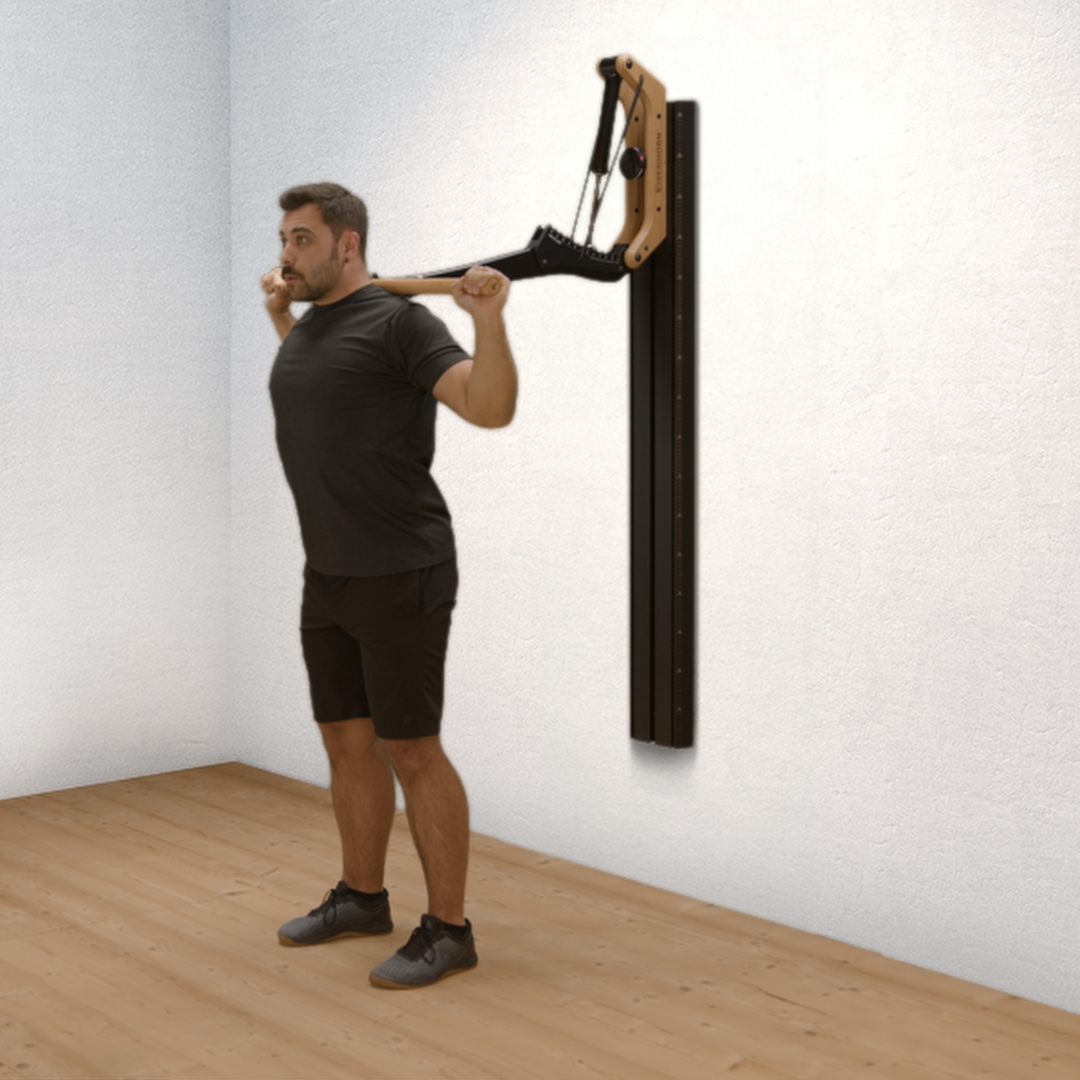
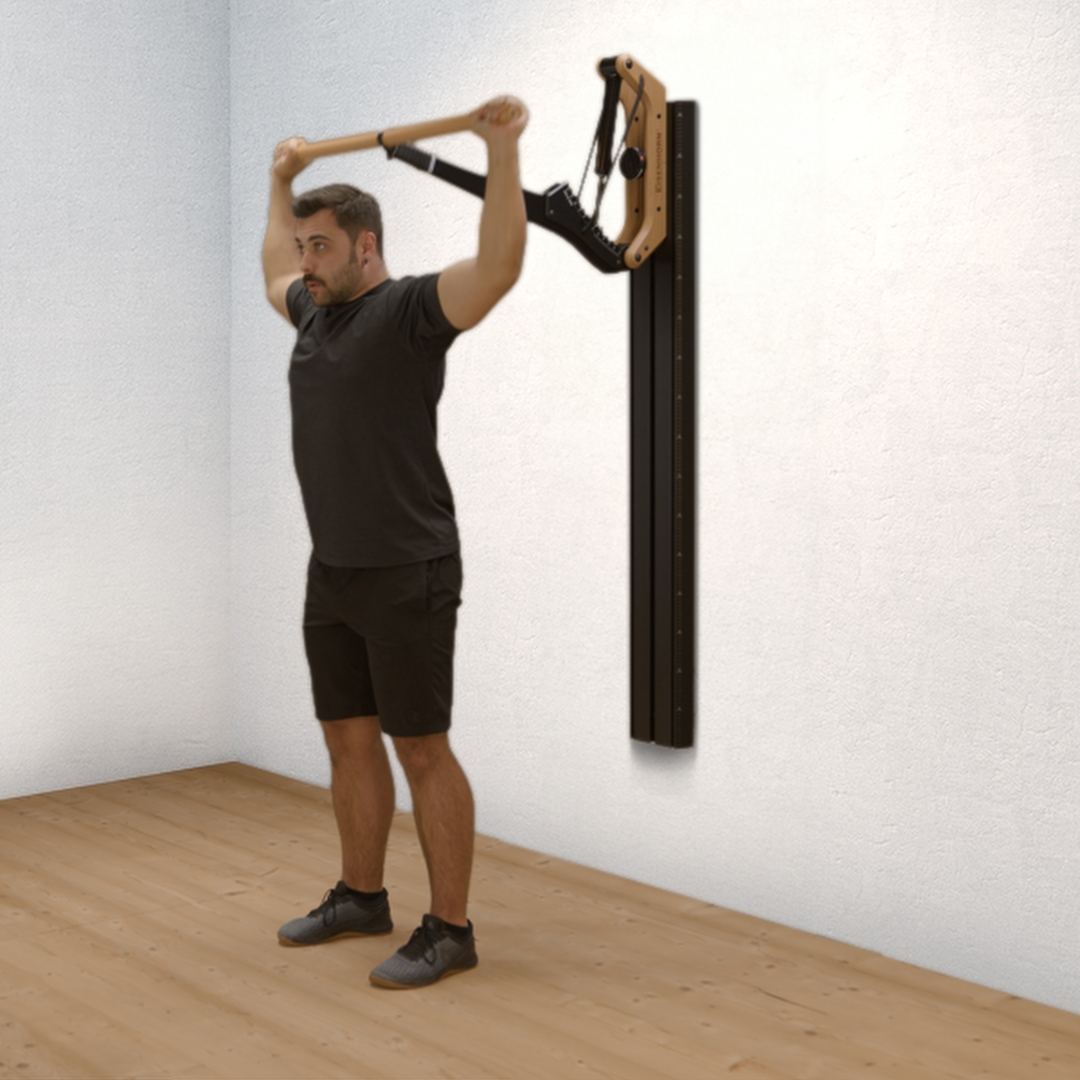
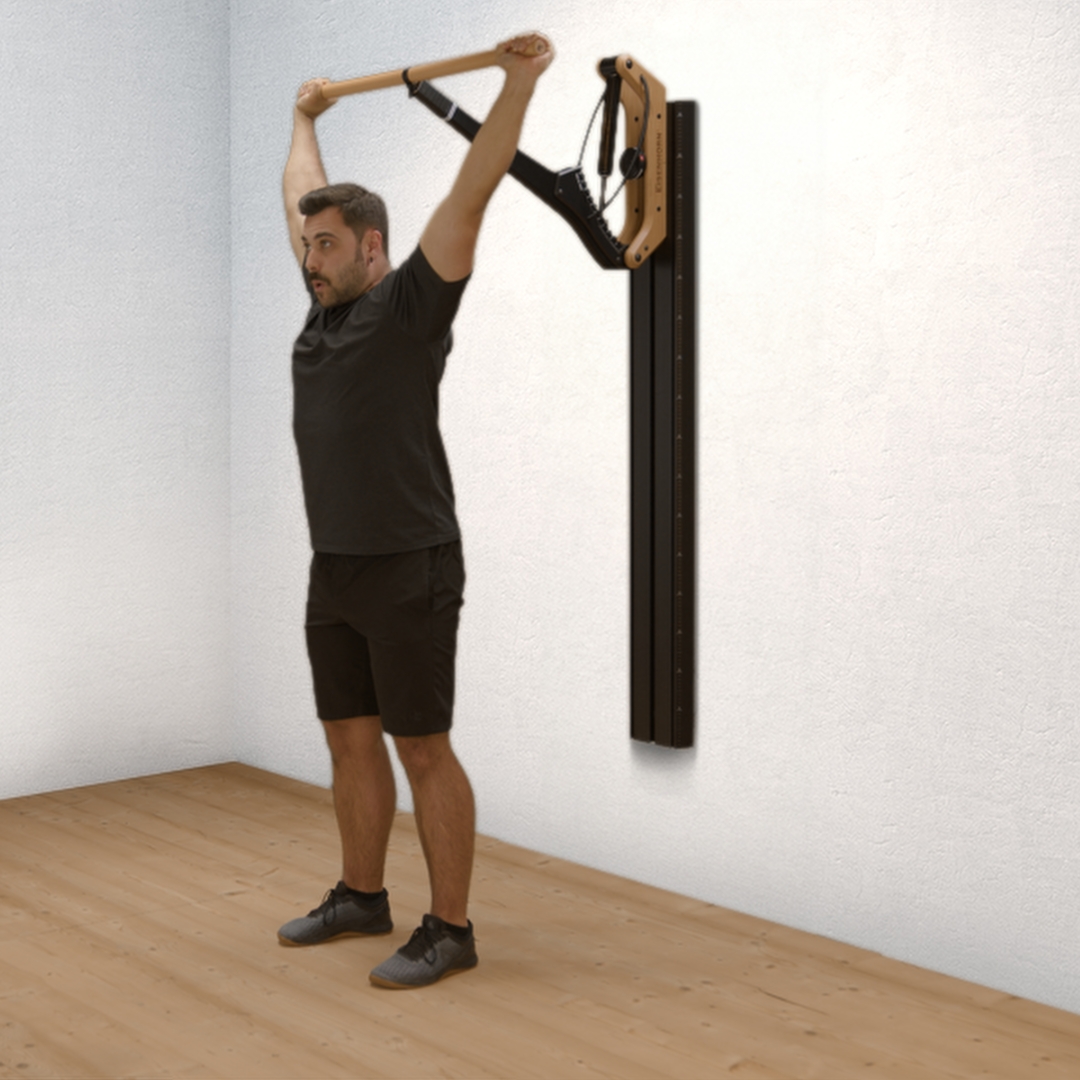
What makes this exercise particularly effective?
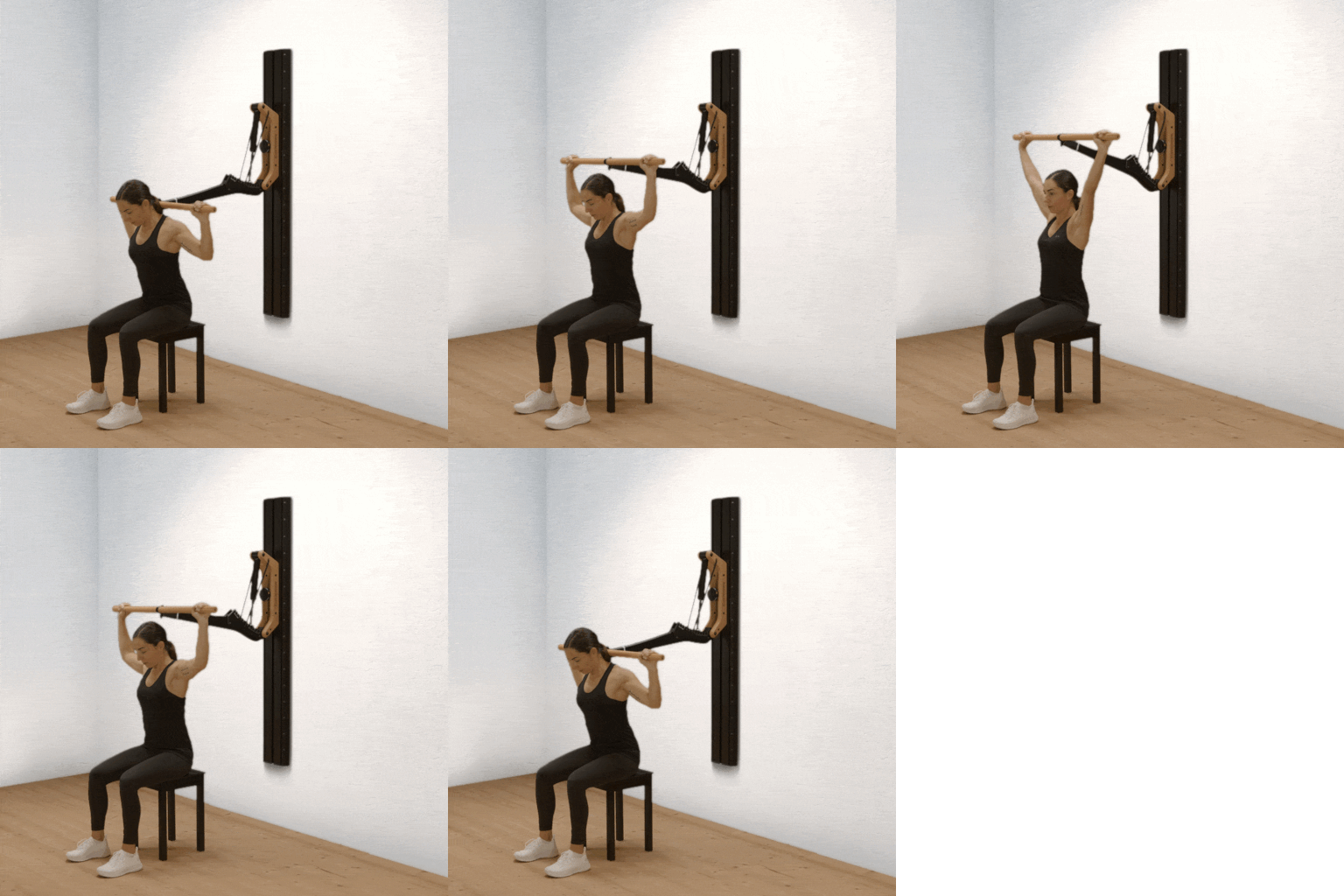
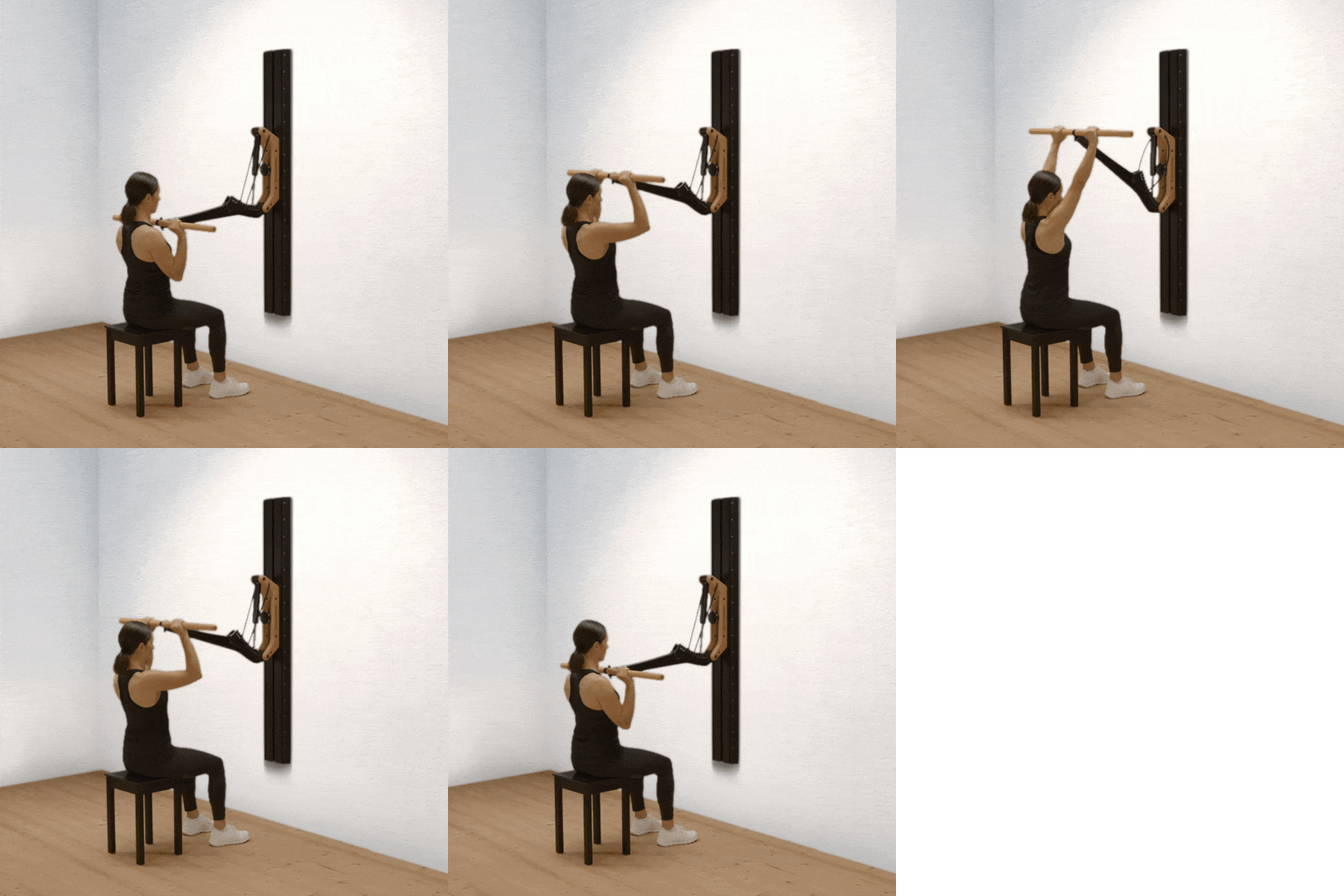
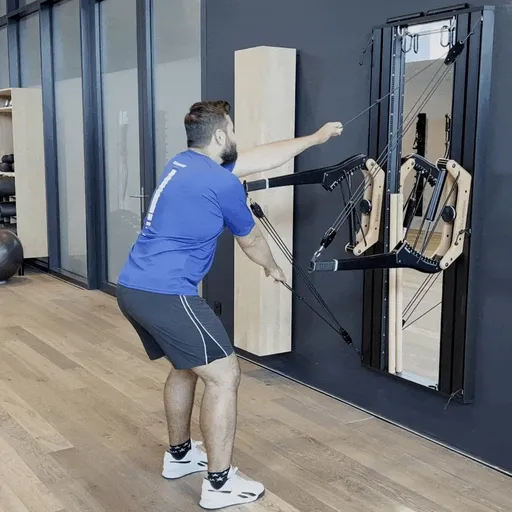
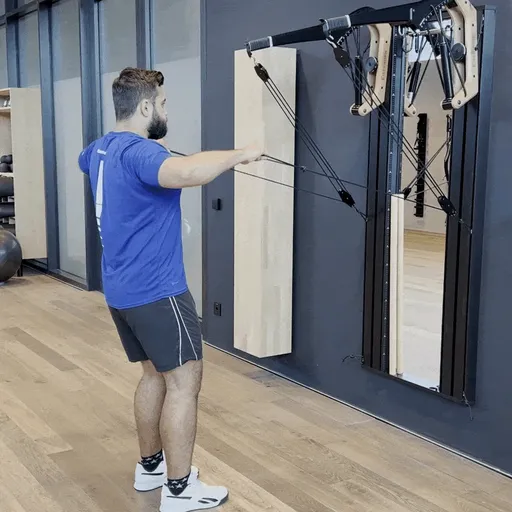
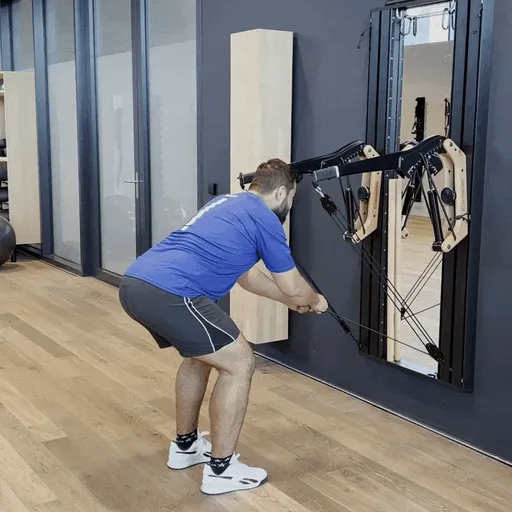
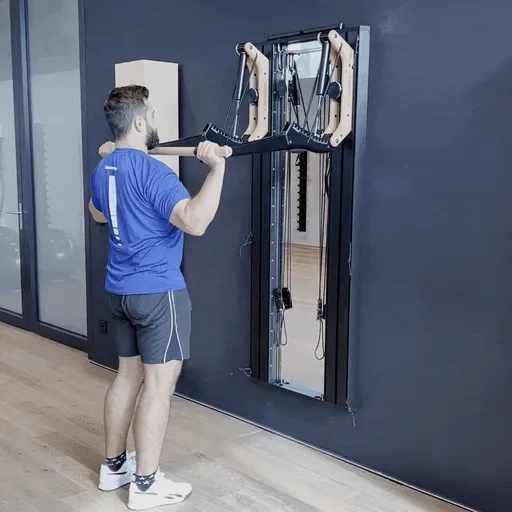
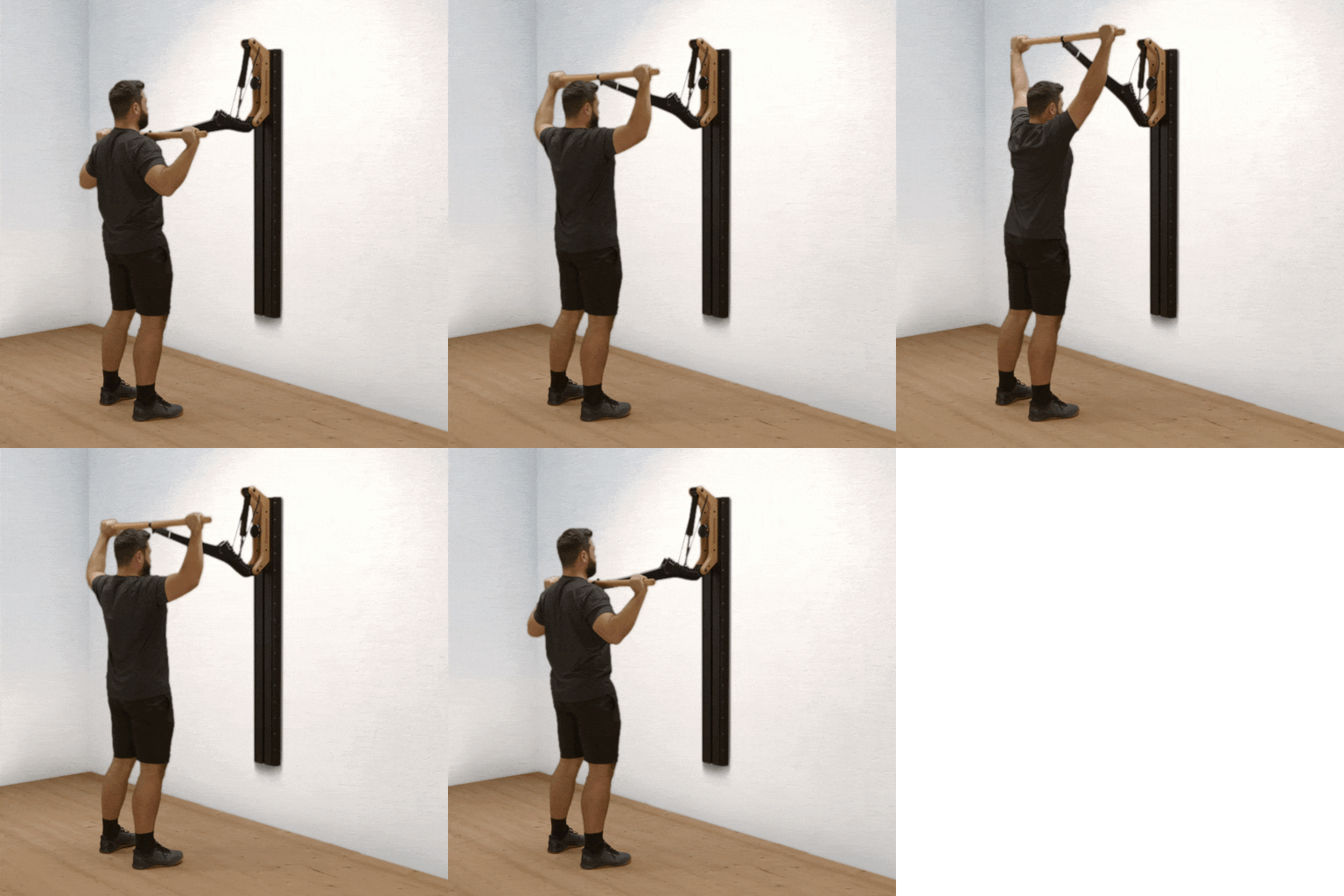
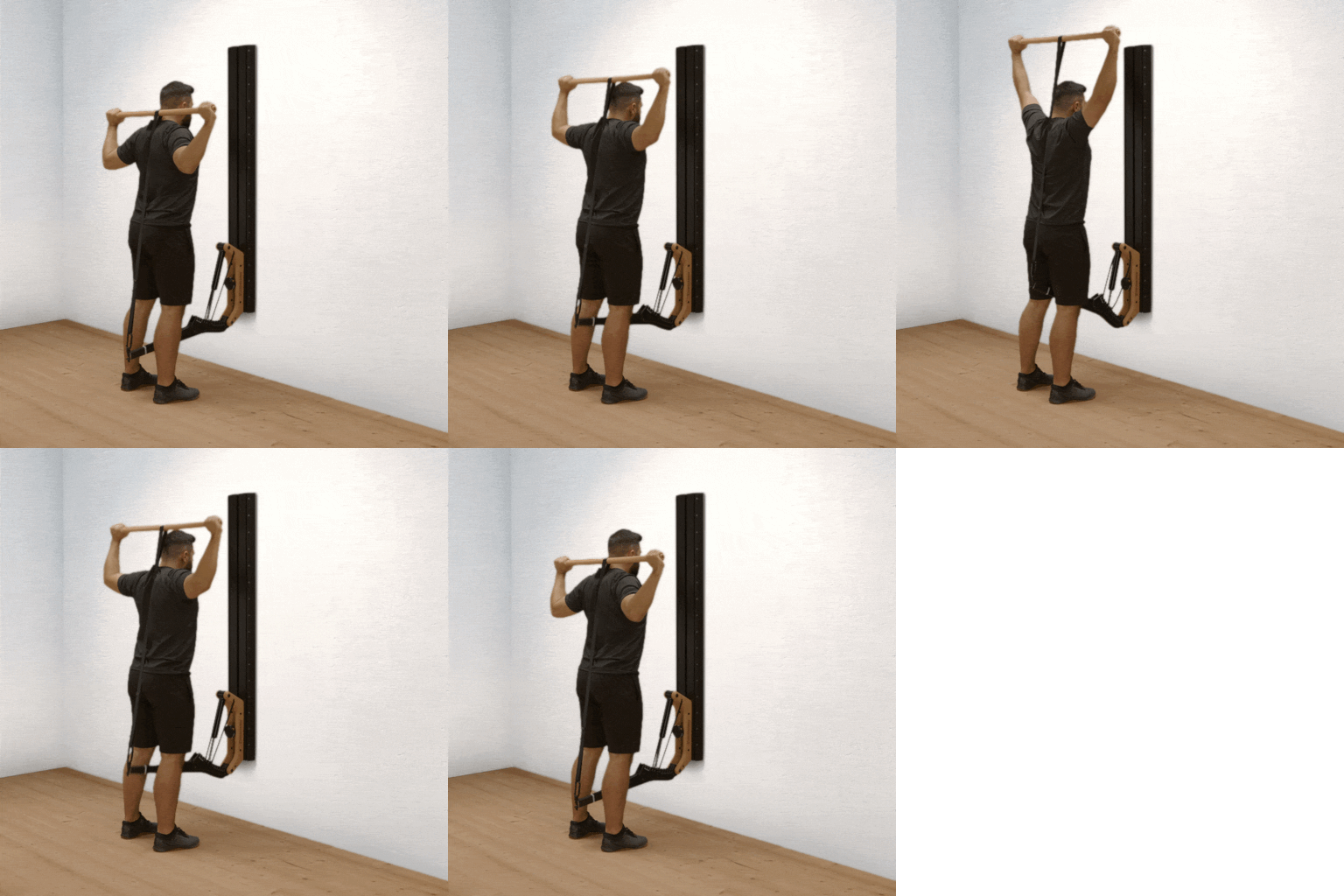
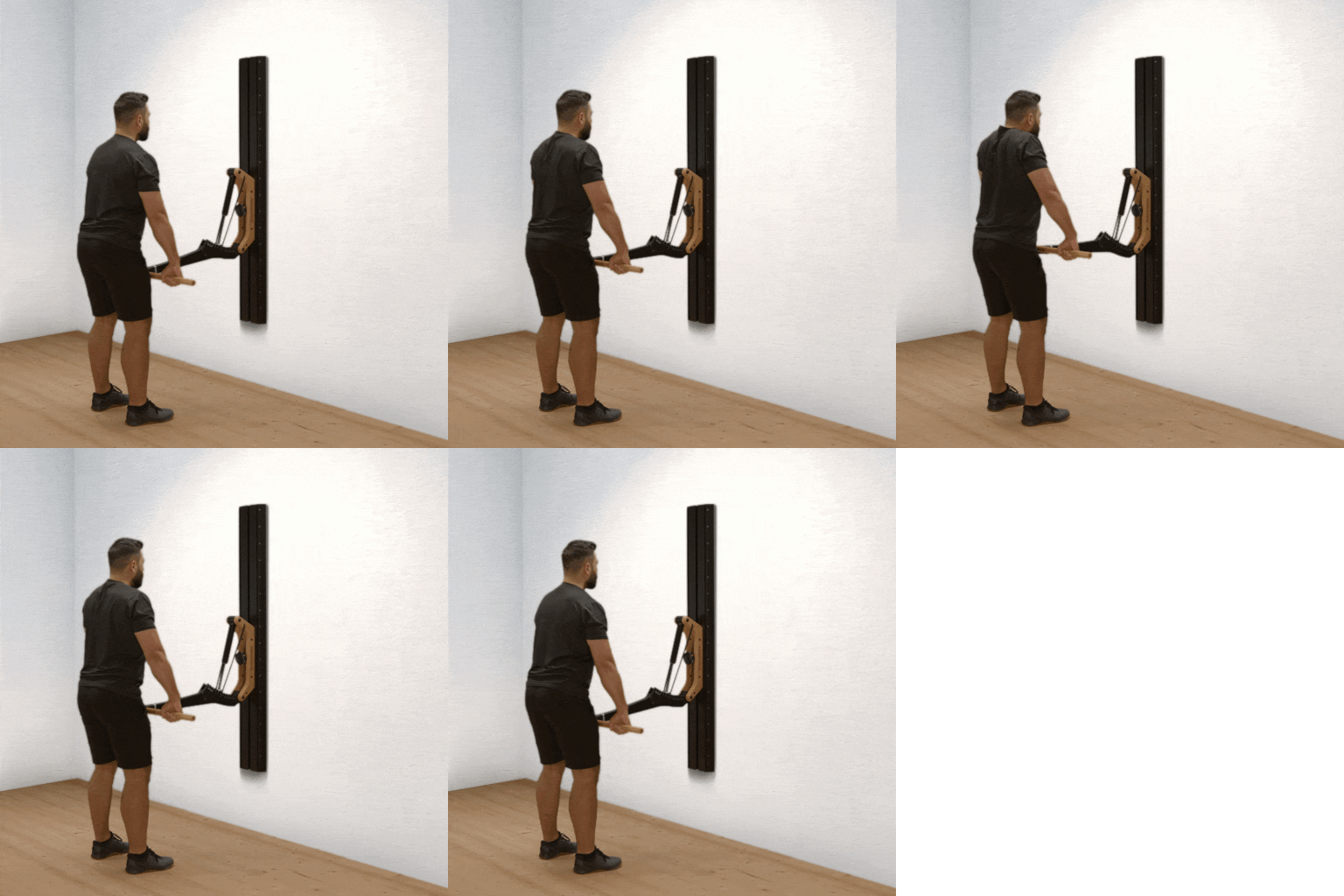
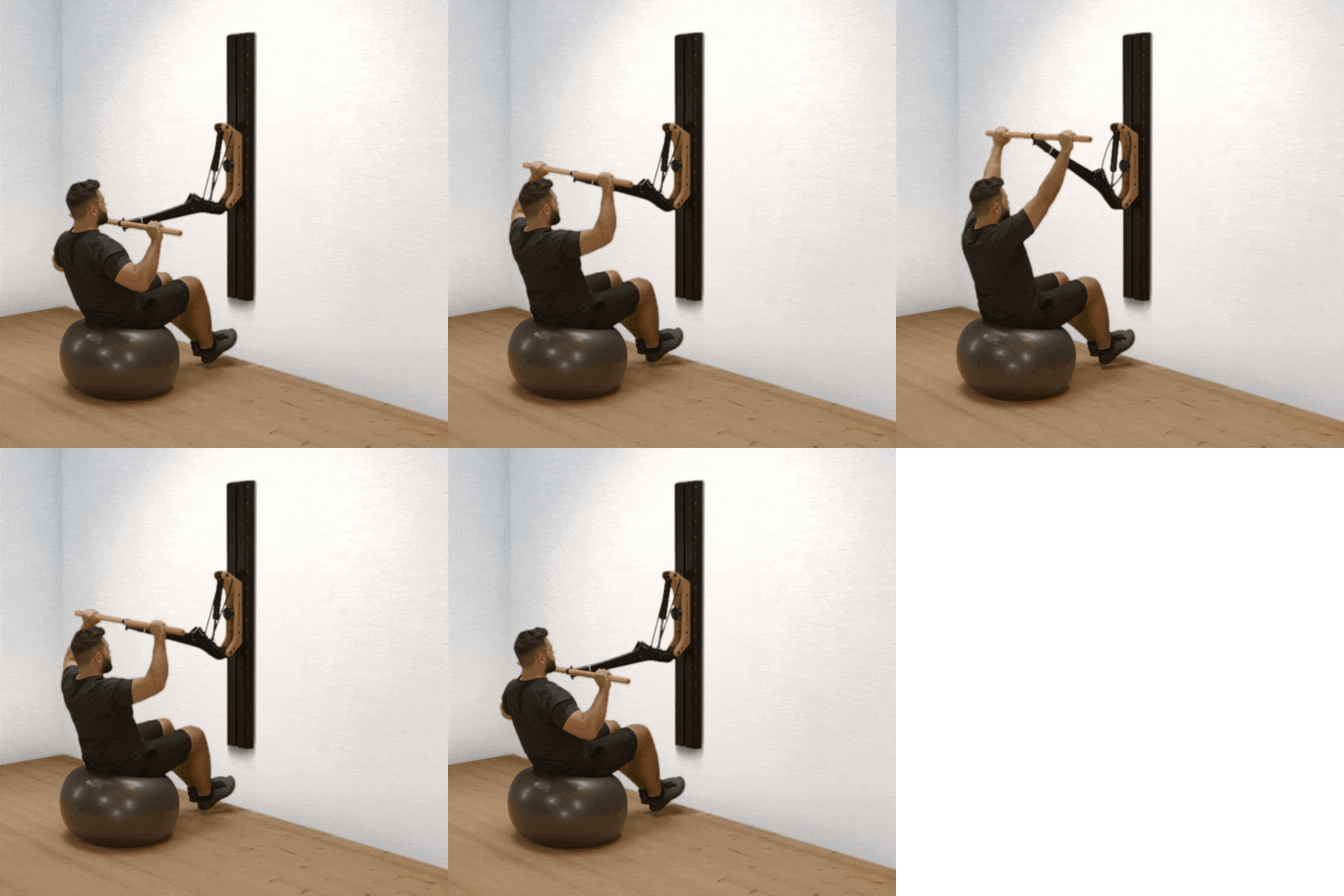
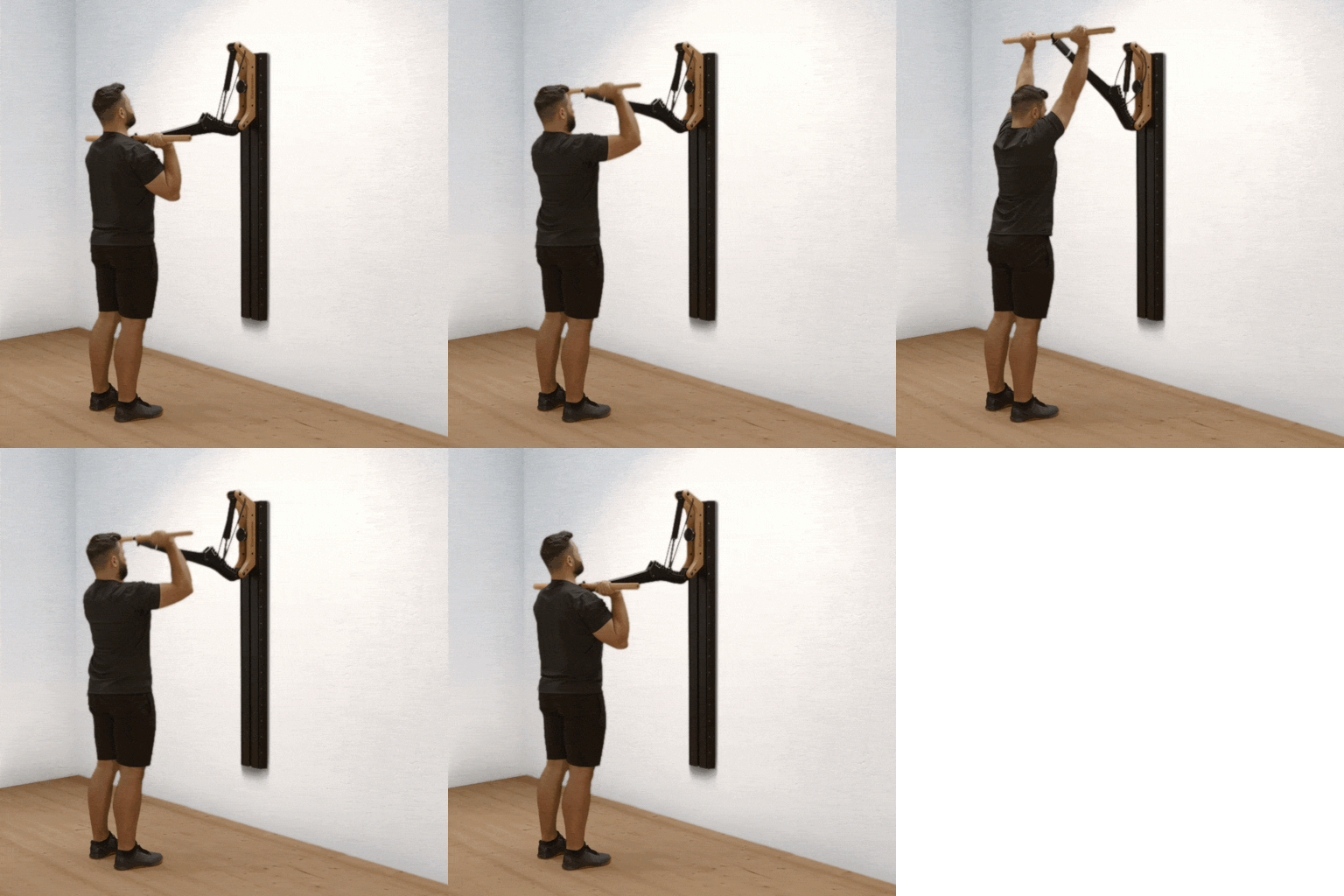
The behind-the-neck press is a classic exercise that specifically targets the middle and rear deltoid muscles. By positioning the barbell behind the head, the range of motion is increased, leading to more intense activation of the shoulder muscles. This exercise not only promotes shoulder strength but also enhances upper body stability and coordination.
What effect does the exercise achieve?
Targeted activation of the deltoid muscles: Focuses on the middle and rear deltoid, contributing to balanced shoulder development.
Improved shoulder stability: The overhead movement strengthens the shoulder joint and improves overall stability.
Enhanced upper body strength: Regular training can lead to noticeable gains in upper body strength.
Improved flexibility: Helps to increase shoulder mobility when performed correctly.
How does this exercise fit into the Big 5 concept?
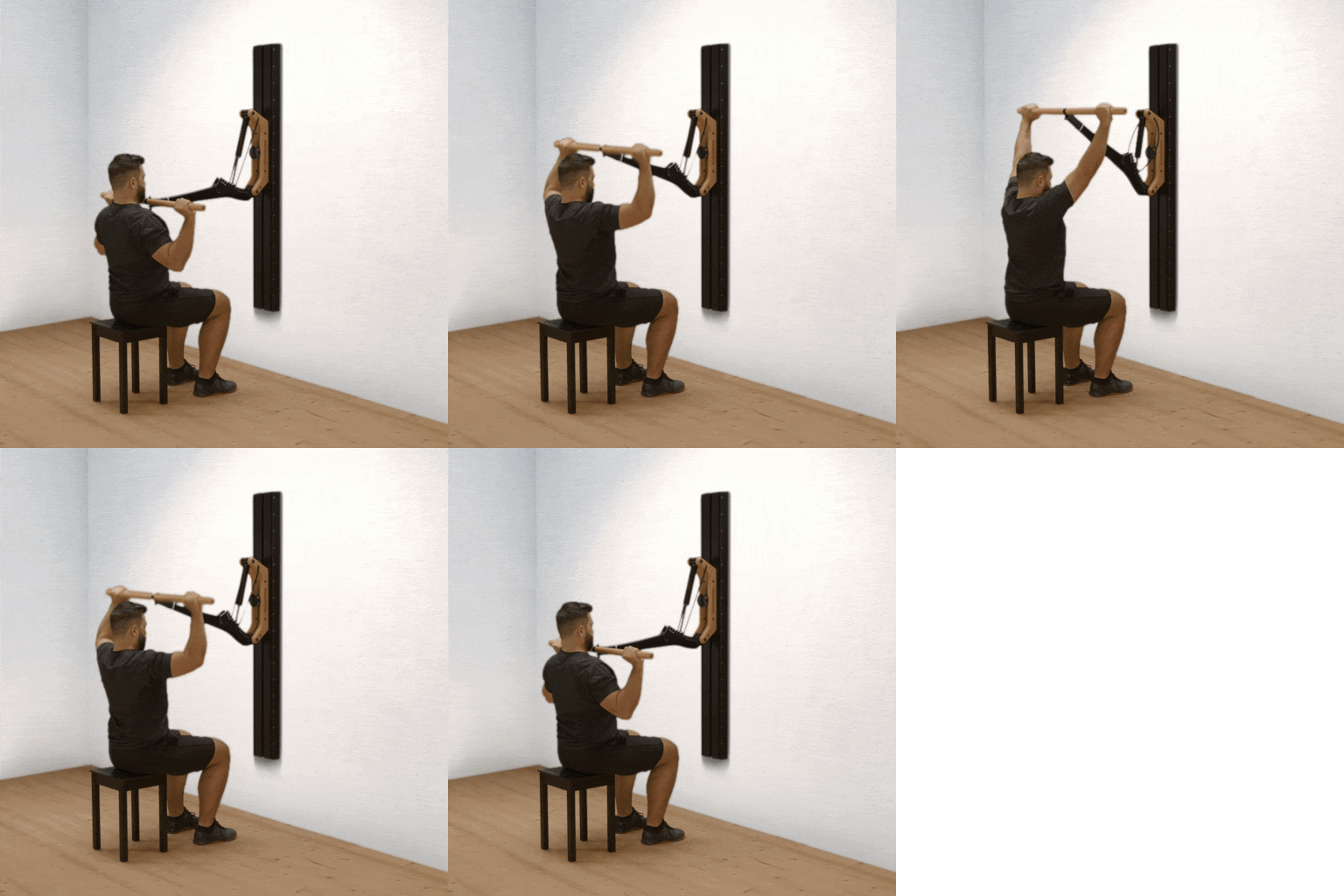
The Big 5 include the fundamental exercises: squat, deadlift, bench press, pull-up or lat pulldown, and shoulder press. The behind-the-neck press can serve as a valuable variation of the classic shoulder press:
Complement to the classic shoulder press: By varying the angle, the shoulder muscles are activated from different perspectives, leading to more comprehensive development.
Promotion of mobility: Enhances shoulder mobility, which can improve performance in other exercises.
Injury prevention: Strengthening the shoulder and neck muscles reduces the risk of injuries in these areas.
:format(webp))
)
)
)
)
)
:format(webp) "EISENHORN S Black Edition")
 "EISENHORN S Black Edition")