What makes this exercise particularly effective?
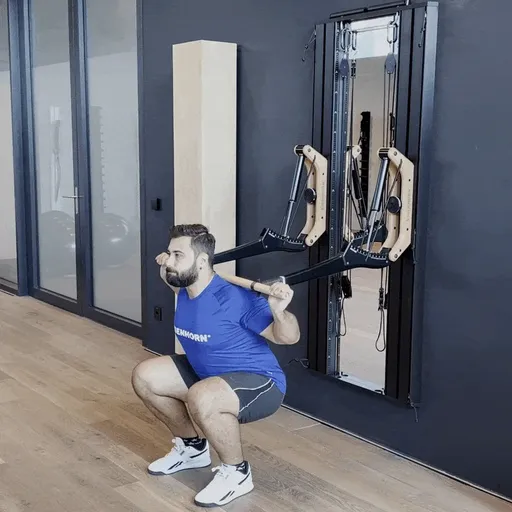
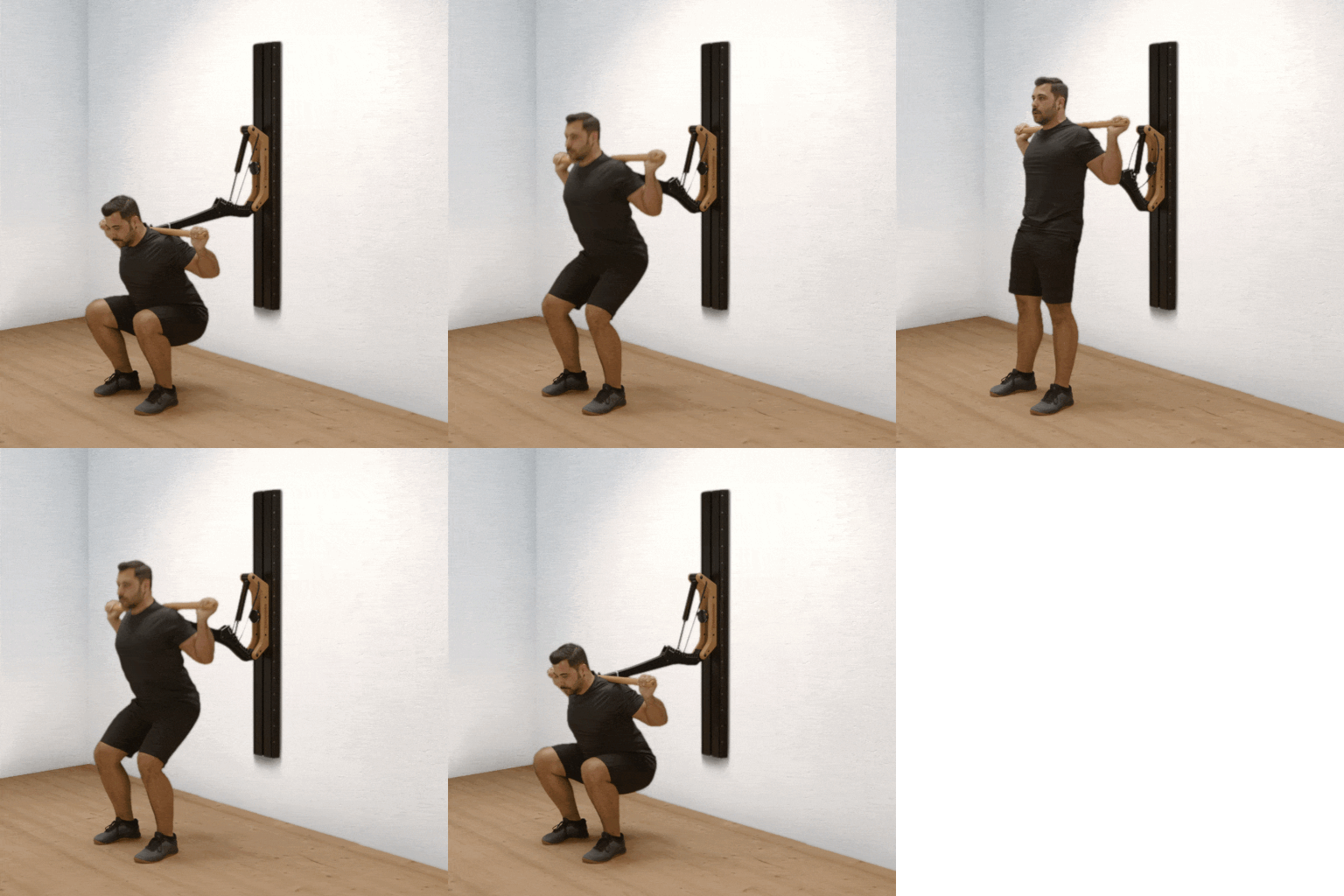
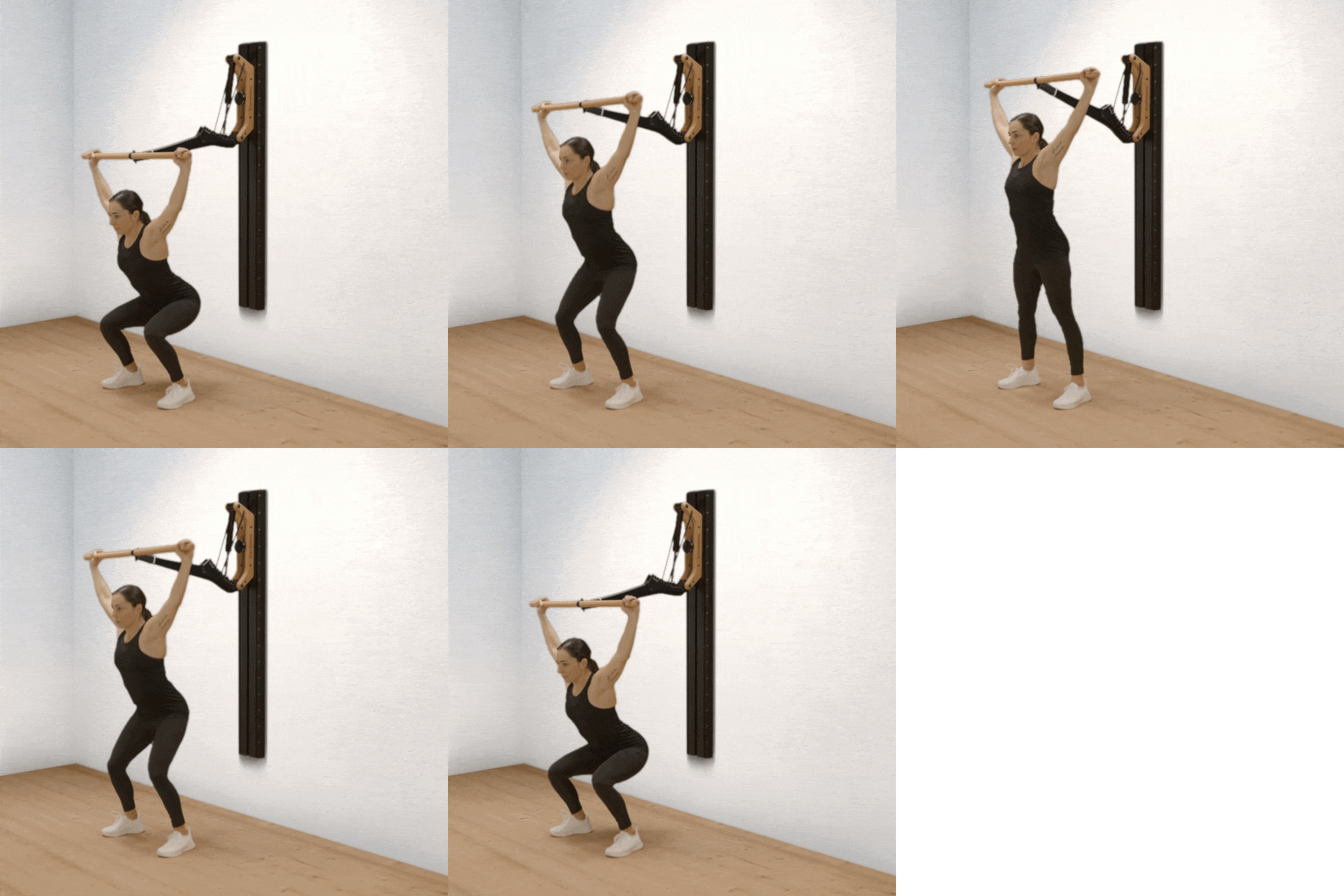
The Front Squat on your EISENHORN DS is distinguished by the fact that the barbell is positioned on the front of the shoulders in the "front rack" position, which shifts the center of gravity forward. As a result, the upper body must remain significantly more upright than in the classic (back) squat, placing additional demands on stability, core strength, and mobility. This upright posture ensures that the quadriceps are more heavily engaged, while simultaneously reducing strain on the lower back. At the same time, it activates intense stabilization mechanisms in the abdomen, back, and hips—an ideal combination of strength and control.
What effect does the exercise achieve?
Strong quadriceps activation: Due to the forward-shifted center of gravity, the quadriceps are more intensively stimulated than in many other squat variations.
Core stability and activation: Maintaining an upright posture requires strong engagement of the abdominal muscles, back extensors, and deeper core muscles for stabilization.
Protection of the lower back: With less forward lean of the upper body, shear forces on the lumbar spine are minimized.
Improved mobility and coordination: This exercise promotes mobility in the ankles, hips, shoulders, and wrists (to maintain the front rack position) while simultaneously enhancing coordination skills.
Transfer to other strength exercises: Mastery of the front squat can improve performance in classic back squats and other strength exercises by enhancing stabilization, posture, and overall strength.
How does this exercise fit into the Big 5 concept?
The Big 5 include the fundamental exercises: squat, deadlift, bench press, pull-up or lat pulldown, and shoulder press. Even though the Front Squat is not part of the classic BBig 5, it can serve as a meaningful alternative or complementary exercise:
Balance for push and pull exercises: It strengthens the lower body in a way that complements knee- and hip-dominant movements.
Support for deadlifts and classic squats: The stabilizing components, particularly in the core and back, improve technique and resilience in other Big 5 exercises.
Functional versatility: The front squat expands the range of leg exercises by emphasizing the anterior thigh muscless and core control.
Progressive development: Technique, mobility, and load capacity can be systematically increased over time.
:format(webp))
)
)
)
)
)
:format(webp) "EISENHORN S Black Edition")
 "EISENHORN S Black Edition")