What makes this exercise particularly effective?
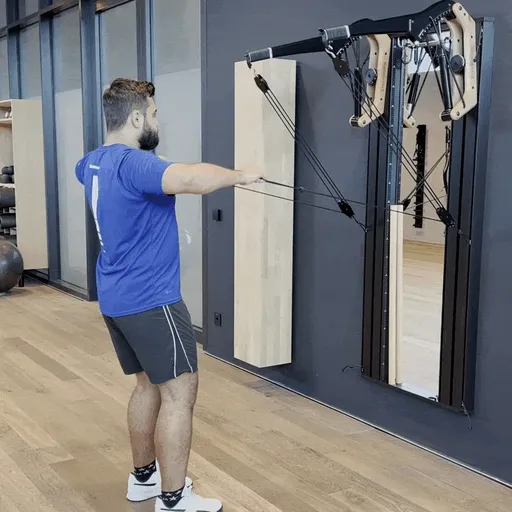
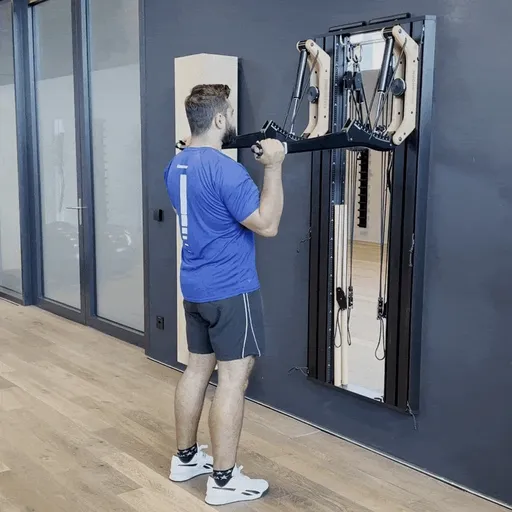
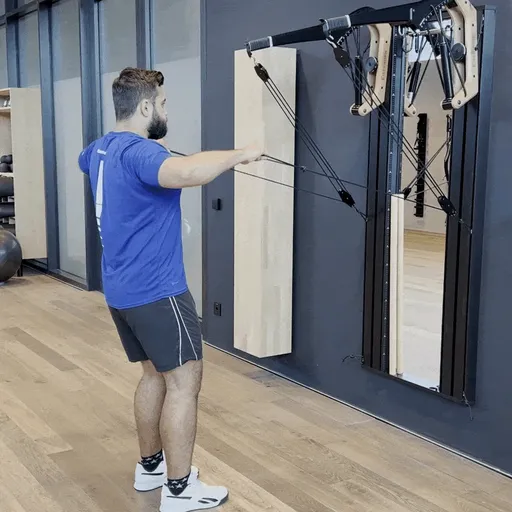
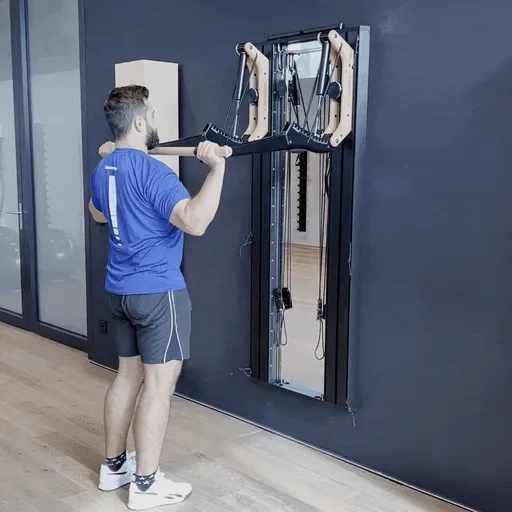
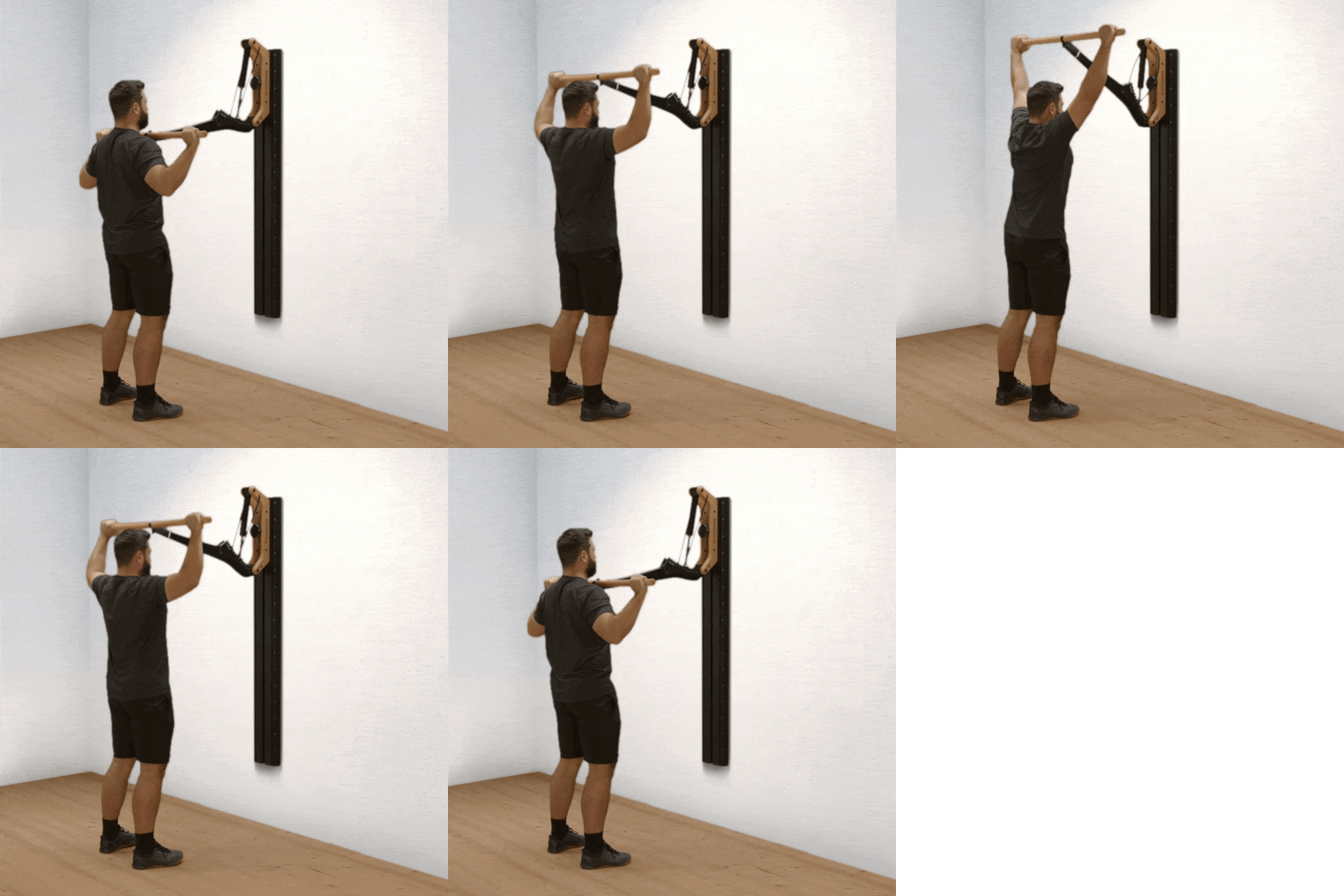
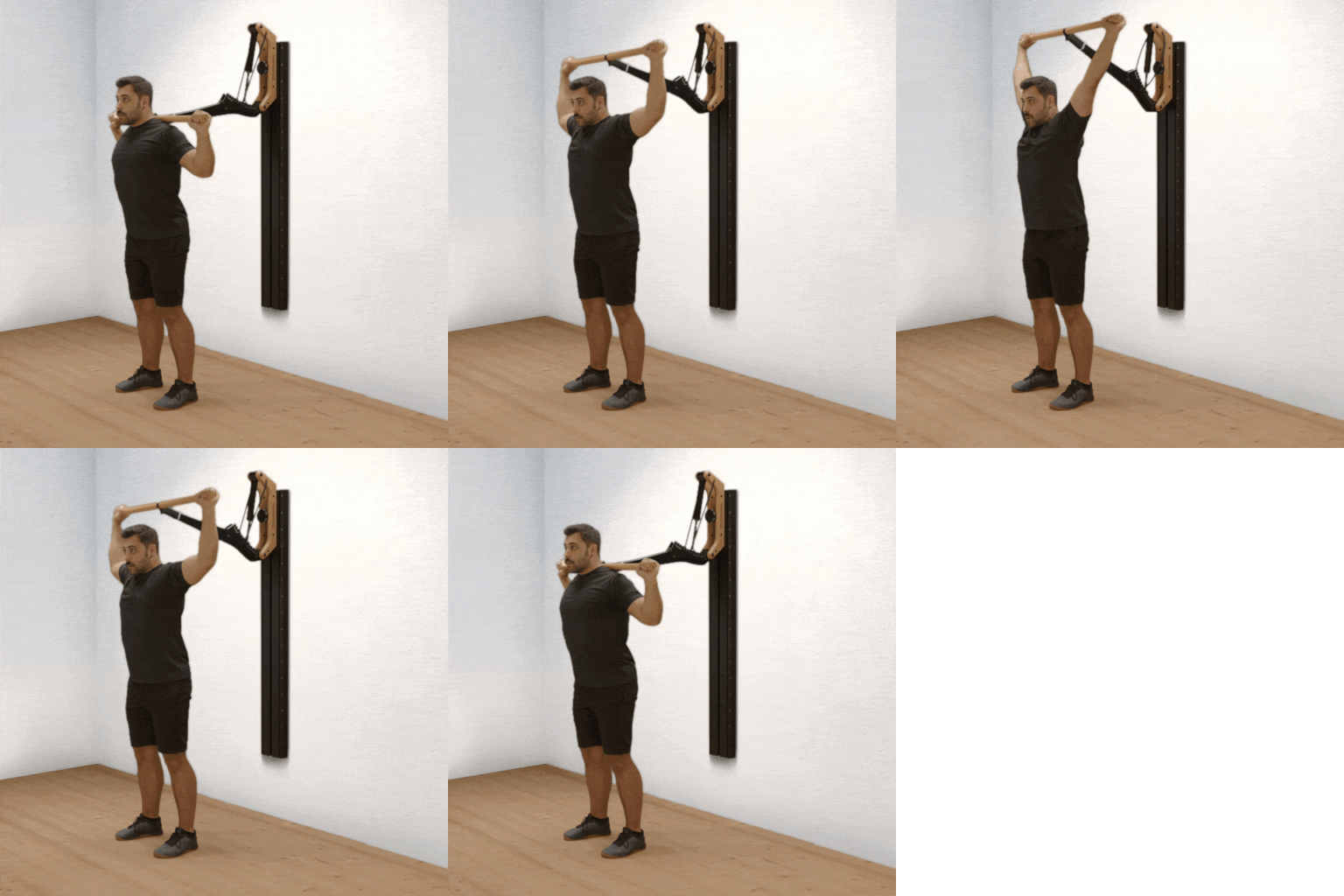
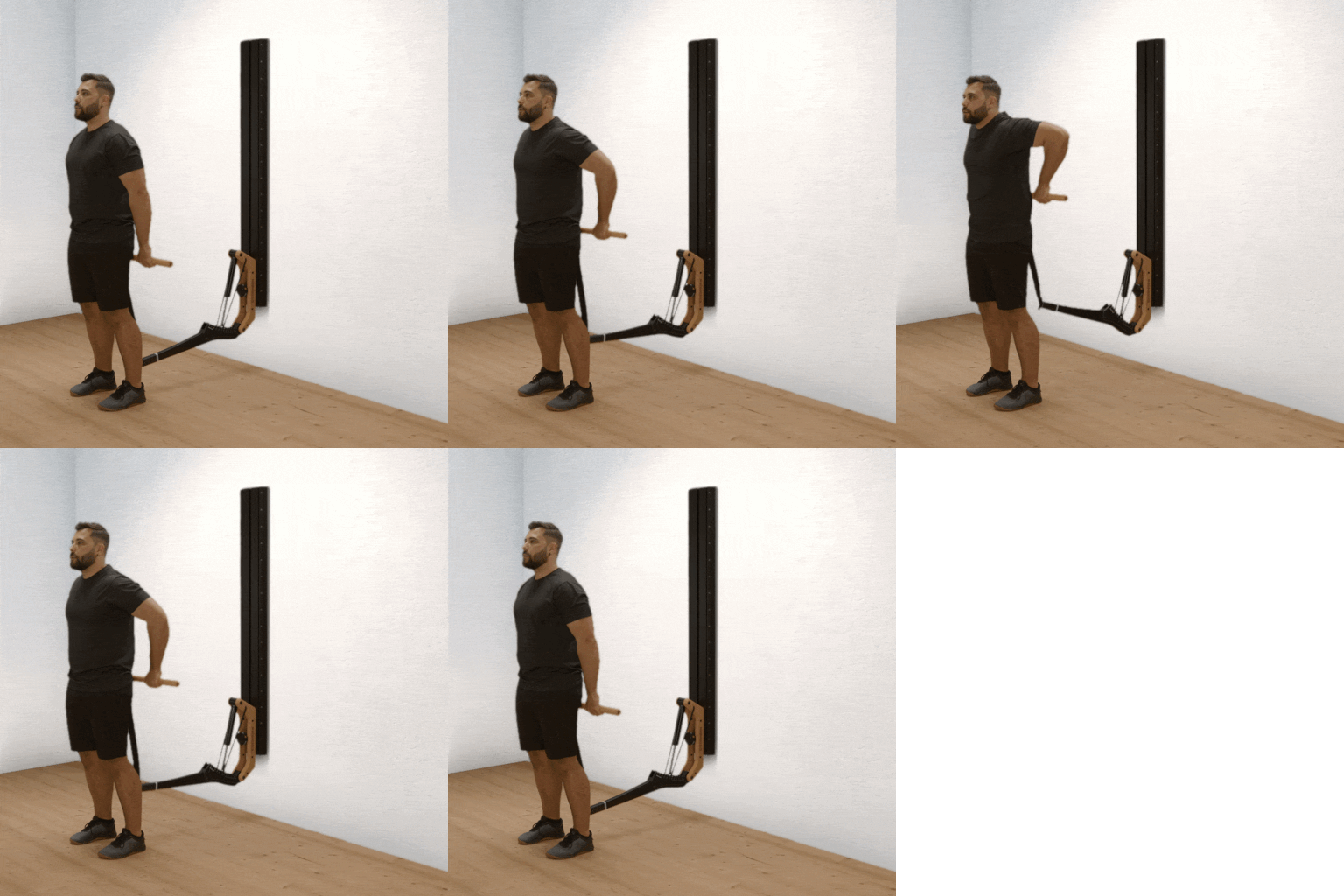
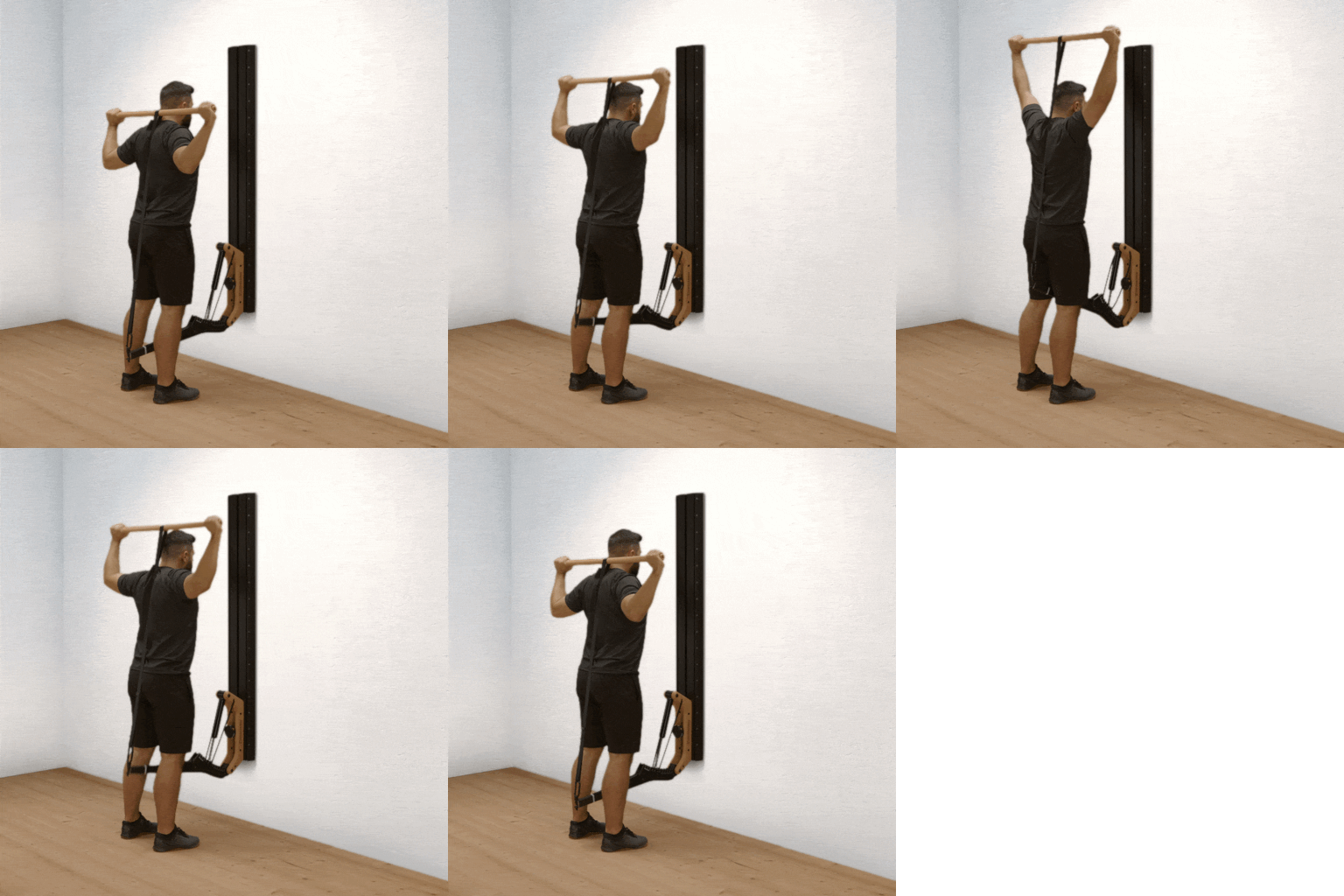
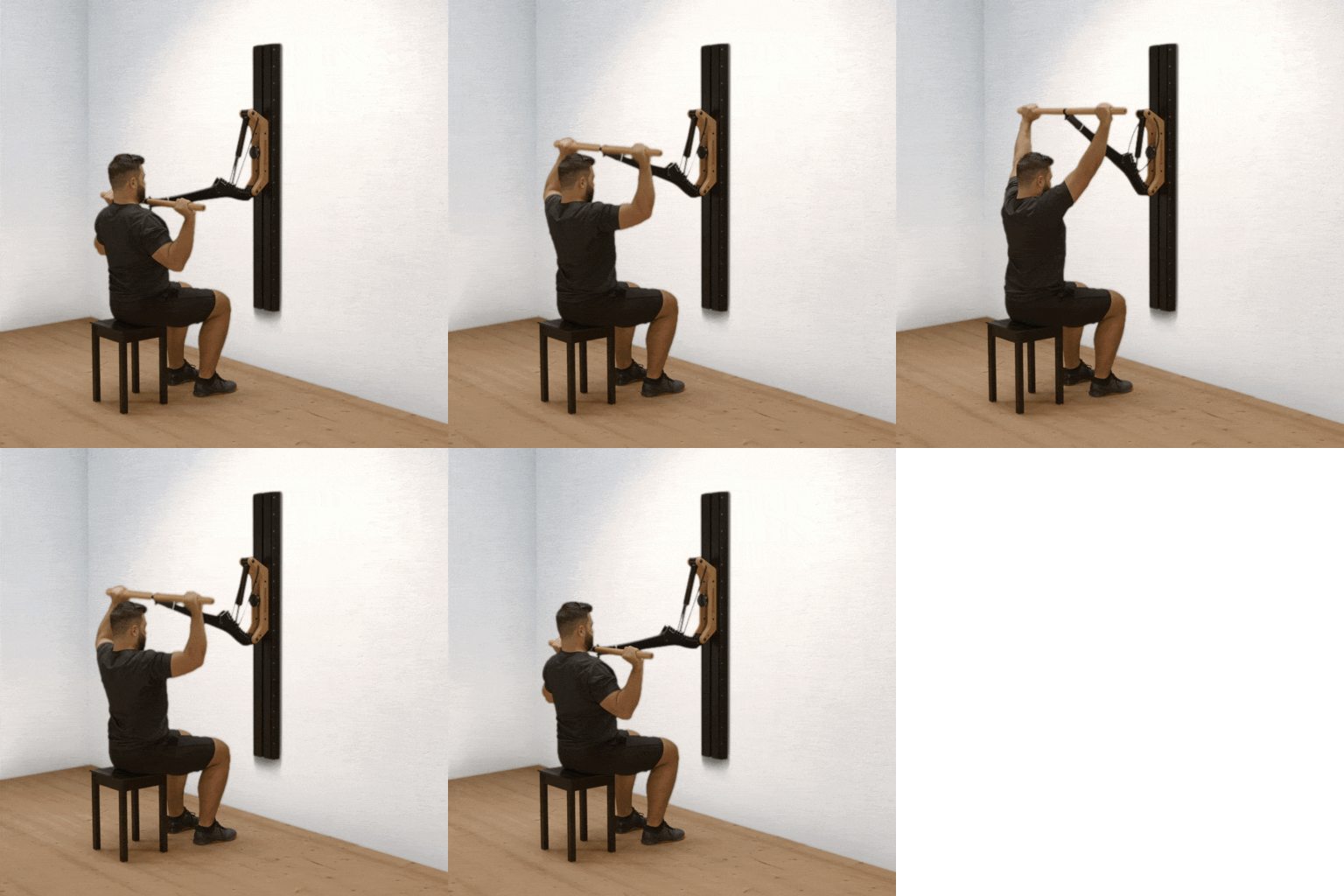
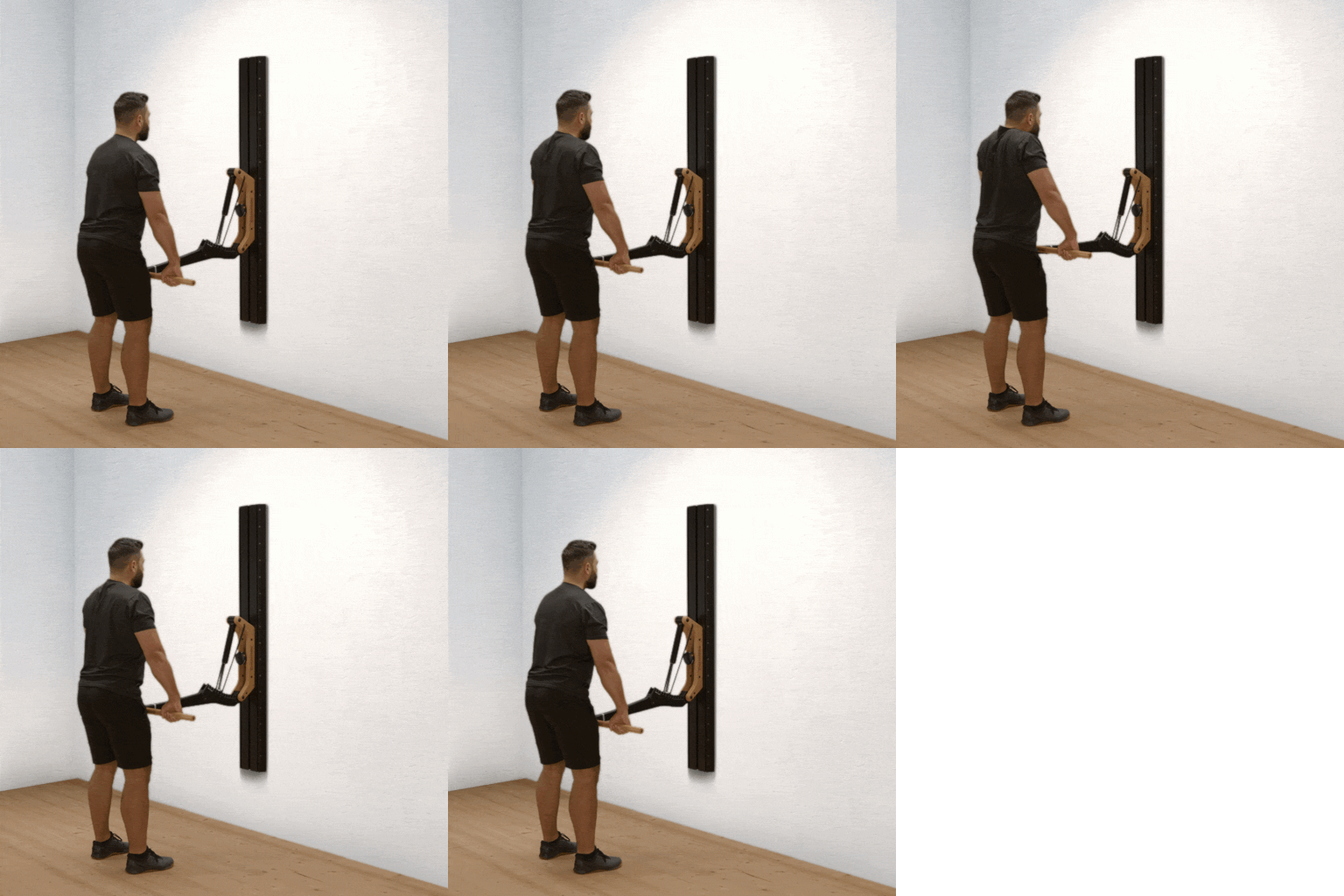
Facepulls on the cable pulley are an excellent exercise to specifically strengthen your rear shoulders and upper back. By pulling the rope toward your face, combined with an outward rotation of the forearms, not only the rear deltoid is targeted, but also important stabilizing muscles such as the rhomboids, the middle and lower trapezius, as well as parts of the rotator cuff.
In addition, this exercise has a corrective effect: it helps improve poor posture, such as forward-rotated shoulders or a rounded upper back, which is particularly relevant for many pressing movements and for people who spend long hours sitting at a desk.
What effect does the exercise achieve?
Strengthening of the rear shoulder muscles (rear delts):
Facepulls effectively activate the rear deltoid, which is often neglected in common shoulder or chest pressing exercises.Shoulder retraction & posture:
Retracting the shoulder blades and controlling the eccentric phase improves overall posture. It also helps reduce factors that contribute to poor posture (e.g., rounded upper back).Improved joint health & injury prevention:
Because the rotator cuff is actively engaged, this exercise can help prevent common shoulder issues and improve stability during overhead or pulling movements.Counterbalance to push movements:
Many training programs overemphasize push exercises (bench press, shoulder press). Facepulls provide essential counterbalance, helping to avoid muscular imbalances in the shoulder girdle.Fine-tuning and control:
Standing upright with core tension while maintaining controlled rope movement makes this exercise ideal for improving technique and conscious muscle activation.
How does this exercise fit into the Big 5 concept?
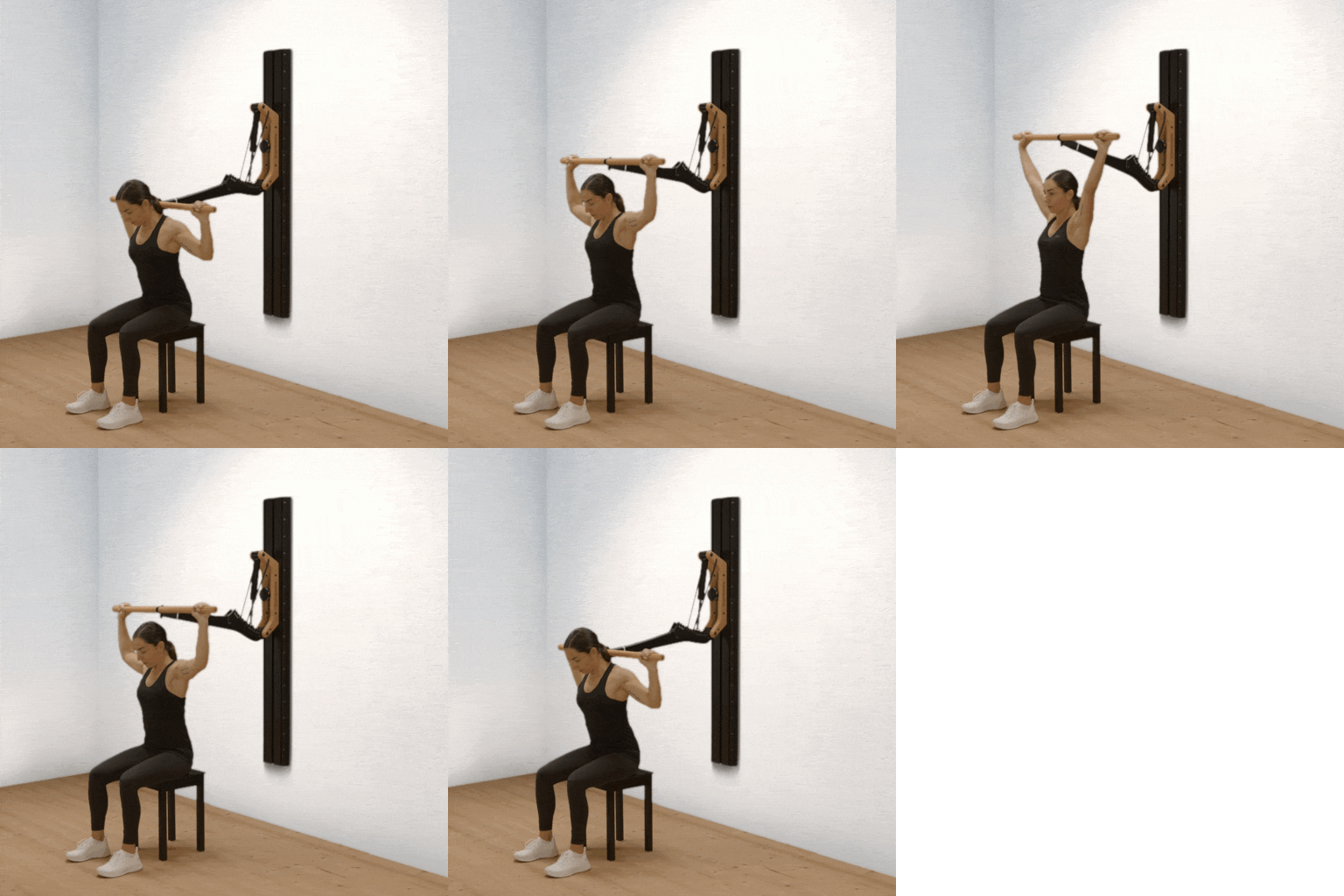
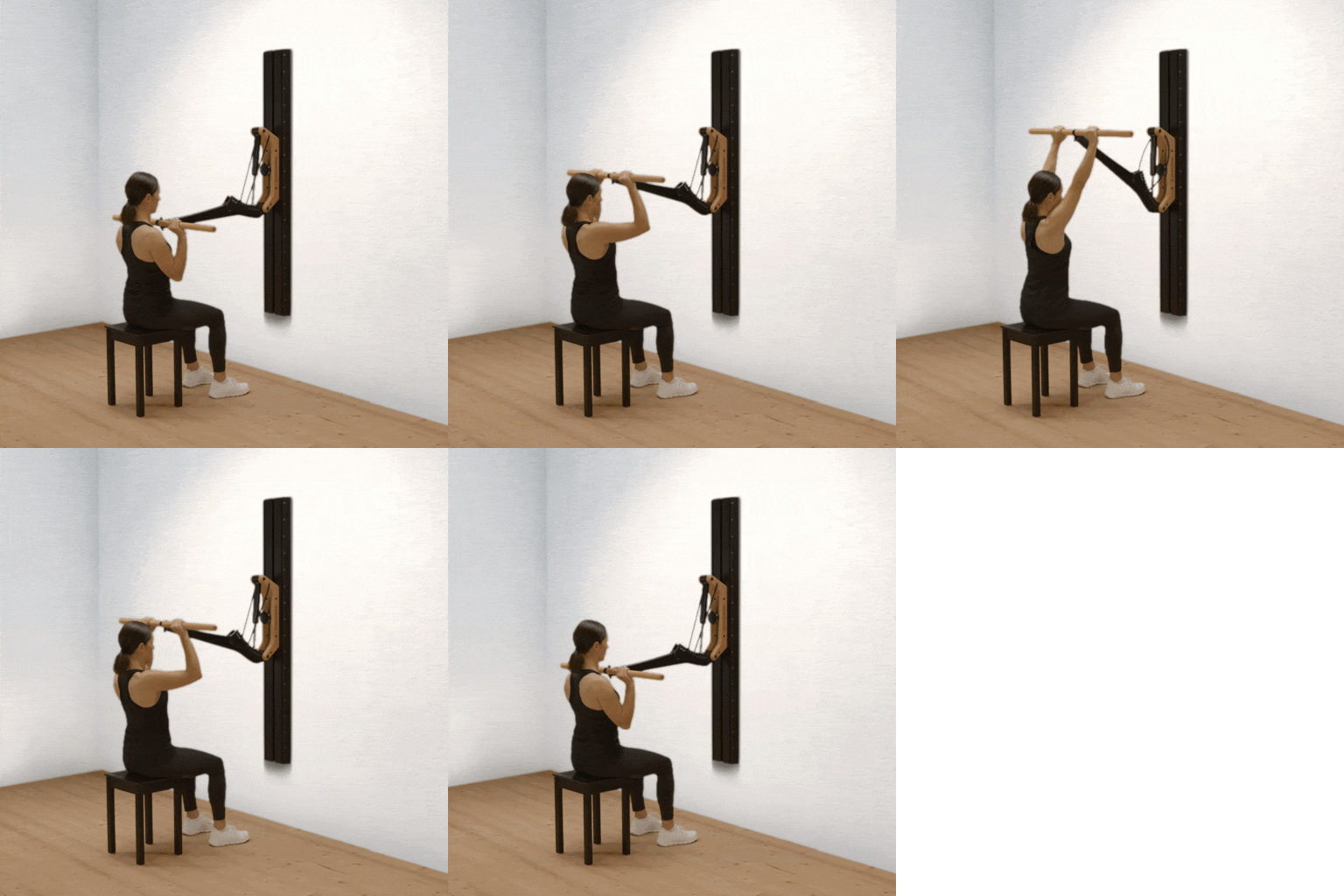
The Big 5 include the fundamental exercises: squat, deadlift, bench press, pull-up or lat pulldown, and shoulder press. Facepulls on the cable machine are not a classical component of the Big 5, but they complement the concept in a very valuable way:
They increase shoulder stability, which is important for all Big 5 exercises — especially for shoulder presses and bench presses, where stable shoulder blades are essential for safe force transfer.
They help balance muscular imbalances — especially in people who frequently perform push exercises. A balanced ratio between the front and rear shoulder muscles improves performance and reduces injury risk.
As a supportive accessory exercise, facepulls are ideal in training plans such as MIKE5, where targeted stability and posture-focused exercises supplement the basic exercises.
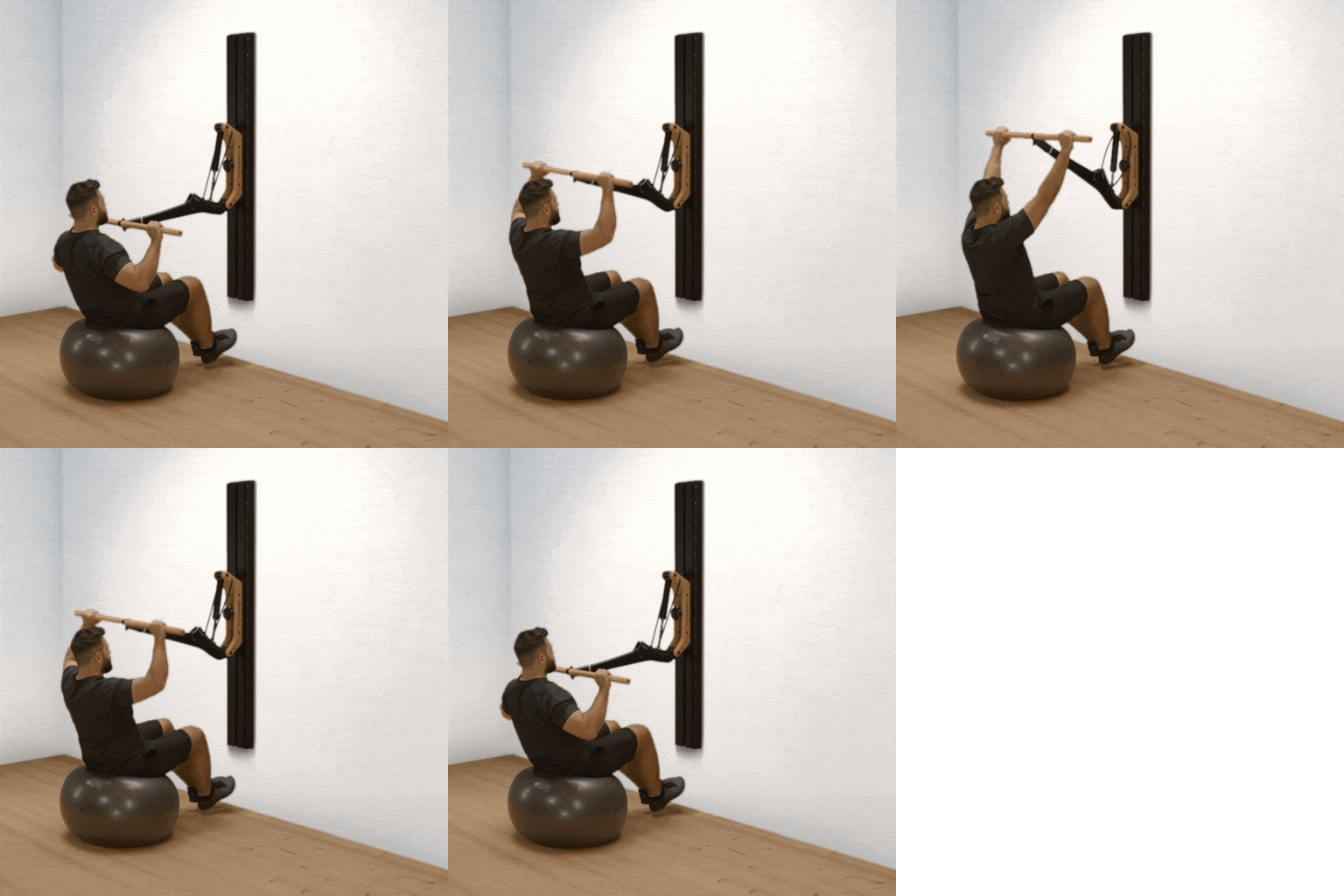
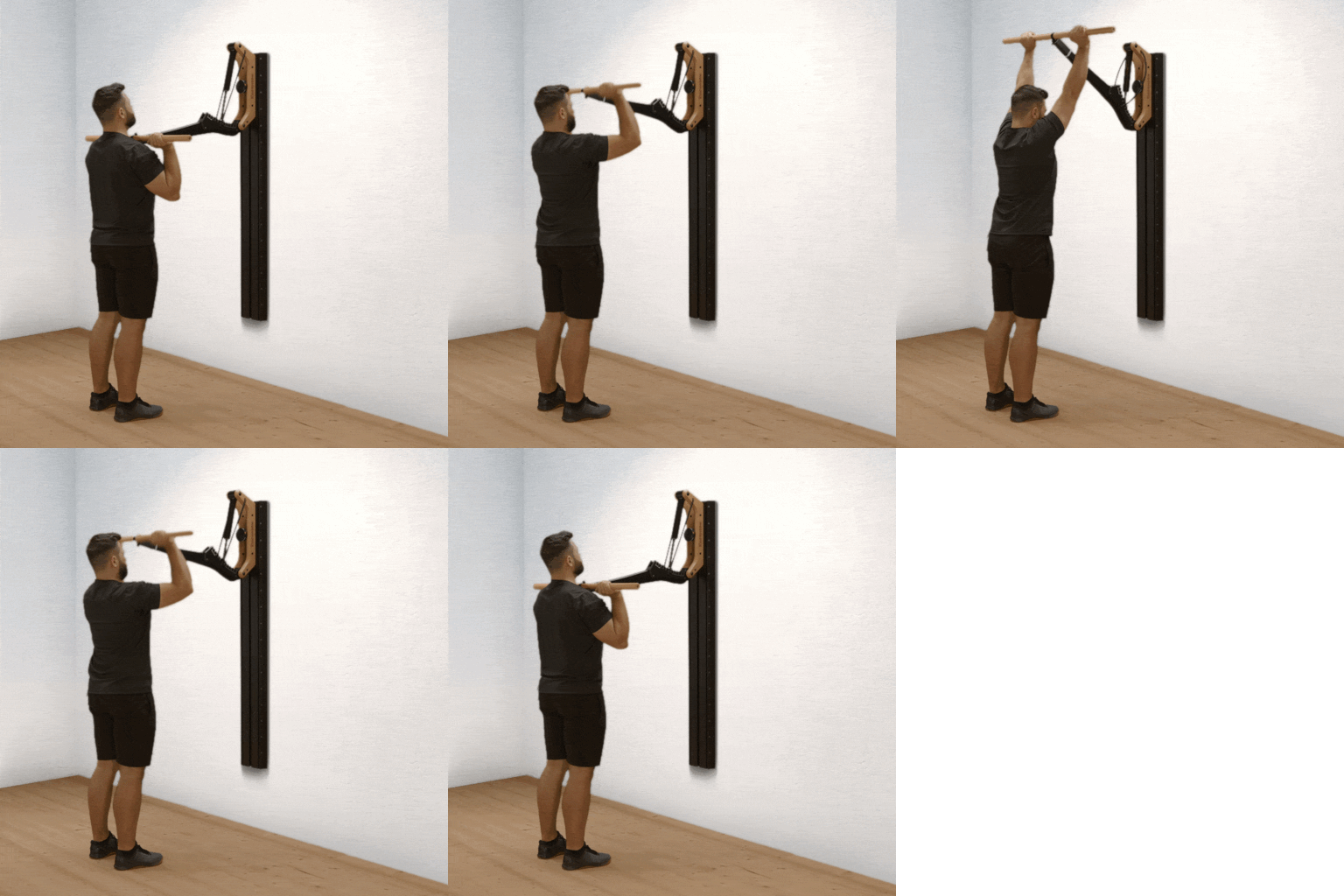
:format(webp))
)
)
)
)
)
:format(webp) "EISENHORN S Black Edition")
 "EISENHORN S Black Edition")