What makes this exercise particularly effective?
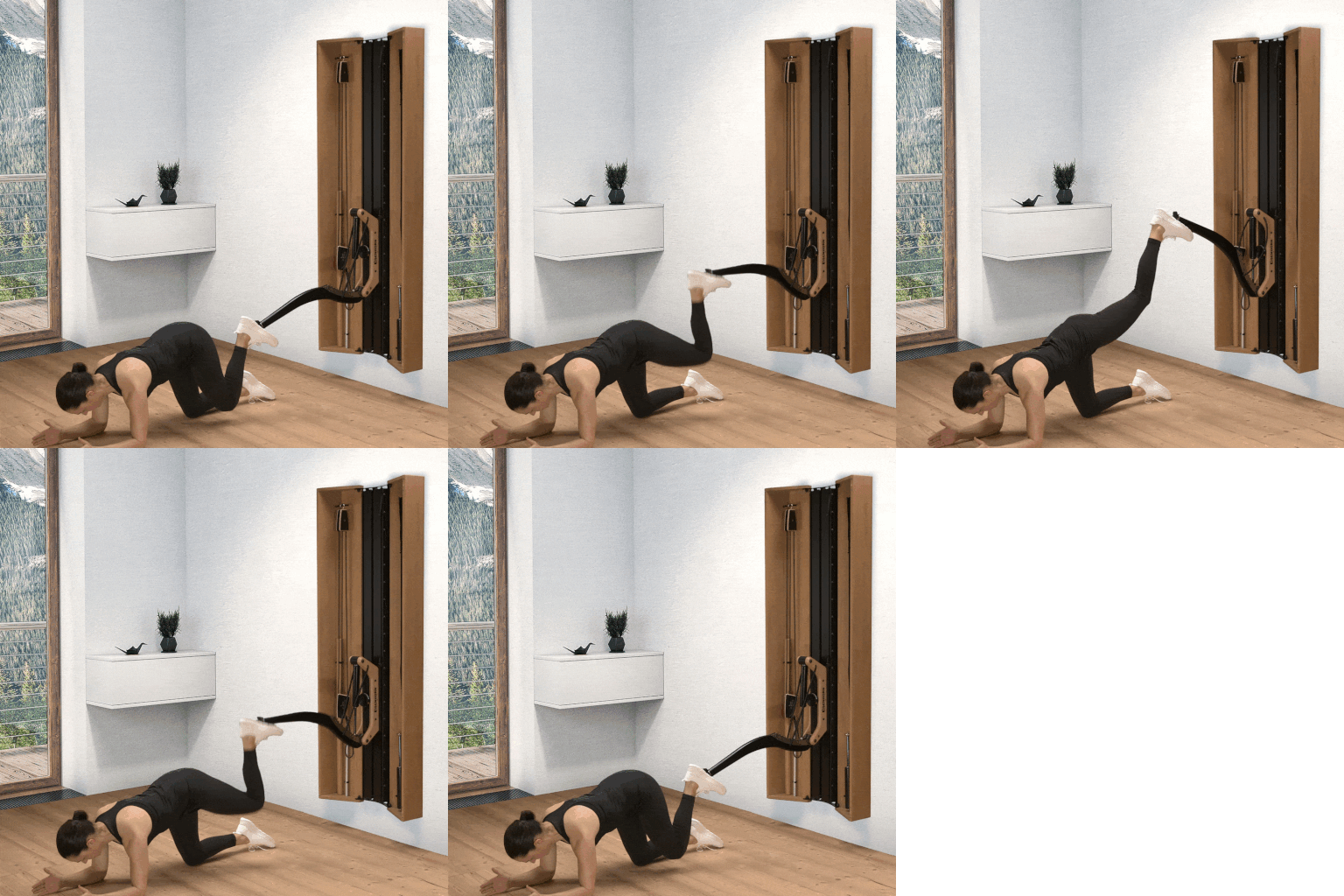
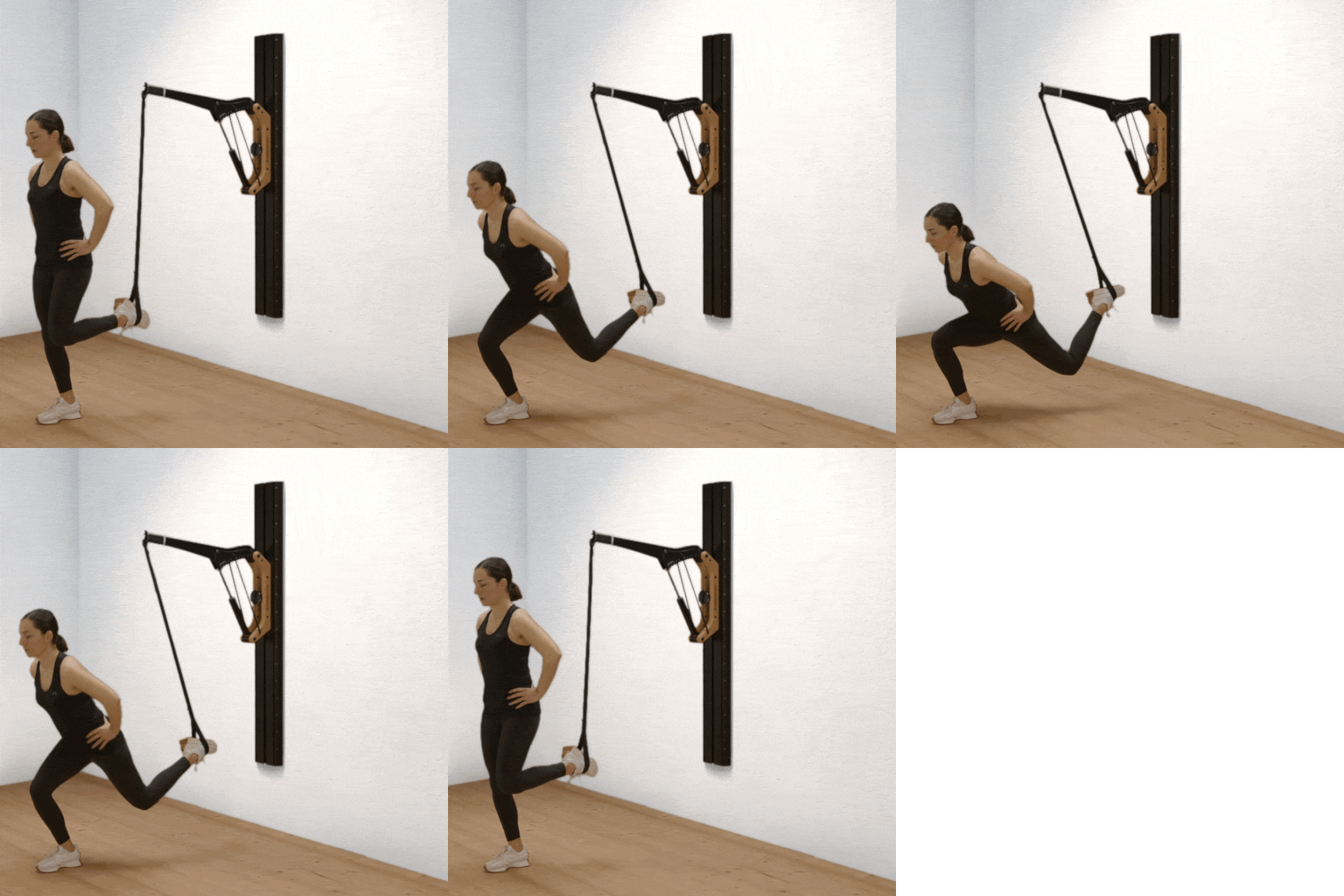
The cable kickback exercise specifically targets the gluteus and hamstring muscles. By extending the leg against the resistance of the cable, the gluteus maximus is trained through the full range of motion. Since the movement occurs primarily through one joint (the hip), the focus can be fully placed on maximum contraction and control — highly effective for developing strength and shape in the glute area.
What effect does the exercise achieve?
Strengthening the gluteus maximus: The primary muscle during leg extension against resistance is intensely activated — ideal for shaping and strengthening.
Support for the back of the leg: The hamstrings assist as synergists, especially during the transitional phases and stabilization.
Stabilizing effect on hips & torso: To maintain balance, the torso must stay engaged — activating the core and hip stabilizers.
Isolation without stress on back or knees: Since the supporting leg remains nearly straight and the upper body leans forward slightly, the lower back is relieved and the movement stays controlled.
Continuous training stimulus: The constant cable resistance ensures that the muscle remains active even at the reversal point — avoiding any "dead spot" in the movement.
How does this exercise fit into the Big 5 concept?
The Big 5 include the fundamental exercises: squat, deadlift, bench press, pull-up or lat pulldown, and shoulder press. Cable kickbacks are not a classical part of the Big 5, but they can complement the Big 5 training concept in a highly valuable way:
They strengthen the posterior chain — especially glutes and hamstrings — and thereby improve performance in basic exercises such as squats and deadlifts.
They help prevent muscular imbalances, particularly when the glutes are weaker compared to the quadriceps or other front-leg muscles.
They can be easily integrated as supportive accessory exercises without adding unnecessary fatigue to the basic exercises.
:format(webp))
)
)
)
)
)
:format(webp) "EISENHORN S Black Edition")
 "EISENHORN S Black Edition")