What makes this exercise particularly effective?
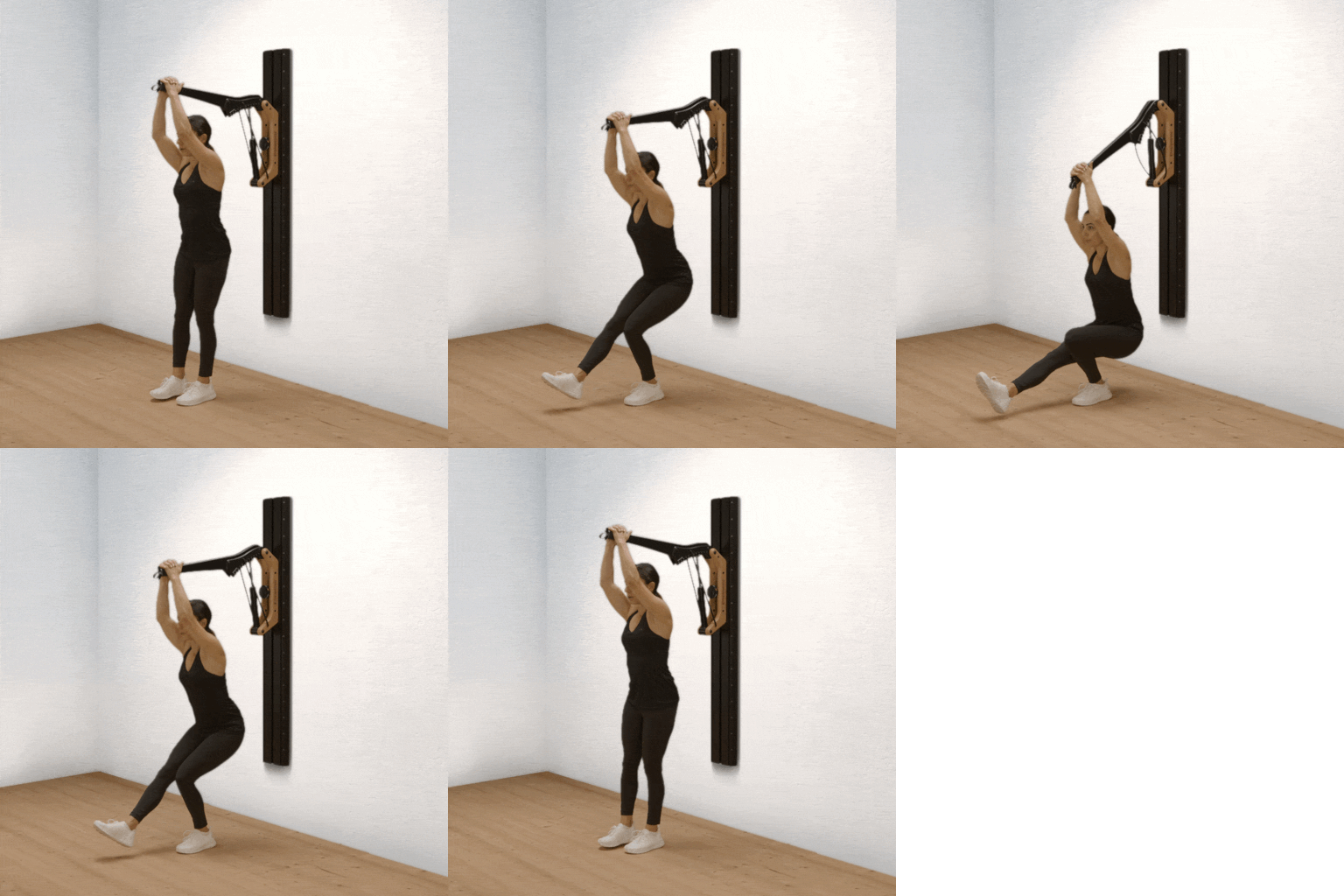
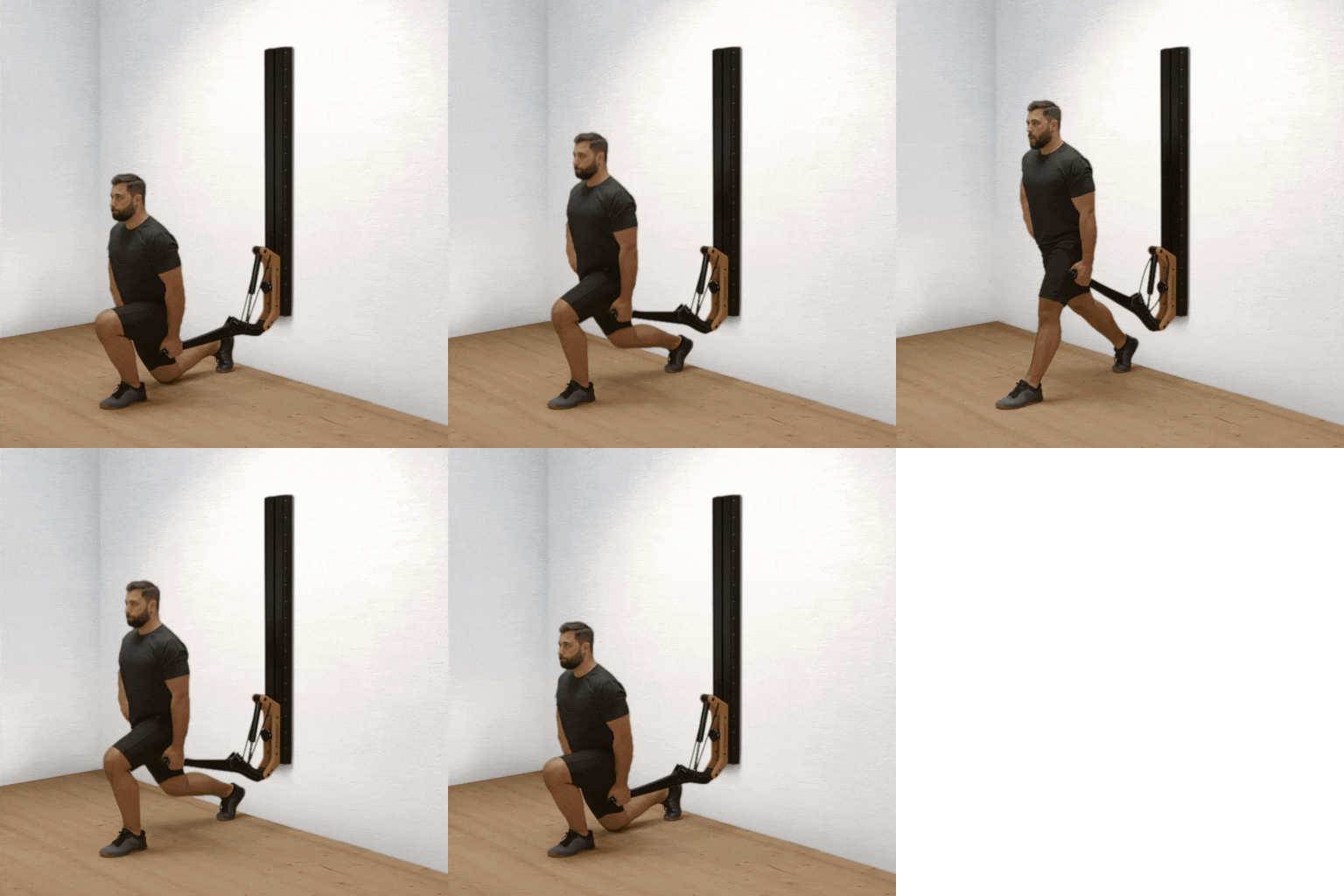
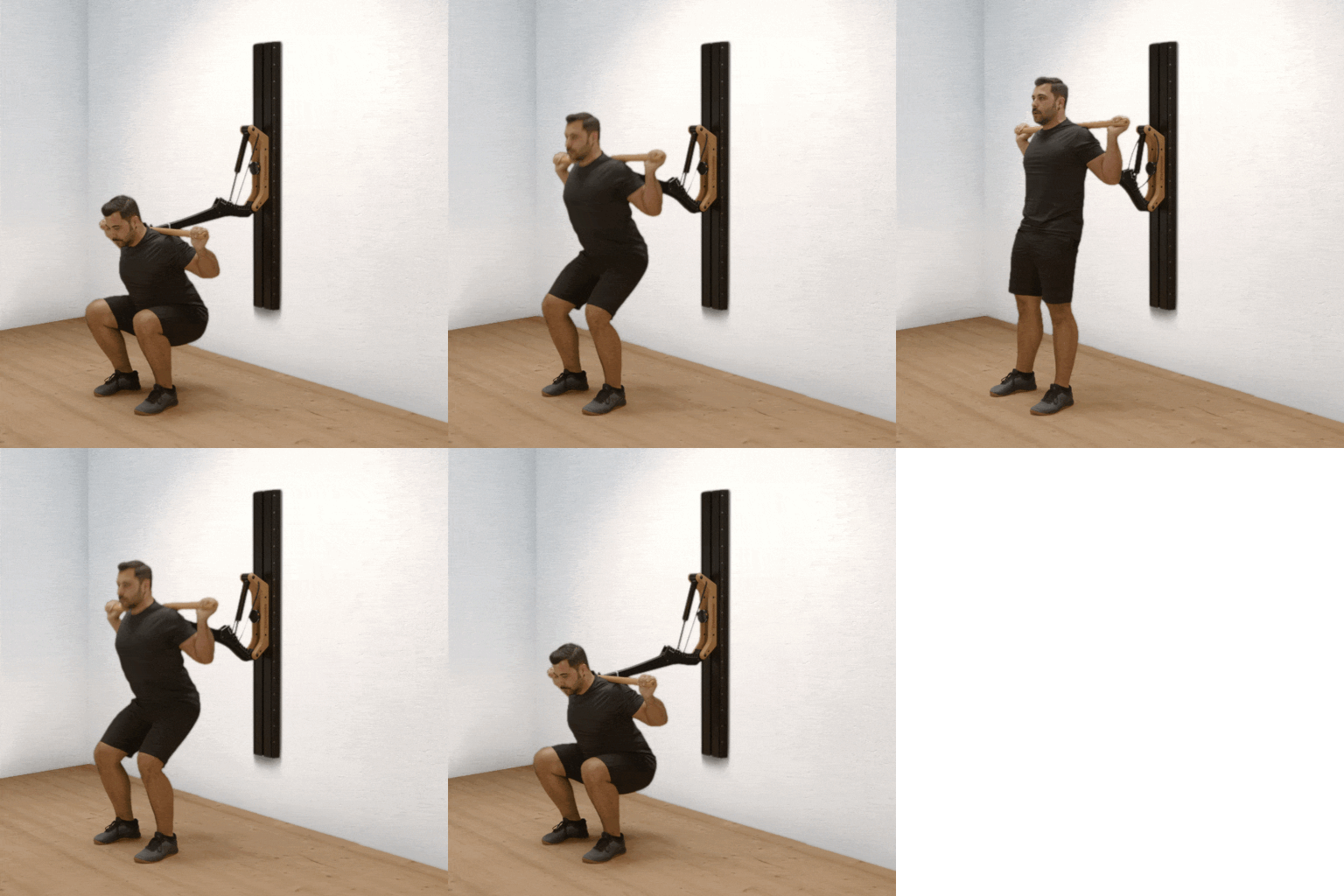
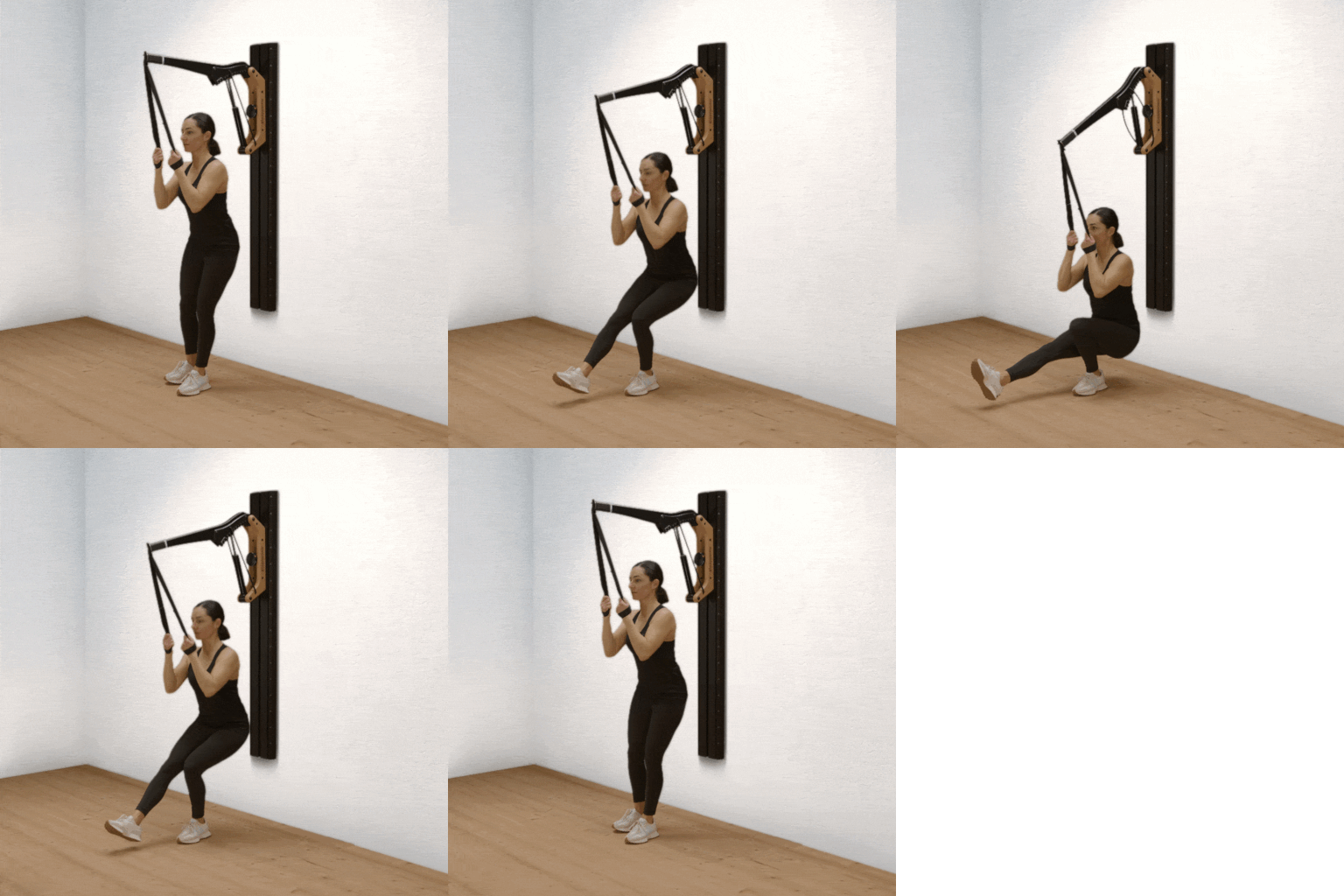
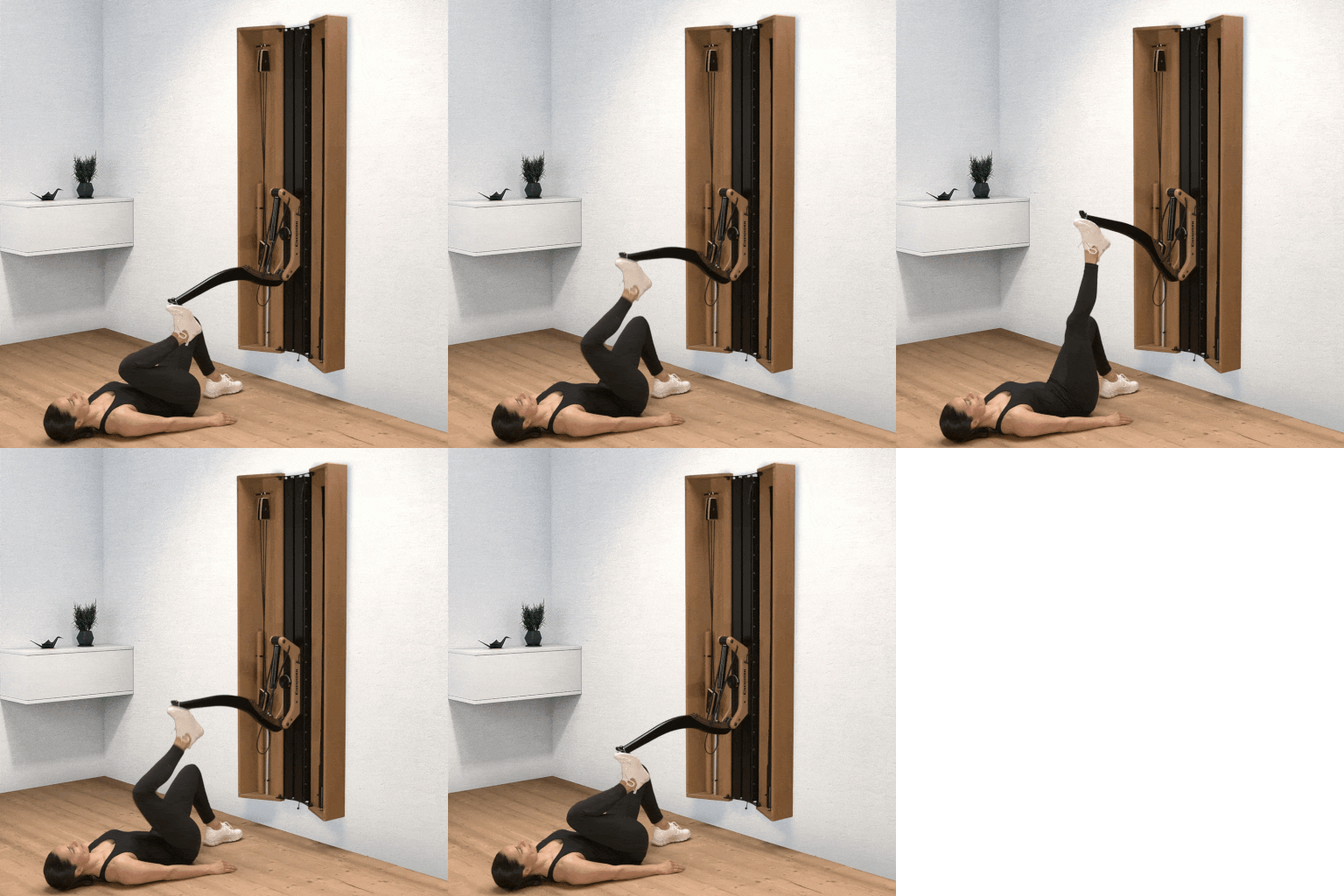
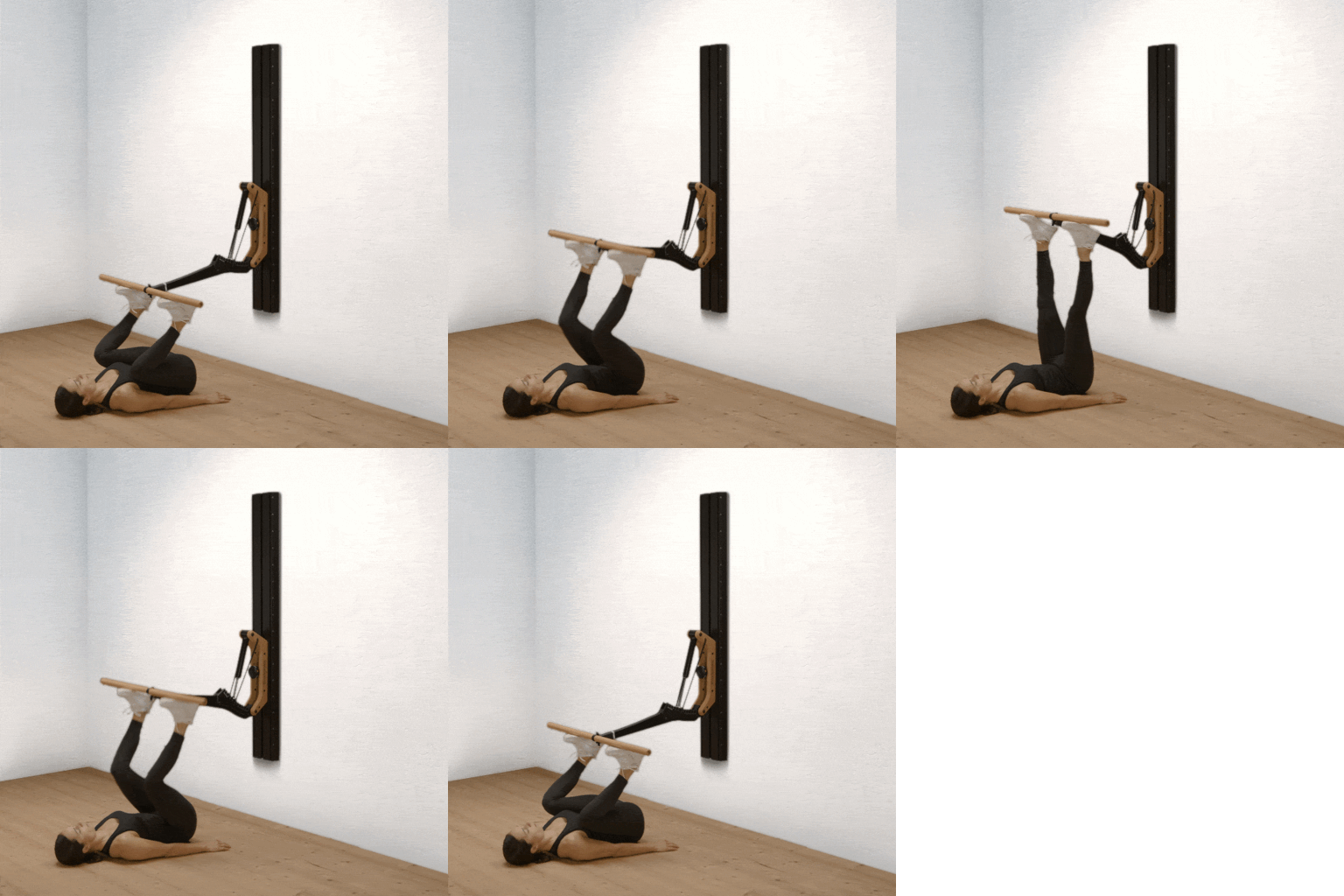
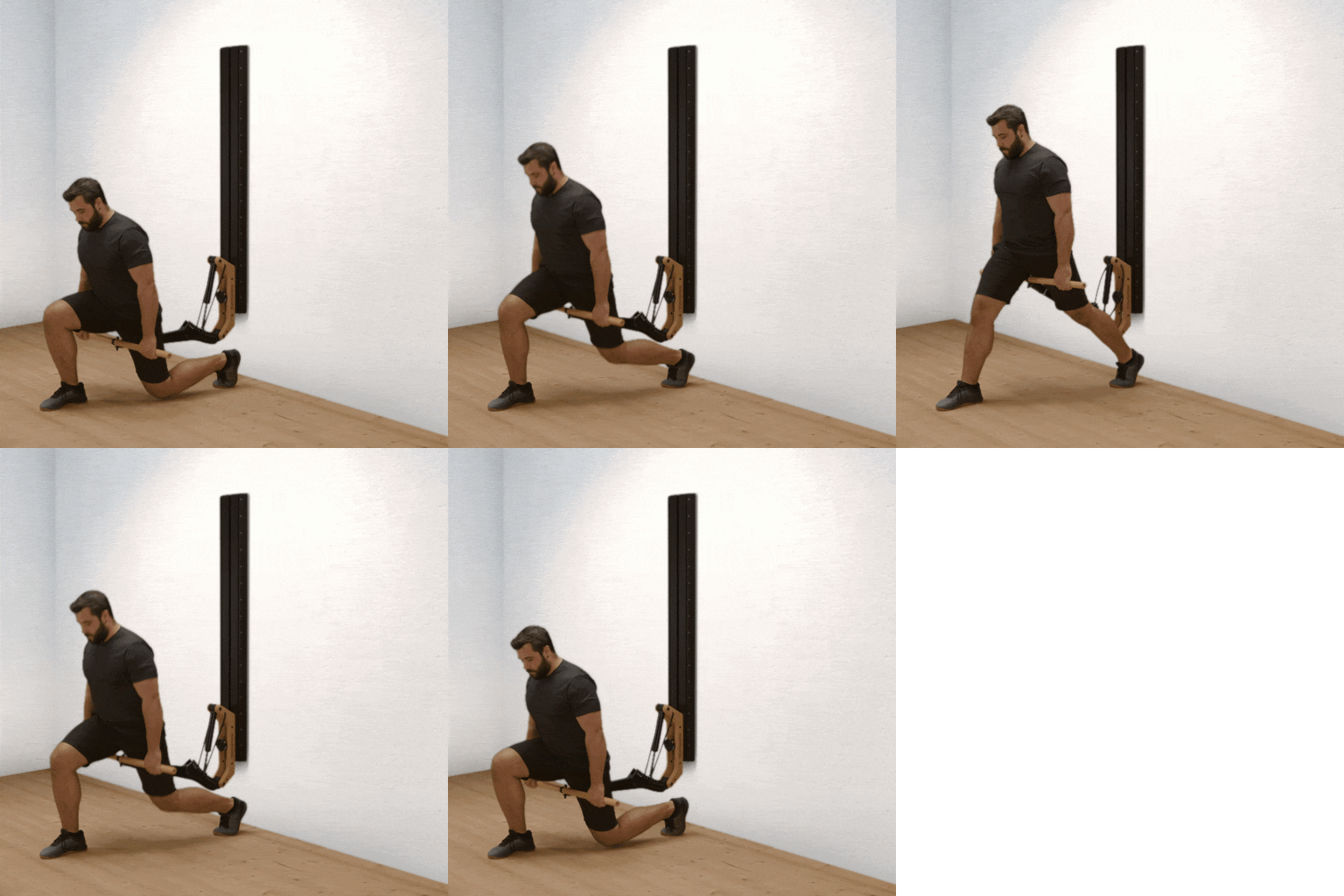
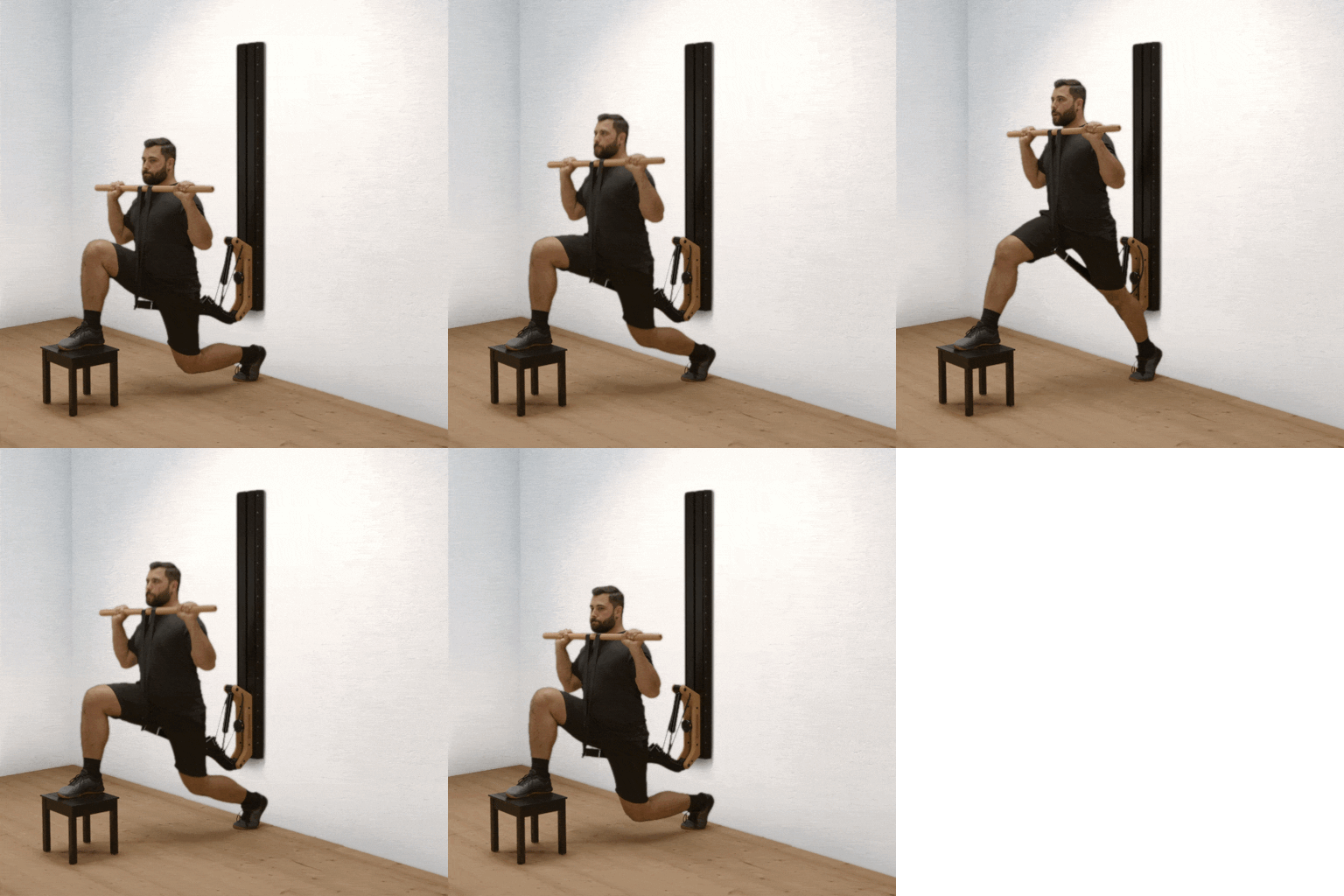
The leg extension on a cable machine (also known as "Cable Leg Extension") is an isolation leg exercise in which knee extension is performed using a cable and, optionally, an ankle cuff. The force transmission through the cable allows for constant resistance throughout the entire range of motion—both in the concentric (lifting) and eccentric (lowering) phases. Additionally, you can introduce variation by changing the angle of pull and body position, which can target different parts of the quadriceps more or less intensely.
What effect does the exercise achieve?
Targeted quadriceps activation: The focus is almost exclusively on the quadriceps, especially the rectus femoris and the vasti muscles. Thanks to the isolation movement, the quadriceps are fully and specifically stimulated.
Continuous muscle tension: The cable system ensures that the muscle remains under tension throughout the entire movement—no “resting” at the bottom of the range.
Correction of imbalances: When performed bilaterally or unilaterally, this exercise allows you to identify and compensate for side-to-side muscular imbalances.
Joint-friendly exercise: Compared to rigid machine systems, joint stress on the knee can be better controlled by adjusting the pulling angle and the load.
Rehabilitation & prevention: The selective focus on the quadriceps makes this exercise valuable for rehabilitation, provided the knee is stable enough. The open-chain nature (freely moving leg) allows targeted quadriceps development without overloading other leg muscles.
How does this exercise fit into the Big 5 concept?
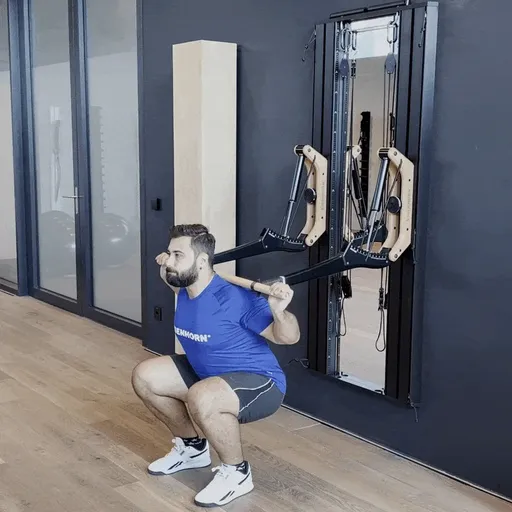
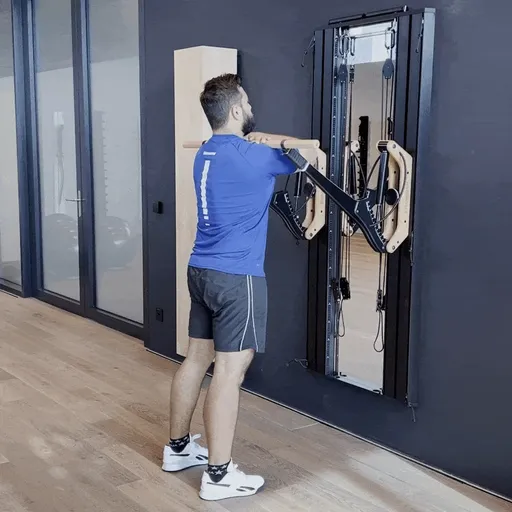
The Big 5 include the fundamental exercises: squat, deadlift, bench press, pull-up or lat pulldown, and shoulder press. Although leg extensions on a cable machine are not part of the classical Big 5,, this exercise can provide a valuable complement to the Big 5 training concept:
Supports knee strength in basic exercises: Strong quadriceps improve stability and control during squats and lunges.
Optimizes leg pushing performance: In sports requiring strong quadriceps (e.g., sprinting, jumping), targeted training can help increase performance limits.
Fine-tuning & hypertrophy: For trainees already progressing in the Big 5, cable leg extensions can serve as a “finisher” or adaptation stimulus to further stimulate quadriceps growth.
Variation and stimulus control: In a periodised plan (e.g., MIKE5), this exercise can be used to introduce new stimuli and address muscular gaps.
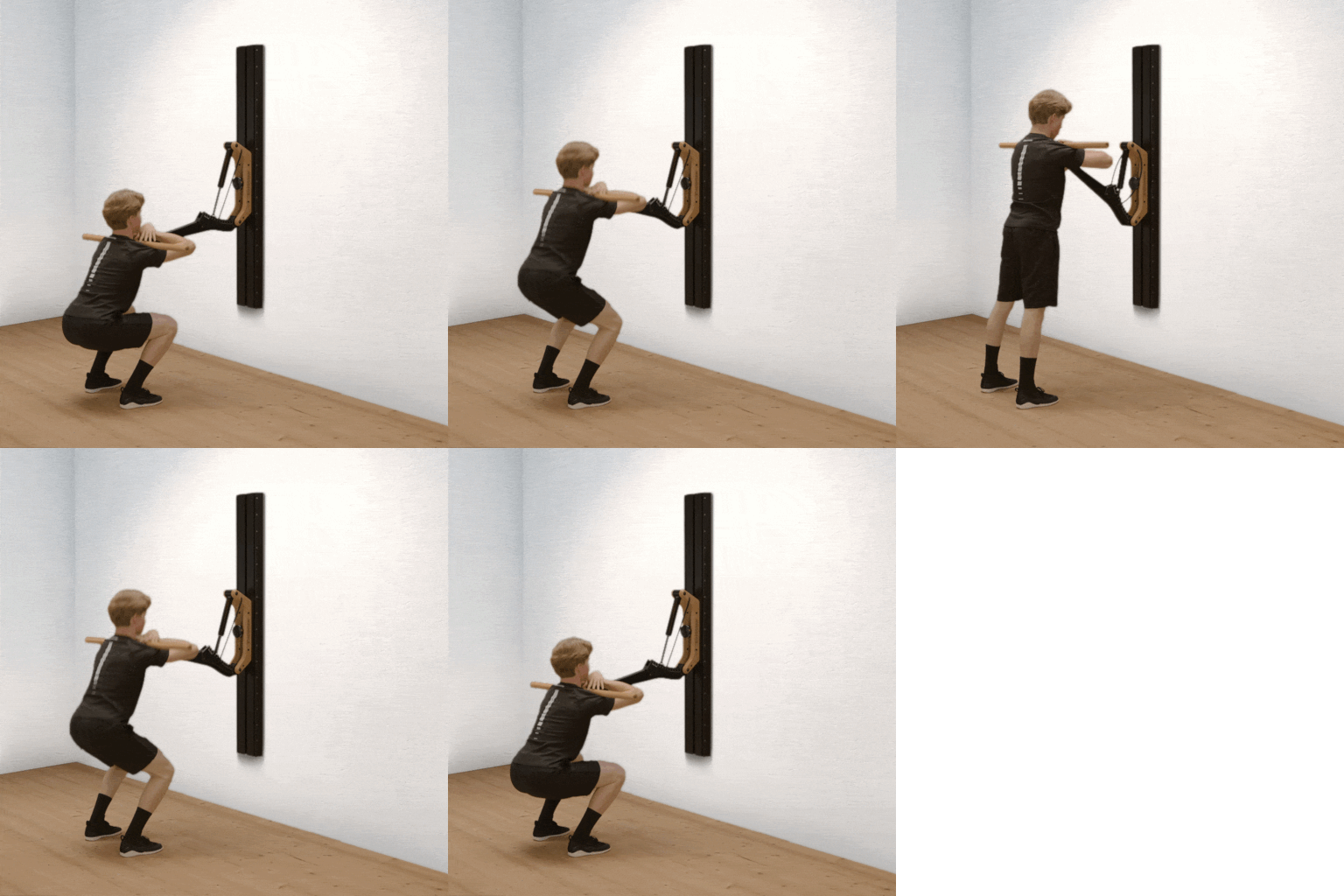
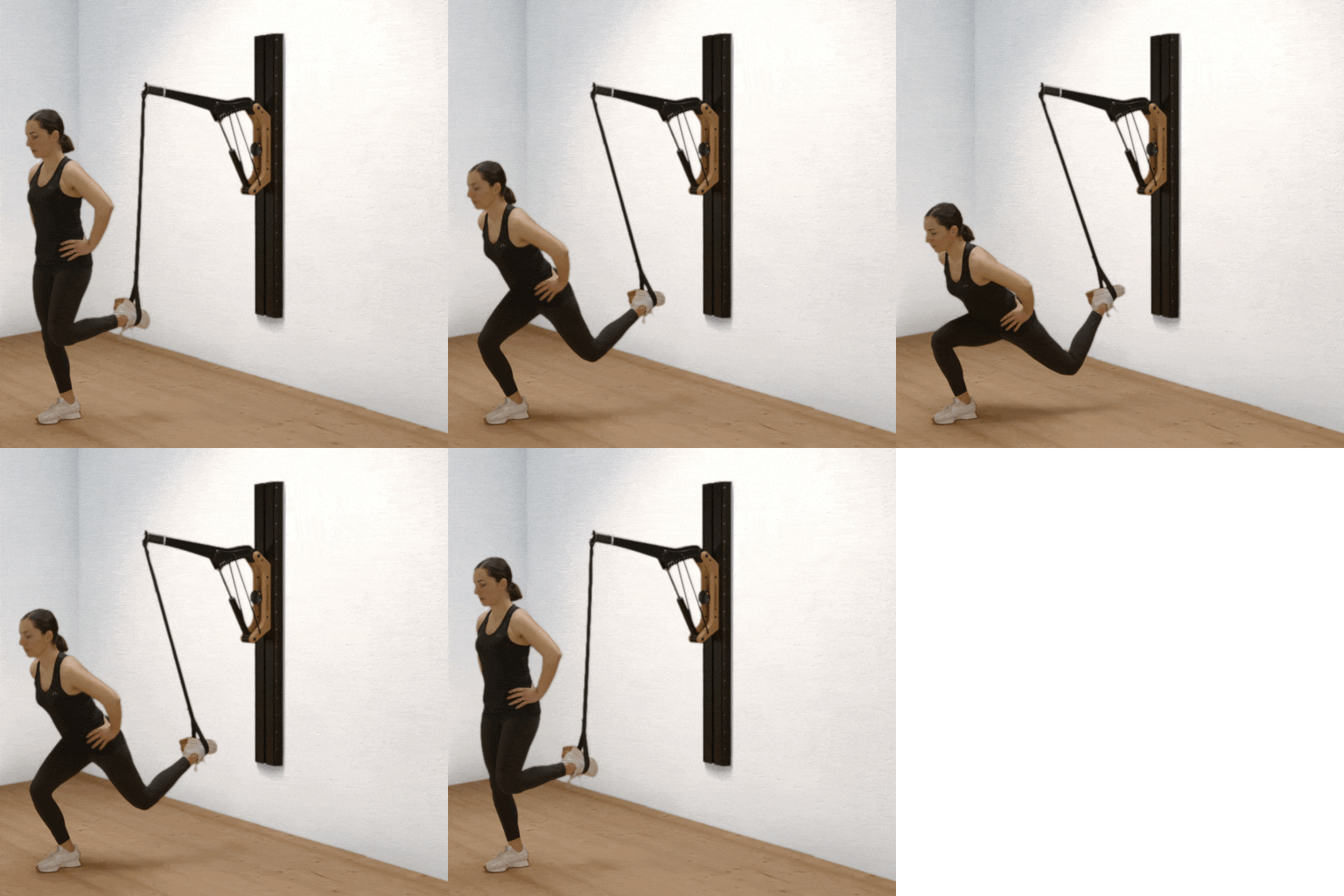
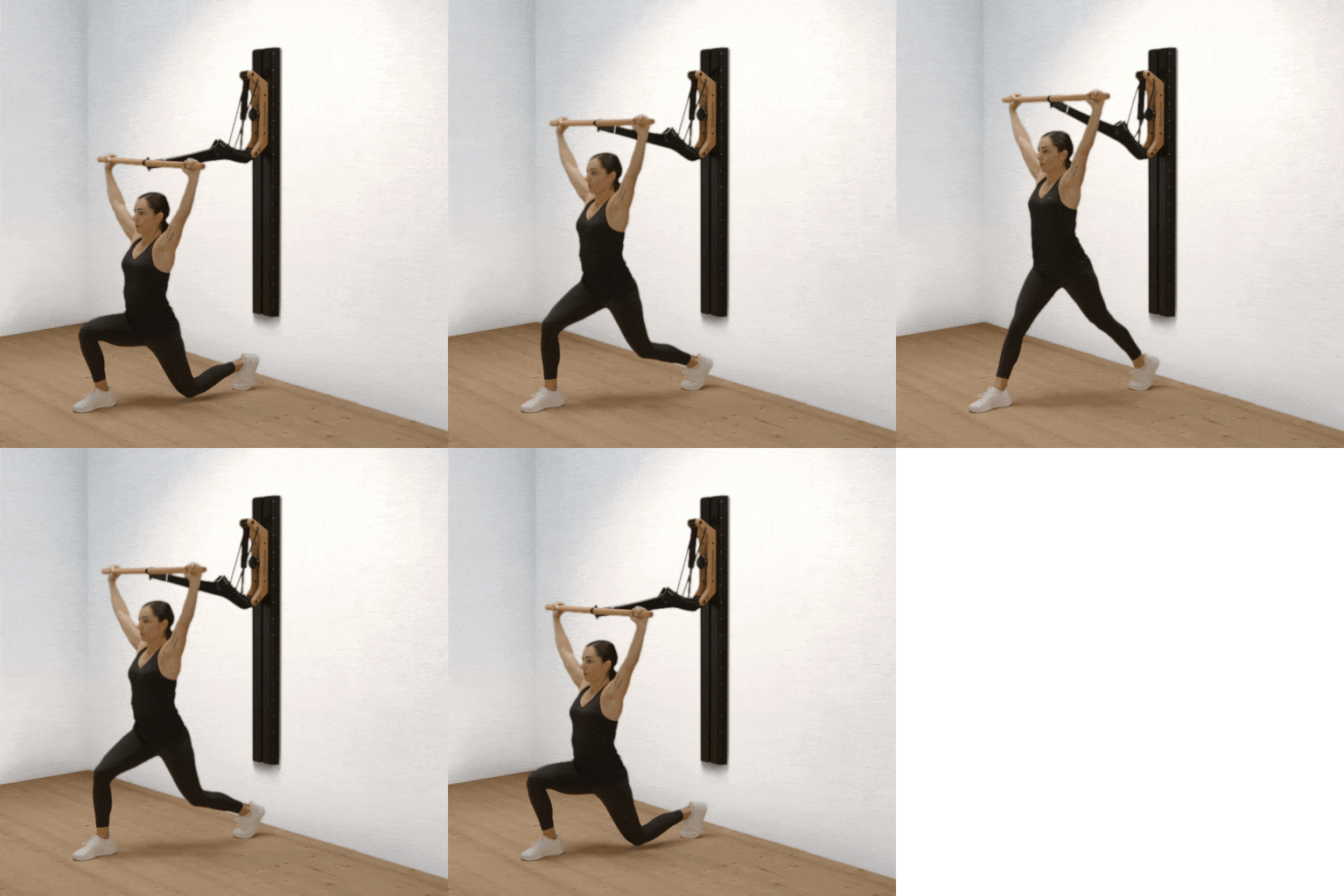
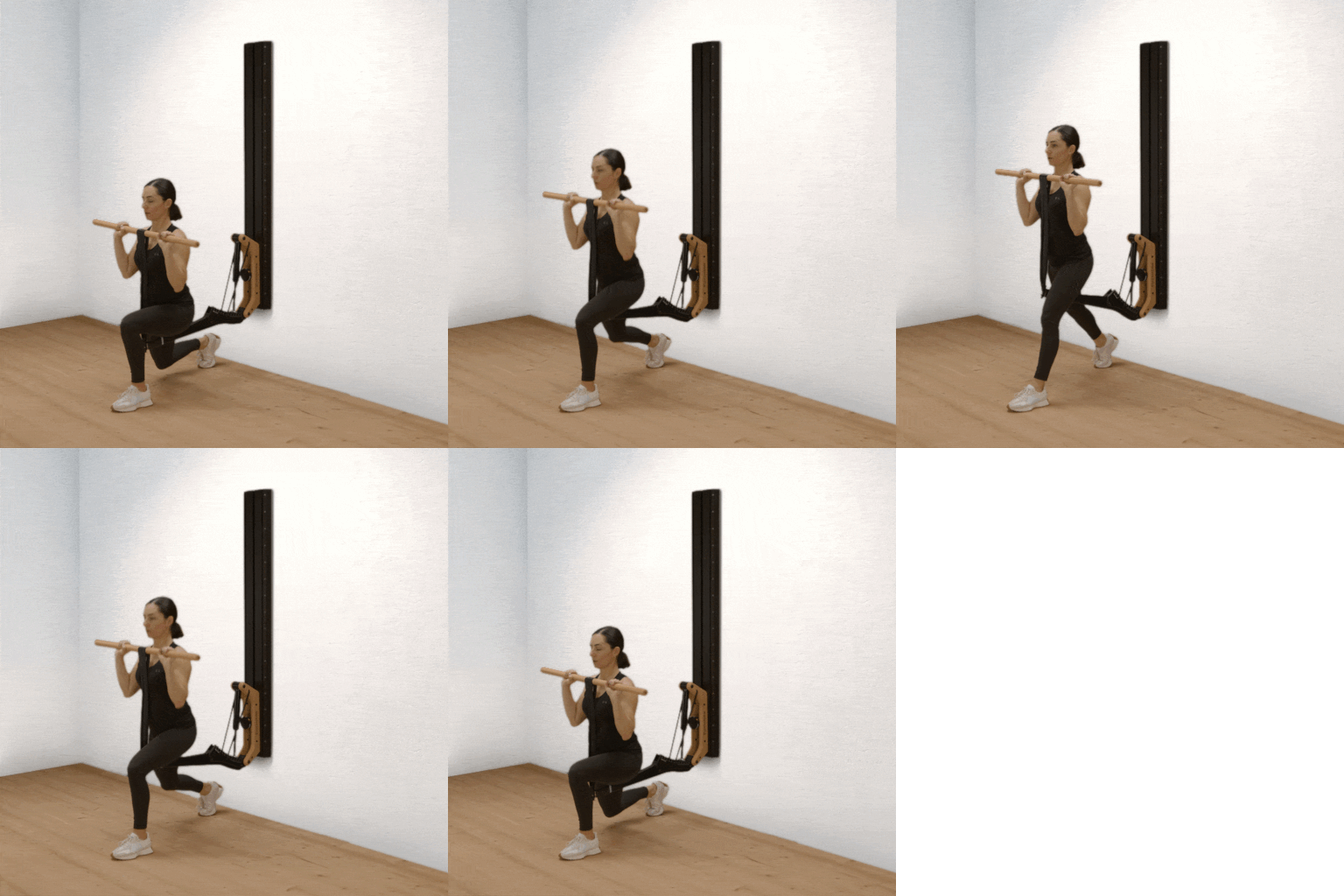
:format(webp))
)
)
)
)
)
:format(webp) "EISENHORN S Black Edition")
 "EISENHORN S Black Edition")