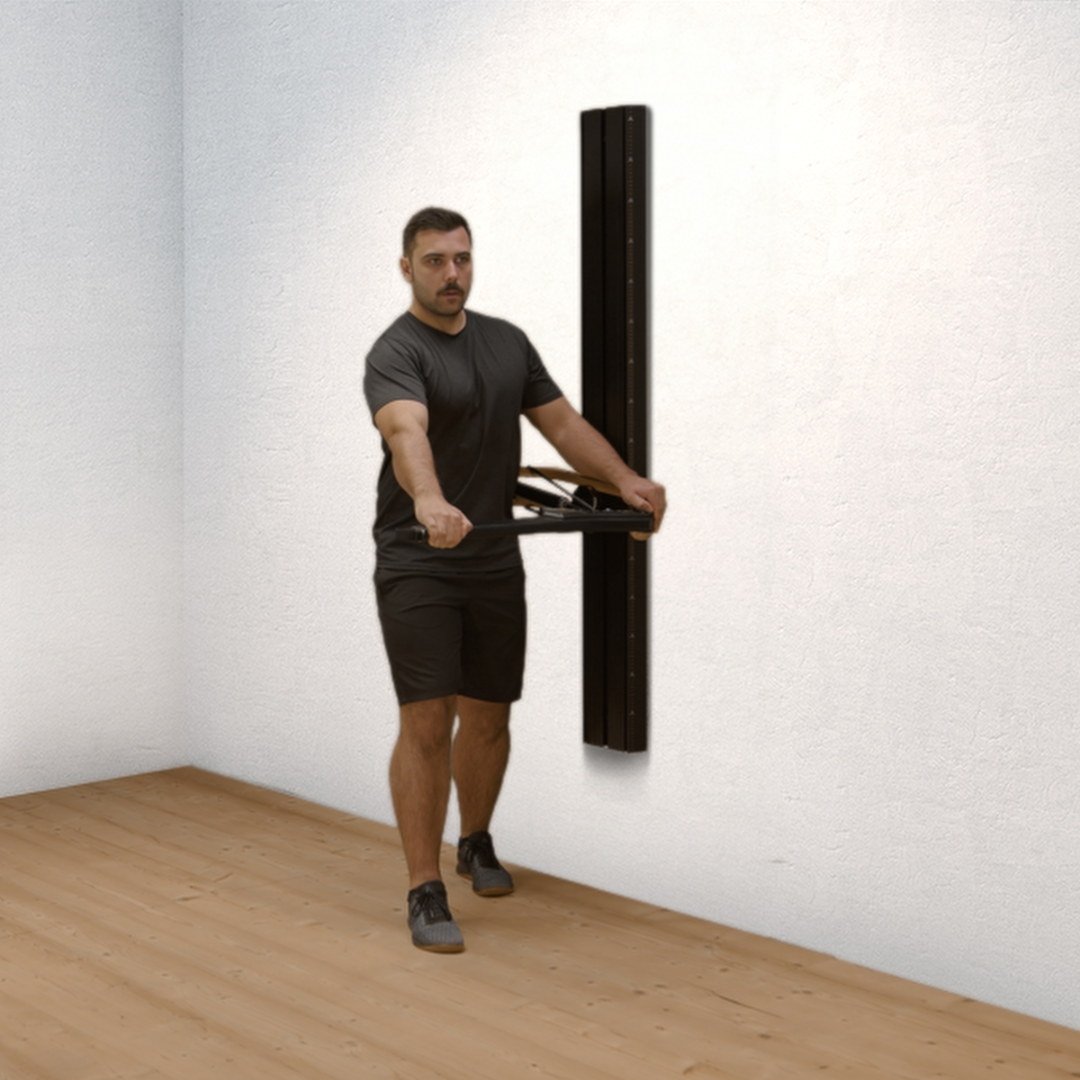
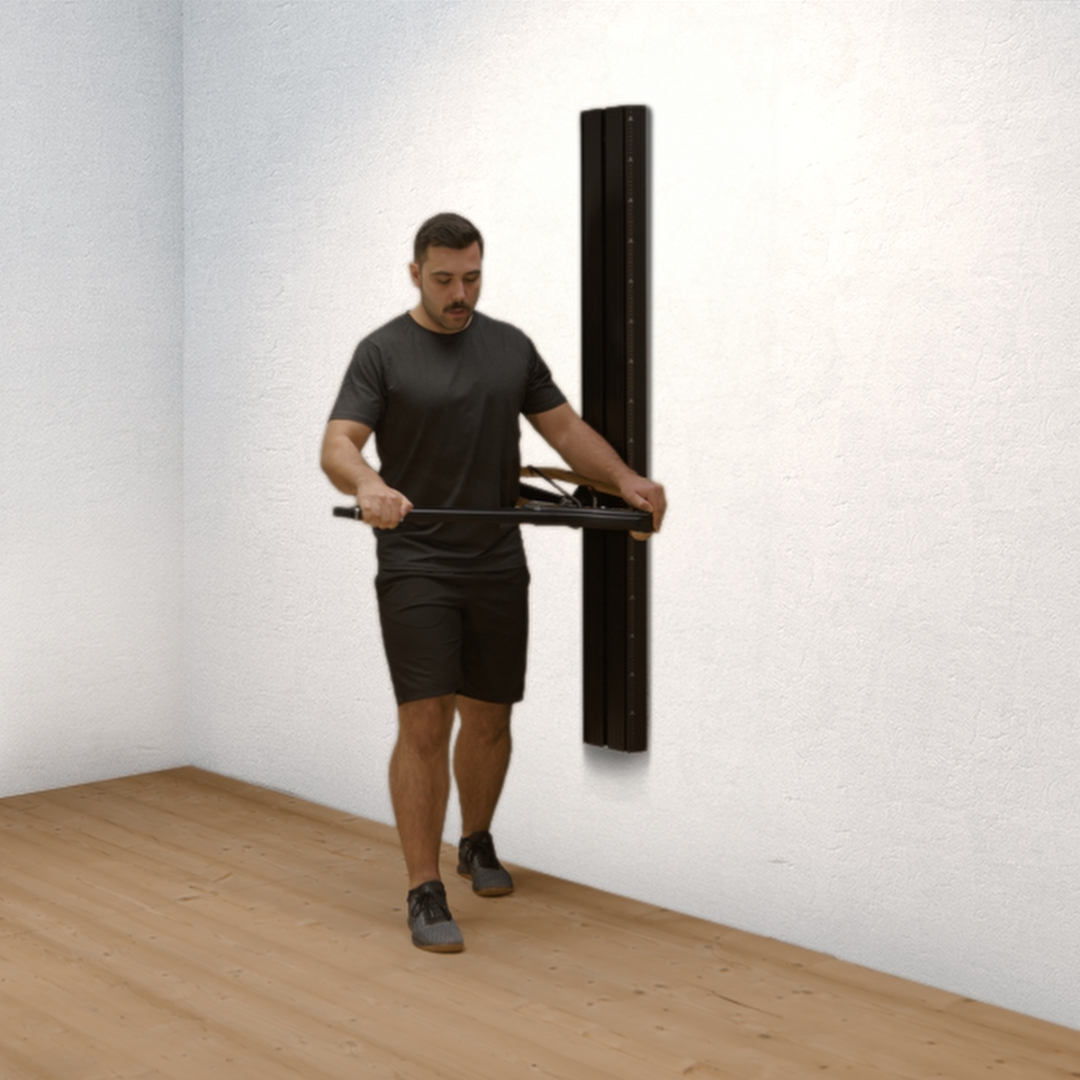

What makes this exercise particularly effective?
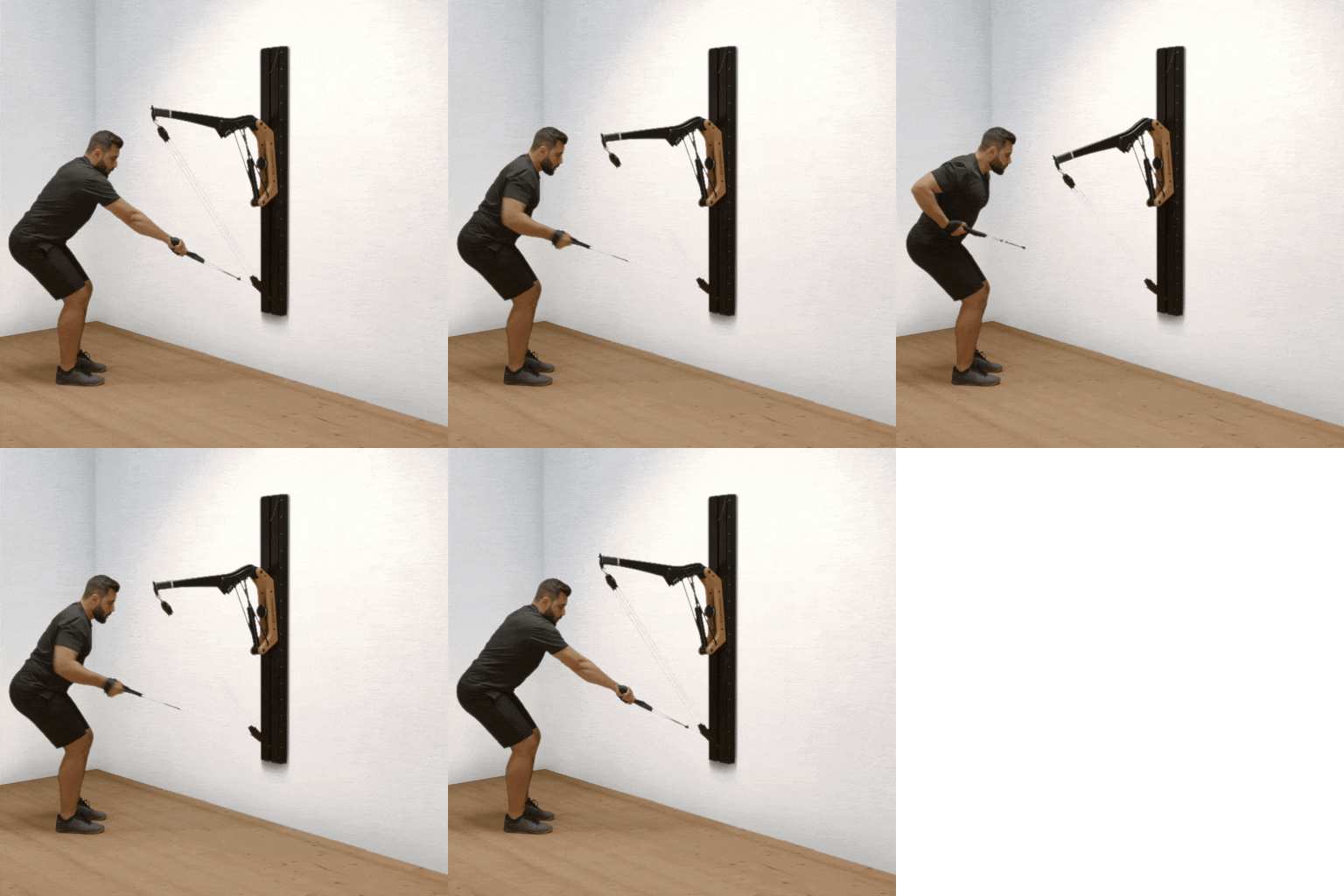
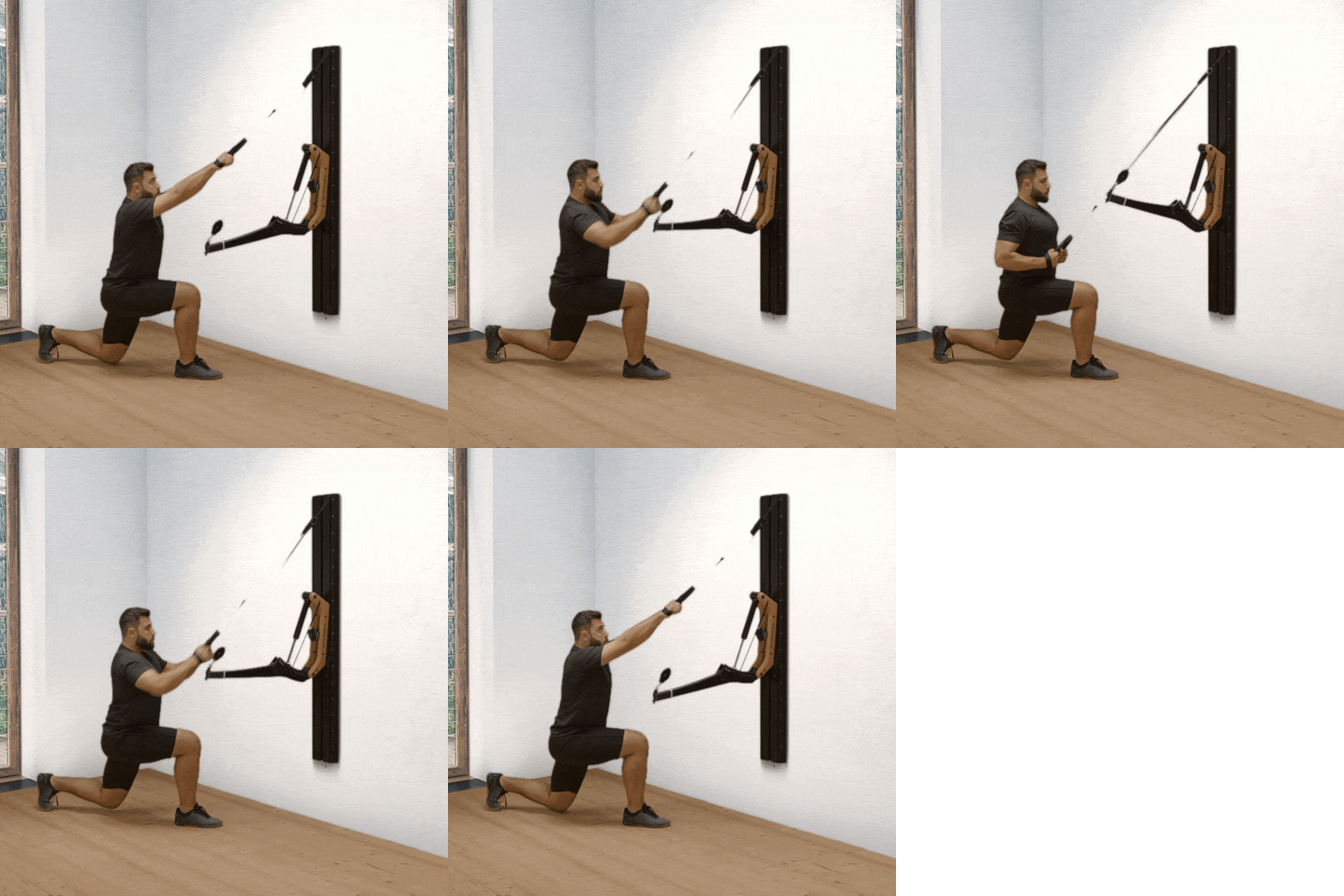
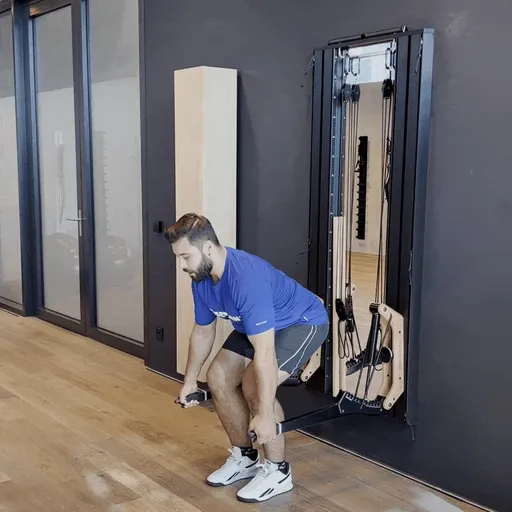
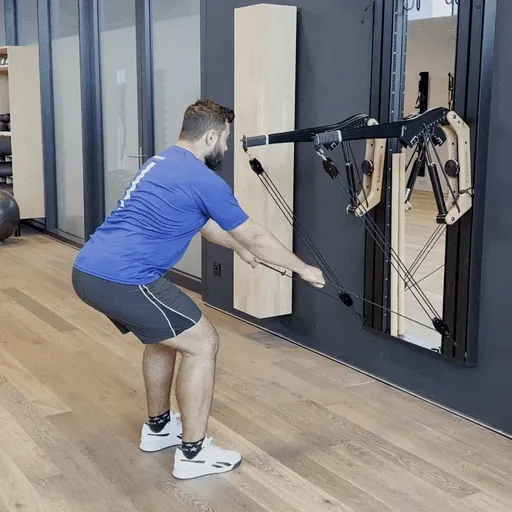
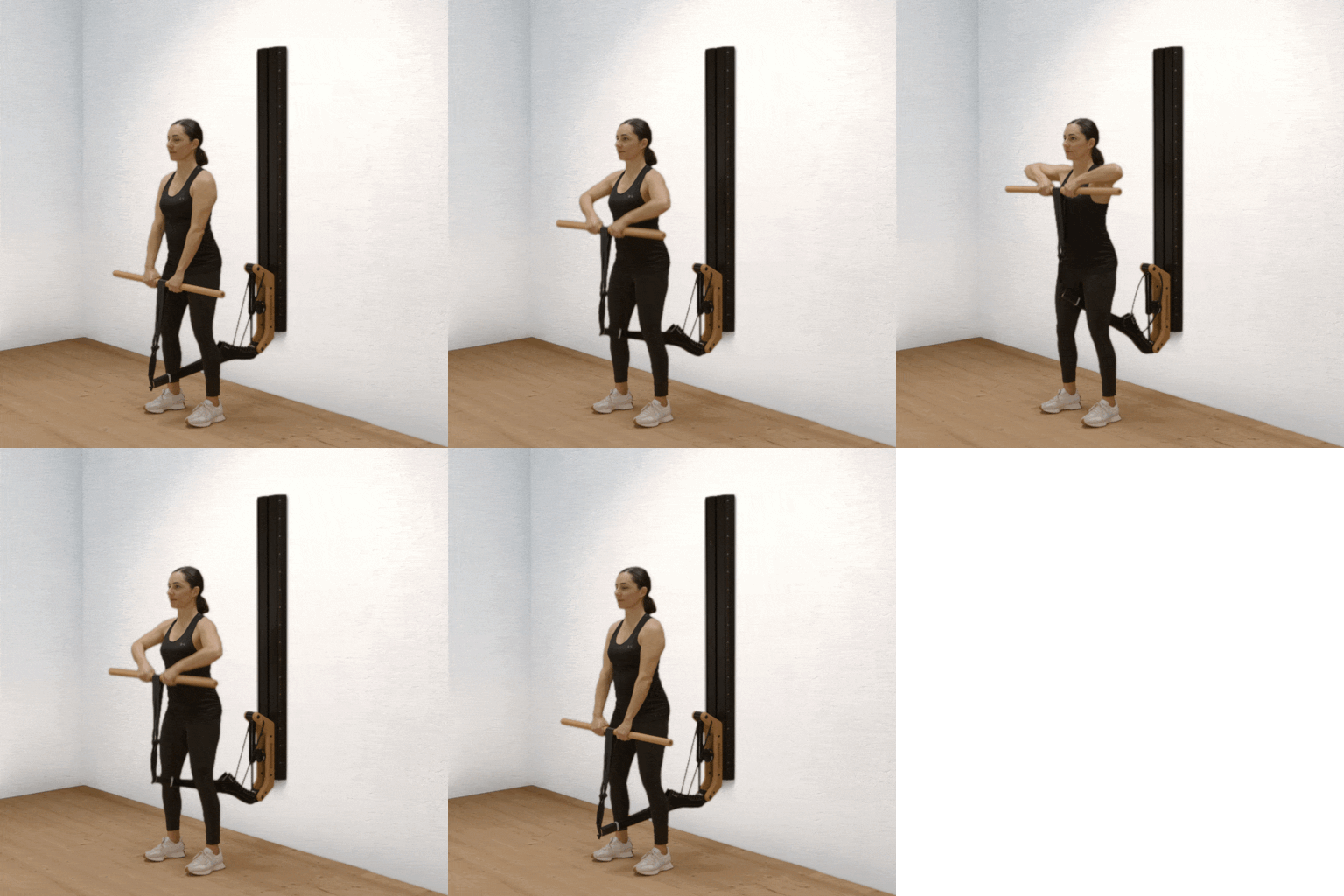
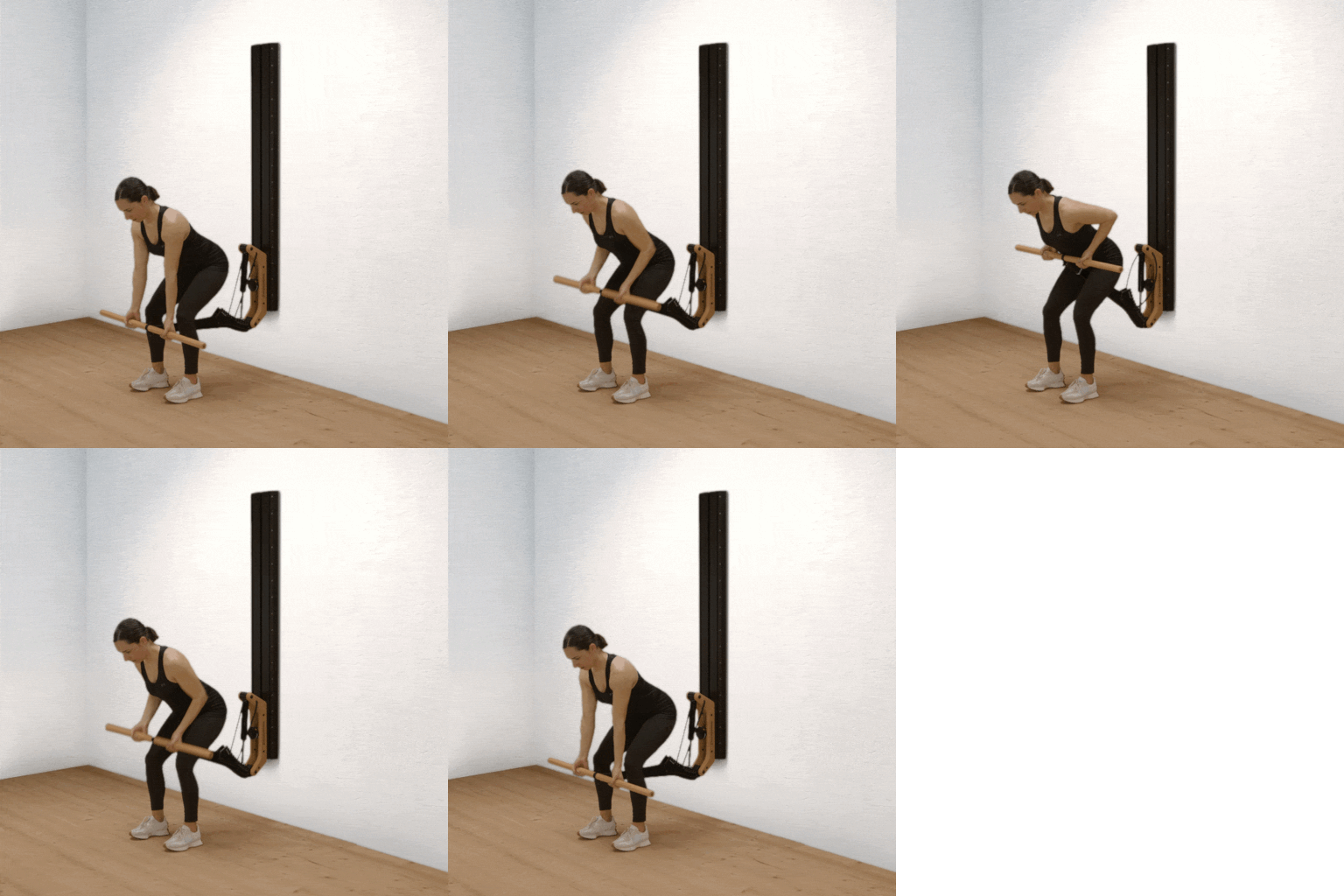
The one-arm lateral row is a targeted pulling exercise performed unilaterally—ideal for activating the upper and middle back muscles, especially the latissimus dorsi, rhomboids, and trapezius. The lateral pulling movement ensures intense muscle activation, particularly in the fascial network along the side of the body. At the same time, the movement requires controlled tension, core stability, and activation. Combined with the EISENHORN strength station S, the movement is ergonomically guided, minimizing the risk of injury while maximizing effectiveness.
What effect does the exercise achieve?
Targeted activation of the back muscles: The latissimus dorsi, trapezius, and rhomboids are stimulated in isolation, making it ideal for symmetrical development and muscle balance.
Unilateral strength development: Training one side at a time effectively helps balance muscular imbalances between left and right.
Core stability and control: The constant lateral resistance acts like an anti-rotation exercise, requiring the core to work actively to maintain trunk stability.
Functional relevance: This standing pulling movement simulates everyday activities such as lateral pulling or carrying objects, making it functional and relevant for daily life.
Clean, guided execution: Thanks to the stationary guide, the EISENHORN fitness station ensures a controlled and precise movement, allowing focused strength training without loss of technique.
How does this exercise fit into the Big 5 concept?
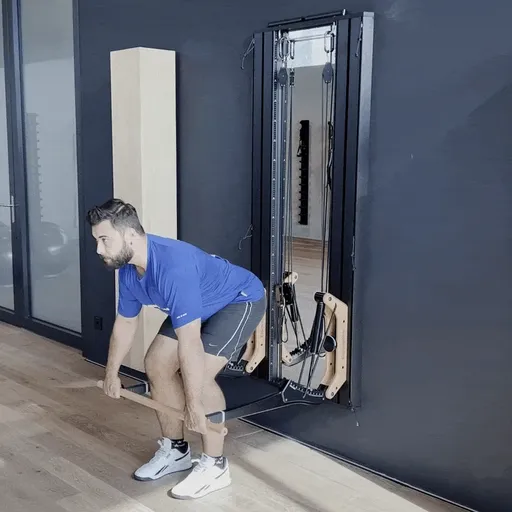
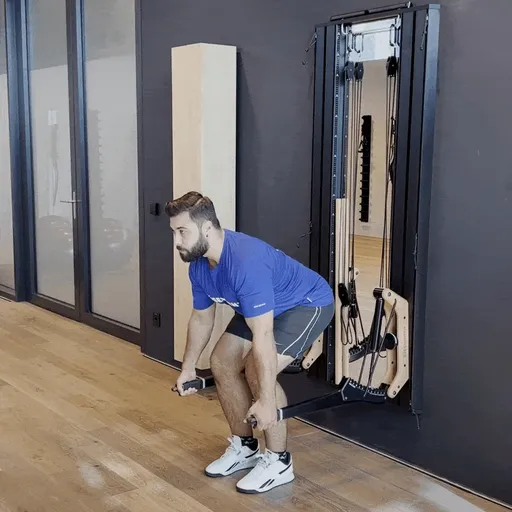
The Big 5 include the fundamental exercises: squat, deadlift, bench press, pull-up or lat pulldown, and shoulder press. Rowing unilaterally on the handle complements this concept in several ways:
Horizontal pulling component: While pull-ups and bench presses cover vertical pulling and pushing movements, this exercise adds an important horizontal pulling element, completing the back development.
Improved technical stability: Strong back muscles and core stability are essential for effectively performing all Big 5 exercises, particularly squats and deadlifts, where the back must remain centrally stabilized.
Balance and coordination: One-arm training strengthens the core and improves movement coordination, two key factors for clean, efficient, and energy-effective movement patterns.
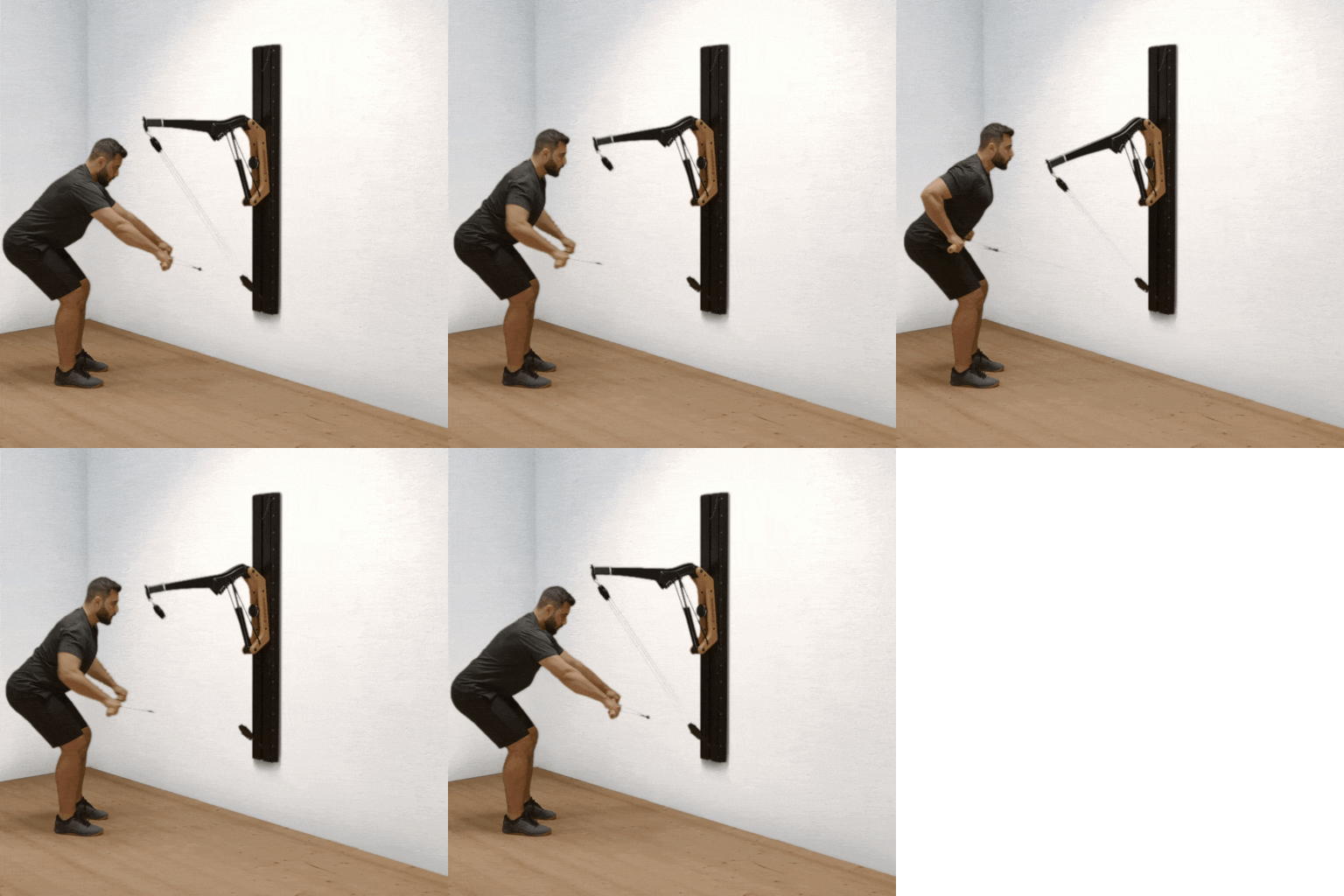
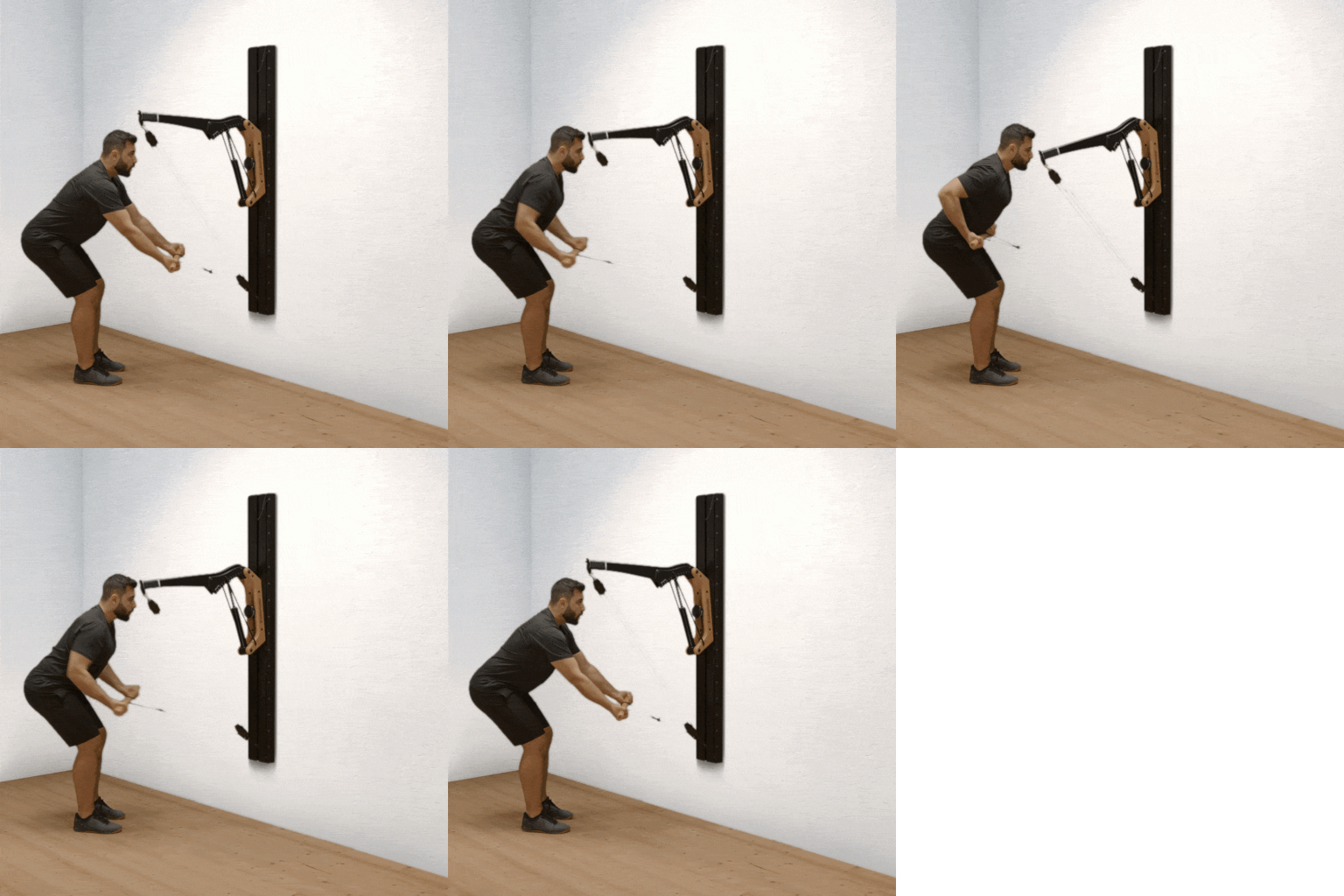
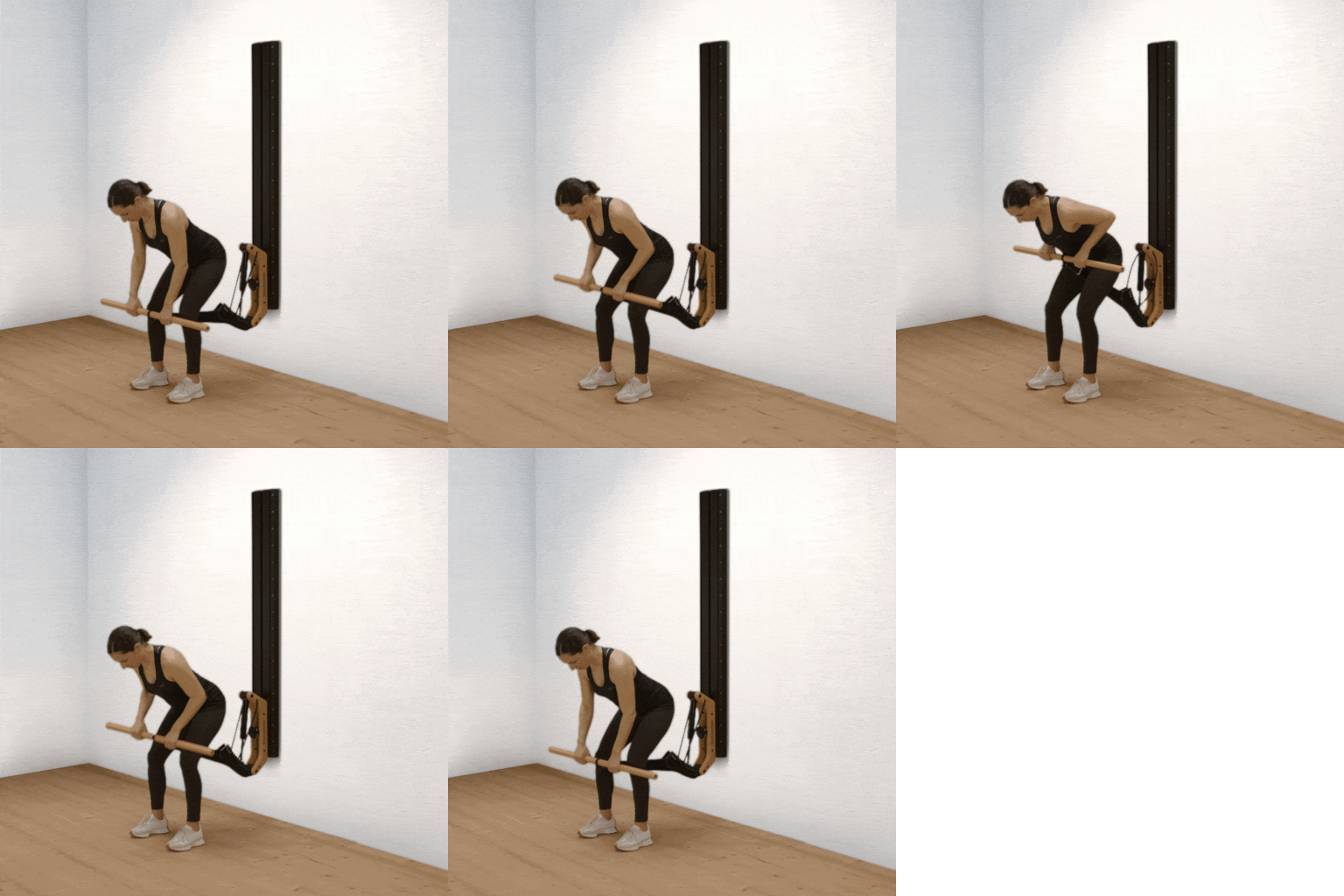
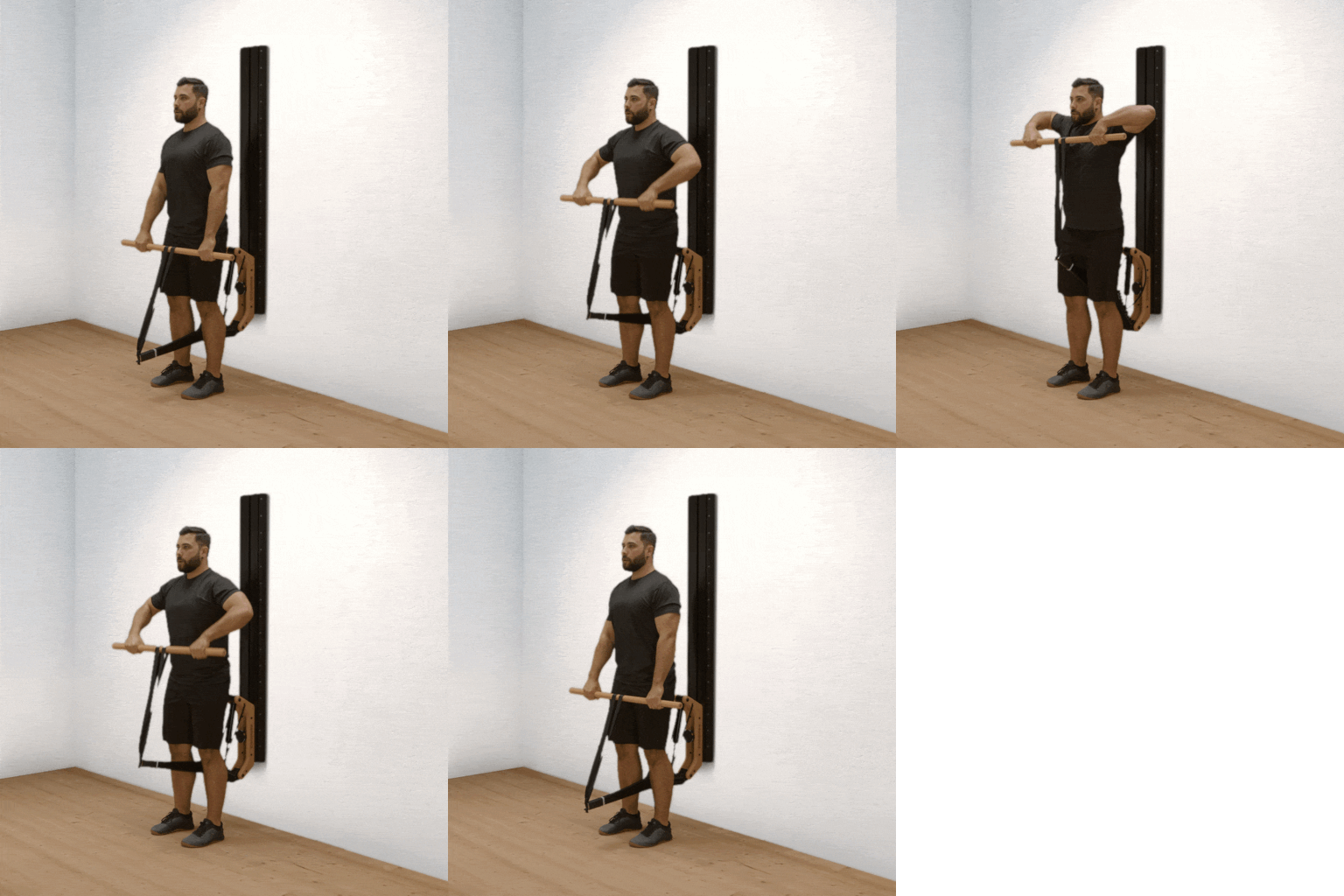
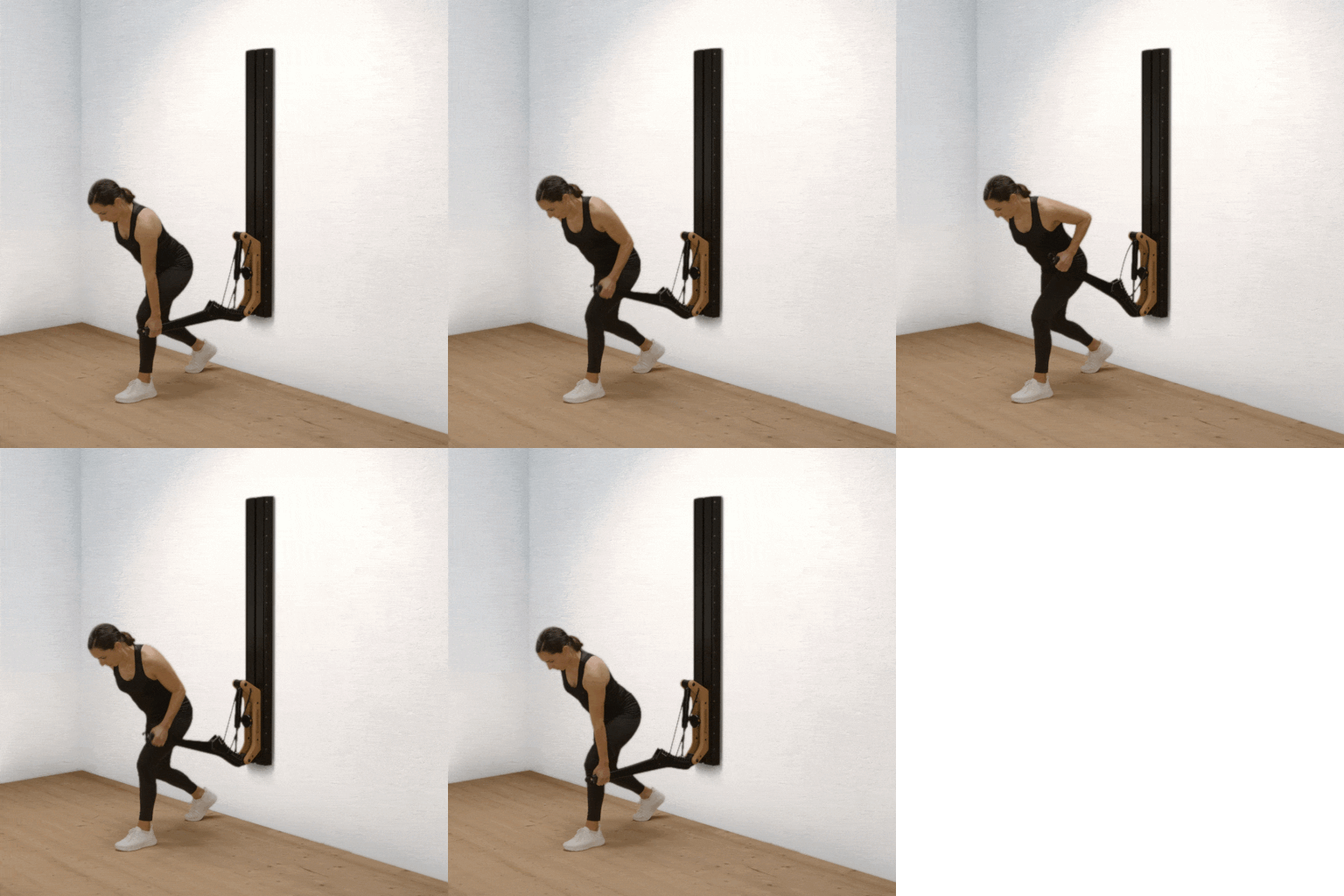
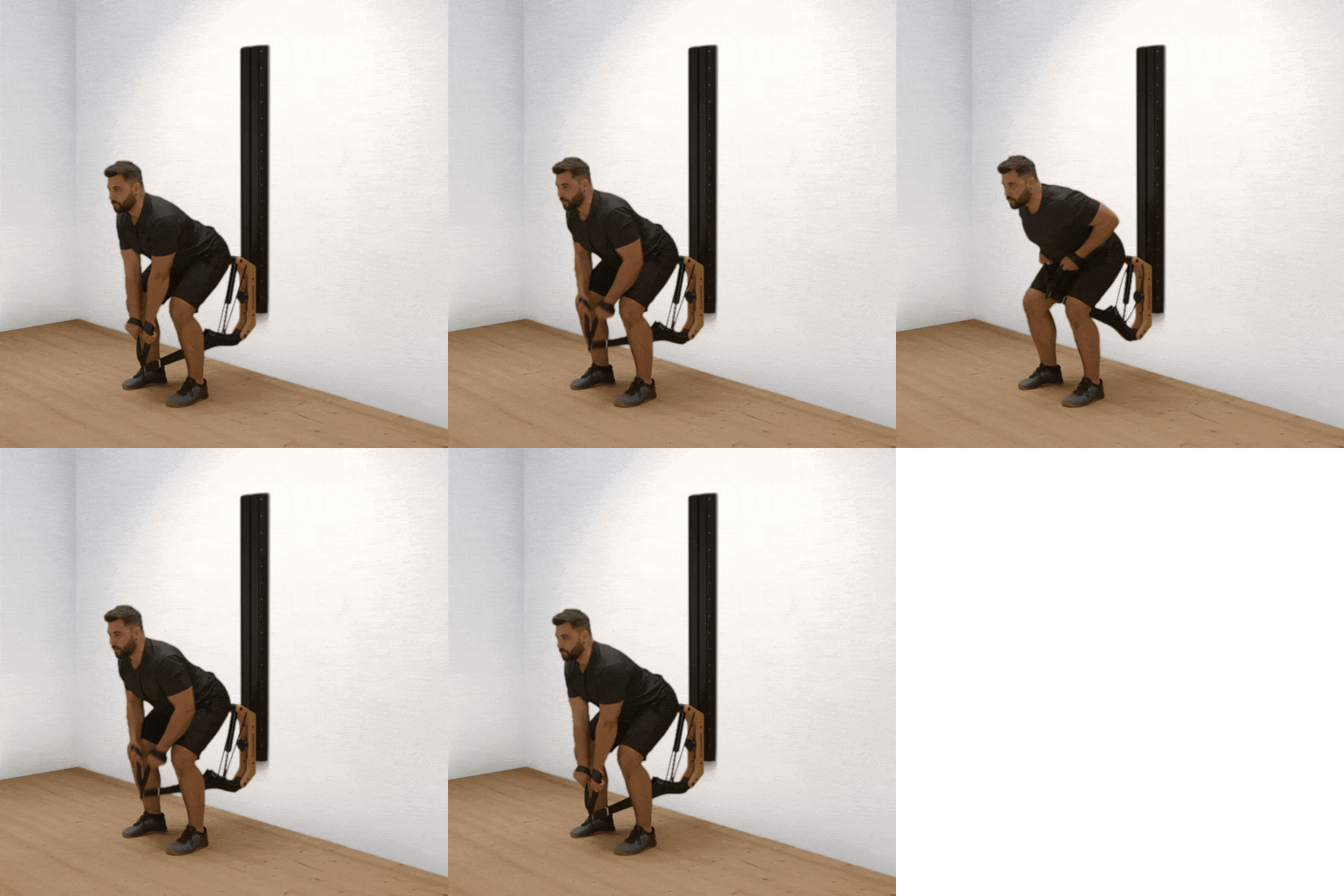
:format(webp))
)
)
)
)
)
:format(webp) "EISENHORN S Black Edition")
 "EISENHORN S Black Edition")