What makes this exercise particularly effective?
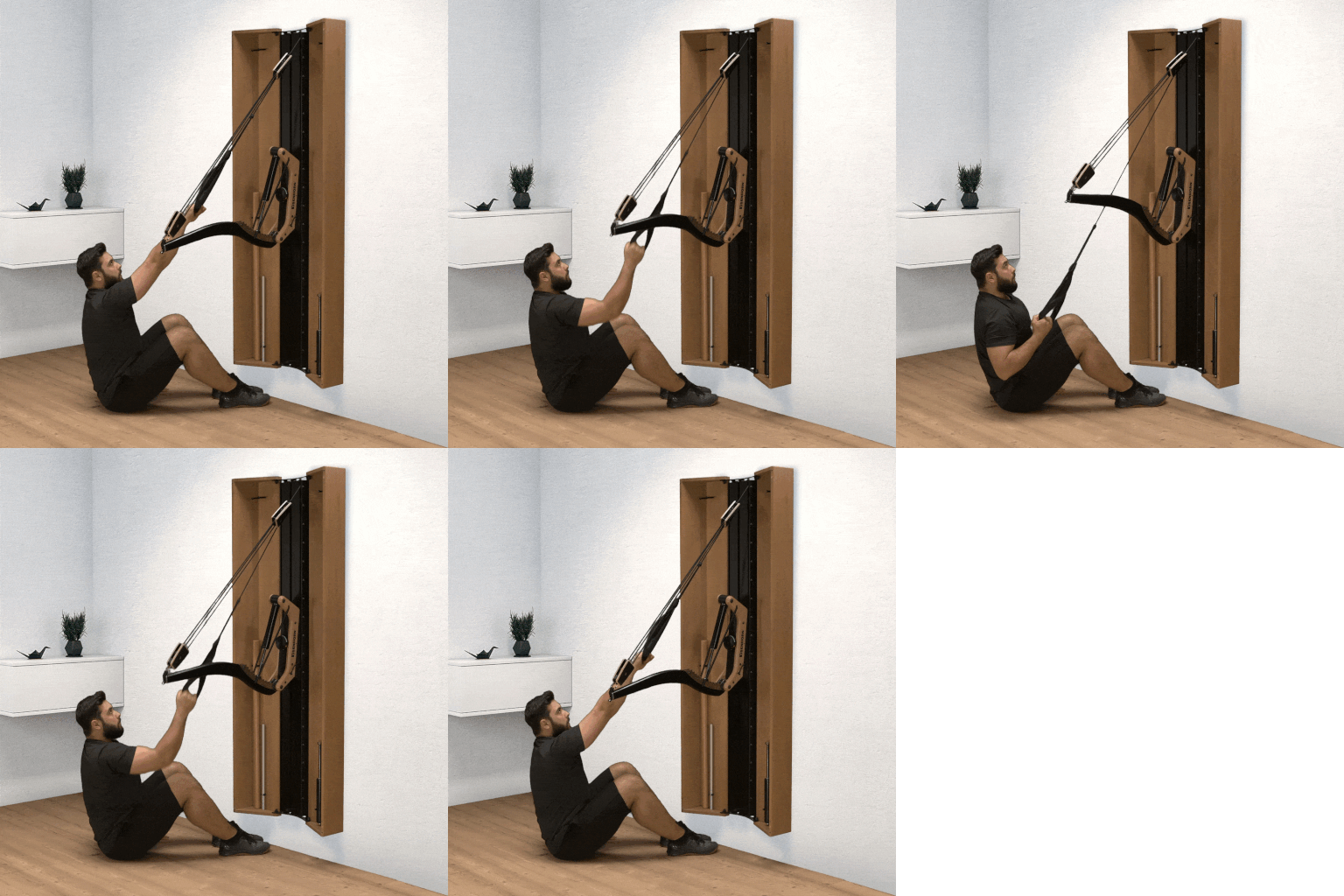
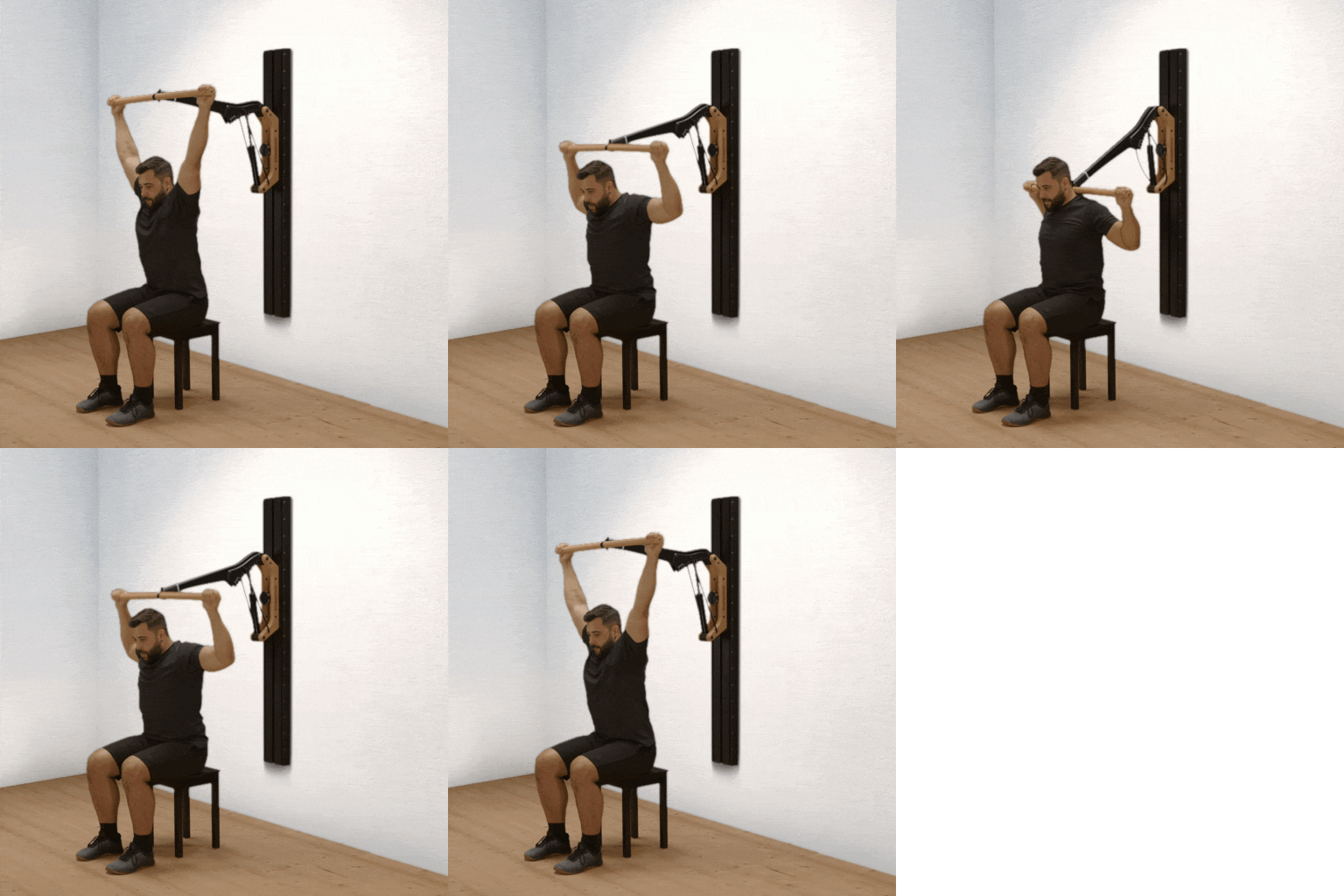
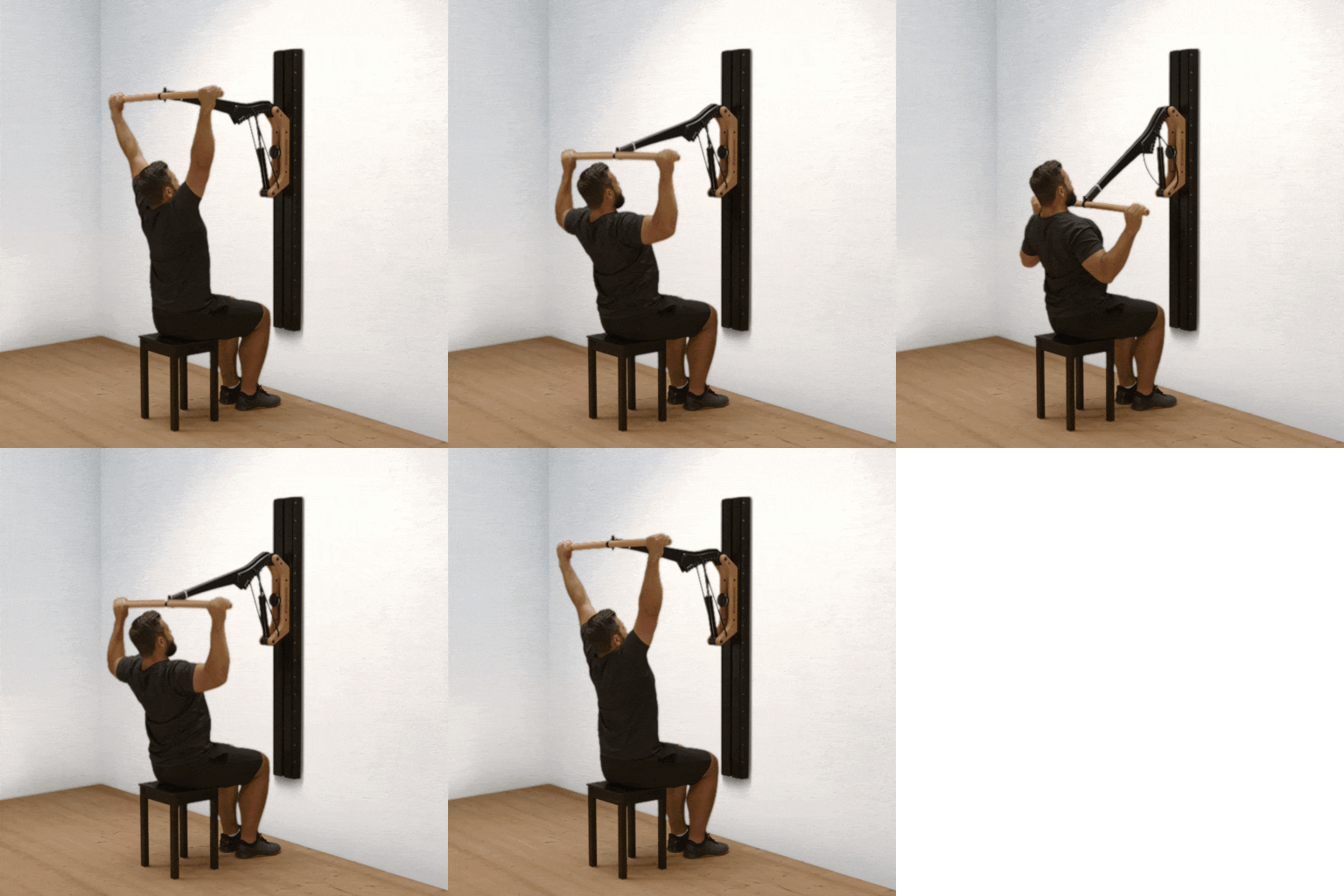
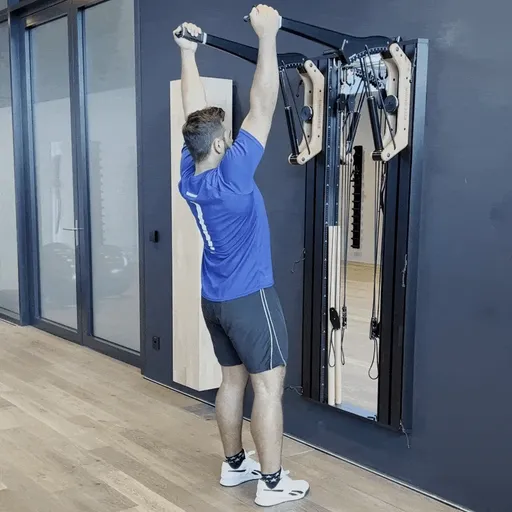
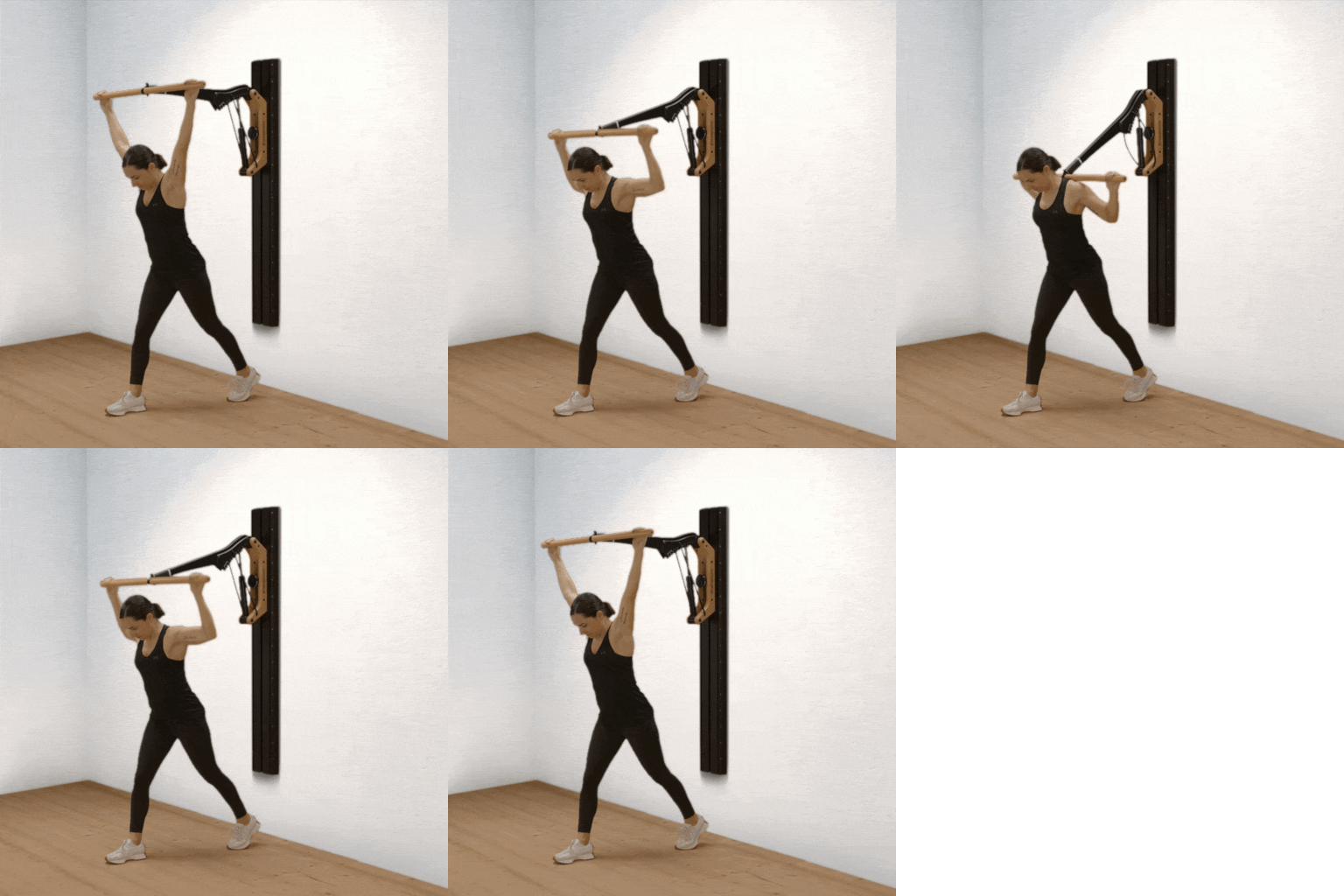
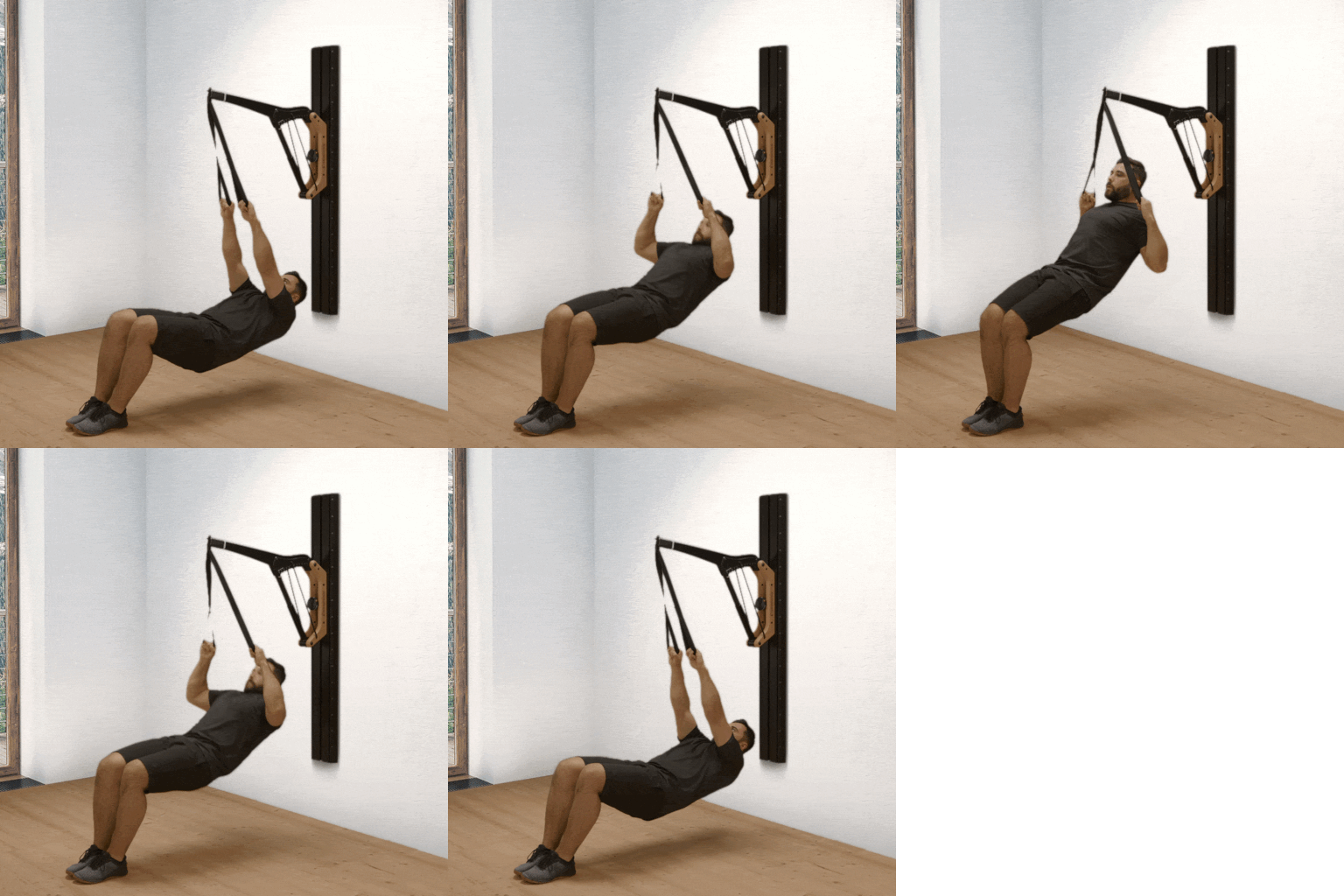
The pull-up to chest with handlebar on the EISENHORN DS is a classic pulling exercise that primarily targets the latissimus dorsi and surrounding back muscles. By pulling the handlebar vertically down towards the upper chest, a strong and clean contraction of the lats is achieved. In this chest-focused variation, the bar is pulled to the front without leaning the upper body excessively backward. Compared to behind-the-neck variations, the chest variation is gentler on the joints and reduces stress on the shoulders and neck. The exercise allows for controlled movement and consistent tension throughout the entire range of motion.
What effect does the exercise achieve?
Targeted back development: The latissimus dorsi is trained directly and intensively, supported by the rhomboids, trapezius, and posterior shoulder muscles.
Supports upright posture: The exercise encourages scapular retraction and strengthens the upper back, contributing to improved posture.
Joint-friendly, technically oriented load: Pulling the bar to the chest rather than behind the neck minimizes strain on the shoulder joints.
Versatile load control: Varying grip width and tempo allows emphasis on different parts of the back and arm muscles.
High exercise control: Controlled movement (slow pulling and releasing) makes the exercise suitable for strength, hypertrophy, or technical training goals.
How does this exercise fit into the Big 5 concept?
The Big 5 include the fundamental exercises: squat, deadlift, bench press, pull-up or lat pulldown, and shoulder press. Even though the pull-up to chest with handlebar is not part of the classic Big 5, it can serve as a valuable addition:
Complementary pulling exercise: It strengthens the pulling muscles, which are essential for pull-ups.
Promotes muscular balance: While many pressing exercises target the front of the body, this exercise strengthens the entire back to maintain balance.
Technical and strength foundation for pulling: Developing strength and control in the lat pulldown provides a solid base for progressing to free-weight pulling exercises such as pull-ups.
Controlled training stimulus: The exercise allows precise load management, which complements Big 5 training by avoiding overtraining and delivering targeted stimuli.
:format(webp))
)
)
)
)
)
:format(webp) "EISENHORN S Black Edition")
 "EISENHORN S Black Edition")