What makes this exercise particularly effective?
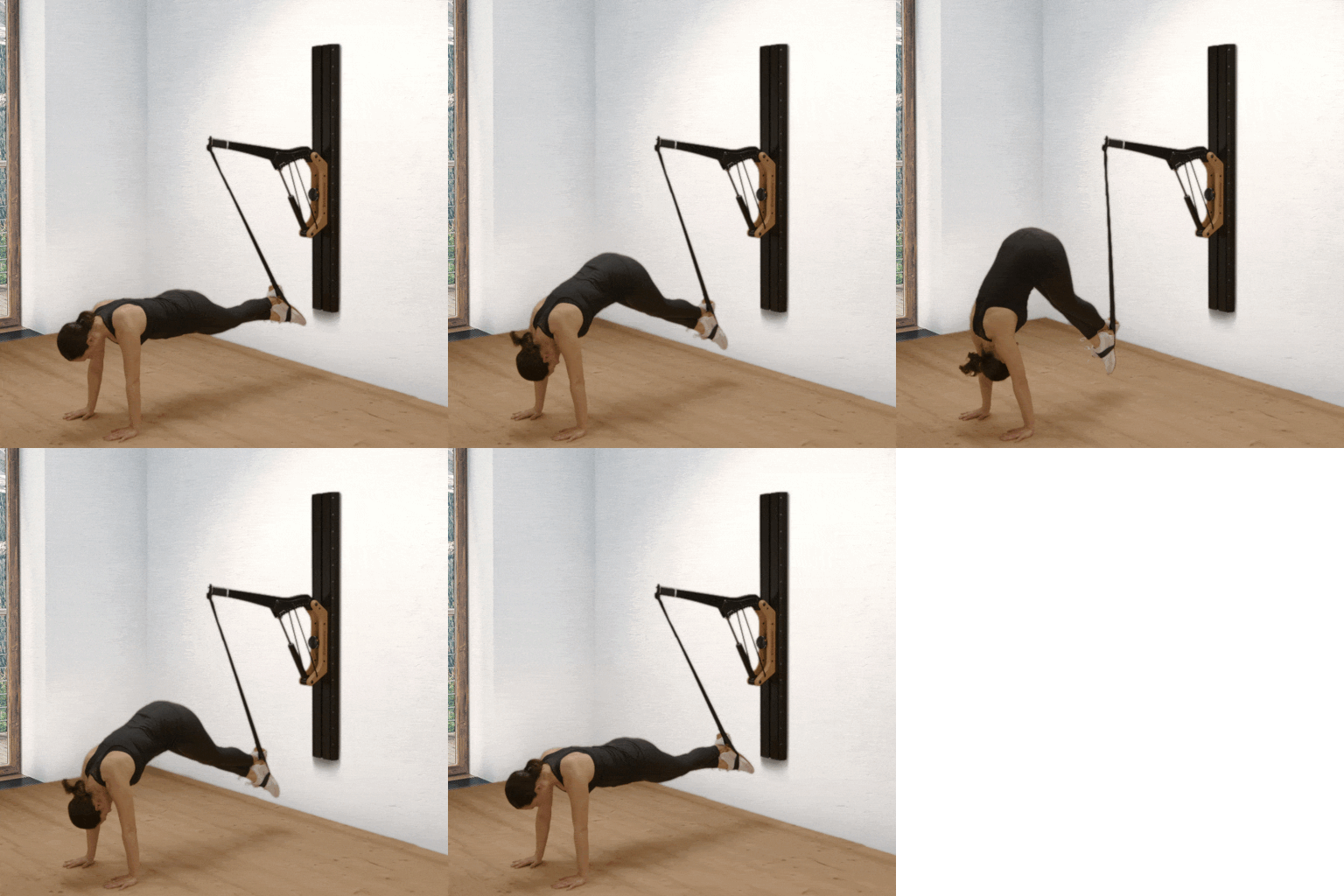
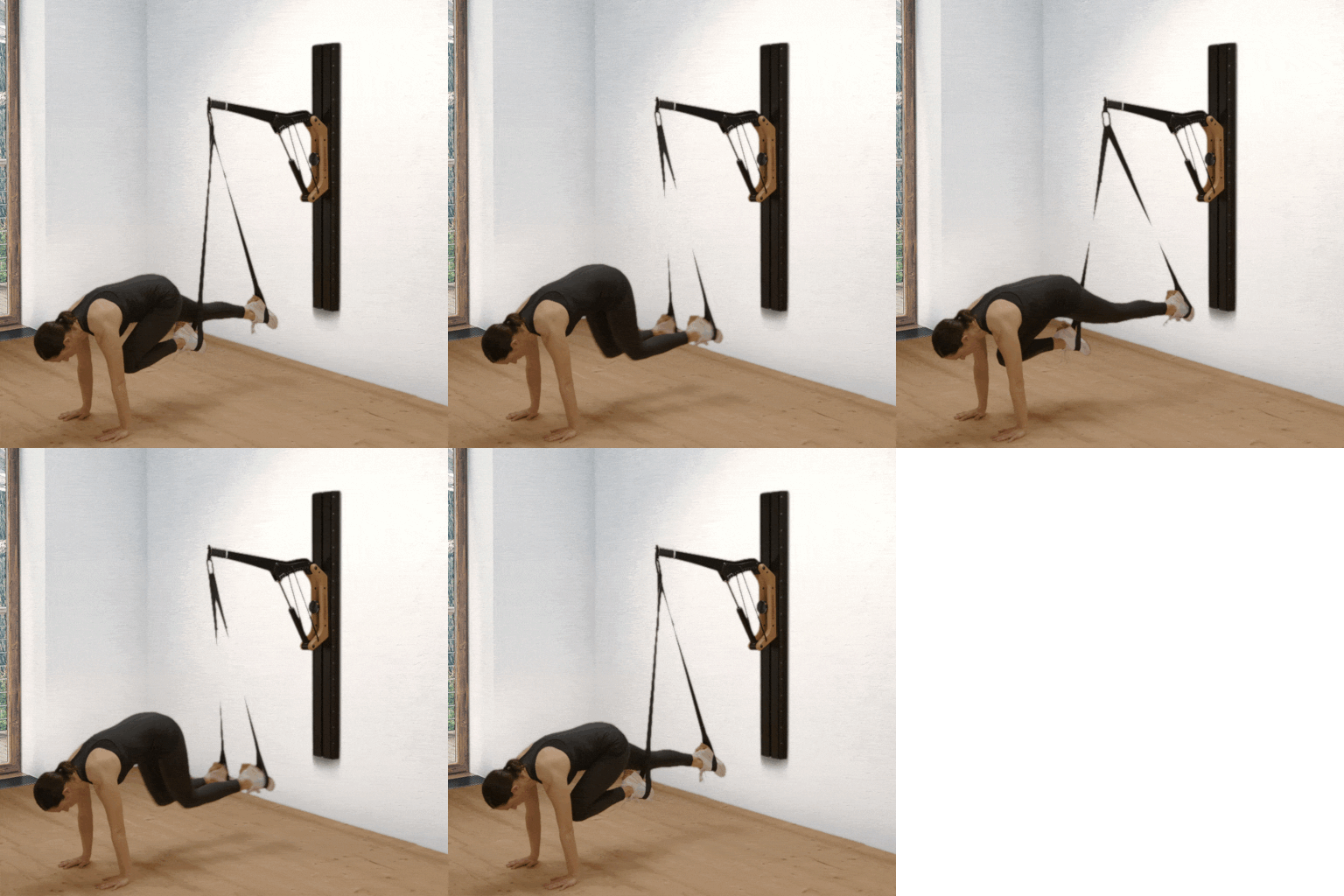
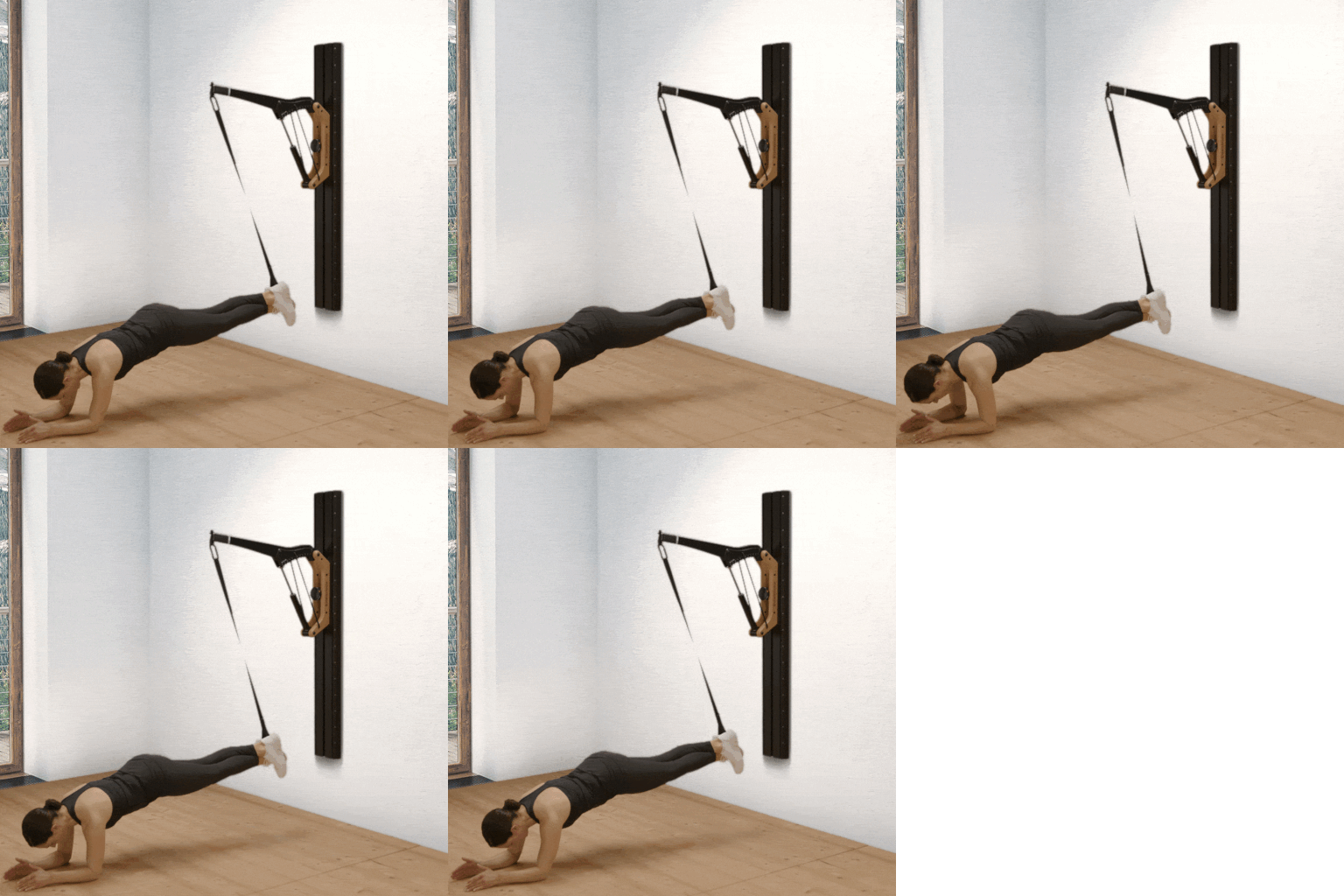
Plank Jacks combine static and dynamic components: you hold a plank position (requiring core stability and trunk tension) while rhythmically moving your legs out and in, similar to a jumping jack. This combination engages the core muscles, challenges endurance, and elevates heart rate and metabolism.
Additionally, Plank Jacks can be performed with varying intensities—such as speed, jump distance, or forearm variations—making them highly versatile.
What effect does the exercise achieve?
Strengthening the core muscles: The rectus abdominis, deep abdominal muscles (transversus abdominis), obliques, and back muscles are actively engaged to maintain stability.
Improved endurance and cardiovascular fitness: The dynamic leg movements increase pace, heart rate, and calorie expenditure.
Enhanced full-body stability: Shoulders, wrists, torso, and glutes must work together to maintain a stable plank, improving both trunk and hip stability.
Improved movement coordination and balance: Performing dynamic leg movements while maintaining a stable body line enhances coordination and motor control.
Variety and high-intensity stimulus in a short time: Plank Jacks are ideal for interval training, HIIT (High-Intensity Interval Training), or as an addition to core workouts, providing substantial stimulus in a brief session.
How does this exercise fit into the Big 5 concept?
The Big 5 include the fundamental exercises: squat, deadlift, bench press, pull-up or lat pulldown, and shoulder press. Although Plank Jacks are not part of the classic Big 5, they offer significant benefits as a supportive exercise:
Supporting core stability required in all Big 5 exercises: Especially during standing pushing and pulling movements, where the core must remain active.
Reducing injury risk: Strong core engagement and control help protect the lower back and hips during basic exercises.
Adding a cardiovascular component: Plank Jacks target multiple systems simultaneously—strength, stability, and endurance—enhancing overall training efficiency.
:format(webp))
)
)
)
)
)
:format(webp) "EISENHORN S Black Edition")
 "EISENHORN S Black Edition")