What makes this exercise particularly effective?
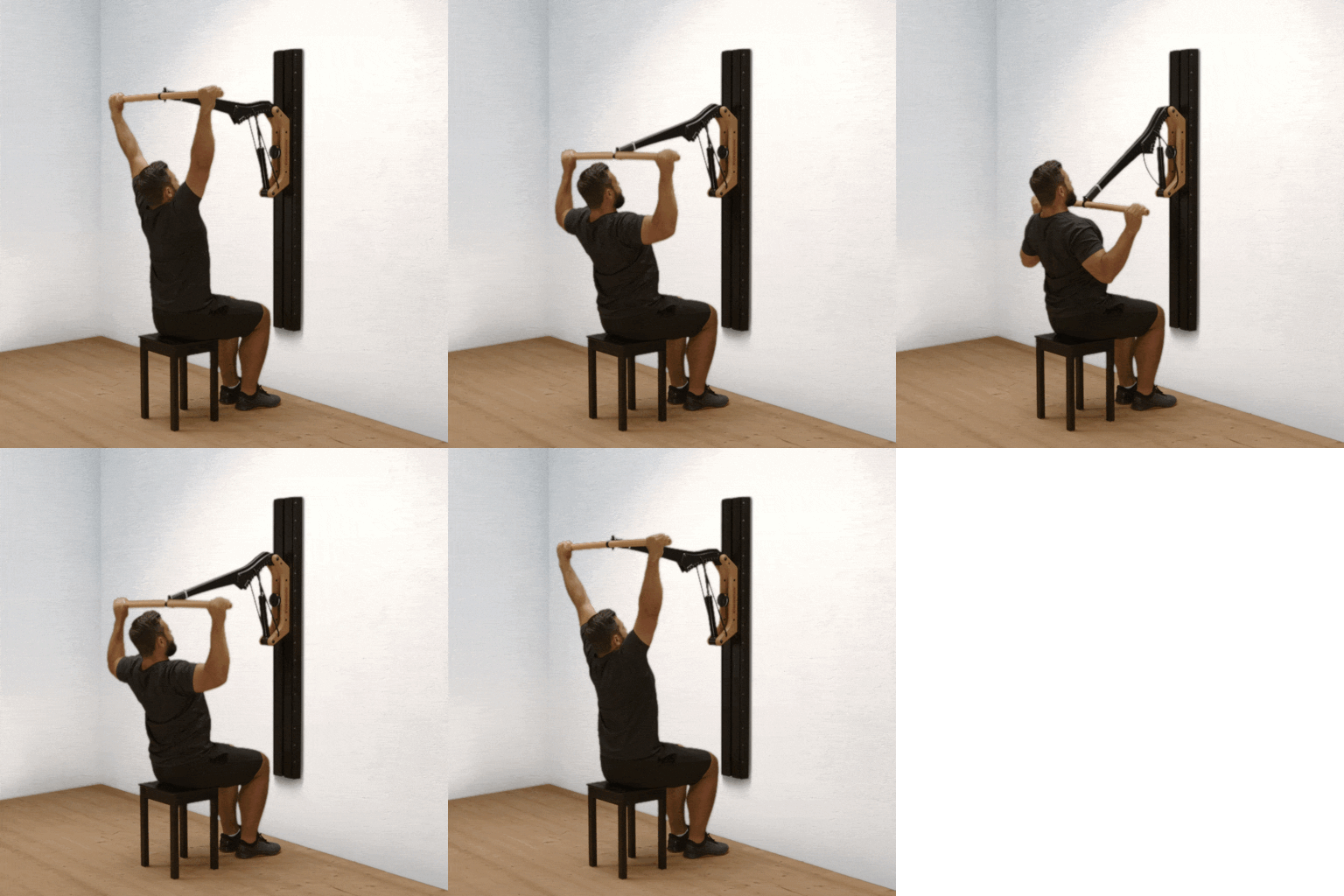
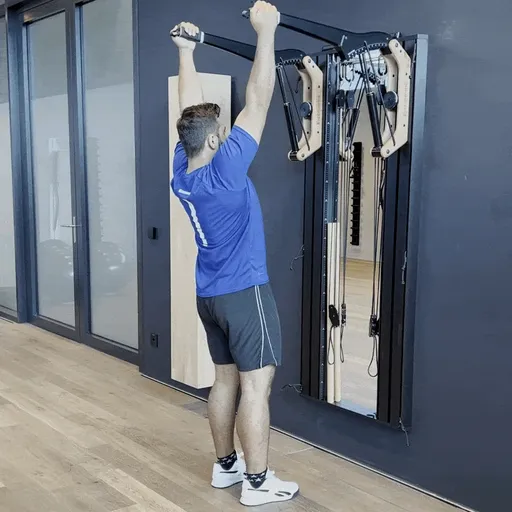
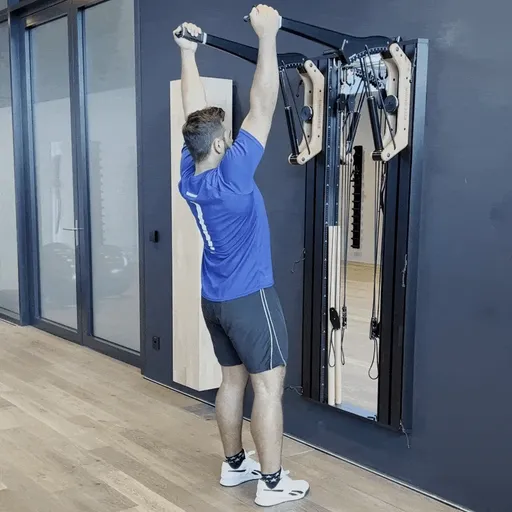
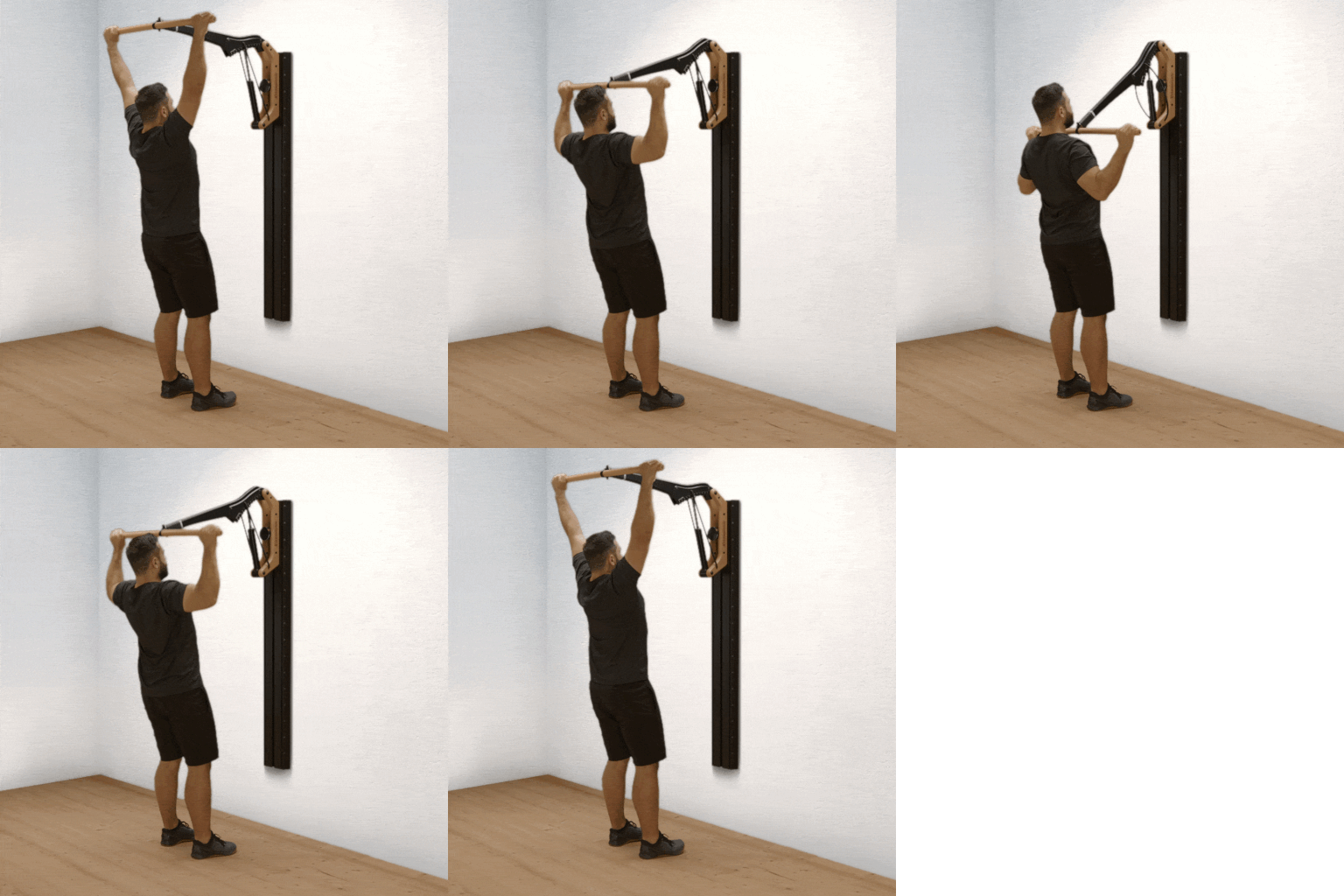
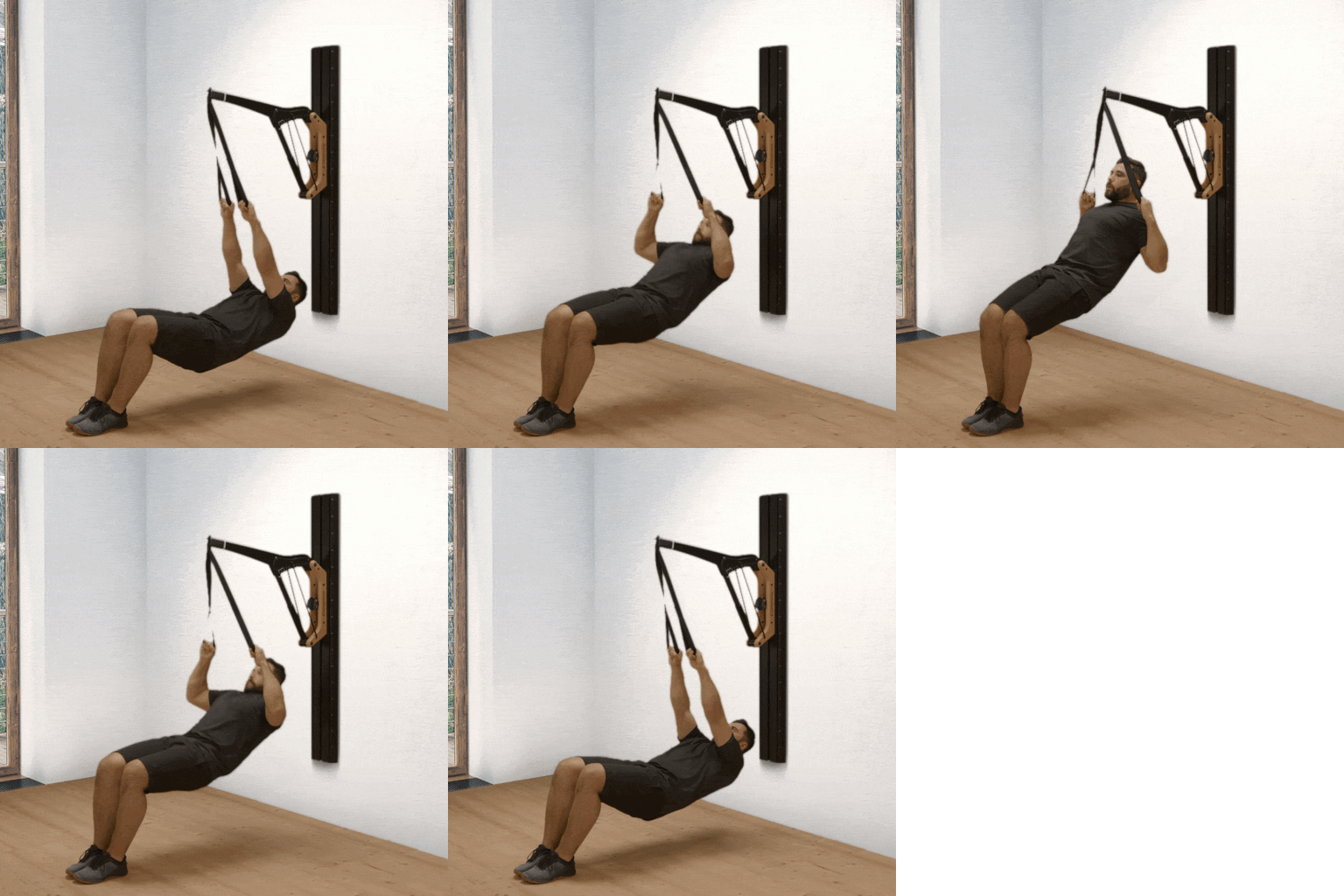
The pull-up with grip bar is one of the most effective bodyweight exercises overall, as you lift your entire body mass without external assistance. Hanging from the grip bar on the EISENHORN DS requires initial pre-activation through scapular engagement and core stabilization. During the pulling phase, muscle chains from the upper back through the shoulders to the arms work together in a coordinated manner – especially the latissimus dorsi, the biceps, and numerous stabilizing muscles. The free, unguided movement further challenges motor control and overall body coordination.
What effect does the exercise achieve?
Intensive back activation: The latissimus dorsi is heavily engaged, supported by the trapezius, rhomboids, and teres major.
Arm and shoulder muscles: The biceps, forearms, and deltoids work as primary and secondary contributors.
Improved grip strength: Holding onto the bar strongly trains the grip and forearm muscles.
Core and trunk stability: To avoid swinging, the abdominal and lower back muscles remain continuously activated throughout the movement.
Functional full-body strength: Pull-ups transfer well to everyday movements and sports activities that involve pulling, climbing, or general body control.
How does this exercise fit into the Big 5 concept?
The Big 5 include the fundamental exercises: squat, deadlift, bench press, pull-up or lat pulldown, and shoulder press. Even though the pull-up with grip bar is already related to one of the Big 5 components, it brings additional value:
Essential pulling movement: It covers the vertical pulling pattern that is often underrepresented in basic exercise routines.
Balance to pressing movements: While the bench press and shoulder press emphasize the front side of the body, pull-ups develop the opposing posterior chain and pulling muscles.
Stability-enhancing: The entire kinetic chain – legs, core, and shoulders – must stabilize the body in the hanging position, improving balance, technical execution, and force transfer in other exercises.
Wide range of progressions: Variations such as underhand grip, neutral grip, added weight, or assisted versions allow for consistent, scalable progression.
:format(webp))
)
)
)
)
)
:format(webp) "EISENHORN S Black Edition")
 "EISENHORN S Black Edition")