What makes this exercise particularly effective?
Lateral cable crunches (also called Cable Oblique Crunches) offer a combination of isotonic and stabilizing movements, targeting your lateral abdominal muscles (obliques). Due to the constant tension from the cable, resistance is maintained throughout the entire range of motion — especially in the end phase, which is often not the case with bodyweight exercises alone. Furthermore, the lateral movement forces your core to stabilize, engaging small helper and stabilizing muscles, including the deep abdominal muscles and lower back.
What effect does the exercise achieve?
Targeted strengthening of the lateral abdominal muscles (obliques): The obliques are crucial for lateral flexion, rotation, and core stabilization. Strong obliques are beneficial both aesthetically and functionally, for example during movements that place lateral stress on the knees, hips, or torso.
Improved core stability and posture: Maintaining stability against the lateral pull activates the entire core, including the deep muscle layers. This helps prevent poor posture and strengthens overall core stability.
Rotation & functional strength: Training the lateral crunch movement better prepares you for real-life movements, such as twisting or carrying lateral loads, where obliques and deep abdominal muscles are essential.
Adjustable load & progression: By changing the weight, cable tension, or body position, you can fine-tune the resistance. This allows the exercise to remain effective long-term without compromising technique.
How does this exercise fit into the Big 5 concept?
The Big 5 include the fundamental exercises: squat, deadlift, bench press, pull-up or lat pulldown, and shoulder press. Even though lateral cable crunches are not part of the classic Big 5, they offer important additional benefits:
They develop lateral and rotational core stability, which is often overlooked in Big 5 movements but is essential for control, joint health, and injury prevention.
Strong obliques improve both the aesthetics and function of your core — especially during exercises that require balance, stability, or when asymmetries could occur.
As a supplementary exercise, lateral cable crunches are ideal for rounding out your training, enhancing technique, and maintaining core tension in pushing, pulling, or lifting movements. They also help prevent training plateaus by introducing a new stimulus to your program.
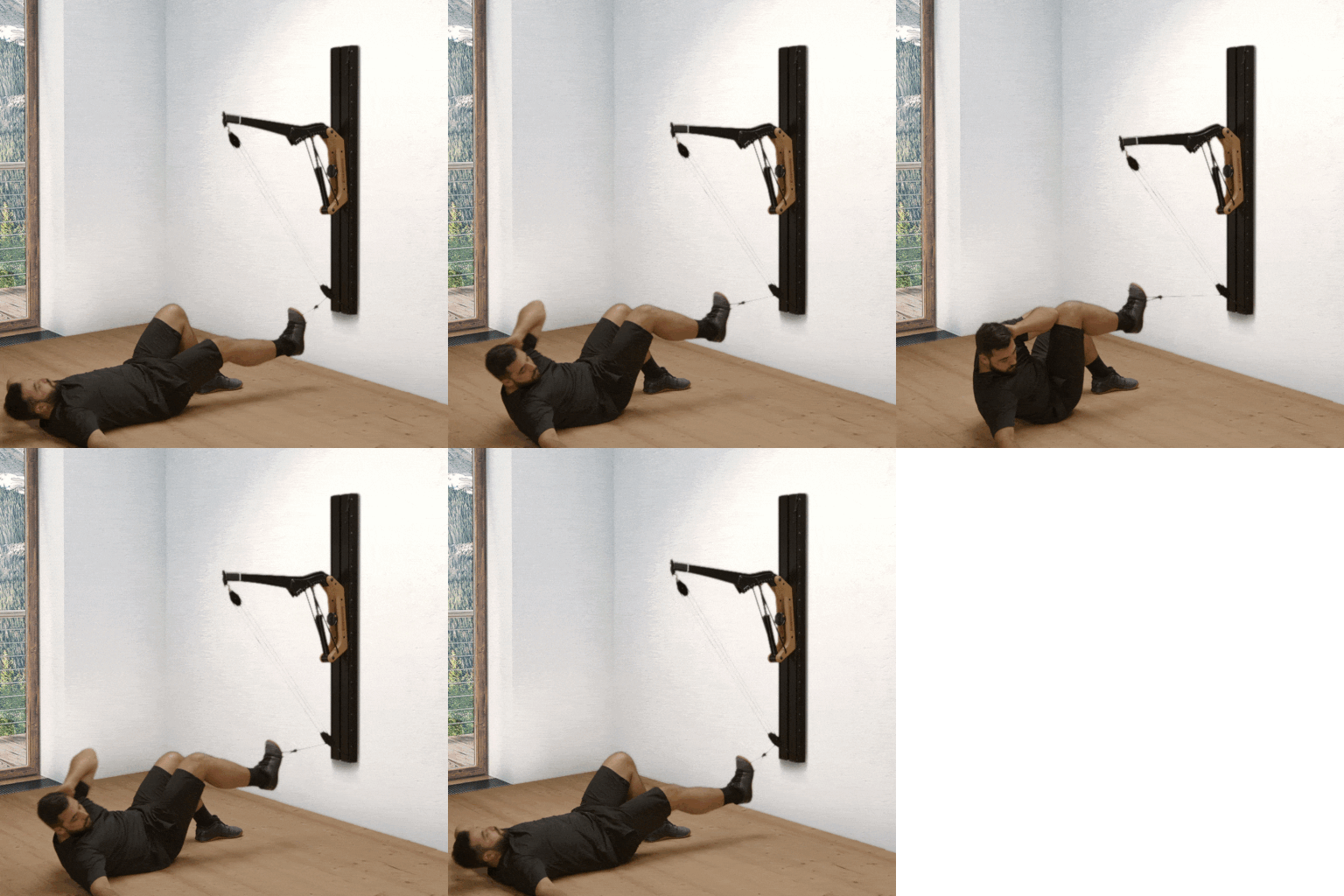
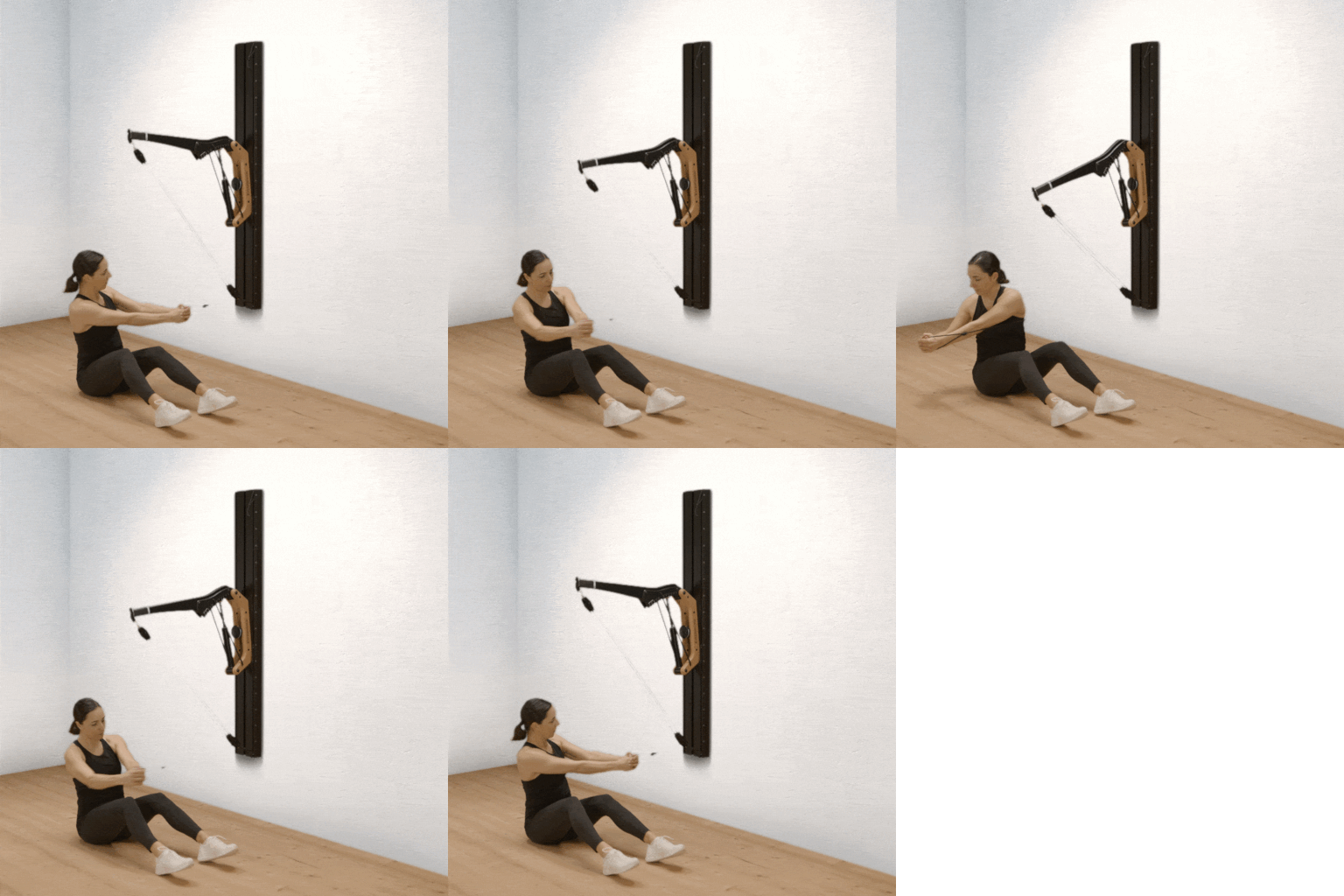
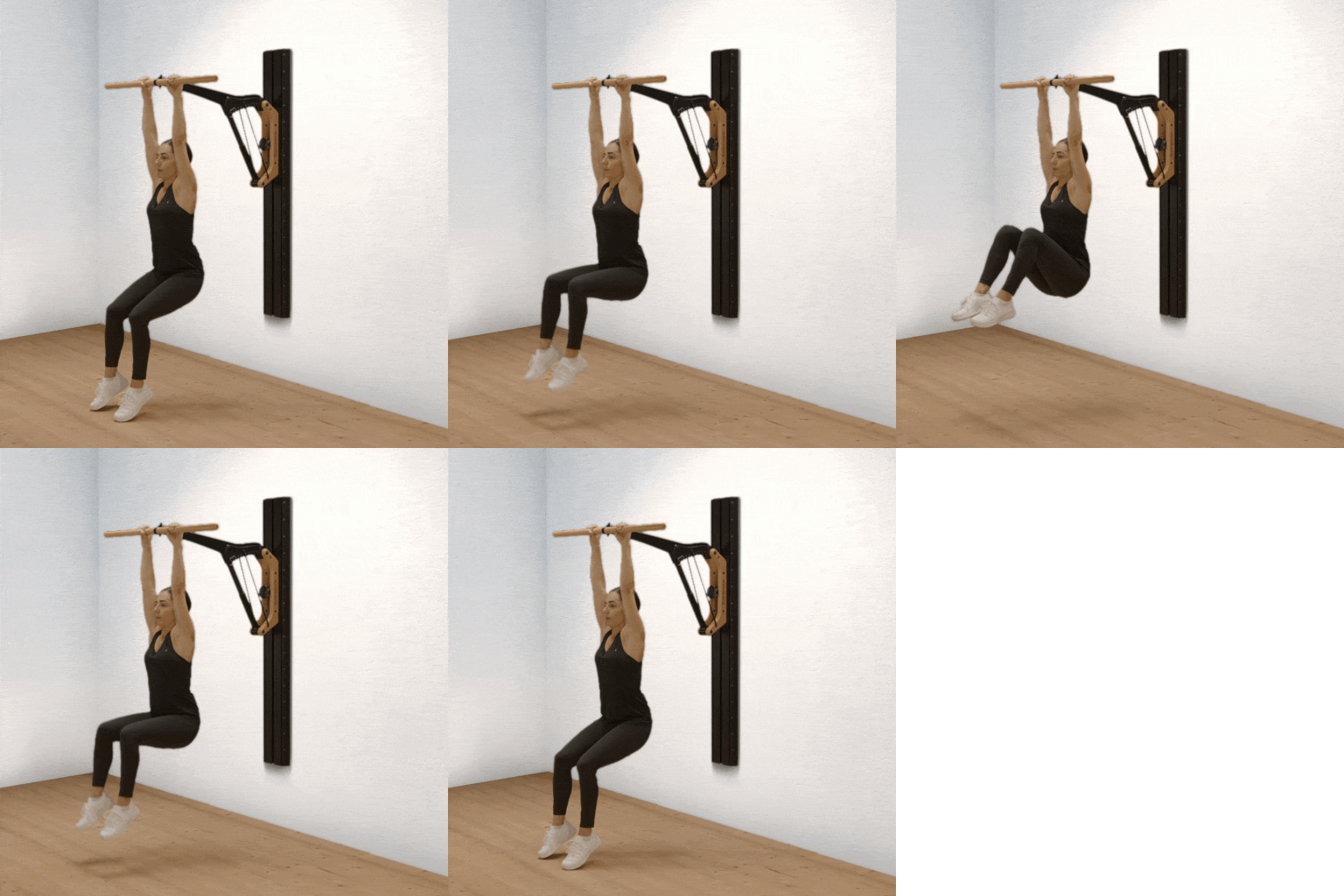
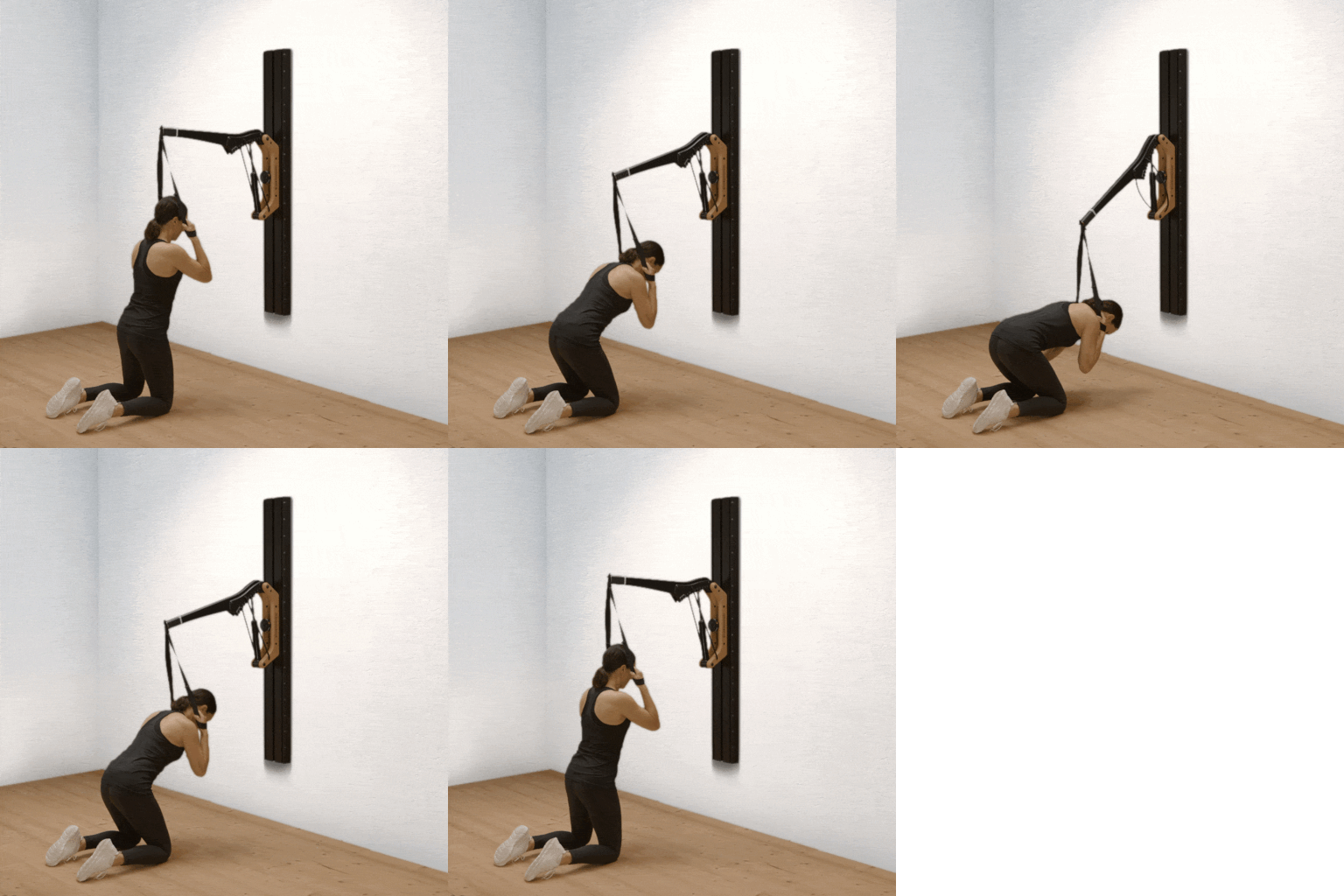
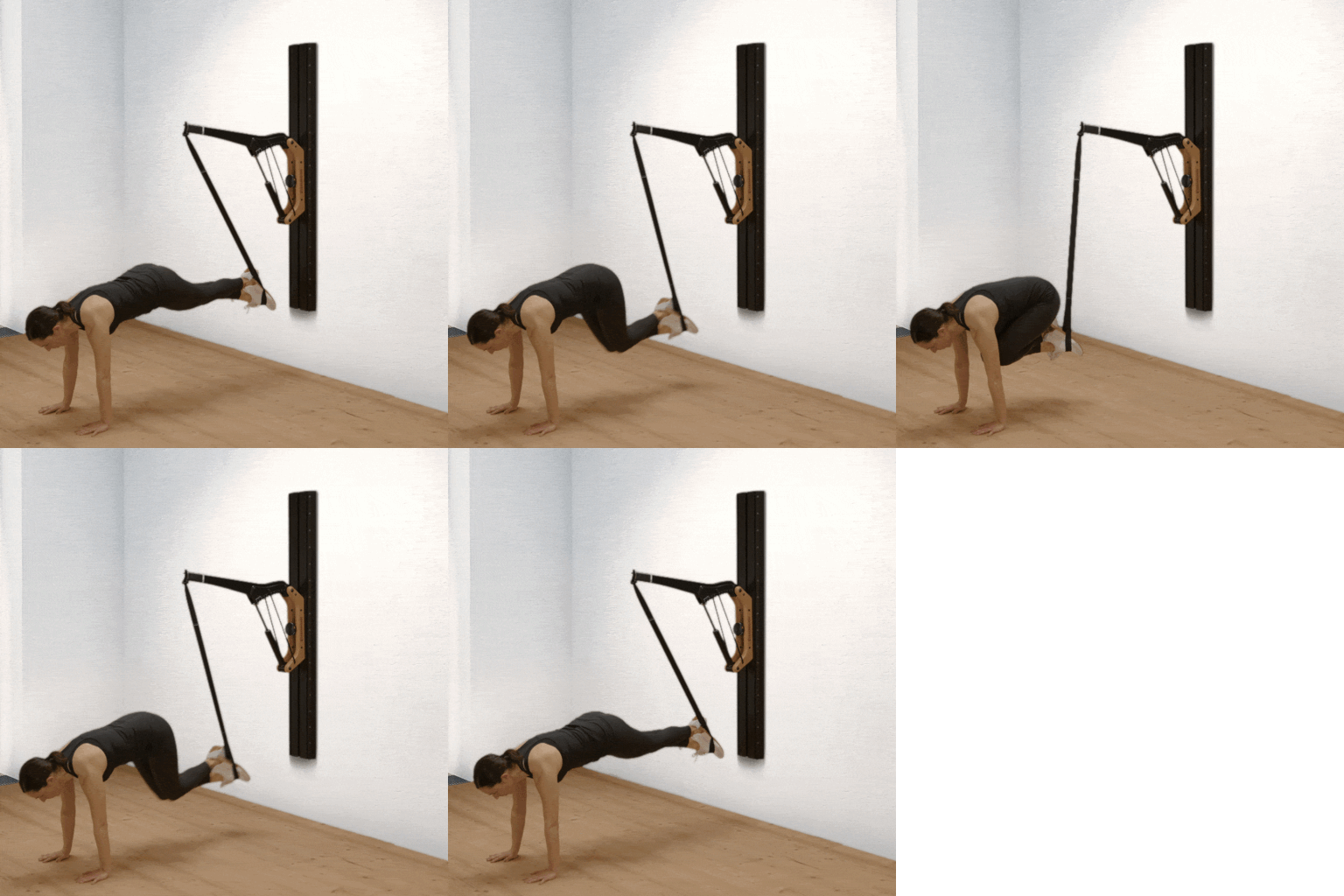
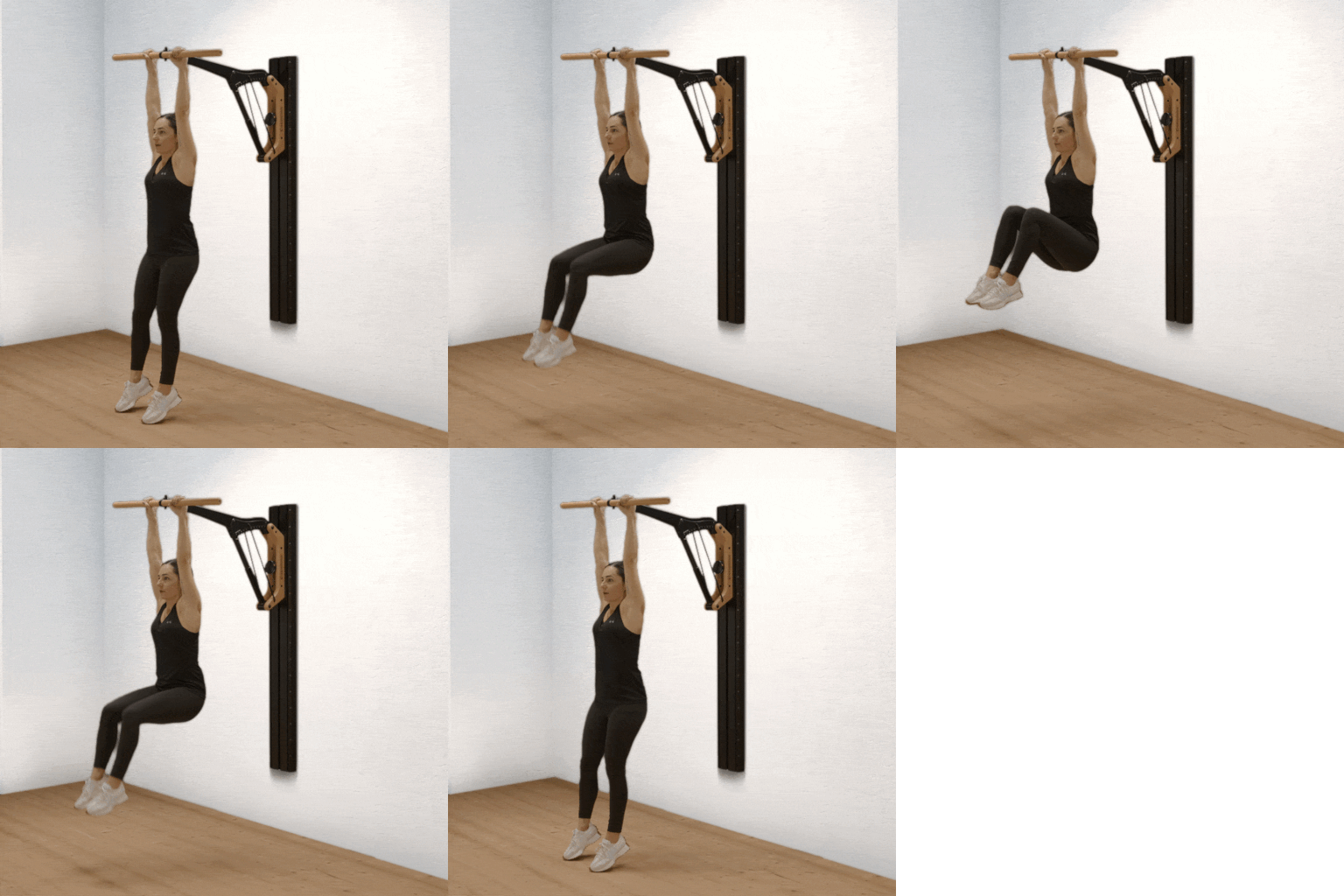
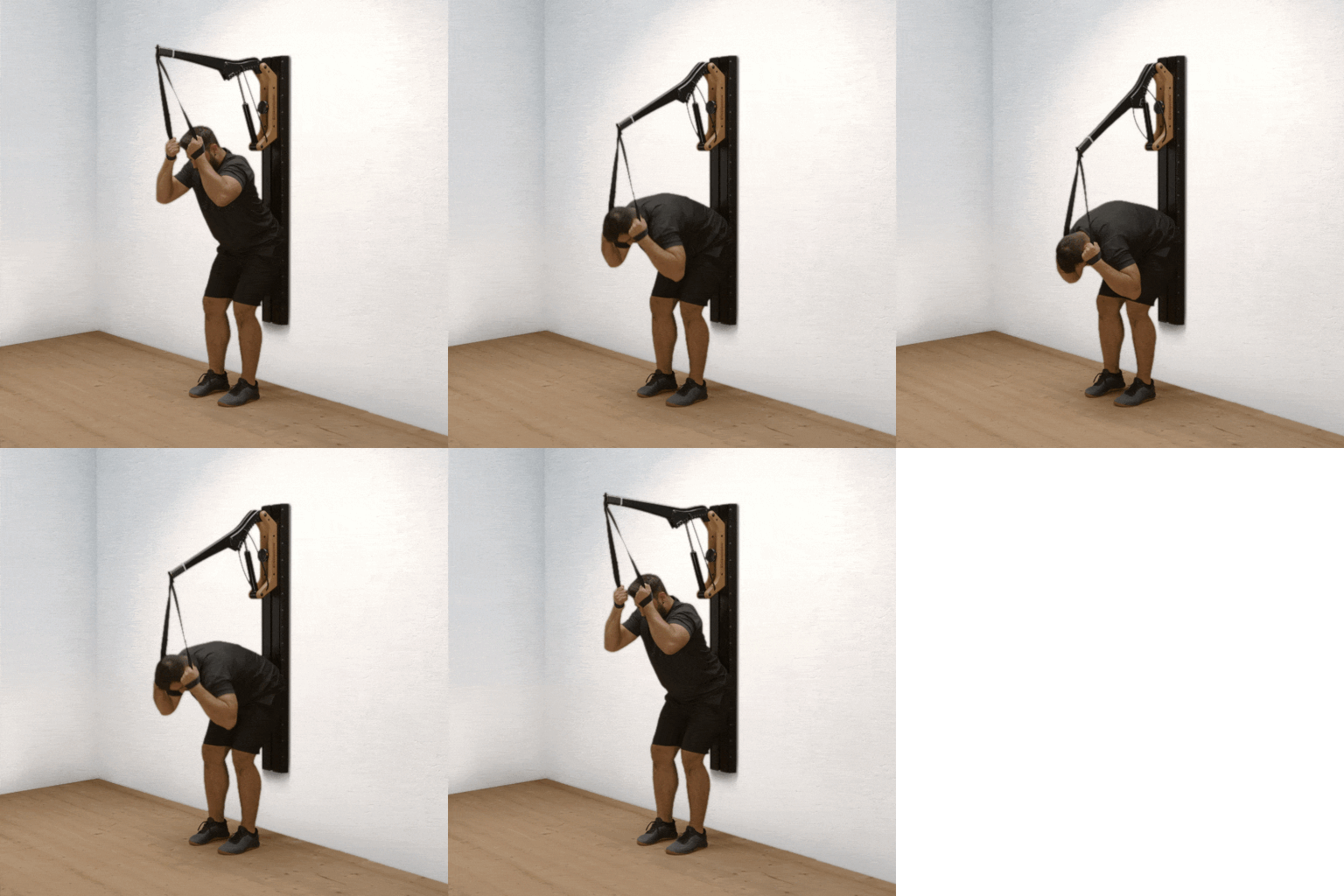
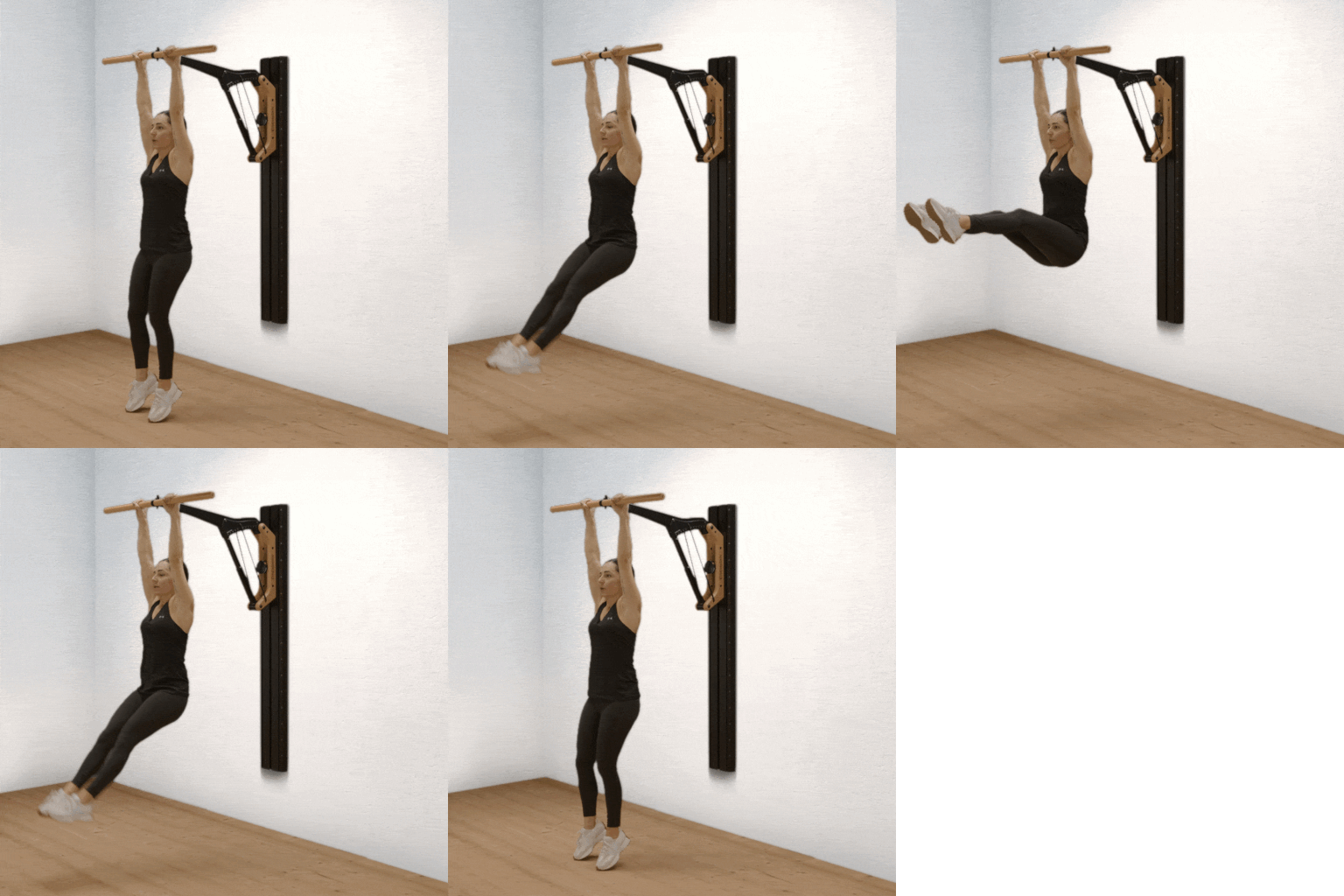
:format(webp))
)
)
)
)
)
:format(webp) "EISENHORN S Black Edition")
 "EISENHORN S Black Edition")