What makes this exercise particularly effective?
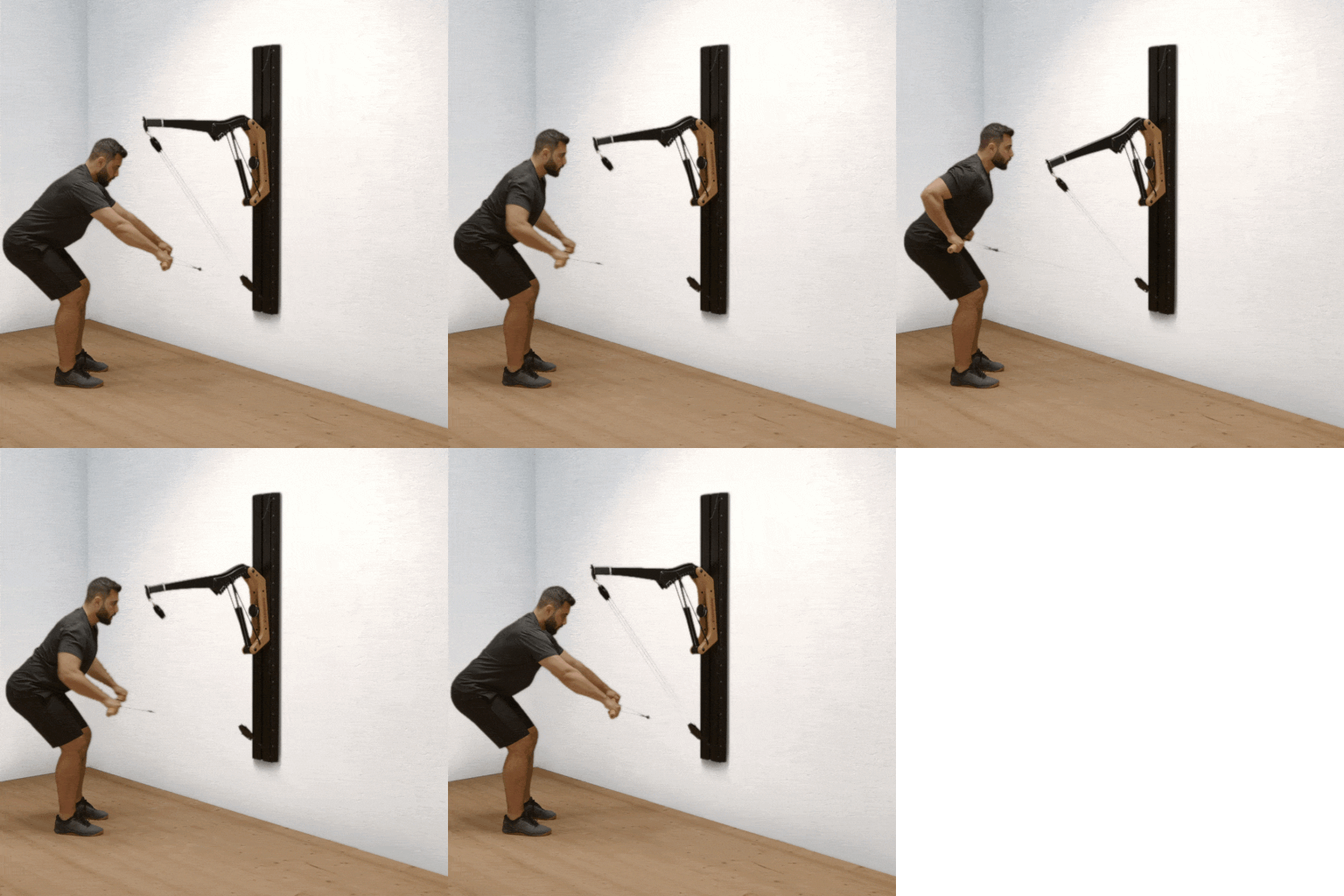
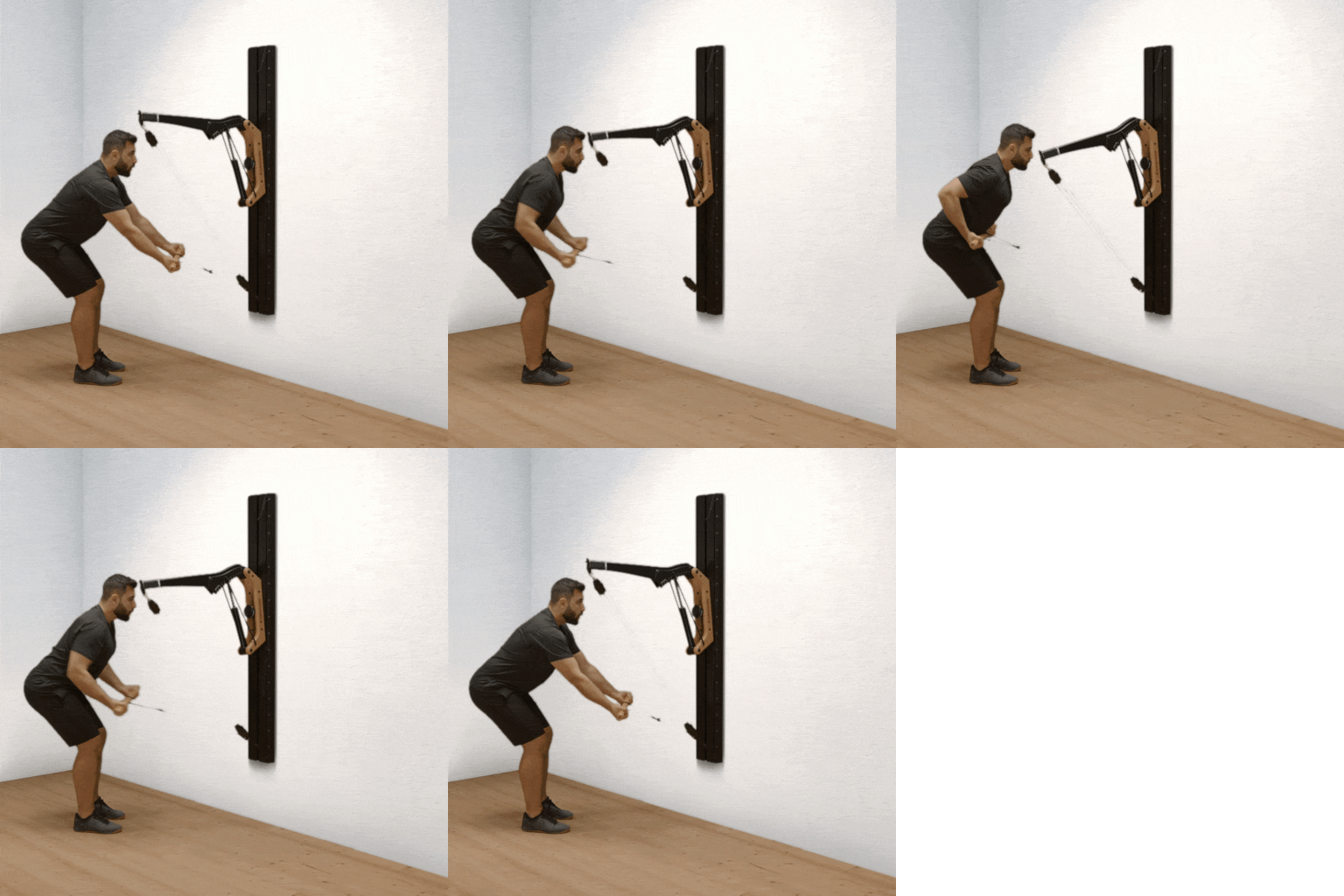
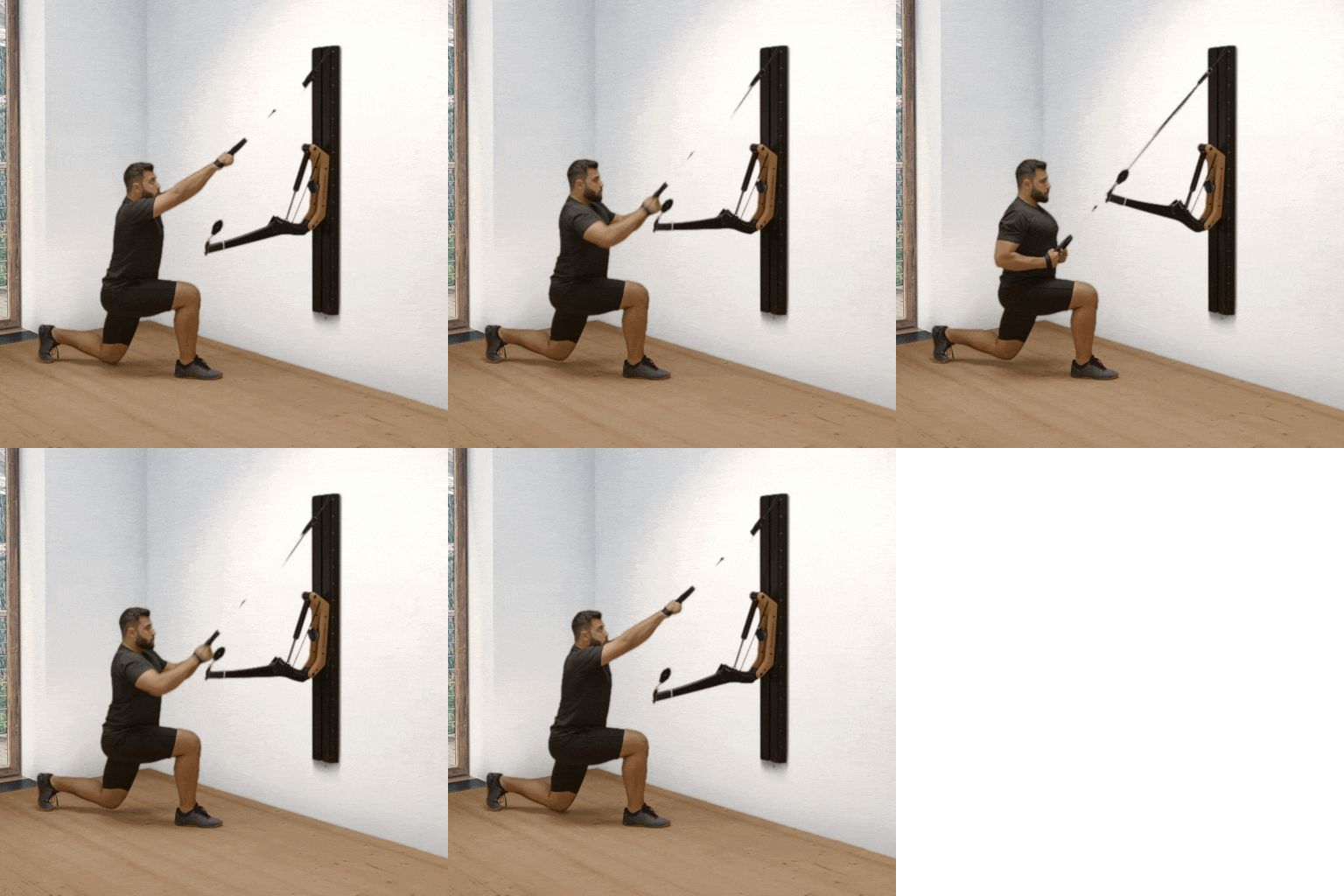
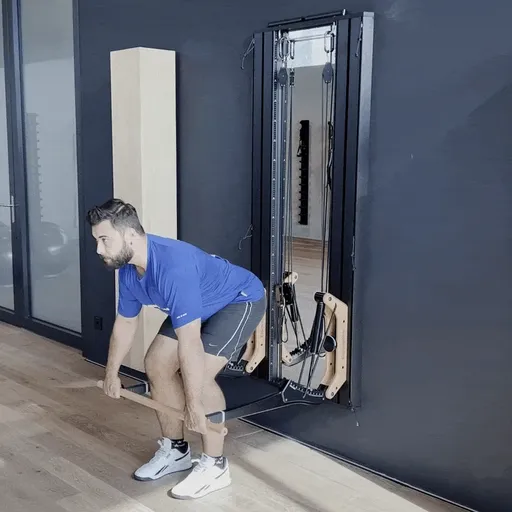
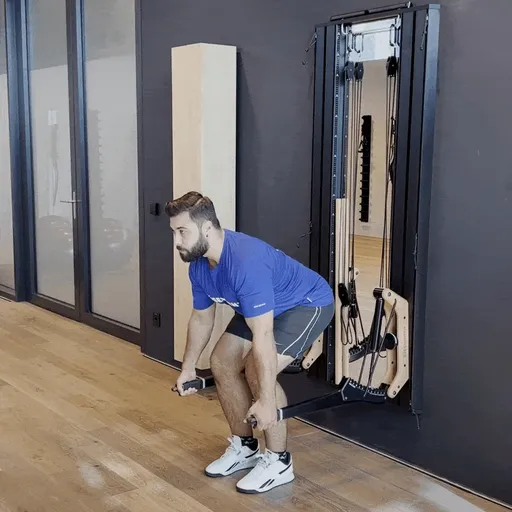
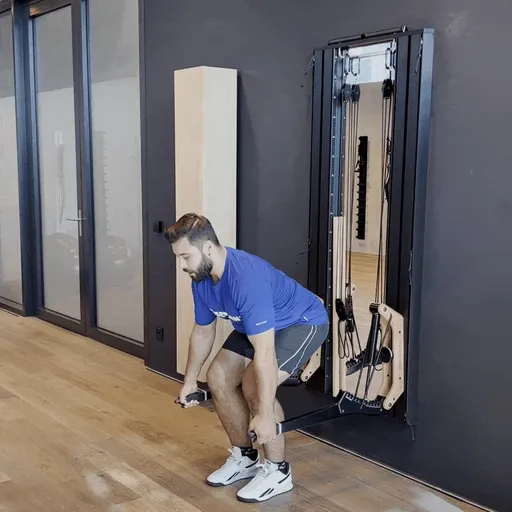
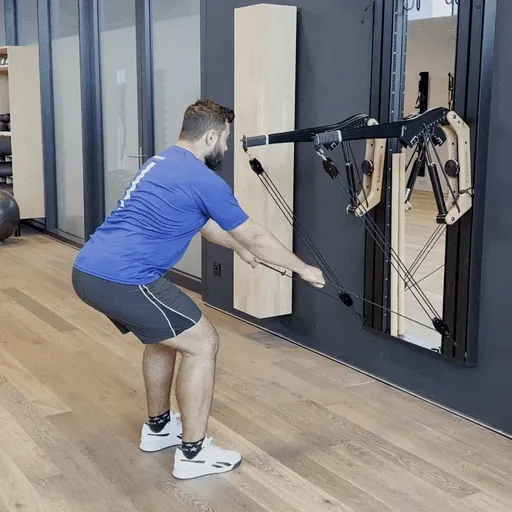
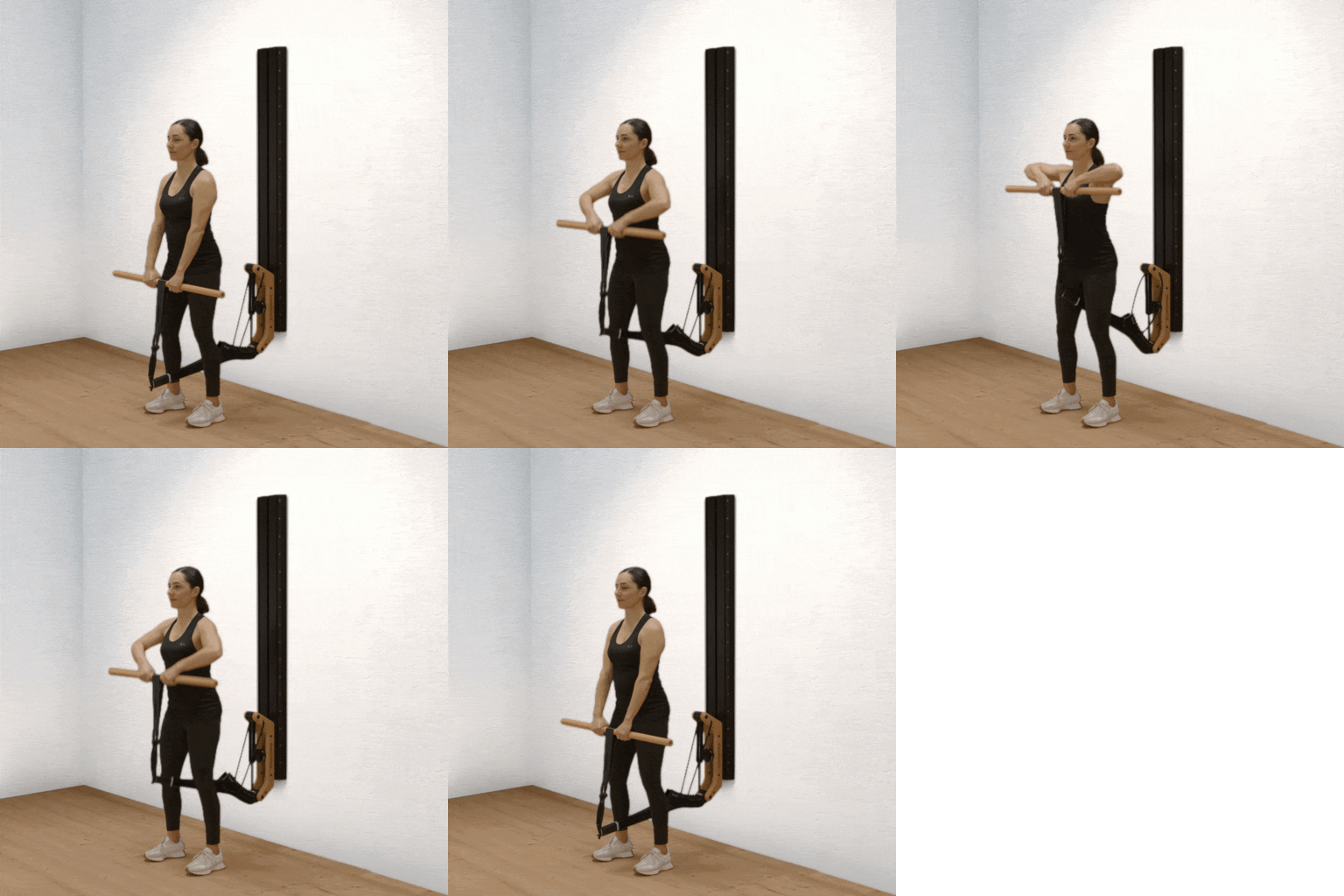
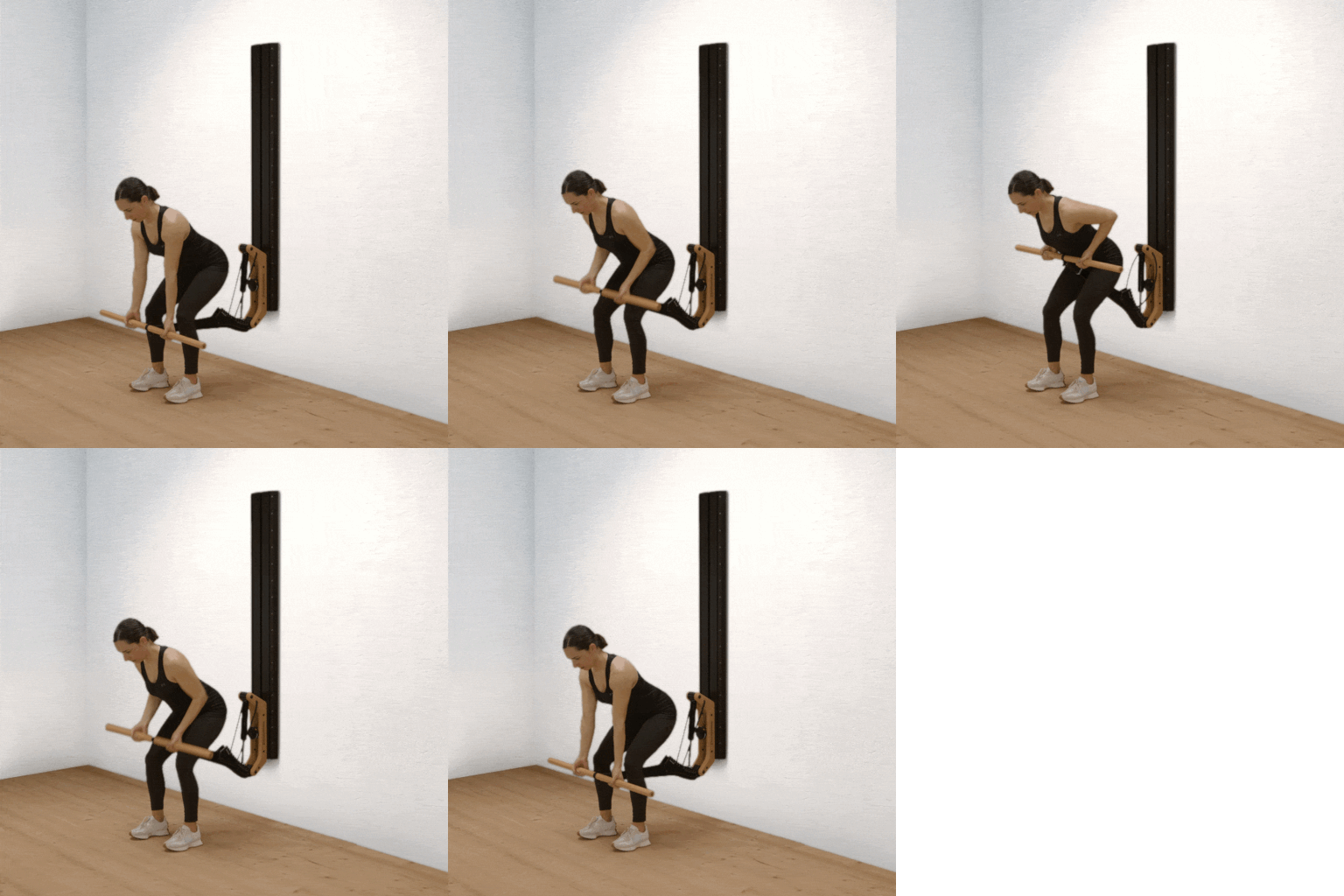
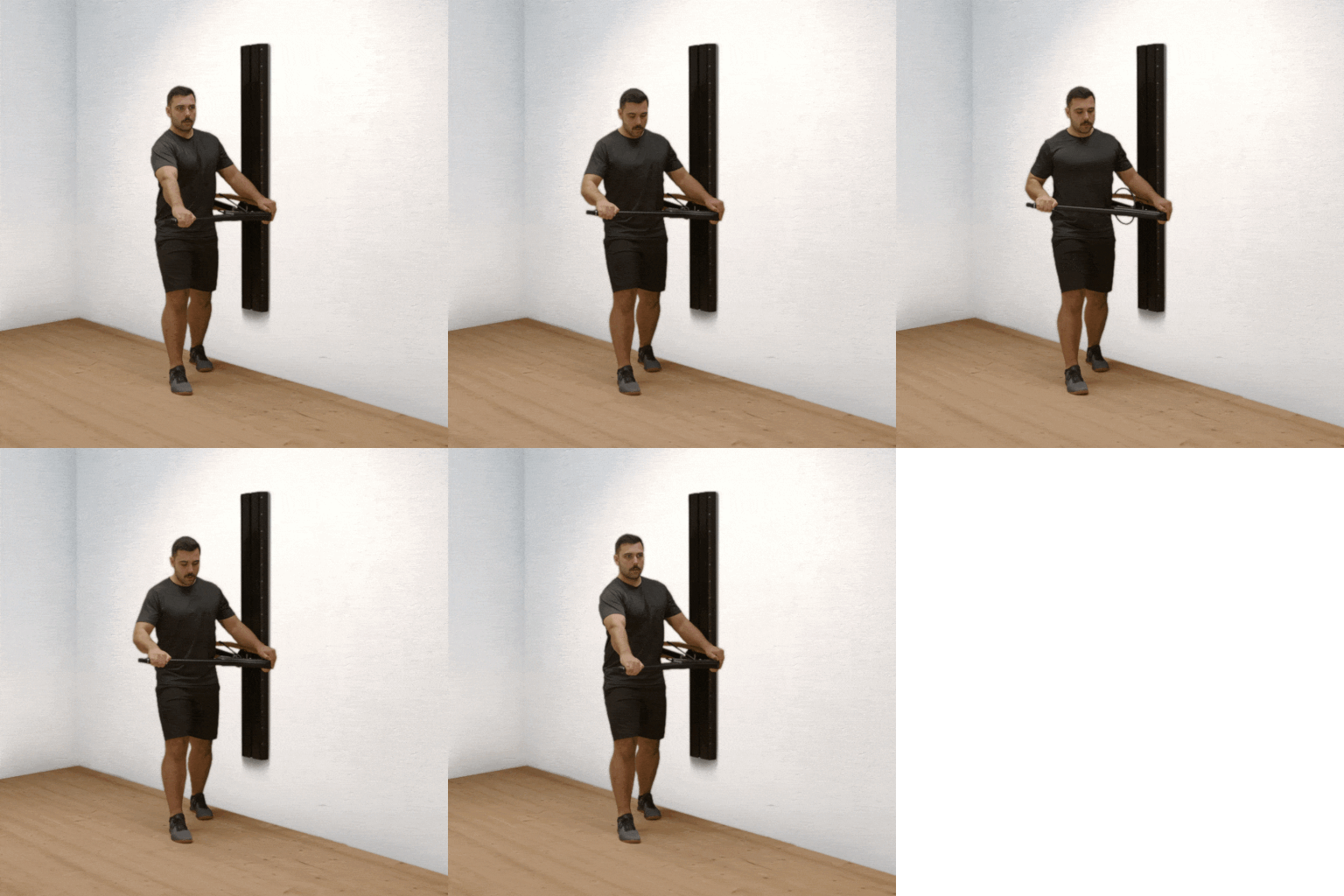
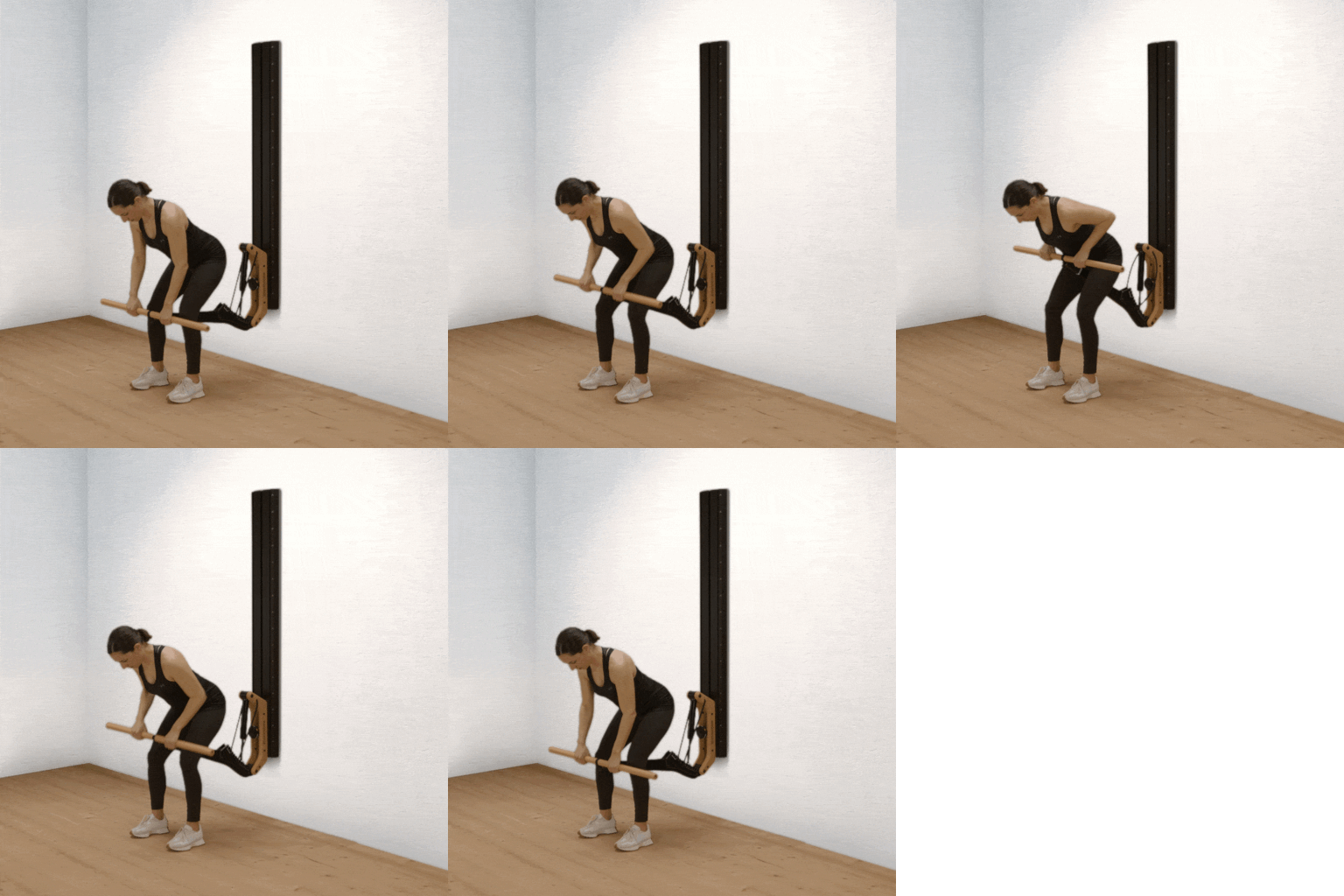
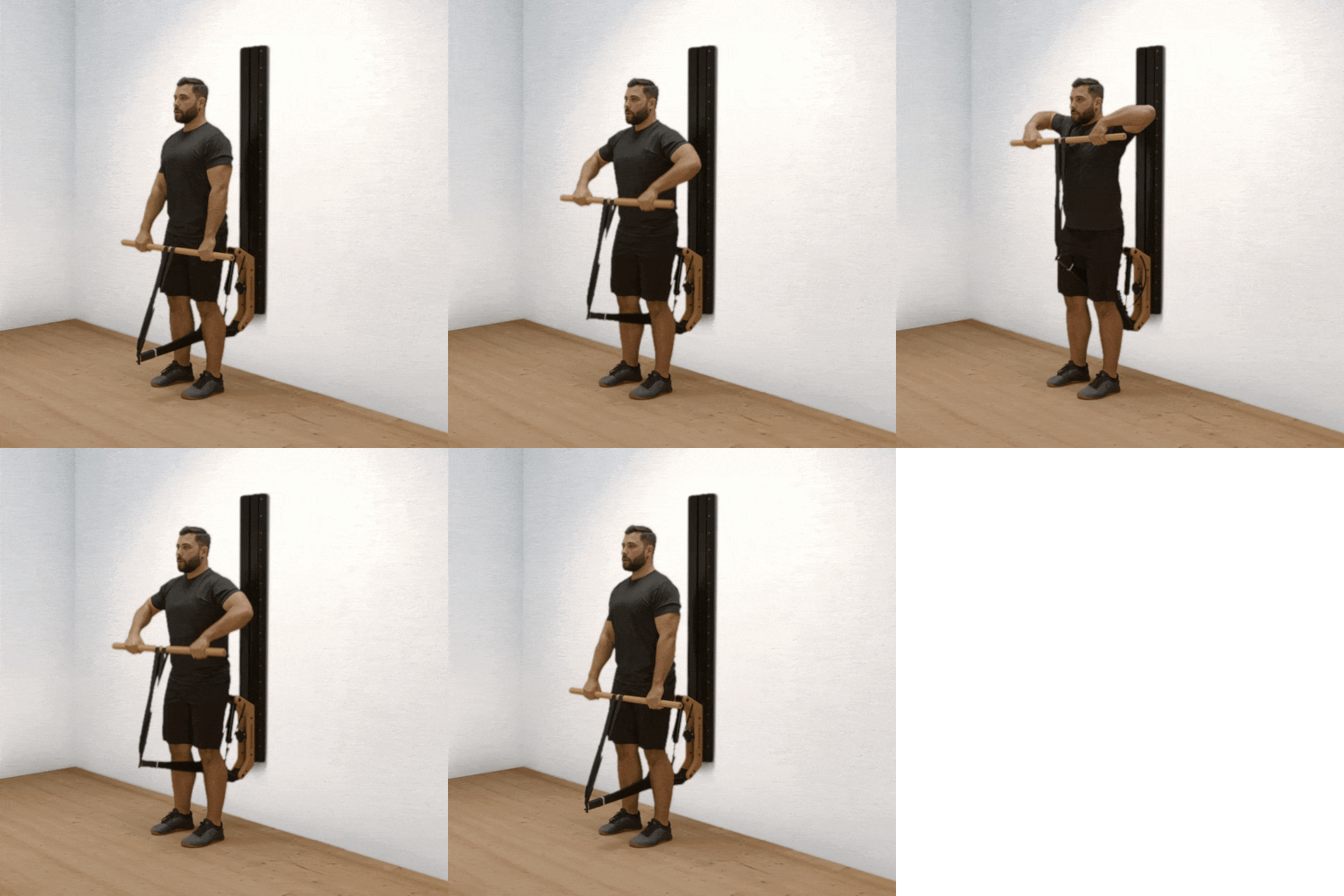
The one-arm row with overhand grip on a cable machine (palm facing down) combines the benefits of rowing as a pulling movement with the advantages of unilateral (one-arm) training. This variation allows for a stronger, more focused pull on a single side, enabling you to specifically target your back muscles (latissimus dorsi, rhomboids, posterior deltoids) while simultaneously stabilizing your core. The overhand grip changes the pulling angle and emphasizes the upper and middle back muscles more intensively.
What effect does the exercise achieve?
Targeted back muscles & density: The latissimus dorsi, rhomboids, and posterior deltoids are intensely activated. Performing the movement one arm at a time allows for optimal tension and contraction, especially when emphasizing a controlled shoulder retraction.
Corrective effect for imbalances: Because only one side is working at a time, differences between the left and right sides become apparent. This helps strengthen the weaker side and correct muscular imbalances.
Improved trunk and core stability: During one-arm exercises, the core must stabilize against lateral tilting and rotation, engaging the abdominal muscles, lower back, and obliques.
Better grip strength & control: The overhand grip requires a firm grip and precise forearm control, encouraging clean execution without momentum or unintended body shortcuts.
Variability & adaptability: This exercise can easily be adjusted by changing cable height, distance to the weight stack, grip length, or movement speed, allowing for progression and variation suitable for beginners and advanced trainees alike.
How does this exercise fit into the Big 5 concept?
The Big 5 include the fundamental exercises: squat, deadlift, bench press, pull-up or lat pulldown, and shoulder press. One-arm rowing with an overhand grip on a cable machine is not a classical Big 5 exercise, but it can complement the Big 5 training concept in a very valuable way:
Supports pulling movements: Particularly beneficial for exercises like pull-ups, especially if they are difficult or performed with limited range.
Increases back pulling strength: Strengthening the back helps improve performance in many basic exercises.
Enhances muscle coordination and posture: It improves neuromuscular control, muscle building, and body alignment, all of which are important for performance and injury prevention.
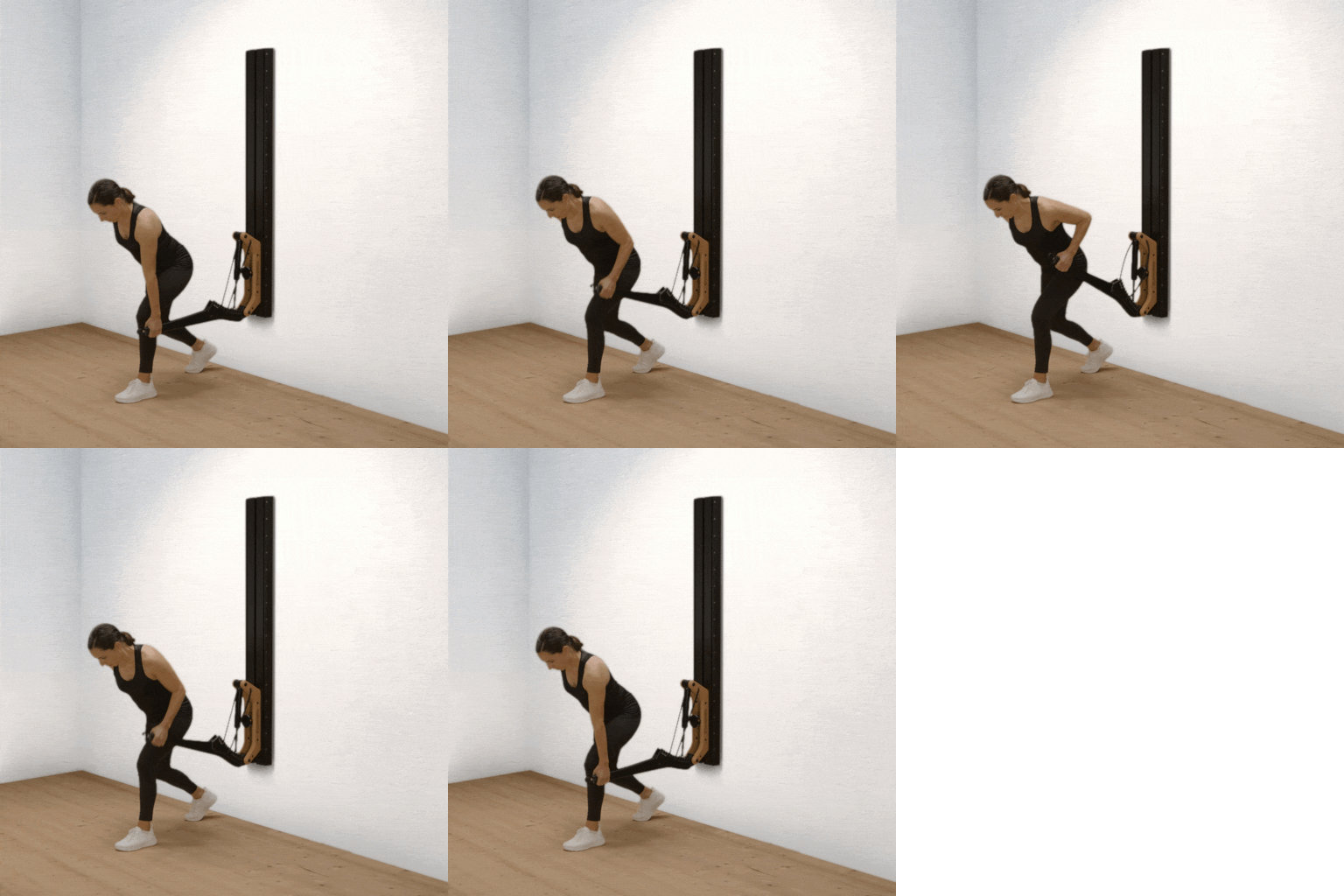
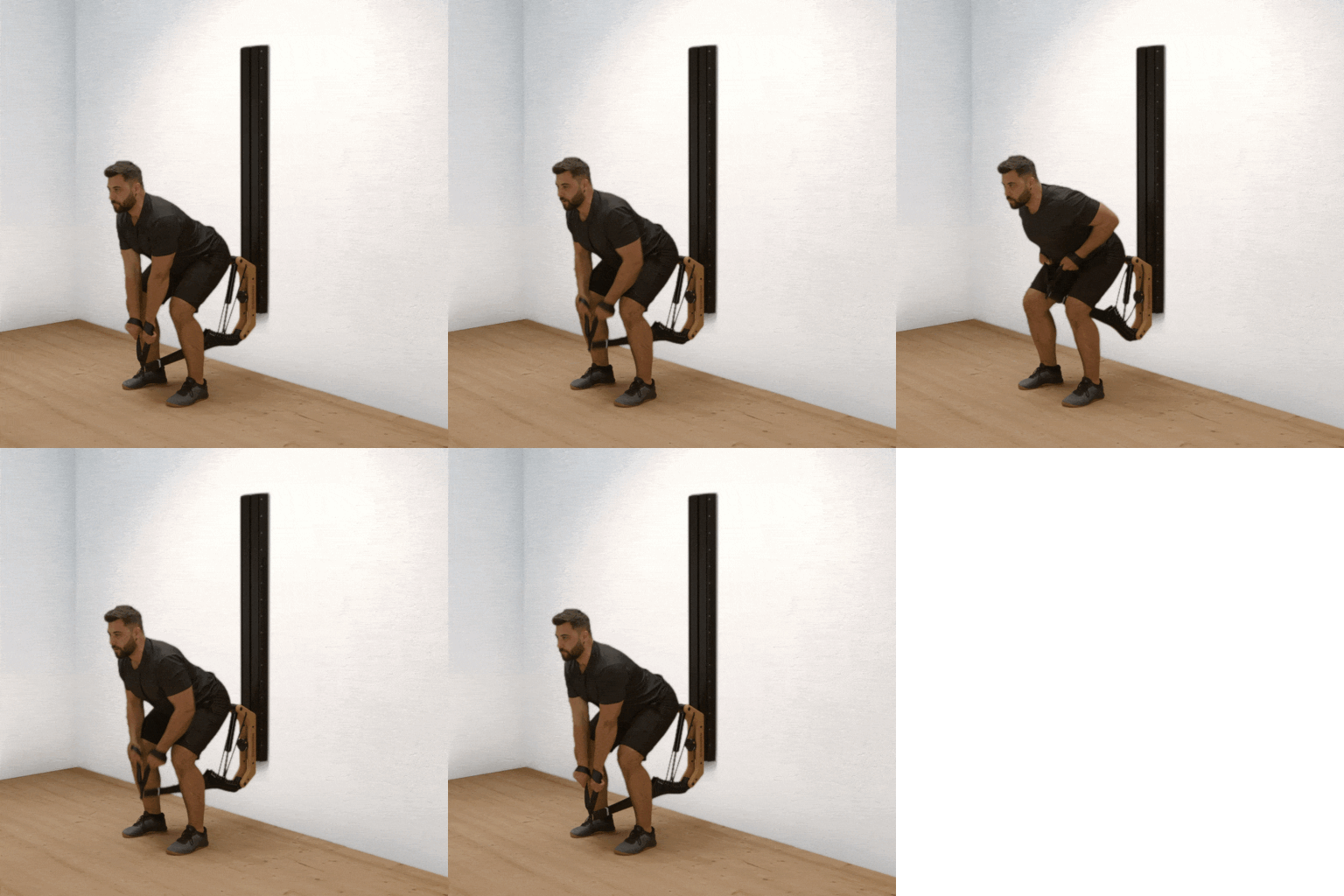
:format(webp))
)
)
)
)
)
:format(webp) "EISENHORN S Black Edition")
 "EISENHORN S Black Edition")