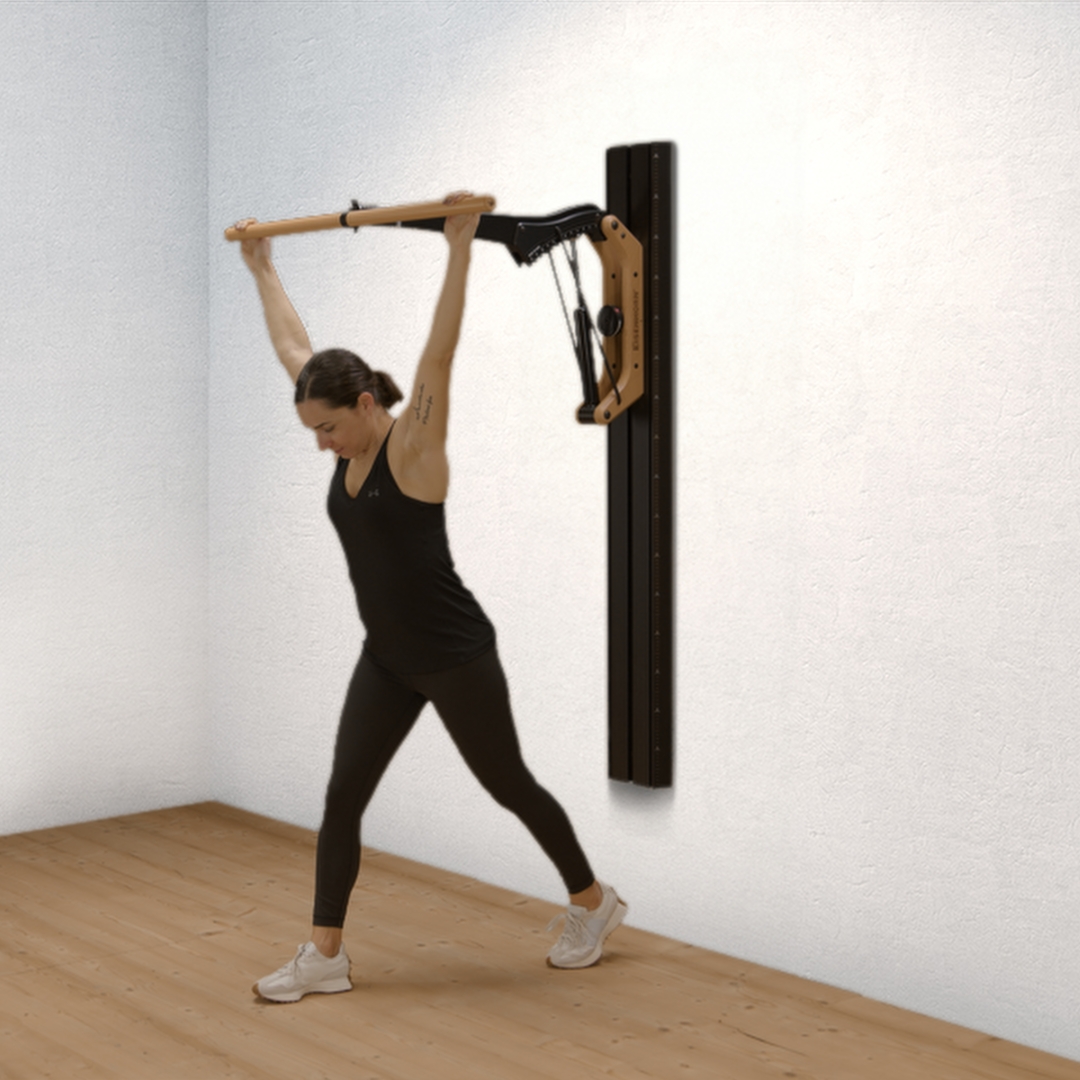
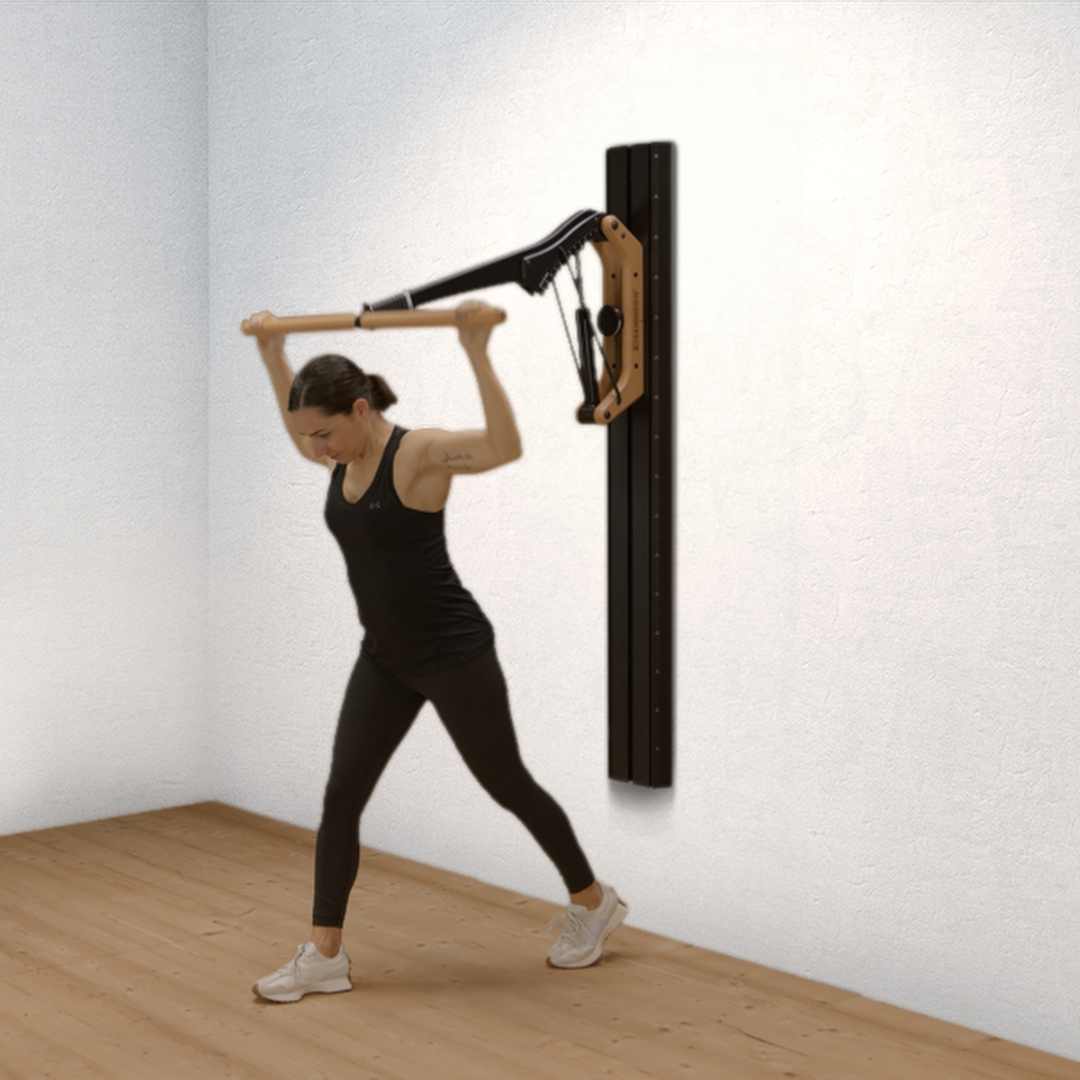
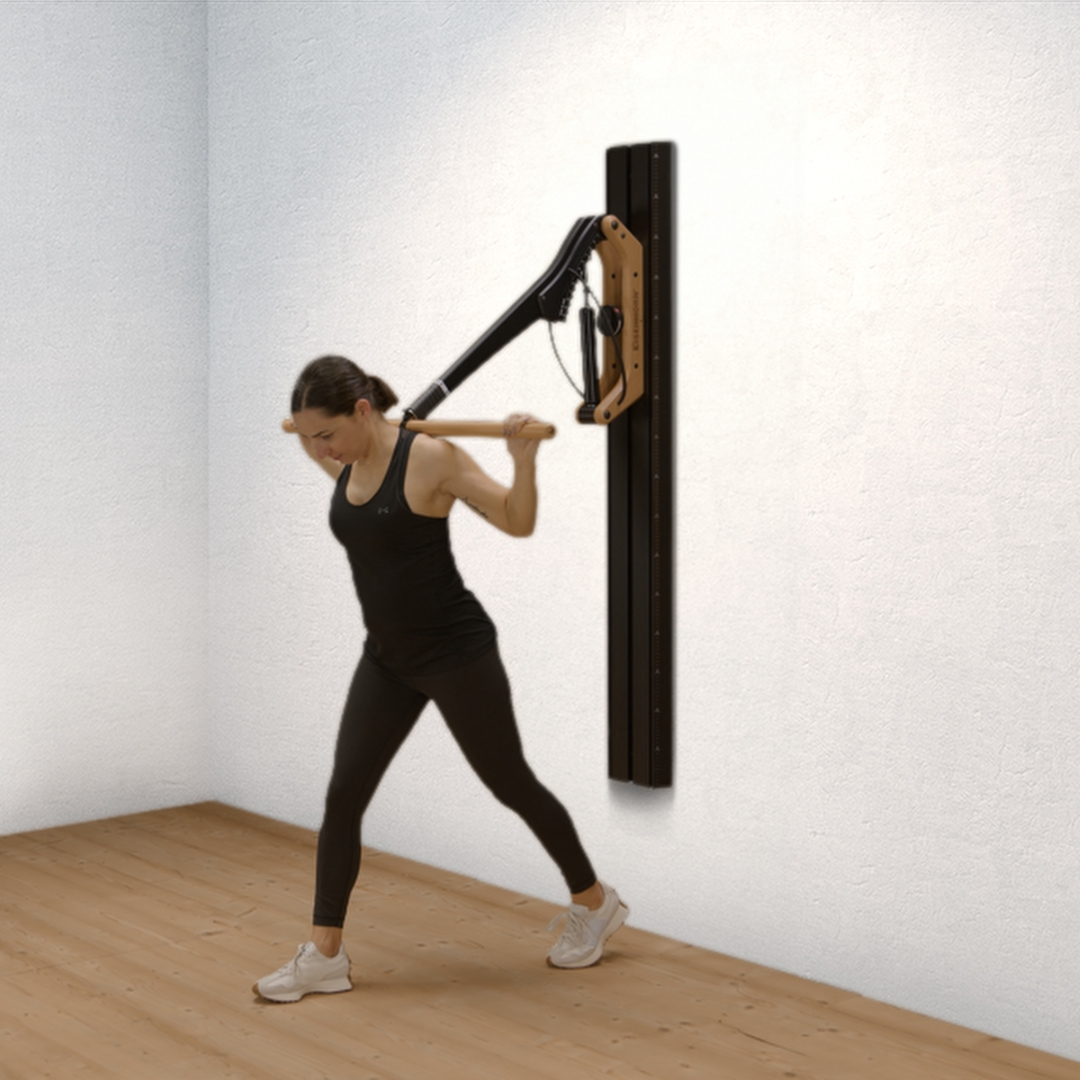
What makes this exercise particularly effective?
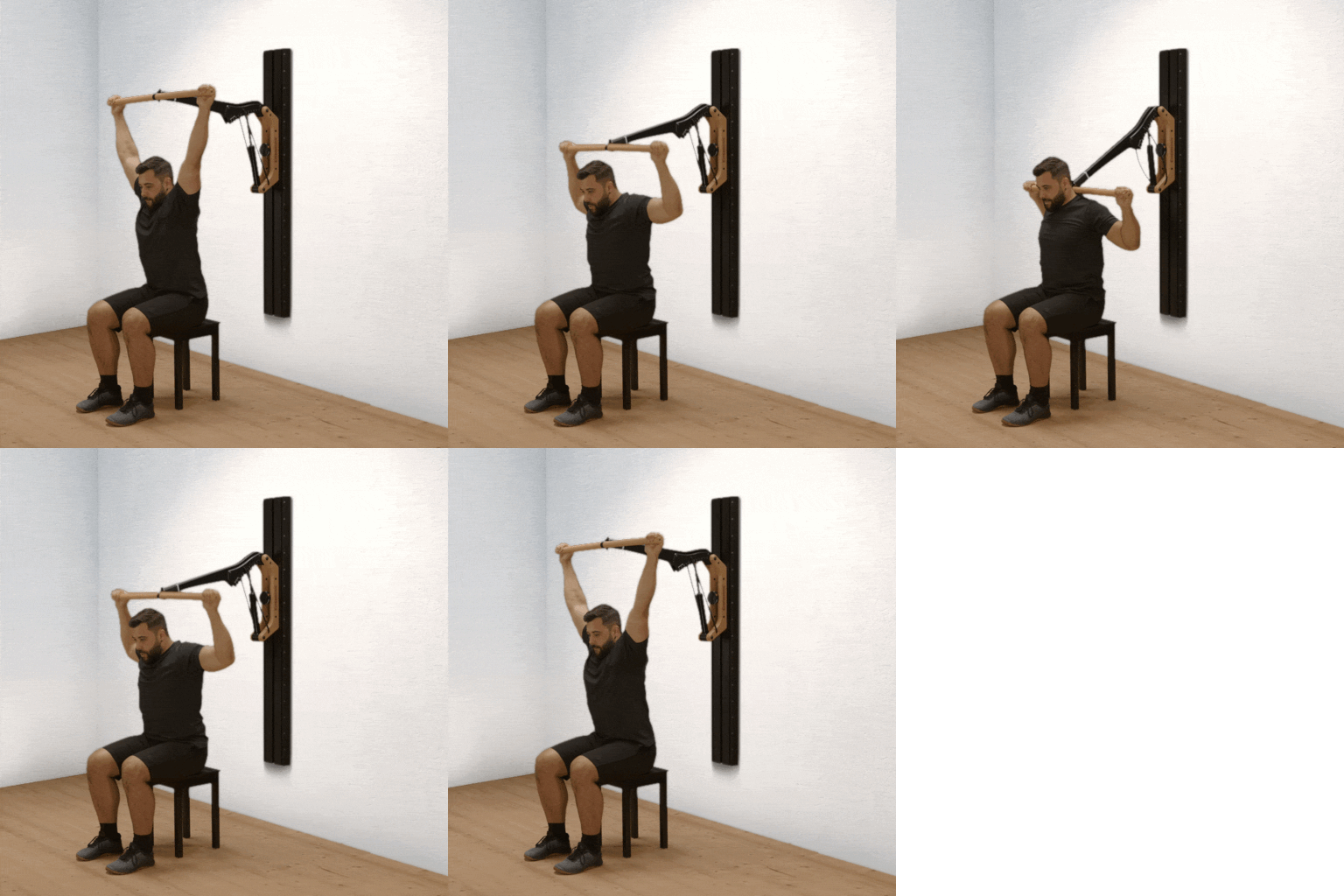
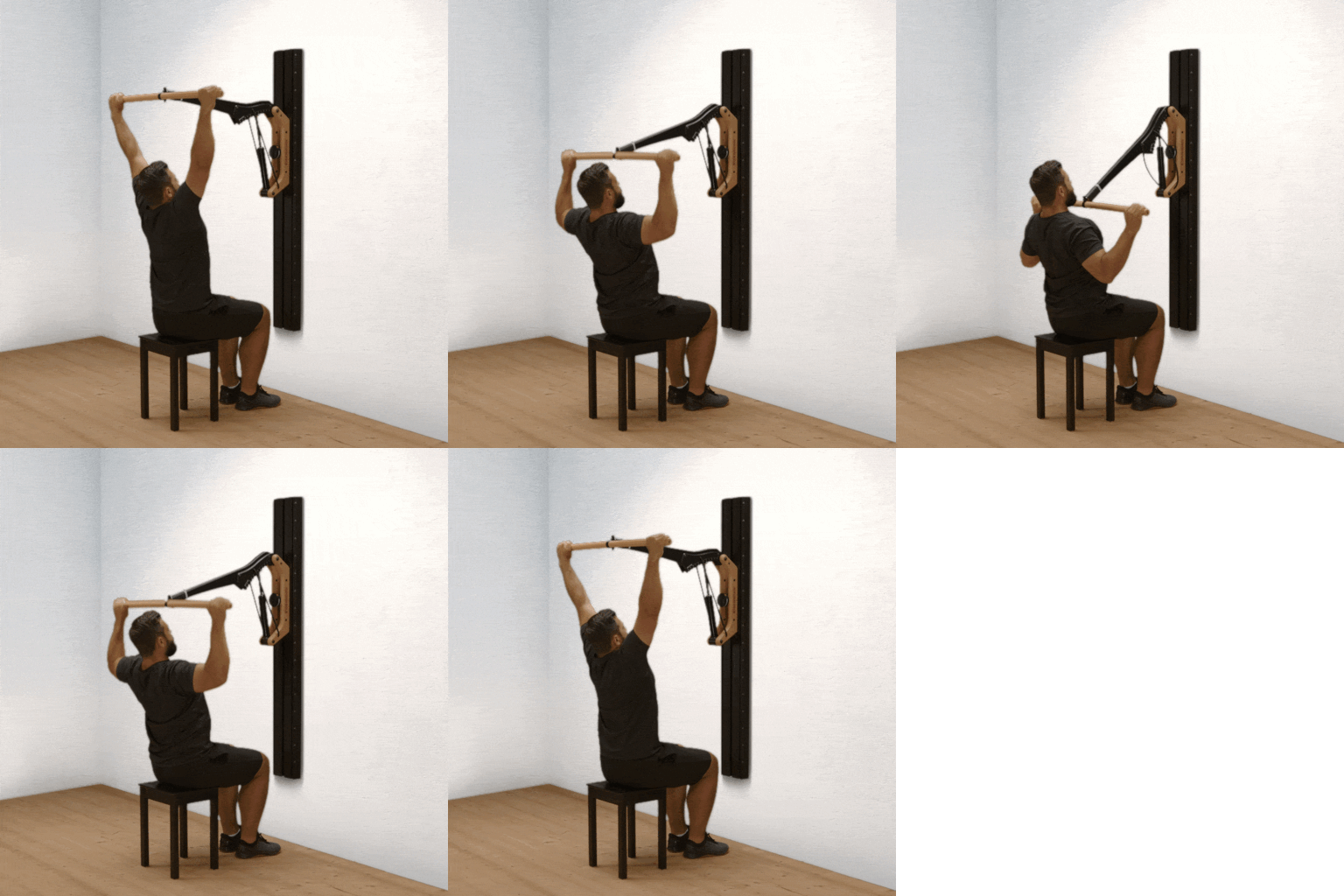
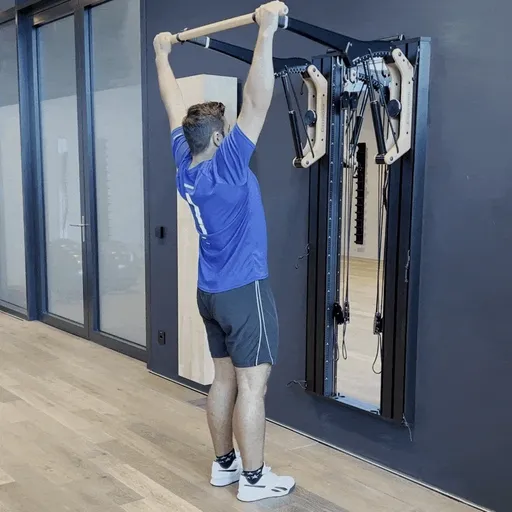
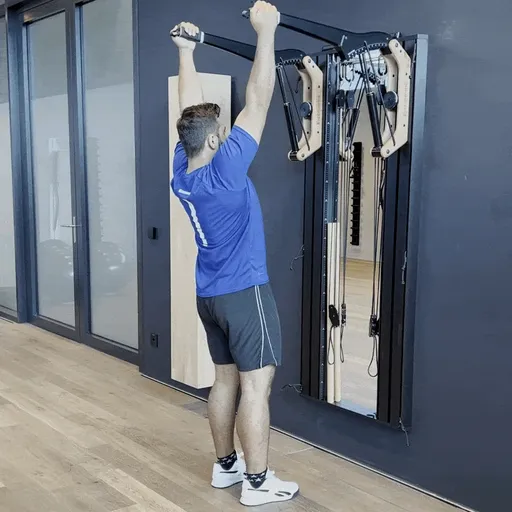
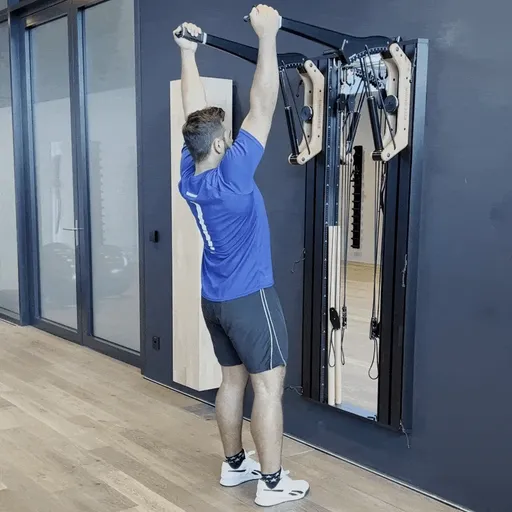
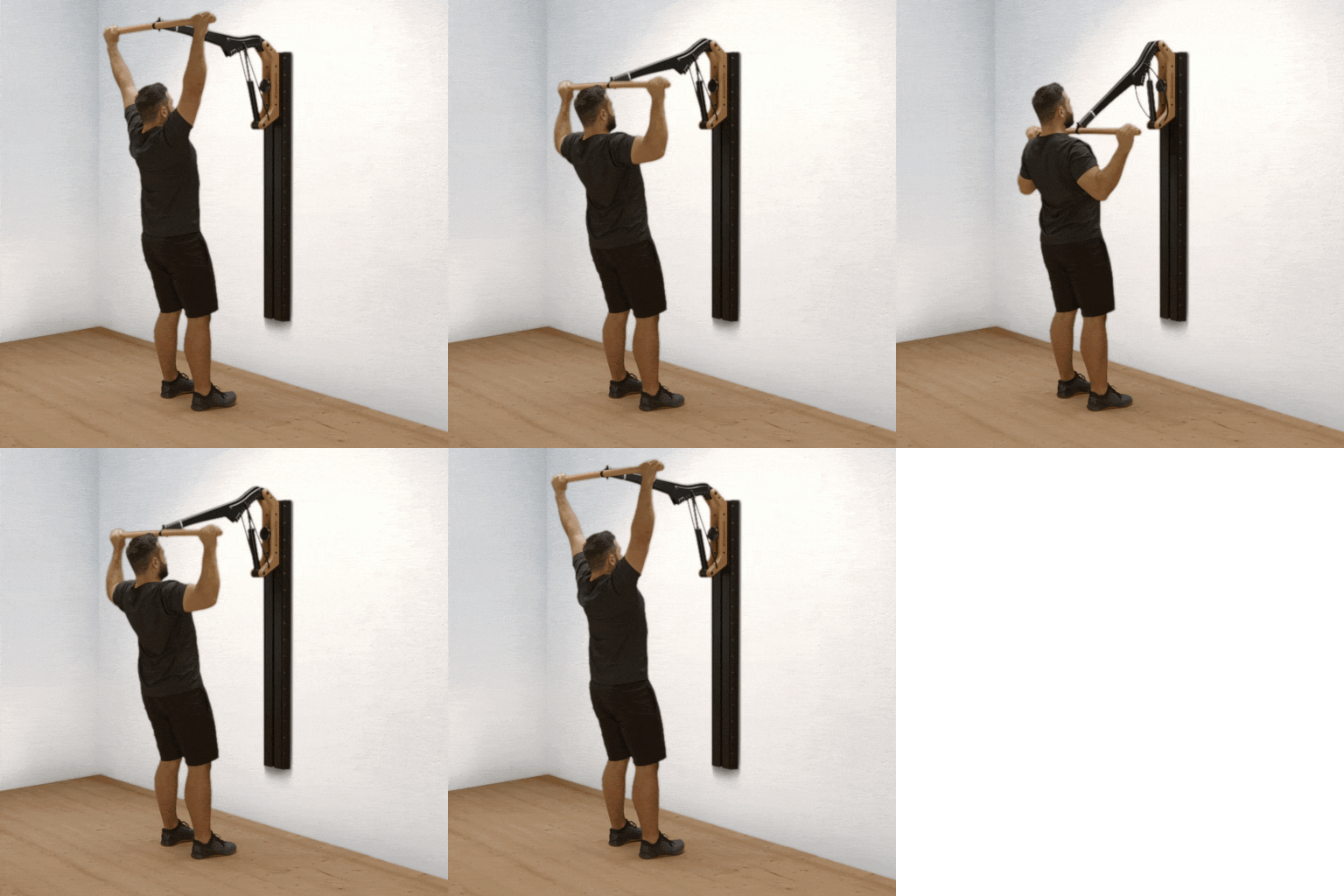
The behind-the-neck lat pulldown is a variation of the classic lat pulldown in which the bar is pulled behind the head. This exercise primarily targets the latissimus dorsi (the broad back muscle) as well as the trapezius. Due to the specific pulling motion, these muscles are activated intensely, resulting in improved back width and overall muscle density.
What effect does the exercise achieve?
Targeted latissimus activation: Pulling the bar behind the head places strong emphasis on the latissimus dorsi.
Trapezius strengthening: The pulling angle effectively engages the upper portion of the trapezius muscle.
Improved shoulder stability: The exercise promotes shoulder joint stability by strengthening the surrounding musculature.
How does this exercise fit into the Big 5 concept?
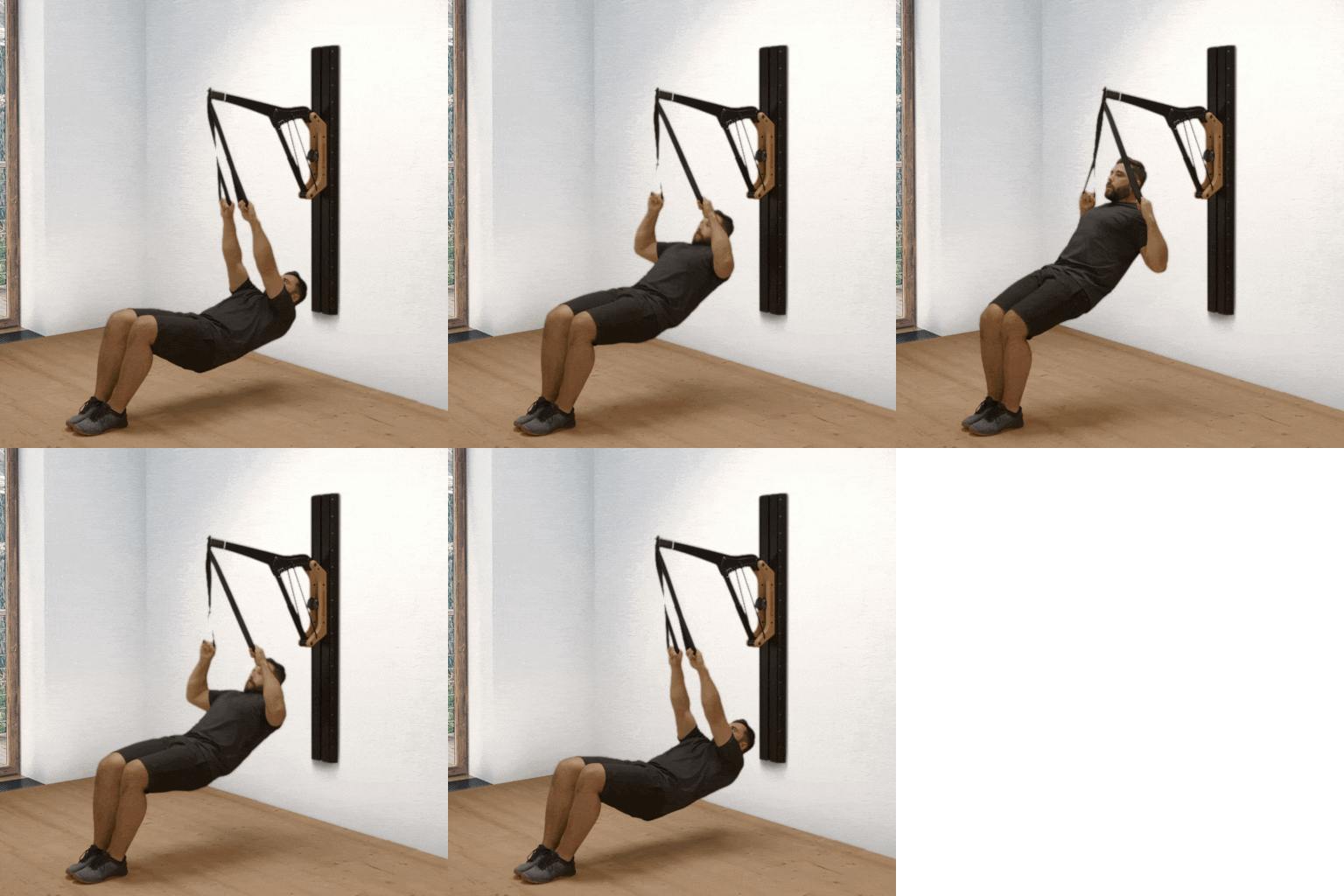
The Big 5 include the fundamental compound exercises: squat, deadlift, bench press, pull-up or lat pulldown, and shoulder press. The behind-the-neck lat pulldown can serve as a variation or substitute for pull-ups, as it specifically targets the back muscles—particularly the latissimus dorsi and trapezius. This contributes to balanced upper-body development and improved overall stability.
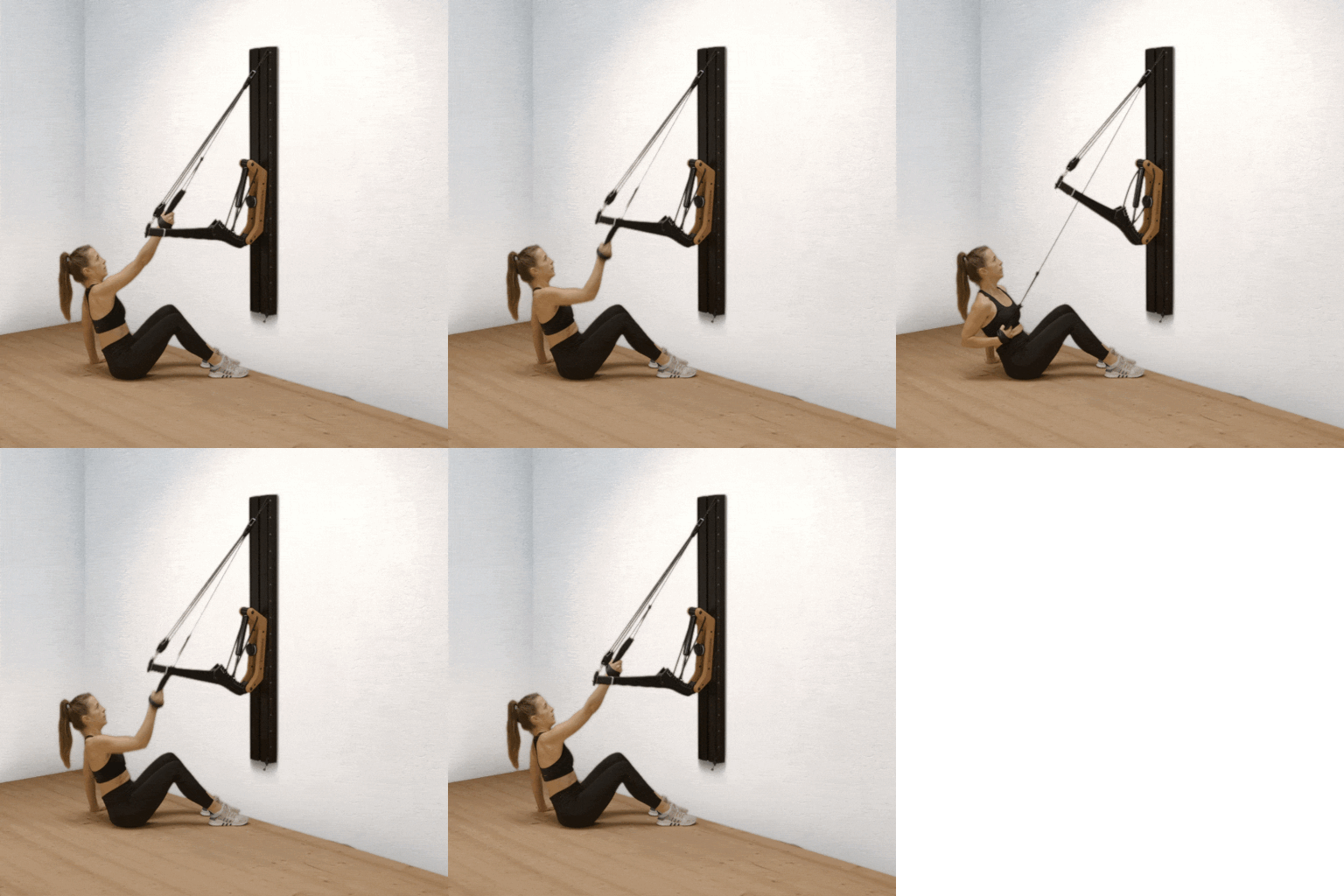
:format(webp))
)
)
)
)
)
:format(webp) "EISENHORN S Black Edition")
 "EISENHORN S Black Edition")