What makes this exercise particularly effective?
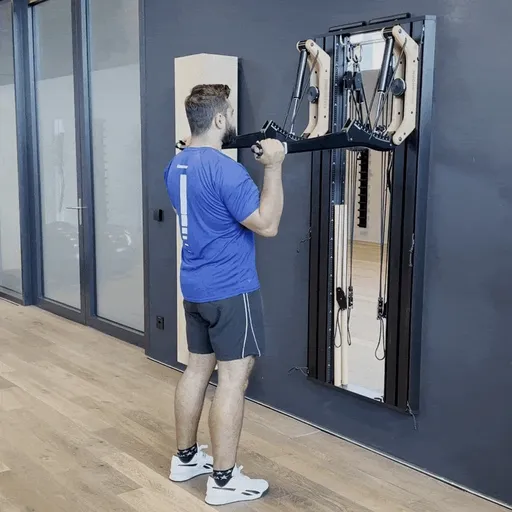
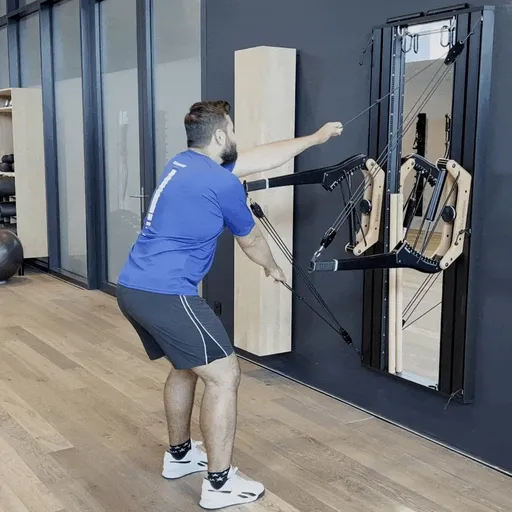
The cable lateral raise is an excellent isolation exercise targeting the middle deltoid muscle (lateral deltoid). Compared to free weights, the cable machine provides continuous tension throughout the entire path of movement – from the deep pull (when the arms are beside the body) up to the lift at shoulder height. This creates a consistent stimulus that is often more effective for muscle definition and growth.
The cable variation also allows for clean movement guidance, as momentum or unproductive compensation (e.g., through the trunk or shoulders) can be more easily avoided. Furthermore, the exercise is versatile and adaptable: grip height, handle loop, one-armed or two-armed – this allows for a very individual adjustment of the difficulty level.
What effect does the exercise achieve?
Targeted activation of the lateral deltoid:
The middle deltoid muscle is heavily engaged, leading to more width in the shoulder area, more pronounced shoulders, and a better aesthetic shoulder shape.Improved shoulder positioning & posture:
By consciously lifting sideways, the shoulder joint, collarbone, and shoulder blade stabilize. This helps to avoid rounded back and hunched shoulders.Stabilization & core activation:
Because the body must be kept still during the lifting process, the core works. Especially in one-armed variations, good body tension is crucial to avoid unintentional tipping or swerving.Joint protection during exercise:
The Cable pulley allows for a more moderate strain with constant resistance at the same time. For individuals with sensitive shoulder joints or previous injuries, the cable pull can be a good alternative to dumbbells.Fine-tuning & focus on technique:
Small adjustments, such as how high the lift is, how much the elbow is bent, or which angle is chosen, have a great impact on muscle sensation and strain.
How does this exercise fit into the Big 5 concept?
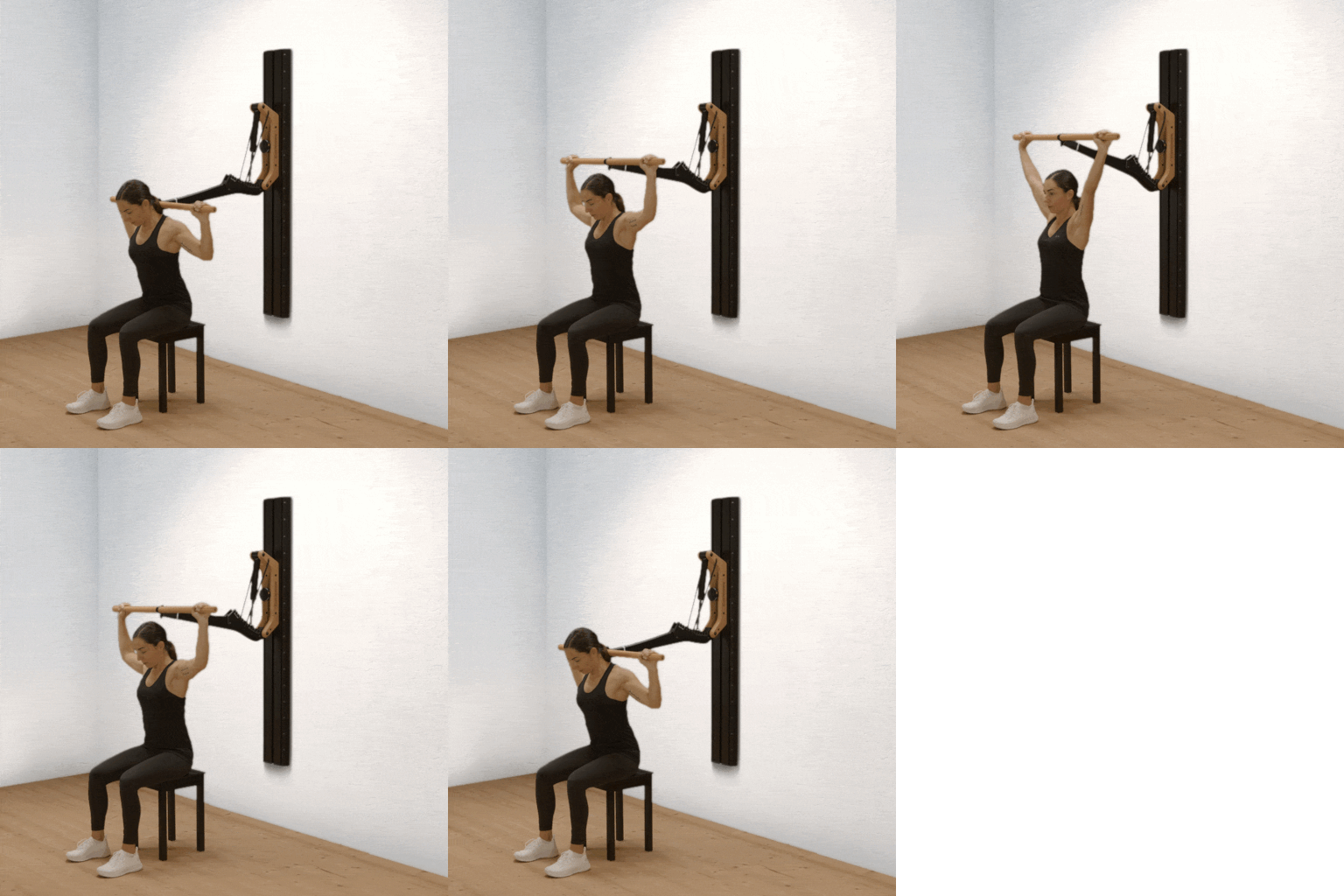
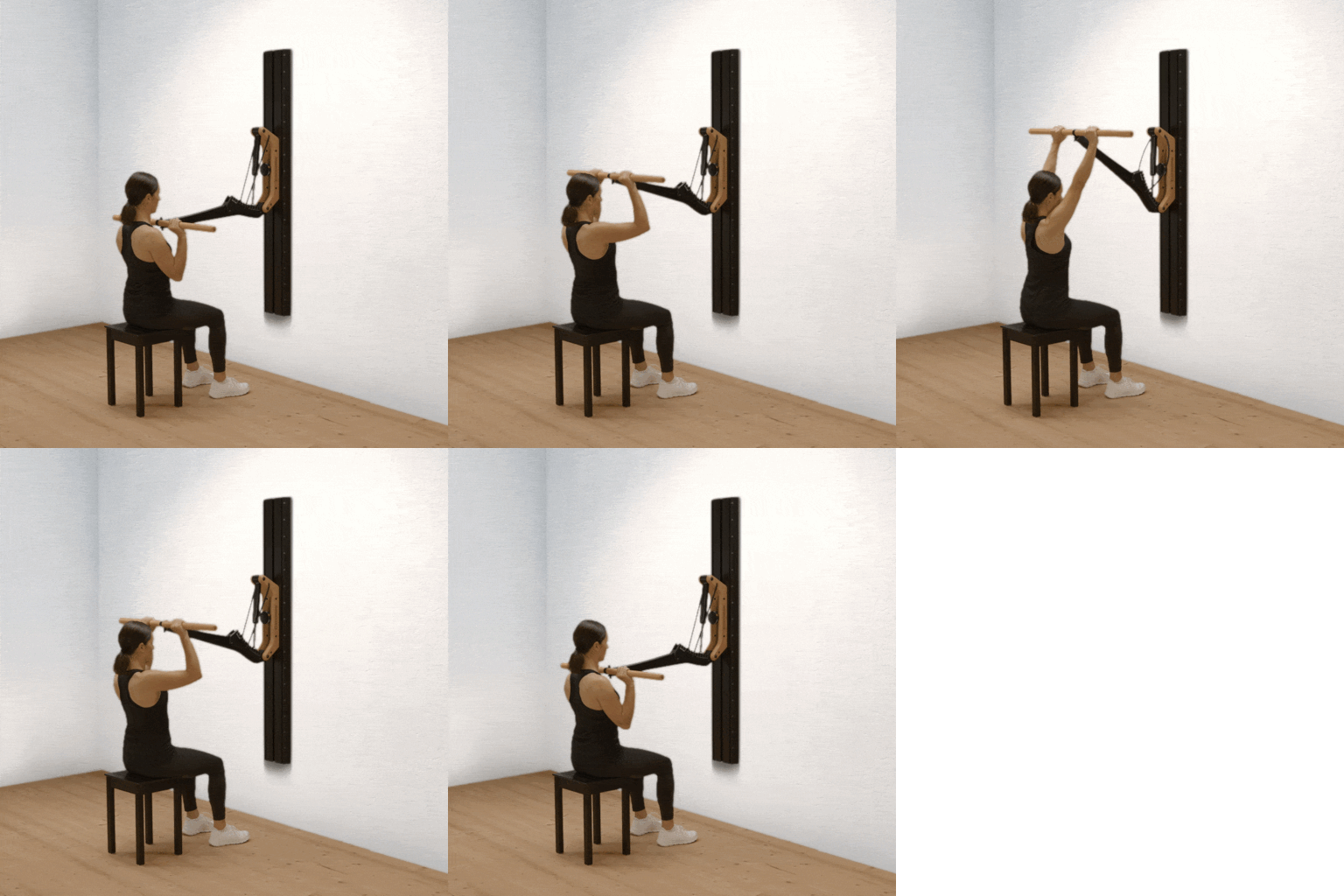
The Big 5 include the fundamental exercises: squat, deadlift, bench press, pull-up or lat pulldown, and shoulder press. Even though the exercise “Lateral Raises on Cable Machine” is not part of the classic Big 5, it can be a meaningful addition:
This exercise supports shoulder pressing: a strong middle deltoid contributes to stability and performance in pressing movements.
Cable lateral raises help to avoid imbalances, especially if one shoulder side is weaker or less stable.
It serves well as a supplementary exercise that specifically targets form, aesthetics, and strengthens the shoulder muscles – ideal as a supplement in training concepts that focus on efficiency, such as MIKE5.
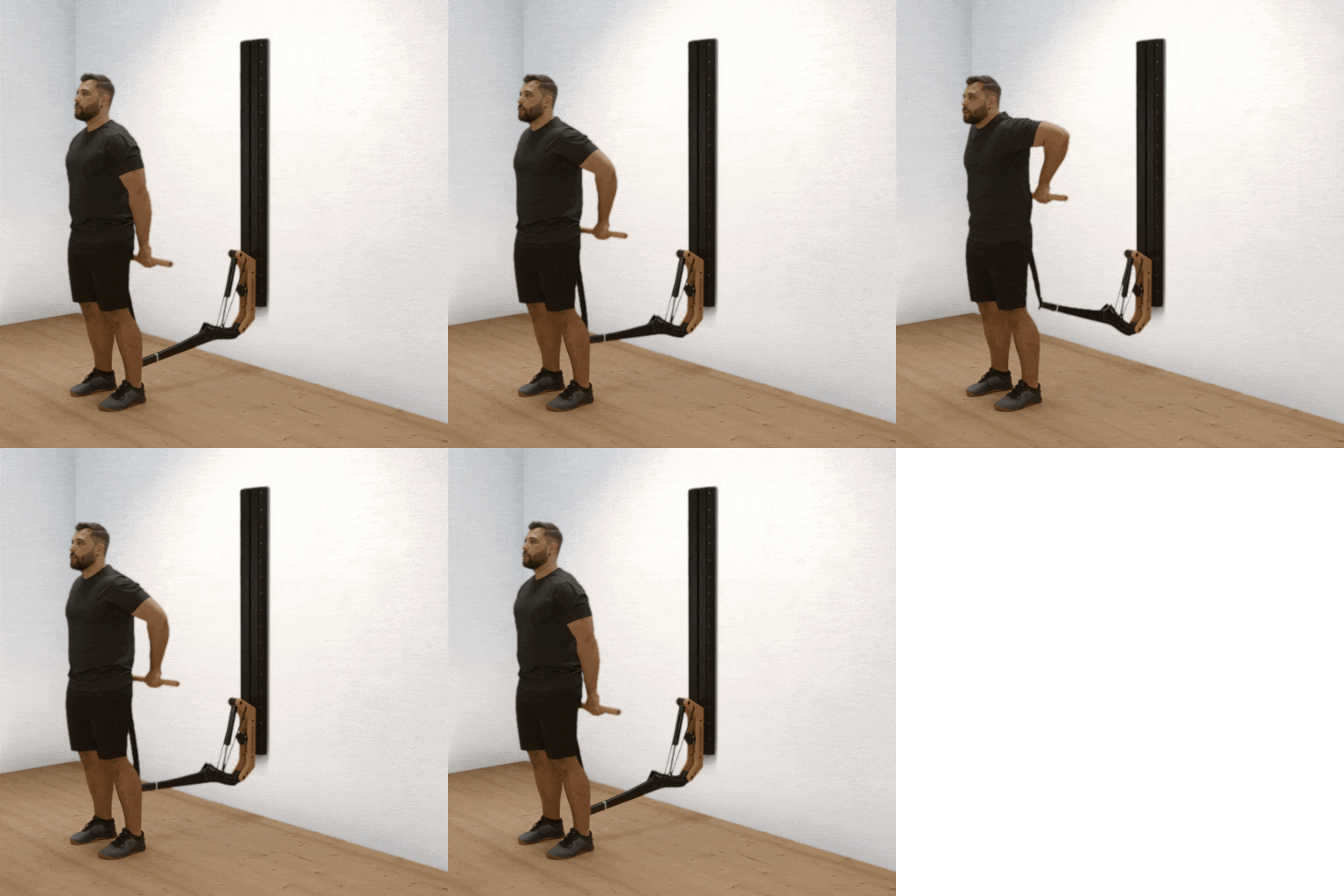
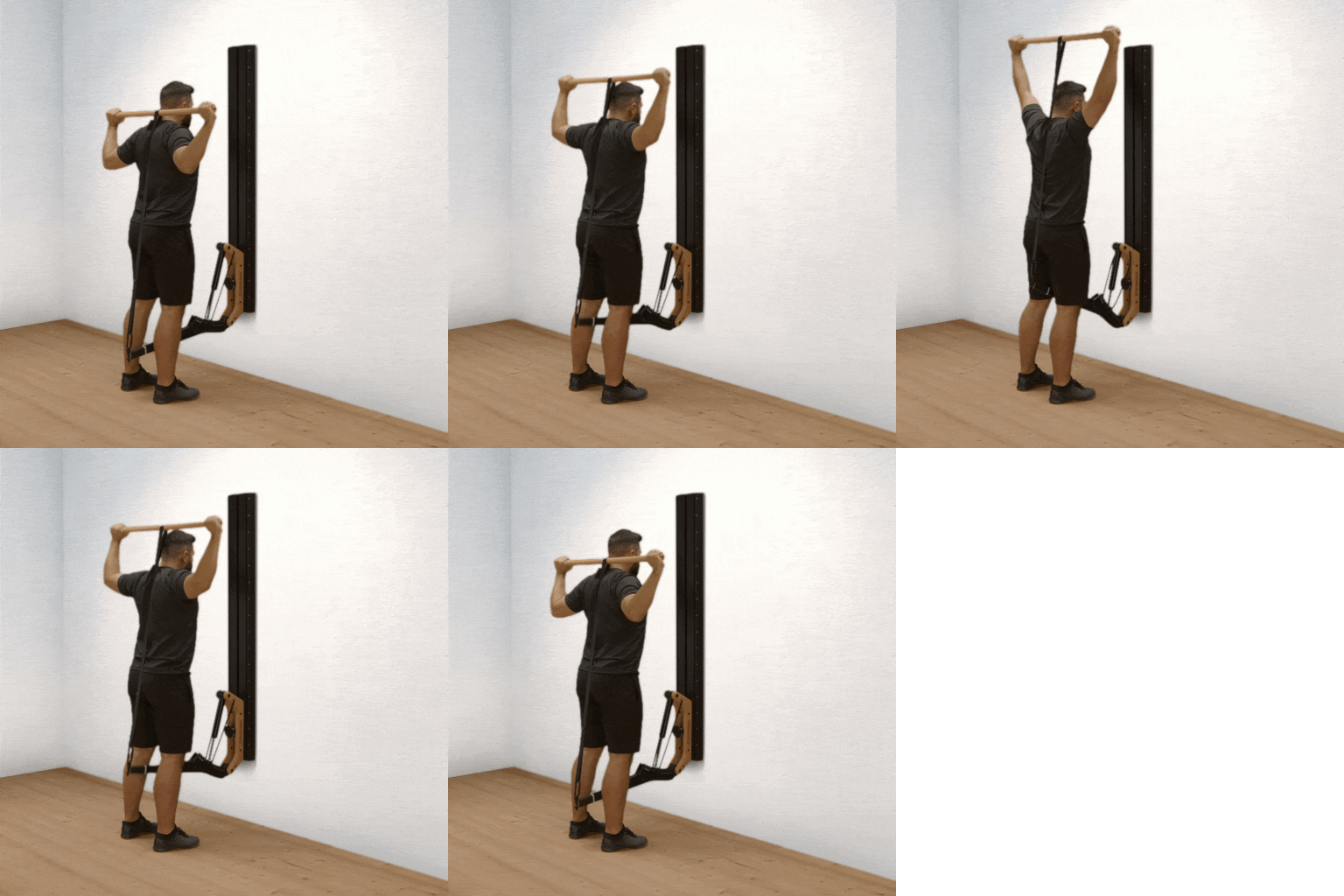
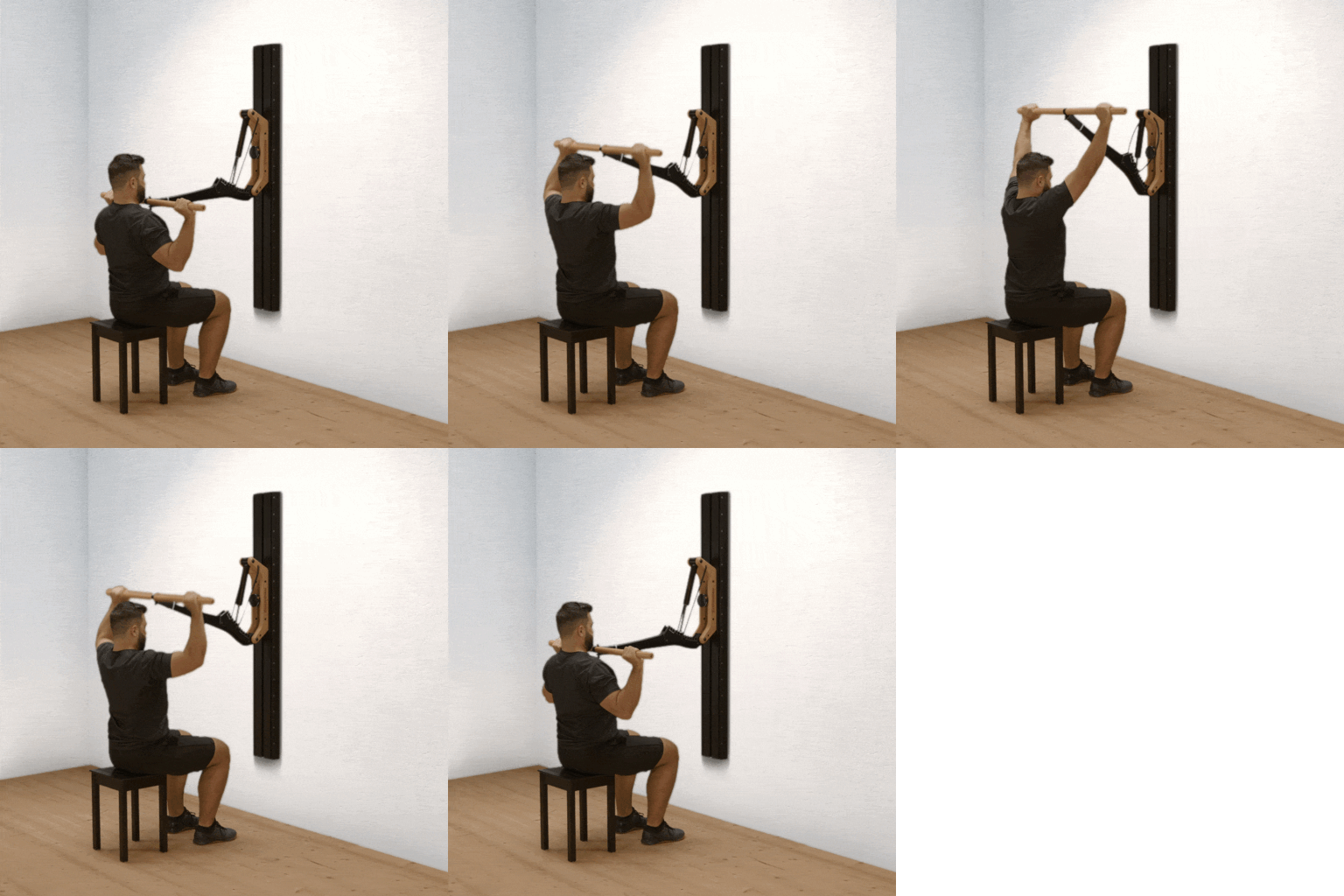
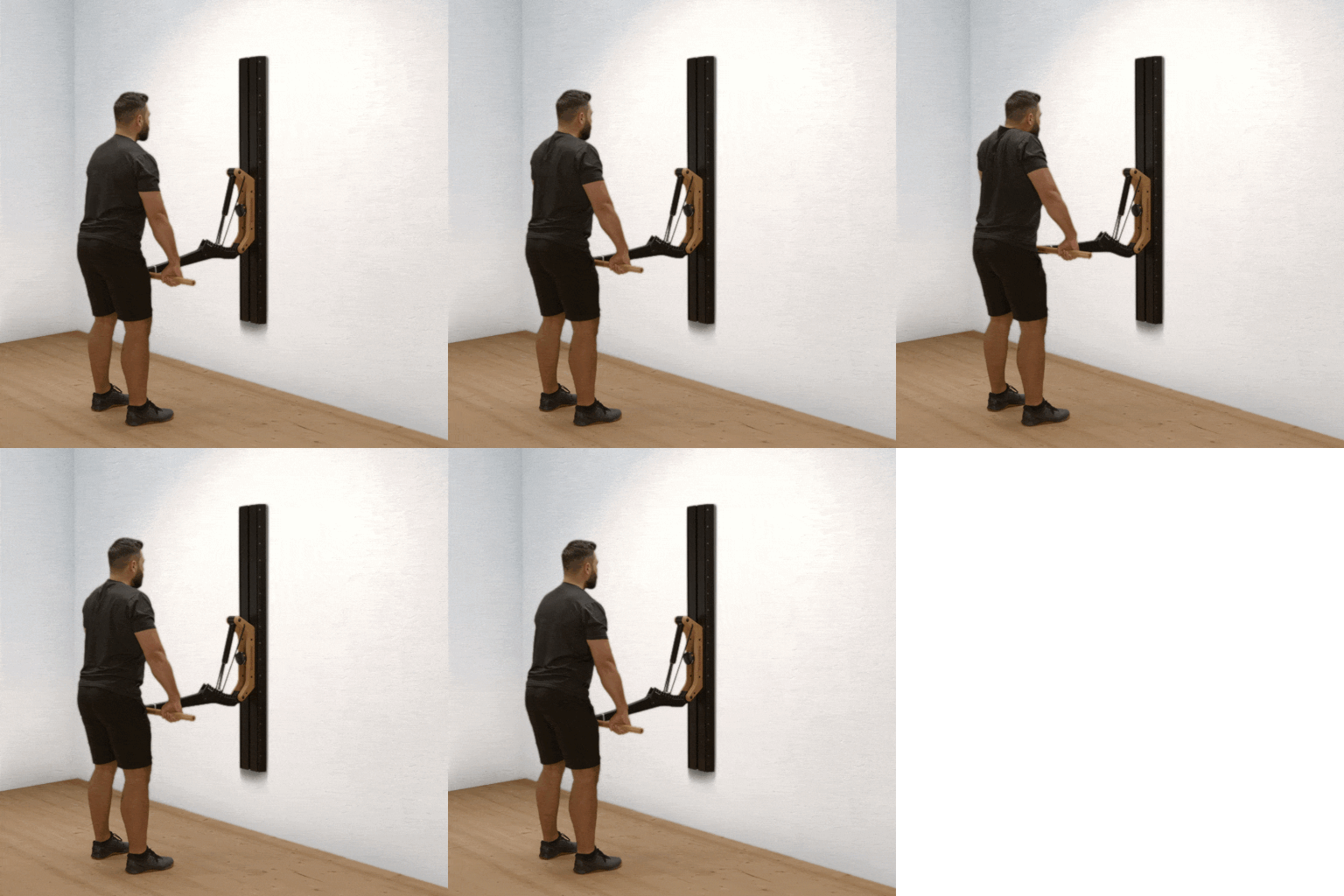
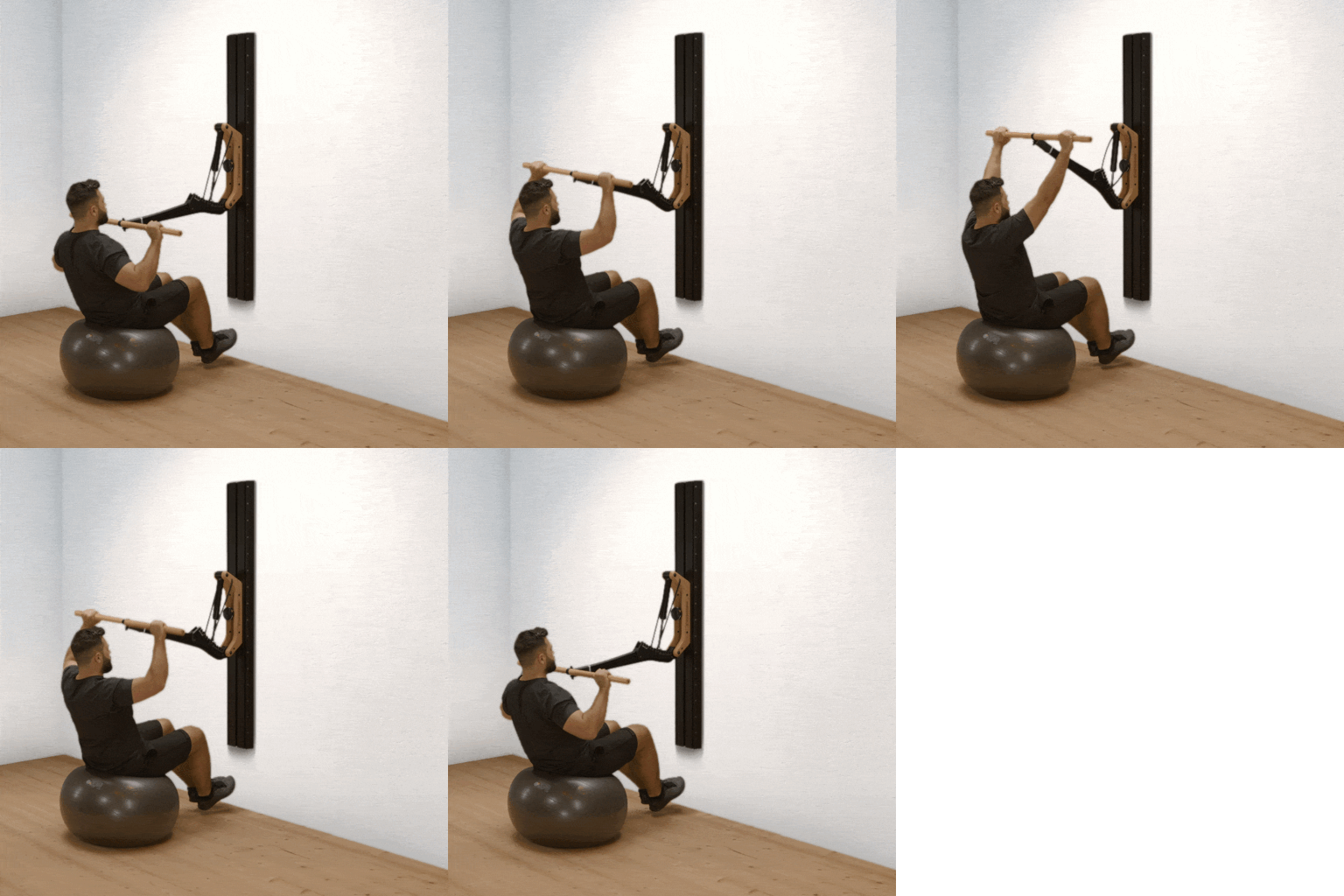
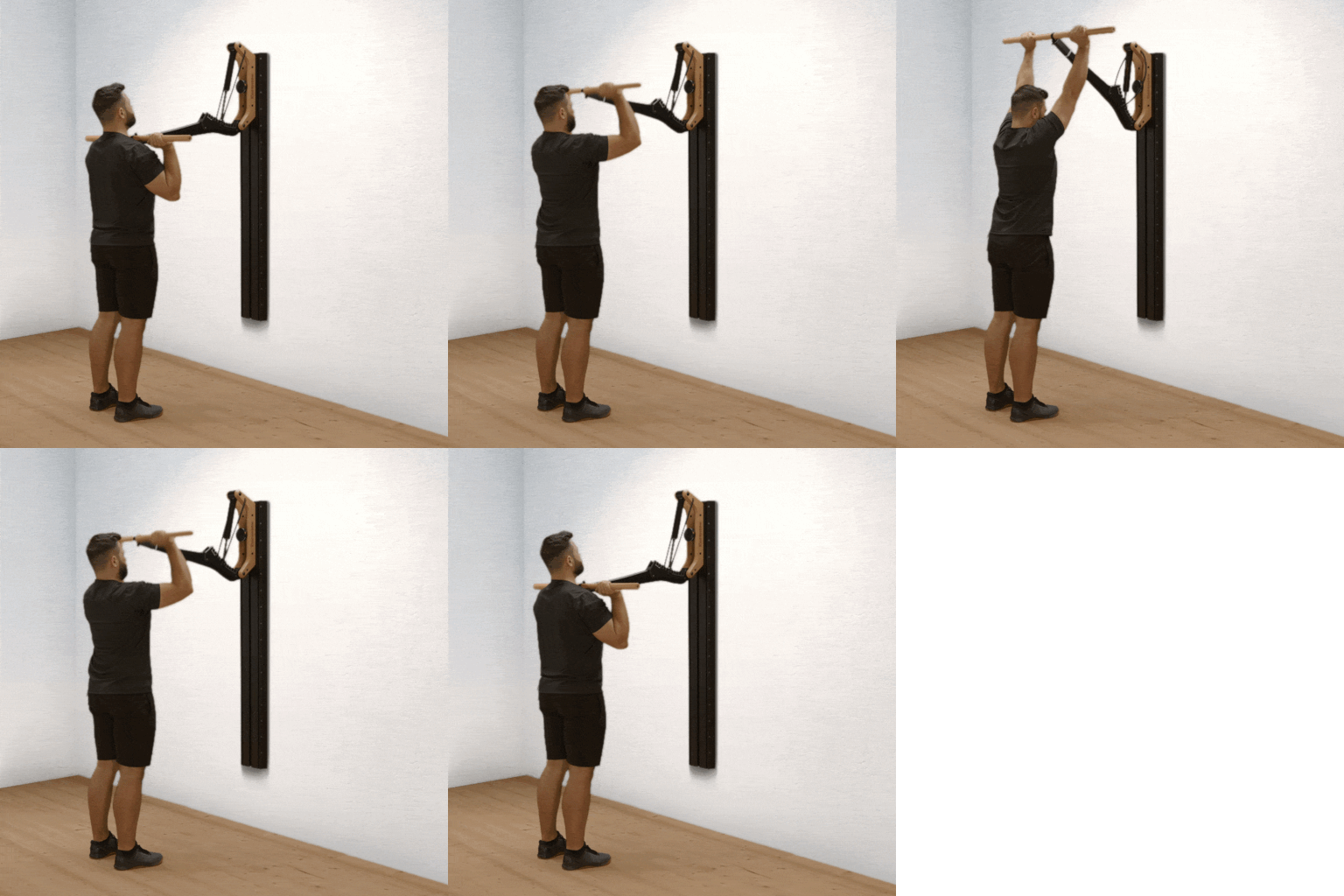
:format(webp))
)
)
)
)
)
:format(webp) "EISENHORN S Black Edition")
 "EISENHORN S Black Edition")