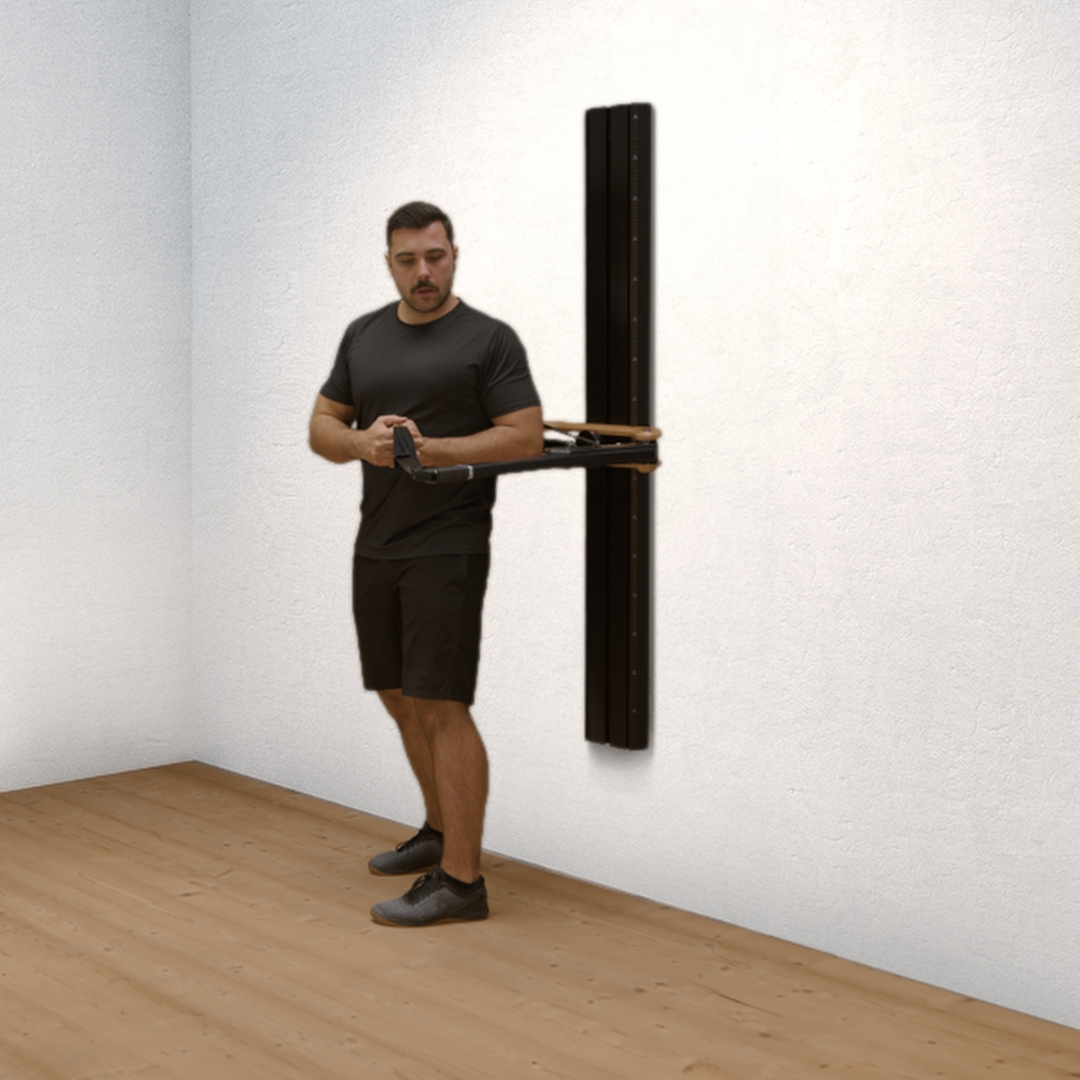
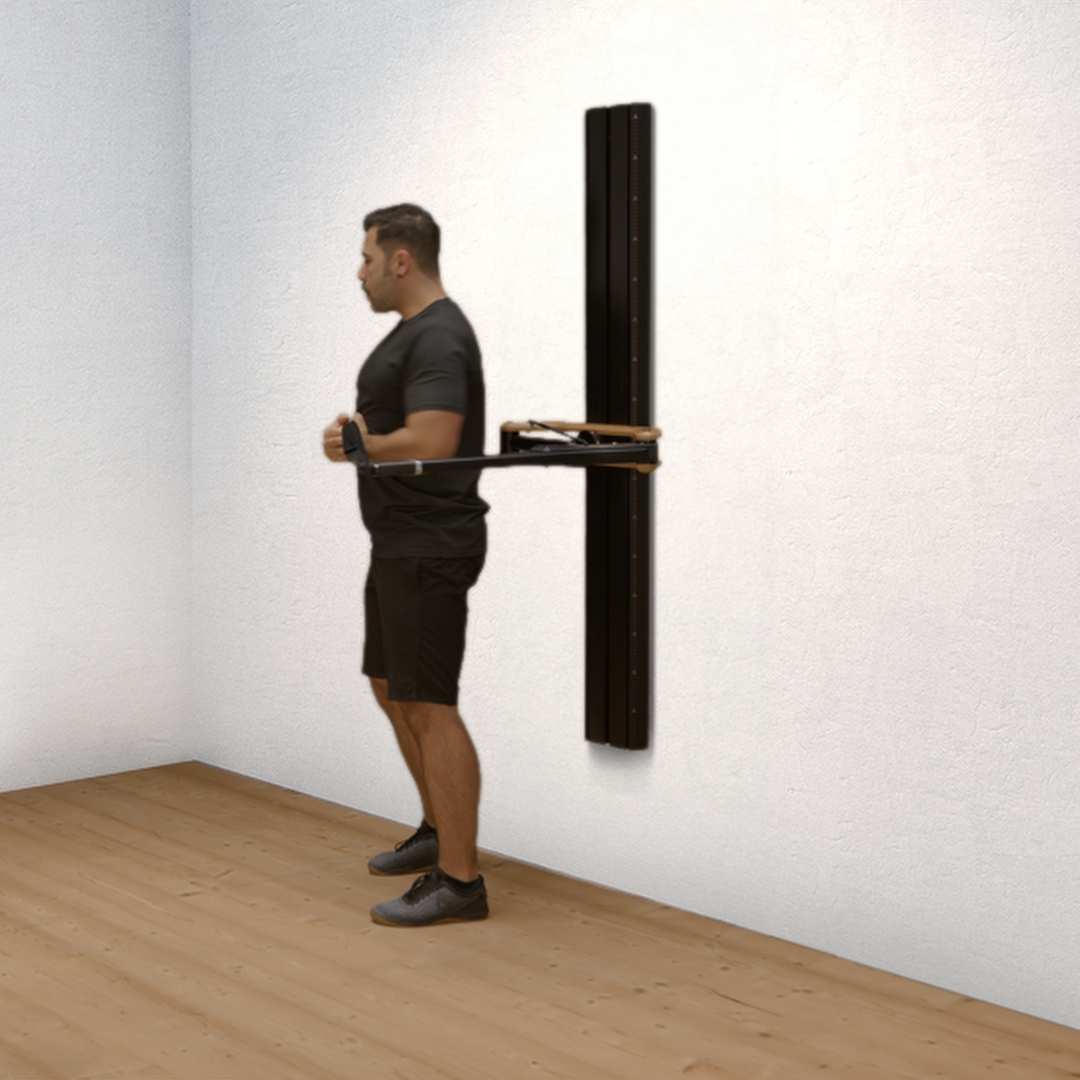
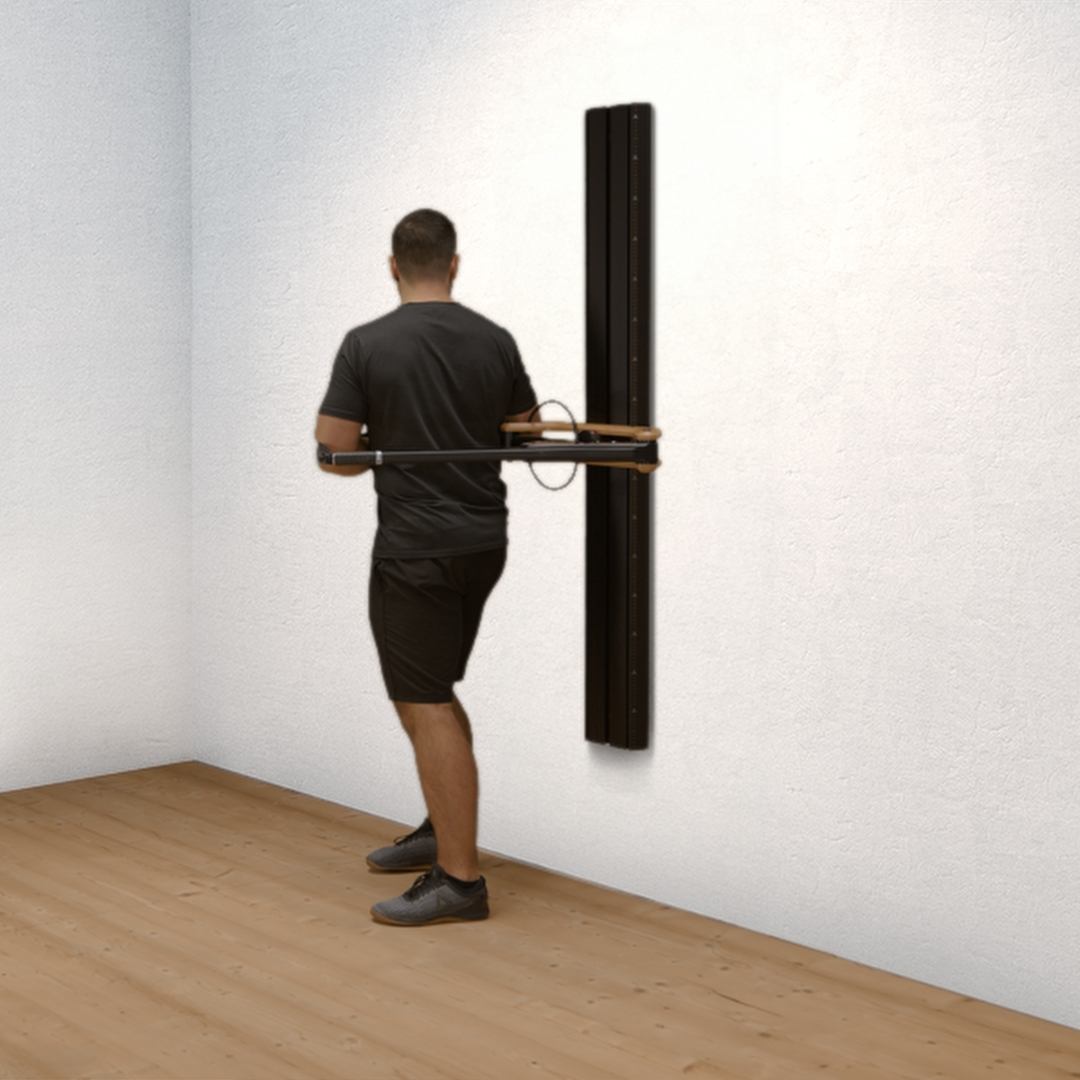
What makes this exercise particularly effective?
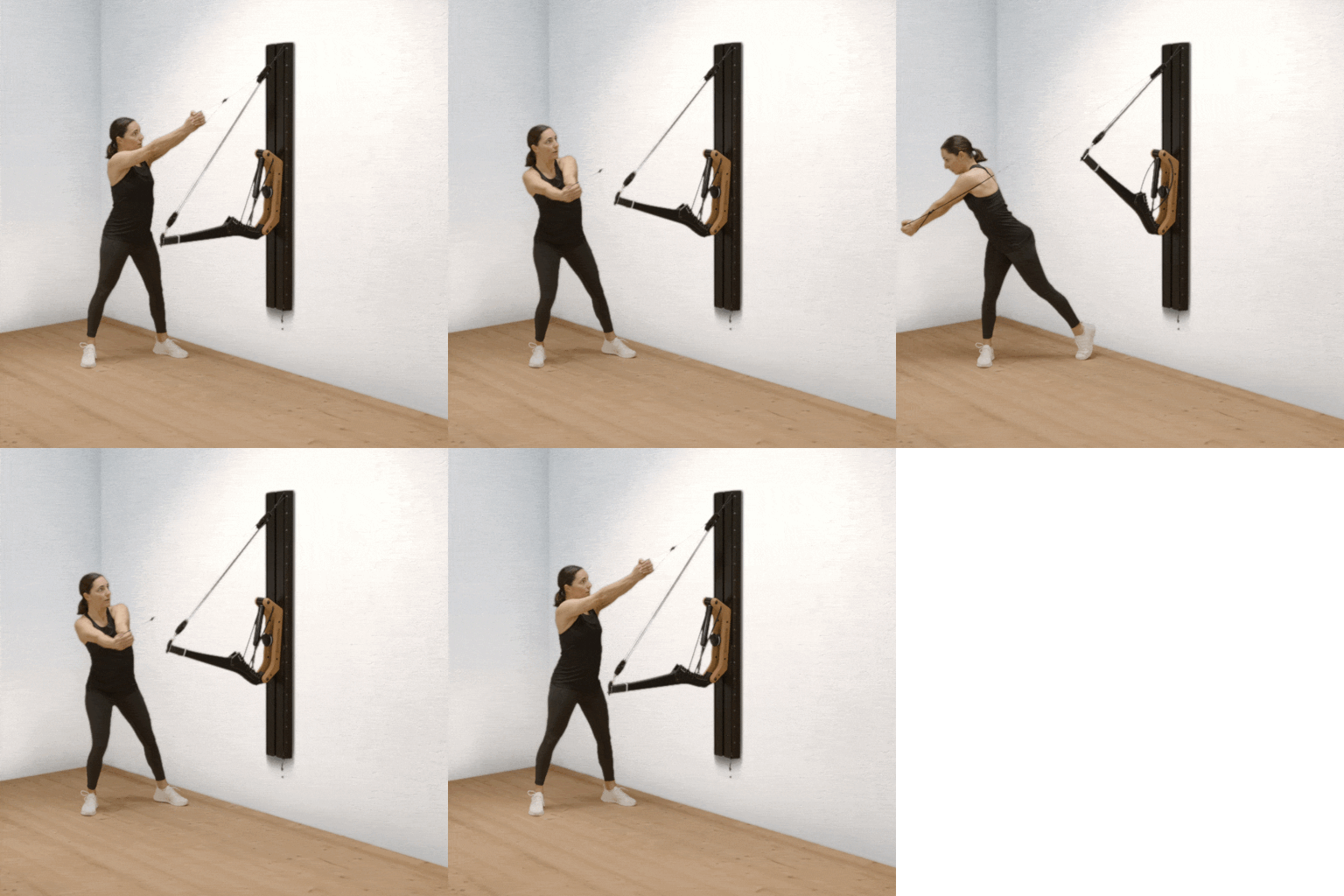
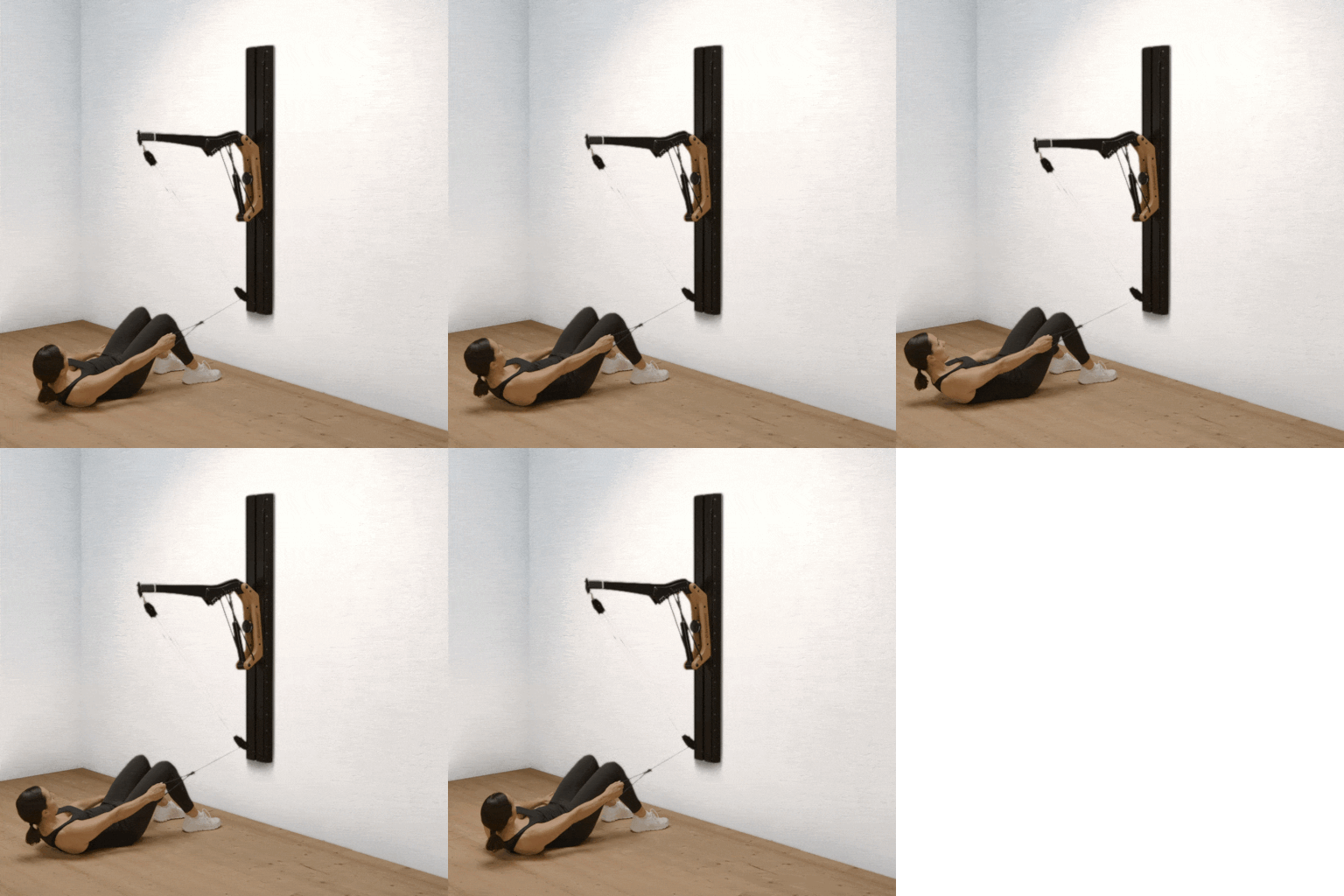
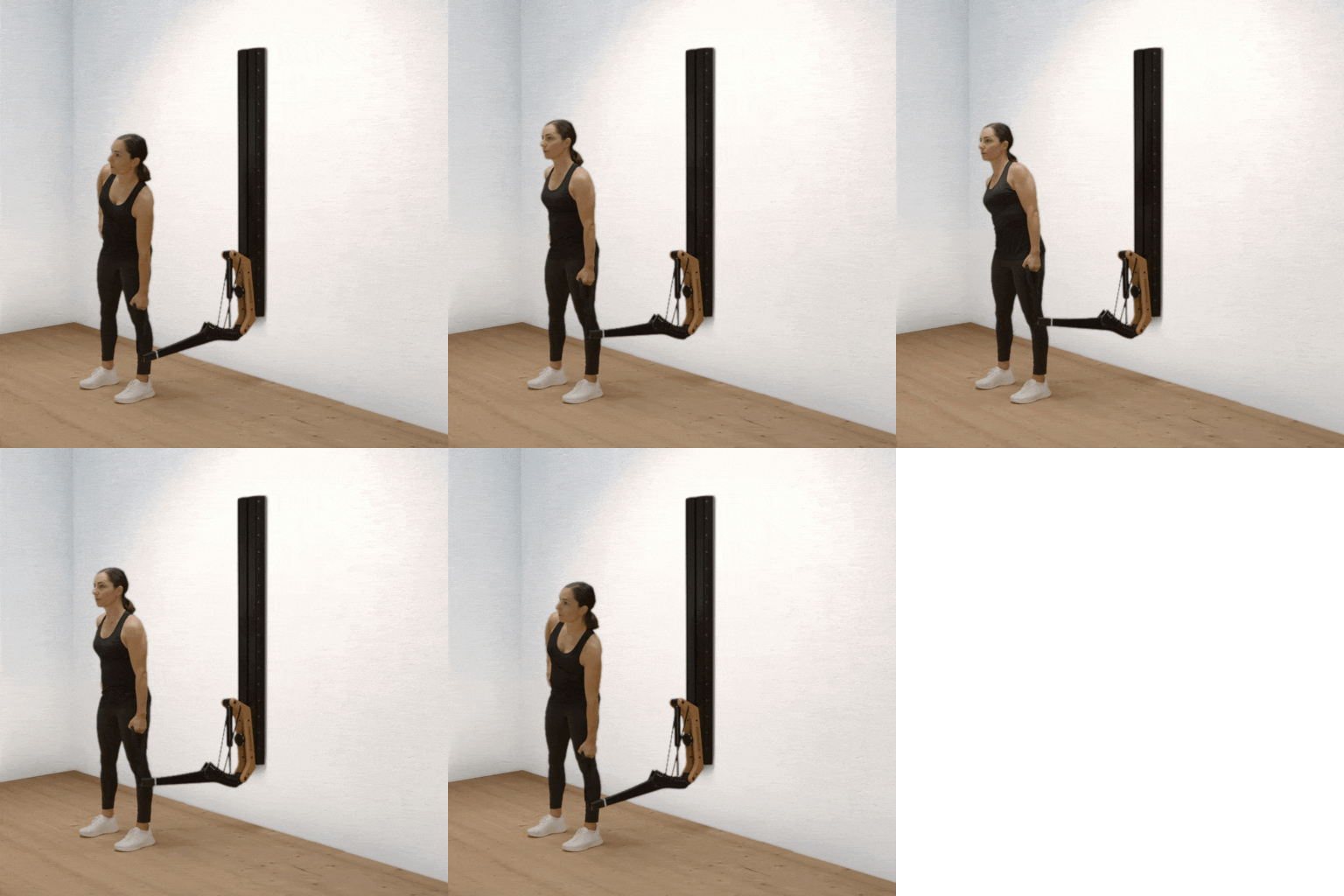
The standing torso rotation with the EISENHORN power station is a functional exercise that specifically targets the core muscles—especially the oblique abdominal muscles and the deep core stabilizers. By rotating in a standing position, classic isometric abdominal work is enhanced with a dynamic component, making it ideal for improving body control and mobility.
What effect does the exercise achieve?
Targeted activation of the oblique abdominal muscles: The twisting movement strongly engages the obliques, promoting their definition and strength.
Strengthening core stability: Controlled rotation requires continuous tension throughout the core, helping stabilize the spine and hips.
Improved mobility: The exercise enhances mobility and coordination by challenging the body in the transverse plane.
Functional transfer to everyday life: Rotational movements occur frequently in daily activities, such as turning the torso while lifting or reaching.
How does this exercise fit into the Big 5 concept?
The Big 5 include the fundamental exercises: squat, deadlift, bench press, pull-up or lat pulldown, and shoulder press.
The standing torso rotation complements these foundational exercises in a meaningful way:
Holistic core training: While the Big 5 build a strong overall foundation, torso rotation adds functional stability through active rotation—an important component often missing in everyday movement patterns.
Differentiated training stimulus: The dynamic rotational movement provides new stimuli for core development and supports overall strength improvement.
Improved exercise quality: A strong and mobile core helps control loads more effectively in nearly all basic exercises and reduces the risk of injury.

:format(webp))
)
)
)
)
)
:format(webp) "EISENHORN S Black Edition")
 "EISENHORN S Black Edition")