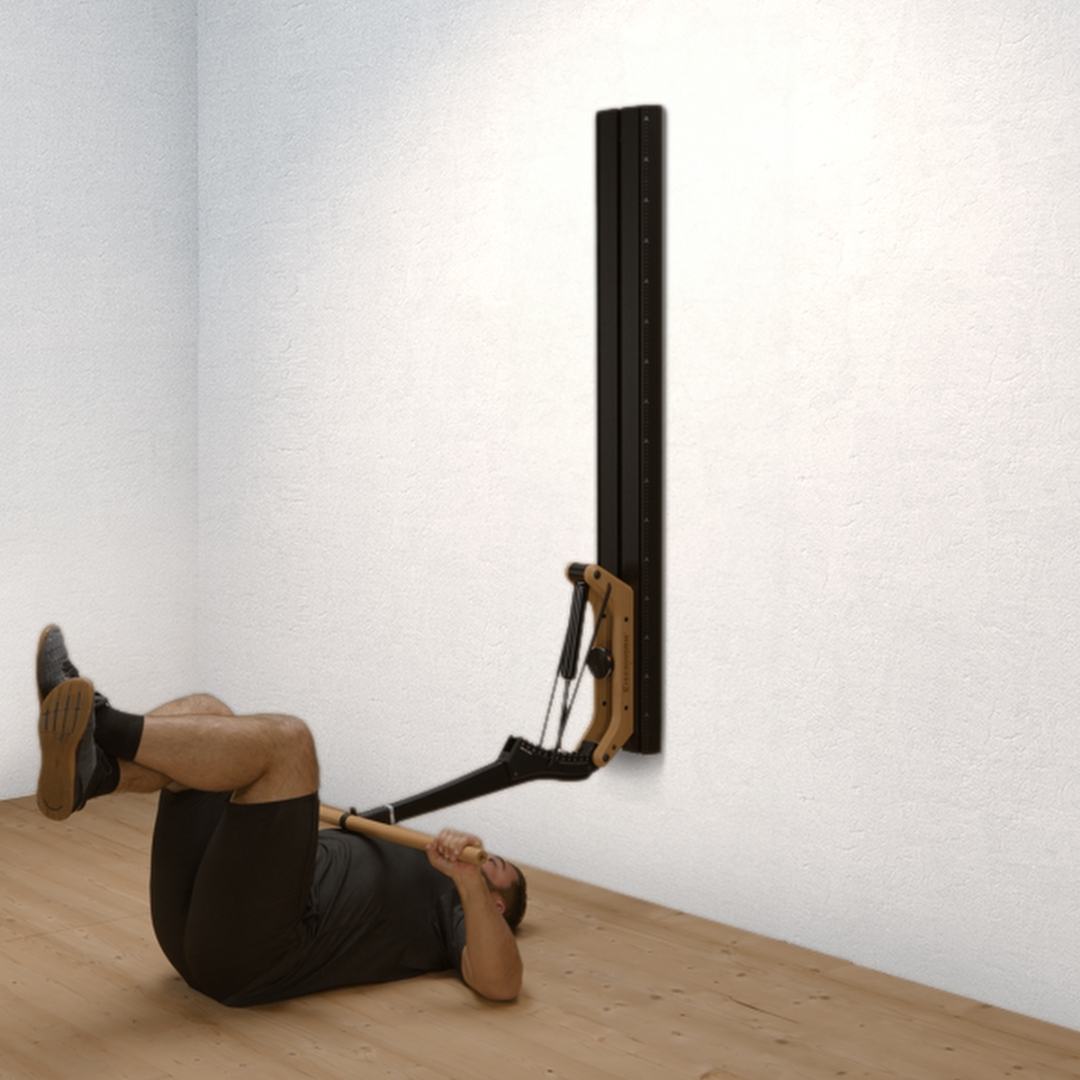
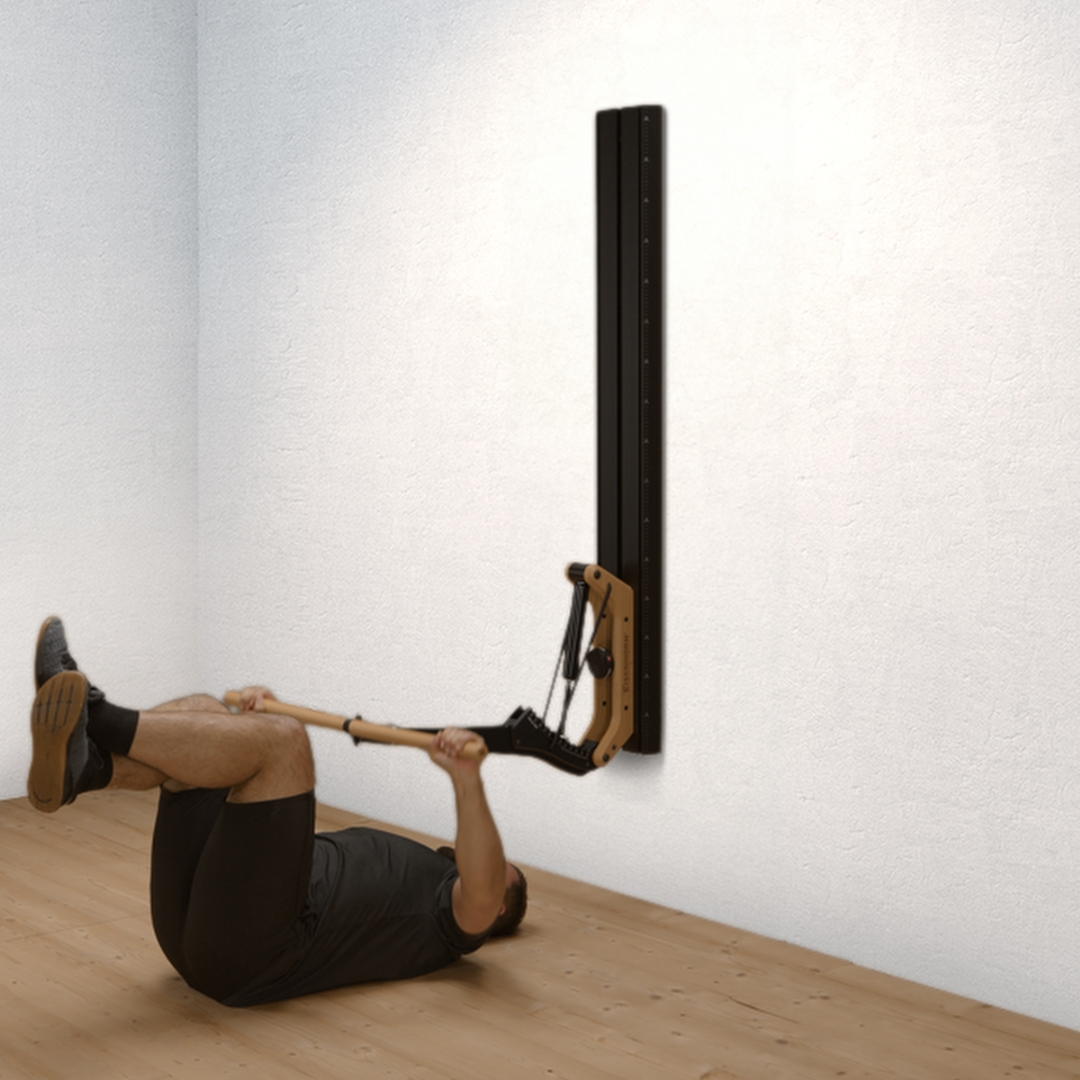
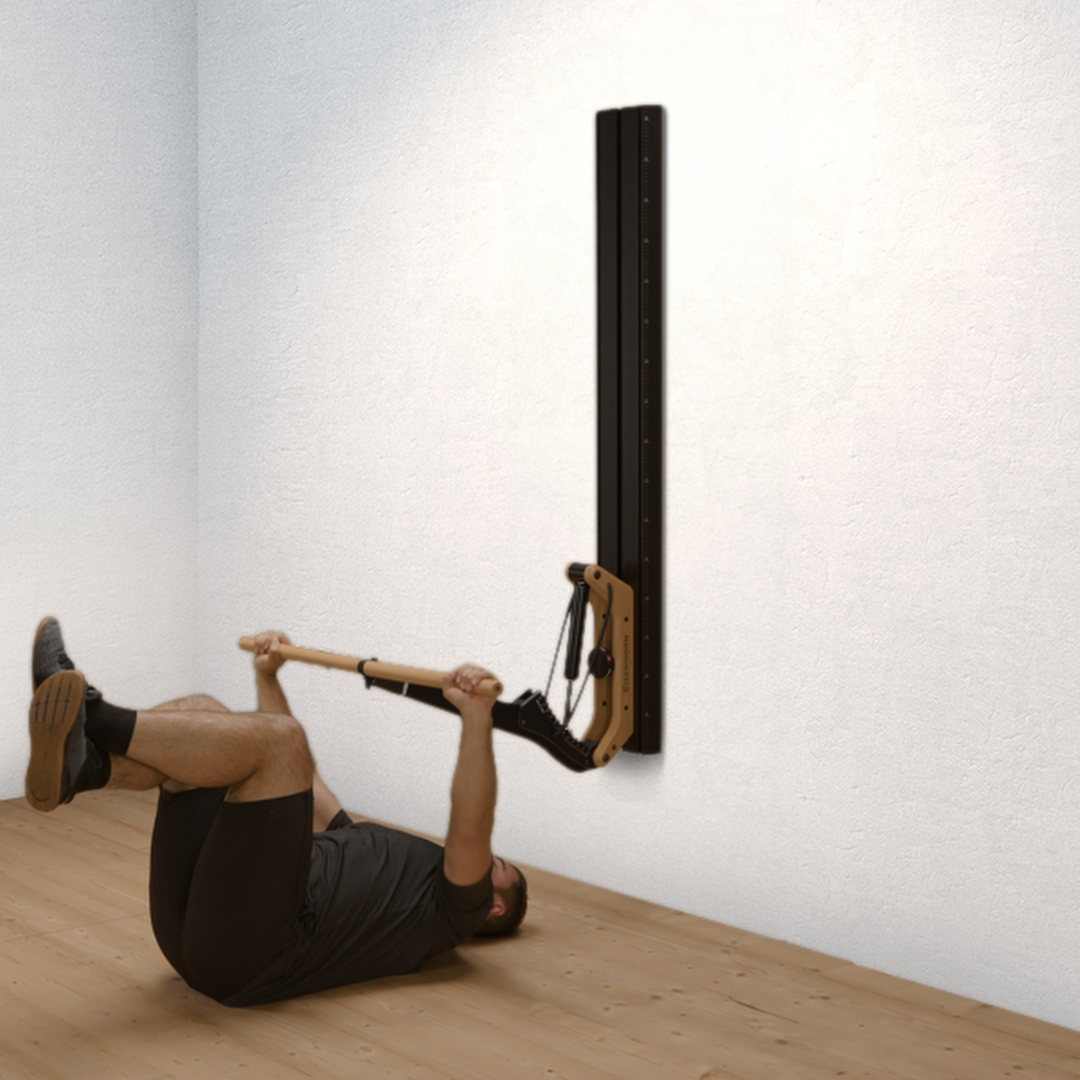
What makes this exercise particularly effective?
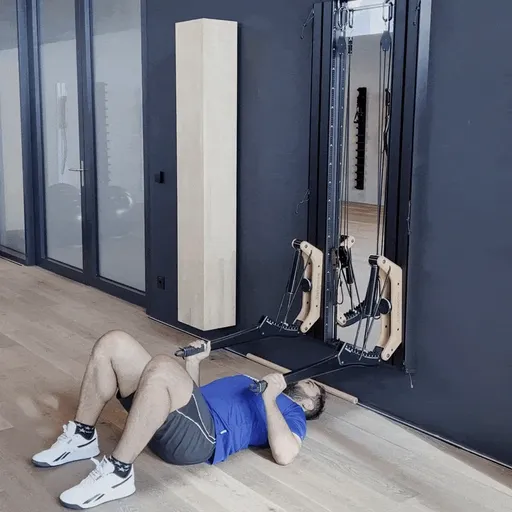
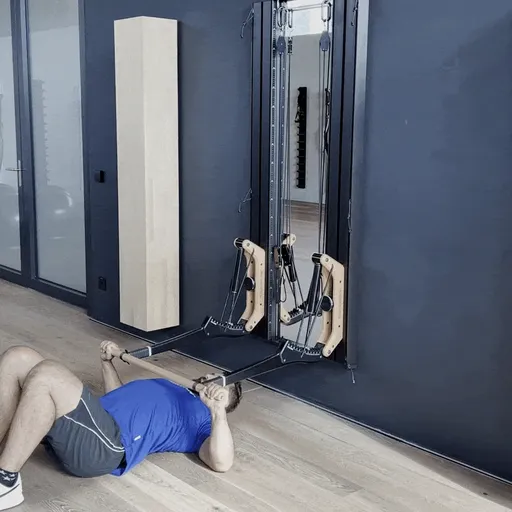
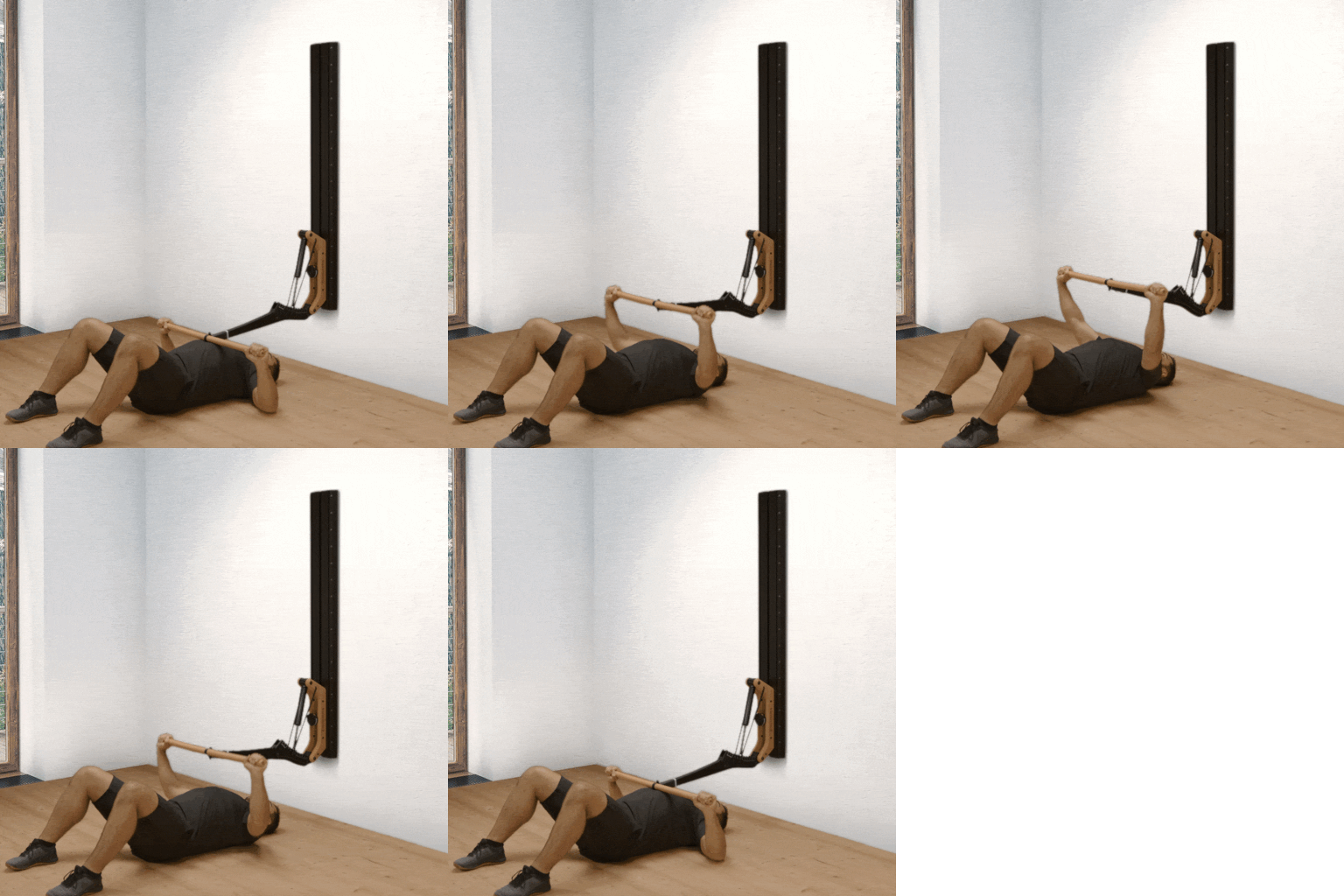
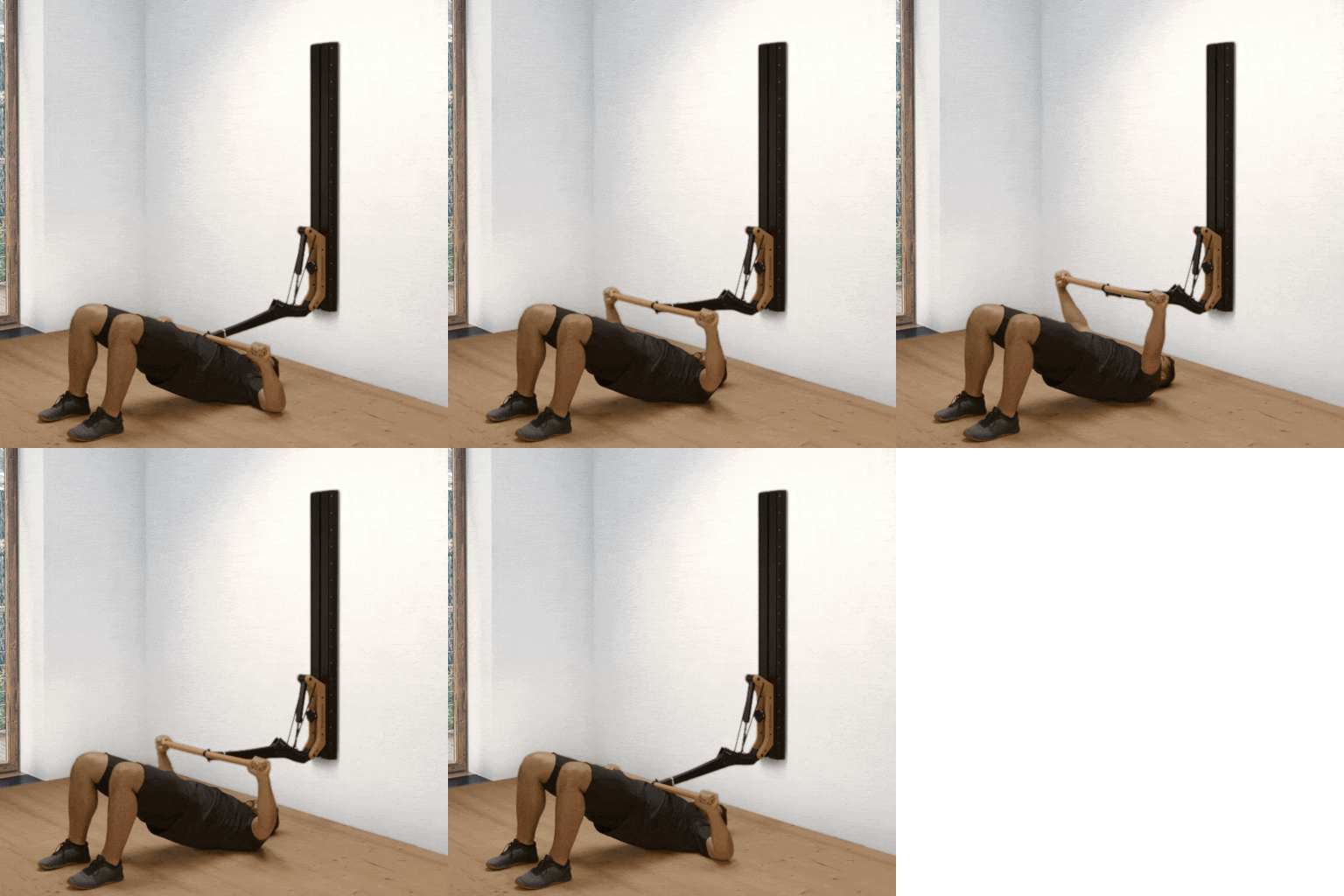
During the negative bench press, you perform the pressing movement quickly and lower the barbell slowly back to the starting position. In the variation with raised legs, the ability to generate force through the legs (leg drive) is eliminated. All the force comes exclusively from the upper body. This position increases instability, enhances the muscular challenge, and provides a distinct movement stimulus.
What effect does the exercise achieve?
Strong activation of the chest muscles: This exercise specifically strengthens the fibers of the pectoralis major, promoting a fuller and more balanced chest appearance.
Improved triceps, shoulder, and core activation: The movement also engages the triceps, anterior deltoid muscles, and core stability.
Increased instability due to raised legs: The absence of leg drive makes the exercise more challenging, requiring greater control, focus, and stability, particularly in the core region.
How does this exercise fit into the Big 5 concept?
The Big 5 include the fundamental exercises: squat, deadlift, bench press, pull-up or lat pulldown, and shoulder press. The negative bench press with raised legs is an interesting variation of the classic bench press:
Targeted supplement for chest development: This exercise complements classic Big-5 exercises such as the bench press, specifically targeting the chest and core stability.
Minimize momentum and maximize upper body work: By eliminating leg drive, the load is consciously carried by the upper body.
Core focus in a pressing movement: The required stability strengthens core control, which is crucial for exercises such as squats, deadlifts, and other fundamental basic movement.
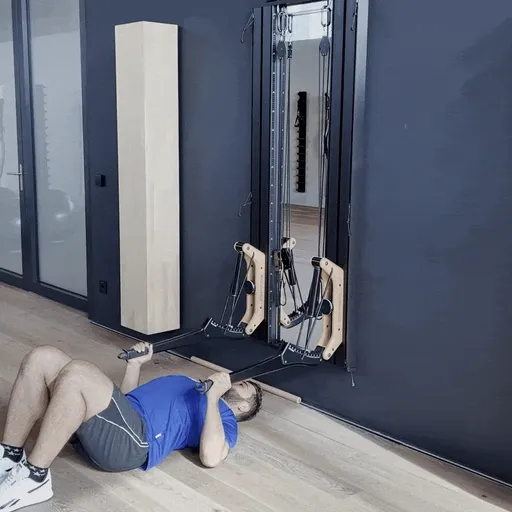
:format(webp))
)
)
)
)
)
:format(webp) "EISENHORN S Black Edition")
 "EISENHORN S Black Edition")