What makes this exercise particularly effective?
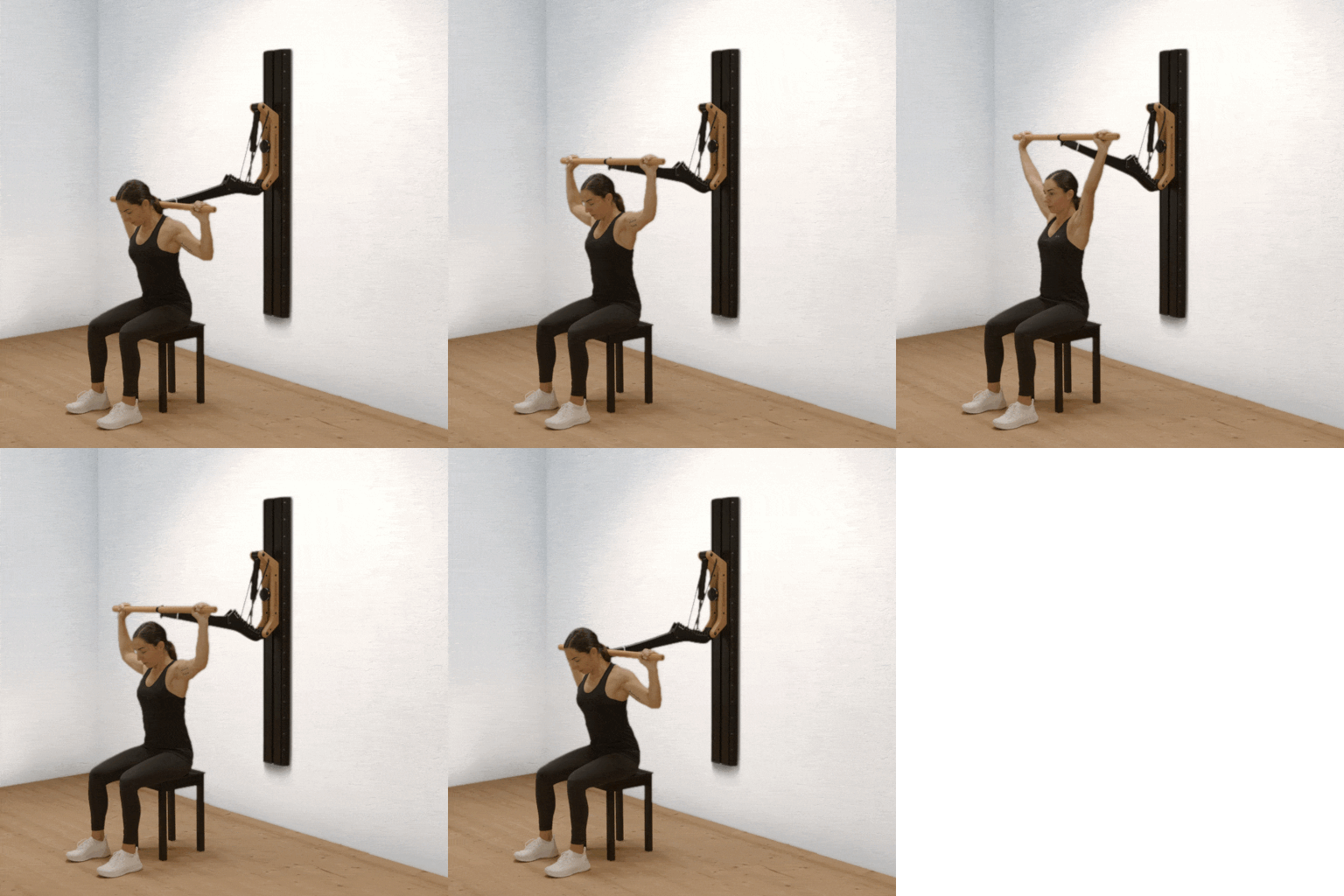
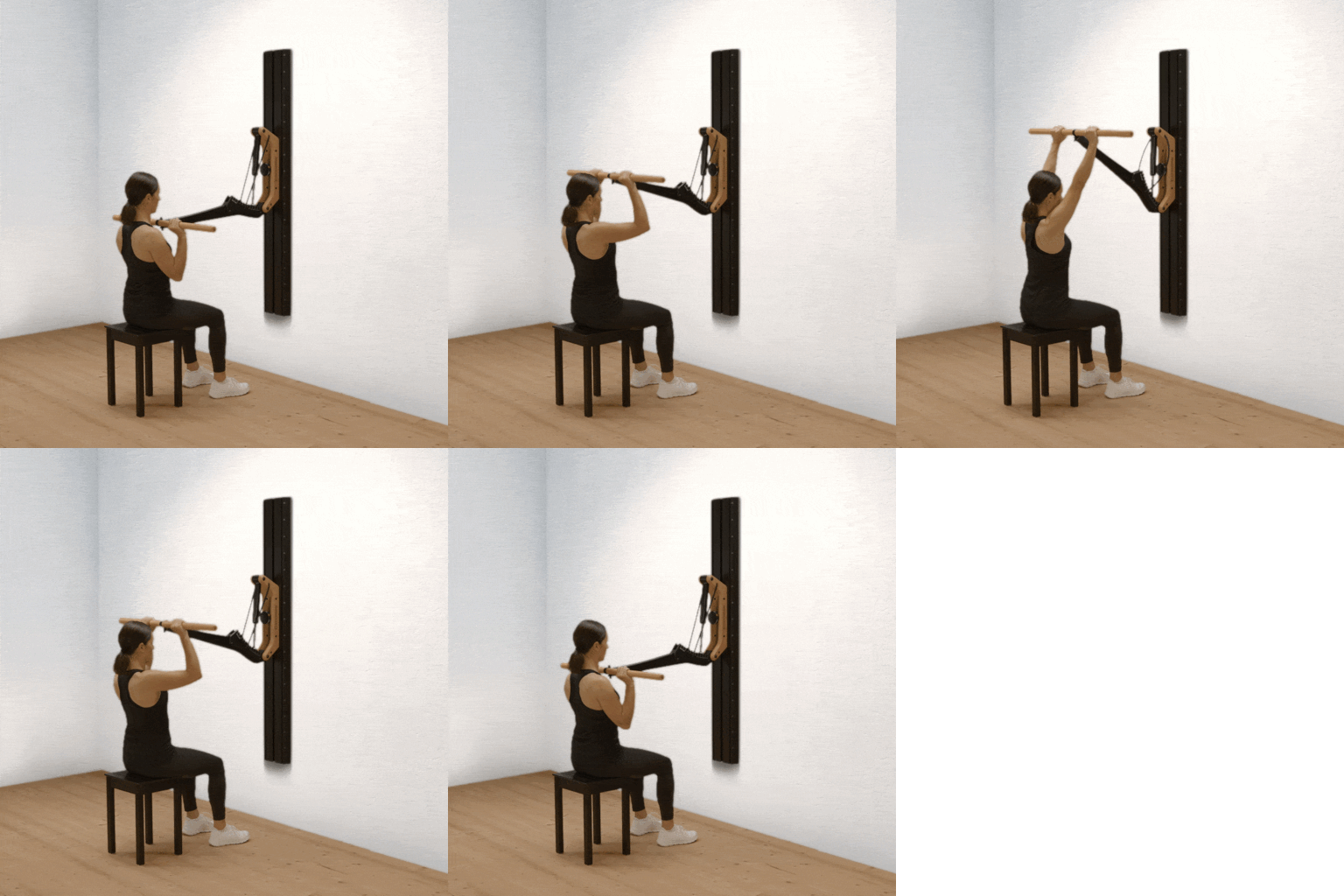
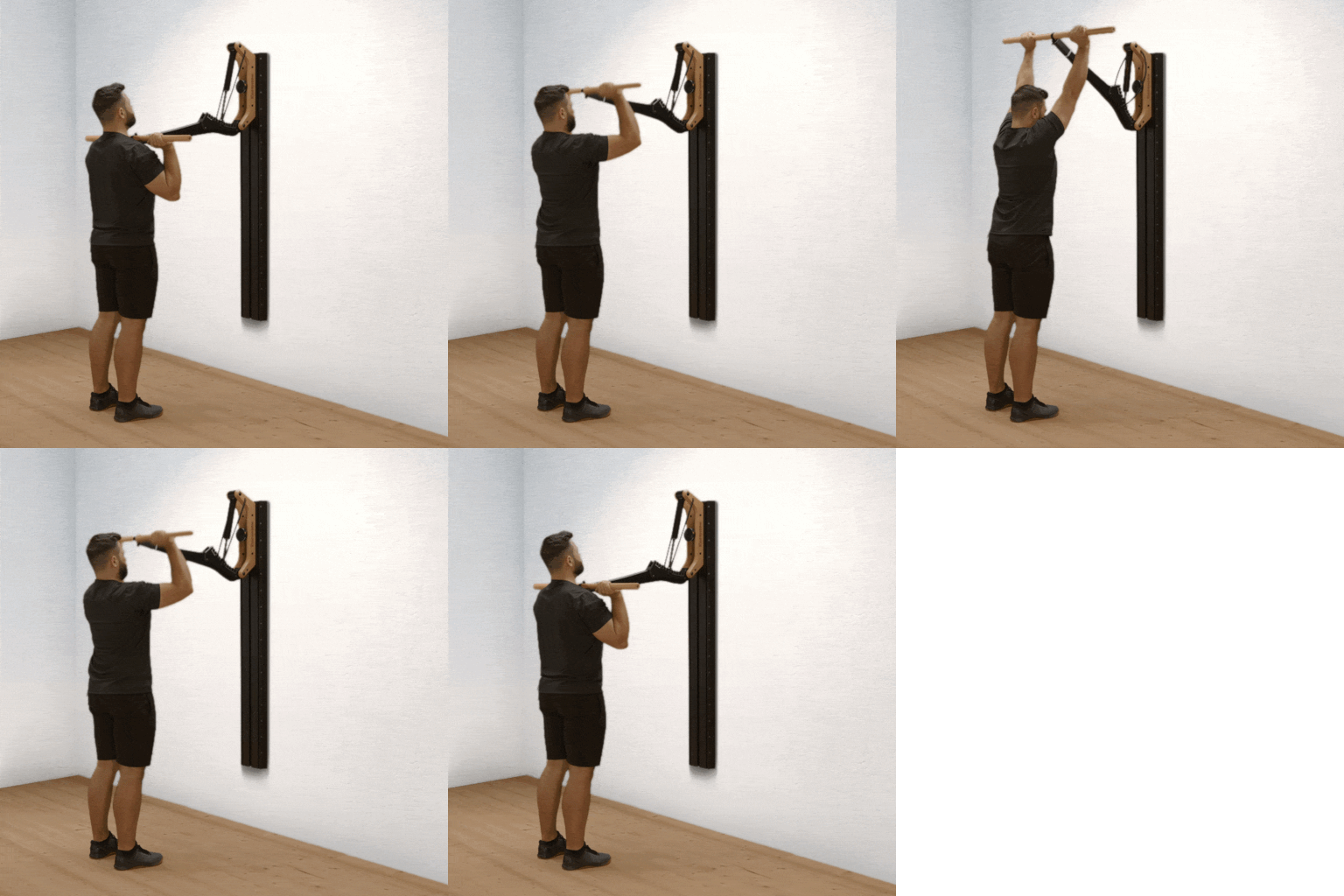
The behind-the-neck shoulder press with a resistance band challenges the shoulder muscles through a particularly large range of motion. The grip band makes the movement more unstable, requiring greater coordination and body tension. At the same time, the “behind-the-head” path shifts the training stimulus toward the middle and rear parts of the shoulder, as well as the stabilizing rotator cuff. This creates an intense stimulus that equally promotes mobility, strength, and stability.
What effect does the exercise achieve?
Strengthening of the entire shoulder, with a focus on the middle and rear parts: Moving the weight behind the head loads the shoulder differently than the classic front press.
Stabilization through the grip band: Using the band increases the demand on core and shoulder-girdle muscles, requiring more control throughout the movement.
Promotion of mobility and flexibility: The large range of motion stretches the shoulder structures and can improve flexibility over time, provided the exercise is performed correctly.
Uniform load through constant resistance: The resistance band keeps the muscles under tension for the entire movement, ensuring continuous training of pushing and stabilizing components.
How does this exercise fit into the Big 5 concept?
The Big 5 include the fundamental exercises: squat, deadlift, bench press, pull-up or lat pulldown, and shoulder press. Although the behind-the-neck shoulder press with a resistance band is not one of the classic Big 5 exercises, it can effectively complement this training concept:
Supports pushing strength: Stronger and more mobile shoulders benefit all overhead and pushing exercises.
Balances muscular development: Targeting the middle and rear shoulder parts promotes harmonious development and protects against overloading the front shoulder.
Enhances full-body stability: The unstable resistance of the grip band strengthens core activation.
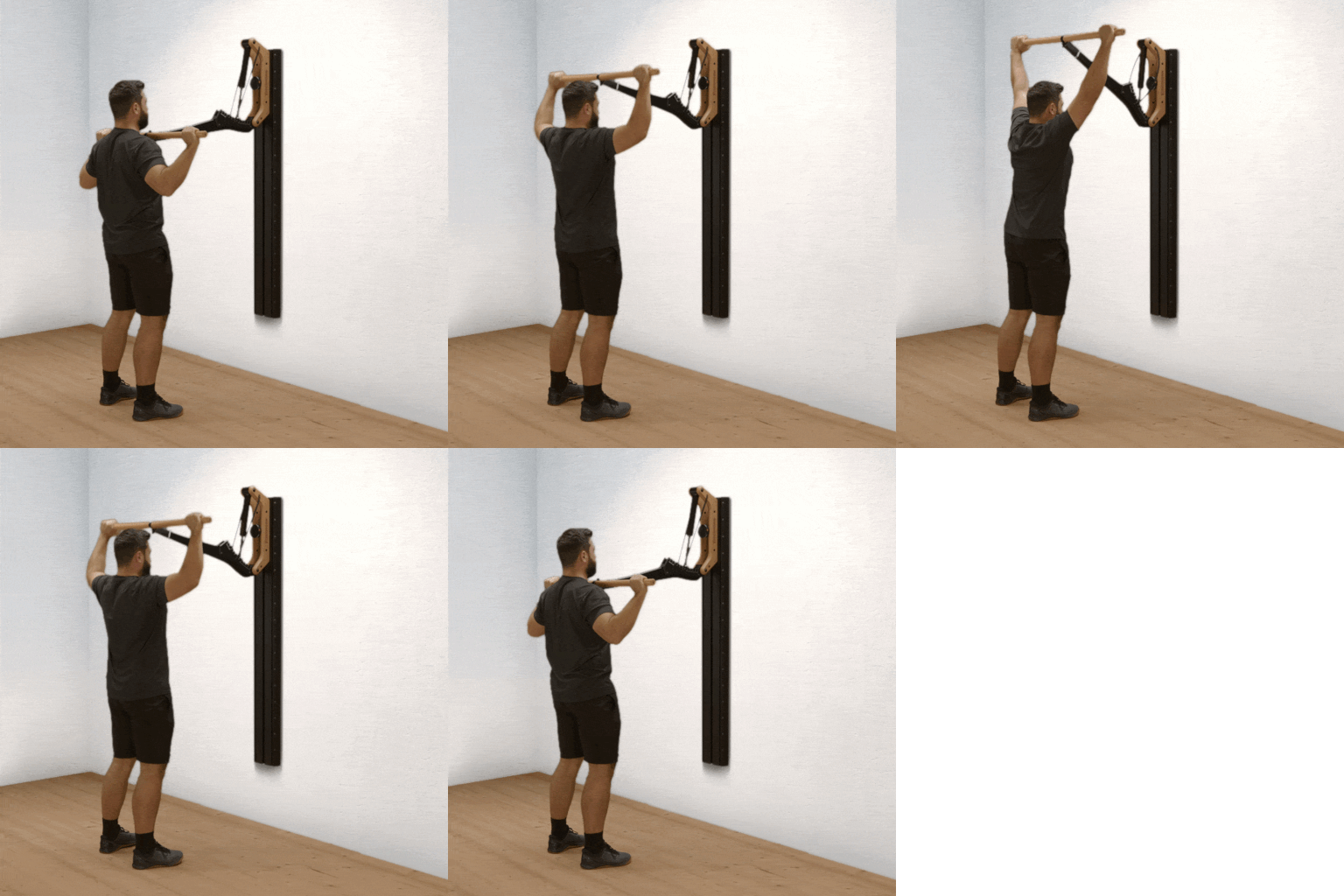
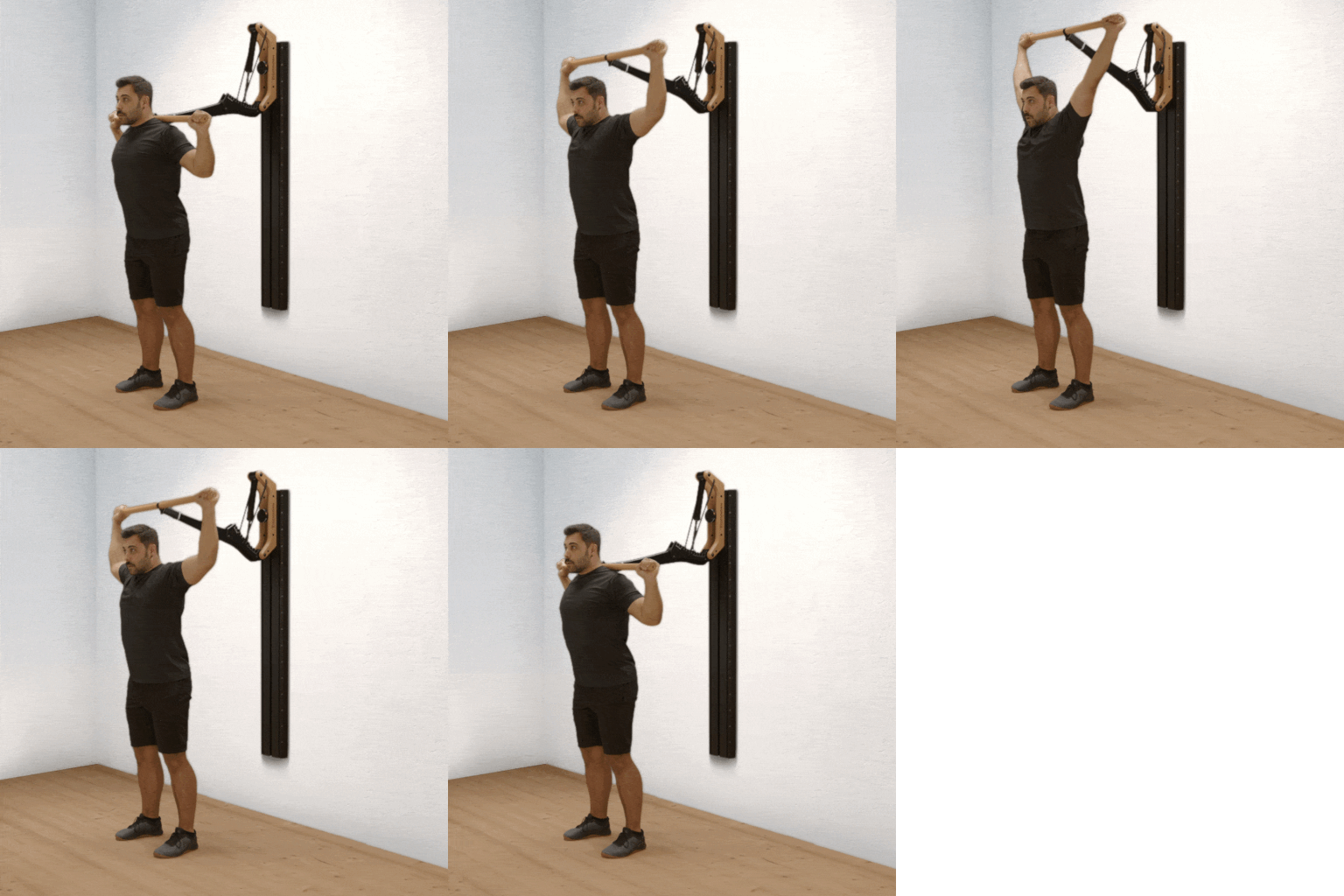
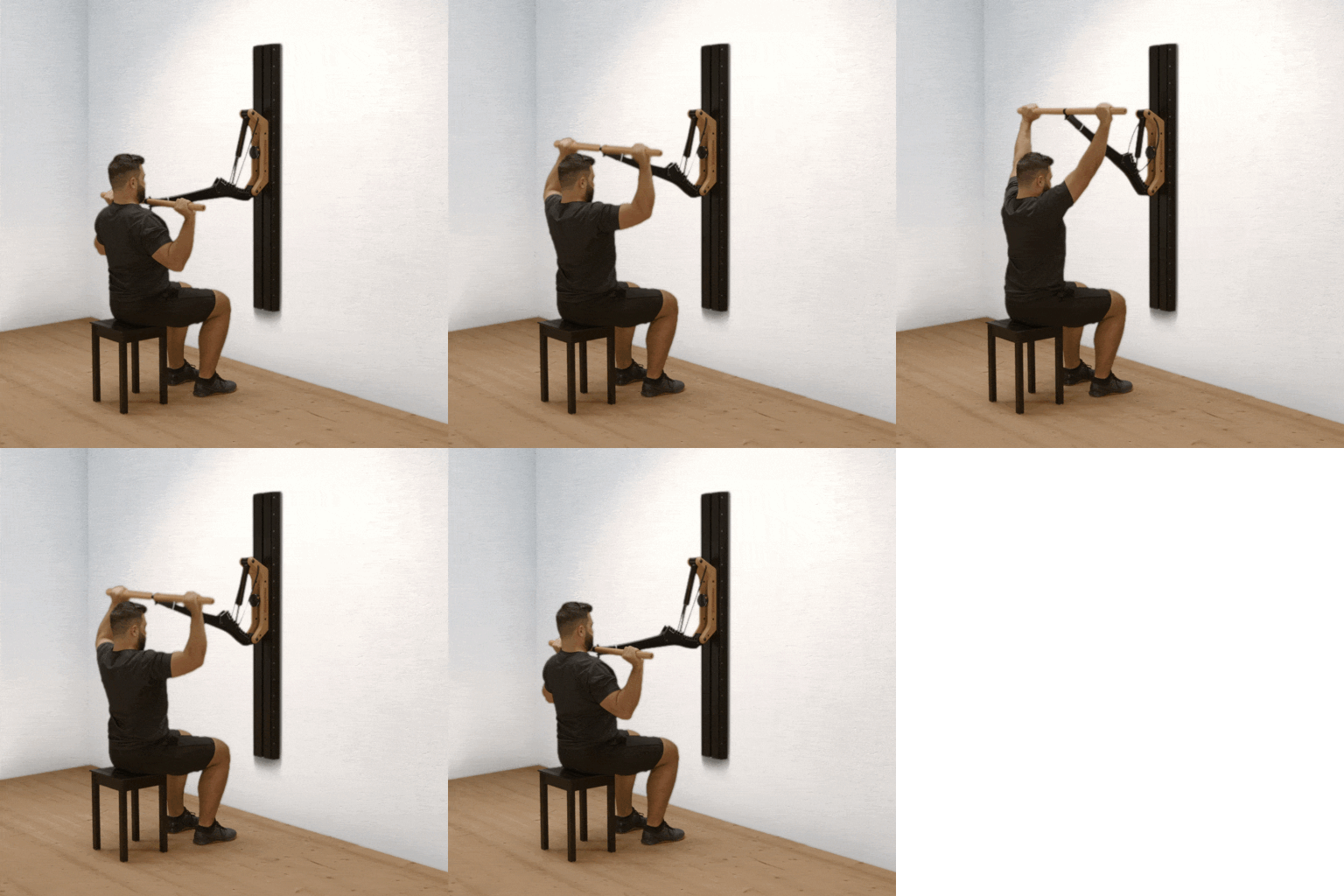
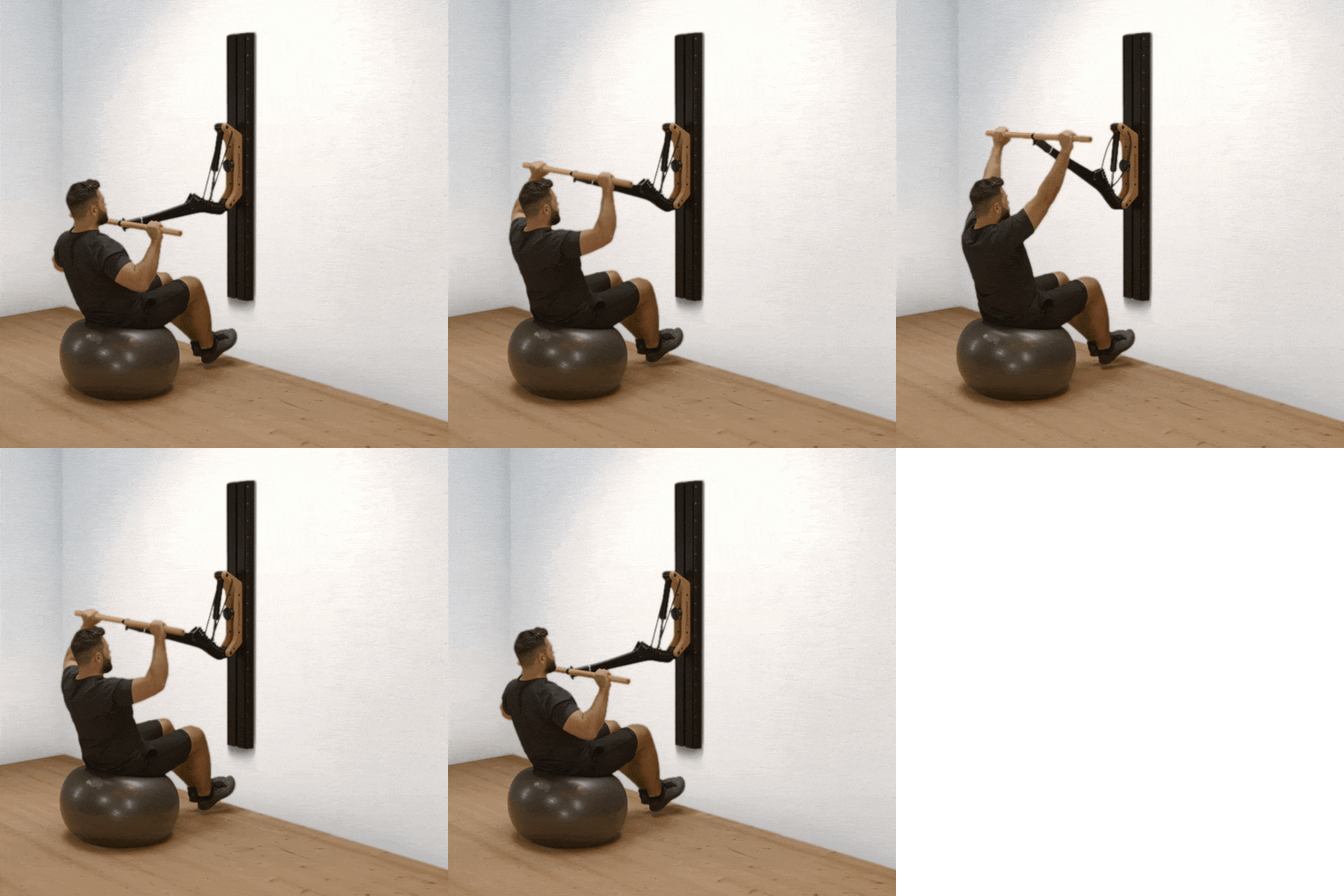
:format(webp))
)
)
)
)
)
:format(webp) "EISENHORN S Black Edition")
 "EISENHORN S Black Edition")