What makes this exercise particularly effective?
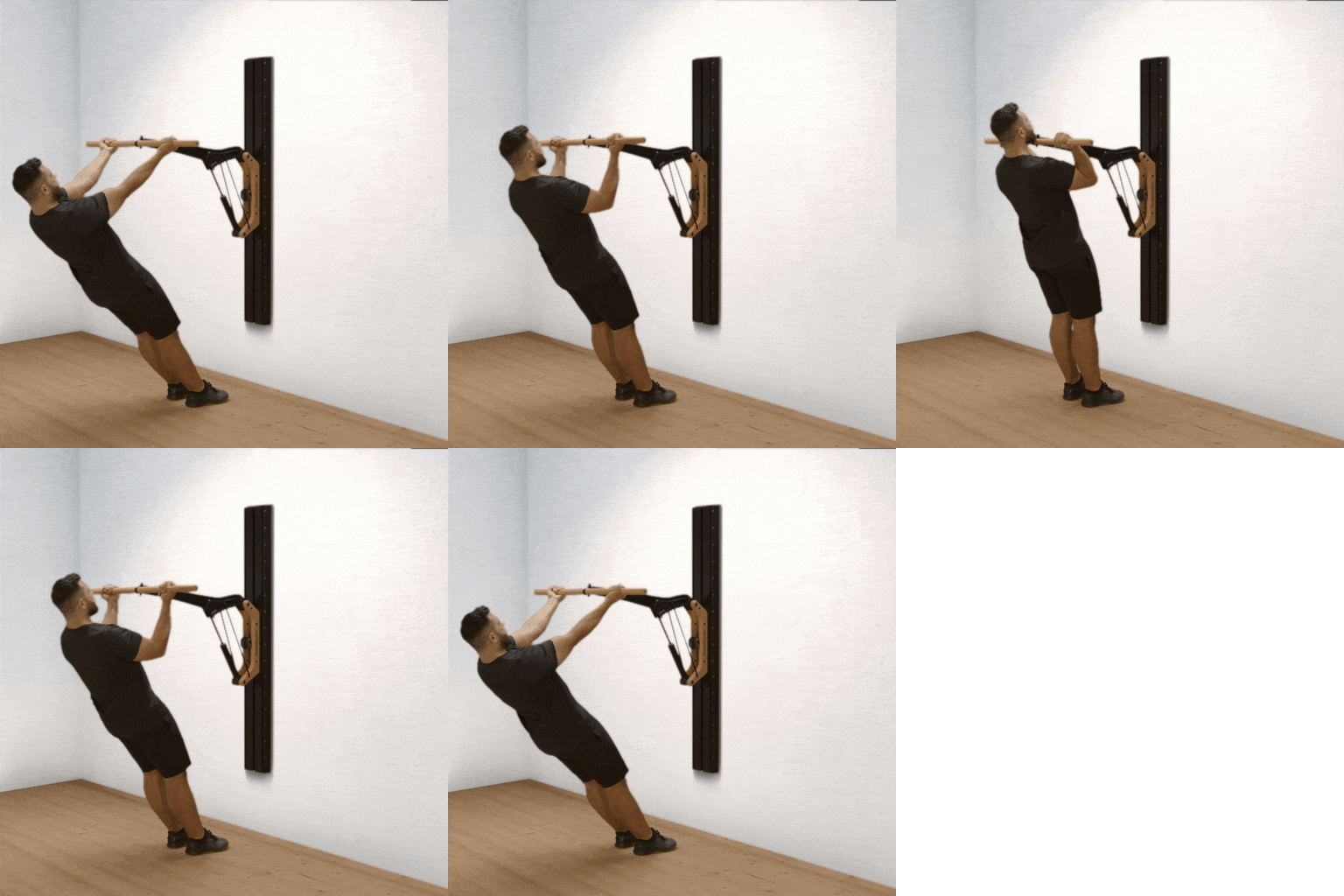
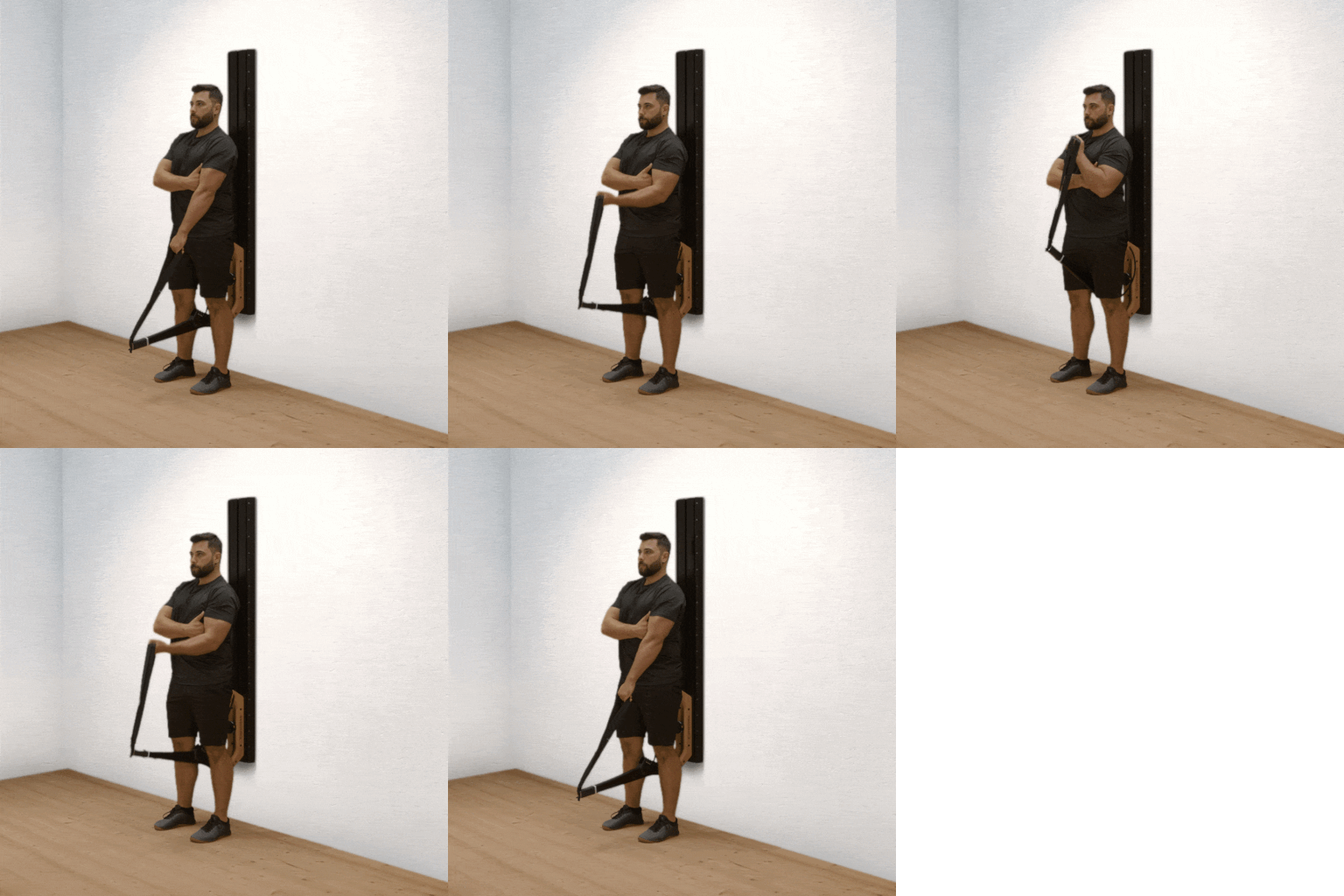
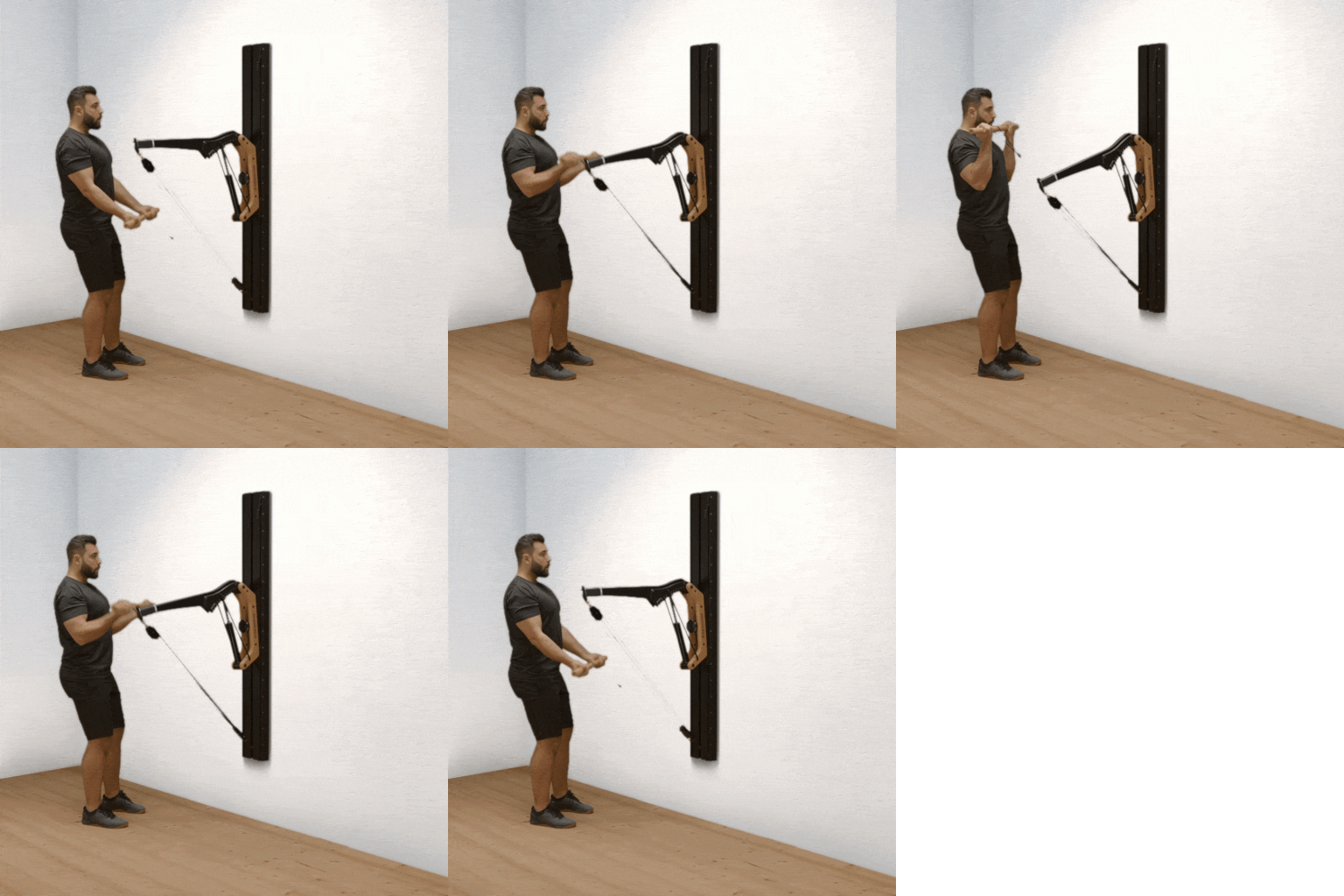
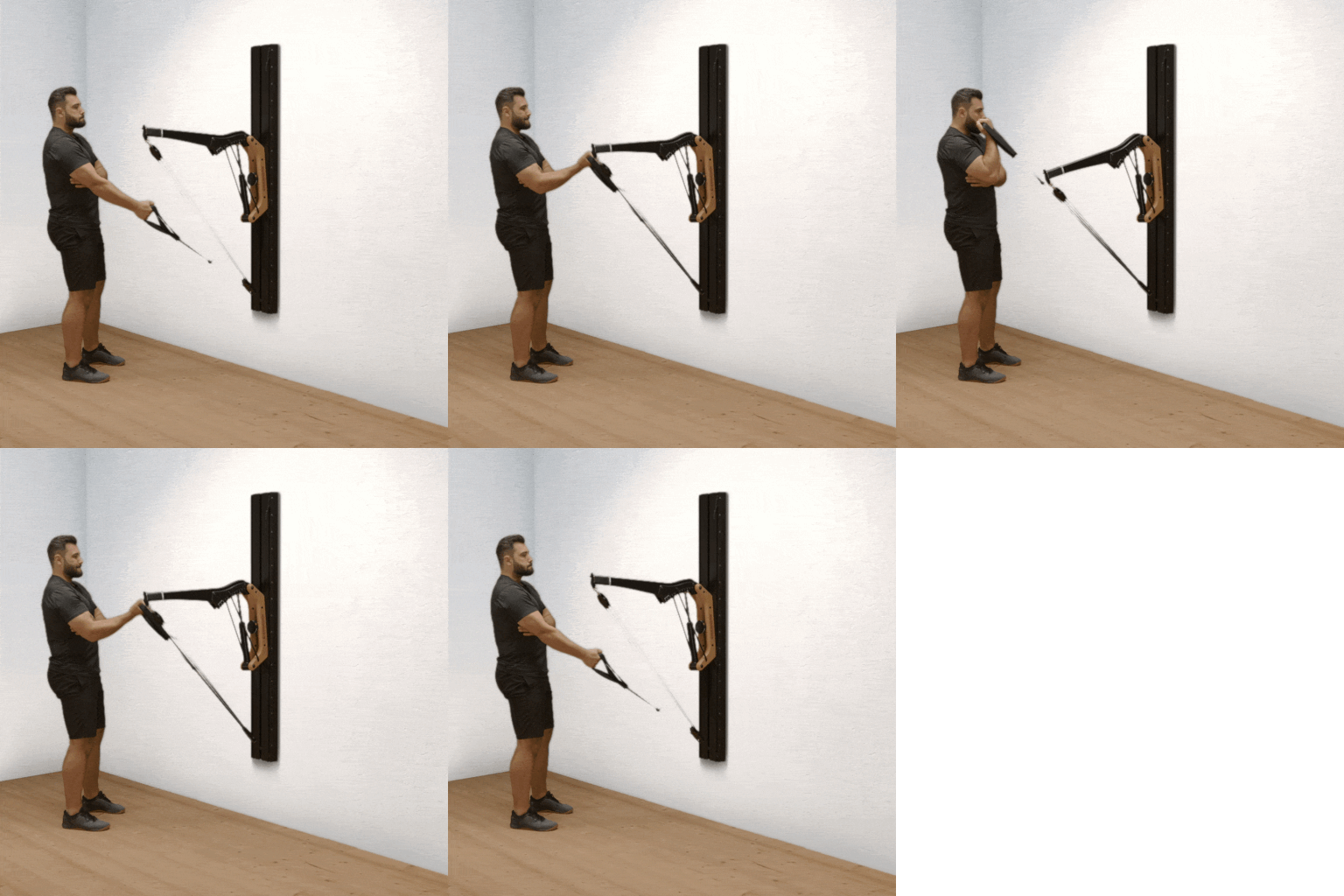
Bicep curls with a grip band combine targeted isolation work for the biceps with the advantage of variable tension. The grip band ensures continuous load throughout the entire range of motion and additionally challenges the stability of the shoulder girdle and torso. The flexible band guidance creates subtle, coordinative adjustments that improve neuromuscular control.
What effect does the exercise achieve?
Targeted muscle building in the biceps: full activation throughout the ROM (range of motion) — ideal for hypertrophy and shaping.
Improved elbow control & strength: stronger elbow flexion supports pulling movements (e.g., pull-ups, rows).
Balancing out imbalances: this exercise can also be performed as a one-arm curl variation using a resistance band, which helps uncover and gradually correct muscular imbalances.
How does this exercise fit into the Big 5 concept?
The Big 5 include the fundamental exercises: squat, deadlift, bench press, pull-up or lat pulldown, and shoulder press. Even though bicep curls with a grip band are not part of the classic Big 5, they can be a useful addition if you wish to include supplementary exercises:
Support for pulling movements: strong biceps make pull-ups and rows easier and can increase overall performance in pull-dominant exercises.
Injury prevention & balance: strong, balanced arm muscles reduce strain on elbows, wrists, and shoulder during Big 5 movements.
Progression tool: as a supplementary exercise, it helps bypass training plateaus and work on weaknesses in a targeted manner.

:format(webp))
)
)
)
)
)
:format(webp) "EISENHORN S Black Edition")
 "EISENHORN S Black Edition")