What makes this exercise particularly effective?
The forearm plank is classically a static exercise. As a core exercise, it engages the trunk, back, glutes, and shoulders. Studies show that planks are one of the most effective basic exercises for core strength and stability.
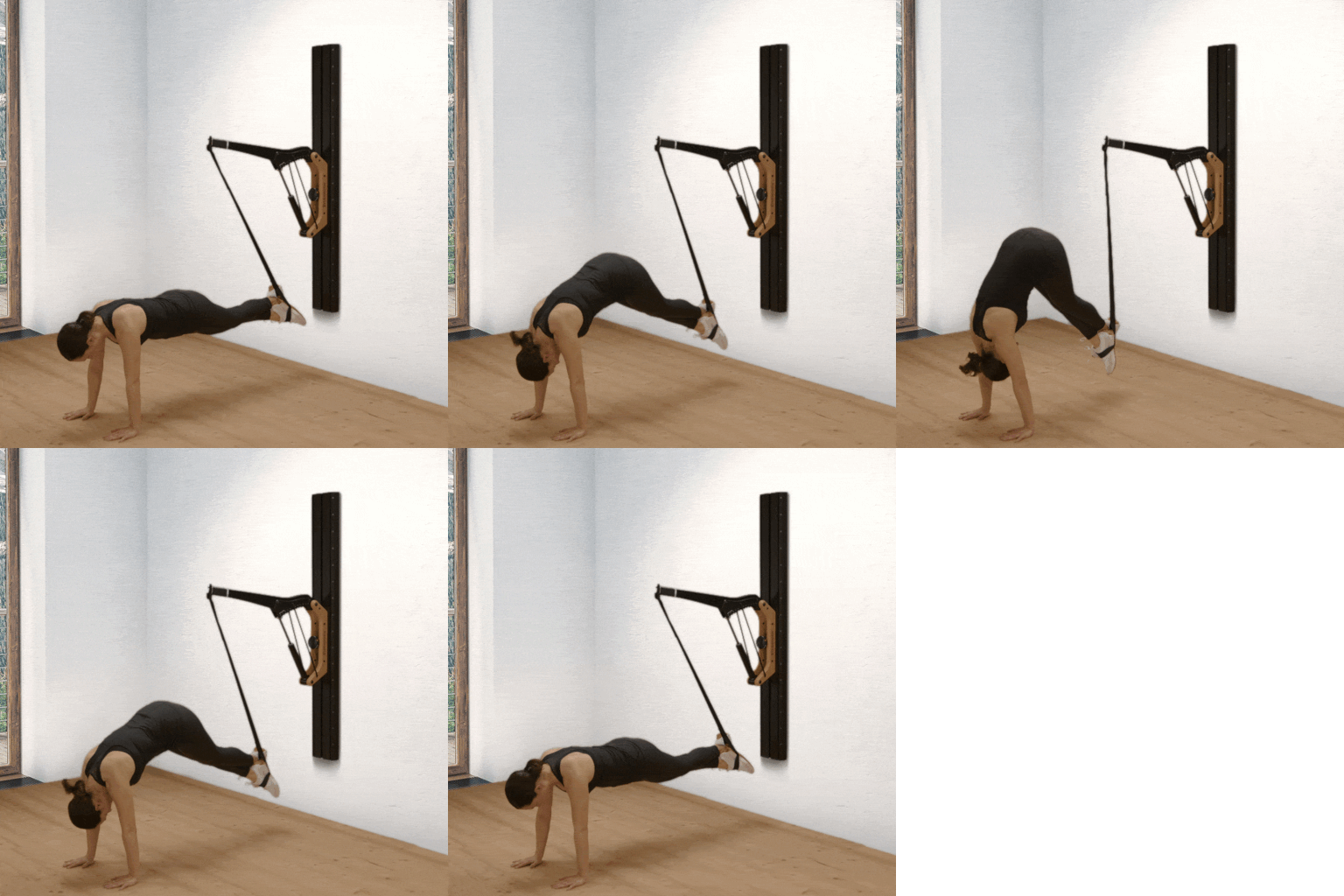
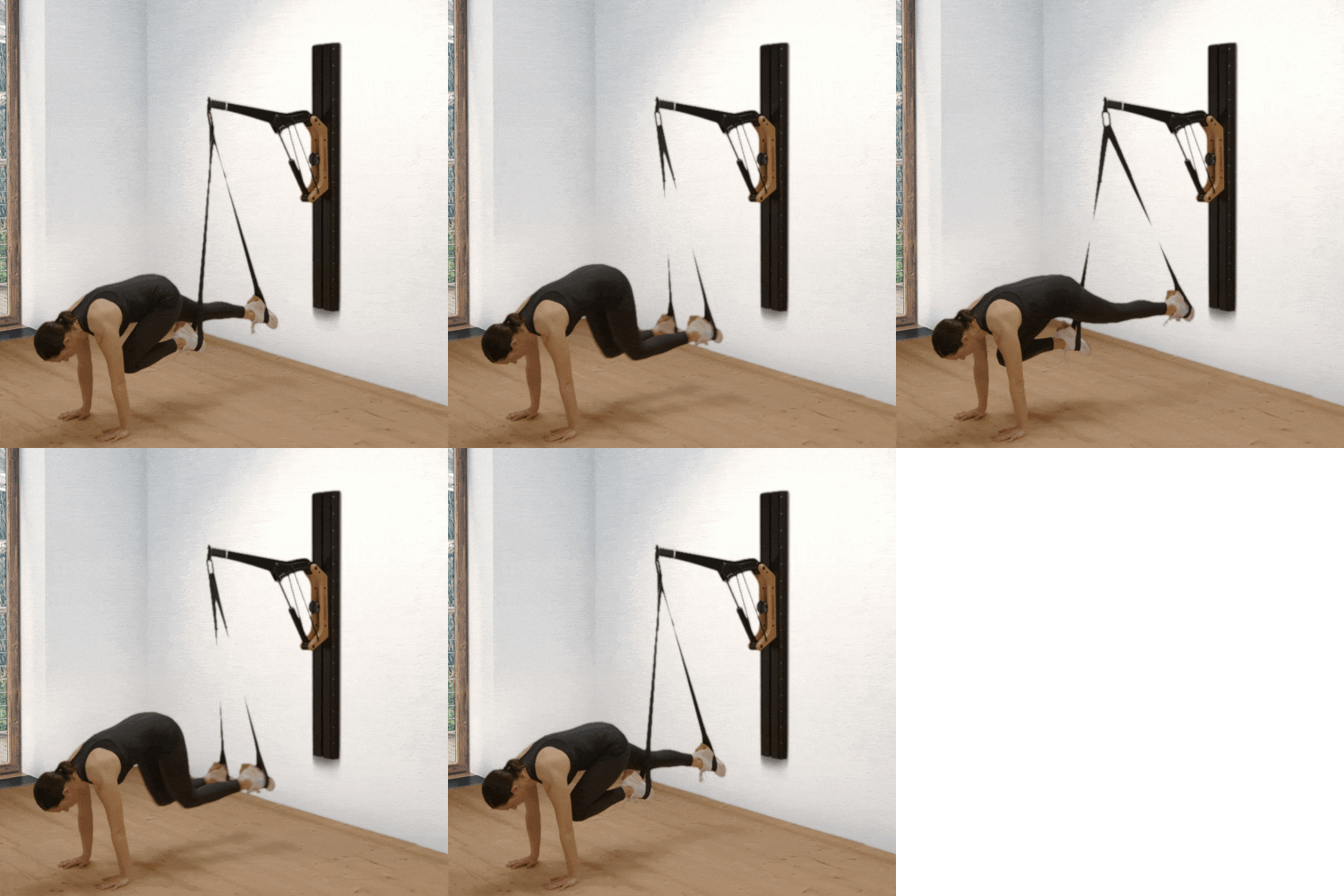
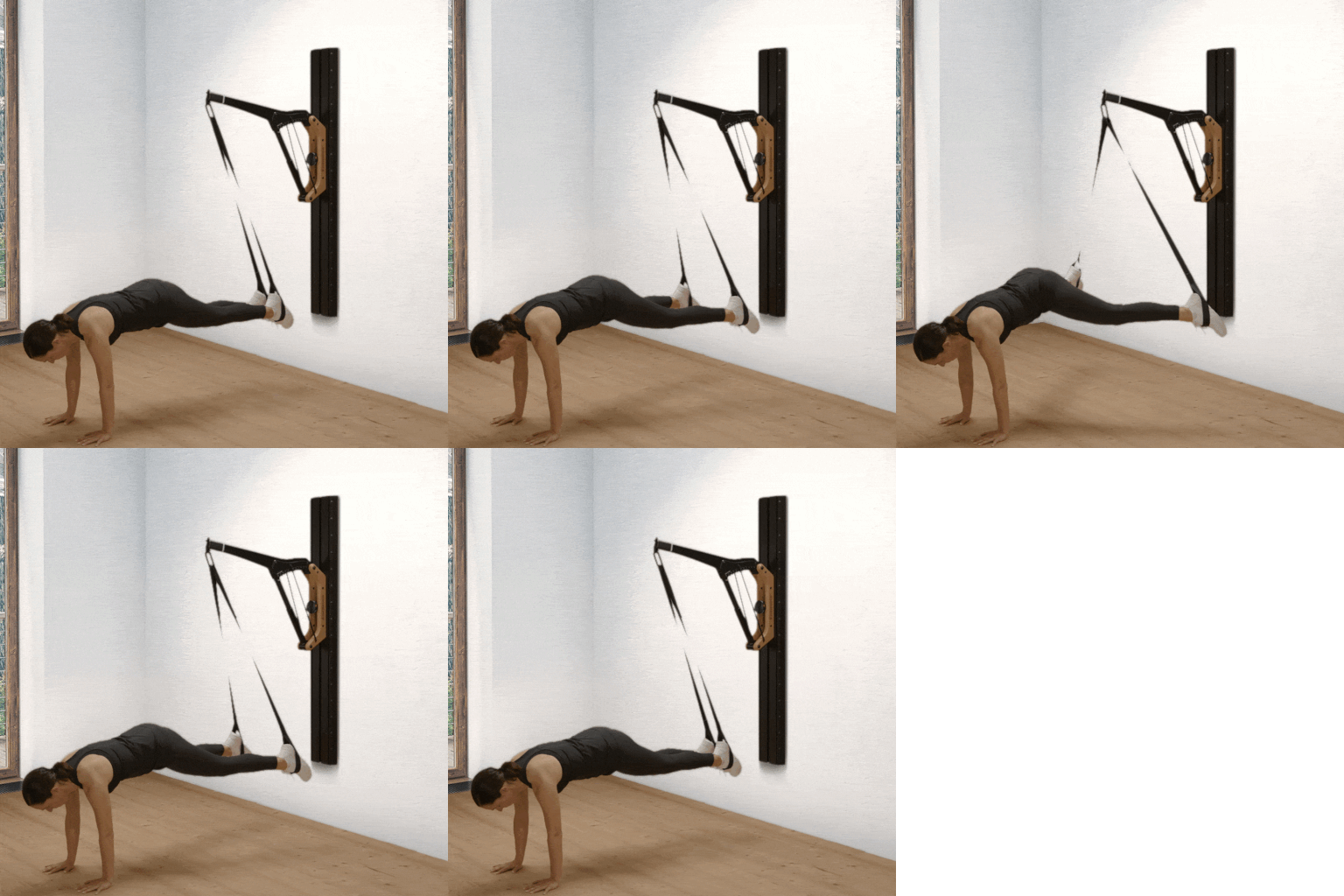
The additional component with grip tape introduces instability and therefore increases the demand on the stabilizing muscles (shoulders, core, and hips).
This combination not only improves static holding capacity but also the ability to remain stable under more dynamic loads — important for everyday life and sports.
What effect does the exercise achieve?
Strengthening the core muscles: the rectus abdominis, transversus abdominis (deep abdominal muscles), obliques, and back muscles are continuously engaged.
Shoulder and upper back stability: the band pull may require fine-tuning to prevent the shoulders and shoulder blades from tipping forward or collapsing.
Improved posture & back relief: a strong core supports the spine, helps improve posture, and reduces the risk of back pain.
Coordination & control: the grip tape requires small stabilization movements. Simply maintaining the position against tape-induced “distortions” requires precise control.
Versatile usability: this variation works both as a supplement to simpler plank exercises and as a progressive element if you want to increase core endurance or stability.
How does this exercise fit into the Big 5 concept?
The Big 5 include the fundamental exercises: squat, deadlift, bench press, pull-up or lat pulldown, and shoulder press. Even though the forearm plank with grip tape is not part of the classic Big 5, it can still complement the program very well:
The core is crucial in almost all Big 5 movements — without good core stability, performance losses or injuries are likely.
Shoulder stabilization through planks is particularly helpful for pressing and pulling exercises, where keeping the upper body stable is essential.
As a support exercise, this variation is ideal in periodized training plans like MIKE5 to overcome plateaus, improve technique, and eliminate stability deficits.
:format(webp))
)
)
)
)
)
:format(webp) "EISENHORN S Black Edition")
 "EISENHORN S Black Edition")