What makes this exercise particularly effective?
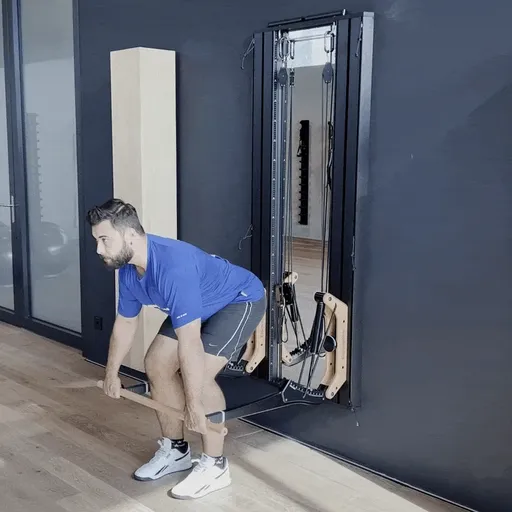
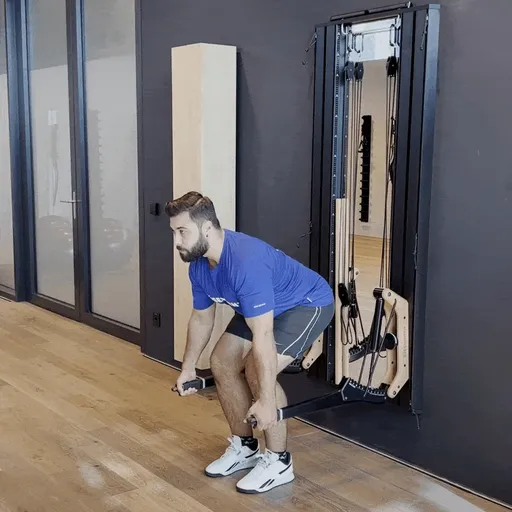
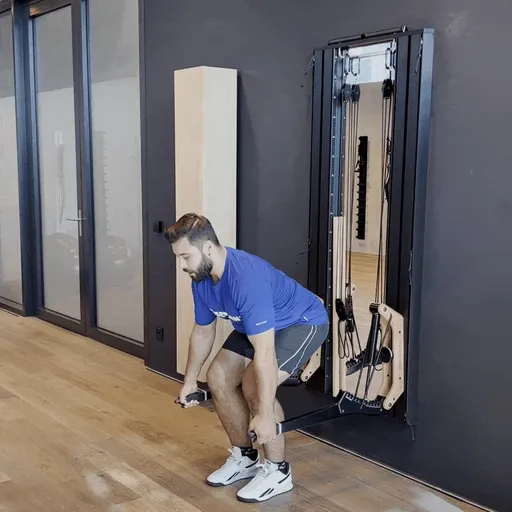
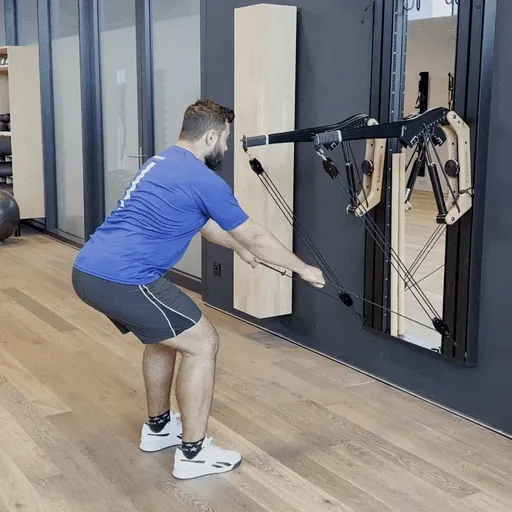
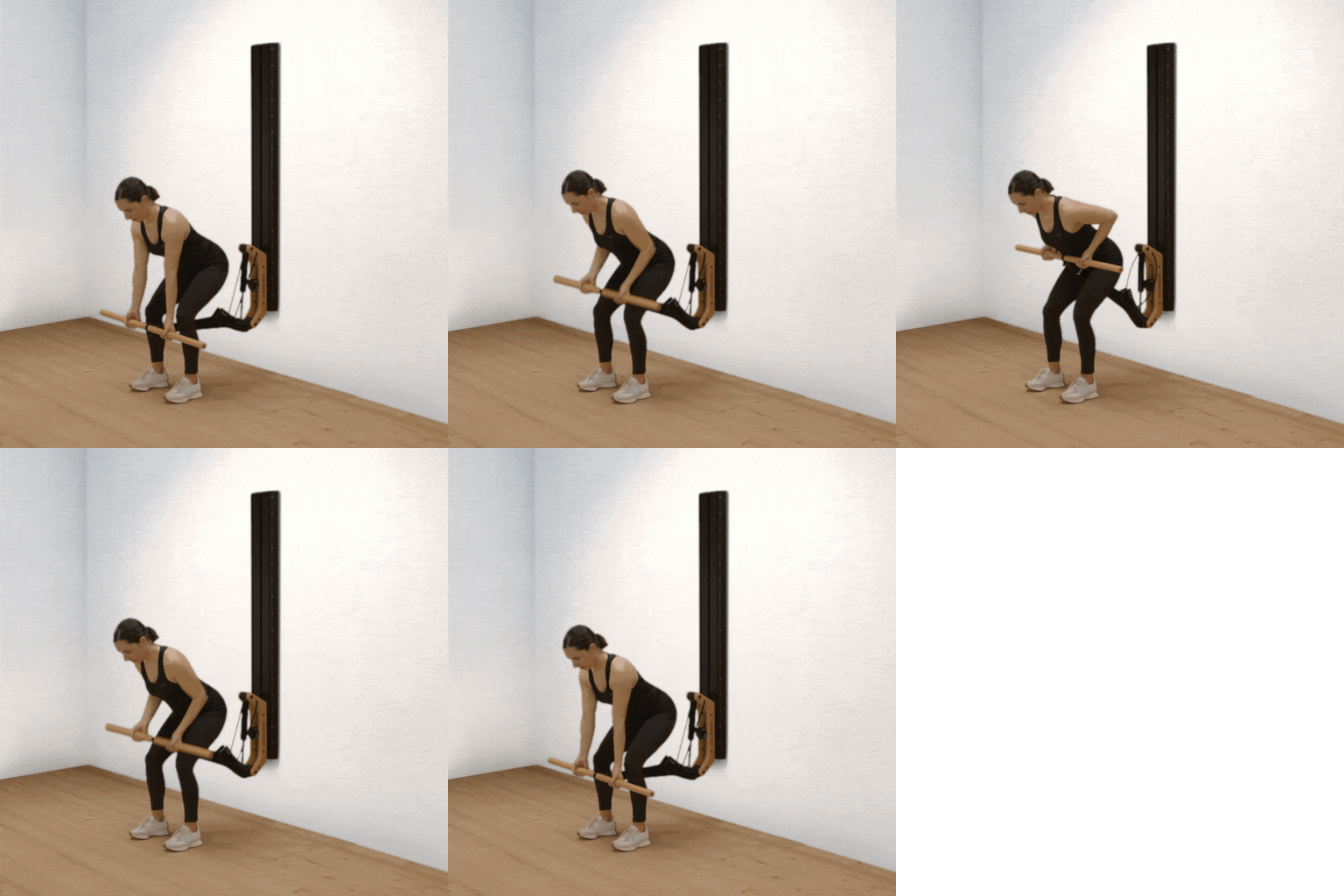
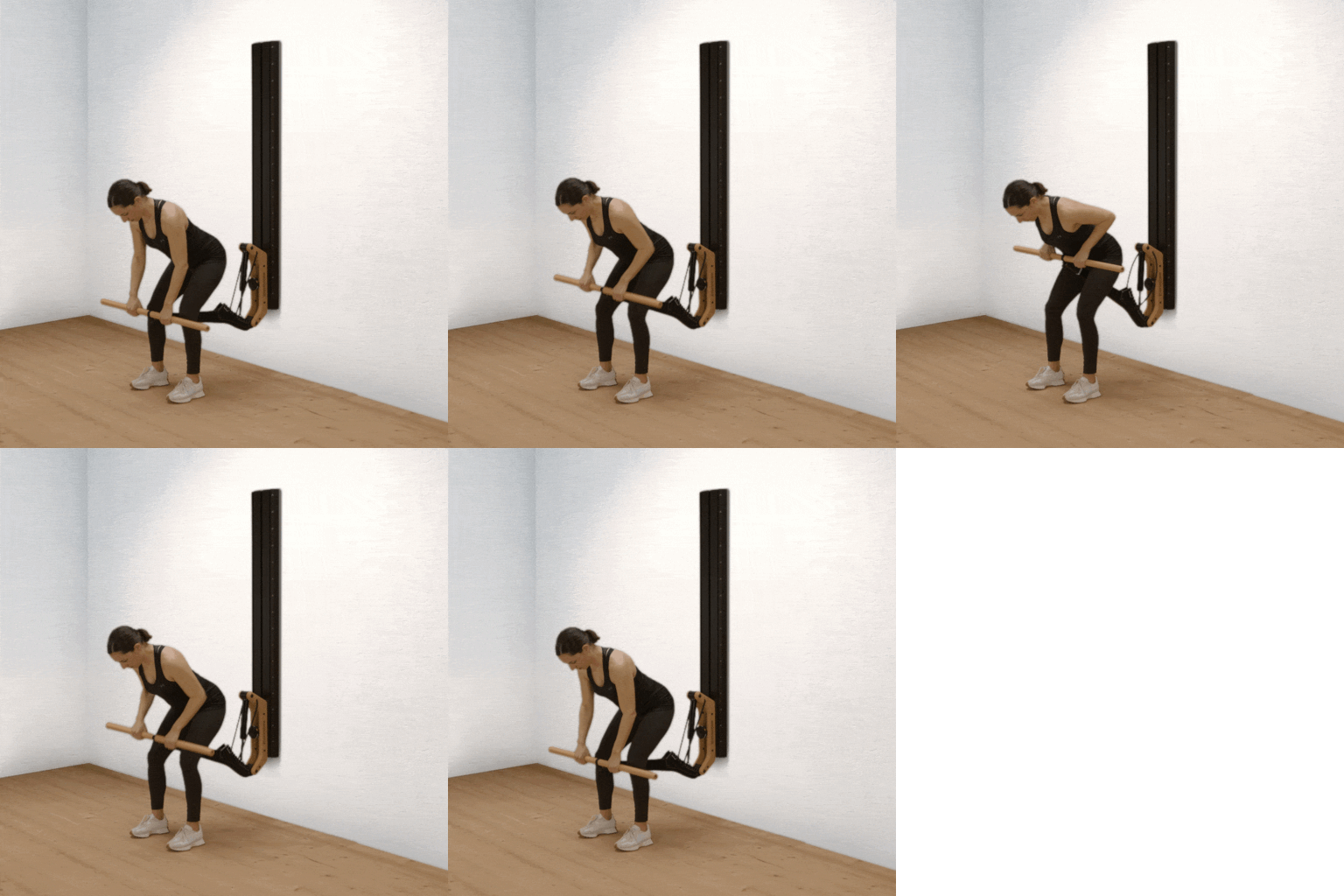
The lunge-based rowing pull on the cable machine combines pulling strength, balance, and stability in a single movement. In the lunge position, your body's center of gravity shifts, requiring you to pull the weight while actively engaging your leg and core muscles for stabilization. The cable pulley provides consistent resistance and allows for precise, controlled execution—ideal for improving efficiency, coordination, and overall body control.
What effect does the exercise achieve?
Intense back activation: The latissimus dorsi, rhomboids, trapezius, and rear shoulder muscles are heavily engaged as you control the weight against the cable resistance.
Improved balance & stability: The lunge position forces your legs and core to stabilize, enhancing overall body coordination.
Versatility & progression: Step length, torso inclination, and pulling angle can be varied to provide different training stimuli, ranging from beginner-friendly to advanced variations.
Joint-friendly training: Controlled tension and moderate resistance reduce the risk of overloading, particularly in the shoulder region.
How does this exercise fit into the Big 5 concept?
The Big 5 include the fundamental exercises: squat, deadlift, bench press, pull-up or lat pulldown, and shoulder press. Rowing in a lunge position on the cable machine is not a classical Big 5 exercise, but it can complement the Big 5 training concept in a highly valuable way:
Enhances pulling capacity: Supports pull-ups and other pulling movements by strengthening the back and shoulder muscles.
Promotes functional strength and stability: Helps deliver maximum performance in the basic exercises without compensatory movements.
Excellent accessory exercise: Ideal for training concepts such as MIKE5, to overcome plateaus, refine technique, and provide additional training stimuli.
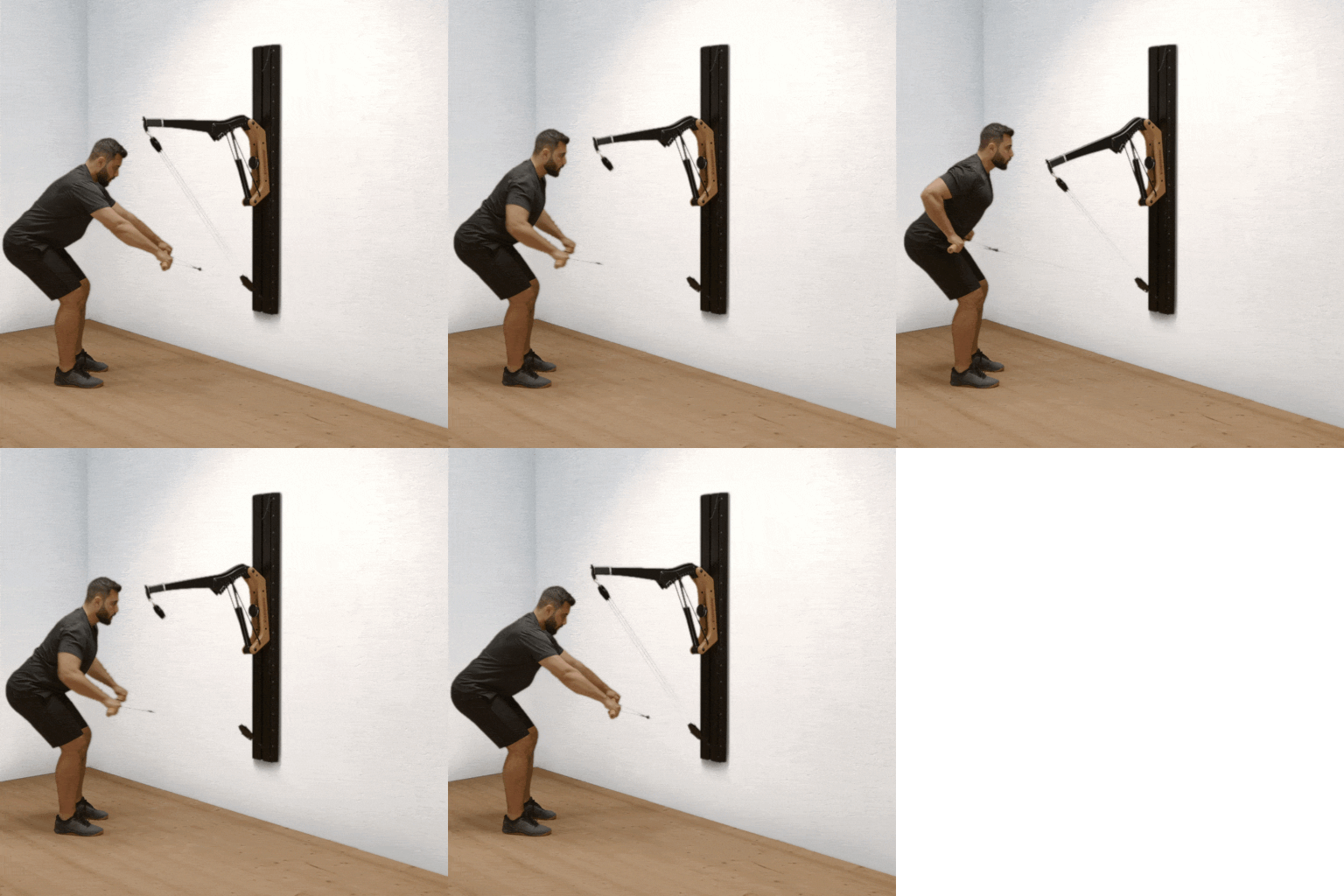
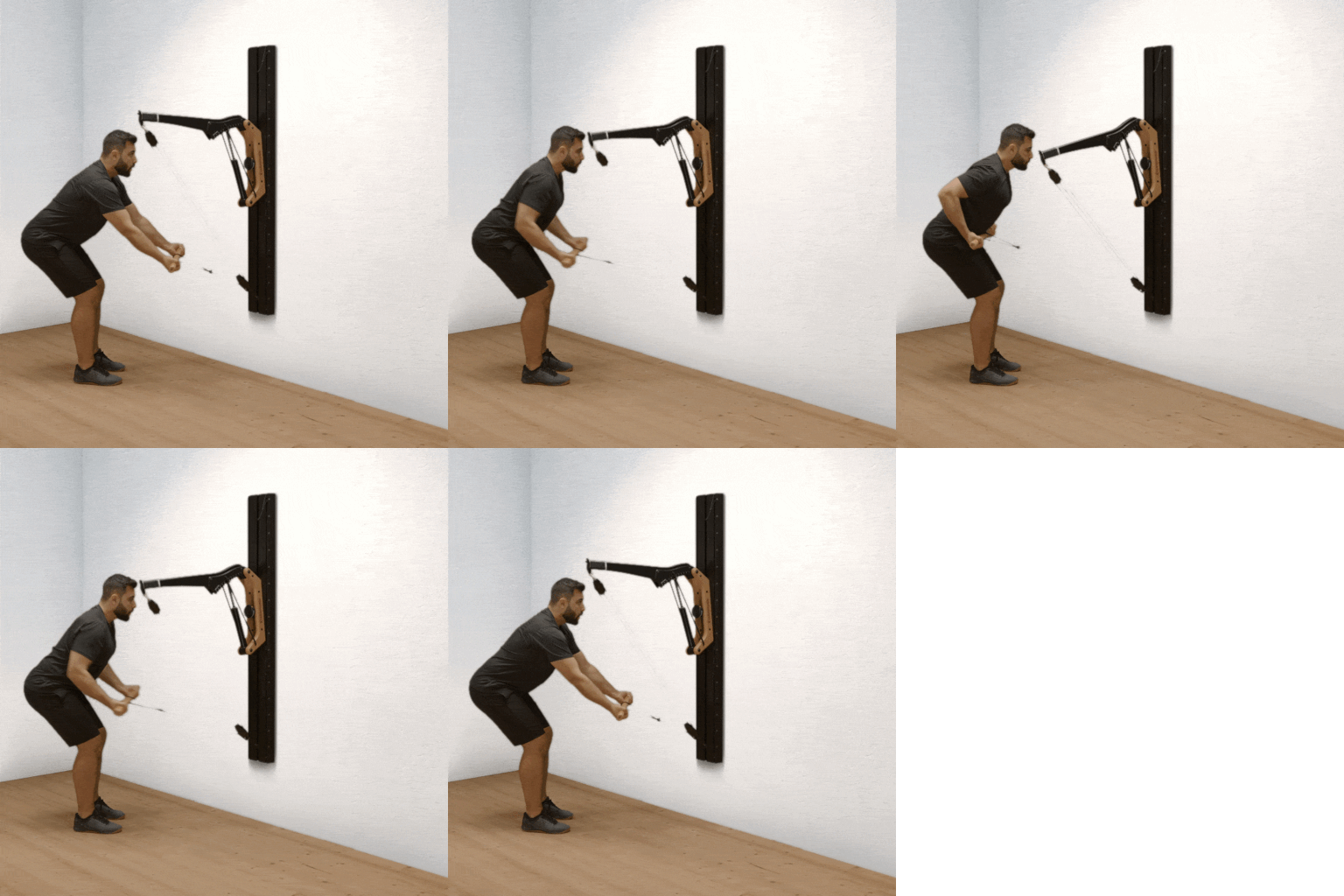
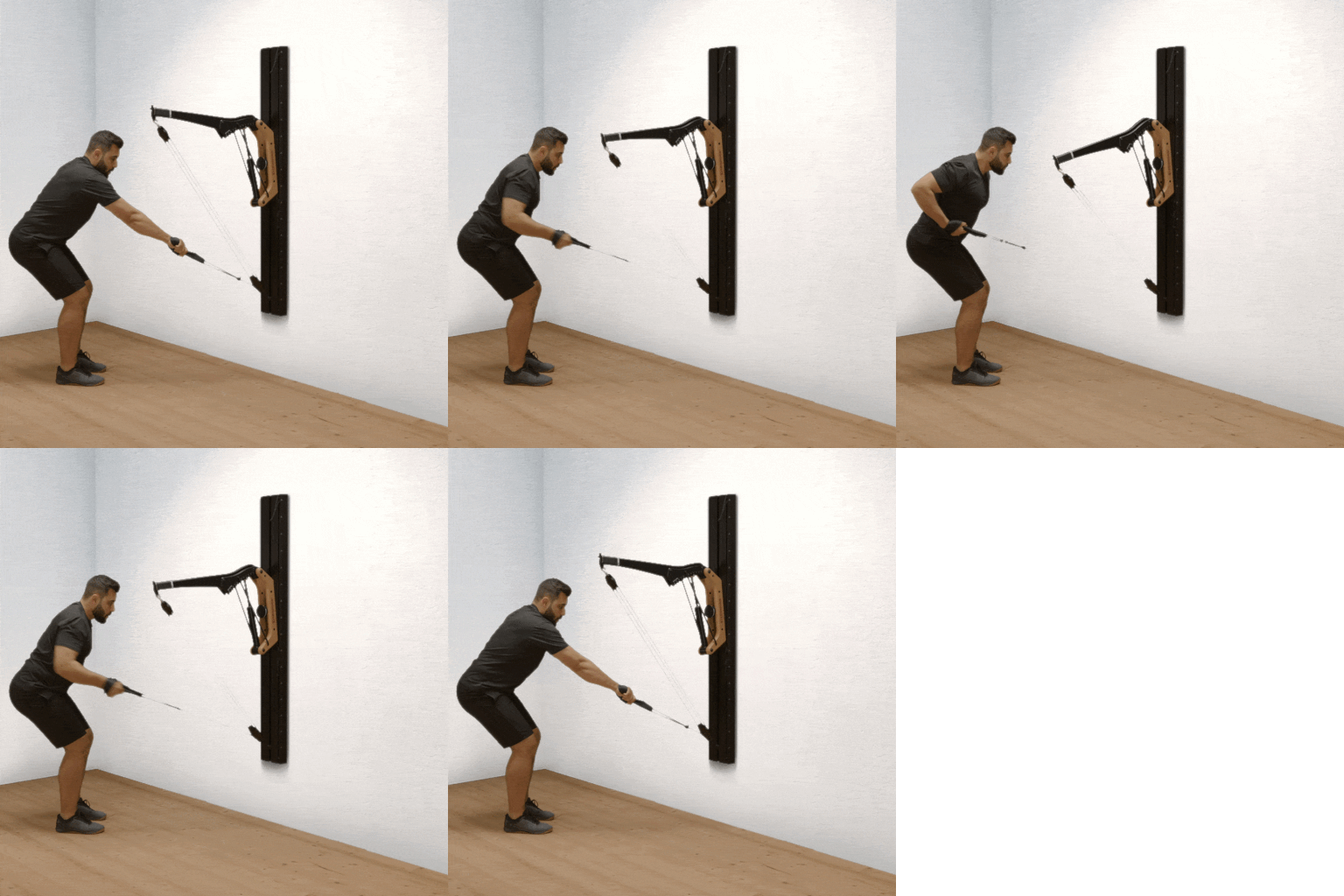
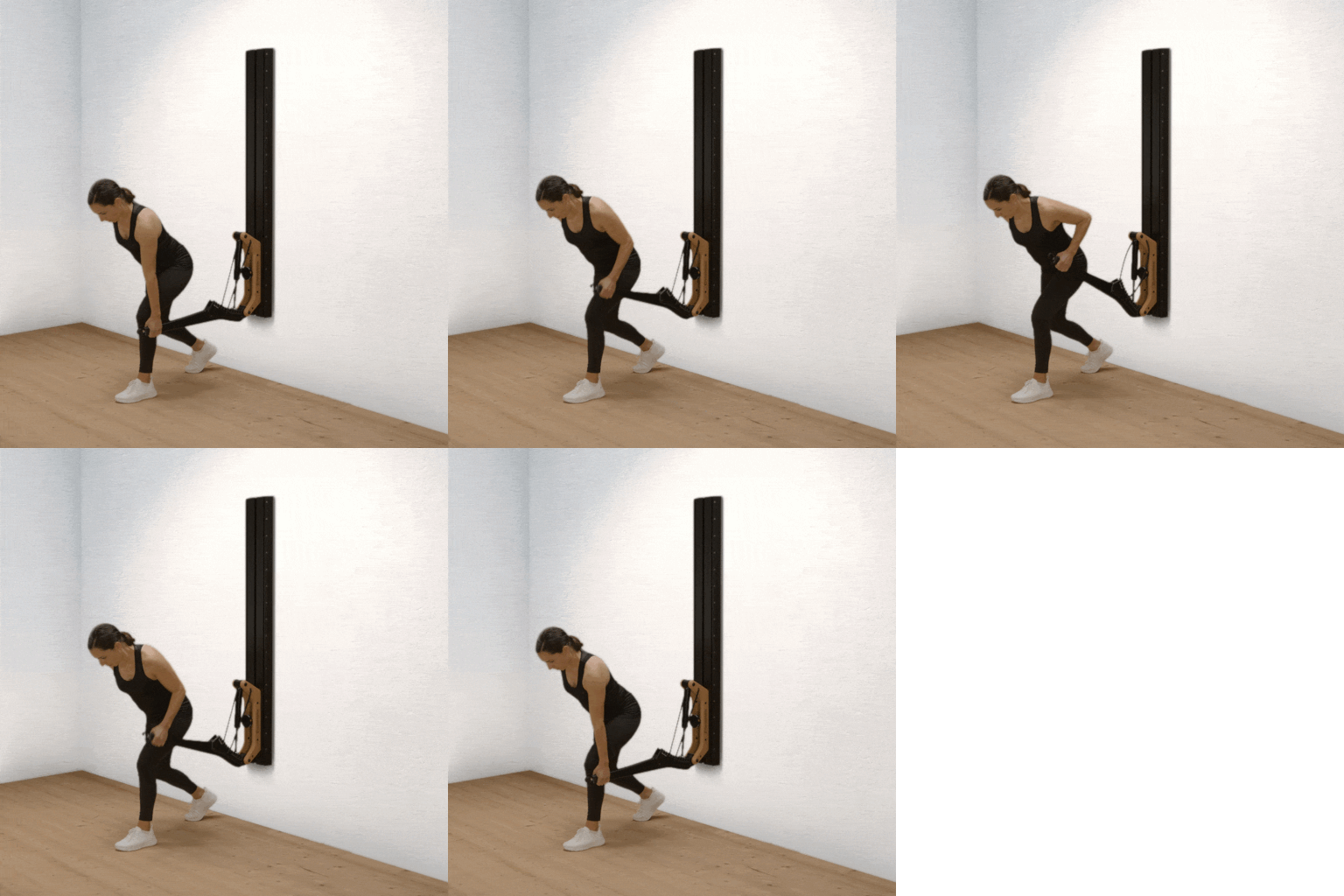
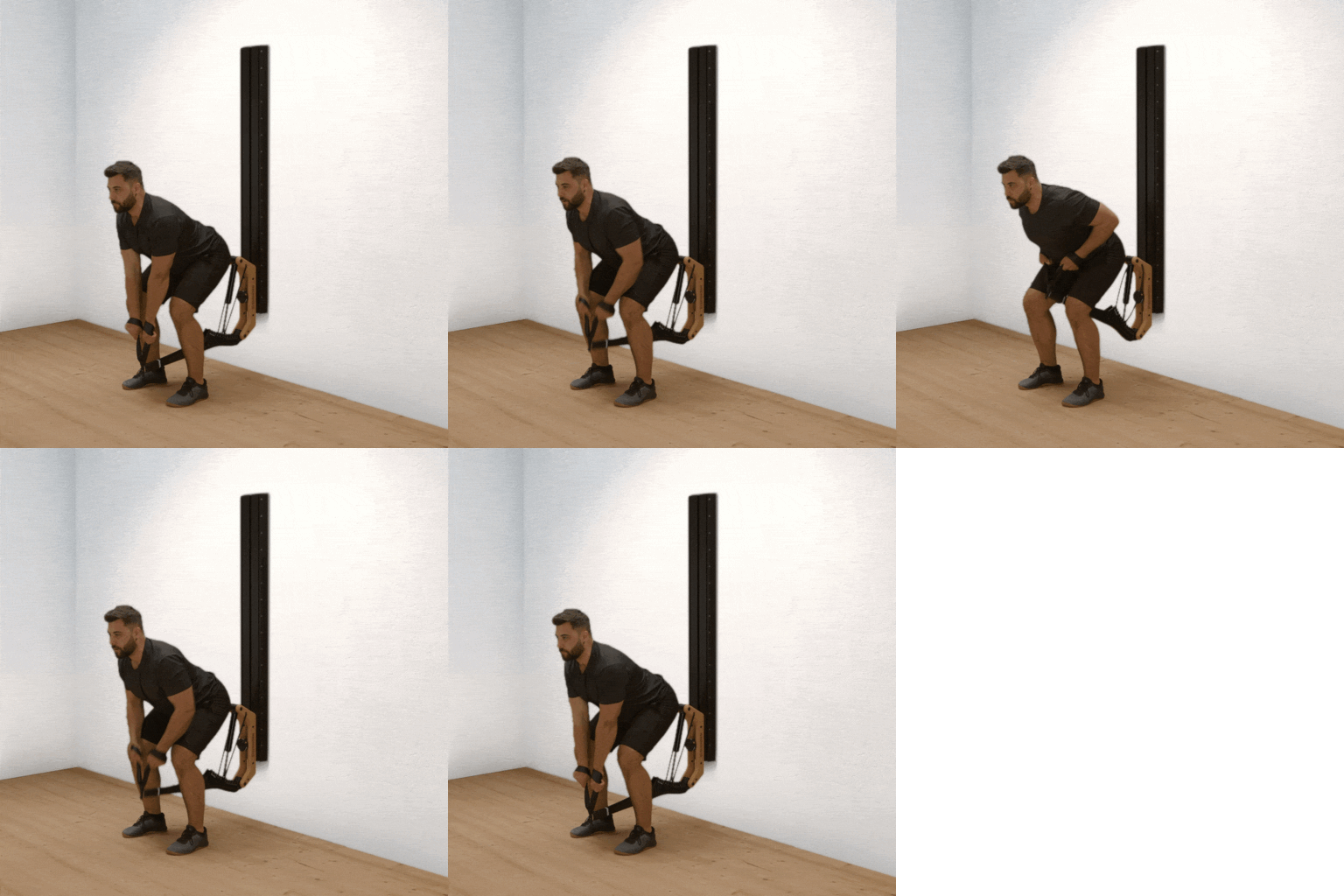
:format(webp))
)
)
)
)
)
:format(webp) "EISENHORN S Black Edition")
 "EISENHORN S Black Edition")