What makes this exercise particularly effective?
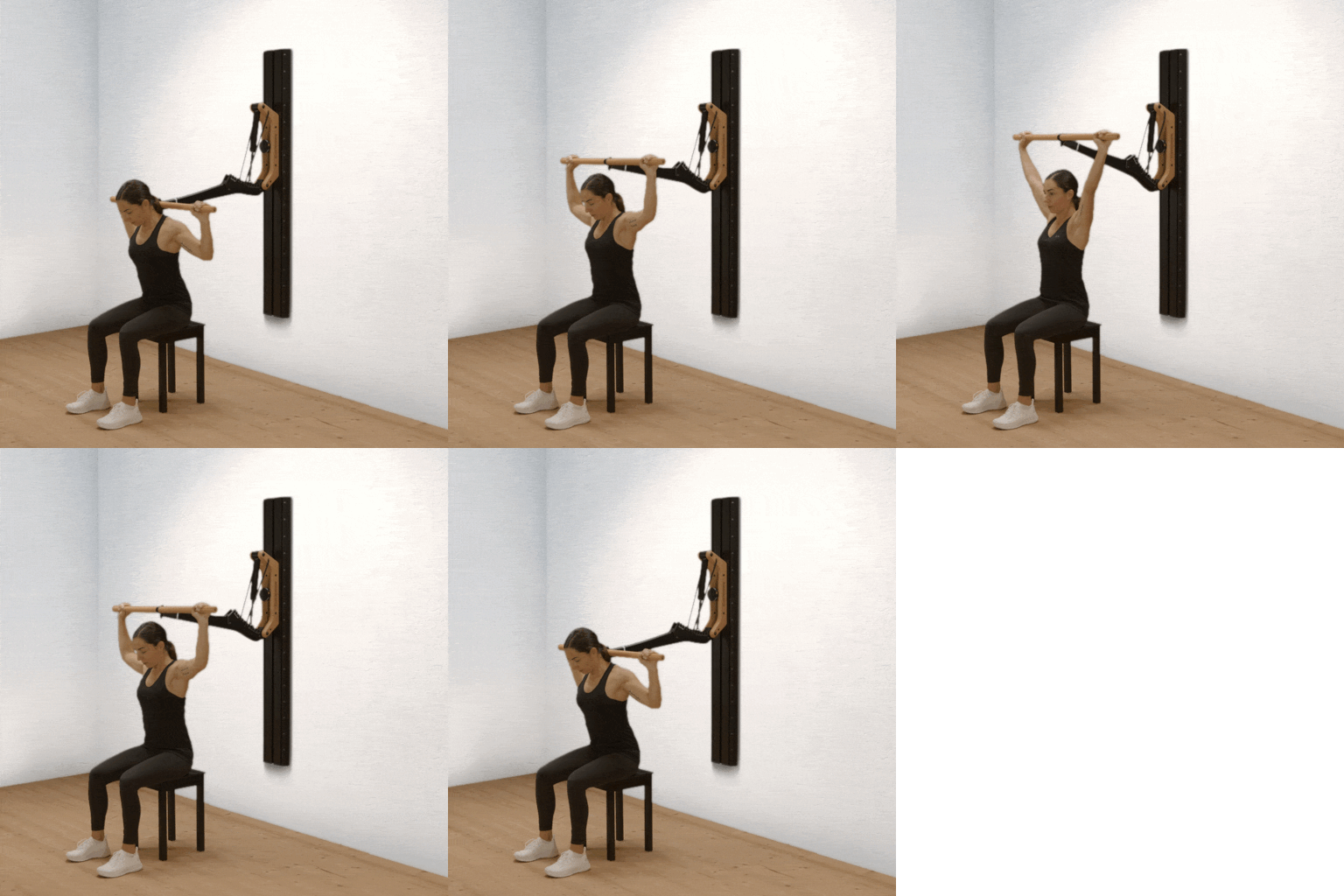
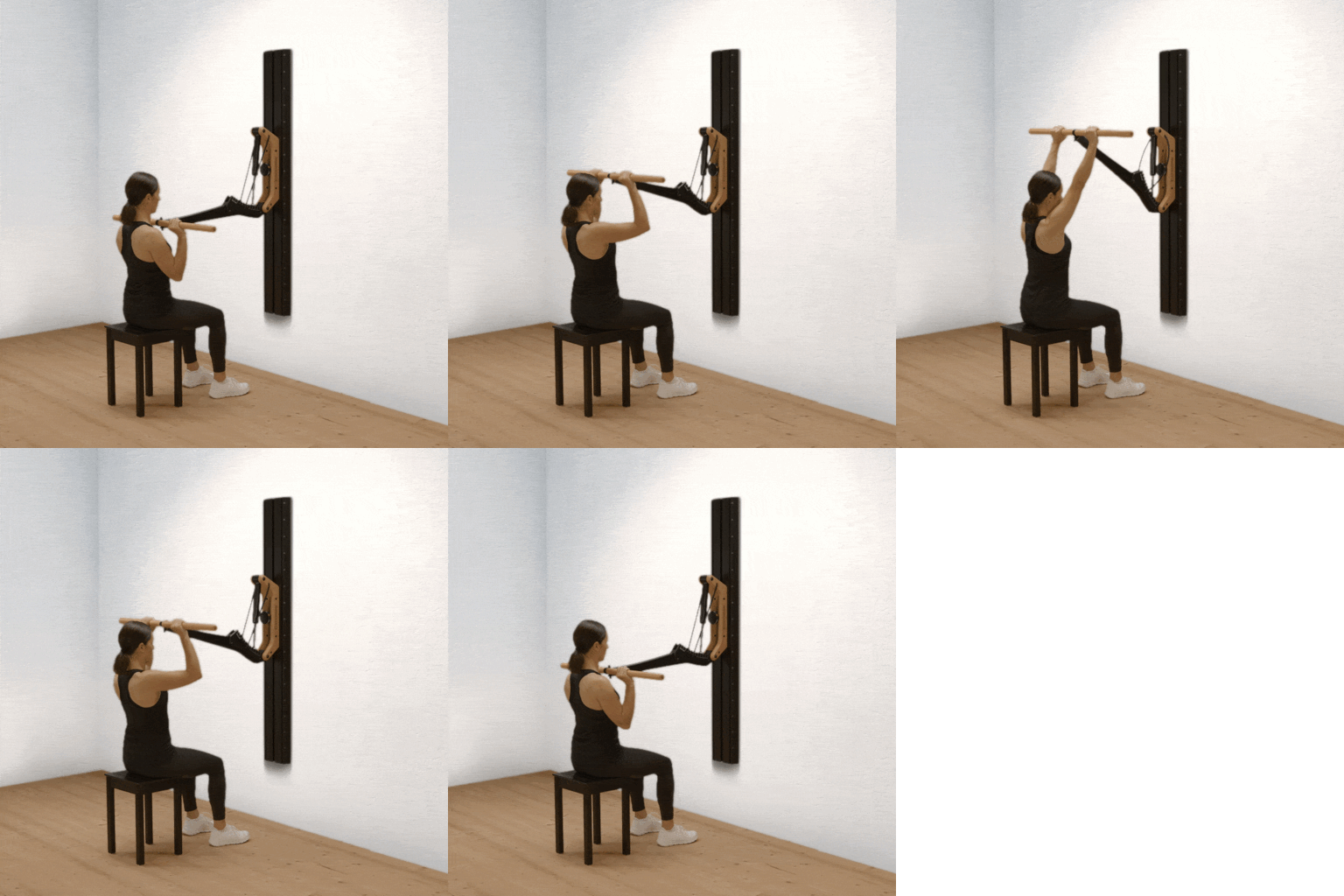
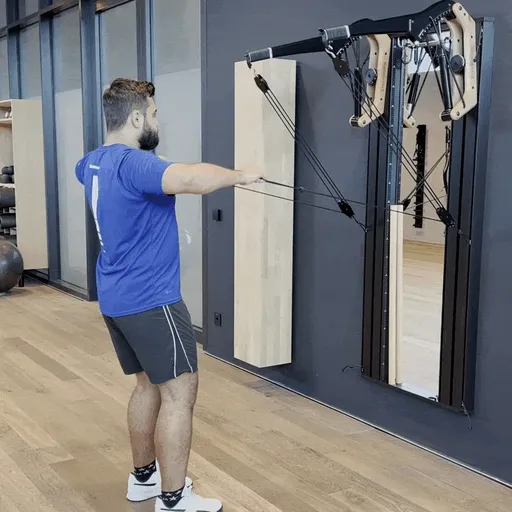
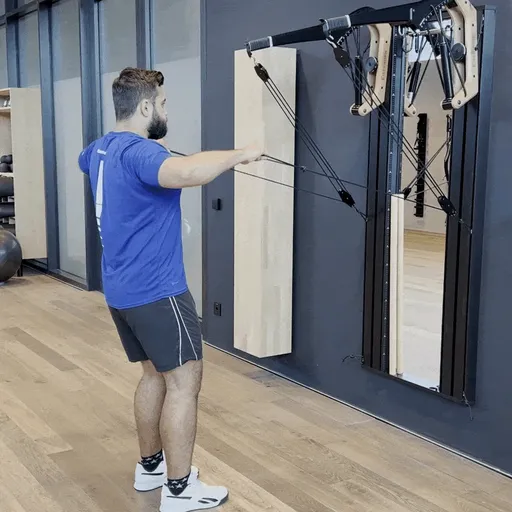
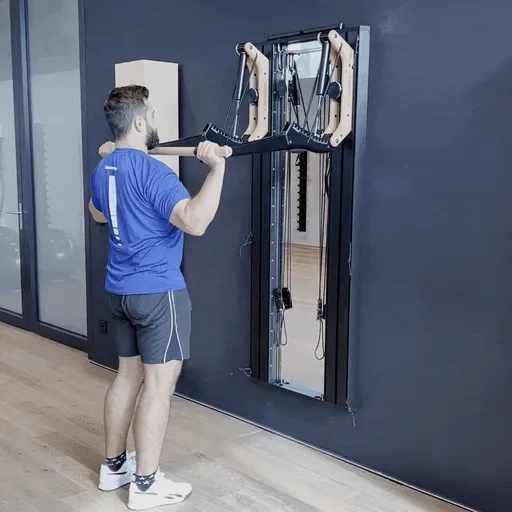
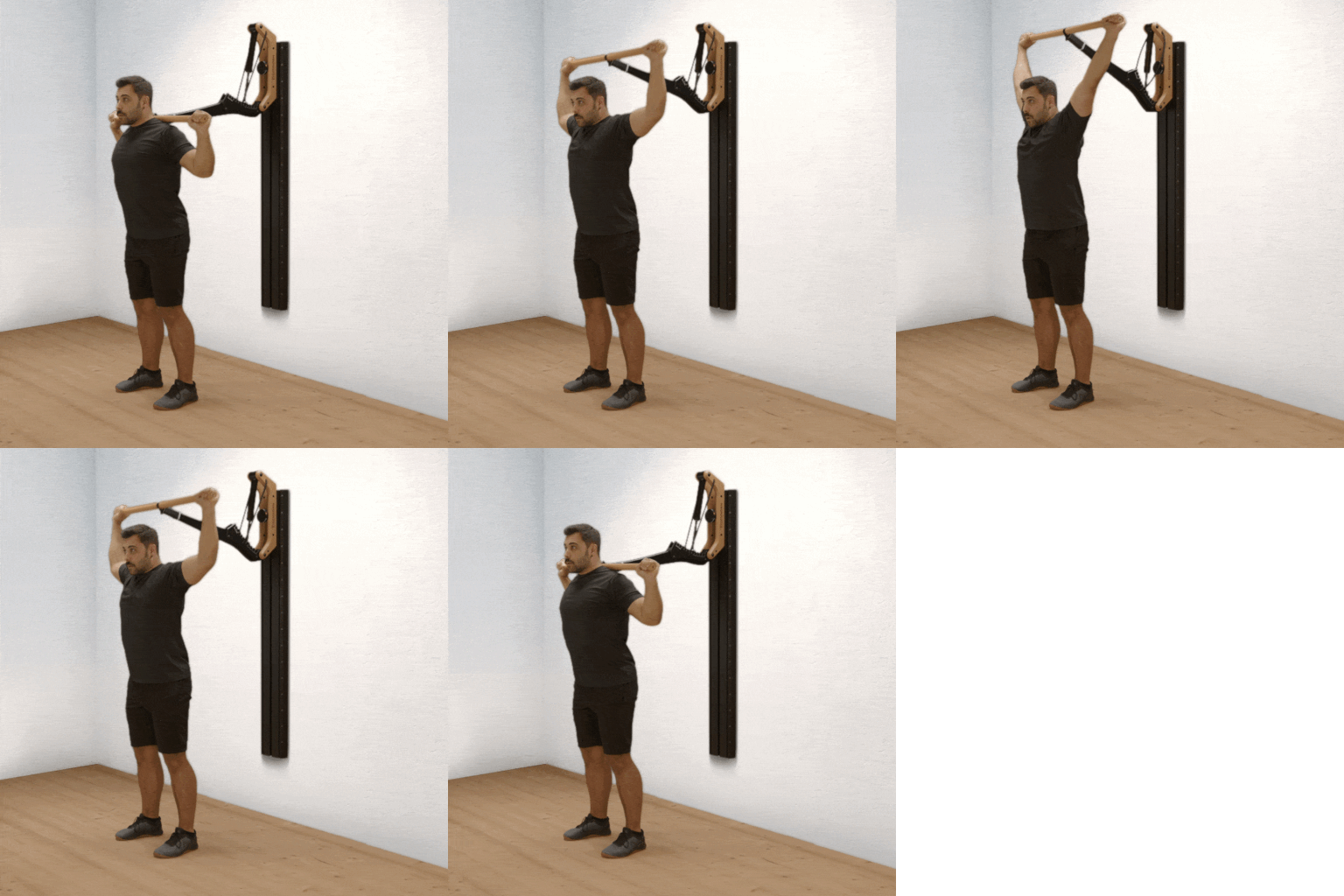
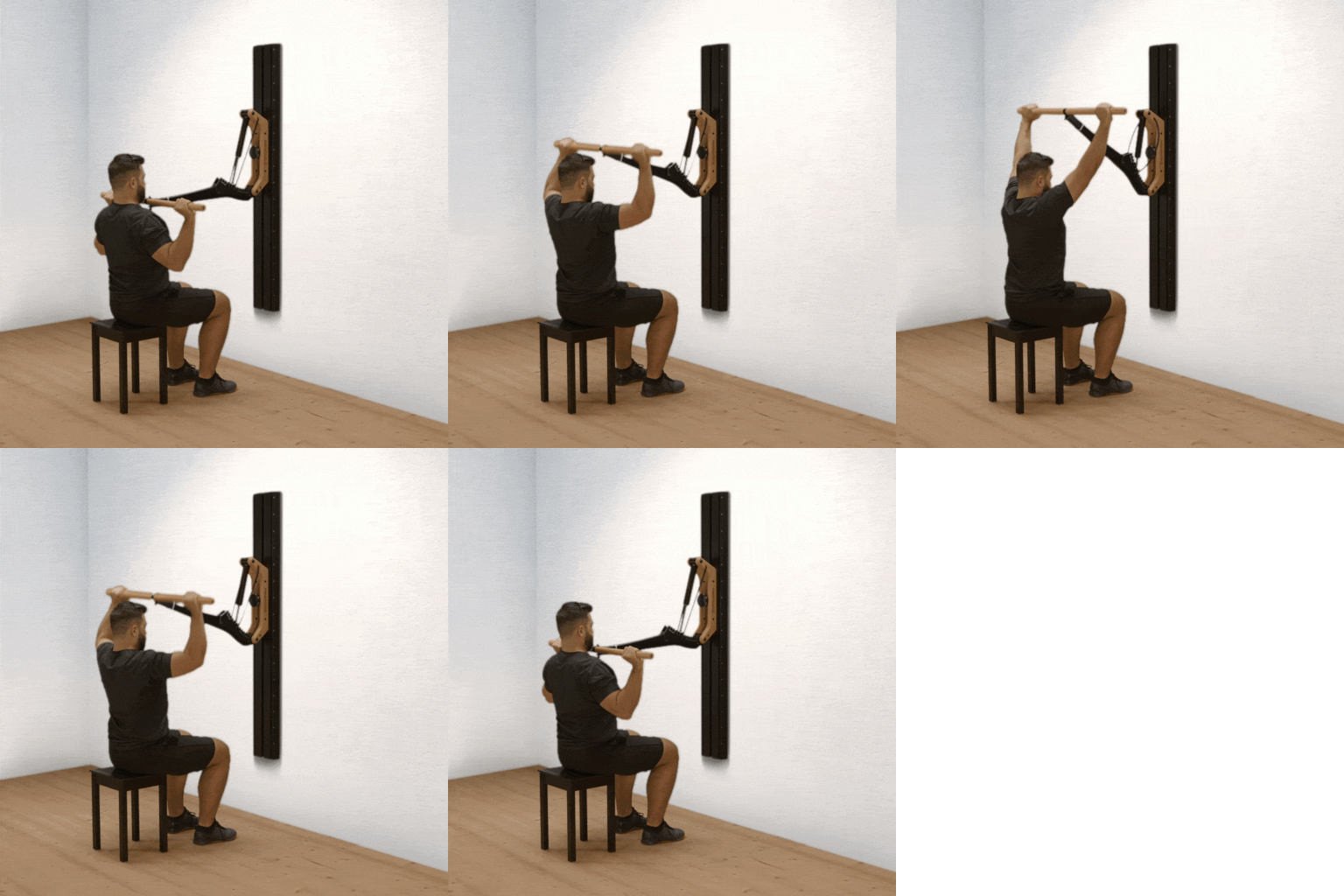
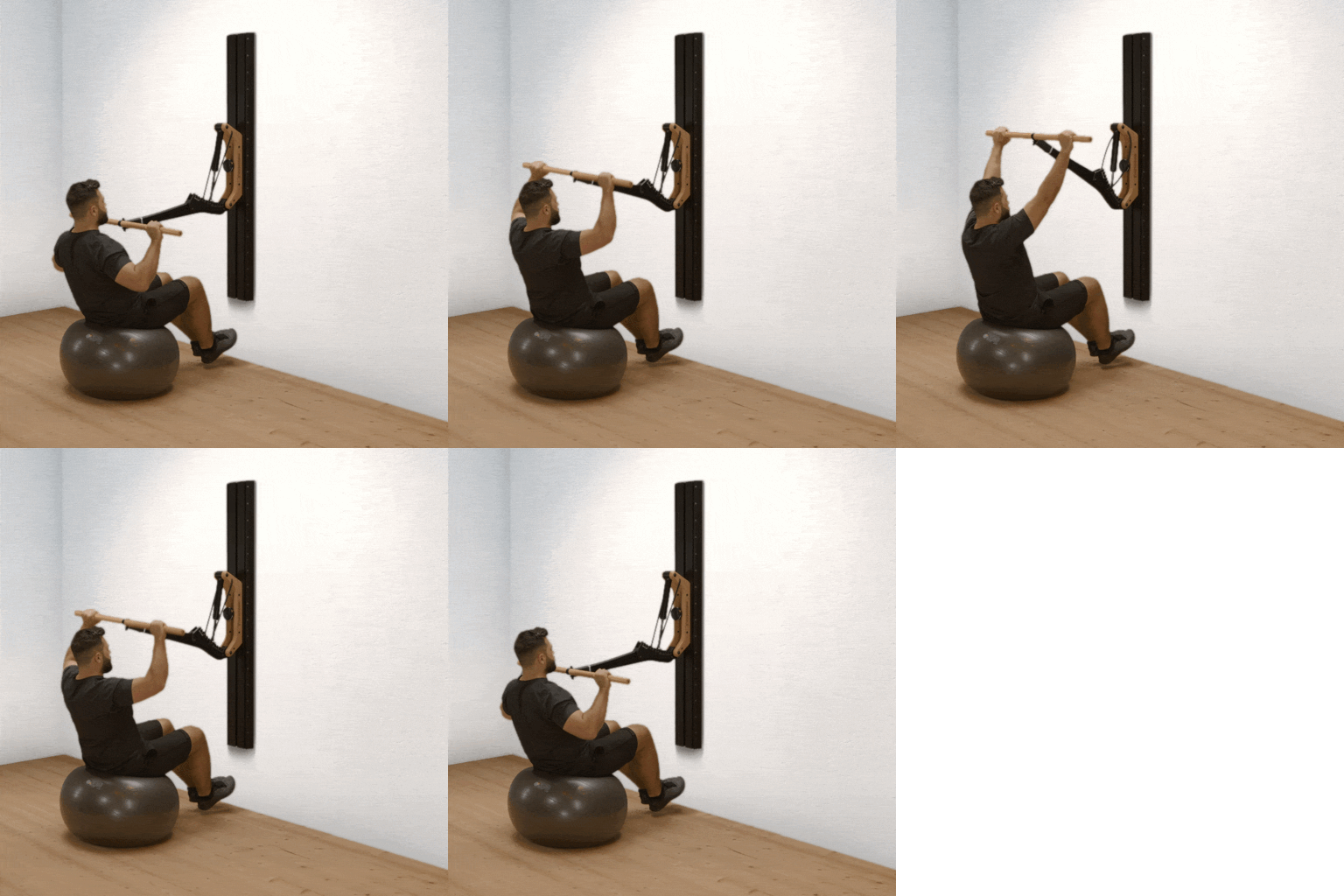
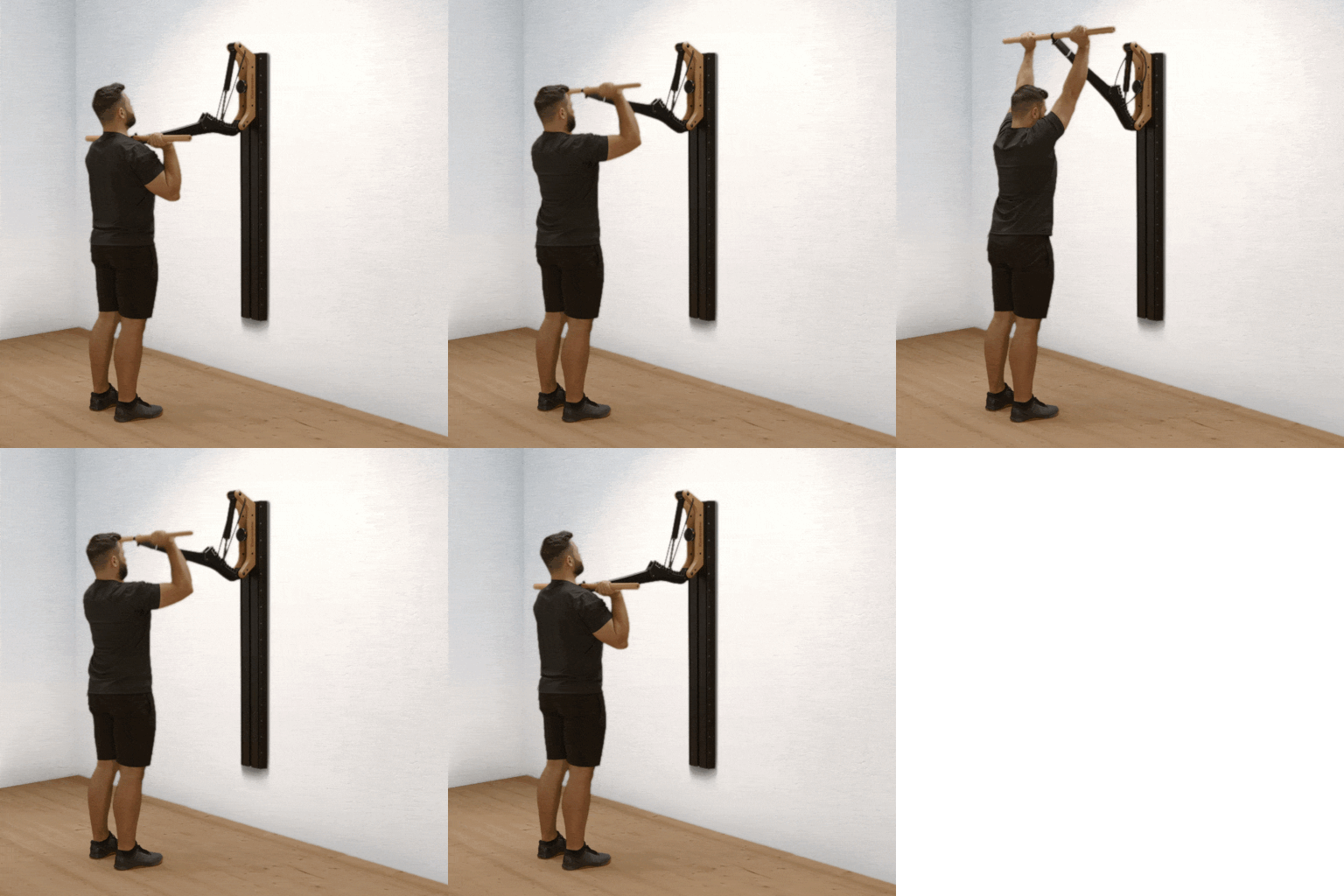
The alternating shoulder press on the horn is performed not simultaneously, but alternately. This variation on your EISENHORN Strenght Station DS increases the difficulty in terms of stabilization and coordination, as one side is always working while the opposite side must be kept under control. The constant alternation also increases the time under tension for each shoulder. The guidance on the horn provides relatively even resistance, minimizing compensation for technical imperfections and enabling a clean, controlled movement pattern.
What effect does the exercise achieve?
Targeted shoulder training: The shoulder muscles are isolated and engaged, as each side must work independently.
Improved stability and core control: As one side works actively while the other stabilizes, the core muscles are more fully engaged.
Asymmetrical load training: Small differences in strength or technique become more apparent, allowing for targeted corrections and improved balance.
Reduced risk of overcompensation: Alternating sides prevents dominance of the stronger side and ensures the weaker side also develops.
Enhanced muscle stimulus: Alternating pressure creates higher intensity for each shoulder individually—ideal for overcoming plateaus.
How does this exercise fit into the Big 5 concept?
The Big 5 include the fundamental exercises: squat, deadlift, bench press, pull-up or lat pulldown, and shoulder press. Even though the alternating shoulder press on the horn is not part of the classical Big 5, it can be a valuable addition:
Good addition for pressing variations: Alternating shoulder presses expand the range of pressing movements and provide differentiated loading beyond simultaneous pressing (e.g., shoulder press, bench press).
Strengthening stabilizing components: This exercise challenges lateral stability and control—skills that are also important for major basic exercises like squats and deadlifts.
Compensation for imbalances: Each side works independently, so differences in strength between left and right can be more easily identified and corrected.
Meaningful variation: For advanced training plans, this variation can be used to introduce new stimuli and maintain motivation while promoting muscle development.
:format(webp))
)
)
)
)
)
:format(webp) "EISENHORN S Black Edition")
 "EISENHORN S Black Edition")