What makes this exercise particularly effective?
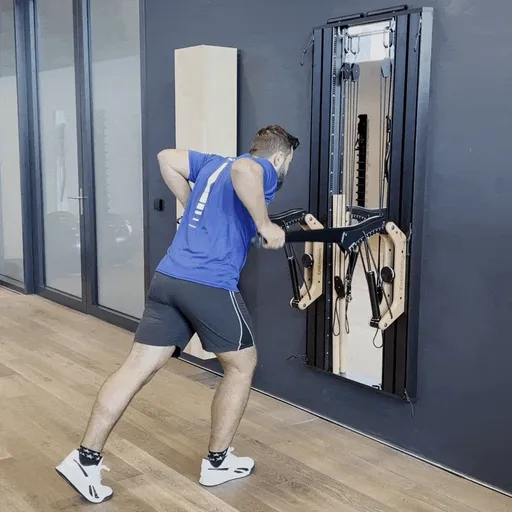
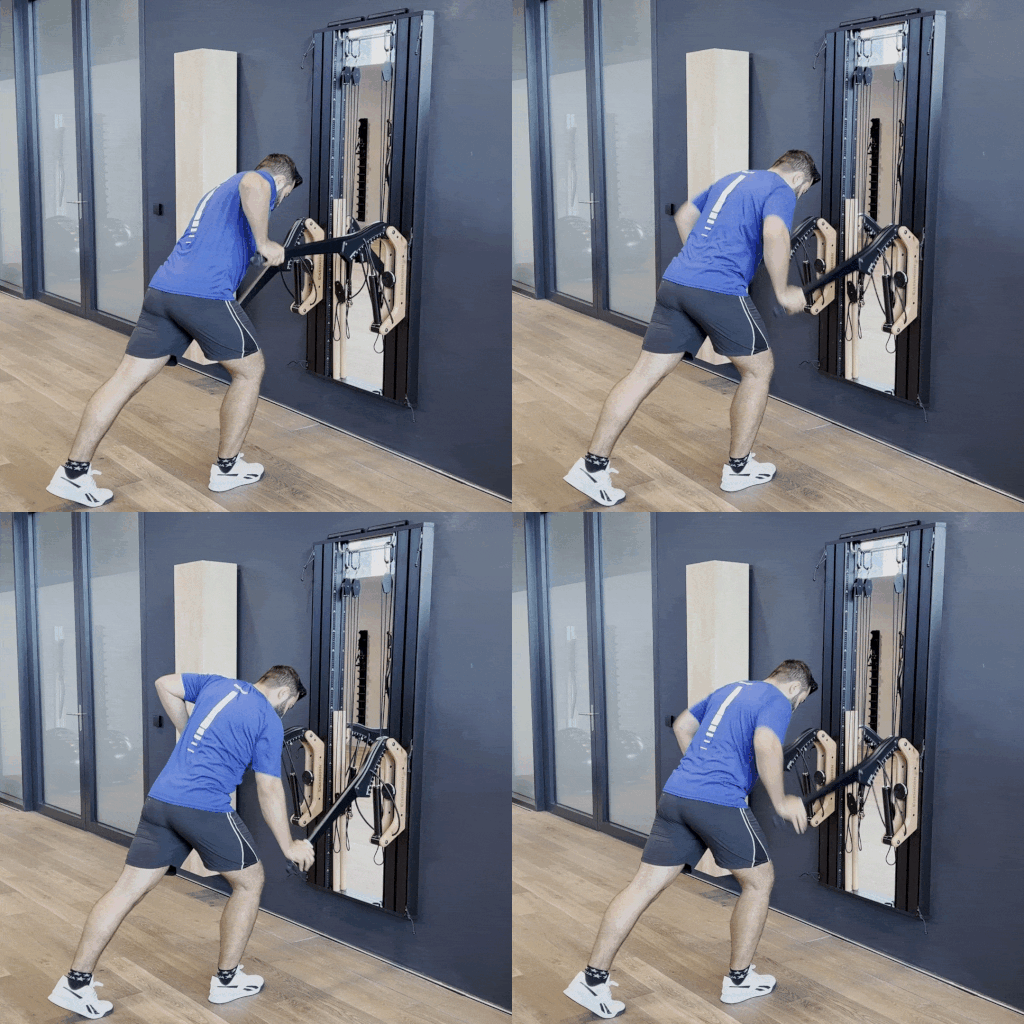
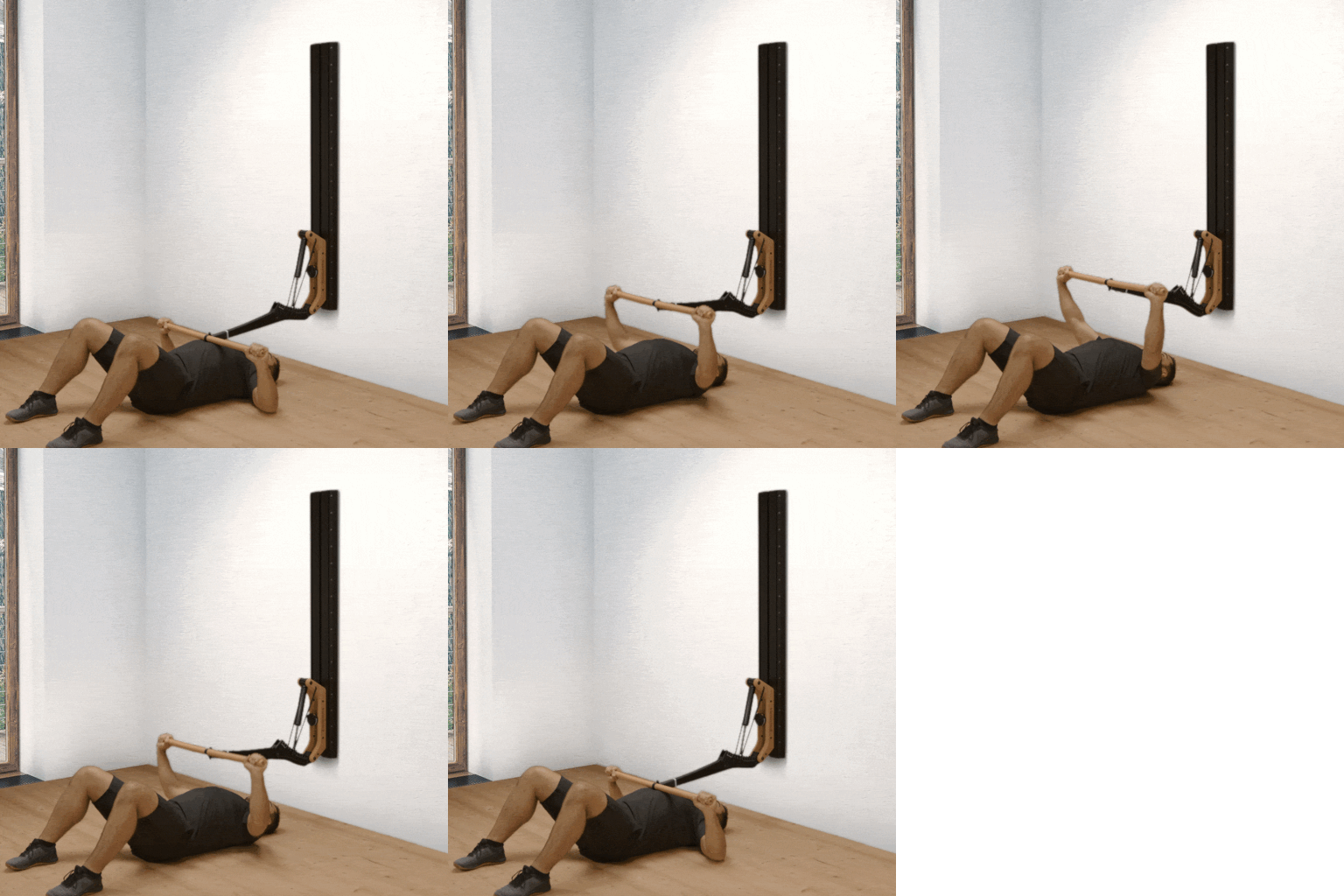
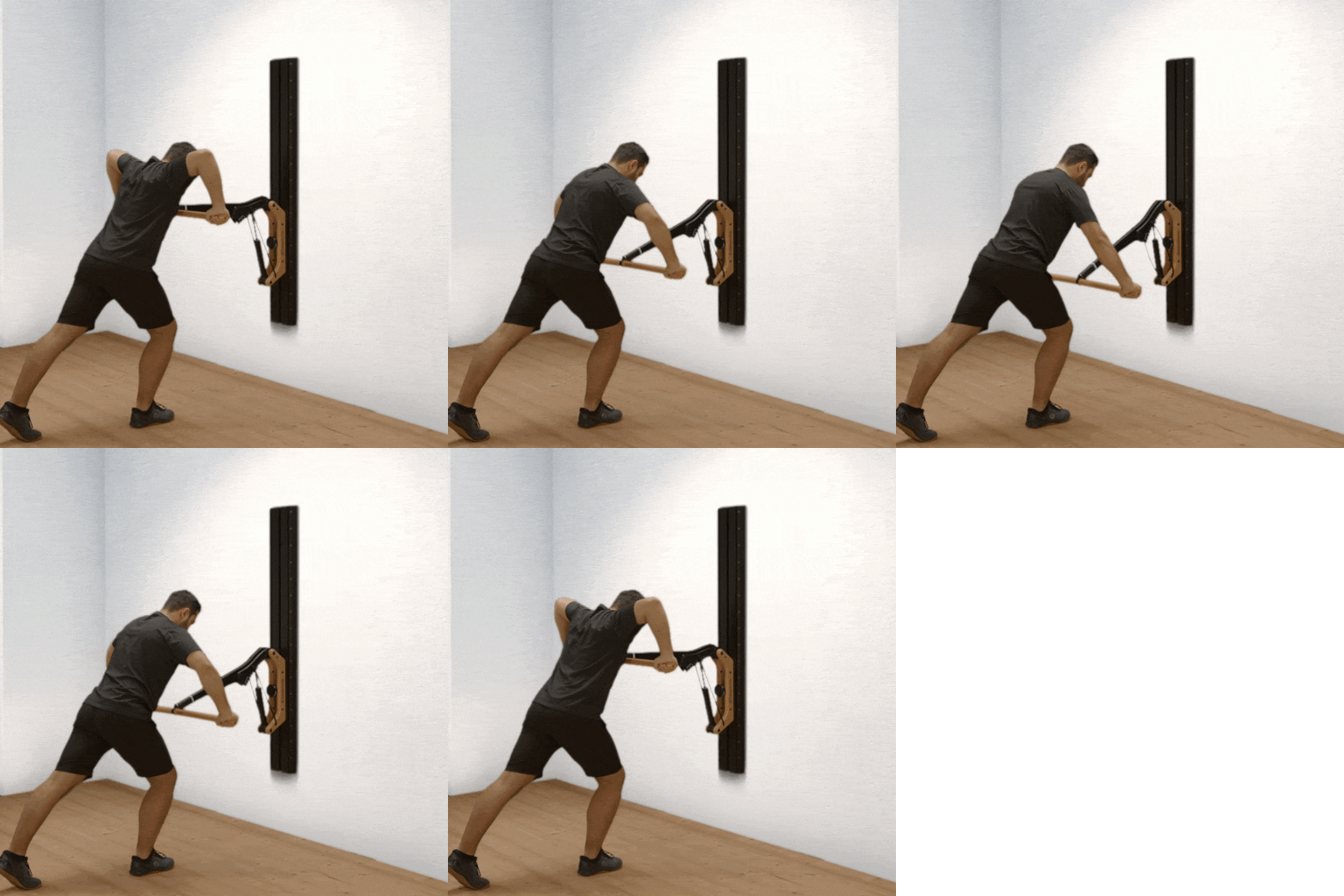
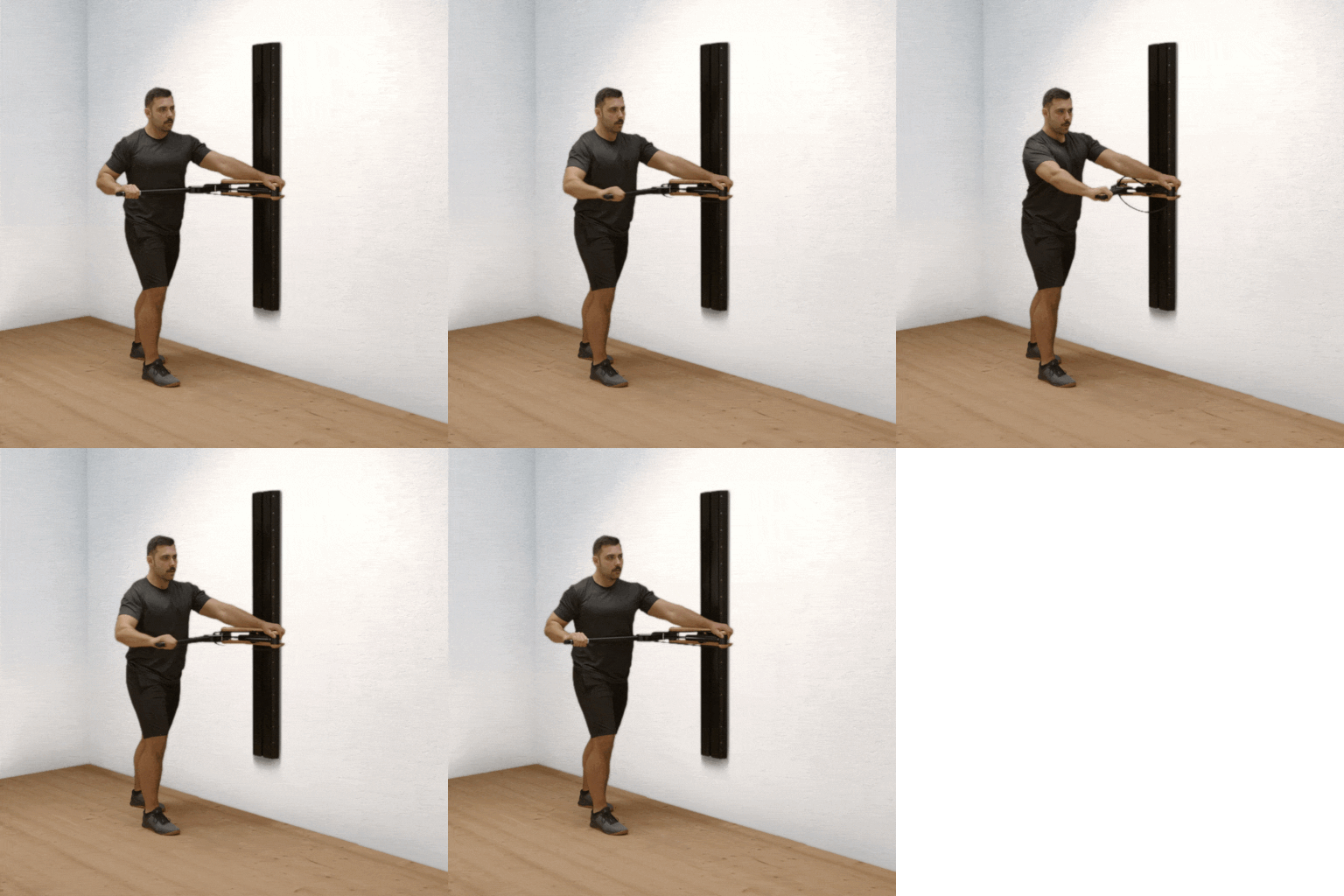
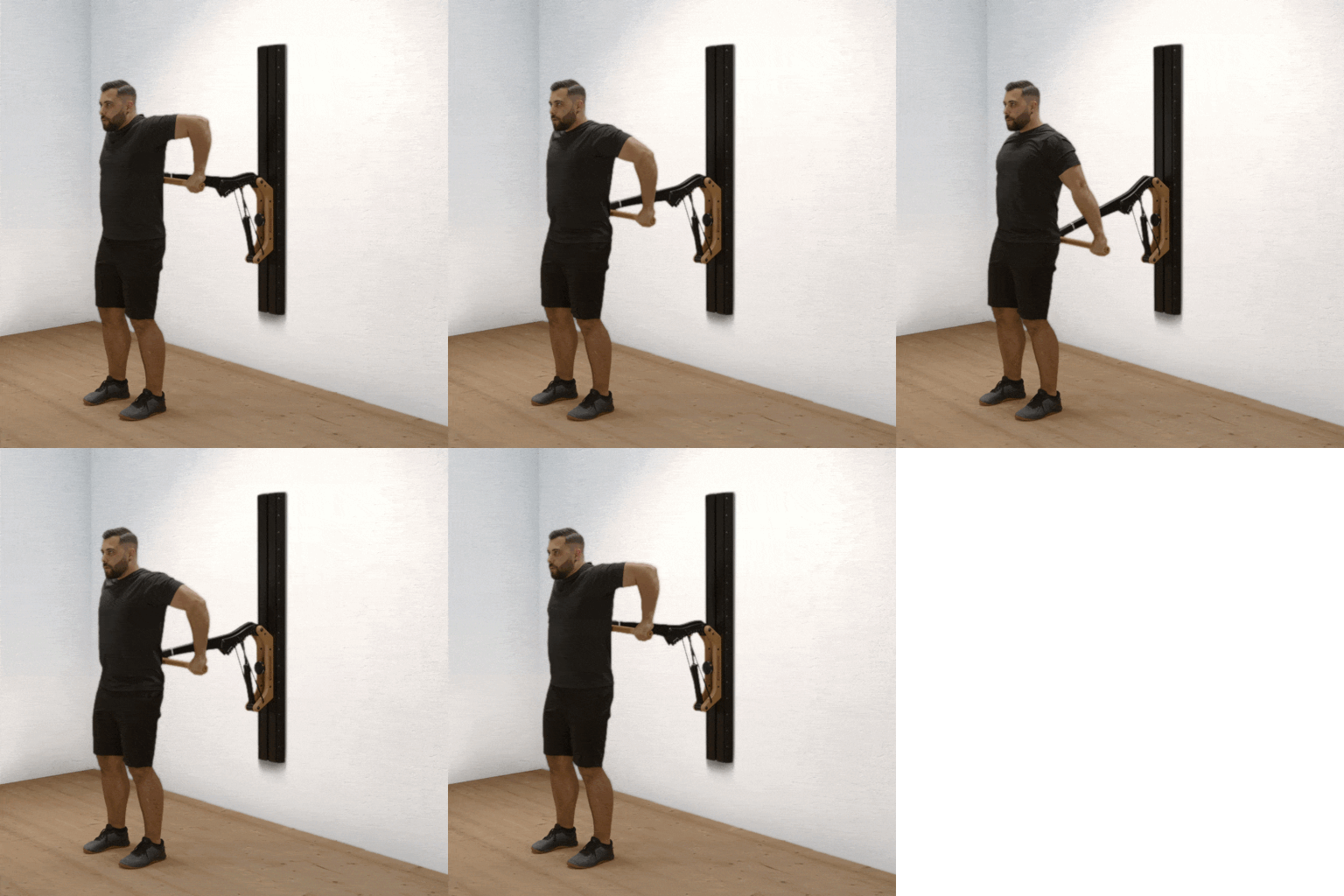
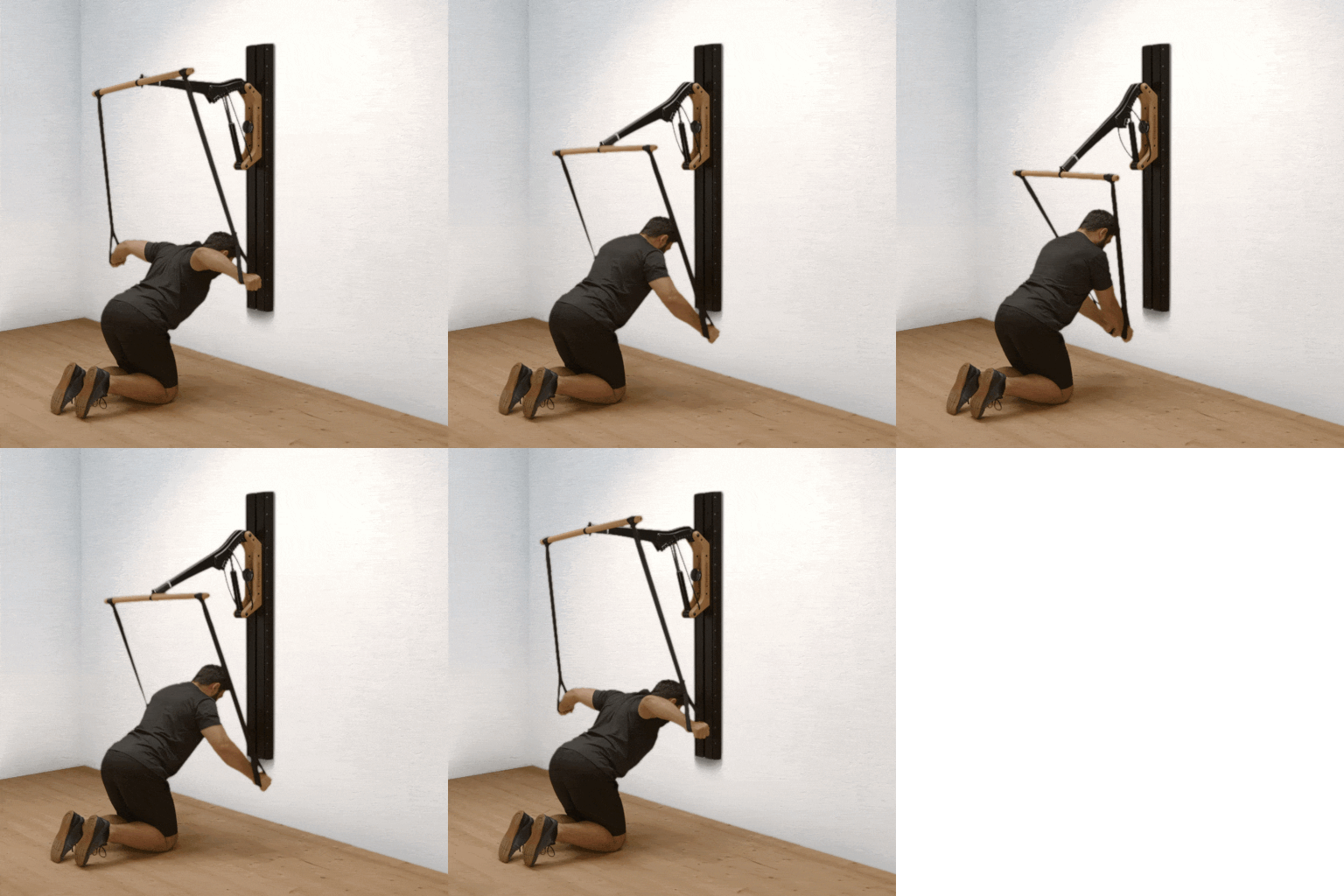
The standing chest press with handlebar on the EISENHORN DS combines the classic pressing of the chest muscles with stabilizing demands on the trunk. Since the upper body is not supported, the abdominal and back muscles are constantly engaged to maintain posture and control. The movement path with the handlebar allows for even force transmission and minimizes imbalances. Additionally, the exercise can be varied in grip and angle, depending on which chest and shoulder muscle fibers you want to target.
What effect does the exercise achieve?
Targeted chest strengthening: The pectoralis major is primarily engaged, supported by the anterior deltoids and triceps.
Core stability & posture training: The core muscles work continuously to prevent sagging or excessive backward leaning.
Joint-friendly design: The handlebar allows a controlled, linear range of motion, reducing harmful leverage forces.
Variability in stimulus: By adjusting grip width, grip type, or incline, different areas of the chest can be emphasized.
Everyday relevance: The movement simulates common pressing actions, such as lifting or pushing, improving functional power transfer.
How does this exercise fit into the Big 5 concept?
The Big 5 include the fundamental exercises: squat, deadlift, bench press, pull-up or lat pulldown, and shoulder press. Even though the standing chest press with handlebar is not part of the classic Big 5, it can be a meaningful addition:
Focus on pressing movements: The exercise increases emphasis on the chest and shoulder muscles in a standing variation, complementing bench press and shoulder press.
Support for other basic exercises: Improved chest and core strength transfers positively to bench press and other pushing movements.
Additional stability component: With no back support, the exercise enhances full-body balance—a quality that also benefits squats and deadlifts.
Strategic variety: In combination with the Big 5, it trains additional movement patterns, supporting holistic strength development.
:format(webp))
)
)
)
)
)
:format(webp) "EISENHORN S Black Edition")
 "EISENHORN S Black Edition")