What makes this exercise particularly effective?
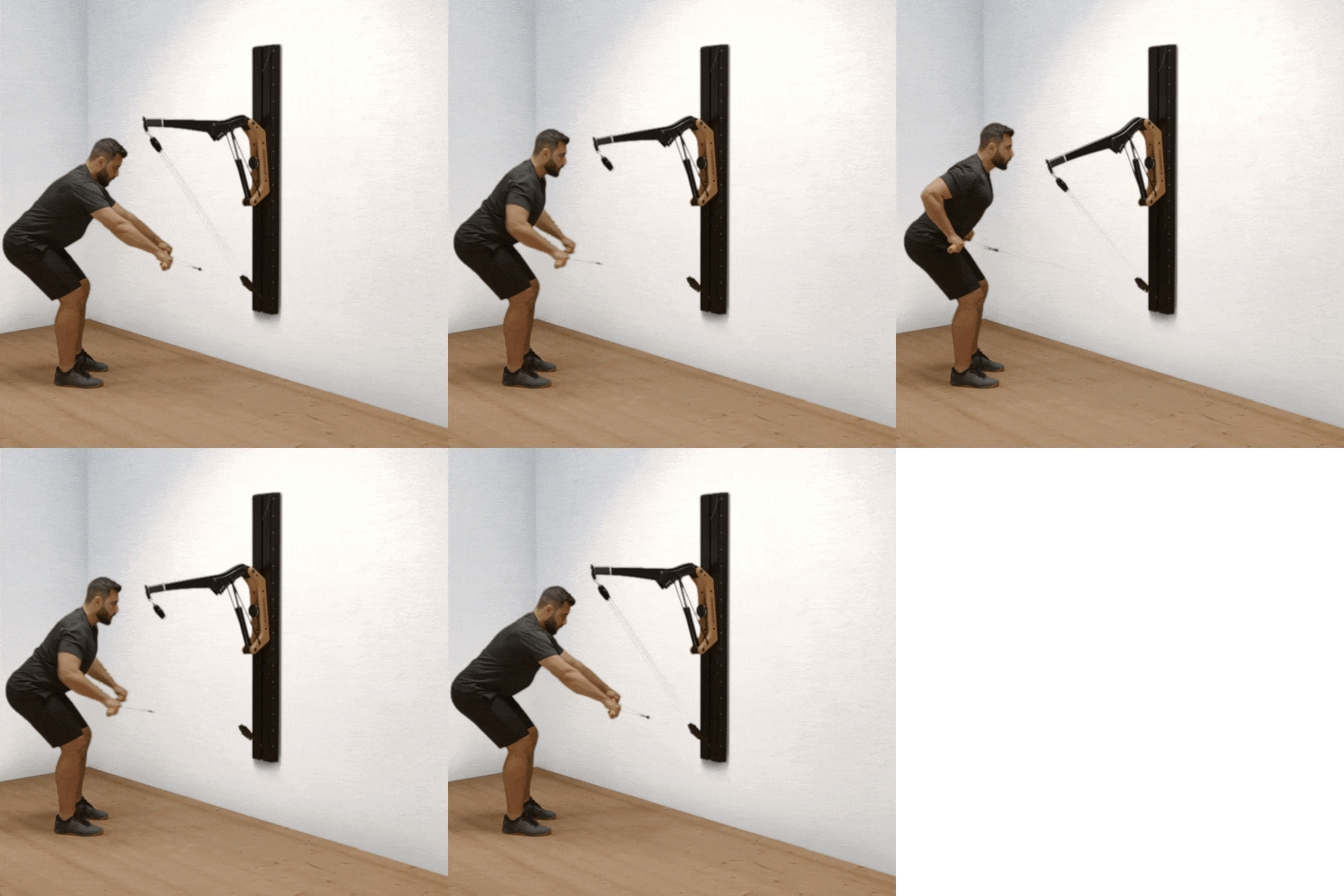
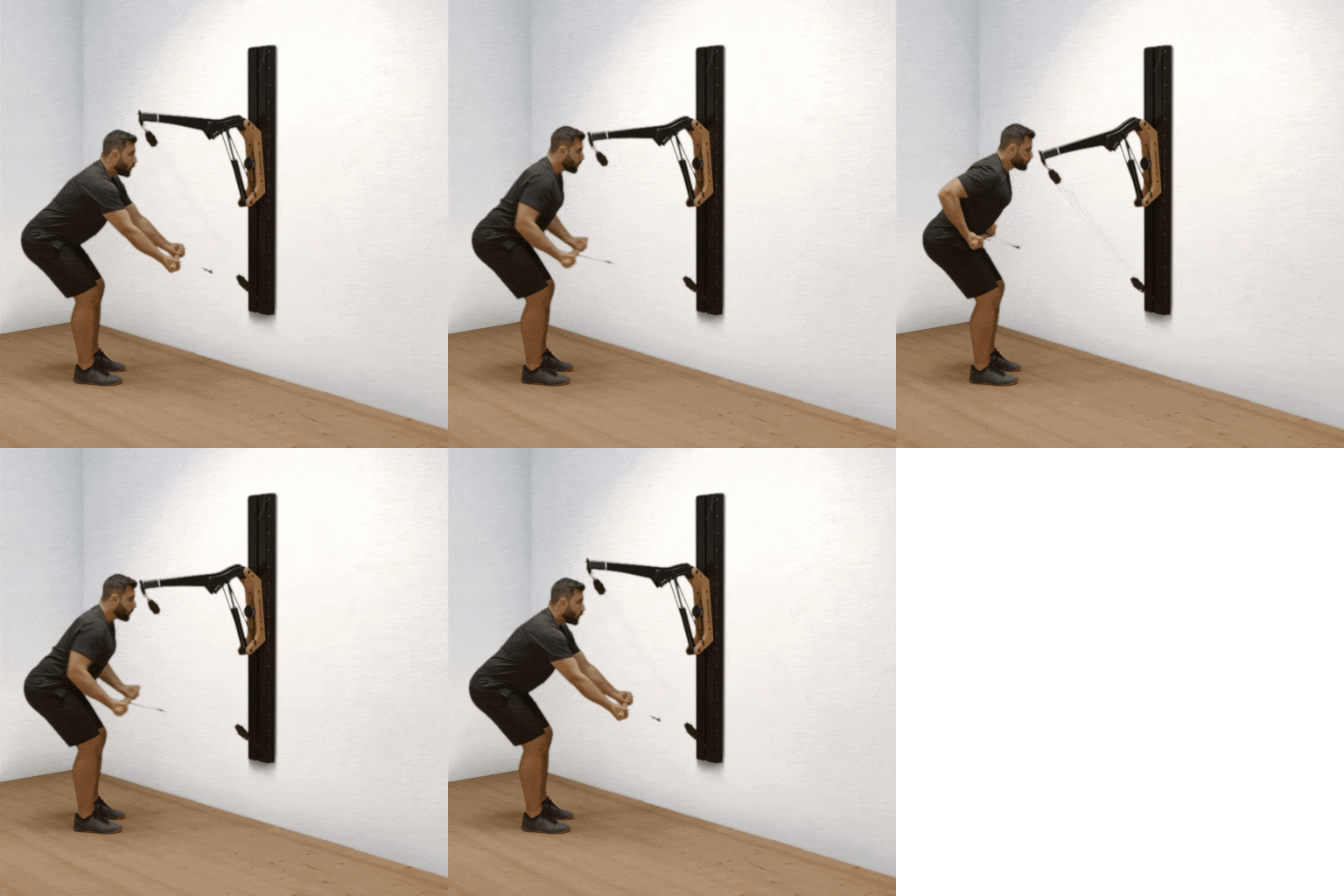
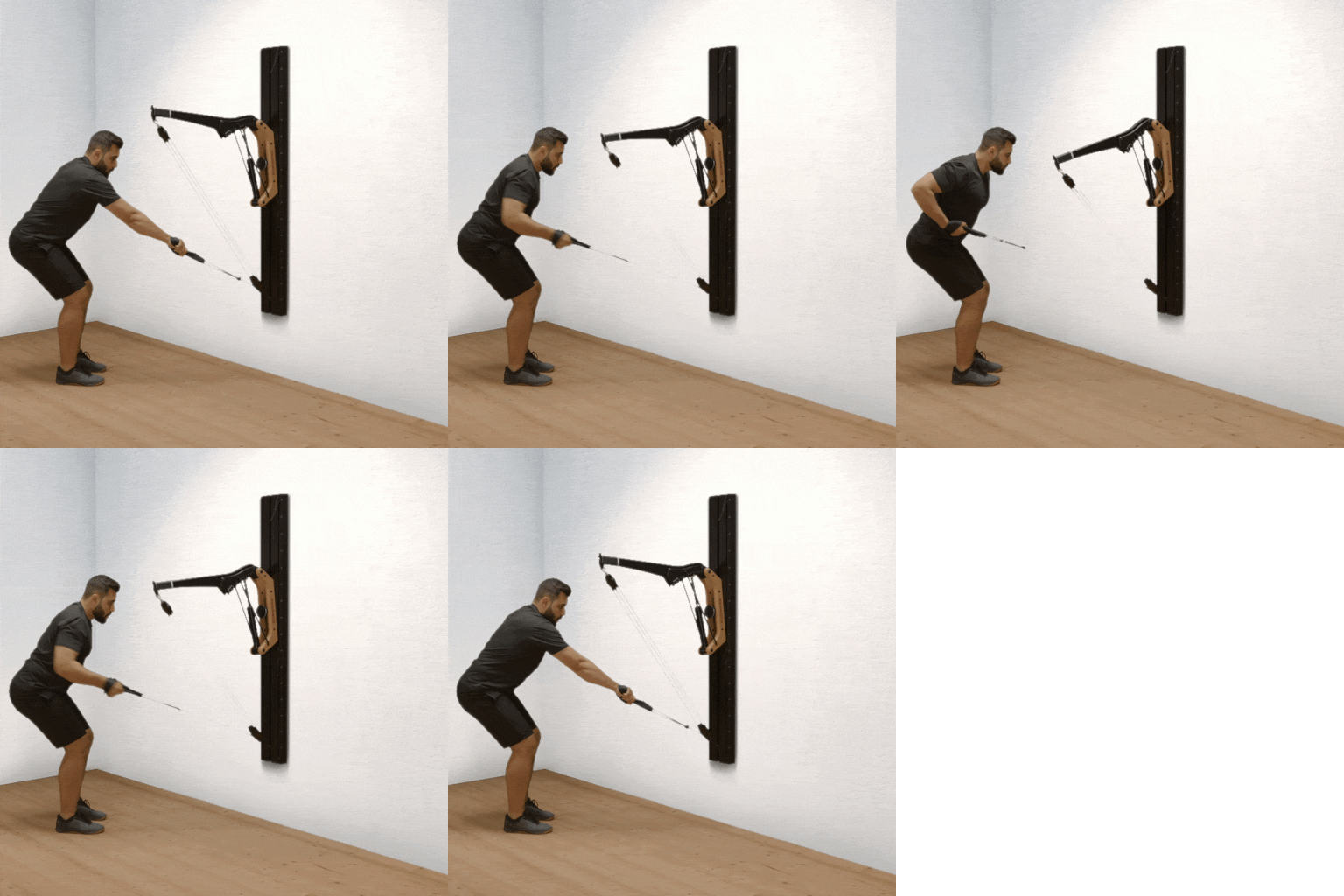
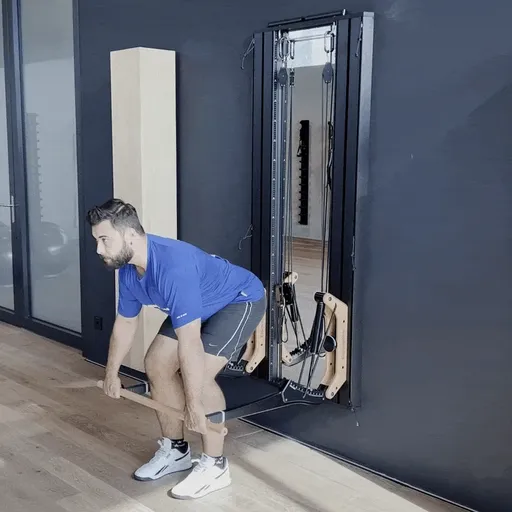
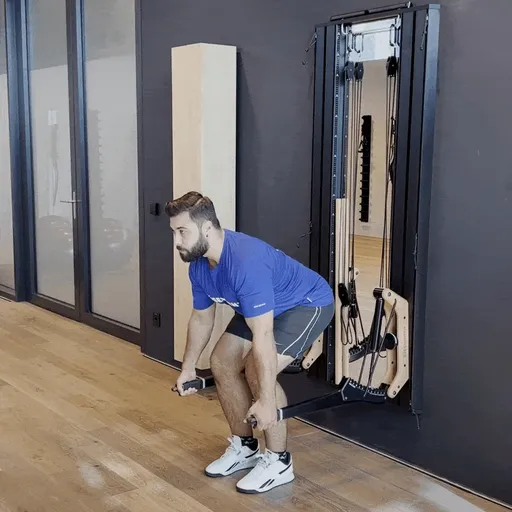
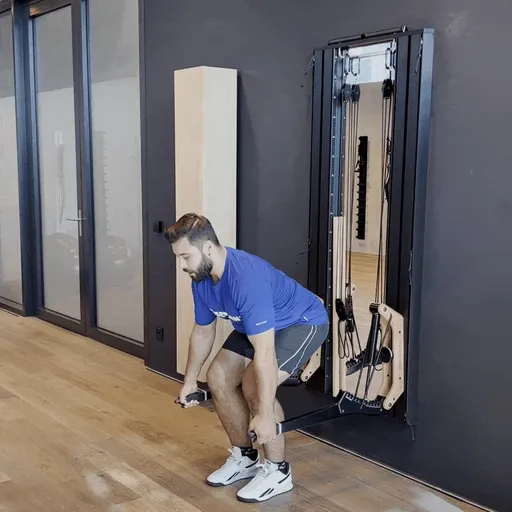
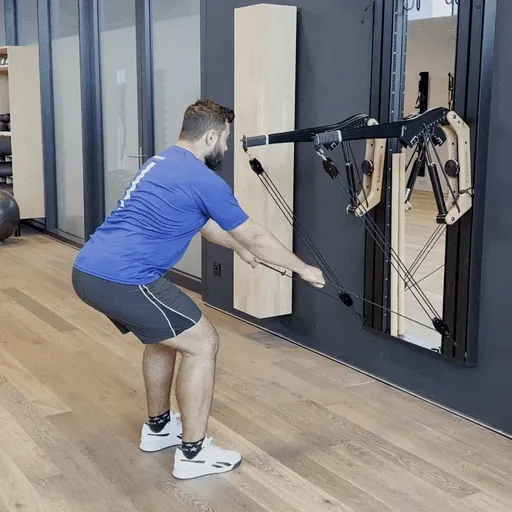
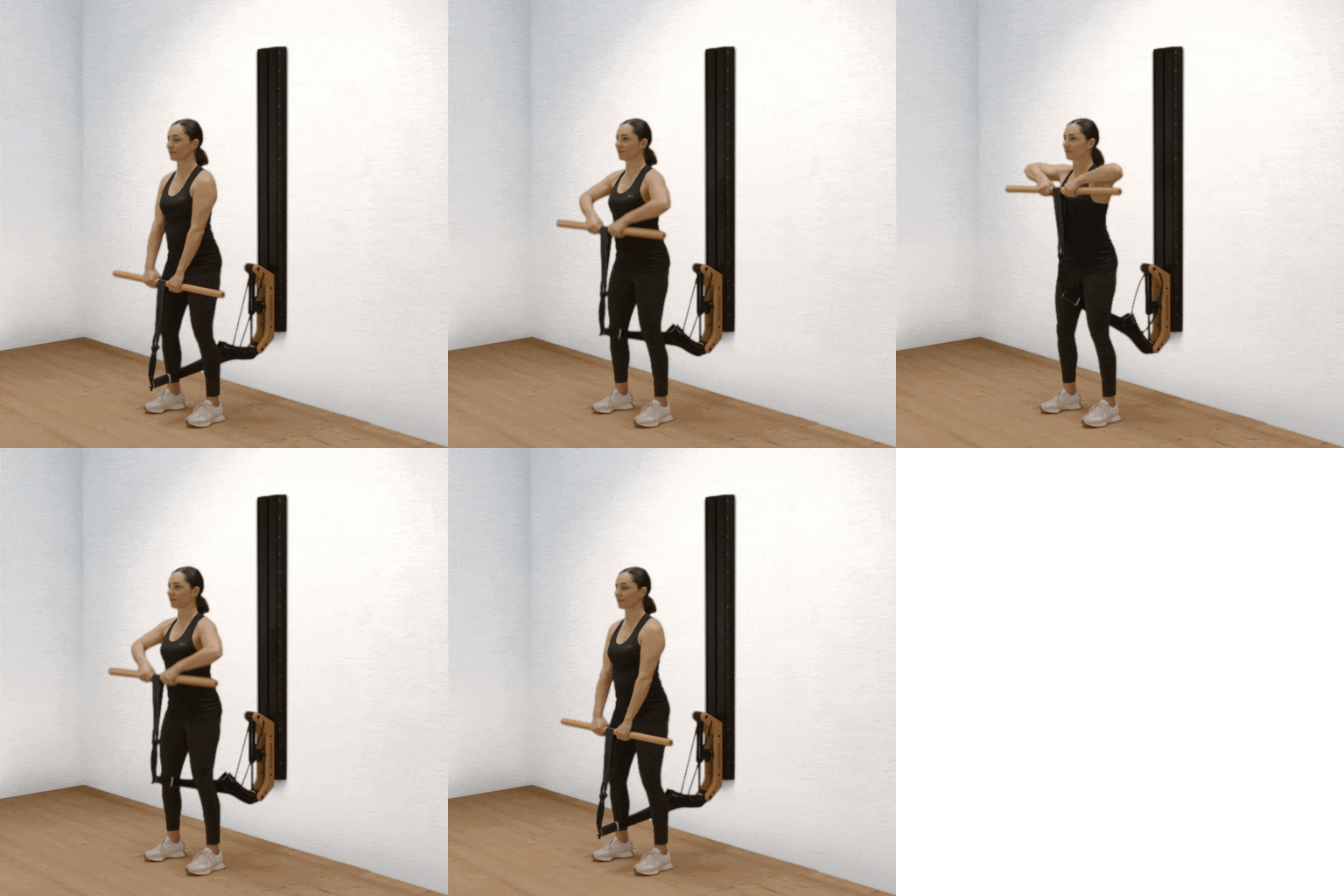
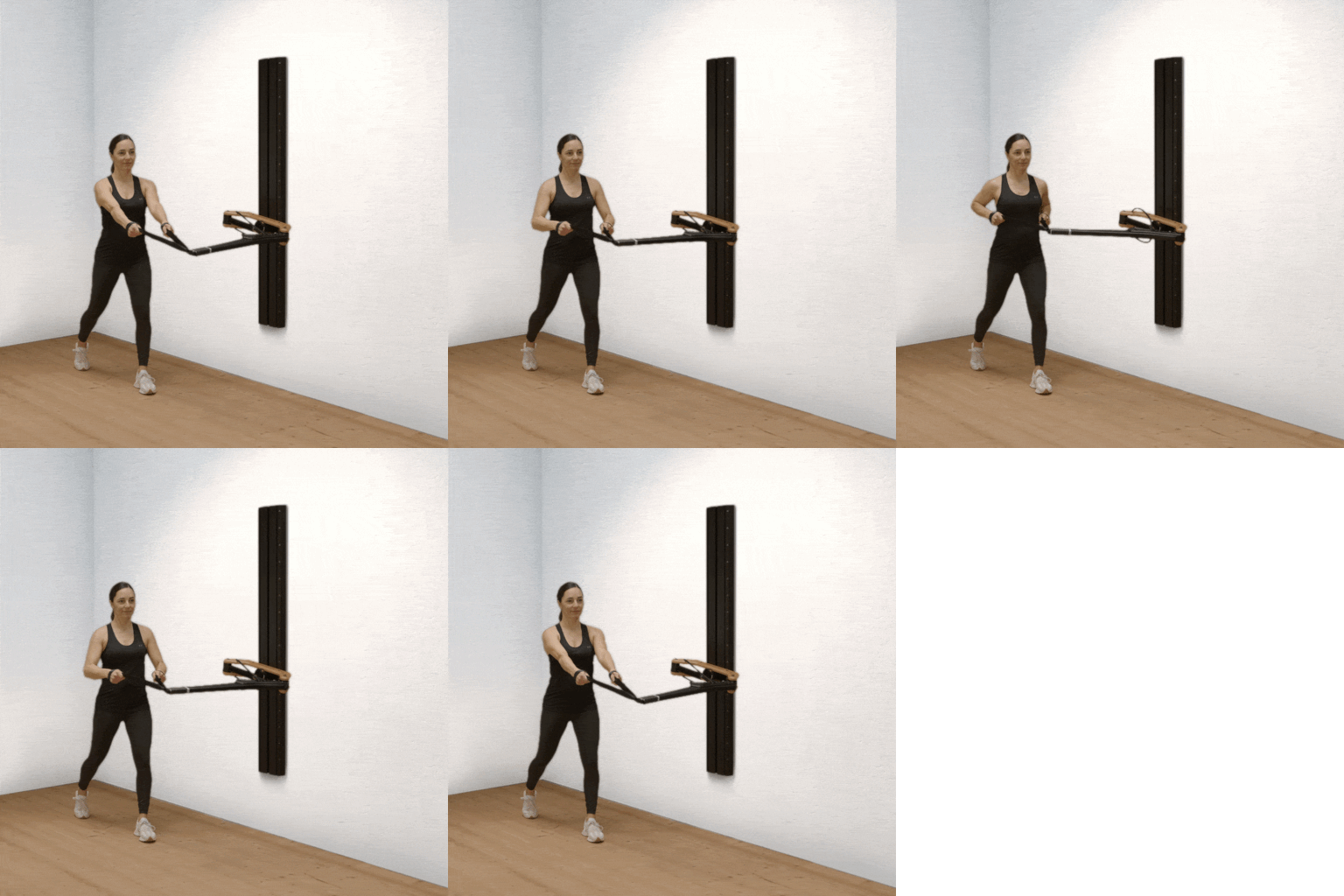
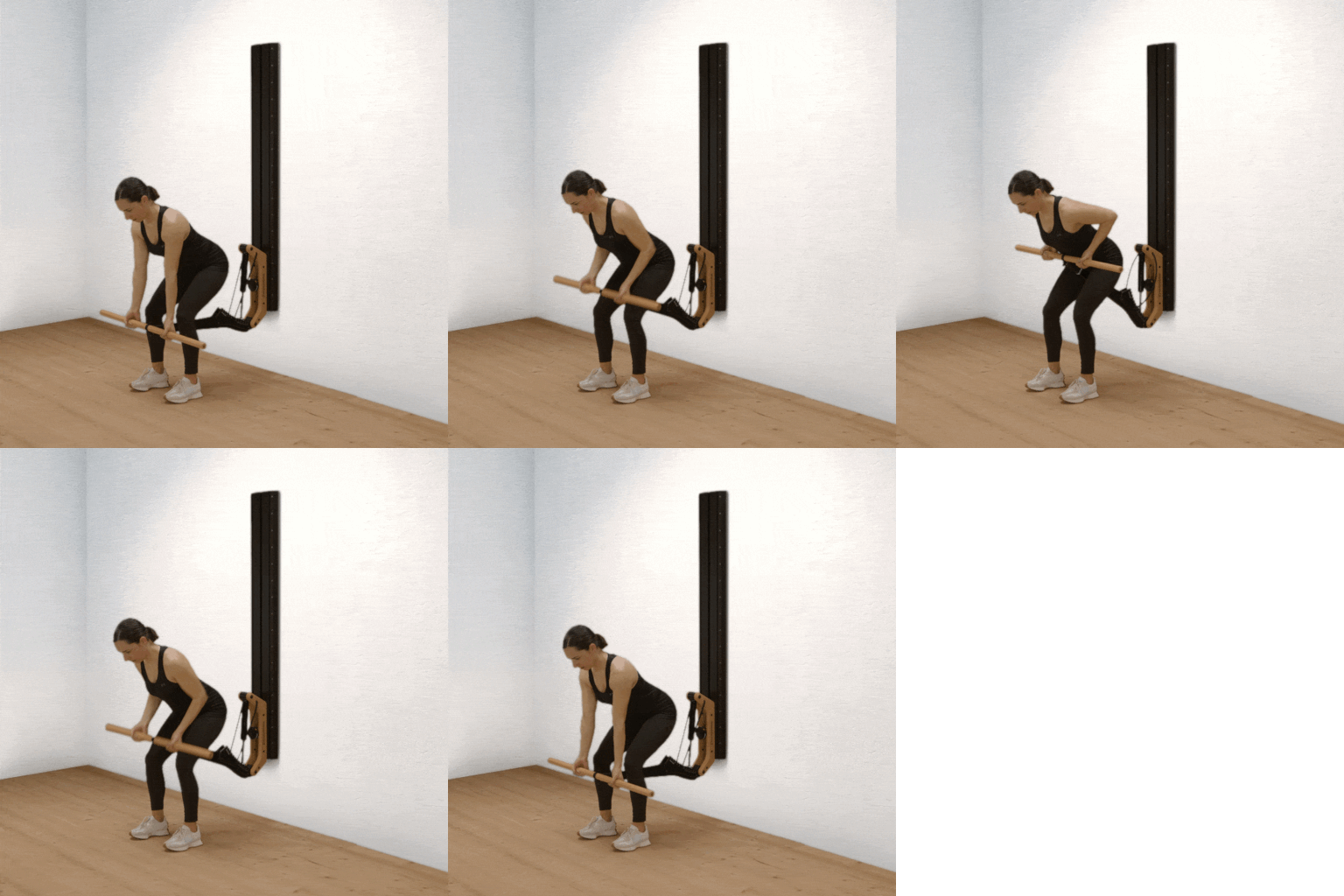
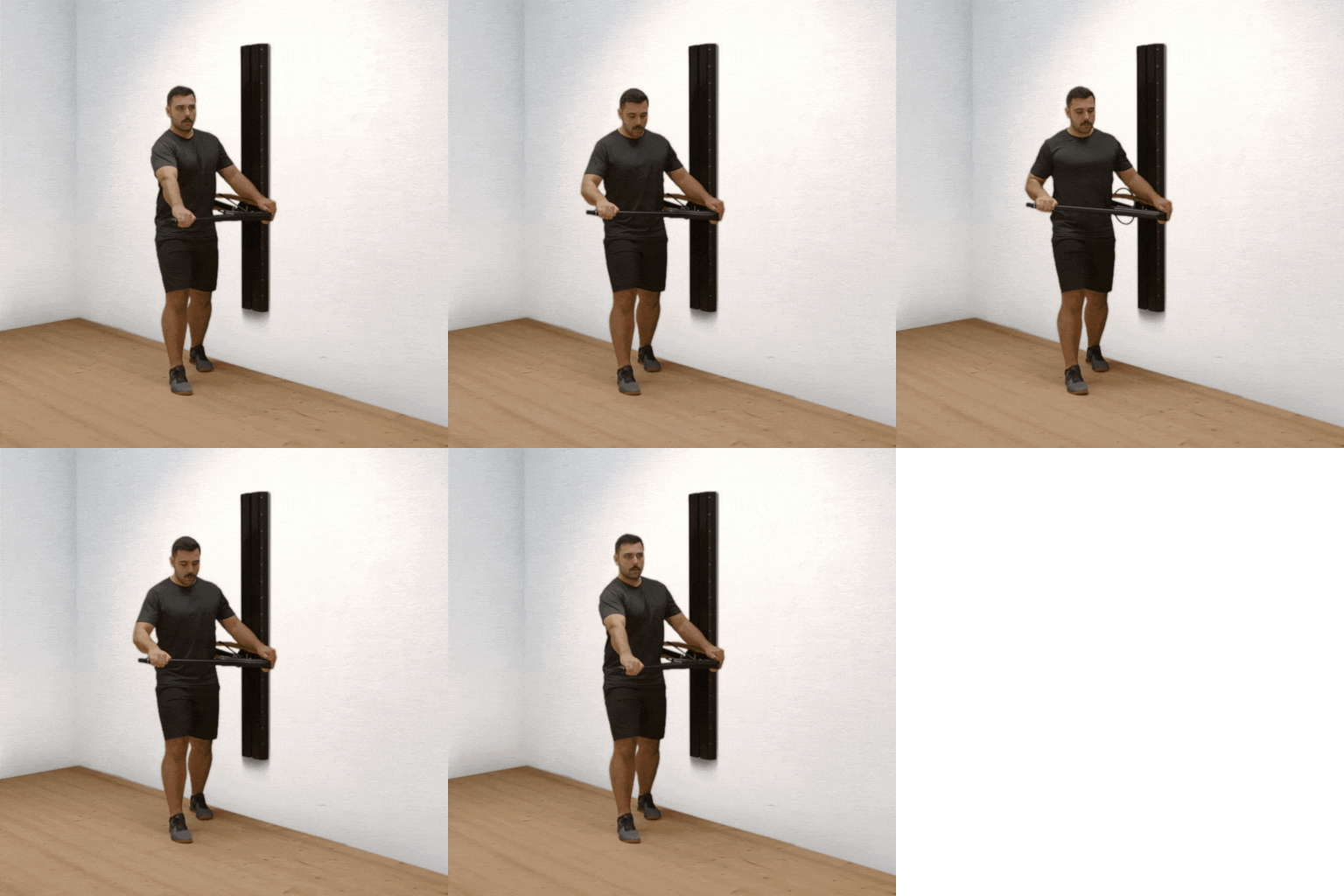
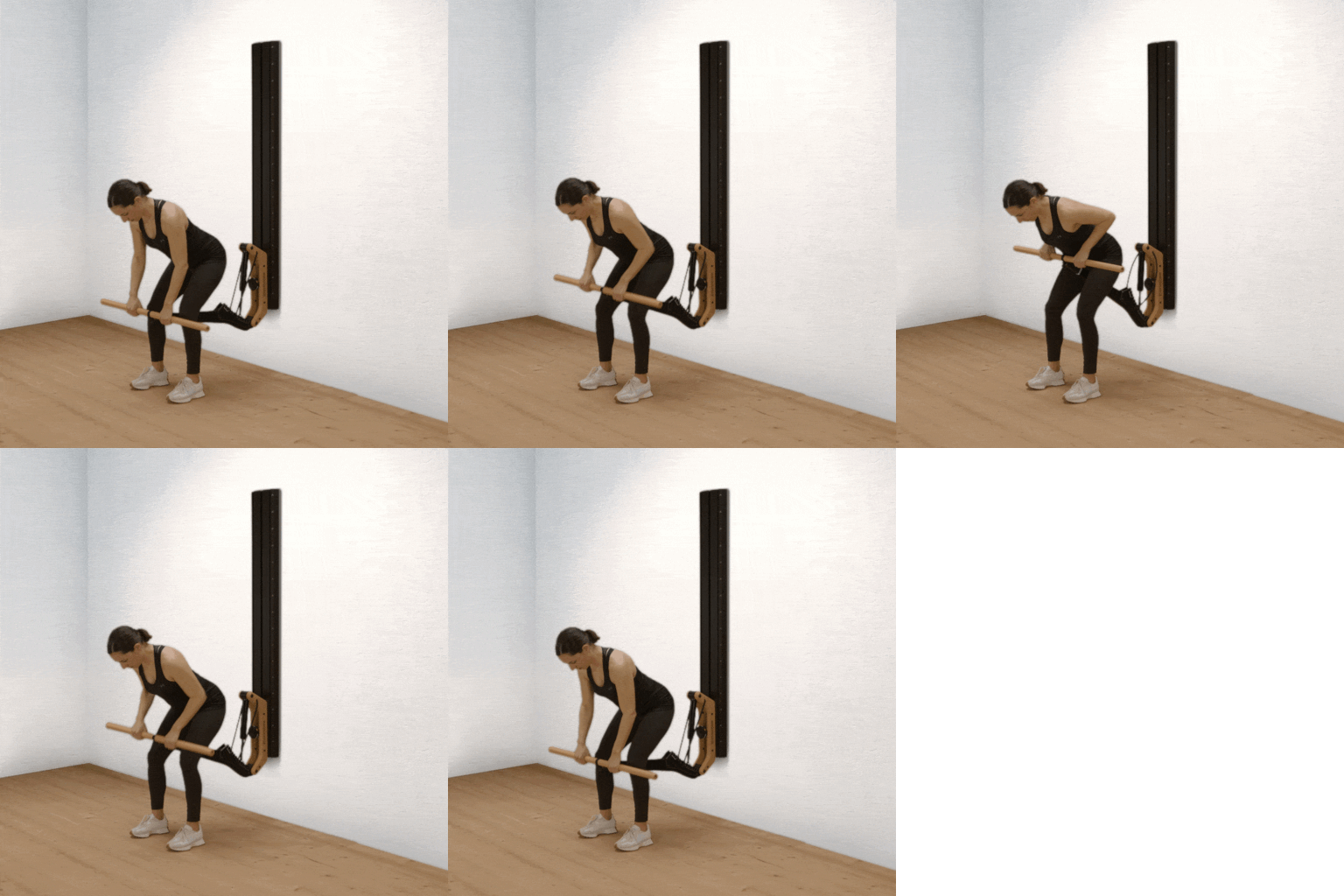
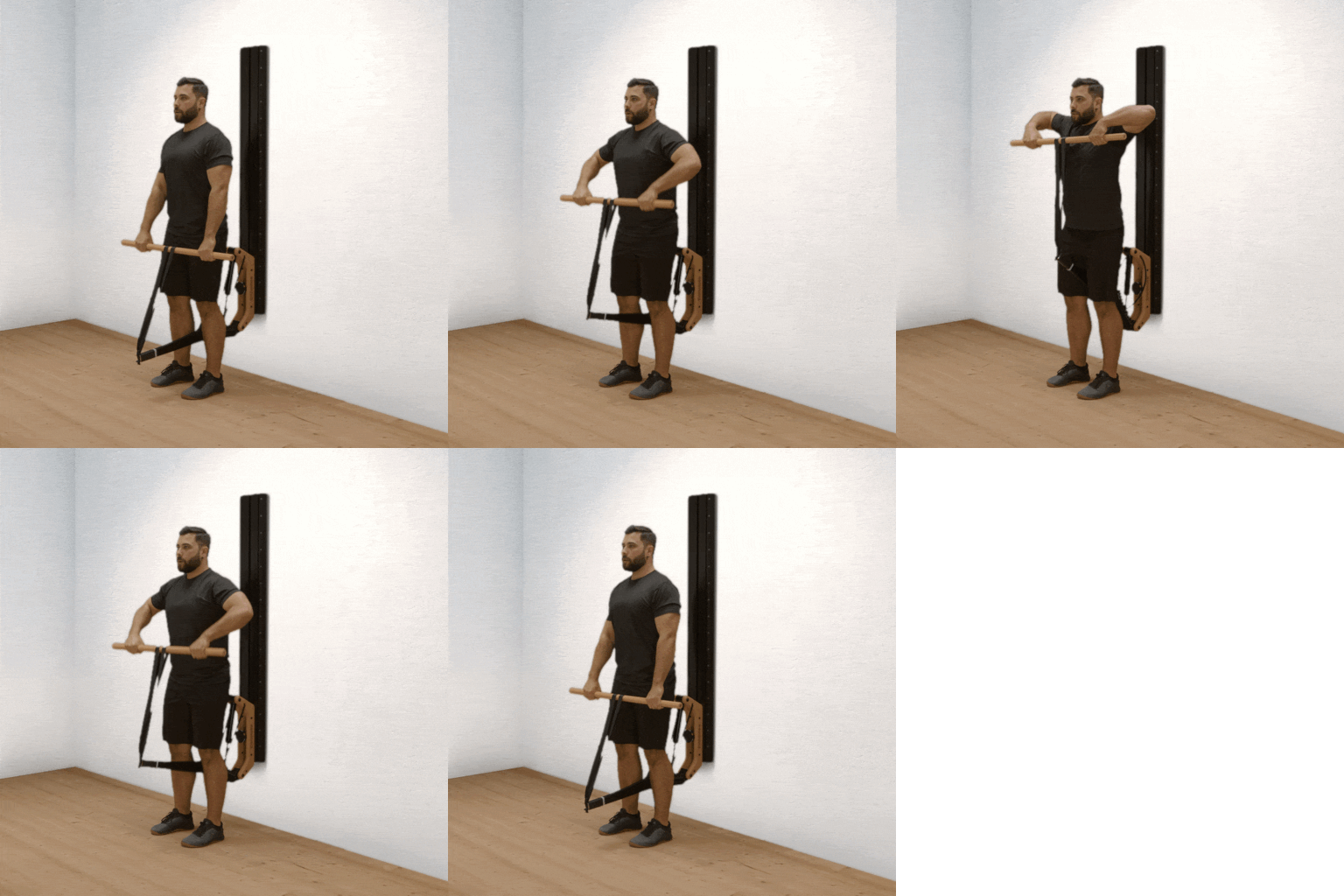
The standing cable row is a functional pulling exercise where the upper body and arms work against resistance while keeping the core stable. The upright position engages the core more effectively to prevent compensatory movements, and the back muscles are worked through a natural pulling path. The standing row with cable pulley is an effective method to train the shoulders and upper back while also involving the core.
What effect does the exercise achieve?
Strengthening the back muscles: The latissimus dorsi, rhomboids, and trapezius (middle and upper parts) are specifically targeted, especially during controlled pulling.
Core activation & body tension: To maintain balance while standing and perform the movement correctly, the abdominal, back, and stabilizing muscles must work together.
Improved posture & shoulder stability: Pulling against resistance engages the shoulder blade stabilizers, promoting better posture and reducing the risk of shoulder problems.
Joint-friendly & suitable for everyday training: Compared to other rowing variations that may overly stress the joints, the standing cable row is often easier on the joints while allowing precise control over the movement.
Simple progression possible: Resistance, grip width, and execution speed can be adjusted to progressively increase the challenge.
How does this exercise fit into the Big 5 concept?
The Big 5 include the fundamental exercises: squat, deadlift, bench press, pull-up or lat pulldown, and shoulder press. The standing cable row is not a classical Big 5 exercise, but it can complement the Big 5 training concept in a valuable way:
Supports pulling movements: It trains similar patterns as pull-ups and other pulling exercises, with adjustable intensity and in a stable, upright position.
Promotes muscular balance: It helps balance pushing and pulling muscles, which is especially important if your program emphasizes pressing movements like the bench press or shoulder press.
Supplementary exercise: As an accessory movement, it enhances stability and control during pulling exercises without interfering with the basic exercises.
:format(webp))
)
)
)
)
)
:format(webp) "EISENHORN S Black Edition")
 "EISENHORN S Black Edition")