What makes this exercise particularly effective?
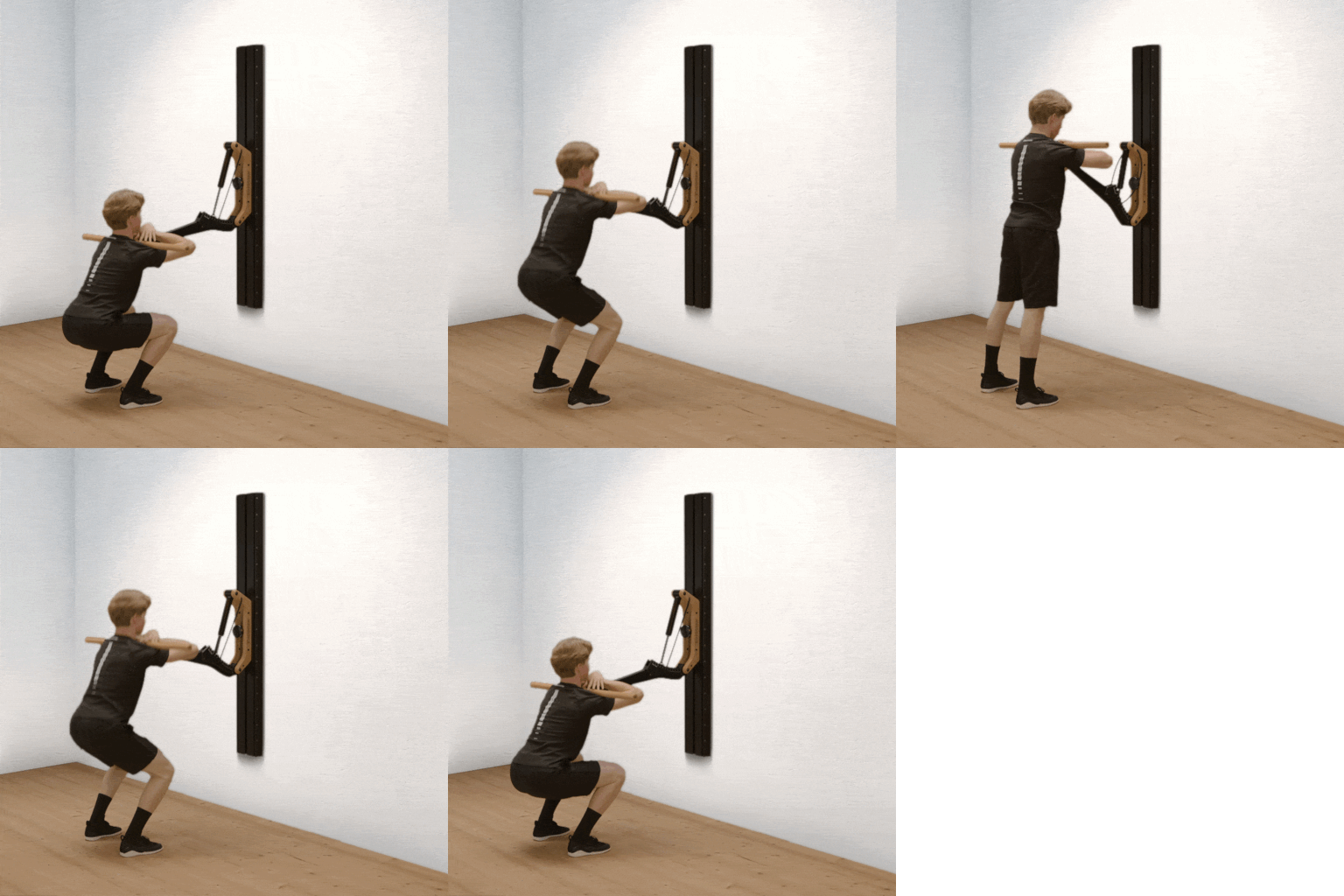
Overhead squats are among the most technically demanding variations of the squat, as they require not only strength but also a high degree of mobility, stability, and body control. In overhead squats, the barbell is held above the head while performing a full squat. This combination ensures that the shoulders, torso, back, hips, knees, and ankles must work in close coordination. The entire back is activated to hold the load stable overhead, and the core (deep abdominal muscles, obliques, and lower back muscles) is engaged isometrically to maintain posture.
What effect does the exercise achieve?
Full-body strength & coordination: overhead squats engage many muscle groups simultaneously — quadriceps, glutes, hamstrings, shoulders, upper back, and core. This not only builds strength but also improves coordination between these areas.
Core and shoulder stability: to keep the load balanced overhead, the shoulders must be actively stabilized, the back must remain upright, and the core must maintain tension. This promotes a strong, stable core and healthy shoulder joints.
Mobility & range of motion: good mobility in the shoulders, thoracic spine, hips, knees, and ankles is necessary for proper overhead squat execution. The exercise therefore also serves as a mobility and flexibility enhancer.
Improved depth and technique in other squat variations: mastering overhead squats often improves general squatting mechanics — better depth, less forward lean, and more control in front squats or back Squats.
Athletic performance & posture: training overhead squats positively impacts posture, balance, and everyday movements — for example, carrying objects overhead, bending down, or rising from deep positions.
How does this exercise fit into the Big 5 concept?
The Big 5 include the fundamental exercises: squat, deadlift, bench press, pull-up or lat pulldown, and shoulder press. Even though the overhead squat is not part of the classic Big 5, it can be a meaningful addition to this training concept:
Supportive for squats & deadlifts: overhead squats improve movement patterns and stability, which are also beneficial for these basic exercises.
Improvement of shoulder and scapular control: with the arms fixed overhead, the shoulder joint and scapular muscles are heavily engaged, which aids performance in other overhead movements (e.g., shoulder press).
Core function & prerequisite for heavier loads: a strong core and control are essential, especially for more intense Big 5 variations.
Variety & progression incentives: for advanced trainees, overhead squats provide new stimuli and help overcome plateaus, as they combine technical skill and mobility.
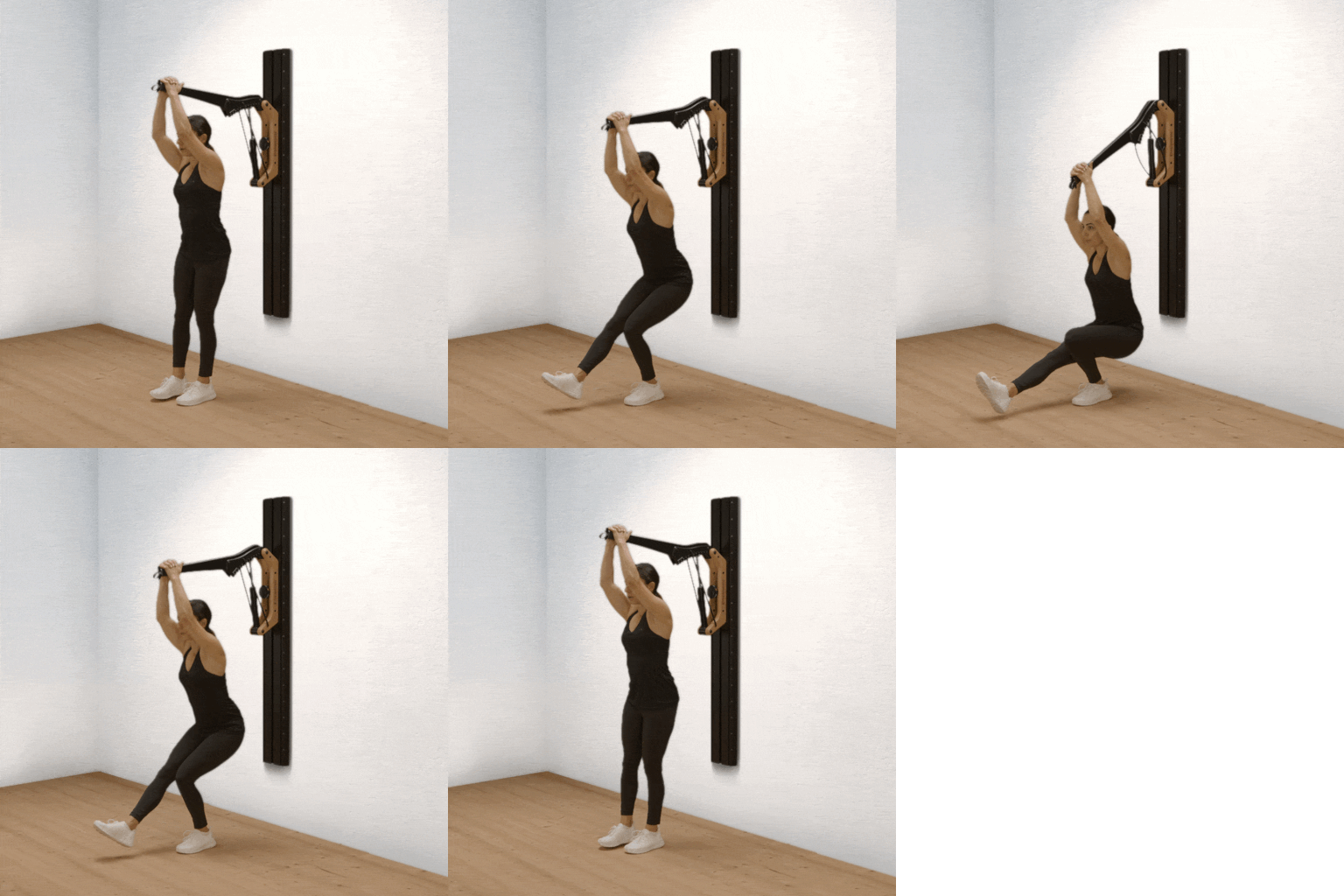
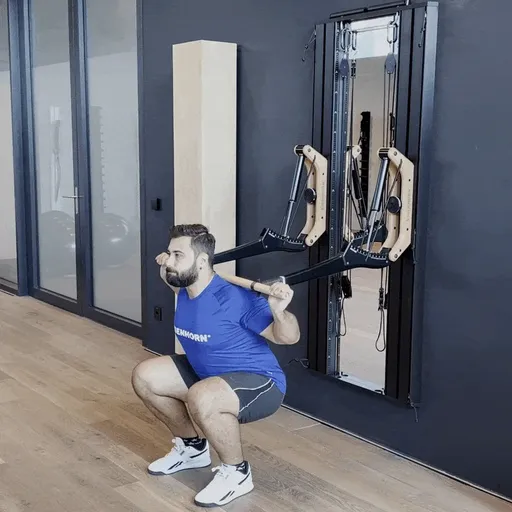
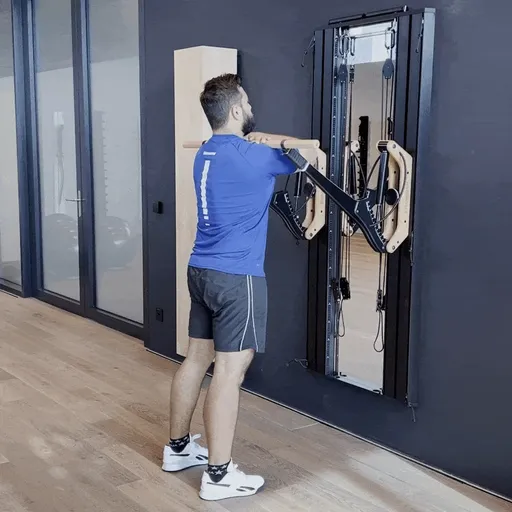
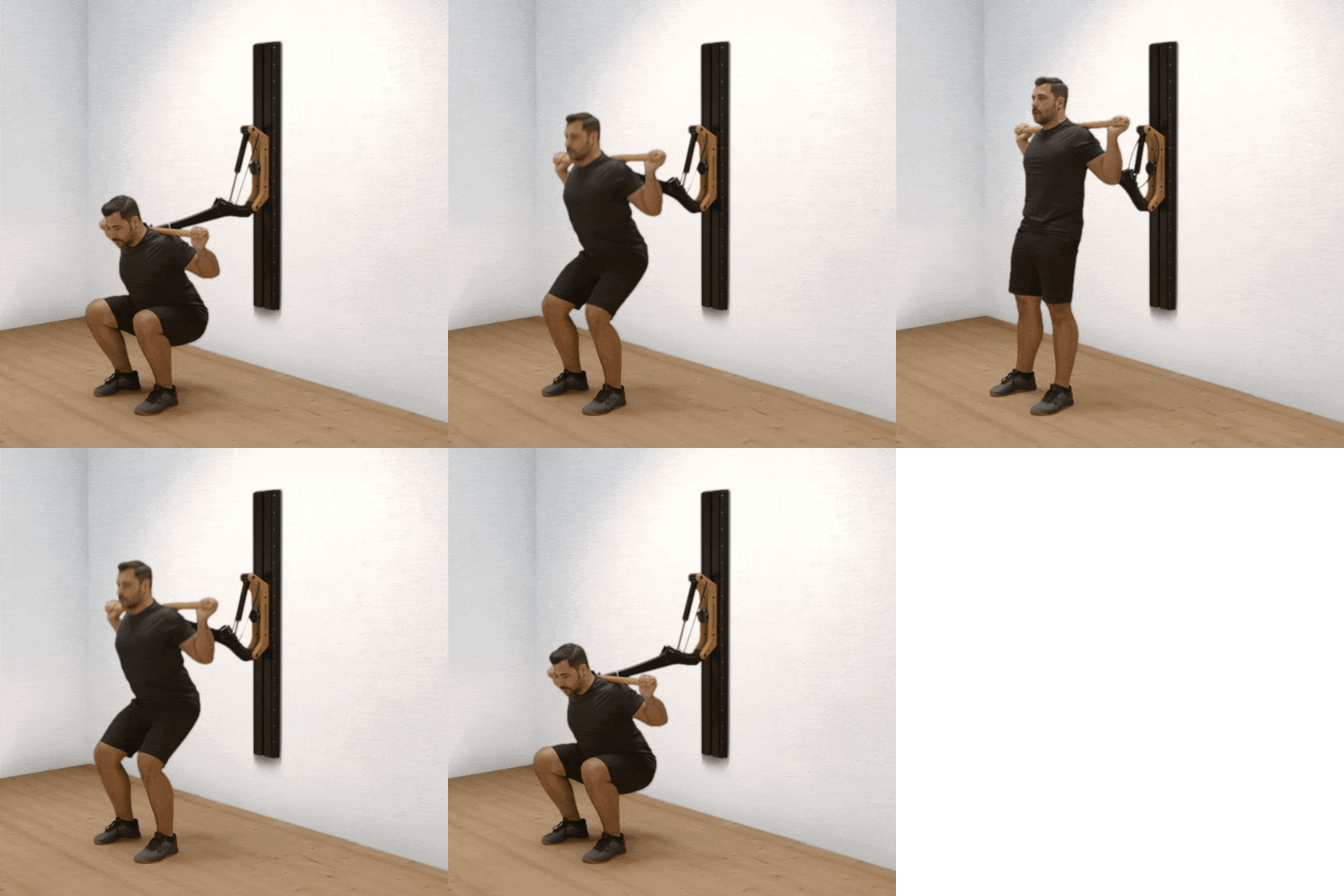
:format(webp))
)
)
)
)
)
:format(webp) "EISENHORN S Black Edition")
 "EISENHORN S Black Edition")